Date: January 24–26, 2026 Location: Bucharest, Romania
Is it really worth driving over an hour and navigating multiple train transfers just to save money on a flight? That was the question looping through my mind at 3:10 AM on Saturday morning. I had spent the previous day cross-country skiing, pushing my body on the trails until 9:00 PM, yet here I was, awake before dawn, fueled by the adrenaline of an impending trip.
My destination: Bucharest, Romania.
The logistics of flying from Basel (BSL) instead of my local Zurich (ZRH) are not for the faint of heart. I drove to Pratteln to use the SBB Park & Rail service. My GPS induced a momentary panic, predicting a 5:11 AM arrival for a 5:17 AM train—a margin of error too razor-thin for my liking. Thankfully, the traffic gods were kind, and I arrived by 5:02 AM.
Sitting on the train, I did the math. The flight was a steal at 41 CHF. However, the “real cost” included 1 hour and 10 minutes of driving plus 44 minutes of public transport. Compare that to a simple one-hour trip to Zurich airport, and the verdict is clear: unless the flight is at least 100 CHF cheaper, the Basel hustle just isn’t worth the sleep deprivation.
The Flight to the East
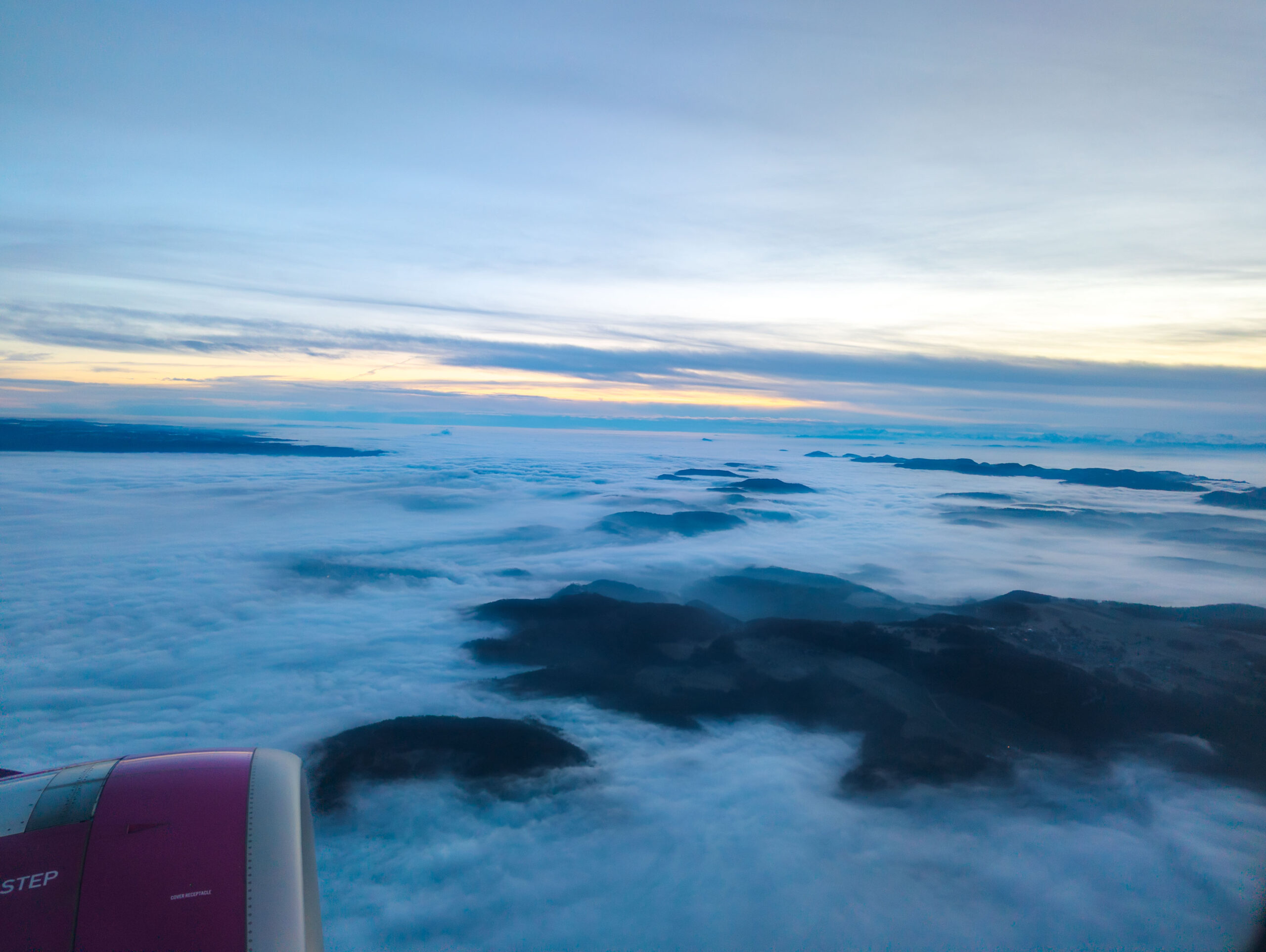
Basel Airport is efficient, small, and fast. I breezed through security with over an hour to spare. The flight itself, however, had a chaotic start. We took off from a thick, gray “fog soup”, piercing through the clouds three minutes later to find brilliant sunshine.
My seat neighbor, a Romanian man, provided the in-flight entertainment. He refused to fasten his seatbelt, arguing with the flight attendants until they practically forced him to comply. His behavior was erratic enough to be concerning, but fortunately, he switched seats after takeoff.
We landed in Bucharest at 11:00 AM, about 20 minutes behind schedule. I had planned to take the bus, but I couldn’t immediately spot the stop and, feeling the time crunch, I ordered a Bolt. In Switzerland, a 20-minute taxi ride to the city center would bankrupt you; here, it cost 8 Lei (approx. 8 CHF).
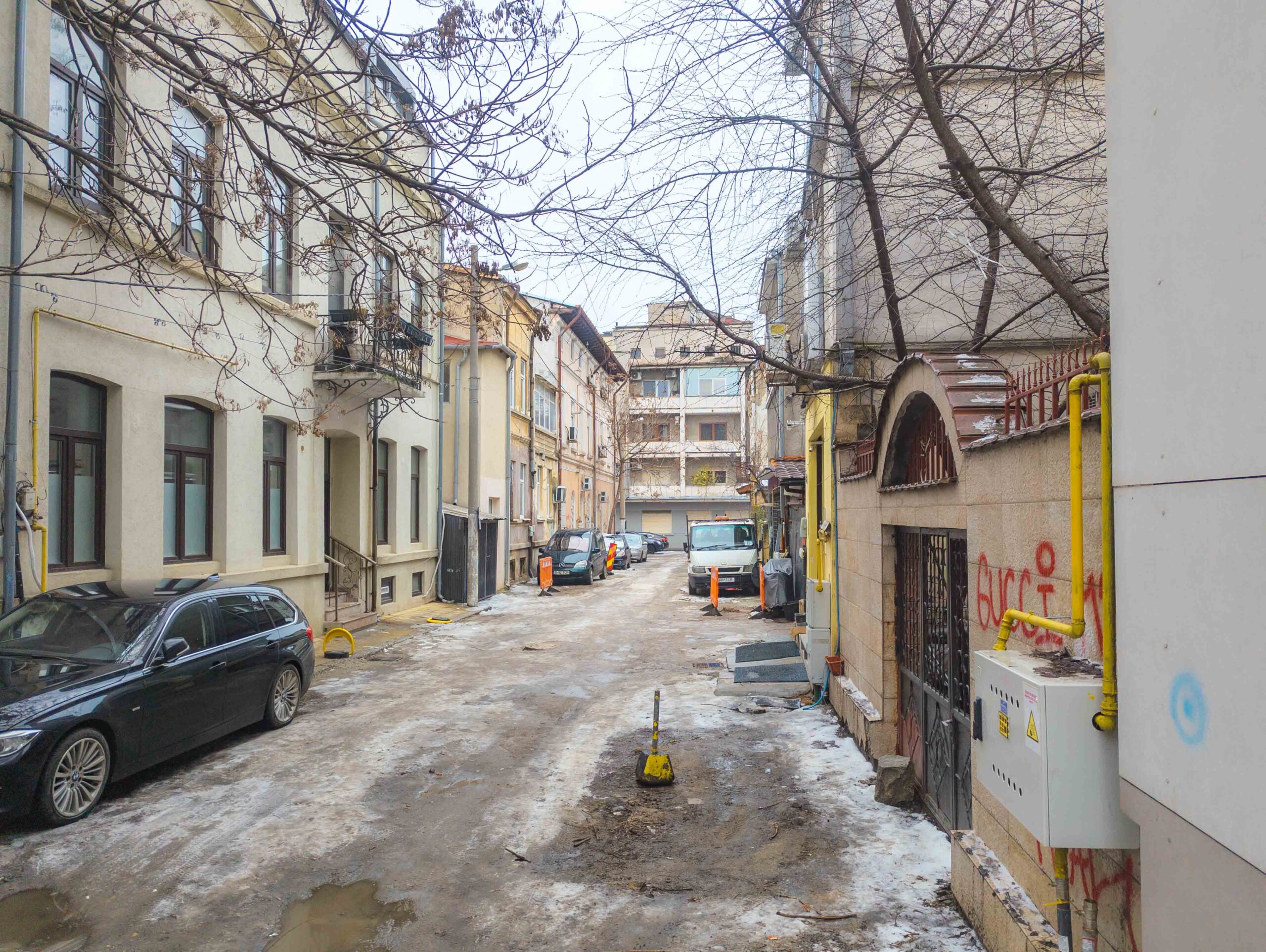
I dropped my bags at the Sleep Inn Hostel. My first impression of Bucharest was… gritty. Trash lined the streets, and the hostel exterior looked more like a condemned shack than a place of business. But inside, it was functional enough to leave my rucksack and head straight for the city’s monstrous centerpiece.
The Colossus: The Palace of the Parliament
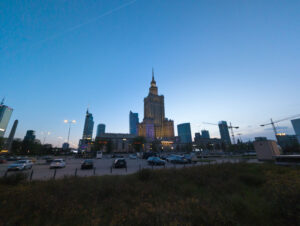
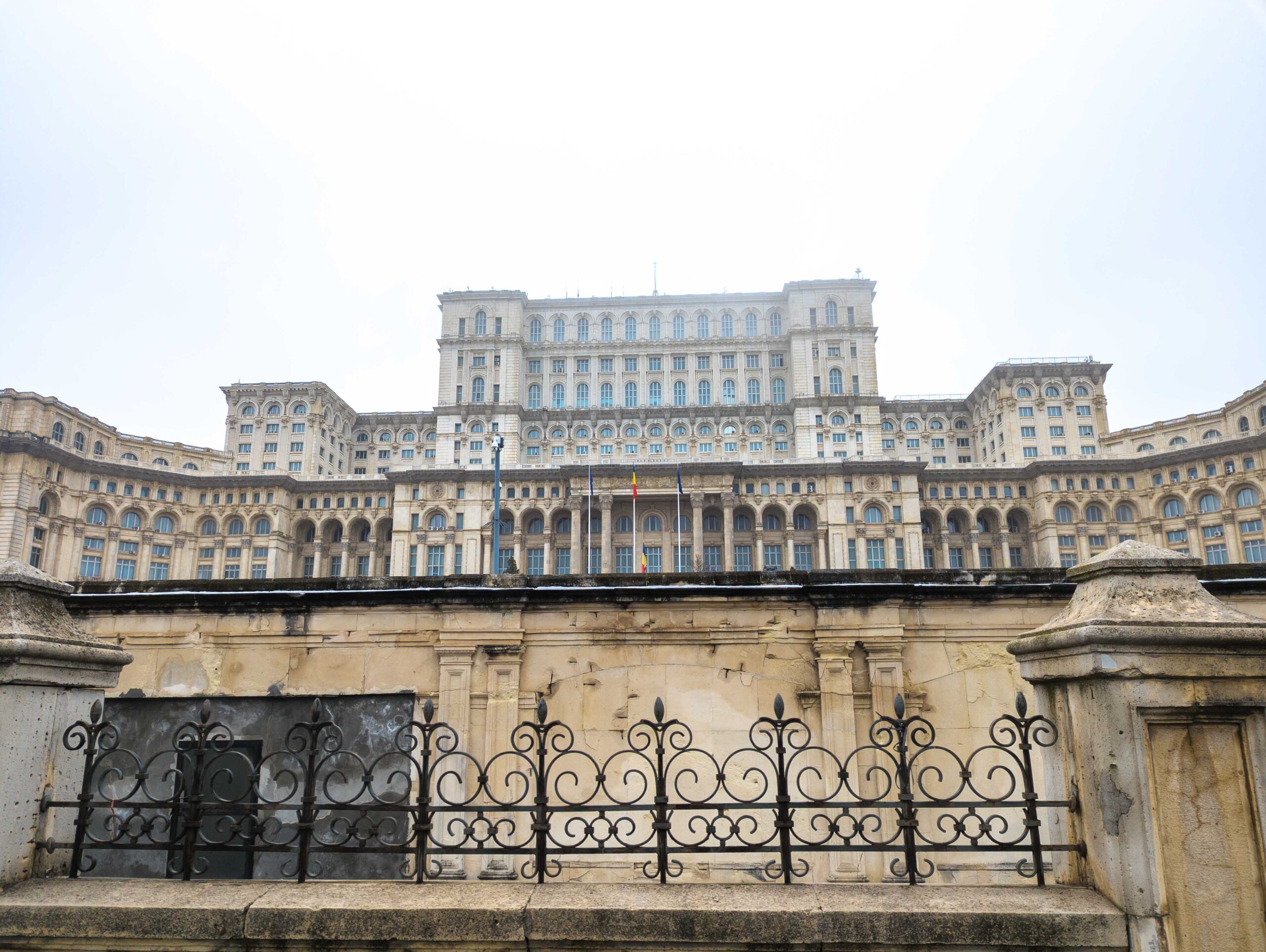
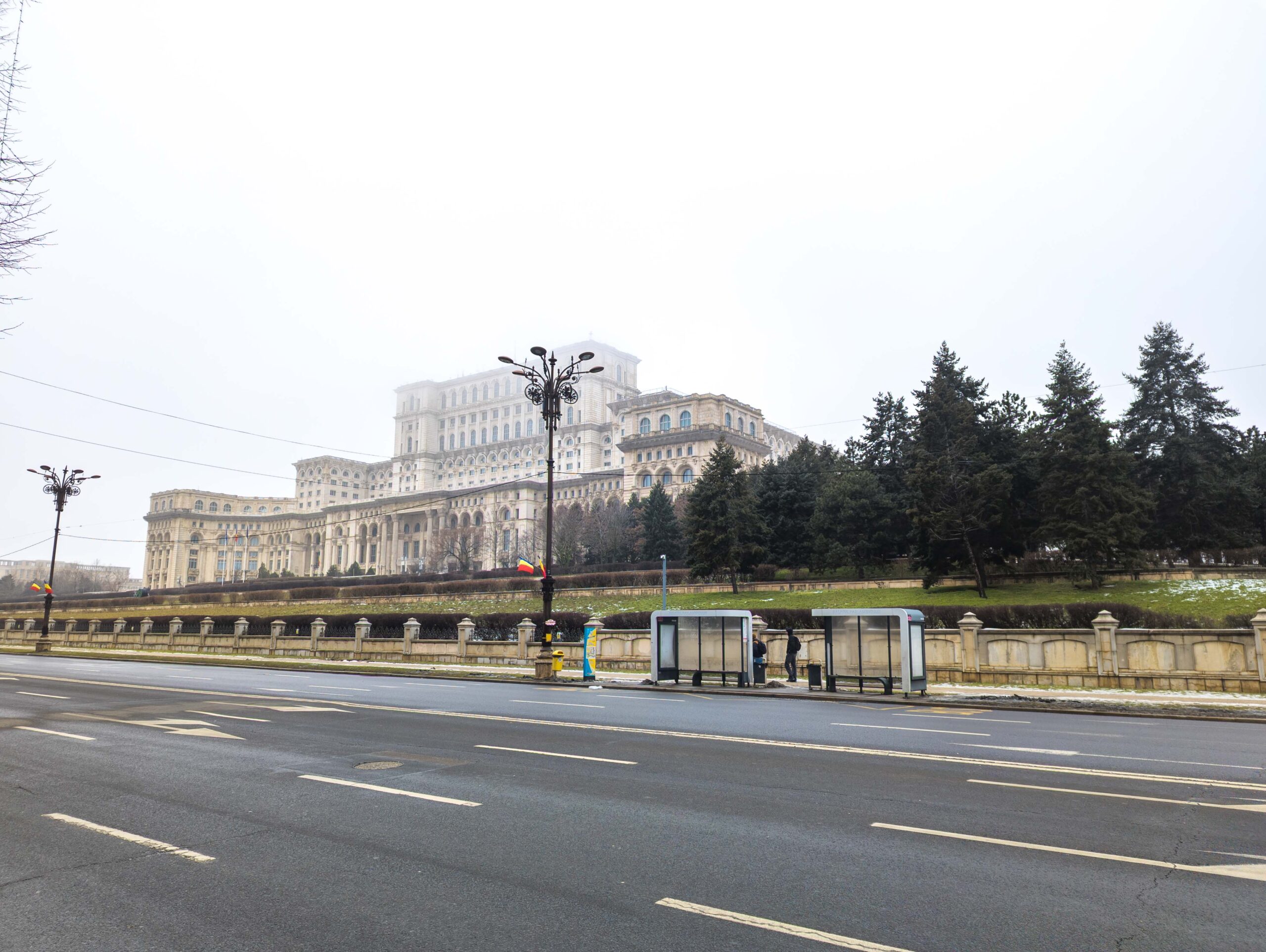
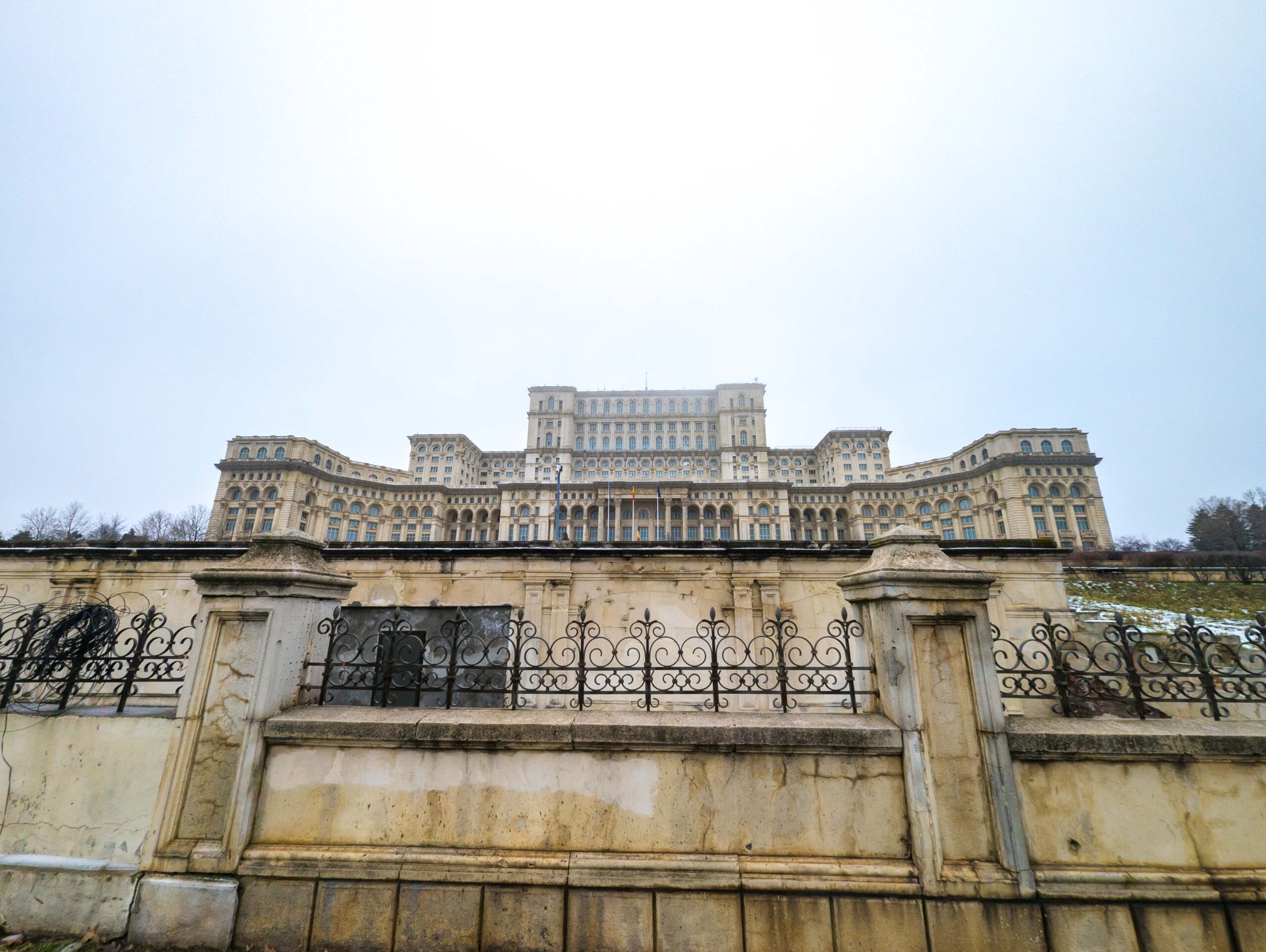
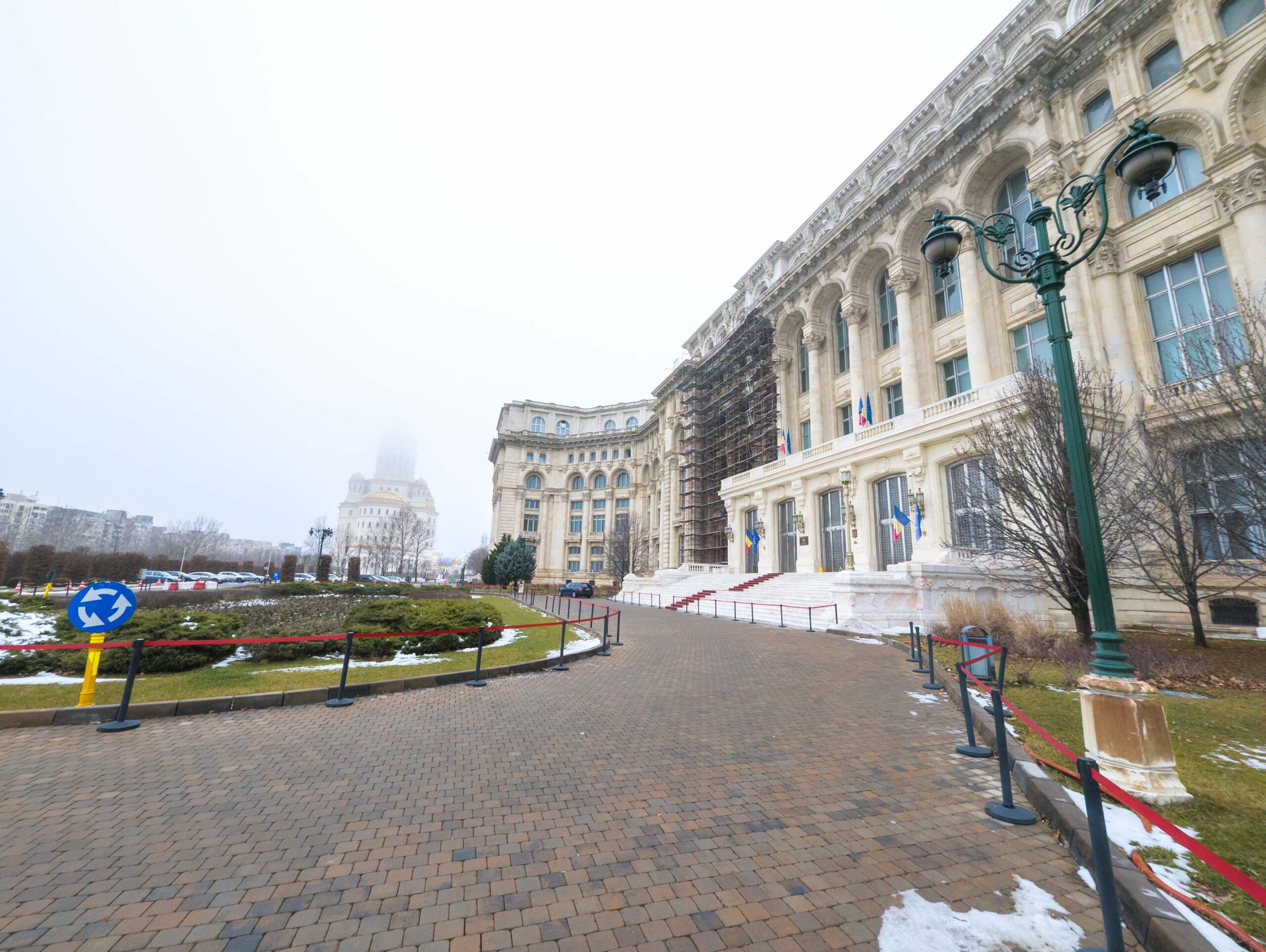
My first major stop was the Palace of the Parliament, the heaviest building in the world. I grabbed a few snacks on the way and walked toward the structure. From a distance, it is deceiving. The scale is so immense that the human eye struggles to contextualize it. It doesn’t look “big” until you realize the tiny ants at the bottom are actually buses.
The Case of the Missing Guide I had booked a guided tour and already possessed the tickets. I went to the designated meeting point at the fence, waiting for the guide. As I stood there, a group of confused tourists began gathering around me. Because of the yellow accents on my jacket, they all assumed I was the tour guide! It was a funny icebreaker, and I chatted with people from all over the world.
However, 15 minutes passed, and the actual guide never showed up. Realizing we had been stood up, about 40 of us decided to take matters into our own hands. Since we already had our tickets, we marched to the entrance ourselves. It turned out to be the right decision—we got in without issue.
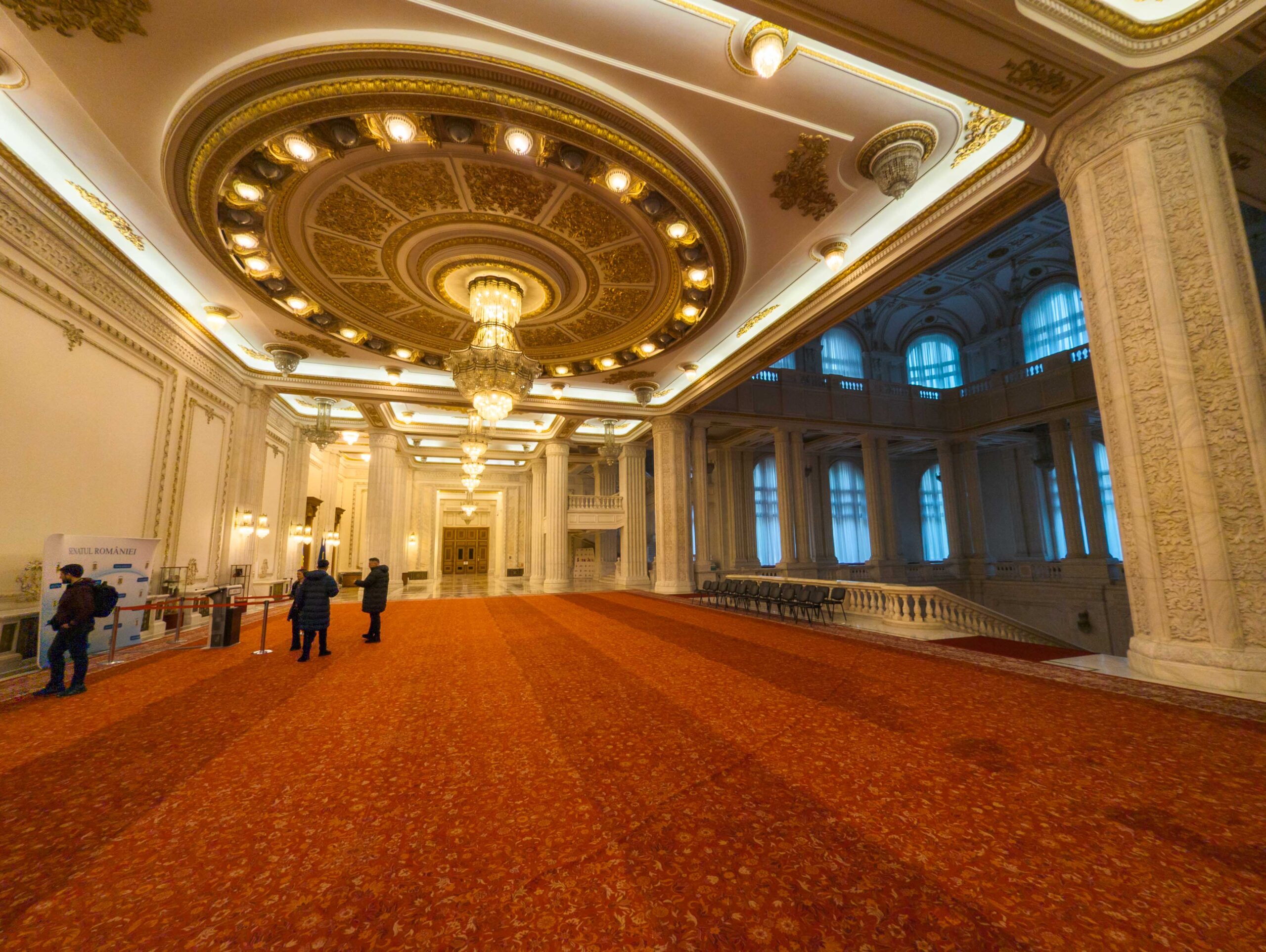
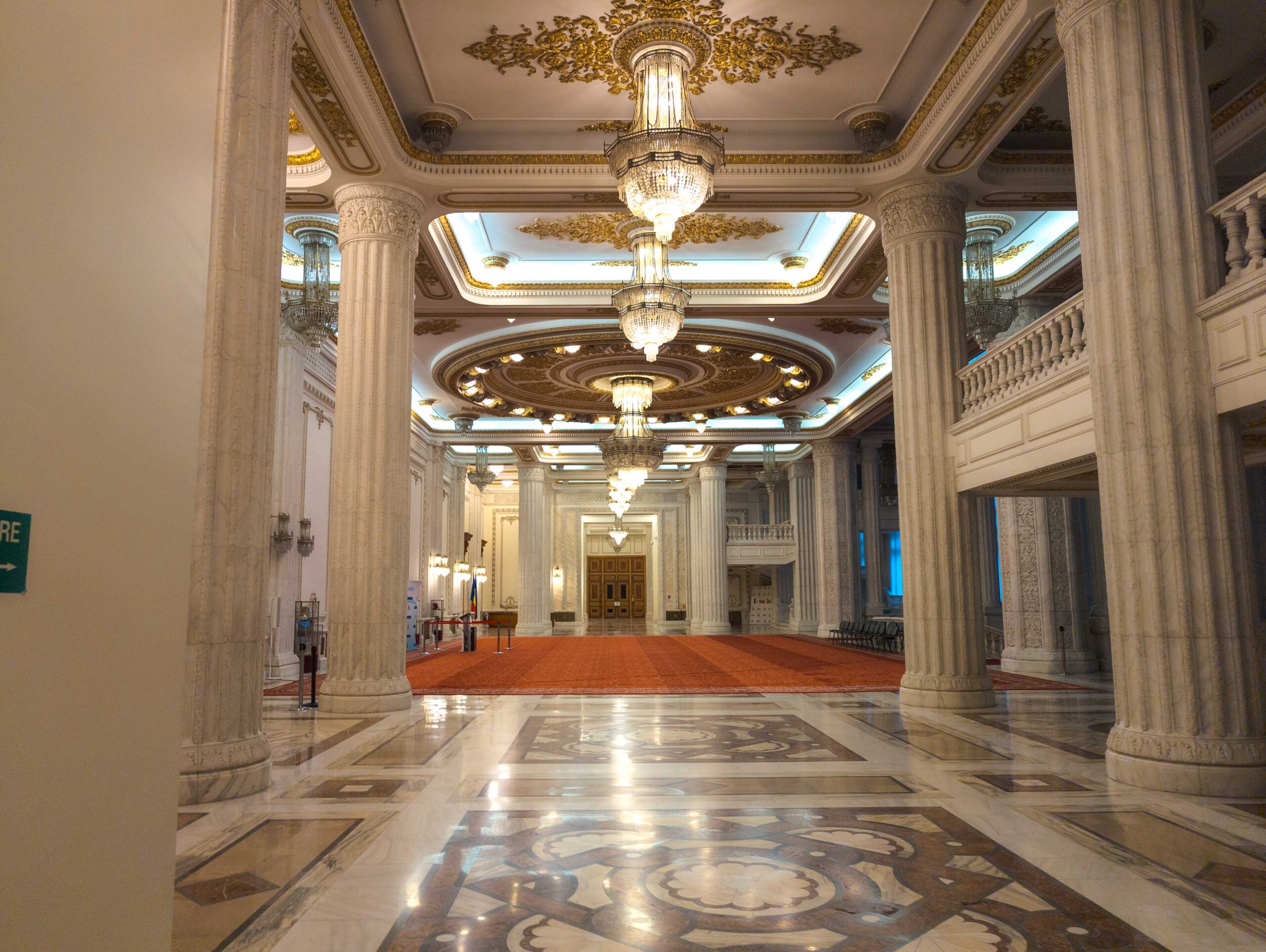
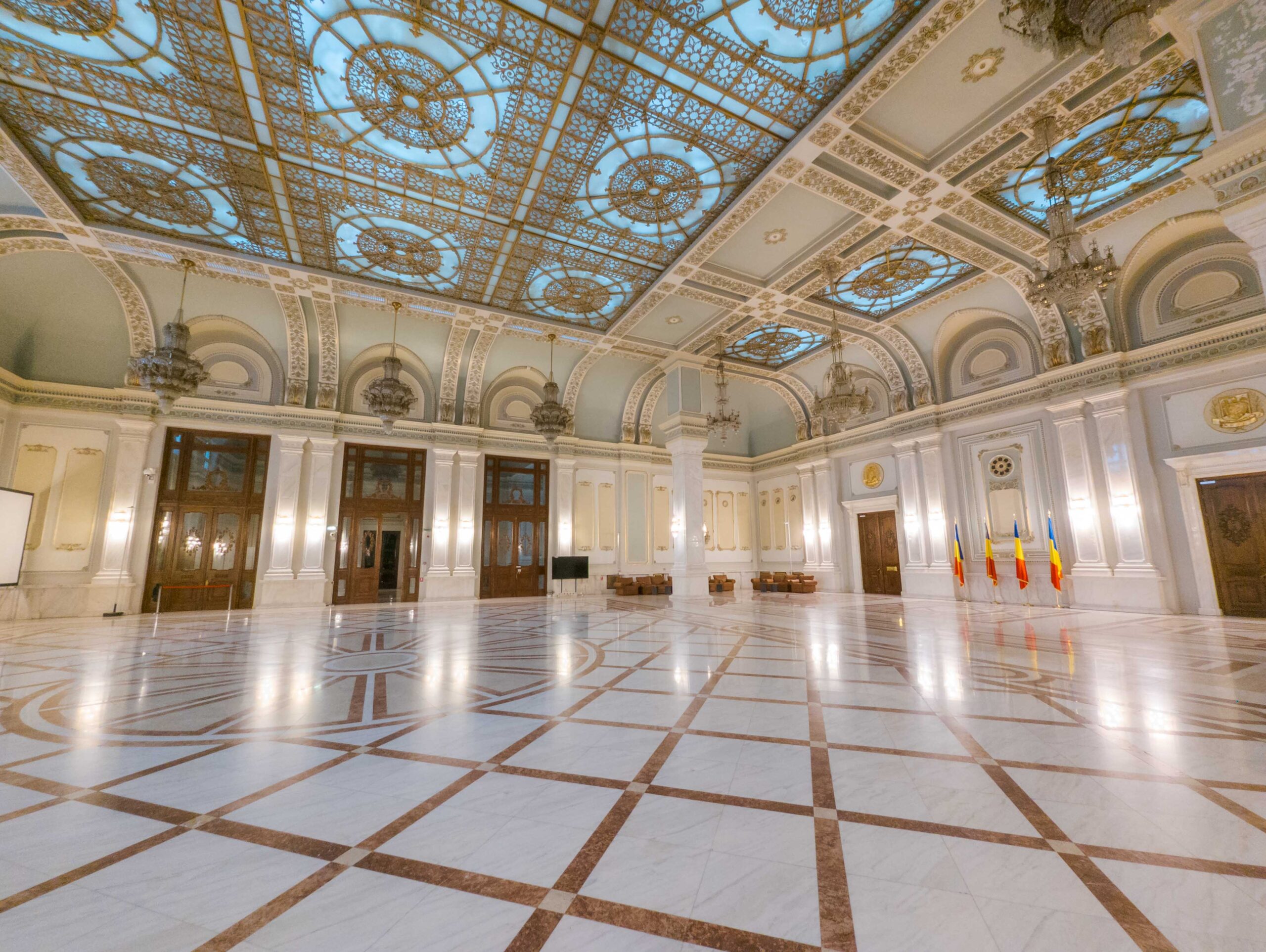
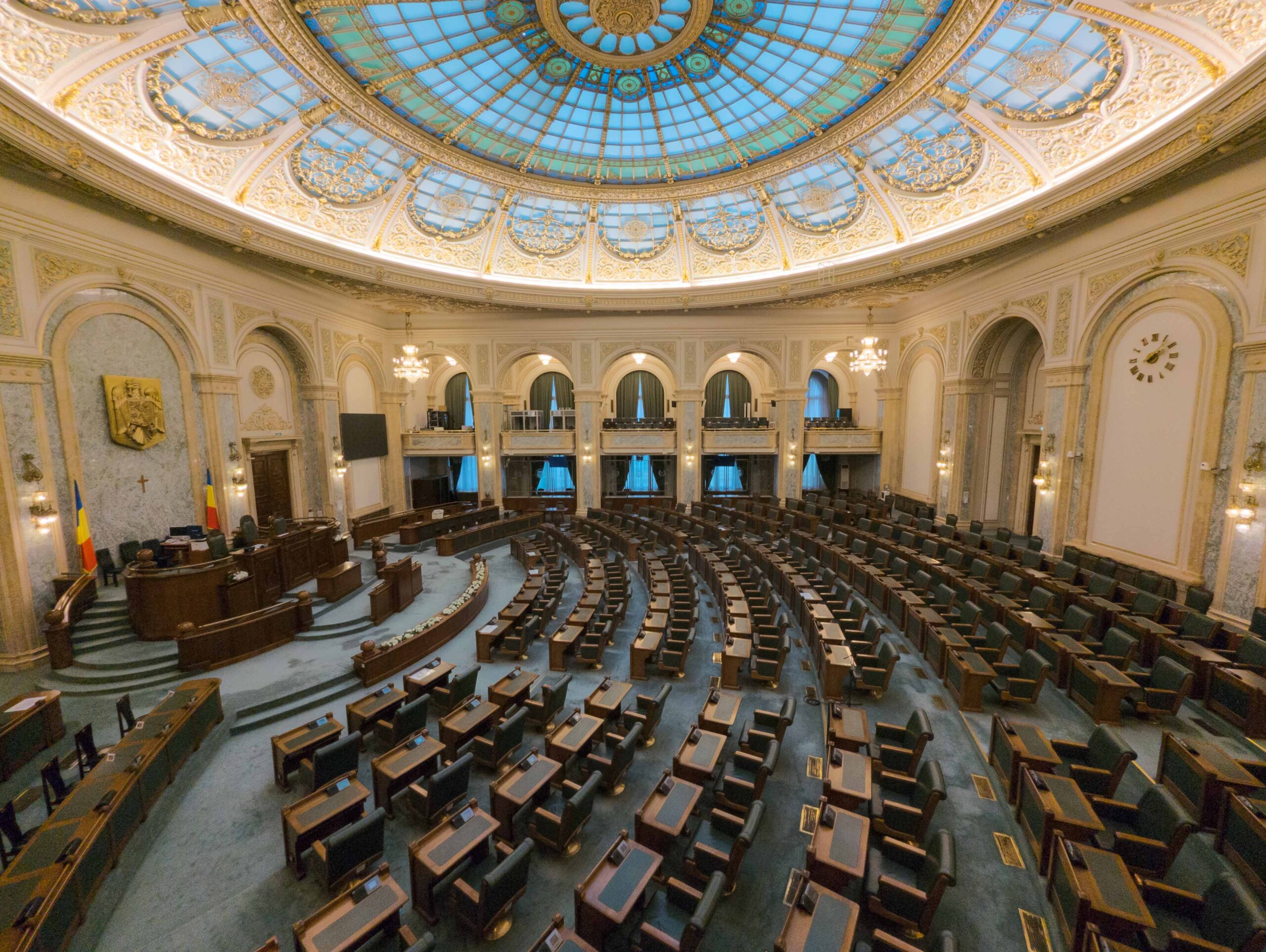
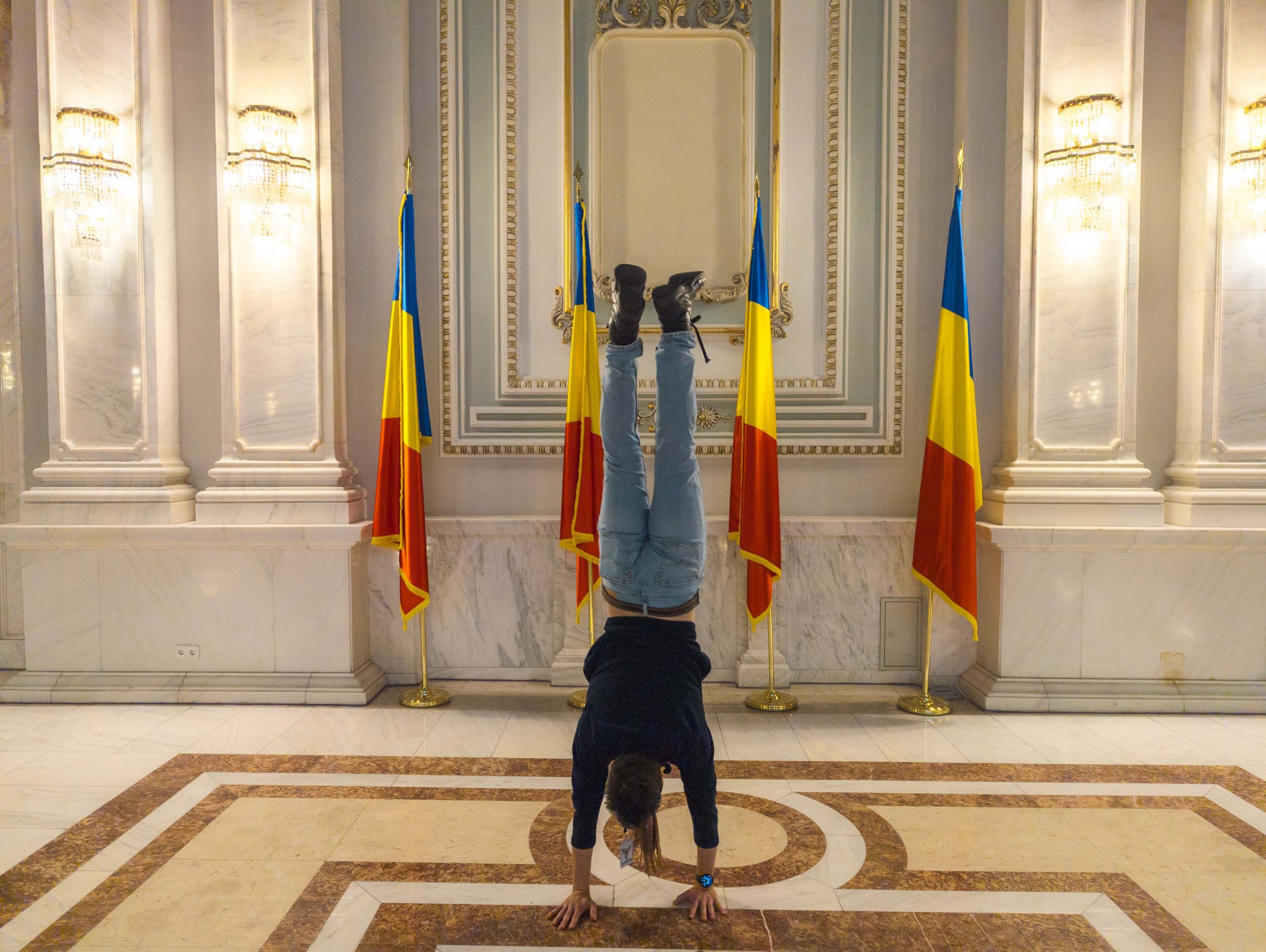
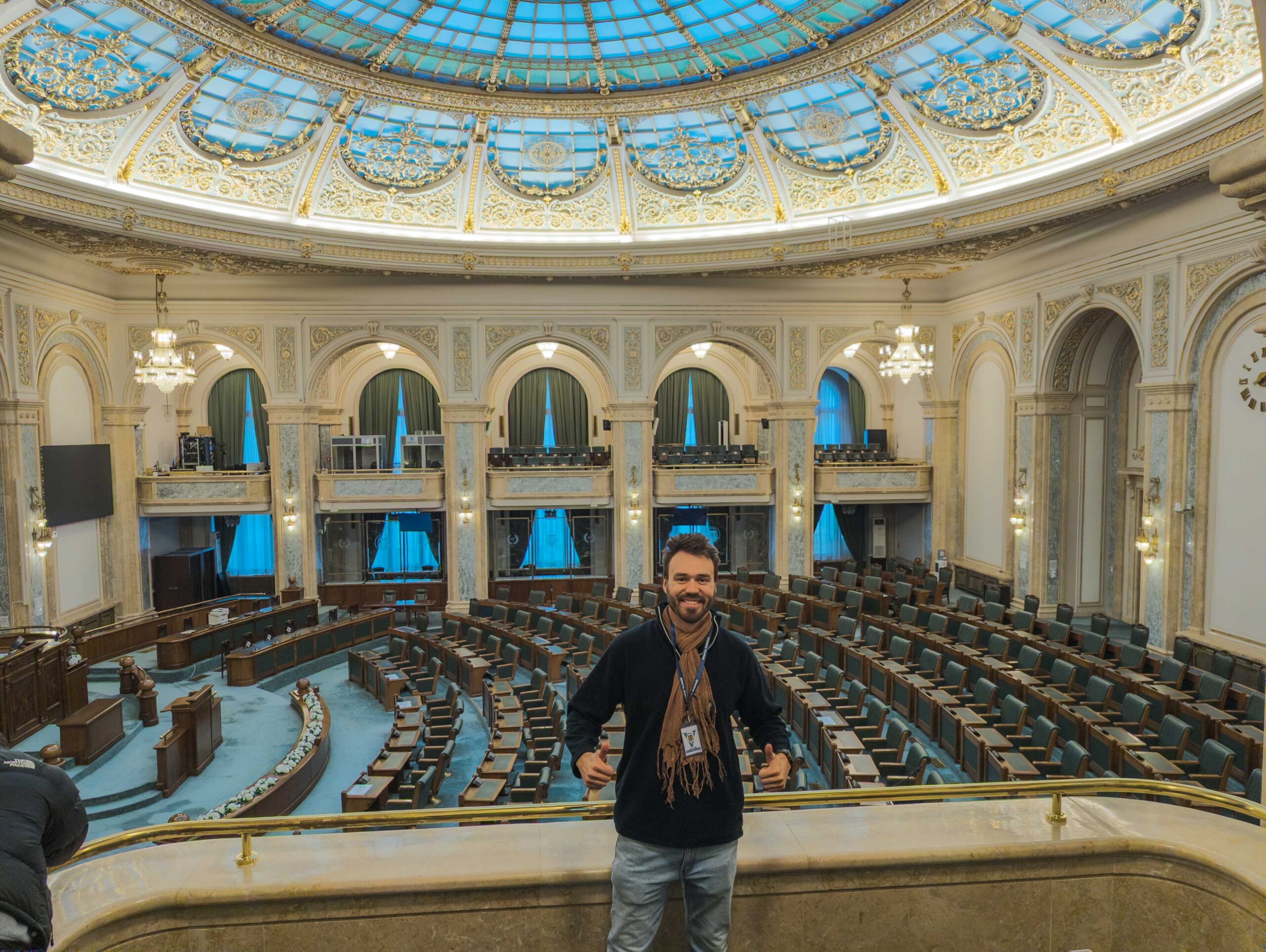
Historical Deep Dive: The House of the Republic Stepping inside the Palace is like stepping into the ego of a dictator. This building was the obsession of Nicolae Ceaușescu, Romania’s communist leader. Construction began in 1984, but Ceaușescu never saw it finished—he was executed in the Revolution of 1989.
- The Scale: It is currently the second-largest administrative building in the world (after the Pentagon), though I’ve heard the new parliament in Thailand is challenging this ranking, pushing this to third. It has 1,100 rooms and rises 84 meters above ground—and goes 92 meters underground.
- The Human Cost: The guide dropped a staggering statistic: the construction consumed roughly one-fourth (25%) of Romania’s GDP during the 1980s. To fund this marble behemoth, Ceaușescu exported Romania’s food and fuel, plunging the population into starvation and darkness. They called it the “House of the Republic,” but the locals bitterly referred to it as the “House of the People” while they froze in their apartments.
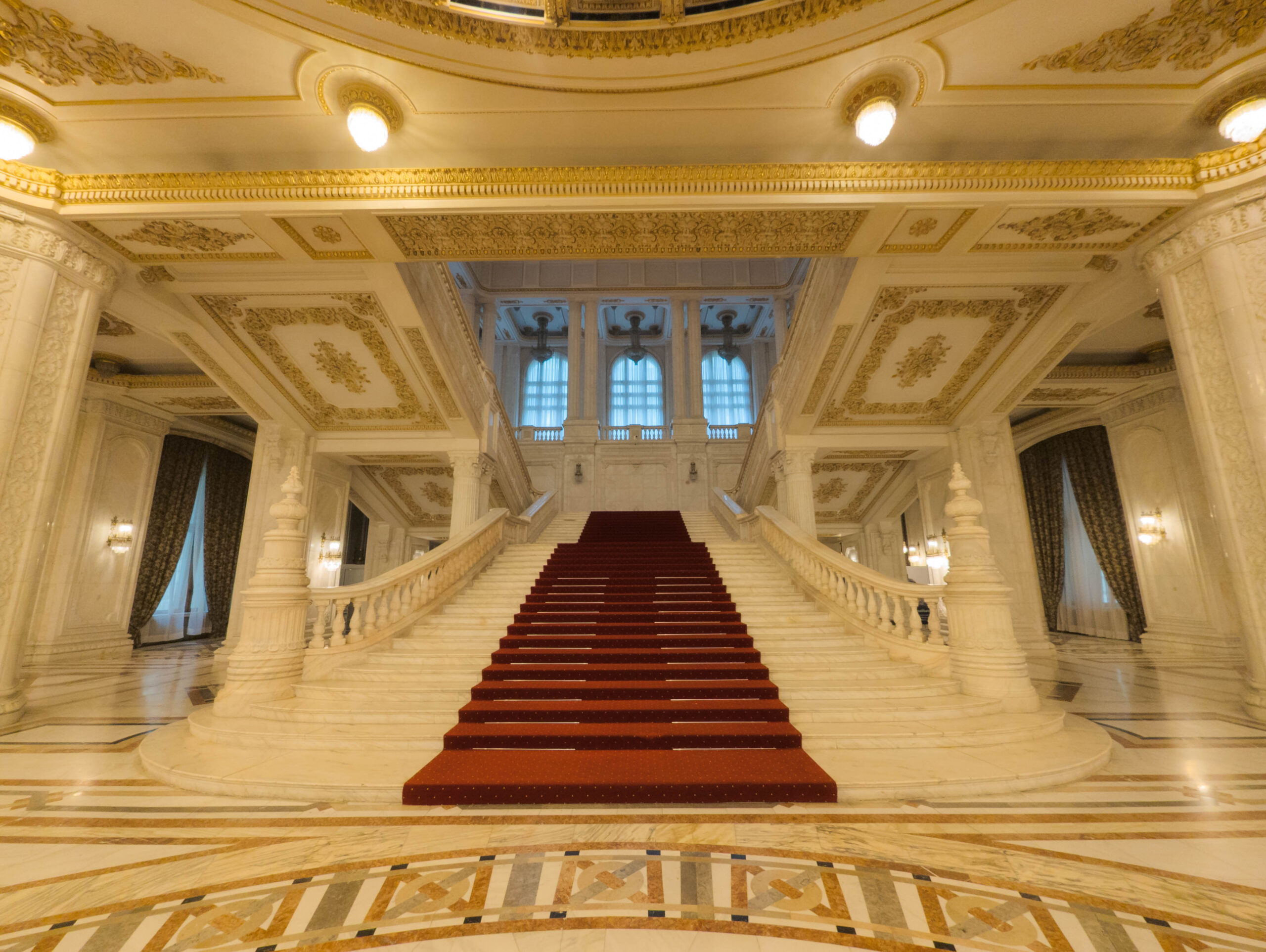
- Romanian Materials: A point of national pride (or perhaps irony) is that nearly all materials are Romanian. 3,500 tonnes of crystal, 700,000 tonnes of steel, and 1 million cubic meters of marble.
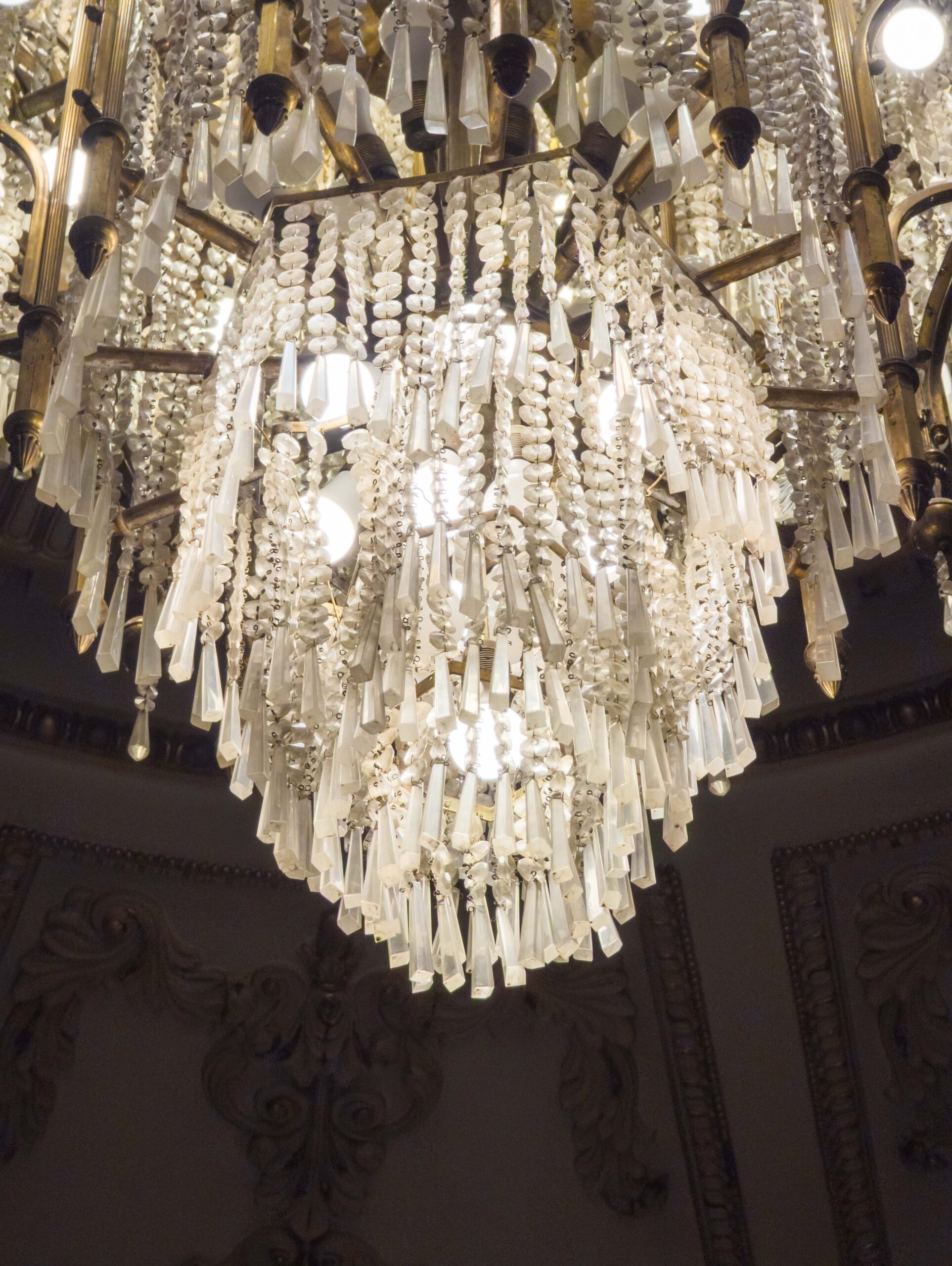
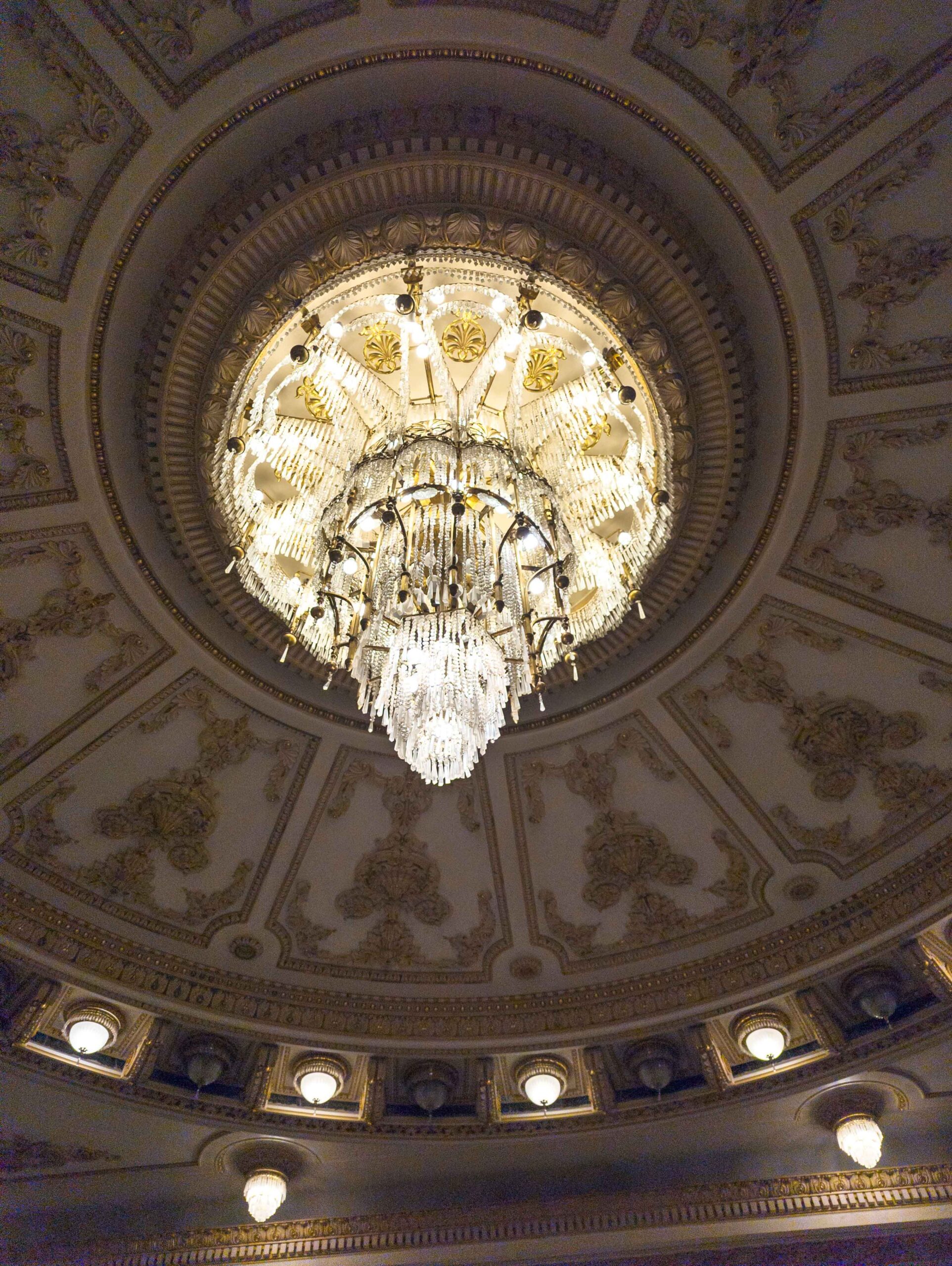
The interior is simply breathtaking. The corridors are wide enough to drive tanks through (a rumor says this was intentional), and the chandeliers are the size of small cars. It is a place of immense beauty born from immense suffering.
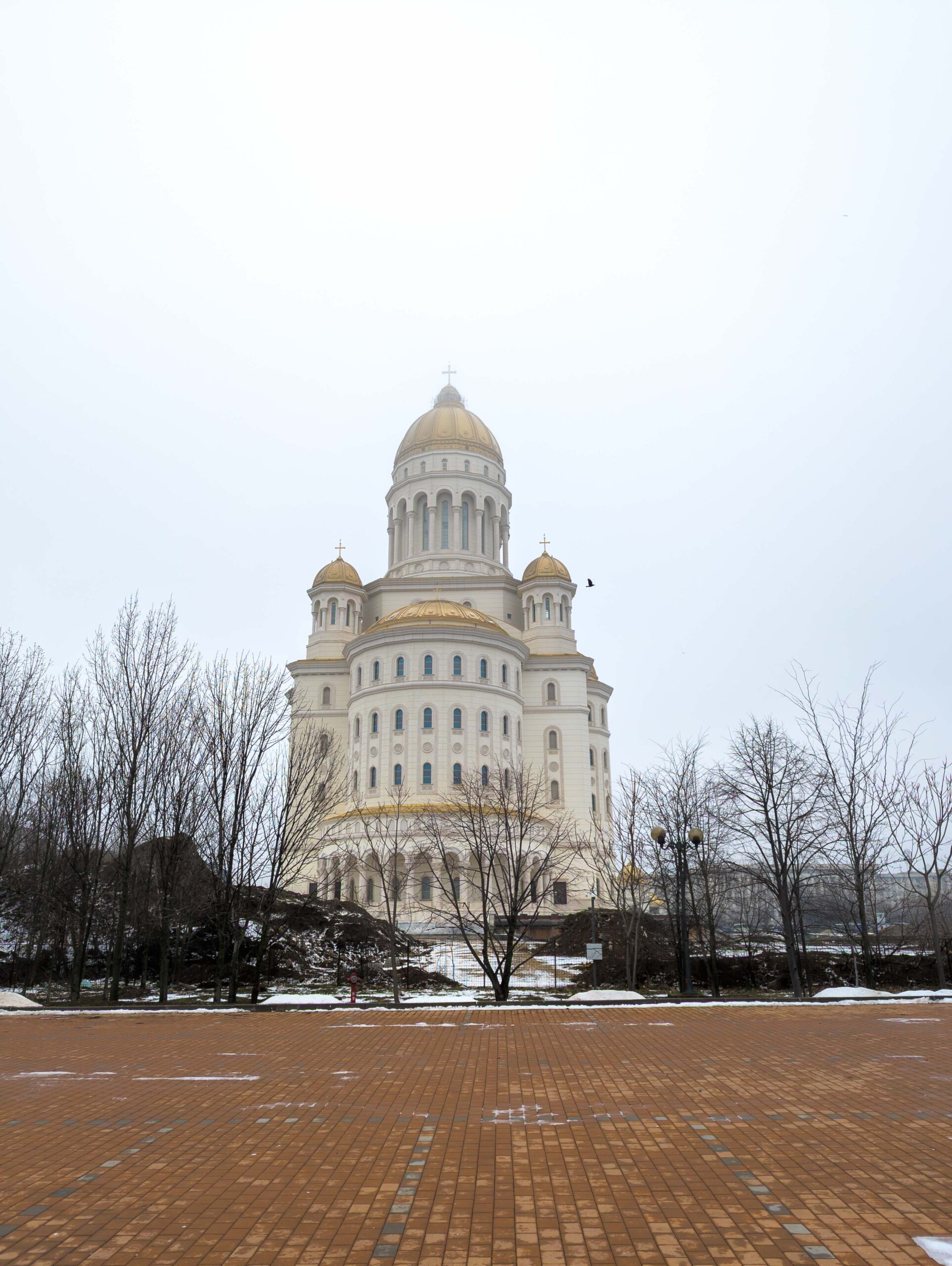
The Church in the Shadow Right next to this colossus sits an Orthodox church. I visited it only from the outside. It stands as a stark survivor. During the construction of the Palace (an area called the Civic Center), Ceaușescu demolished 7 square kilometers of the old city, including 26 churches. Some were destroyed; others were famously “moved” on rails to hide them behind concrete apartment blocks. Seeing this church standing in the shadow of the Palace offers a powerful visual of the clash between atheistic communism and Romania’s deep religious roots.
A “Local” Haircut and the Spanish Tour
Between tours, I had a gap in my schedule. I found a barbershop where I could get a haircut for 80 Lei (14.55 CHF). The hairdresser was a character—very chatty and direct. After finishing, she looked at me in the mirror and laughed, “There. With this haircut, you could pass for a Romanian.” I decided to take it as a compliment!
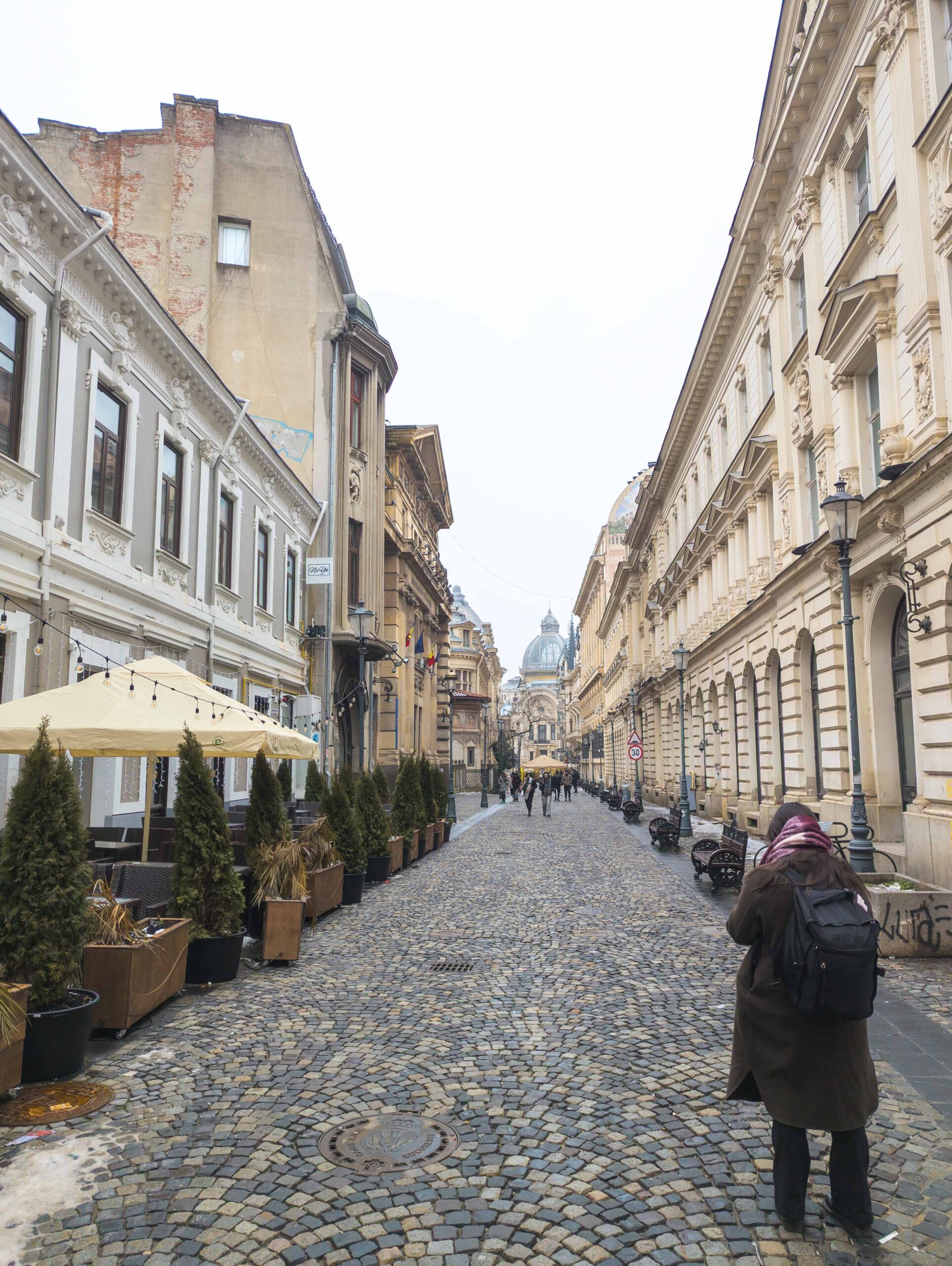
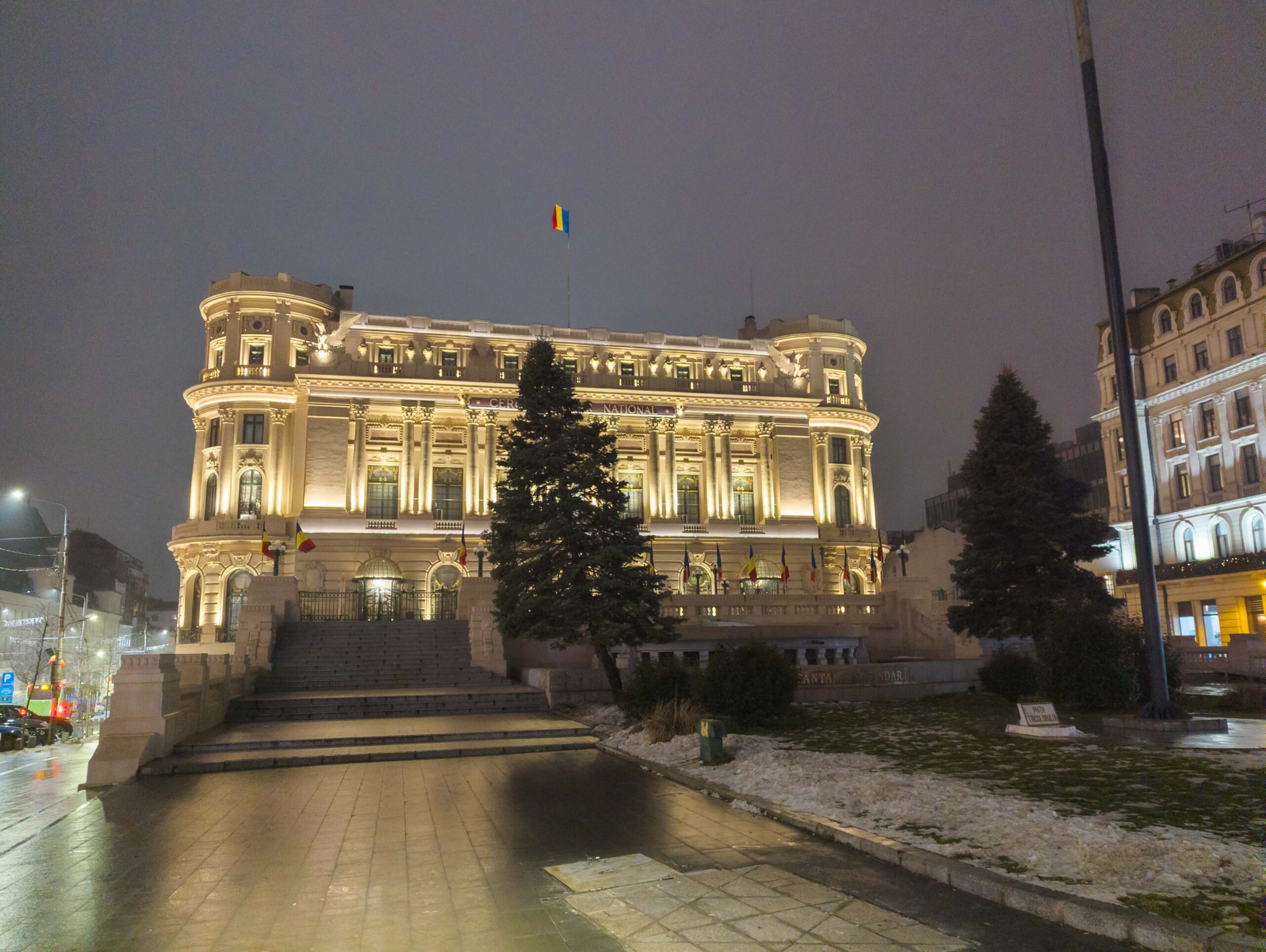
At that time of day, the only available city walking tours were in Italian or Spanish. I speak some Spanish, so I joined that group. It was me and a crowd of Spaniards, all wondering why a Swiss guy was tagging along.
Faith and Tradition The tour was decent, though the one I did recently in Riga was superior. The highlight was our visit to an Orthodox Church. Romania is one of the most religious countries in Europe, and the guide explained the distinct traditions:
- The Married Priesthood: Unlike the Catholic tradition I’m used to, Orthodox priests must be married before they are ordained. The belief is that a priest cannot counsel a family on their struggles if he hasn’t experienced family life himself. However, if he divorces or becomes a widower, he cannot remarry.
- Holy Water: We watched believers drinking blessed water (Agheasma). It’s not just symbolic here; it’s viewed as a source of physical and spiritual healing.
Bucharest Nightlife: A Mixed Bag
Back at the hostel, I met a Romanian man planning to emigrate. He was the first “normal” interaction I’d had with a local outside of service roles—intelligent and grounded. In stark contrast, there was a Ukrainian guy in our room who had lived in Germany. His English was poor, and he made several ignorant, uneducated statements that had the Romanian and me exchanging disbelief-filled glances.
At 9:00 PM, I headed out to the Control Club, a venue recommended by a work colleague. It’s famous in the electronic scene, but the vibe was off. The main room was pitch black and the volume was ear-splitting. It wasn’t an atmosphere for socializing; you couldn’t see or hear the person next to you.
I moved on to Bar P+1, where I ended up chatting with a group of Ukrainians. They were already heavily intoxicated, and the conversation was spiraling. Exhausted from the 3:00 AM wake-up, I called it a night at midnight.
Journey to the Center of the Earth: Slănic Prahova
Sunday began at 6:40 AM. I had booked a tour to the Slănic Prahova Salt Mine, the largest salt mine in Europe.
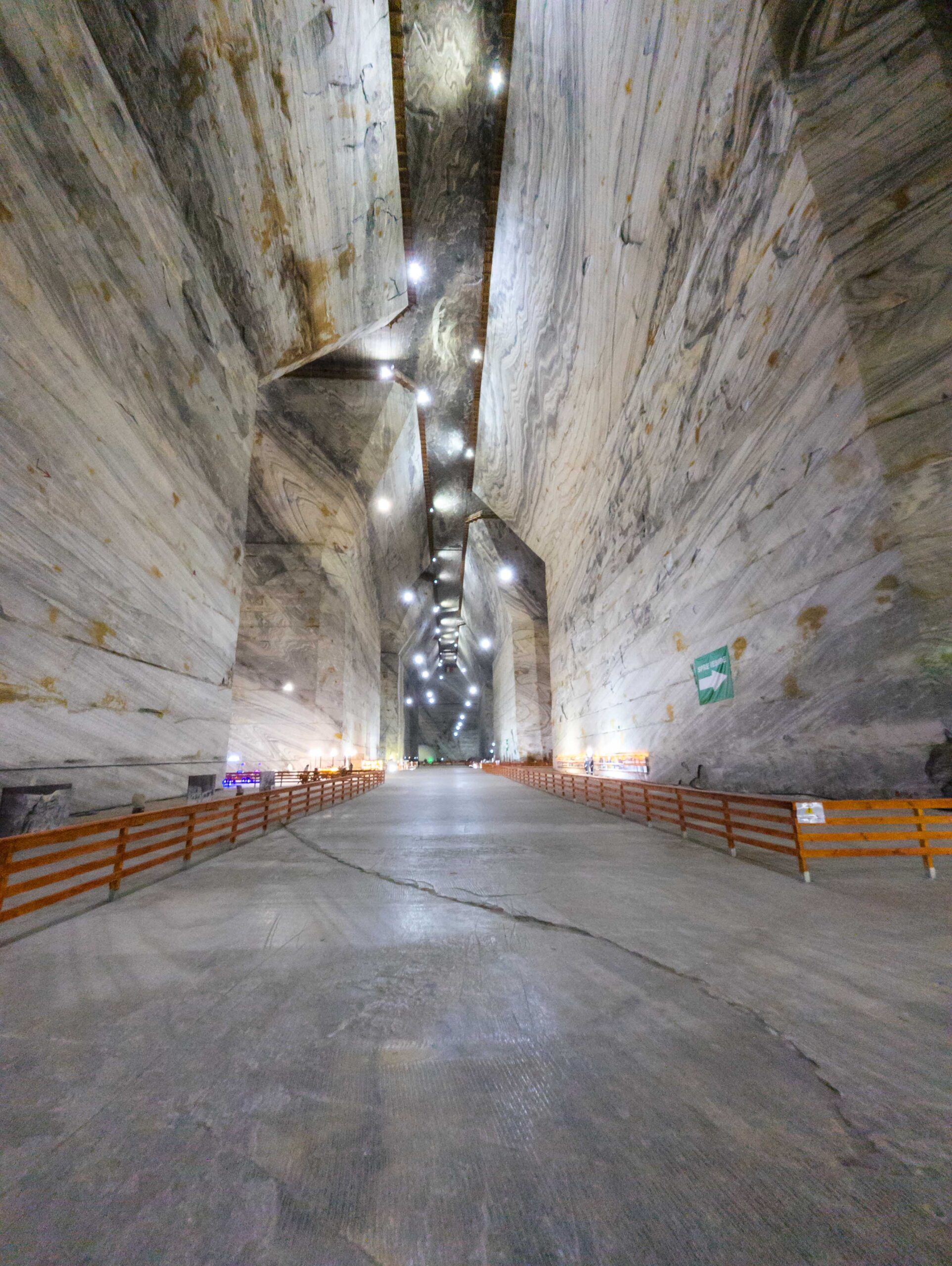
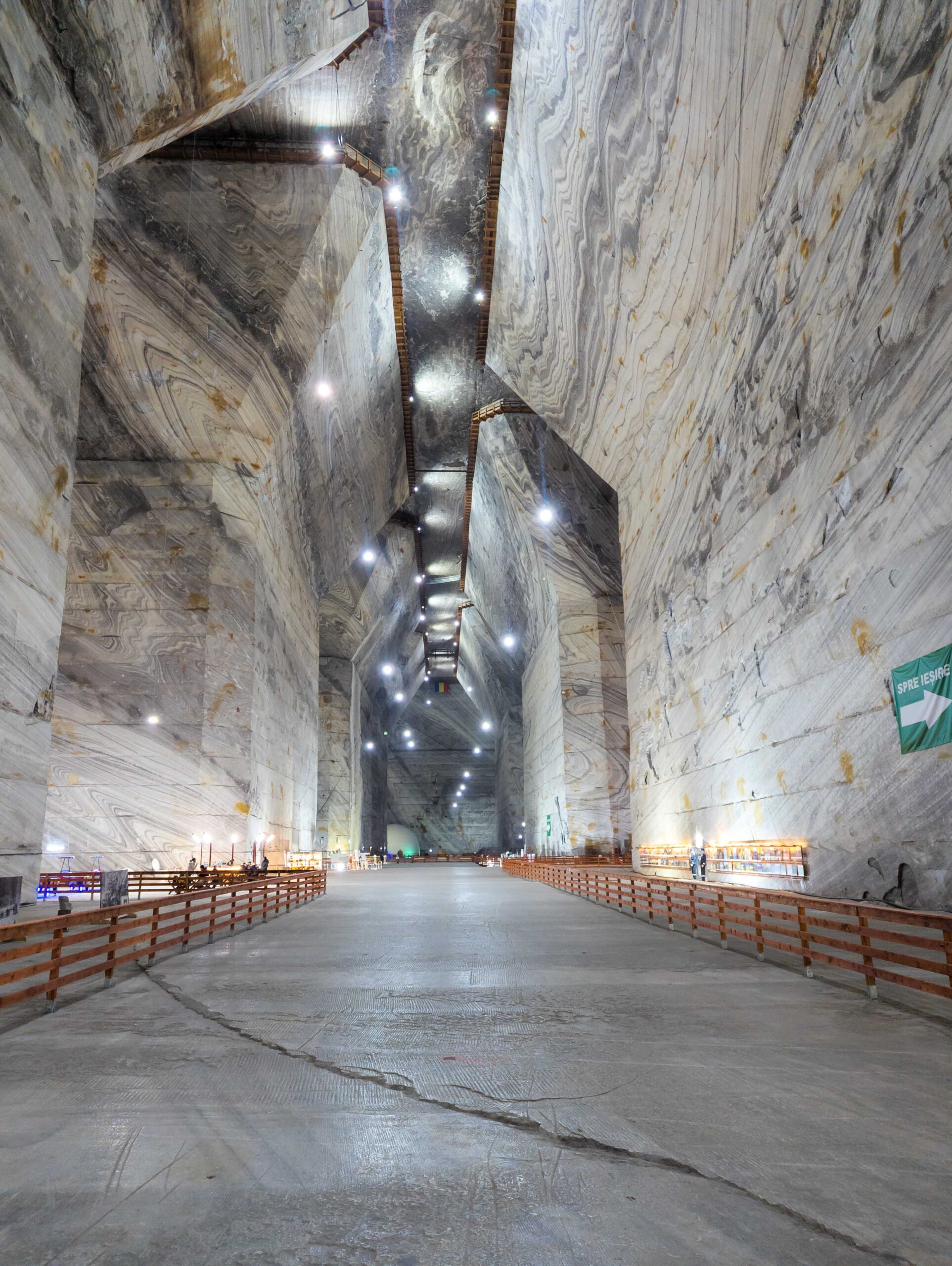
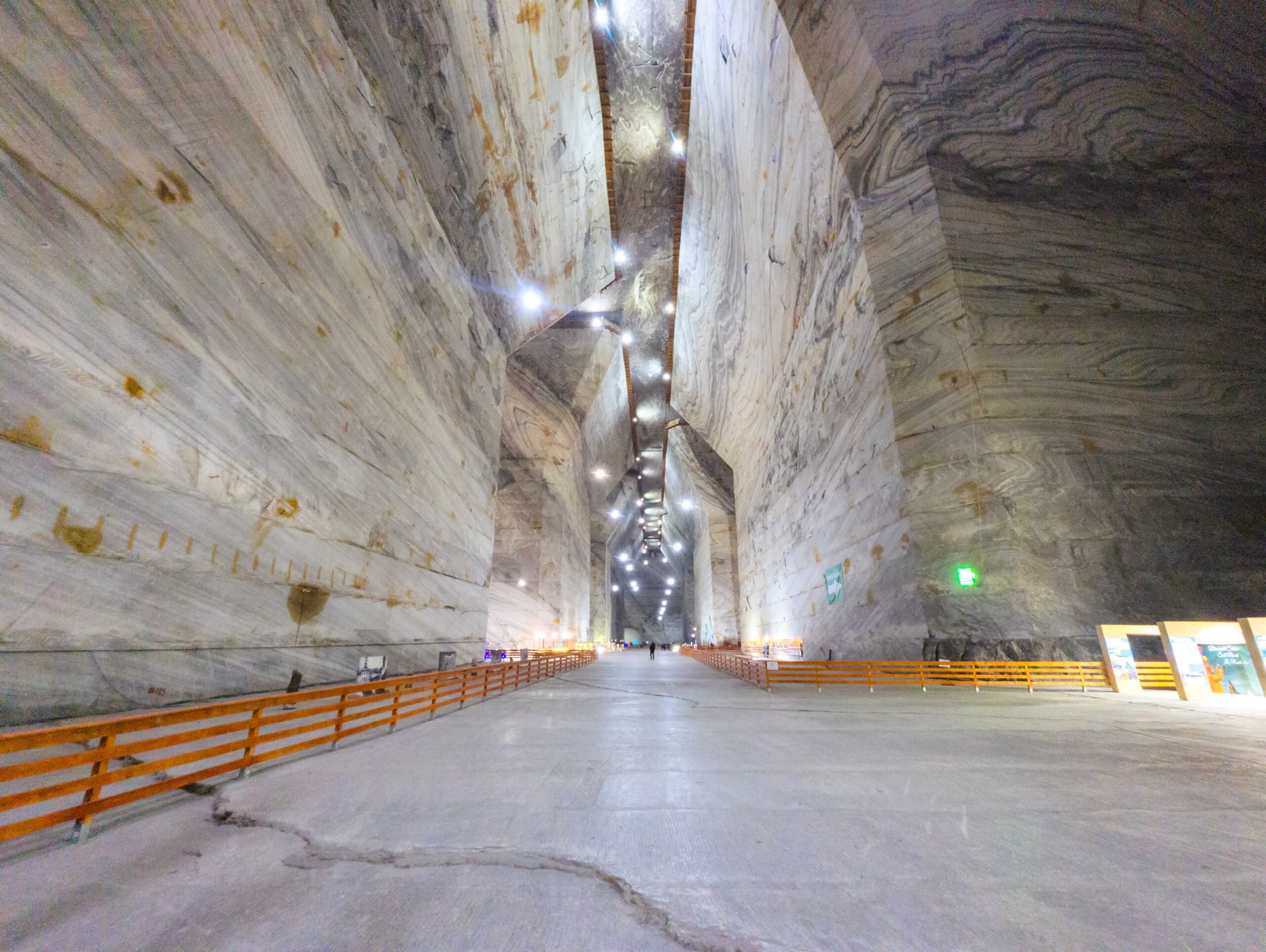
The drive took 1.5 hours. Upon arrival, we paid the 55 Lei entrance fee and took a minibus down into the depths. Walking through the tunnel doors into the Unirea Mine is an experience I will never forget.
The Great Height Debate The chambers are trapezoidal, carved to immense proportions. The air is pure, salty, and a constant 13°C. But there was a discrepancy. The guide, who was otherwise very motivated, told us the ceiling height was 97 meters.
I was skeptical. I had looked it up on Wikipedia, which stated the height was 54 meters. When I mentioned this, she insisted I was wrong and that she had been teaching this for three years. I wasn’t ready to let it go. I pointed to the walls. The salt is cut in distinct layers or “steps.” “Look,” I told her. “We can count the steps. Each cut is about 2 meters high.” We stood there and counted. The math didn’t lie—it aligned perfectly with the 54-meter figure. She was stunned. She realized she had been giving incorrect information to tourists for three years! We eventually agreed that the visual impact is undeniably impressive regardless of the number, but I think I shook her world a little bit.
The Dracula Myth: Snagov Monastery
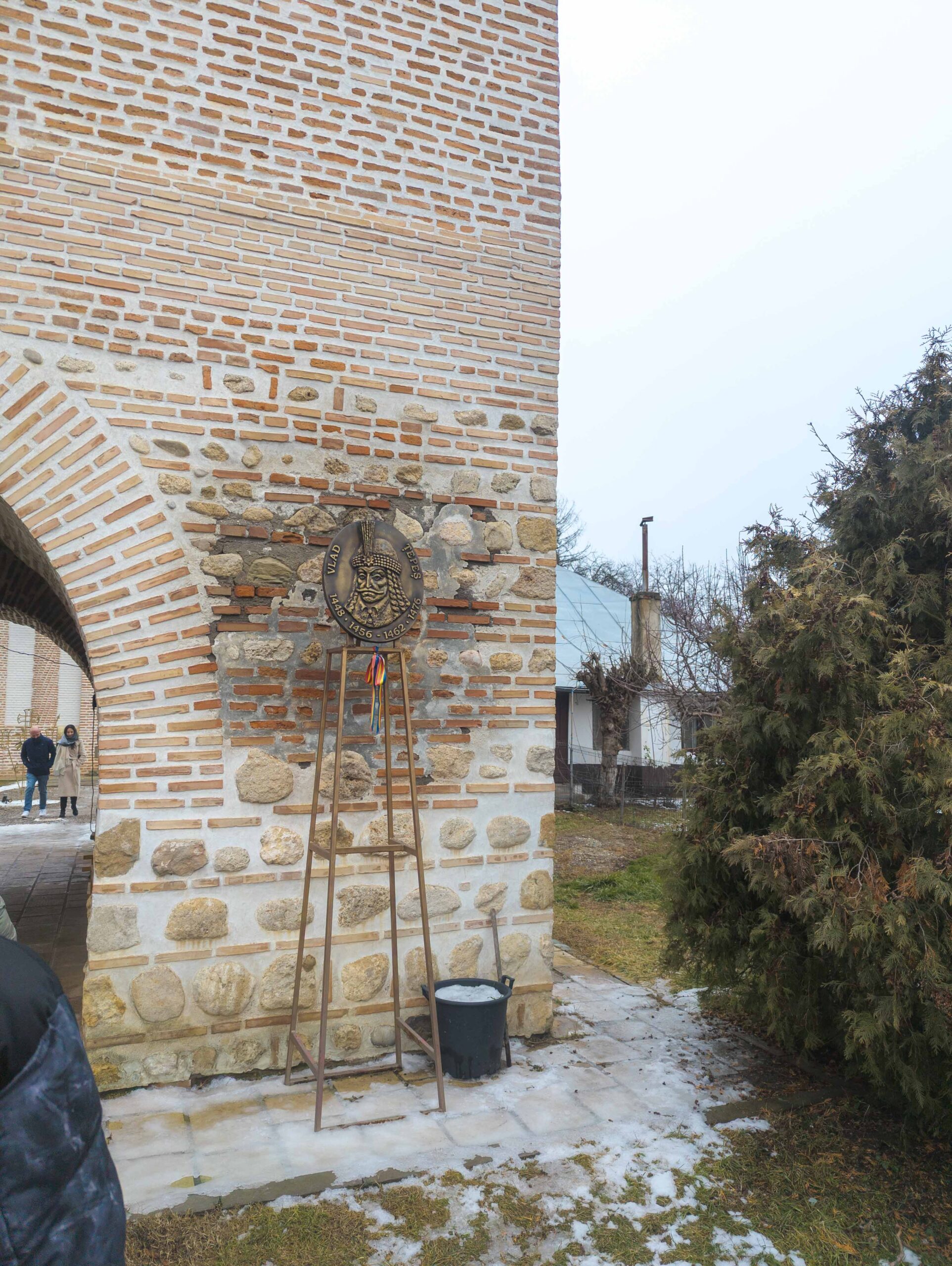
After resurfacing, we drove to the Snagov Monastery, situated on an island in Snagov Lake. Legend holds that this is the final resting place of Vlad the Impaler (Vlad III), the historical figure who inspired Bram Stoker’s Dracula.
The Man Behind the Vampire Vlad III was a 15th-century Voivode (Prince) of Wallachia. He is a national hero in Romania for defending the region against the Ottoman Empire. His nickname “Țepeș” (The Impaler) comes from his favorite method of execution—impaling enemies on wooden stakes.
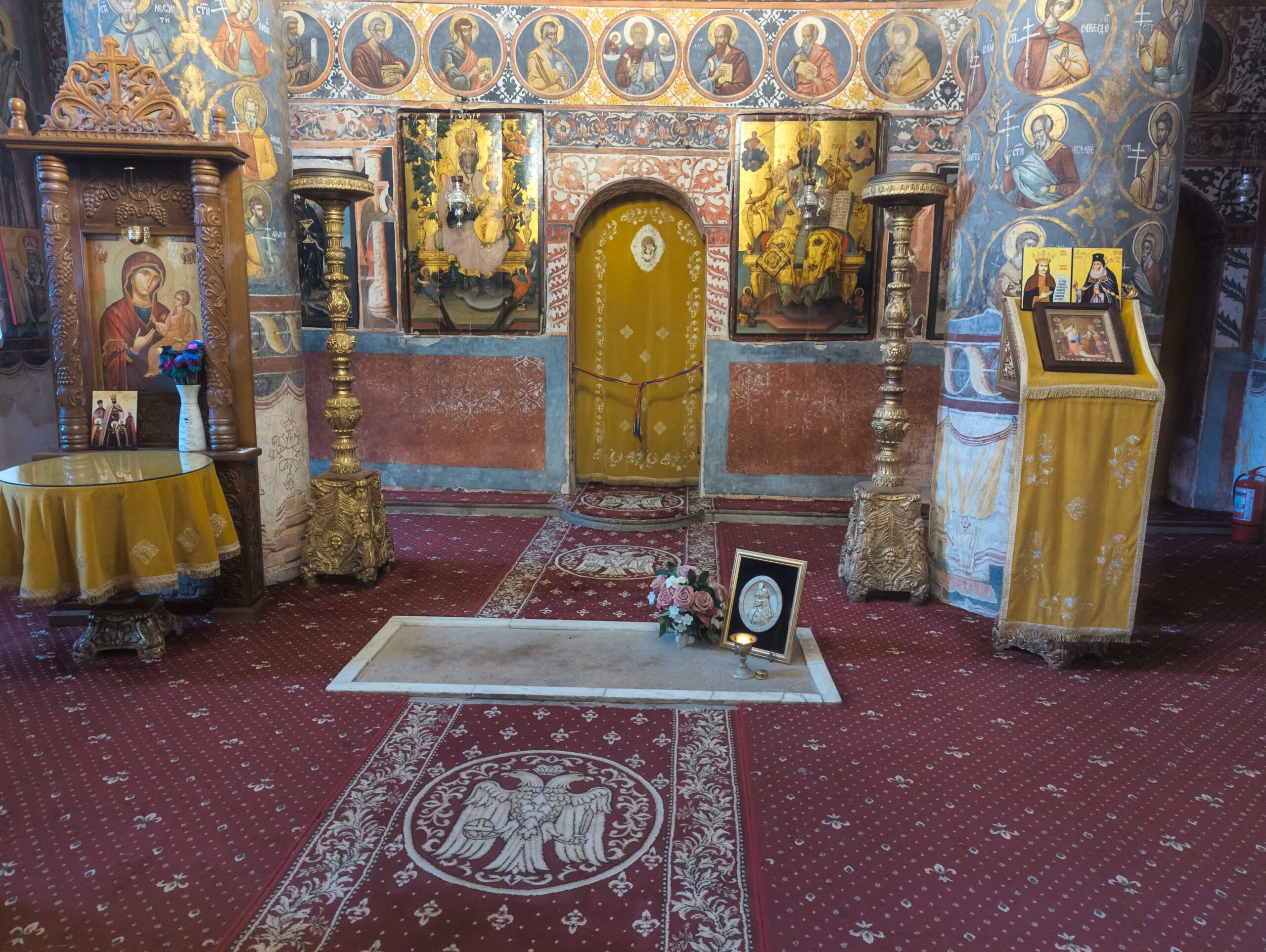
- The Grave: Inside the church, a stone slab marks his supposed grave. However, when archaeologists opened it in the 1930s, they found it empty (some say it contained animal bones).
- The Naples Theory: A competing theory suggests Vlad didn’t die in battle but was ransomed by his daughter and taken to Naples, Italy, where he is buried in the Santa Maria la Nova church.
Honestly? The grave was underwhelming. It felt like a tourist trap. However, from the island, you can see a villa formerly owned by Ceaușescu. It was from this area that the dictator tried to flee by helicopter before his arrest.
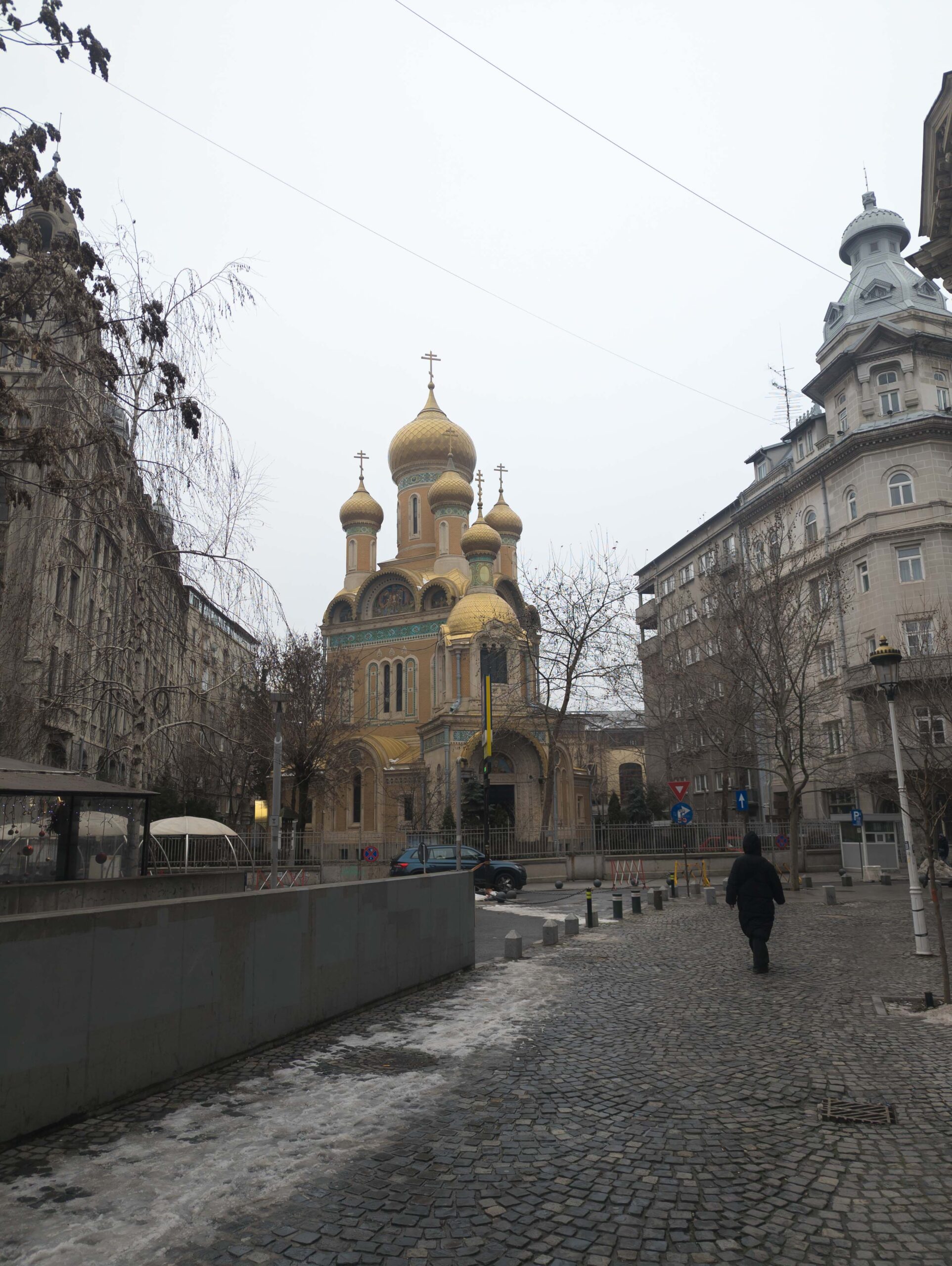
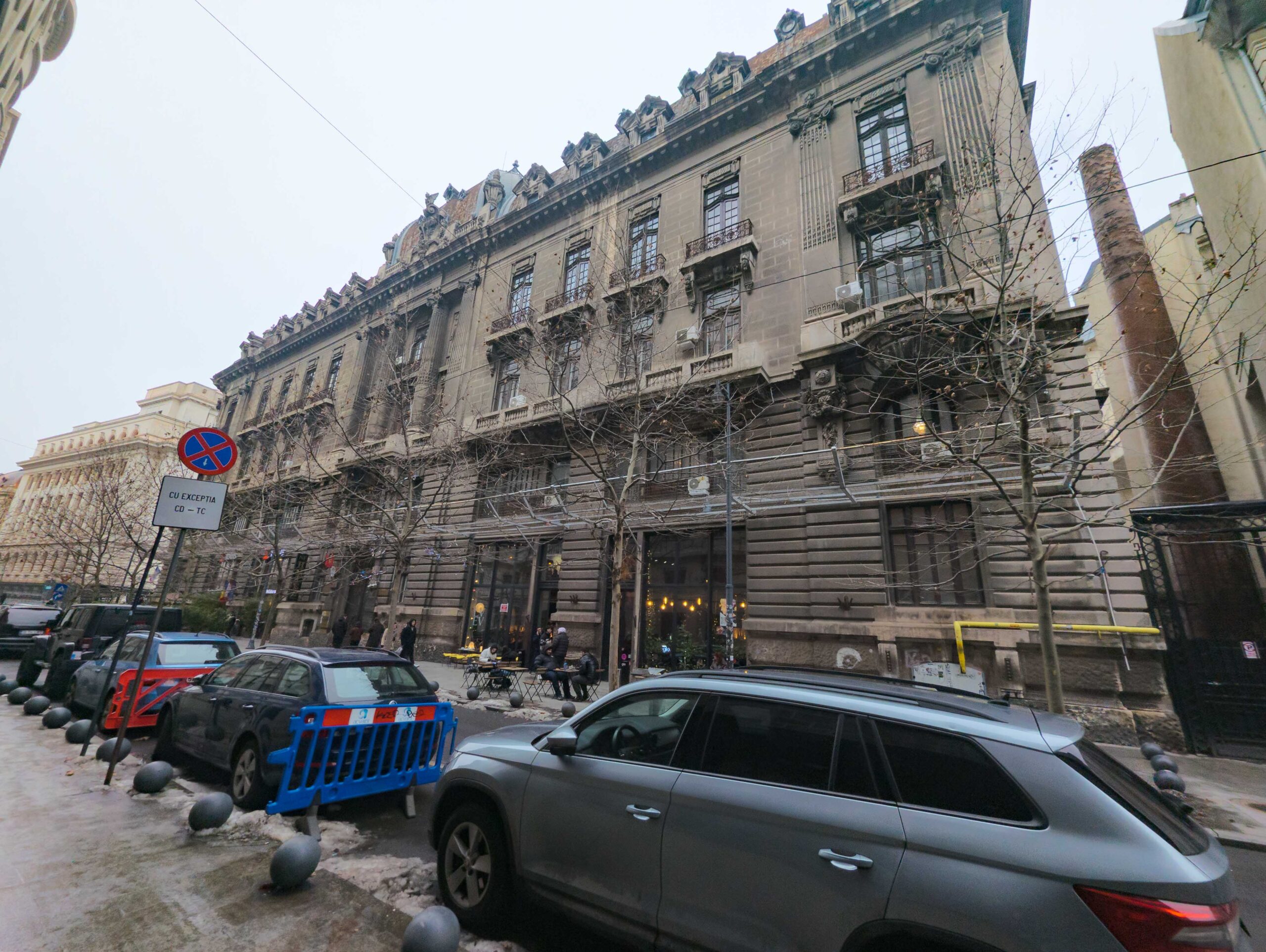
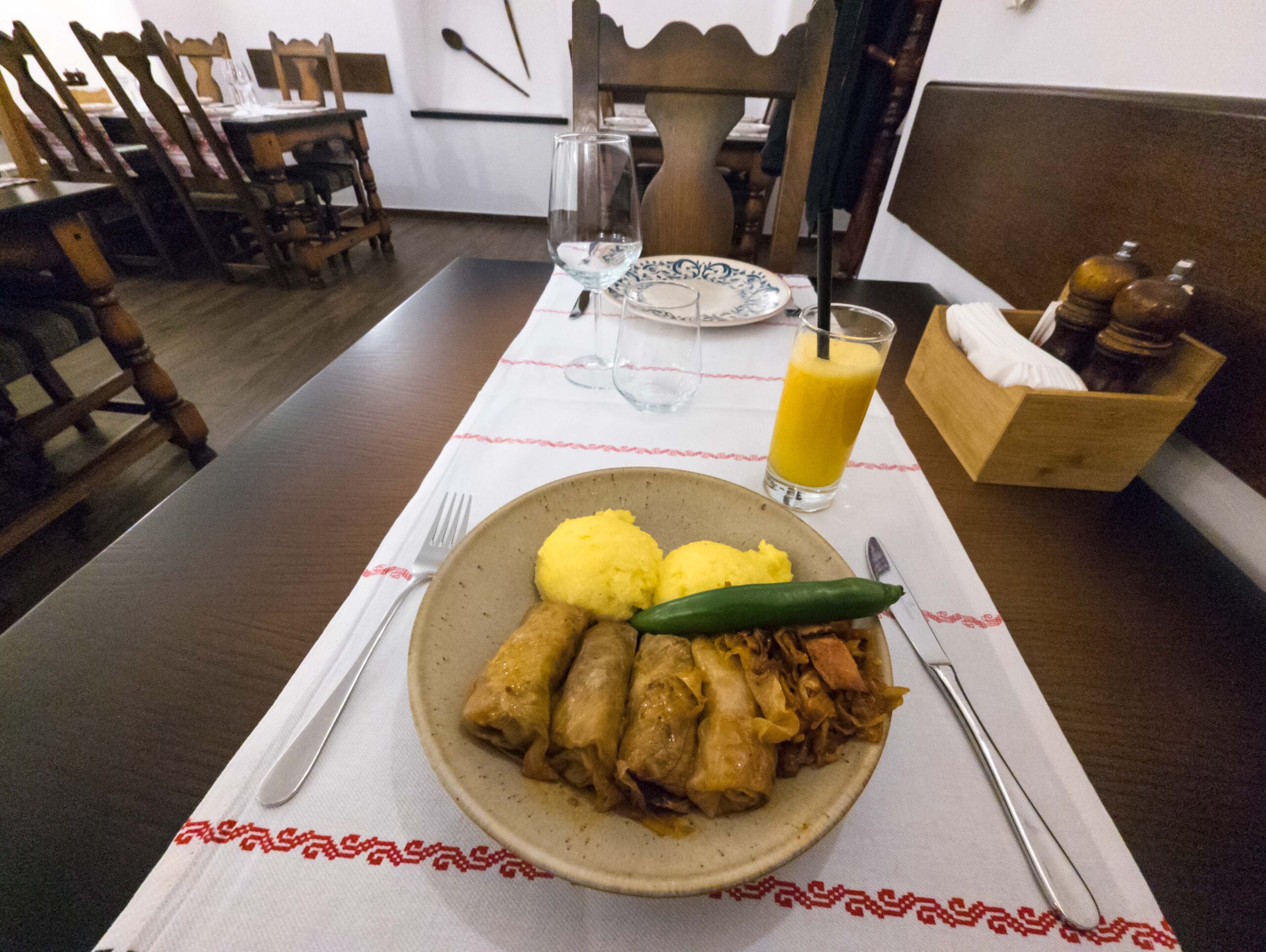
typical rumanian food
The Hostel from Hell
I returned to Bucharest at 3:00 PM and moved to the Antique Hostel. A massive mistake. Despite costing the same as the previous night (12 Euro + 2 Euro tax), it was filthy. I pulled back the covers to find hair and potato chip crumbs all over the mattress.
I went to the reception to complain. The guy was incredibly dismissive. “The sheets were changed,” he insisted. “There are chips and hair in the bed,” I replied, showing him the photos. “It was in the washing machine,” he lied, staring me dead in the eye.
He eventually agreed to change the blanket, but refused to change the sheets or the pillowcases, acting visibly annoyed that I had the audacity to complain about sleeping in someone else’s filth. It was a low point. I ate a quick dinner and went to sleep at 7:00 PM.
The Return
At 3:30 AM on Monday, my Bolt taxi was waiting. By 4:00 AM I was at the airport, and by 7:00 AM—ten minutes ahead of schedule—I was back in Basel, ready for work.
Final Thoughts Romania is a country of massive contrasts. You have the opulent, heartbreaking grandeur of the Parliament standing just miles from gritty, unwashed hostels. You have deep, ancient history in the salt mines and monasteries, mixed with the raw, modern scars of communism.
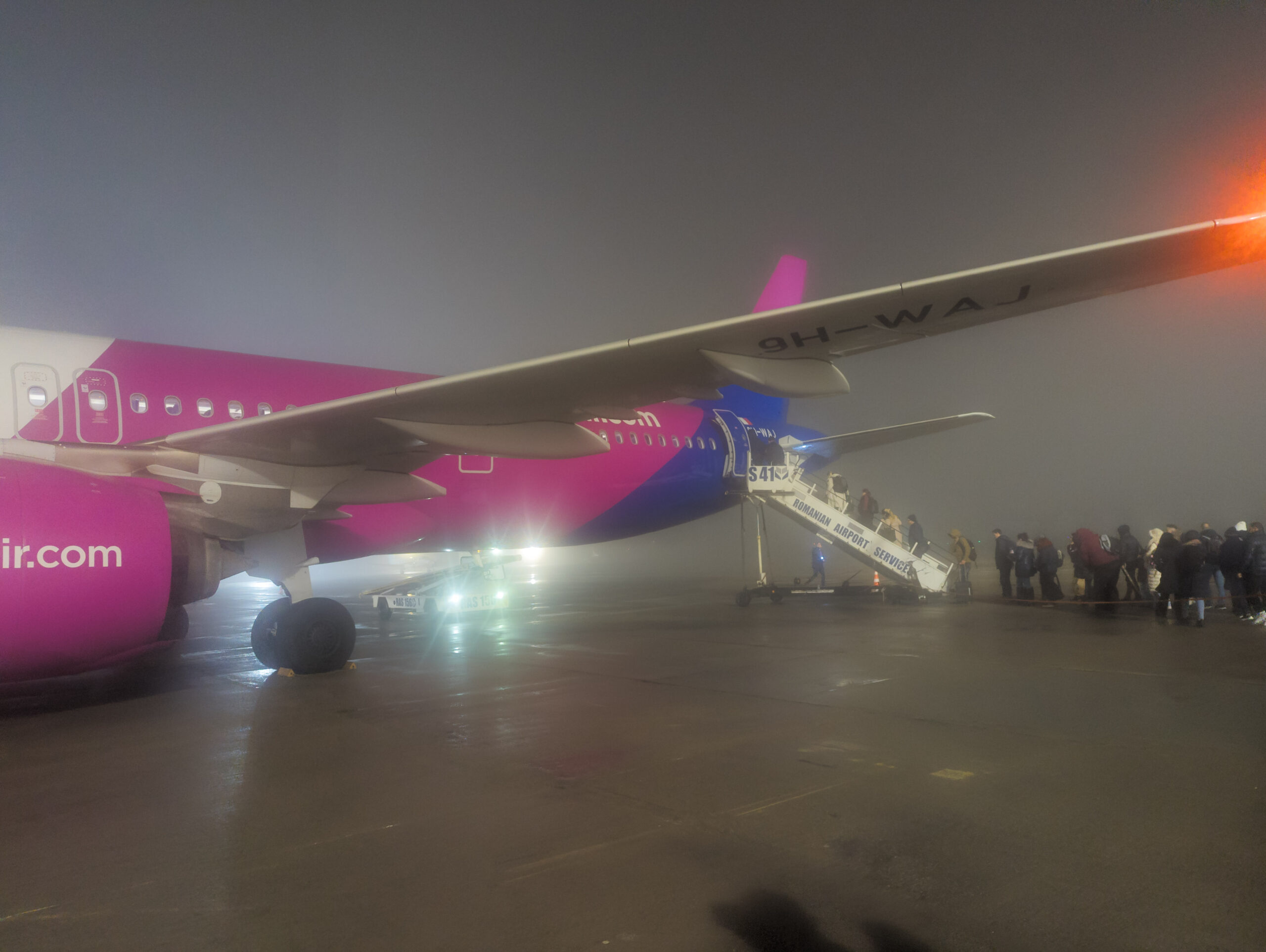
Lessons learned:
And if you’re flying from Basel at 5 AM… maybe just pay the extra to fly from Zurich.
Always check the hostel bed before unpacking.
Do the math before arguing with a tour guide.
BUCHAREST FINANCIAL SUMMARY AND TRIP EXPENSES
Protected Financial Summary
Enter password to unlock the comprehensive cost breakdown and itemized receipts.