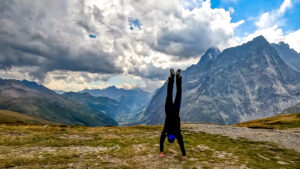
My original itinerary for the long May Day weekend was an eight-and-a-half-hour drive down to Bovec, Slovenia, for a skydiving trip. But when Thursday evening rolled around, I still wasn’t completely sure, and I ended up sleeping in until 8:00 AM on Friday morning. Realizing the drive to Slovenia was just too long to justify at that point, I officially canceled the skydiving idea and pivoted completely.
Instead, I set my sights on a country I had always wanted to visit: Luxembourg. Only a four-and-a-half-hour drive from my home in Switzerland, it was the perfect spontaneous getaway. Because it was the 1st of May (a public holiday across France, Luxembourg, and Belgium), the roads were surprisingly empty. I packed my bags, hit the road.
Here is how my whirlwind historical road trip across borders unfolded.
Day 1: Exploring the Impenetrable Fortress City
Arrival in Esch-sur-Alzette
Since everything in Luxembourg City was completely sold out for the holiday weekend, I had made an absolute last-minute booking that morning at the Auberge de Jeunesse Esch-sur-Alzette (Youth Hostel Esch) for €40 per night.
I arrived around 1:30 PM and immediately had a stroke of travel luck: a kind man was just leaving his spot and offered it to me, allowing me to park completely for free. The hostel itself had a very diverse, interesting demographic, though my roommates three guys who I later realized were definitely just living at the hostel rather than visiting made the room dynamic a bit strange.
After dropping my bags, I rushed next door to the train station. One of the greatest things about Luxembourg is that all public transport is 100% free a pioneering initiative the country launched in 2020. During the 30-minute train ride into the capital, I struck up a conversation with a Moroccan local. He offered a very gritty perspective on the country, surprisingly calling it a “shithole” despite its immense national wealth, and warned me extensively to be strictly on guard against pickpockets.
The Gibraltar of the North
I arrived at Luxembourg Gare right at 2:30 PM and headed straight to the city center to join a free walking tour at 3:00 PM.
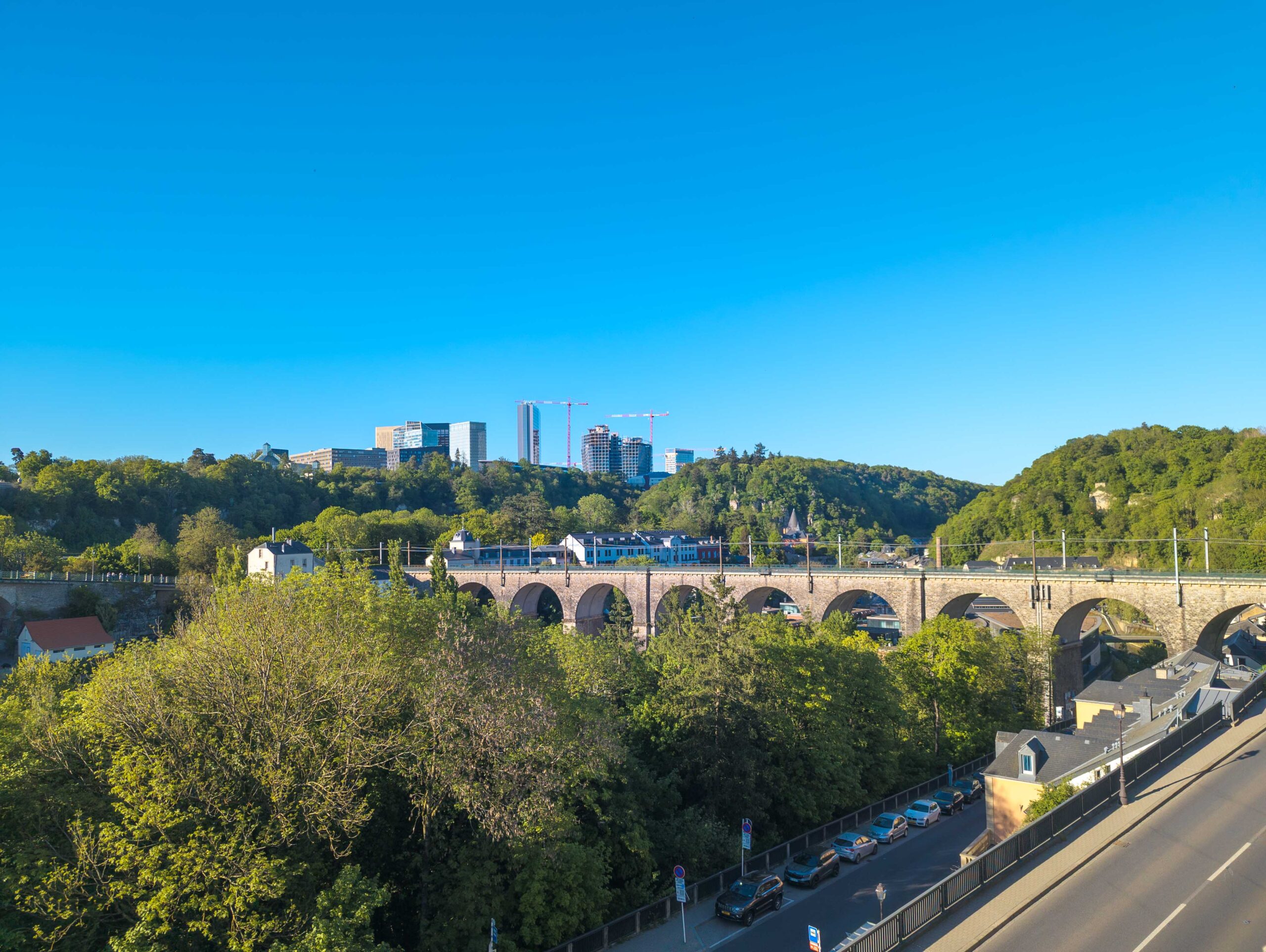
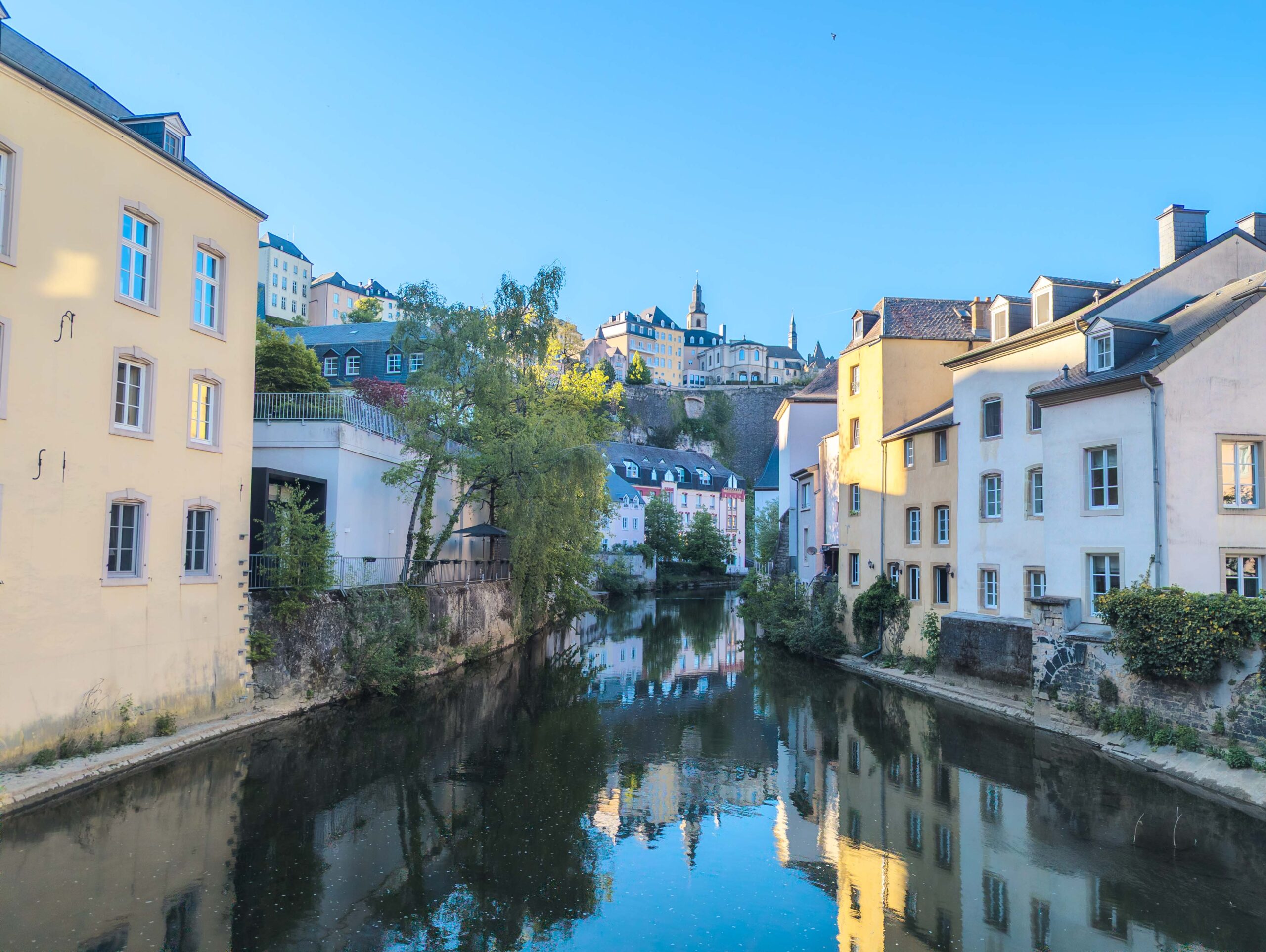
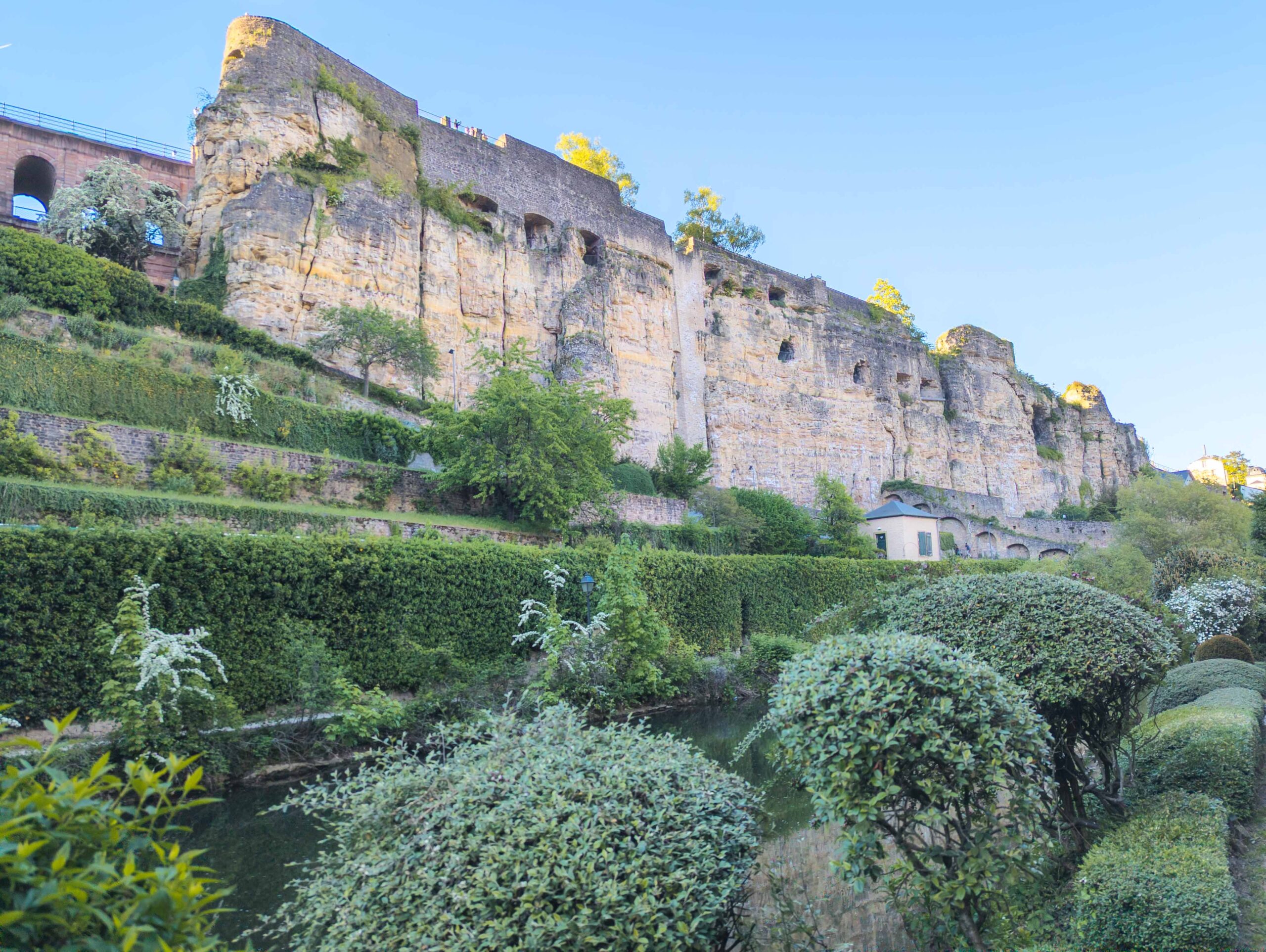
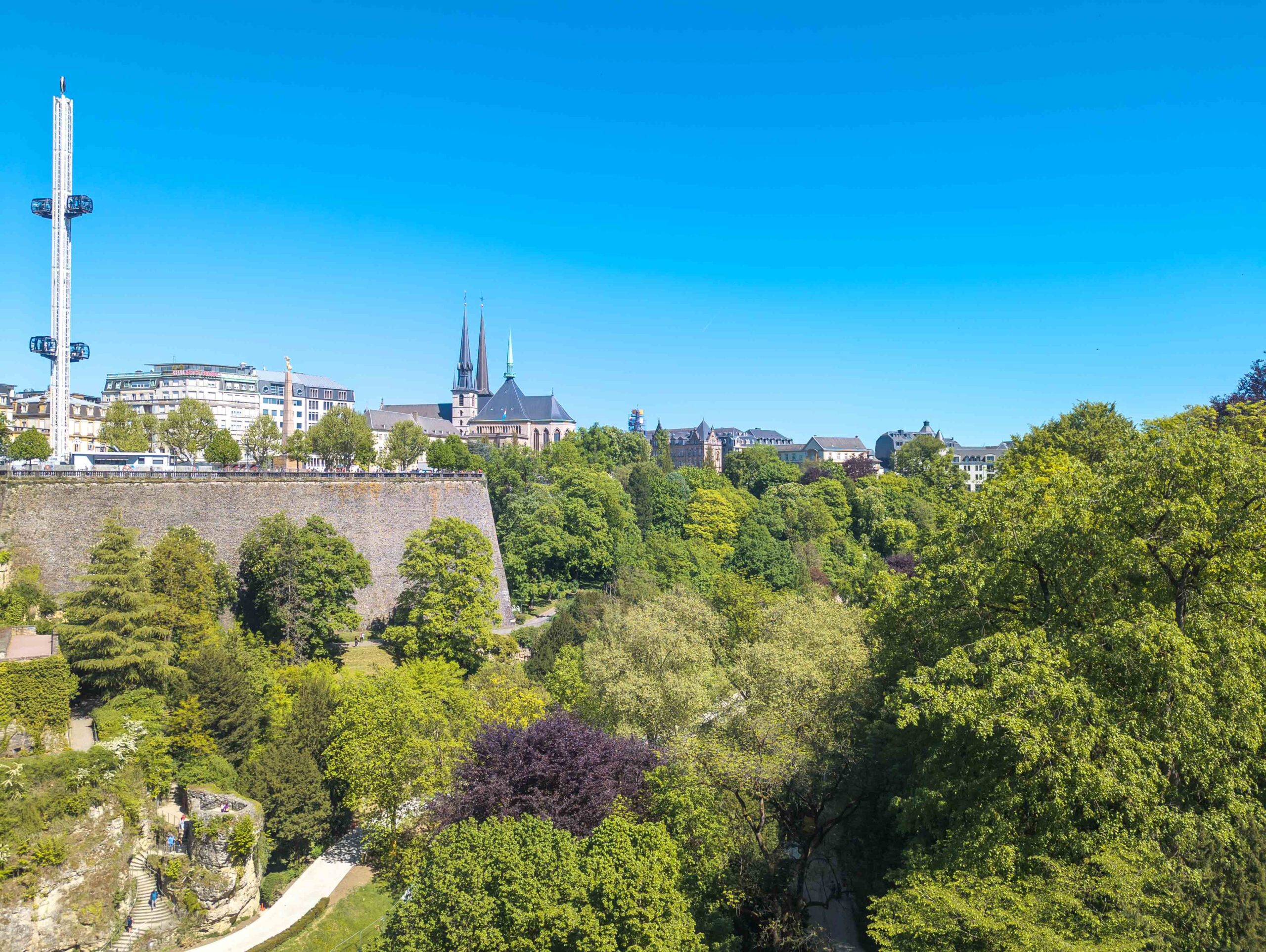
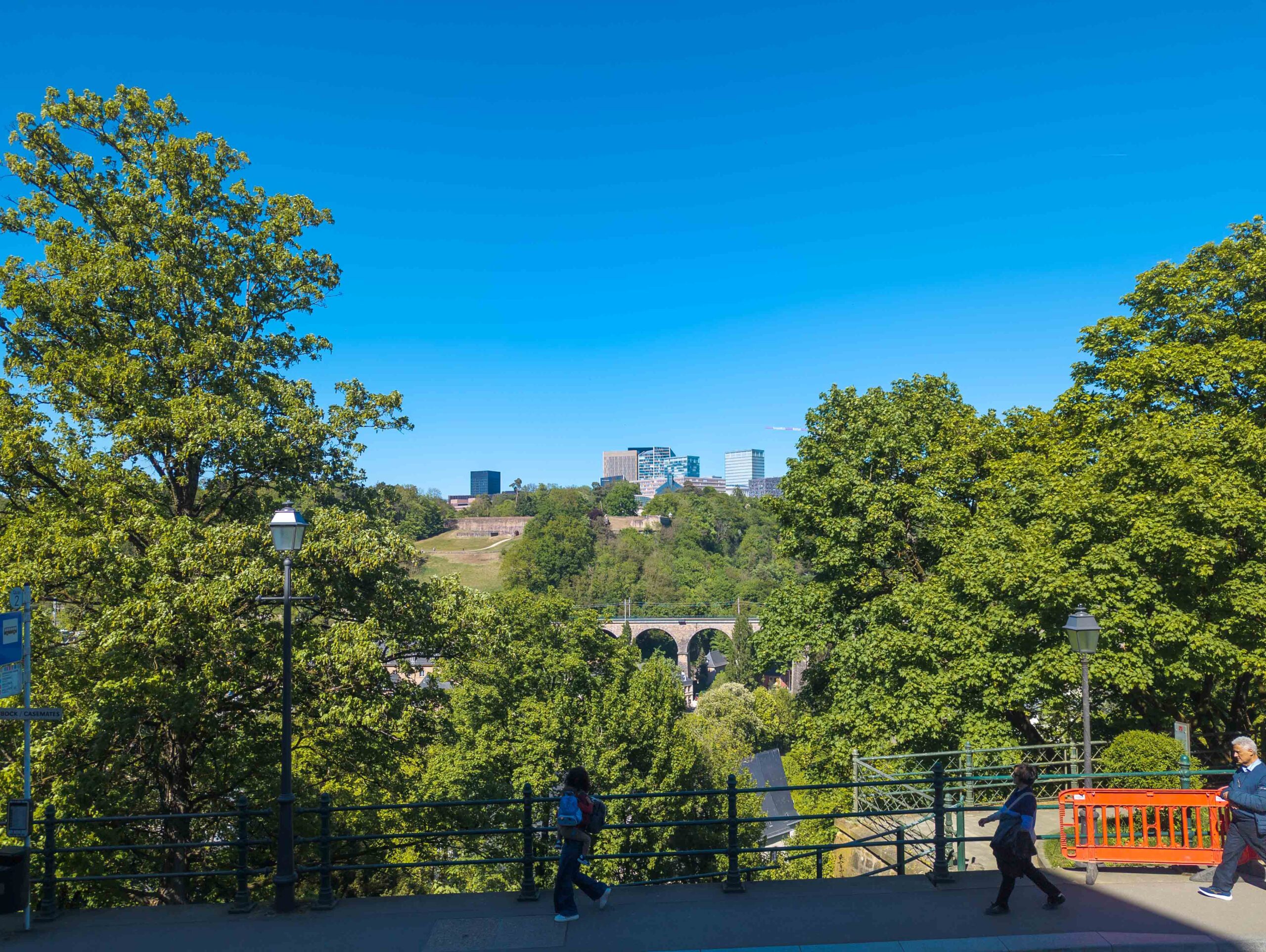
If you are a history buff, Luxembourg City is an absolute goldmine. The tour gave a brilliant introduction to how the city earned its legendary nickname: the “Gibraltar of the North.” The city’s roots trace back to 963 AD when Count Siegfried acquired a rocky promontory known as the Bock. Over the centuries, this strategic cliffside was heavily fortified by whoever conquered it the Burgundians, the Spanish, the French, the Austrians, and the Prussians. They built a massive, multi-layered defensive network, including the famous Casemates du Bock, a 23-kilometer underground labyrinth of tunnels that could shelter thousands of soldiers and horses. The fortress was so impenetrable that it was finally dismantled by international treaty in 1867 just to prevent further wars over it.
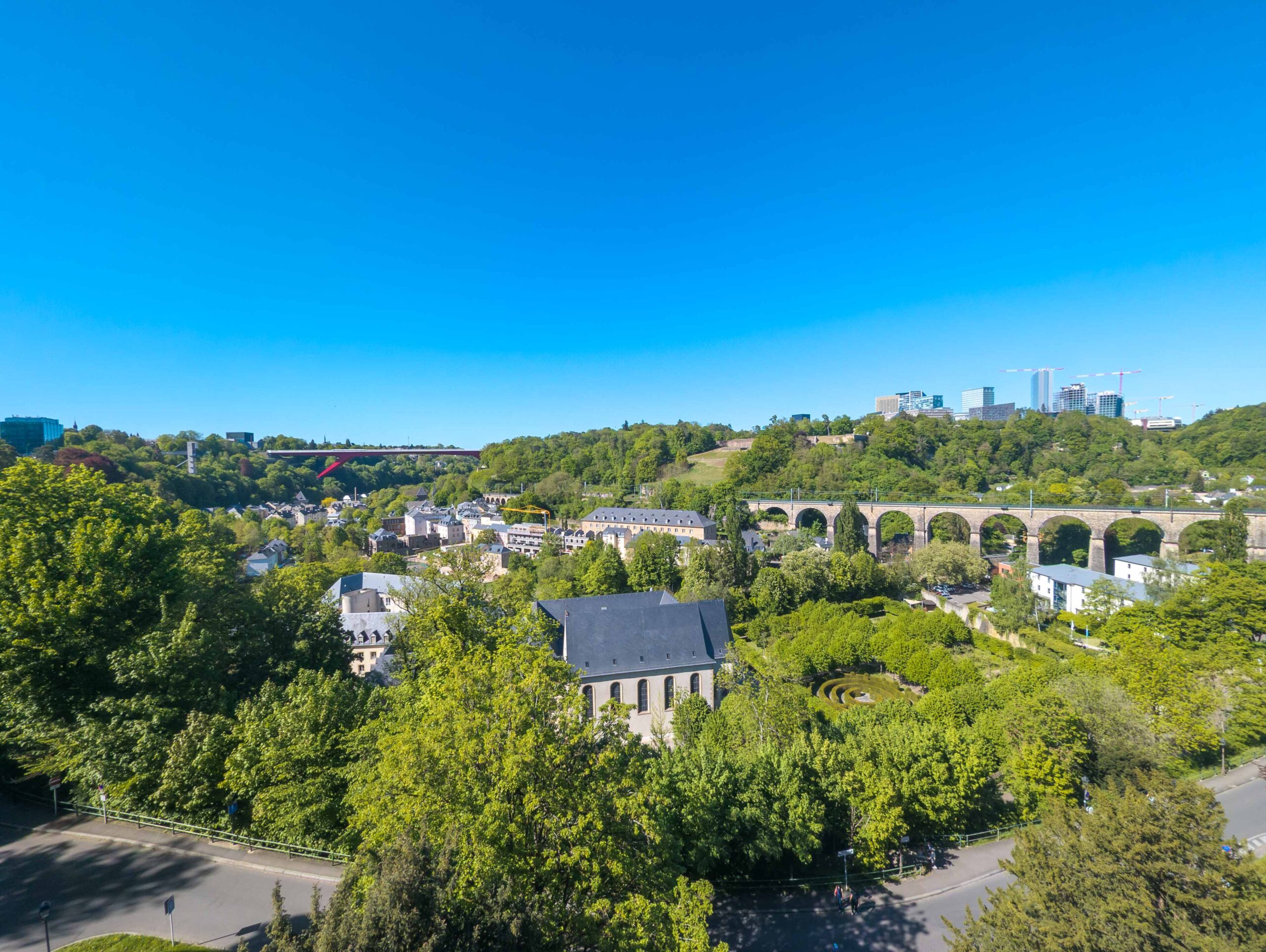
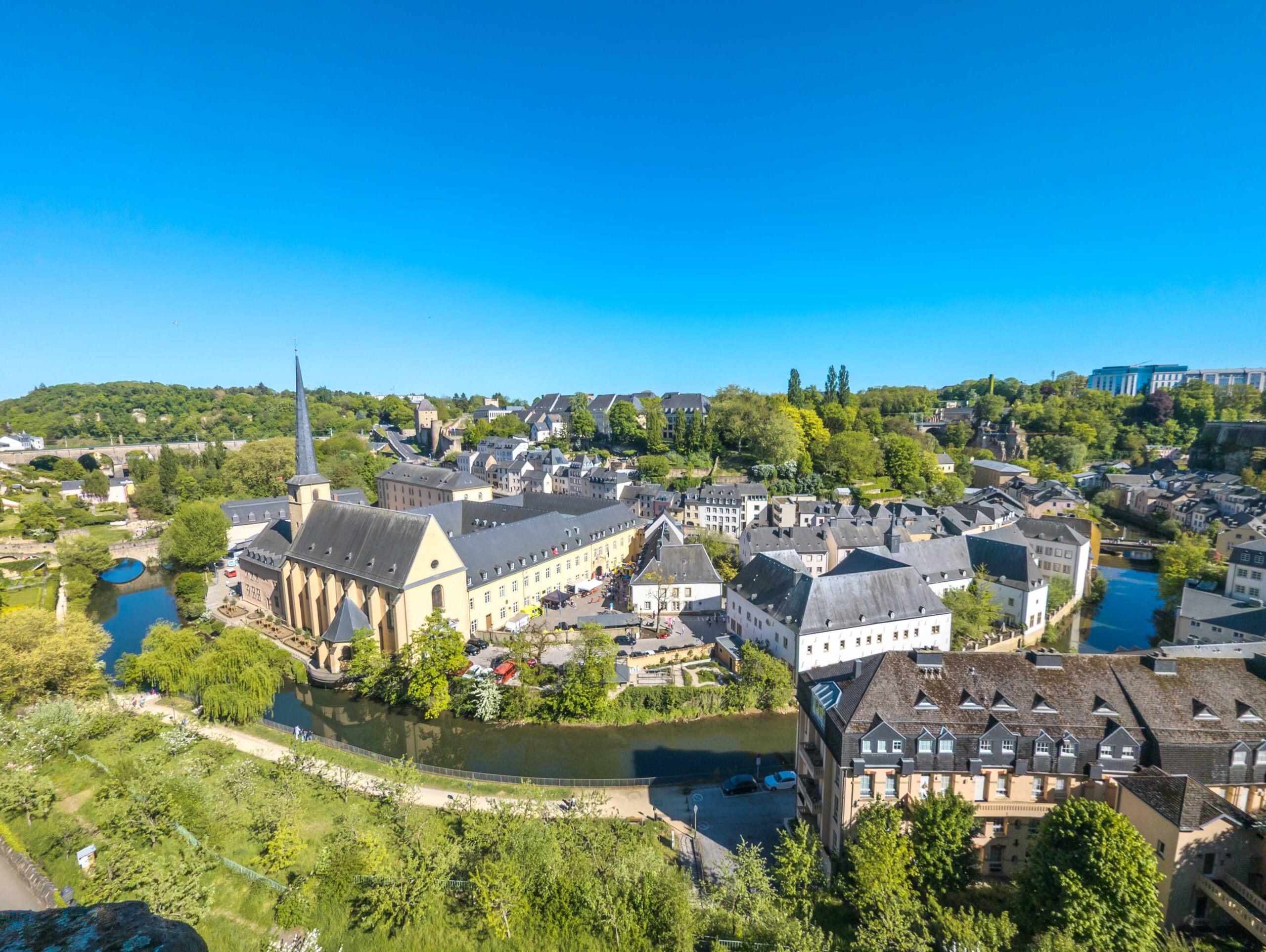
The tour lasted for about two hours and 15 minutes. Afterward, I spent some time walking around the city with an Austrian traveler from Vienna who had been on the tour. We explored until around 6:30 PM, after which I parted ways to explore the lower parts of the city on my own, taking in the towering architecture of the Grund and Pfaffenthal valleys.
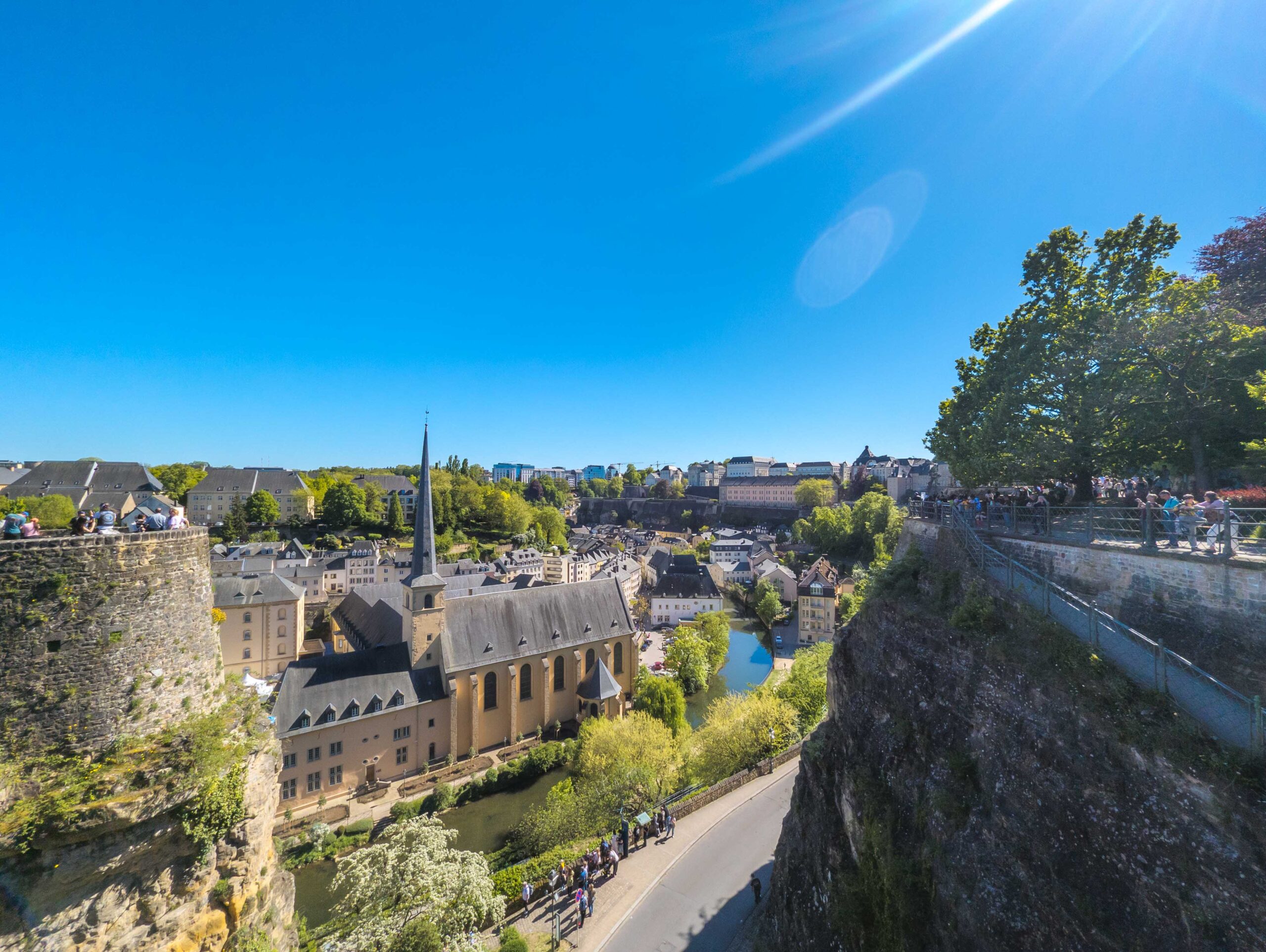
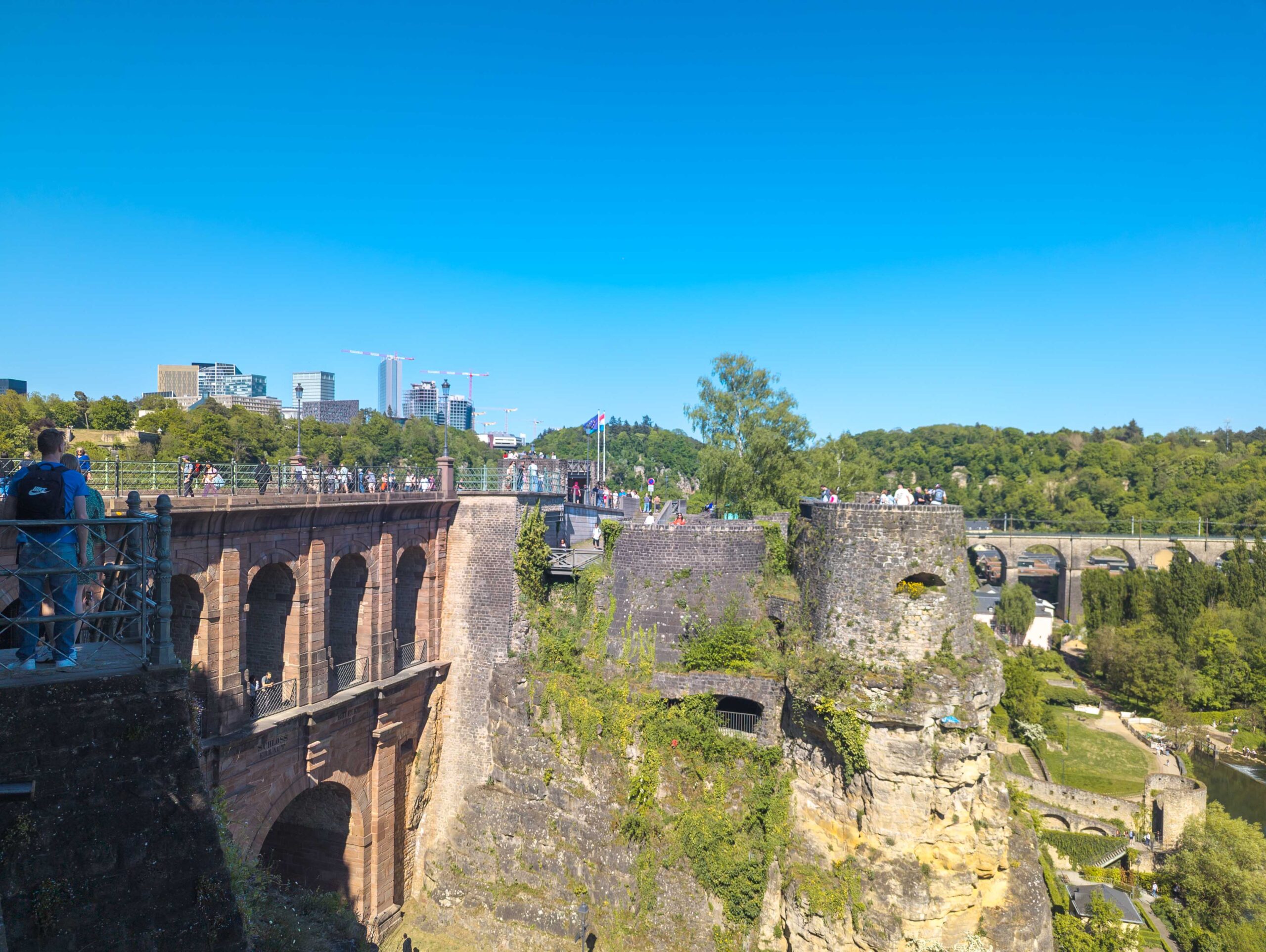
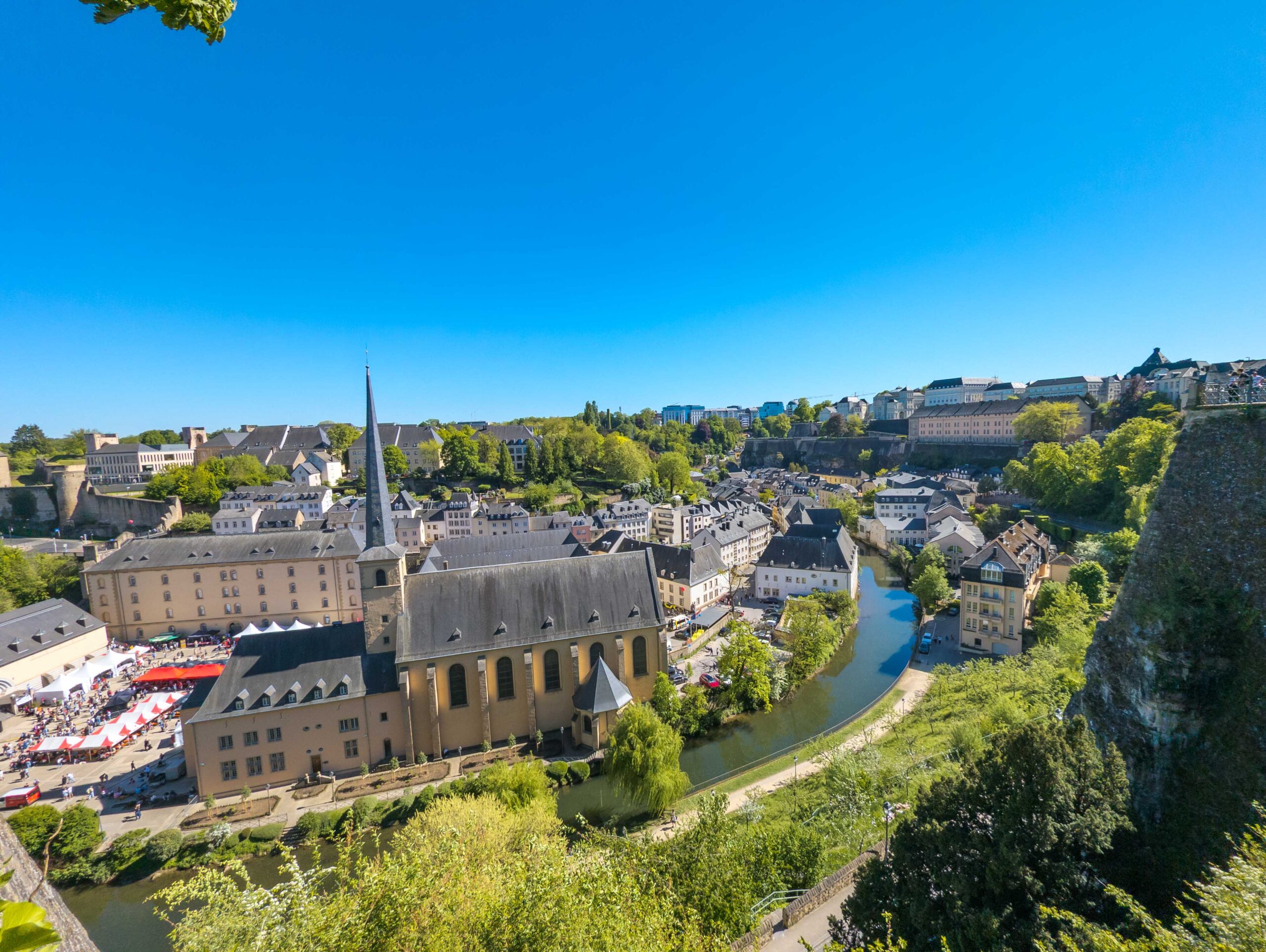
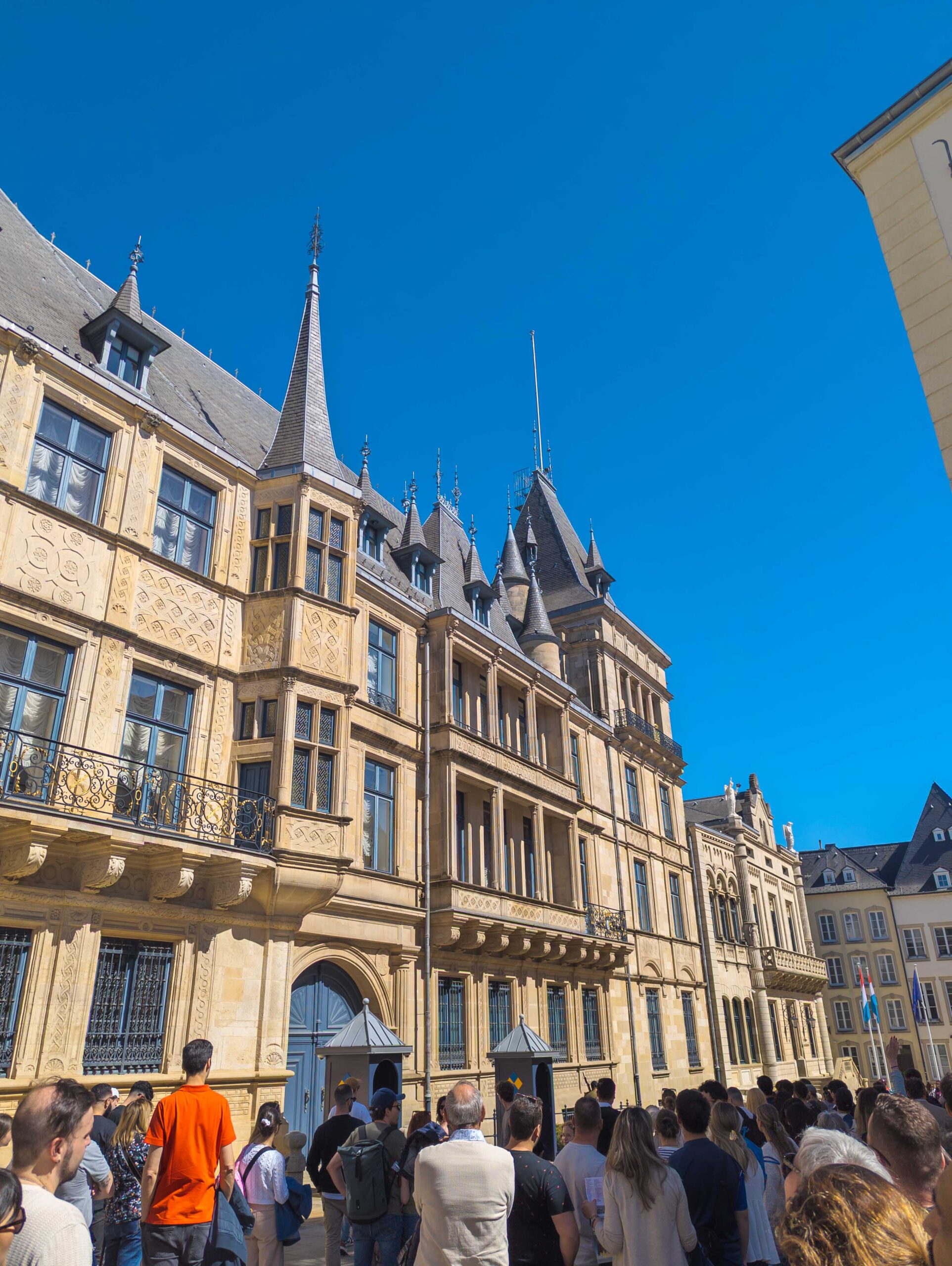
A Frustrating Evening Commute
By evening, the long drive and miles of walking caught up with me, and I was really tired. Navigating back to the hostel became a nightmare. My Swiss transit app didn’t work, and Google Maps fed me incorrect schedules. I had to absolutely sprint to the station to catch the 8:00 PM train right on the minute.
Back in Esch-sur-Alzette, I was starving, but nearly every restaurant was closed due to the May Day holiday. I ended up ordering a massive portion of fast food from a place called O’Tacos. Having eaten nothing all day, I over-ordered terribly. It was incredibly heavy and honestly didn’t make me feel great, but it did the job. Exhausted, I returned to my strange hostel room, ignored my roommates, and collapsed into bed.
Day 2: Trails, Counts, and Crusaders
A Disappointing Trail but a Great Breakfast
My alarm went off just after 7:00 AM, though I was already awake. The night was rough; one of my roommates snored so loudly that even my earplugs were useless. I dragged myself out of bed and went down to the hostel breakfast, which was actually fantastic and offered plenty of options.
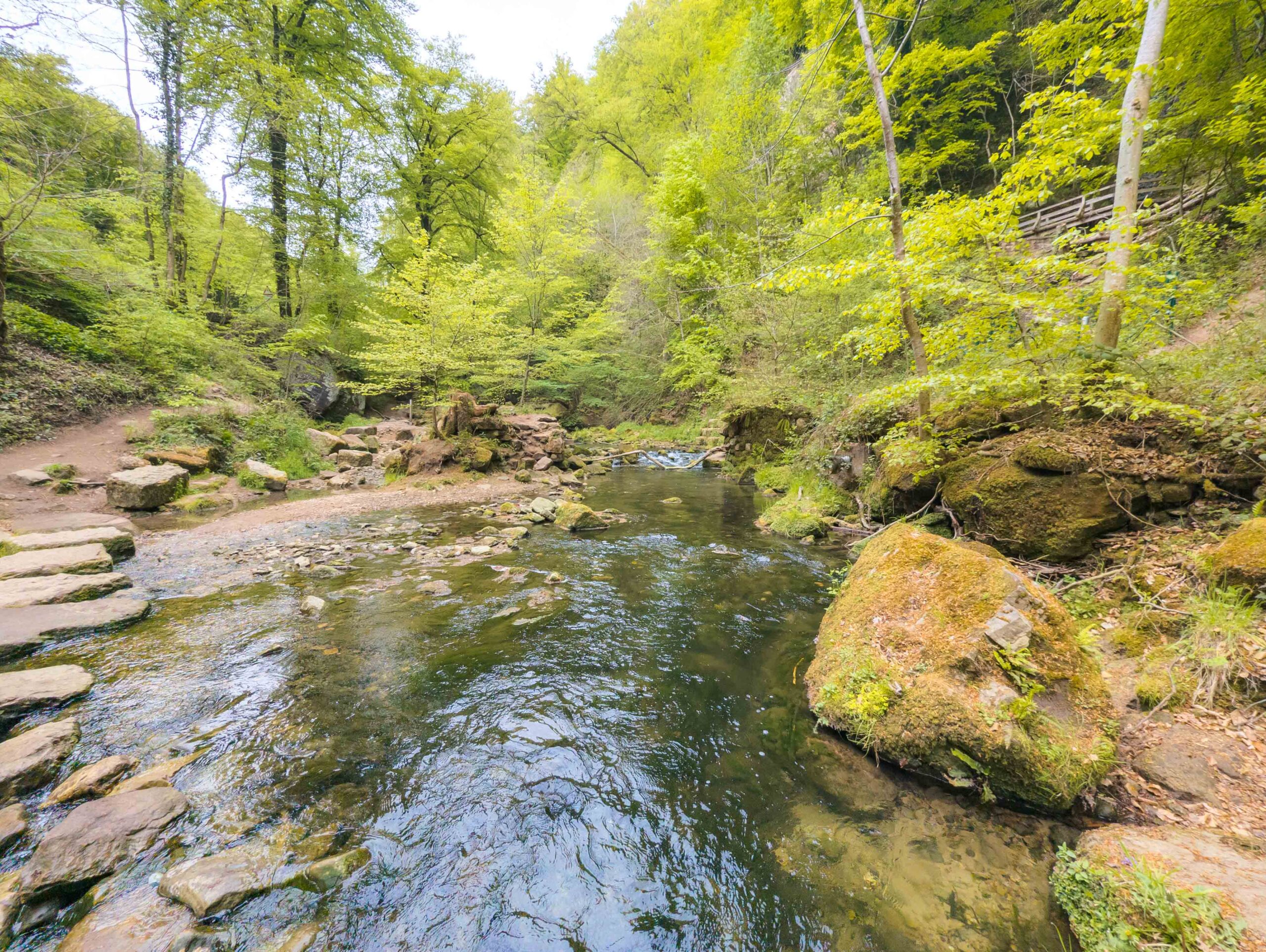
By 8:00 AM, I was back in the car to beat the paid parking hours, driving 45 minutes to the Mullerthal Trail. Often referred to as “Little Switzerland,” the region is famous for its sandstone rock formations created during the Ice Age. Honestly, coming from the actual Swiss Alps, I found it a bit underwhelming. The most impressive part was that parking and camping were entirely free. After a 30-minute walk through the forest and by the small river, I decided to move on to grander sights.
The Splendor of Vianden Castle
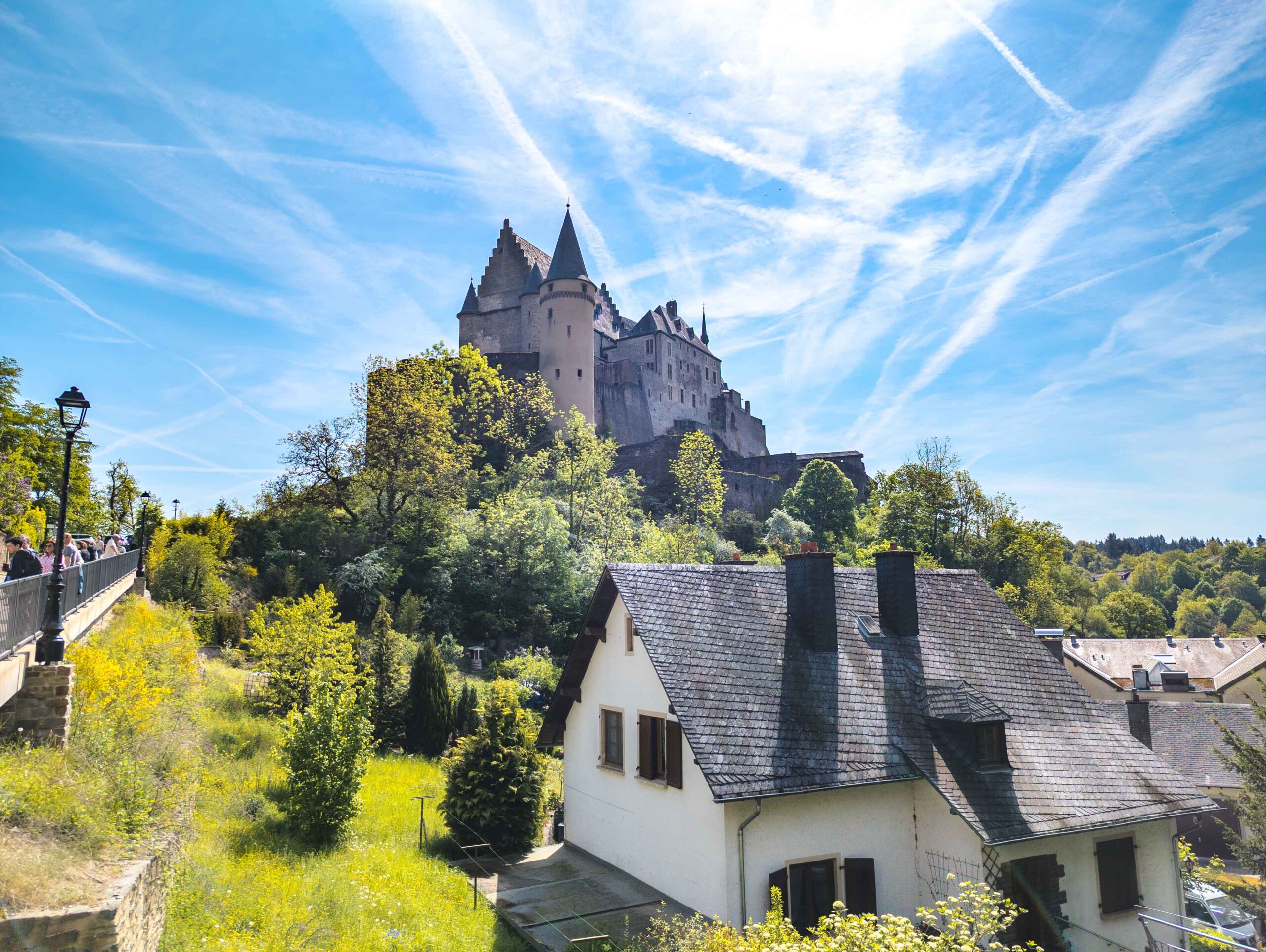
Arriving in Vianden around 10:00 AM, I navigated a confusing parking system (paying €4 for two hours) and walked up to the Castillo de Vianden. The entrance fee was €13.
Constructed between the 11th and 14th centuries on the foundations of a Roman castellum, Vianden is one of the largest and most beautiful feudal residences of the Romanesque and Gothic periods in Europe. It was the seat of the powerful Counts of Vianden, who had close ties to the royal family of France and the German imperial court. It even hosted the famous French writer Victor Hugo when he lived in exile. The weather, which had been rainy that morning, perfectly cleared up as I spent over an hour wandering its restored historical halls.
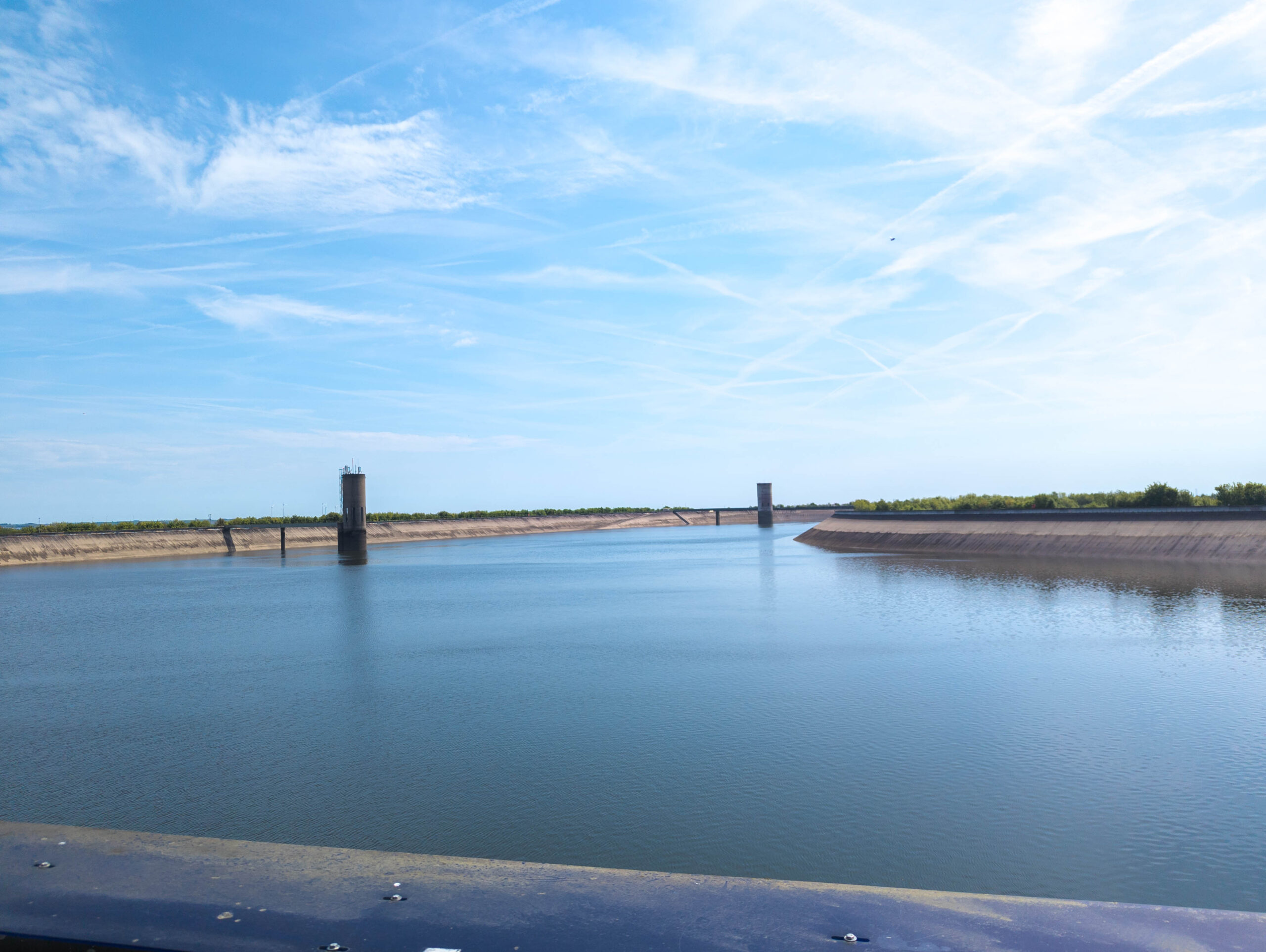
Leaving the castle, I drove up to the nearby pumped-storage hydroelectric power plant reservoir for a fantastic panoramic view over the lush valley before crossing the border into Belgium.
WWII History and a Crusader’s Fortress
By the time I crossed into Belgium, the lack of sleep from the noisy hostel hit me like a brick. I was so insanely tired I had to pull over for a 30-minute nap just to safely keep my eyes open. Feeling refreshed, I drove on, making a quick stop for a sandwich and drinks at a Carrefour in Bastogne a town deeply etched into WWII history as the epicenter of the Battle of the Bulge, where surrounded American troops famously replied “Nuts!” to the German demand for surrender.
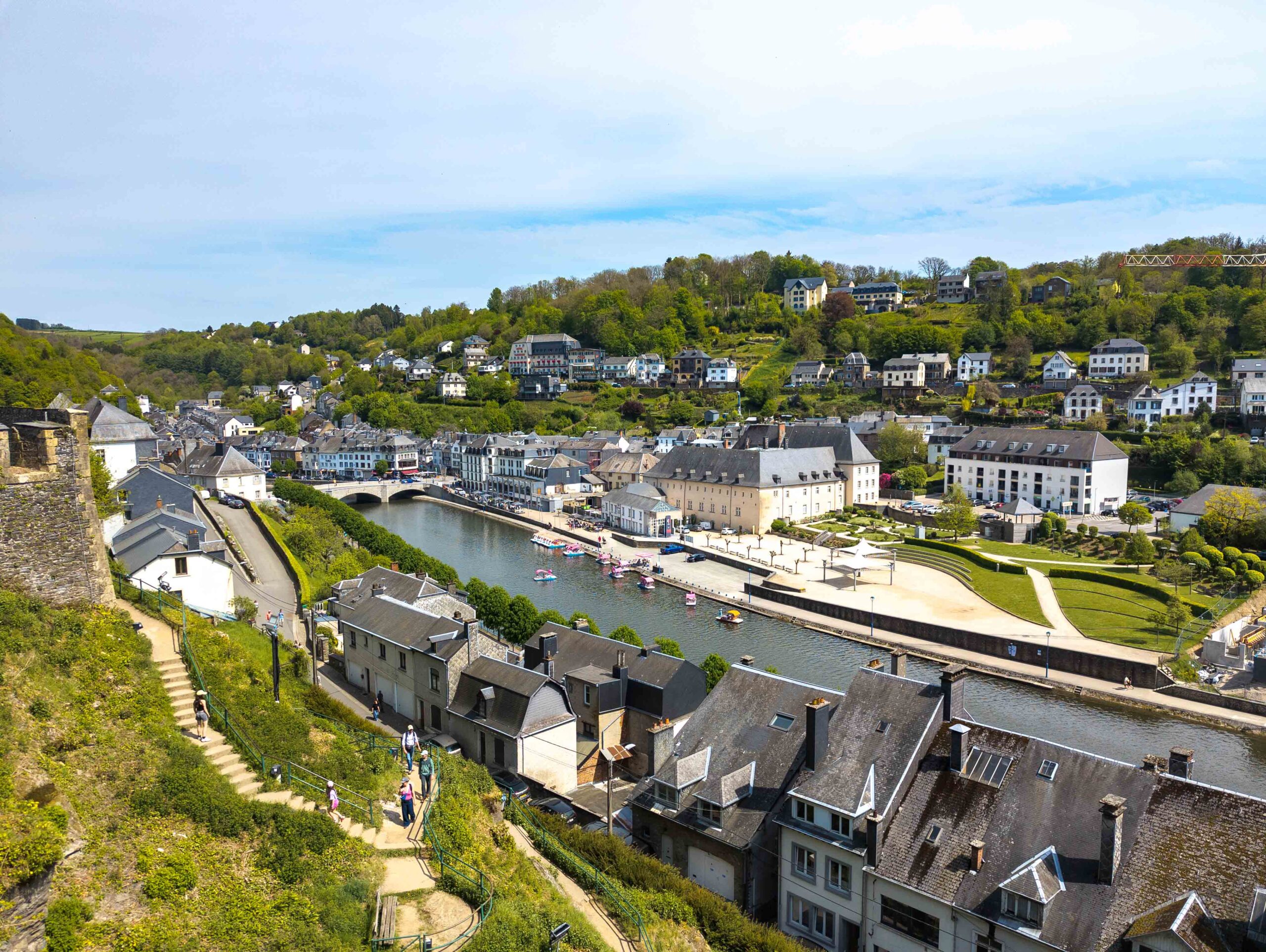
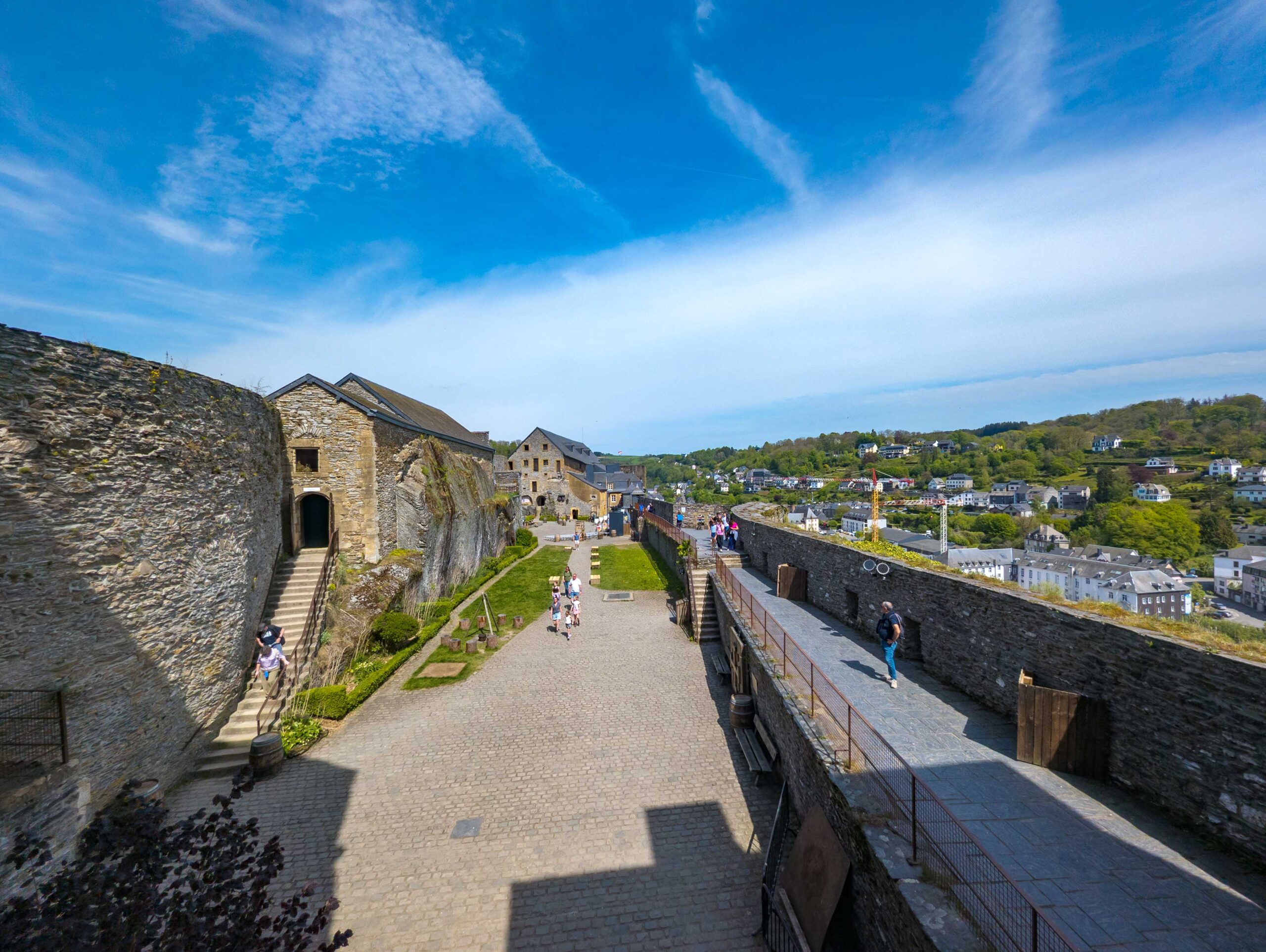
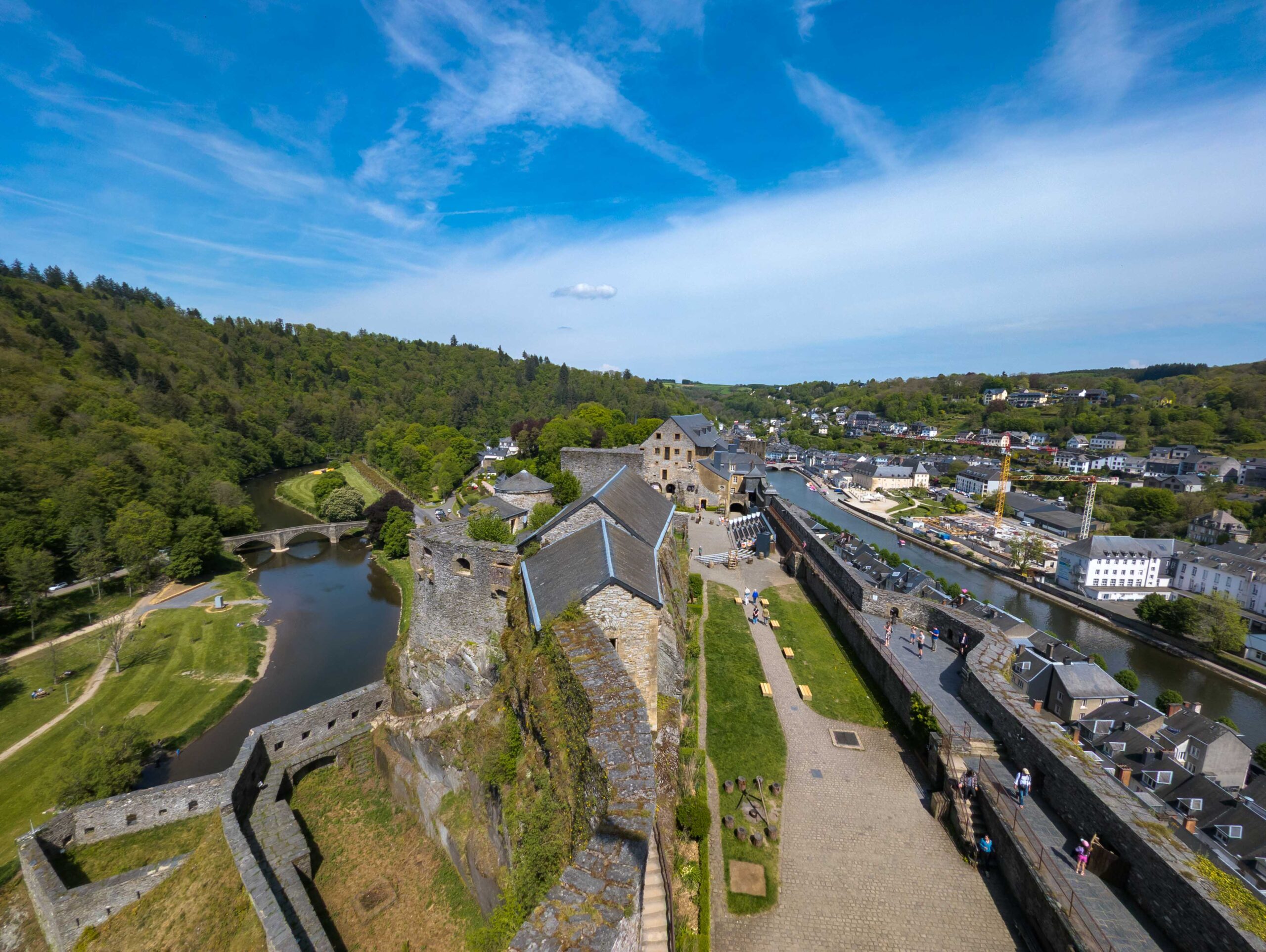
Finally, I arrived at my last historical stop: Bouillon. I got incredibly lucky again, finding free parking right next to the Semois River, just a short walk from the Castle of Bouillon. Entrance to the fortress cost €16.
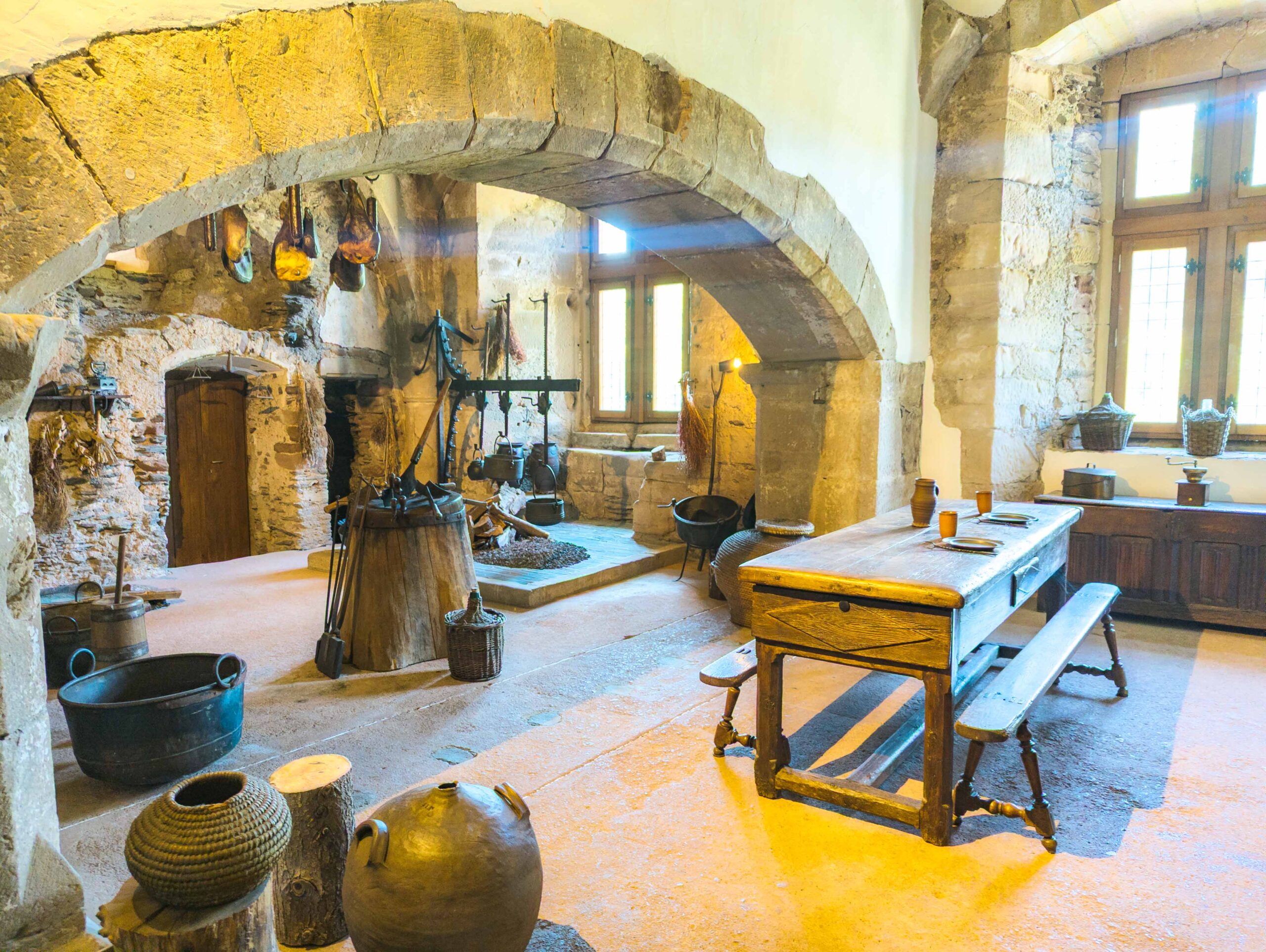
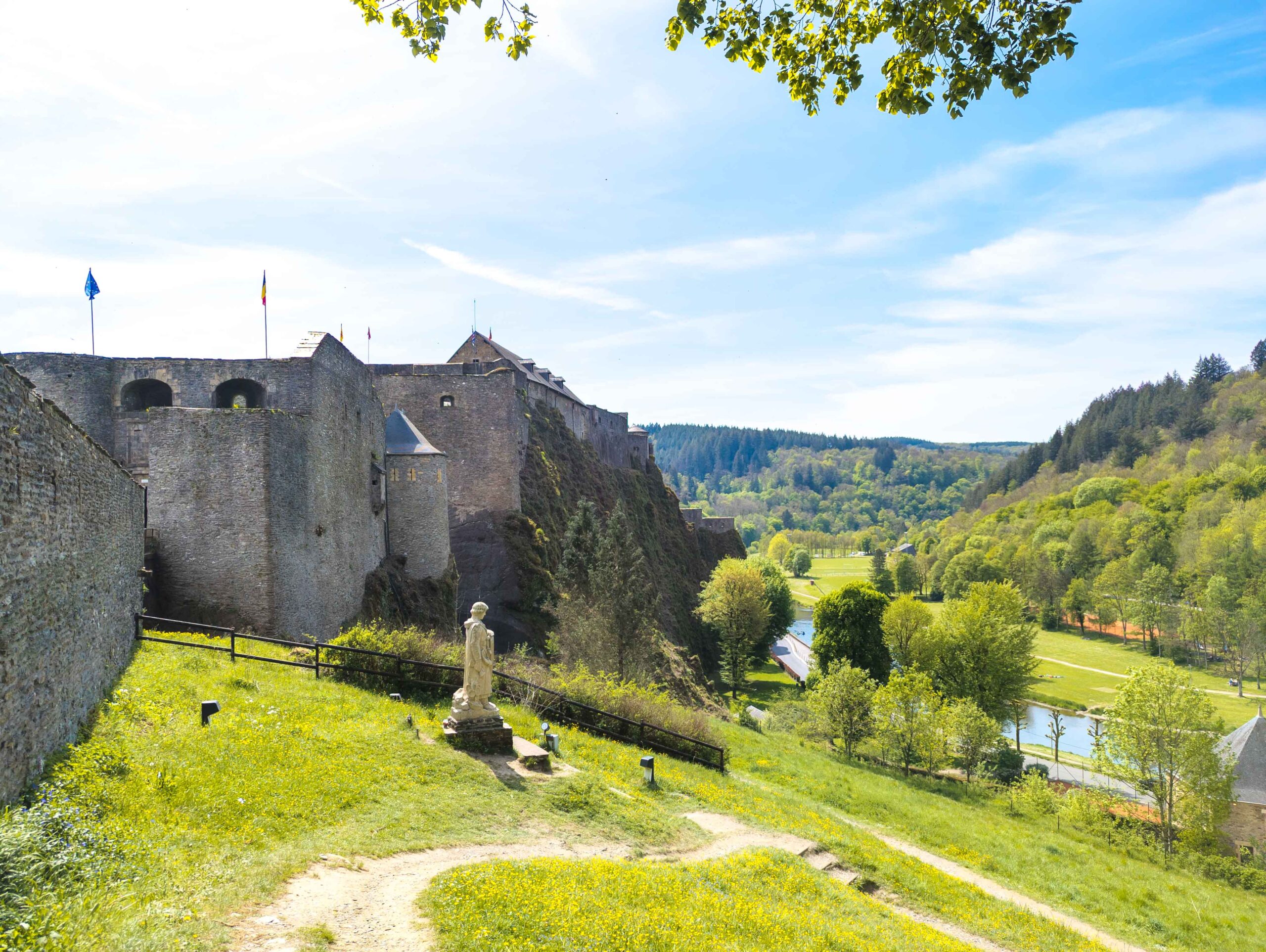
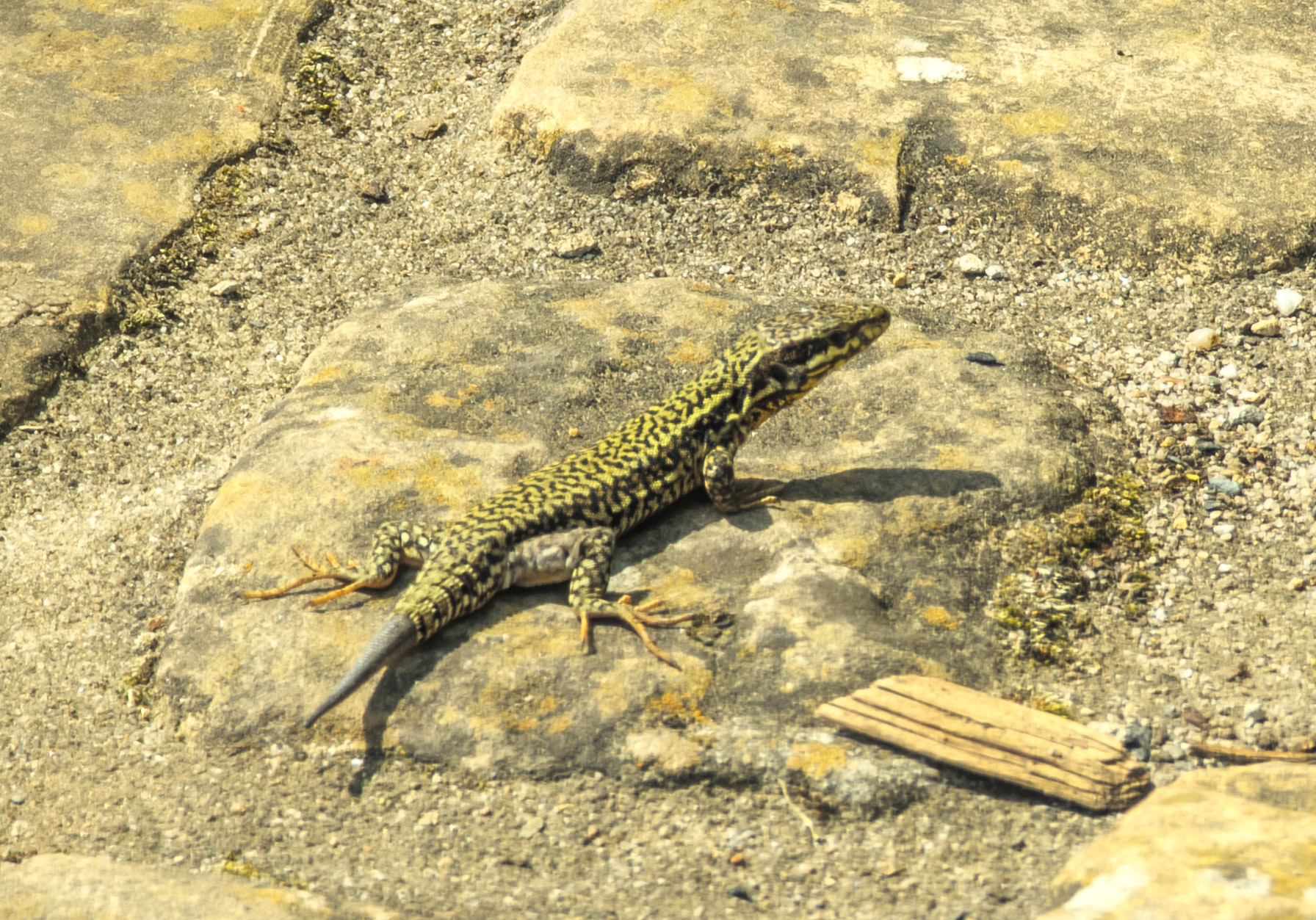
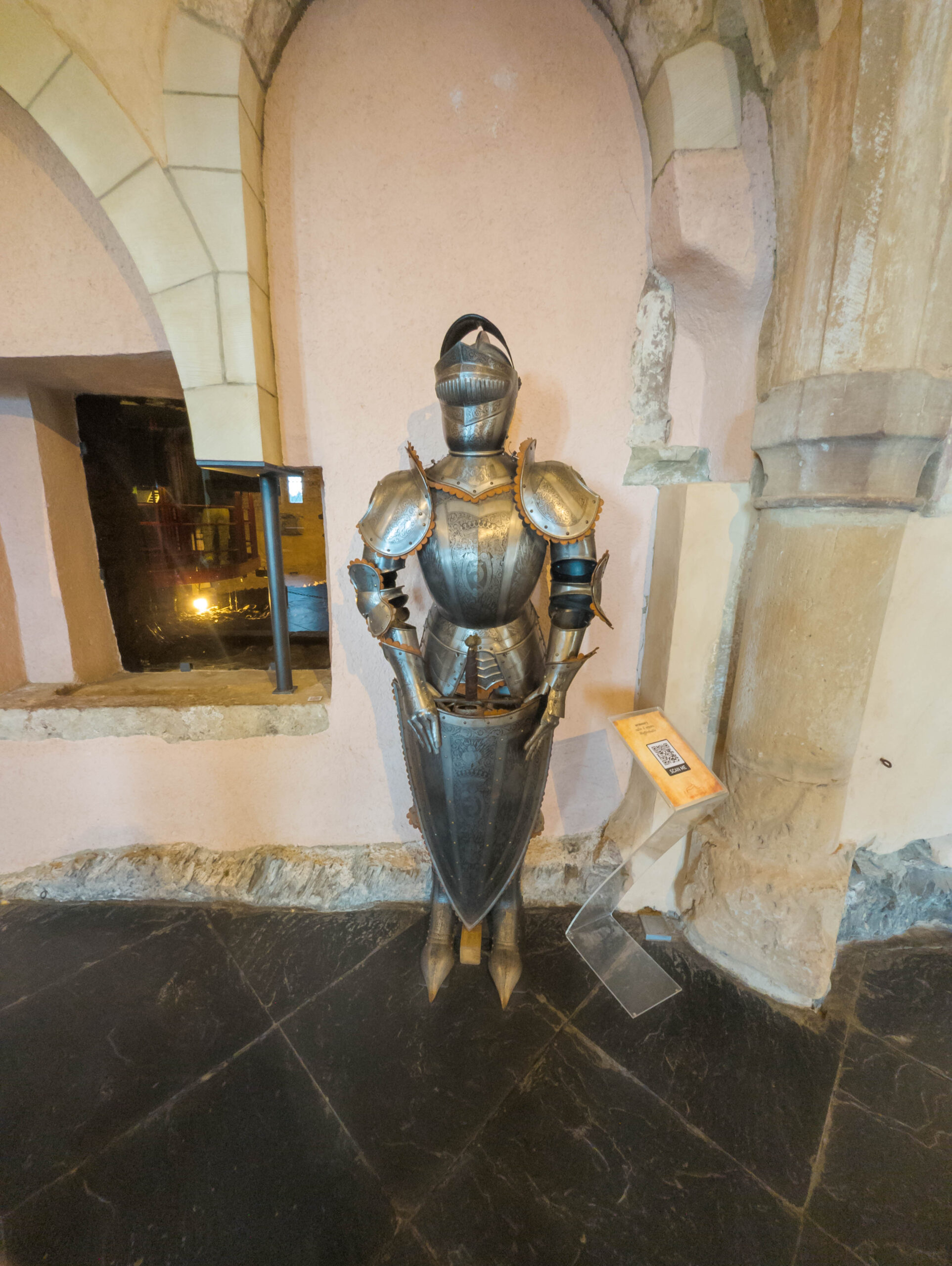
This castle is steeped in legendary history. It was the stronghold of Godfrey of Bouillon (Godefroy de Bouillon), a legendary medieval knight and one of the primary leaders of the First Crusade. In 1096, Godfrey actually sold this magnificent castle to the Prince-Bishopric of Liège just to finance his army’s massive expedition to Jerusalem. Walking through the dark, damp corridors of the fortress feels like stepping back into the 11th century. I spent a few hours exploring the vast grounds and even caught a fantastic live falconry and bird show in the castle courtyard.
The Long Drive Home
After finishing up at the castle, I walked down into the beautiful, quiet city center of Bouillon. There was a highly-rated hostel nearby where I could have easily spent another night, but as I sat on a bench eating my Carrefour sandwich, profound travel exhaustion washed over me. I had seen everything I set out to see, and the desire to be in my own bed outweighed the urge to keep traveling.
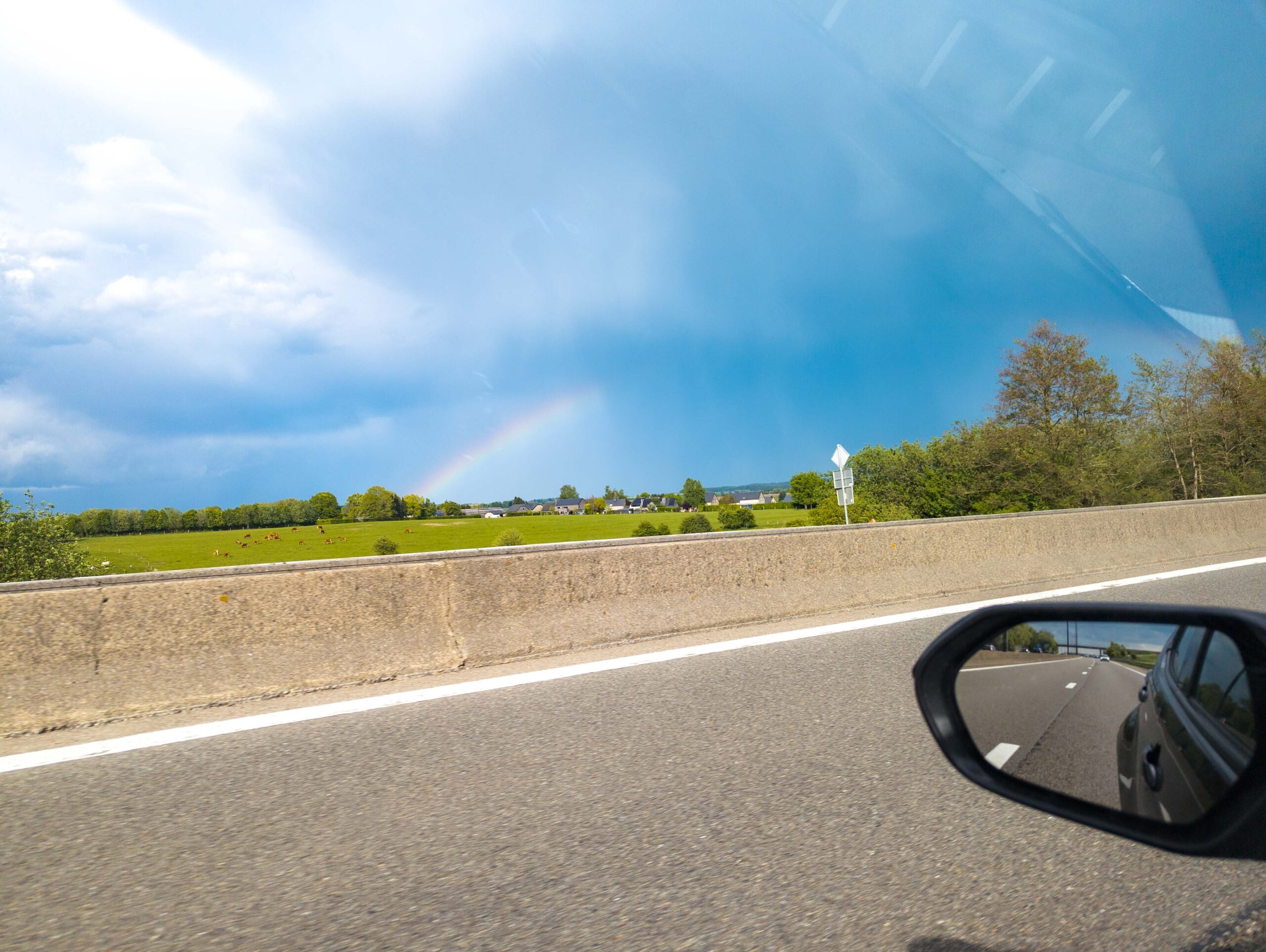
Shortly after 5:00 PM, I started the journey home. This time, I opted for a slightly longer route down the western side of France specifically to avoid the expensive toll roads I had used the day before. The detour added about 20 minutes to my trip, but it saved me over €25 in tolls and required less fuel, making it a brilliant decision.
After pushing through six more hours of driving bringing my total gasoline costs for the trip to around €100 I finally pulled into my driveway in Edlibach right around 11:00 PM. I collapsed into bed, completely drained, but thrilled by the incredible amount of history I had managed to pack into just 48 hours.
LUXEMBOURG AND BELGIUM FINANCIAL SUMMARY AND TRIP EXPENSES
Protected Financial Summary
Enter password to unlock the comprehensive cost breakdown and itemized receipts.