Region: Haast Pass, Rees Valley, Arrowtown, Christchurch
Travel Dates: December 18 – December 24
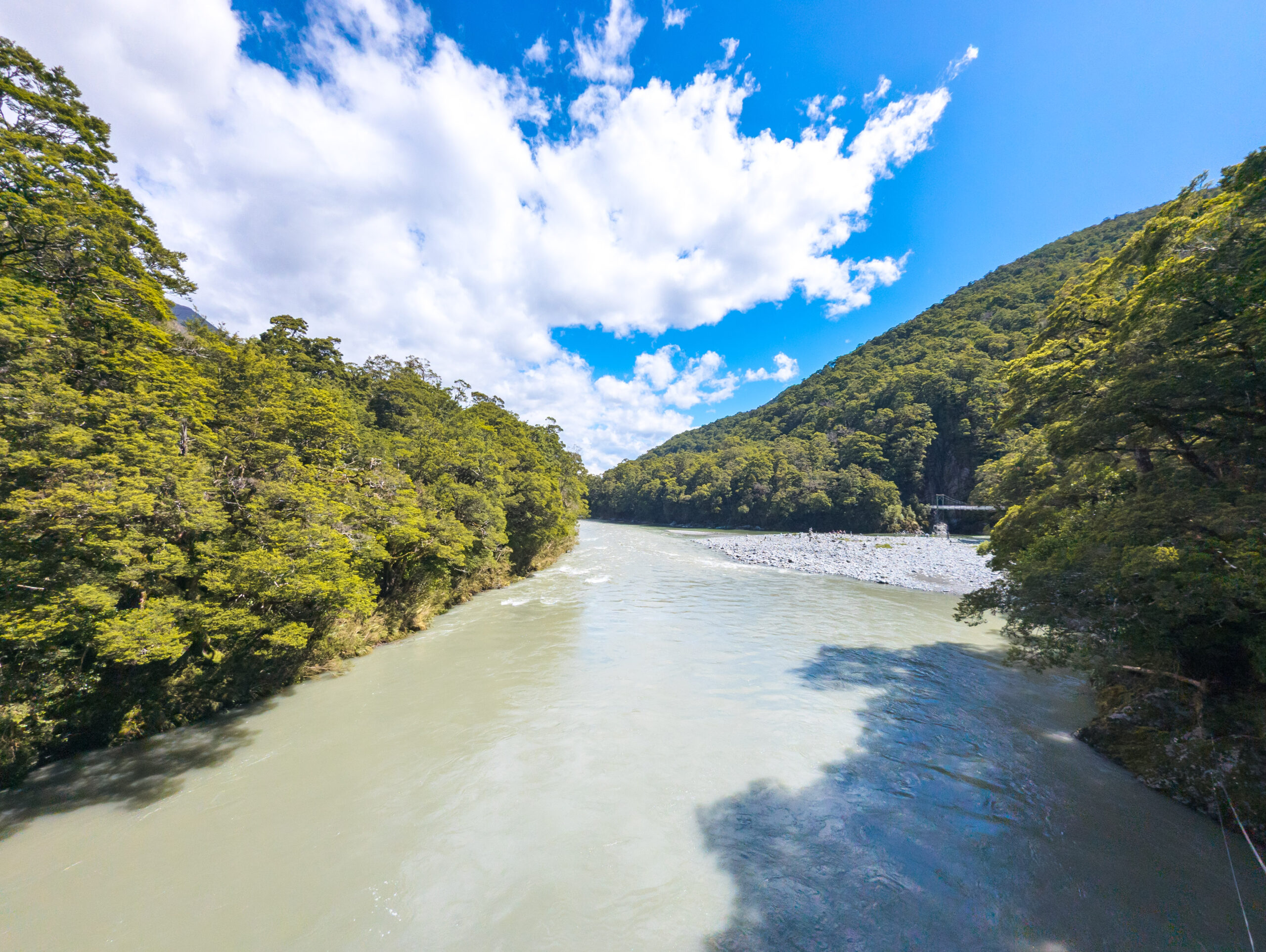
The Department of Conservation website gives you all the logistical details: hut fees, distances, terrain warnings. But standing in the Phantom Creek car park at 4:00 PM, staring at the barrier between me and the Brewster Hut track, I realized there was one detail they had undersold: the Haast River.
There is no bridge. You simply have to cross it.
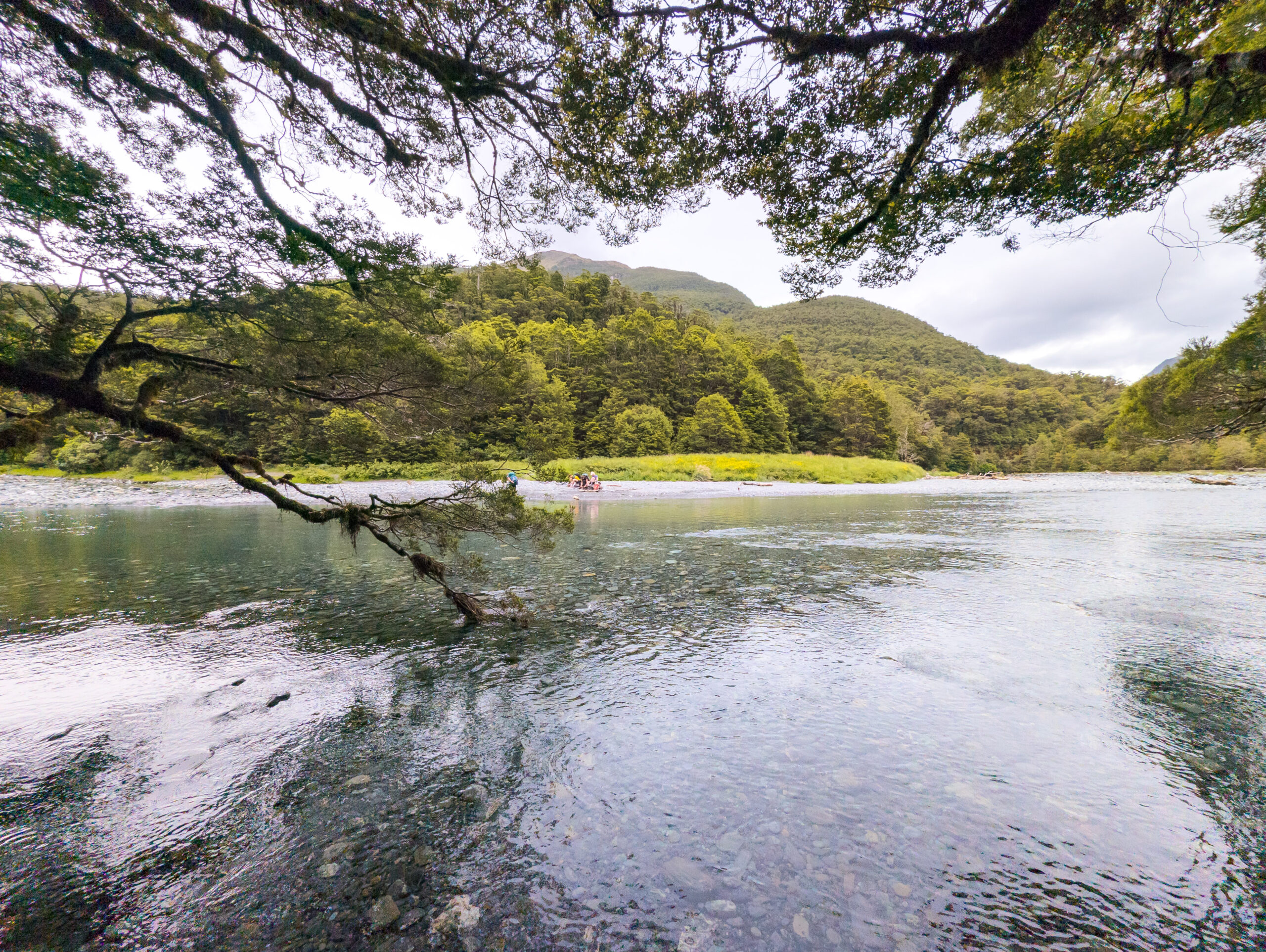
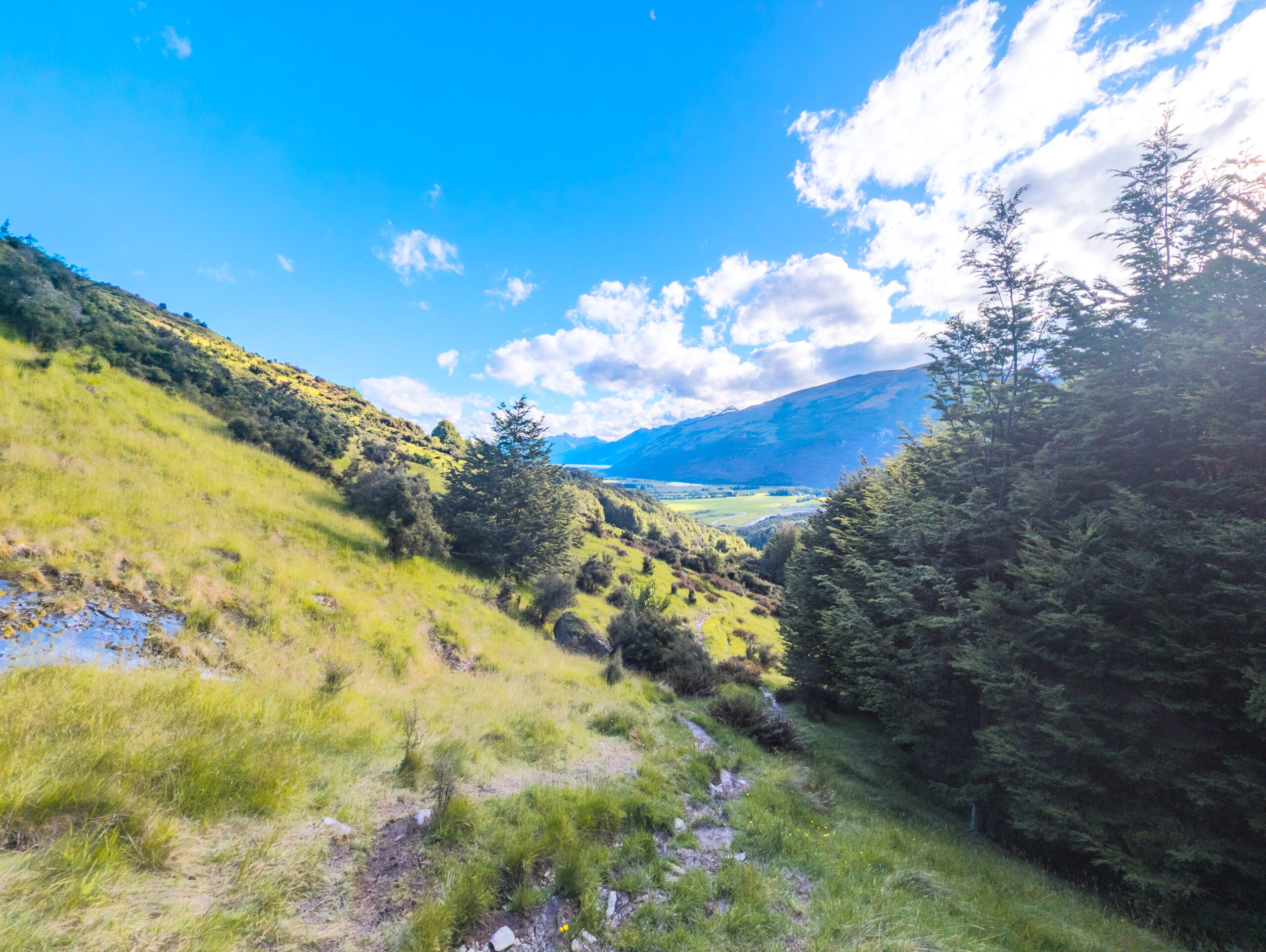
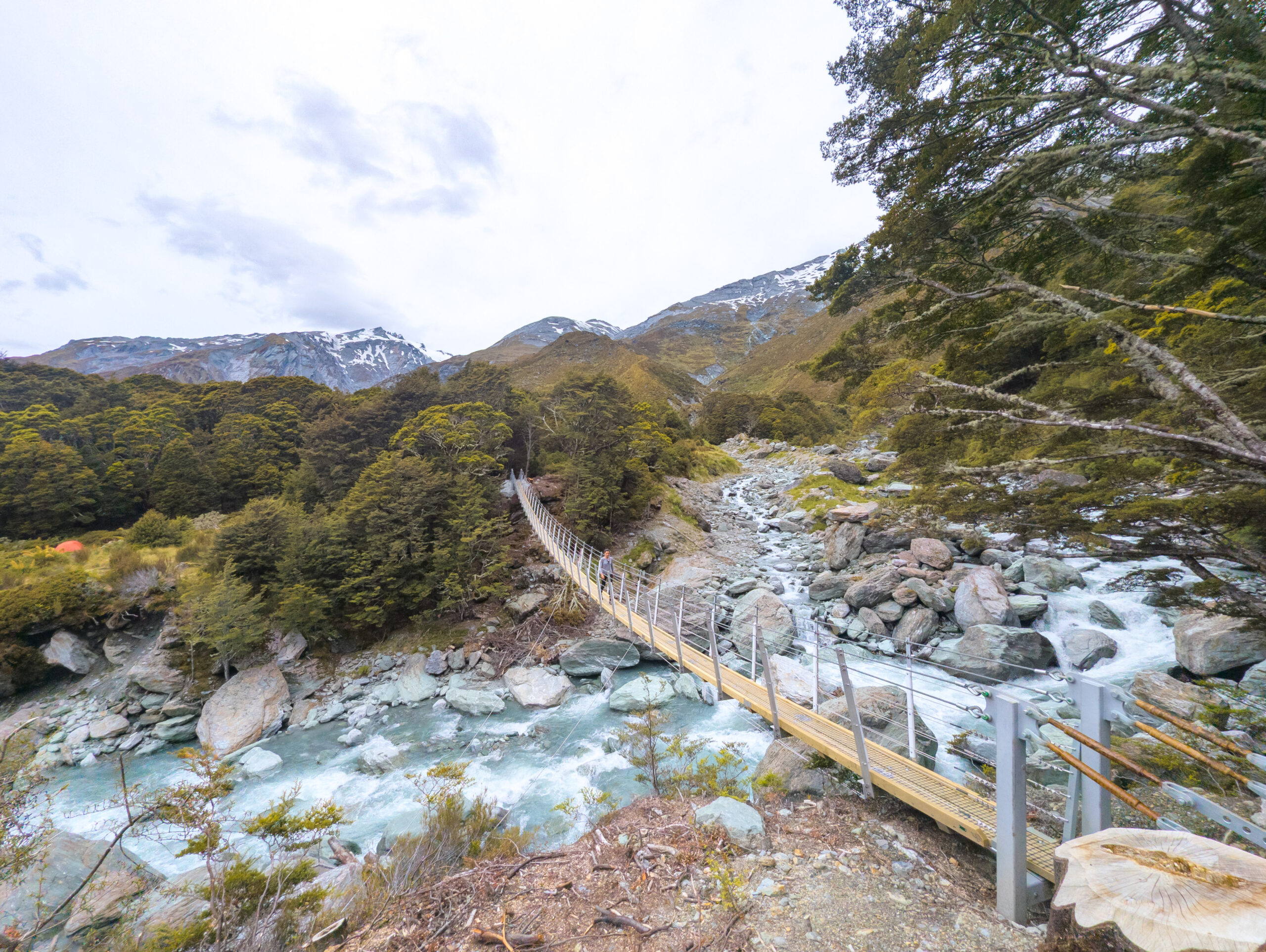
Other hikers gestured vaguely upstream, indicating where the trail picked up on the far bank, but they were already dry and booting up. I was alone, without a spotter. I wasn’t about to hike for the next three days in wet boots, so I stripped off my trousers and boots, strapping them high on my pack. Standing on the riverbank in my underwear, I stepped into the glacial water. It was biting cold, numbing my skin instantly, but the level was manageable, swirling just above my knees. I pushed through the current, dried off on the gravel bar, and began the relentless, root-ladder climb through the beech forest.
The Ice Above the Forest
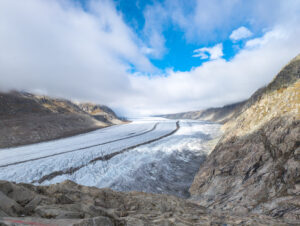
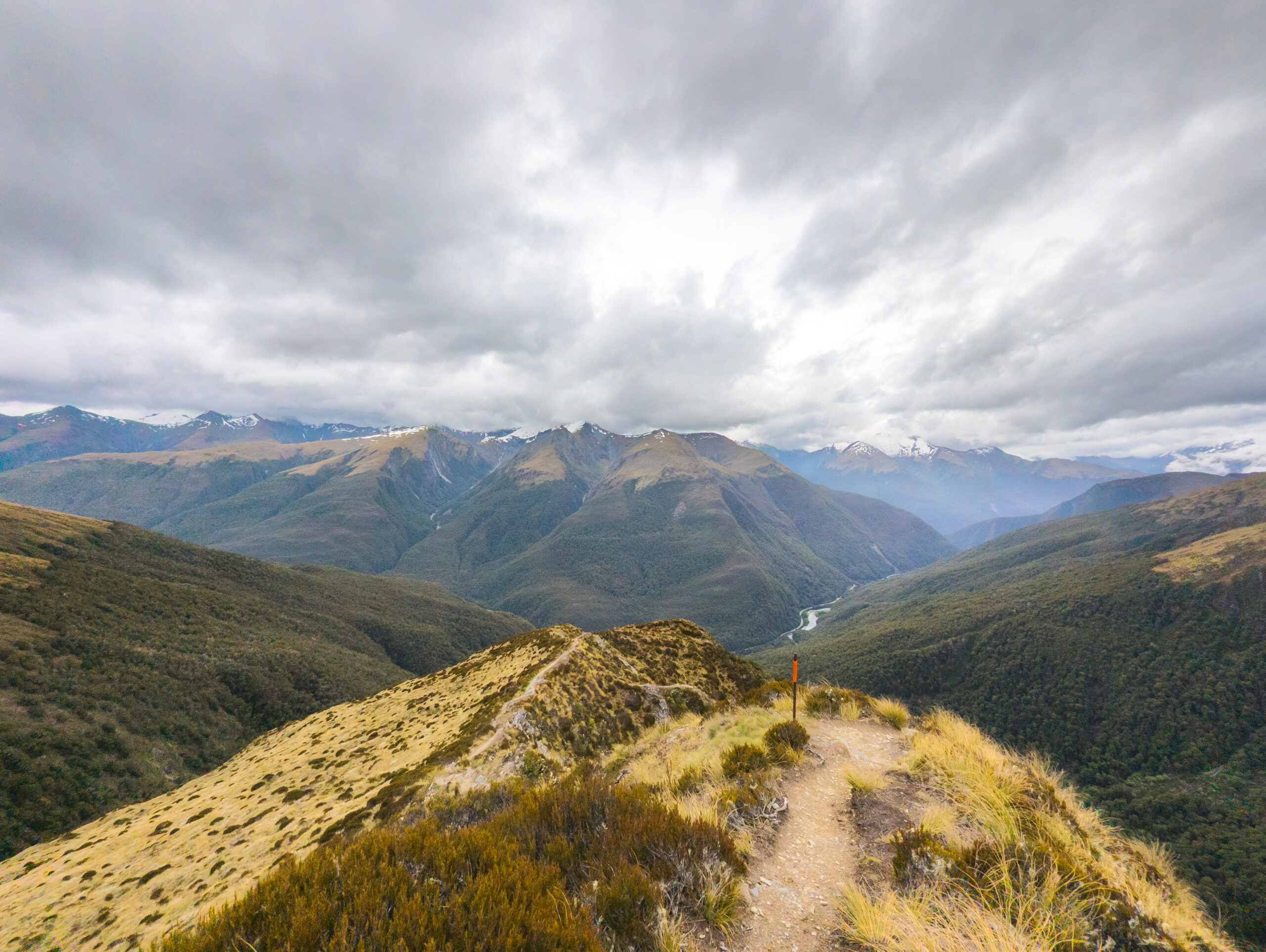
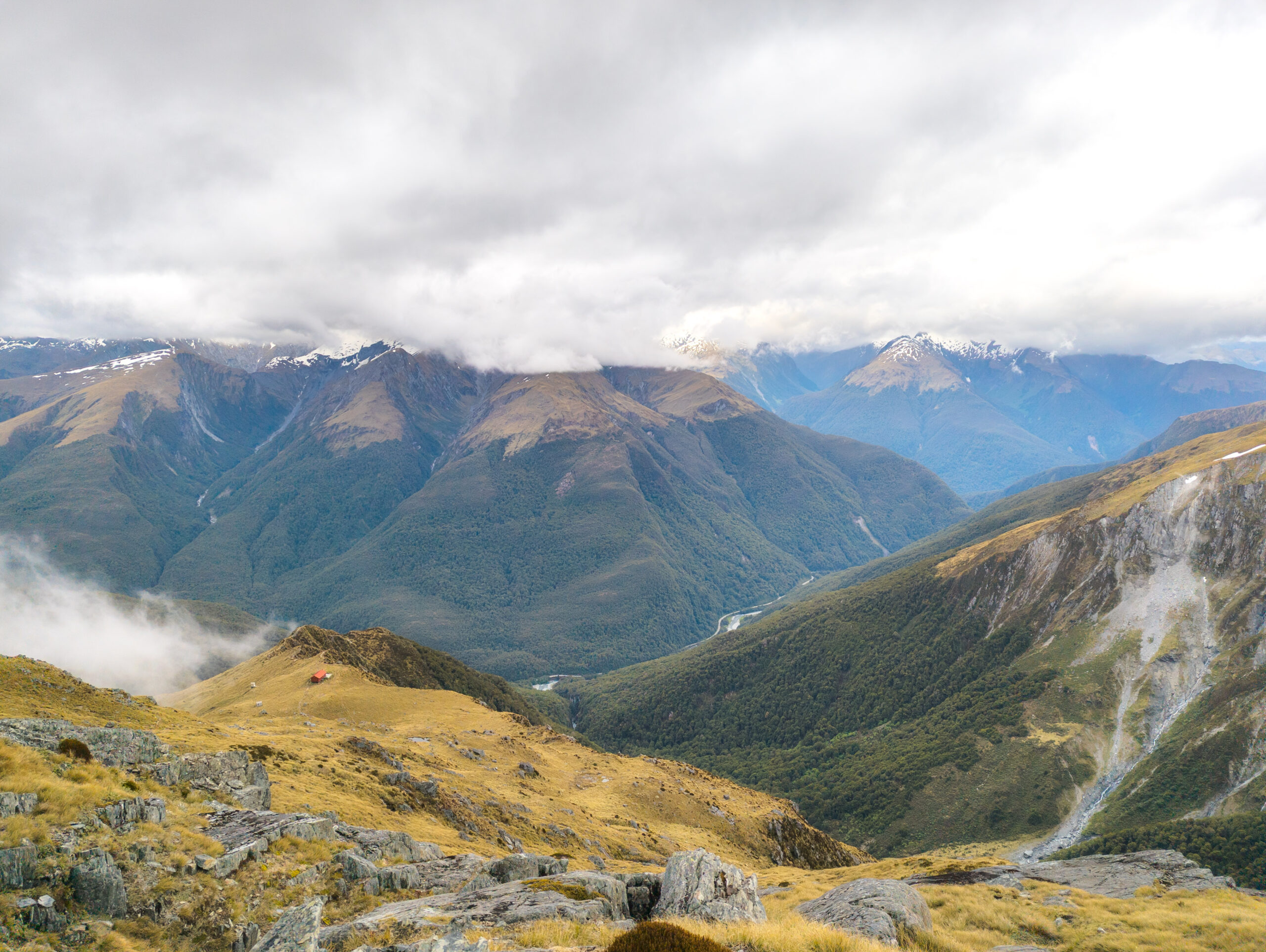
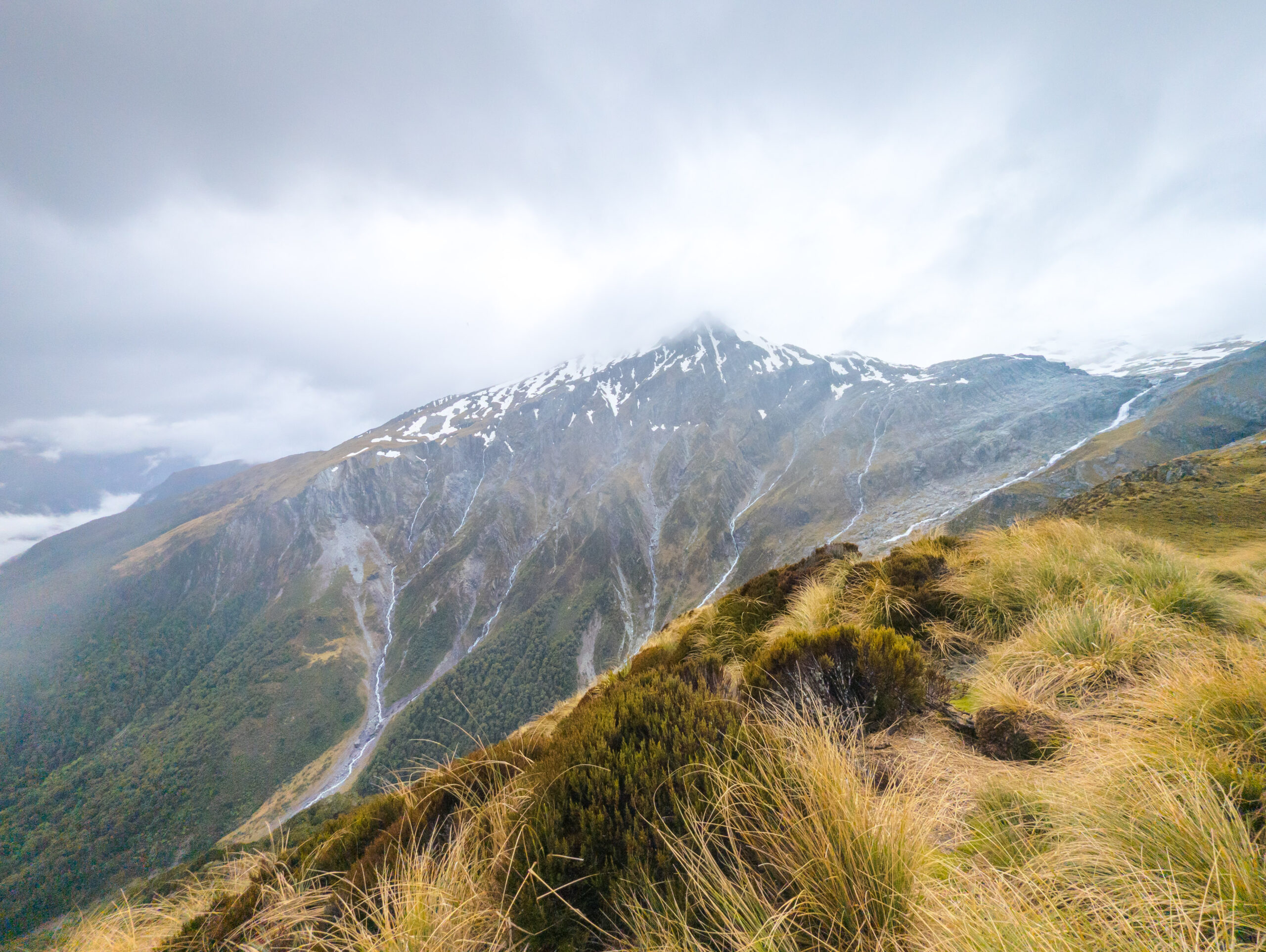
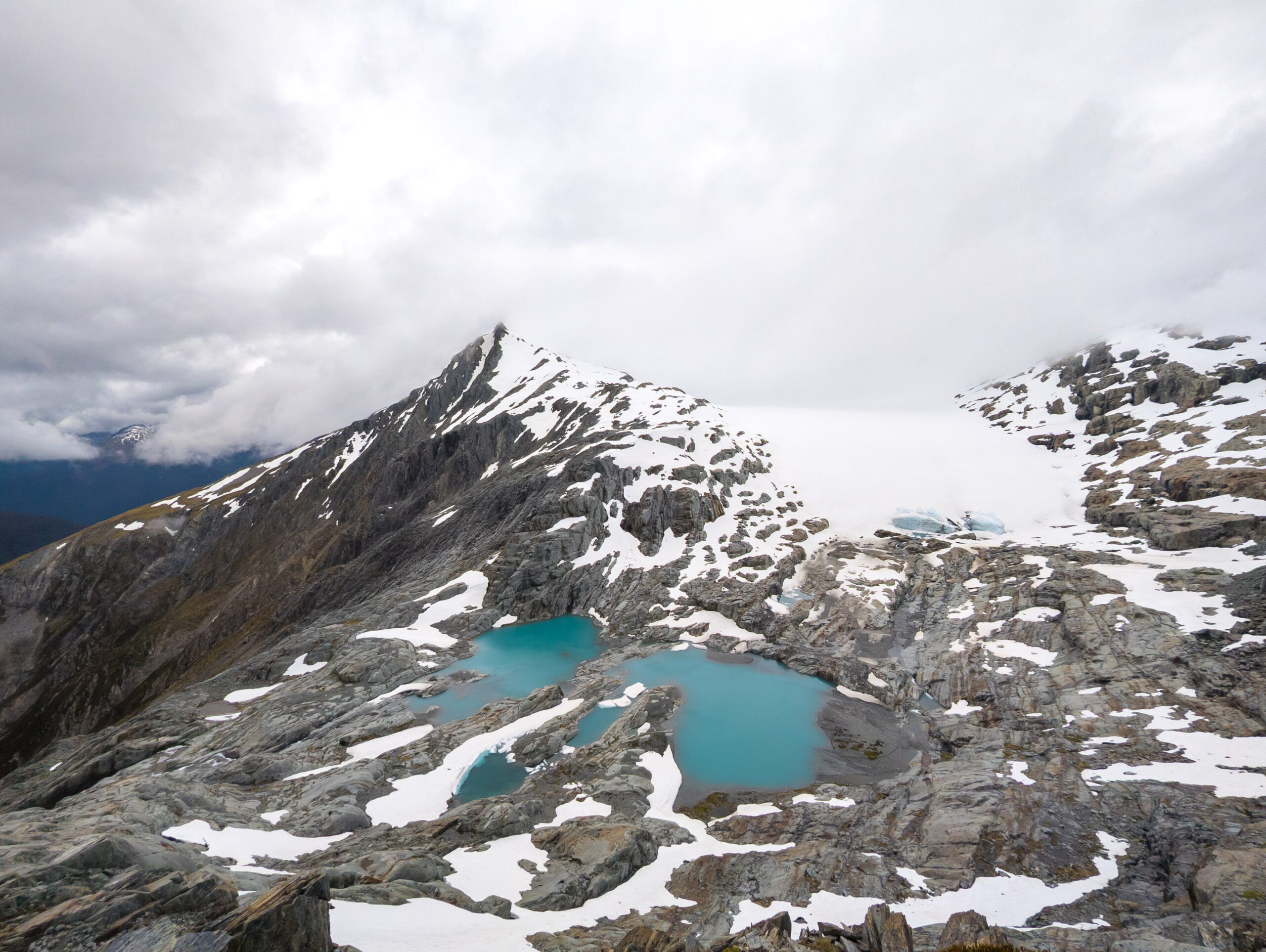
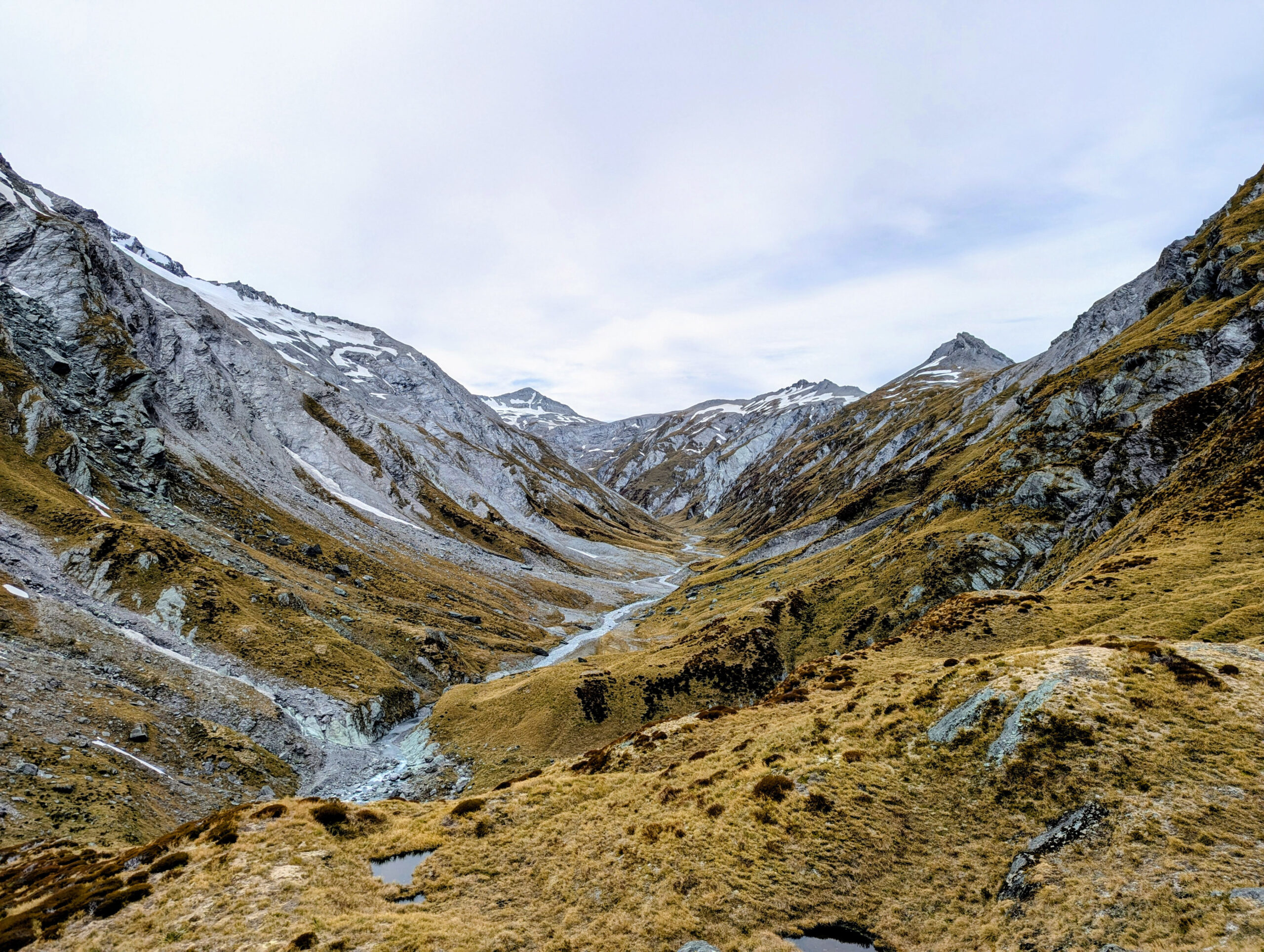
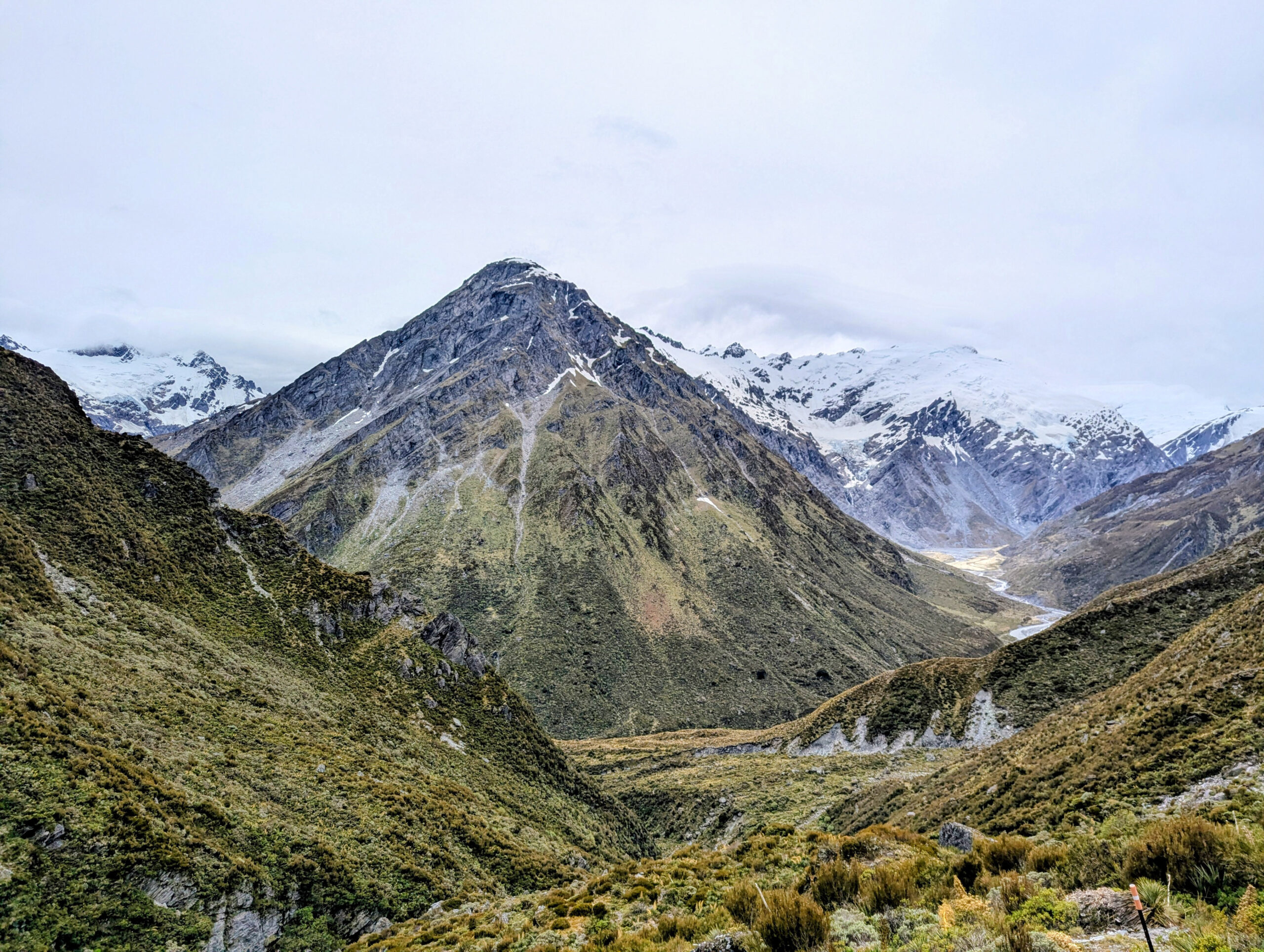
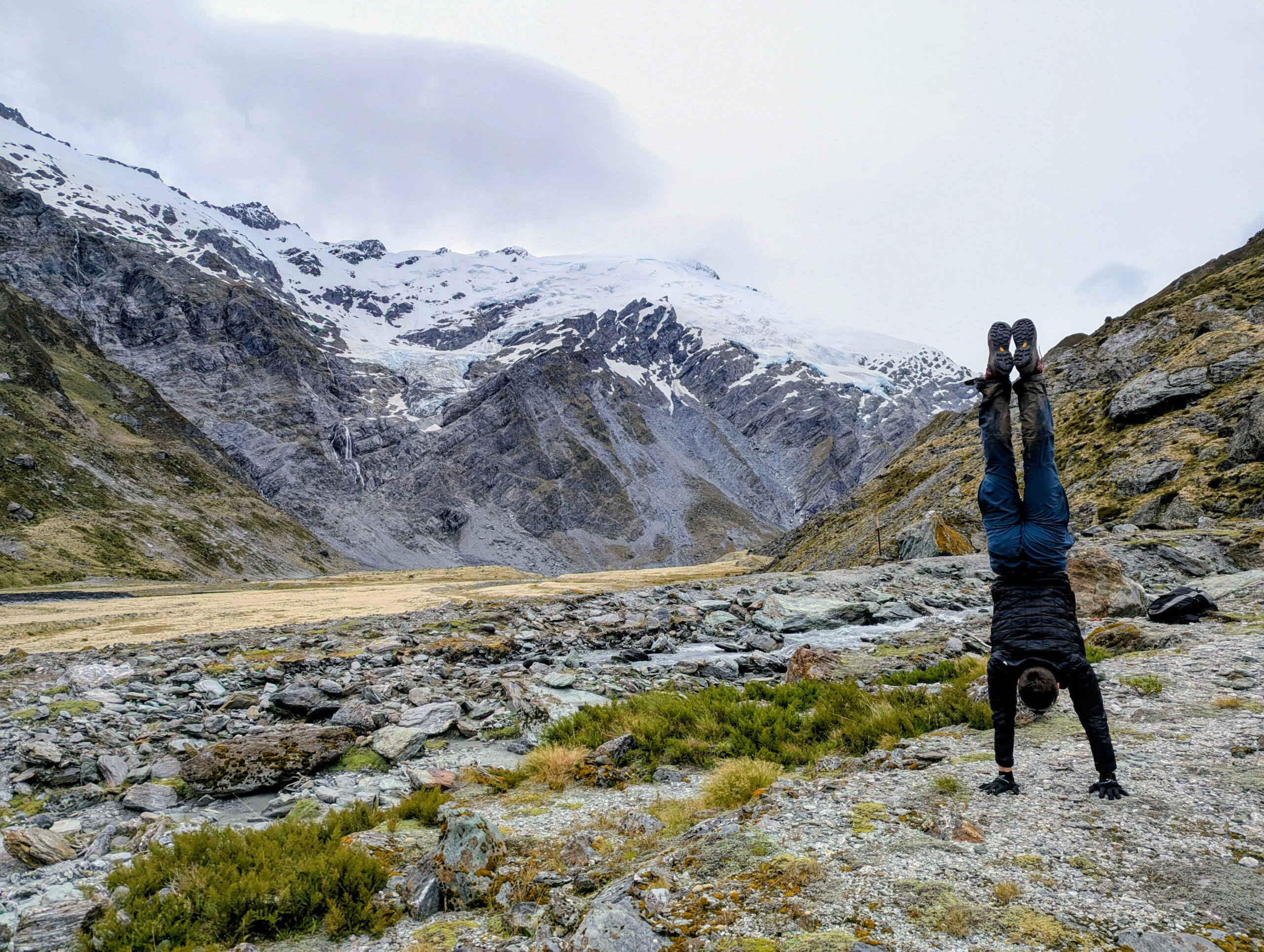
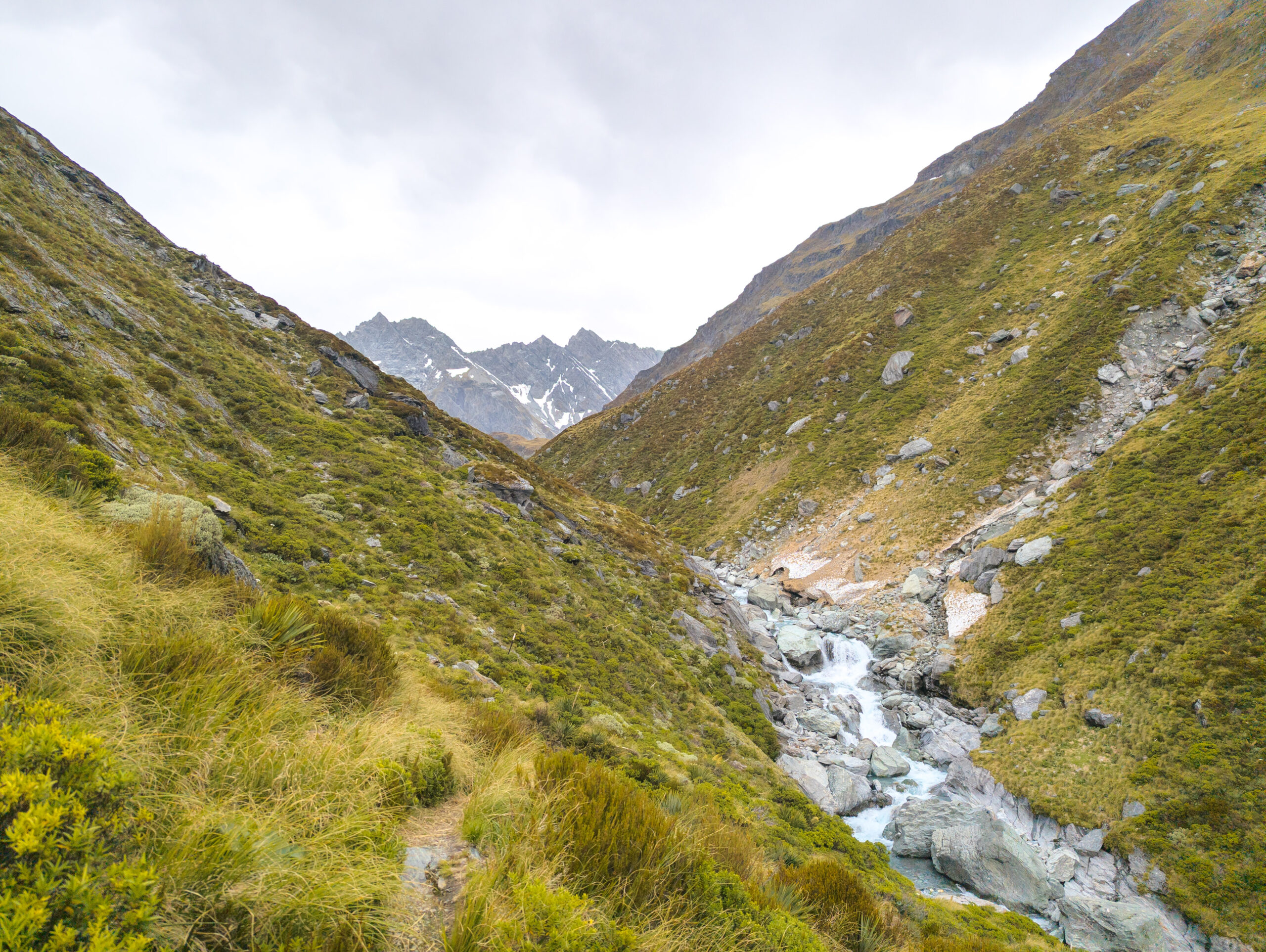
I reached the bright red Brewster Hut in good time and dropped my heavy pack. I still had energy to burn, so I pushed higher, leaving the tree line behind for the stark alpine world of the Brewster Glacier. The landscape up there is severe and beautiful—a monochrome study of grey rock, white ice, and silence. I sat by the terminal lake for over an hour, watching the clouds swirl around the peaks, feeling the moisture in the air increase. The atmosphere was heavy, electric with an incoming storm.
I retreated to the hut just as the weather broke. Inside, there was a sign that chilled me more than the wind: “Do not attempt to cross the river during or after heavy rain.”
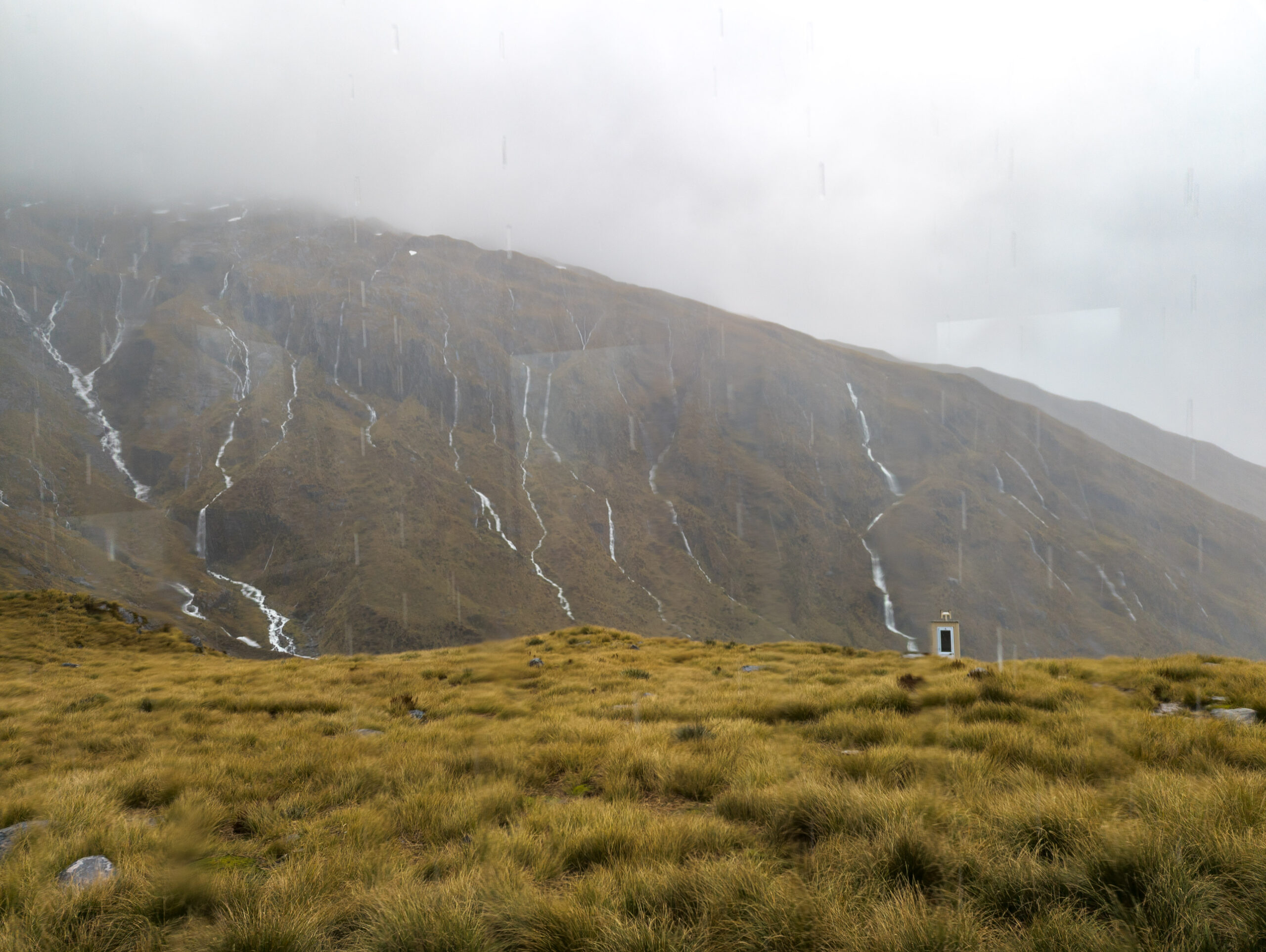
The forecast called for torrential rain all night until noon the next day. I was the only person in the 12-bunk hut. I ate my rations in silence, listening to the storm batter the corrugated iron walls, wondering just how high that river below was rising.
The next morning, the rain was relentless. It didn’t stop until 2:00 PM. By then, the trail down had turned into a stream. My boots were soaked within minutes of leaving the hut. Just five minutes before reaching the riverbank, I met a Czech hiker coming up. He looked concerned. “The river is dangerous,” he warned.
When I broke out of the trees, I saw he was right. The Haast River was swollen, grey, and moving fast. I had no choice. I stripped down to my underwear again, strapped my pack tight, and stepped in. The water was significantly higher than the day before, rising to my thighs. The current was powerful, threatening to sweep my feet out from under me with every step. I moved slowly, planting my hiking poles firmly against the shifting stones, fighting the water with every muscle in my legs. When I finally scrambled up the gravel on the other side, I was shivering but relieved.
I drove straight to Wanaka, went to the supermarket, and bought a massive slab of meat. I cooked a huge feast in the hostel kitchen, needing the calories and the comfort after the wet isolation of the hut.



The Race to the Glacier
After a night of heavy eating and recovery in Wanaka, I drove to Queenstown the next day. The weather forecast was still poor, but I refused to waste the day. I stopped at the DOC office to ask about the track conditions for the Rees-Dart track, which was on the agenda for later in the week. They warned me about quicksand and road closures, but my mind was currently set on a different target: the Mount Earnslaw Burn Track.
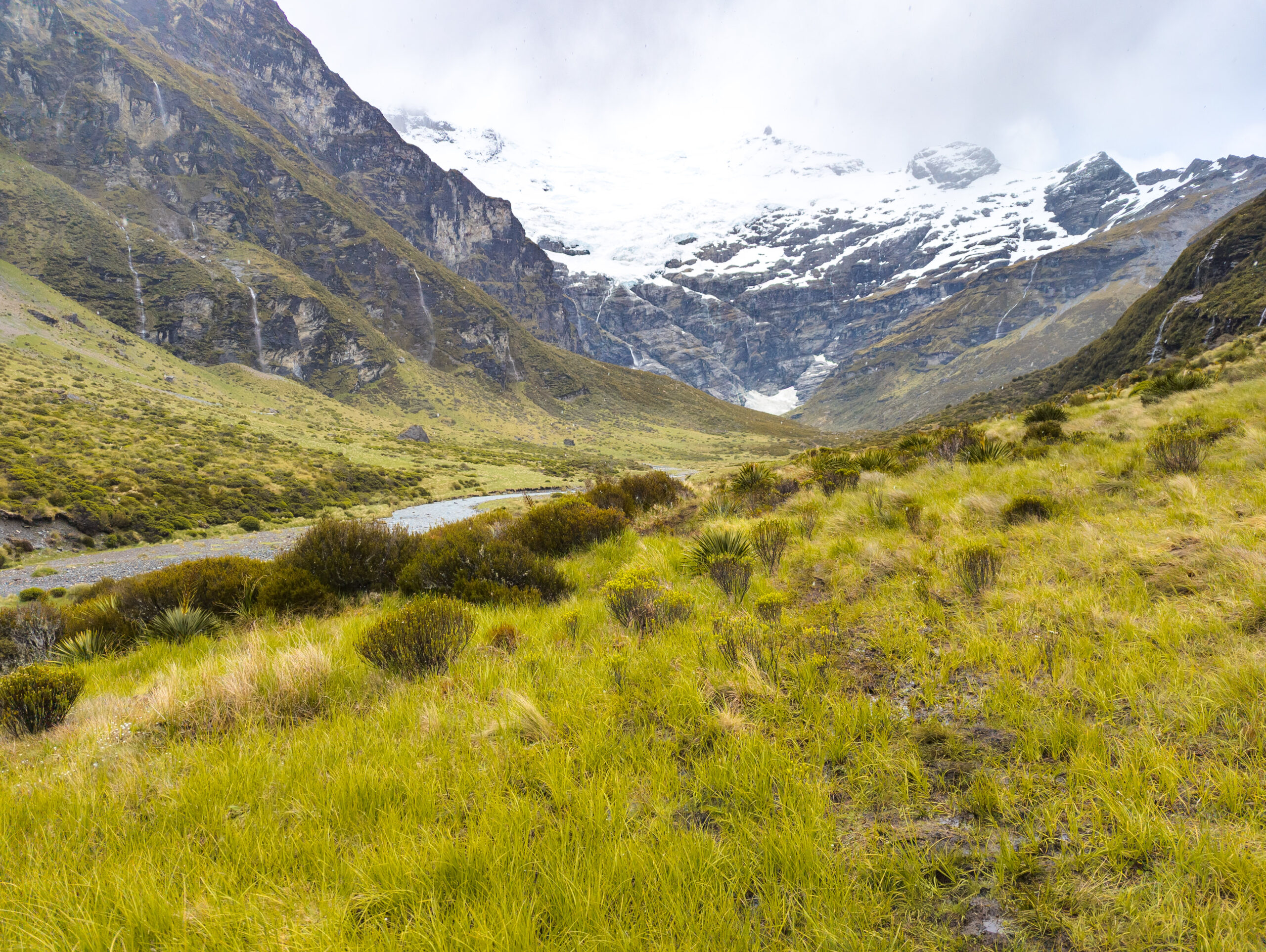
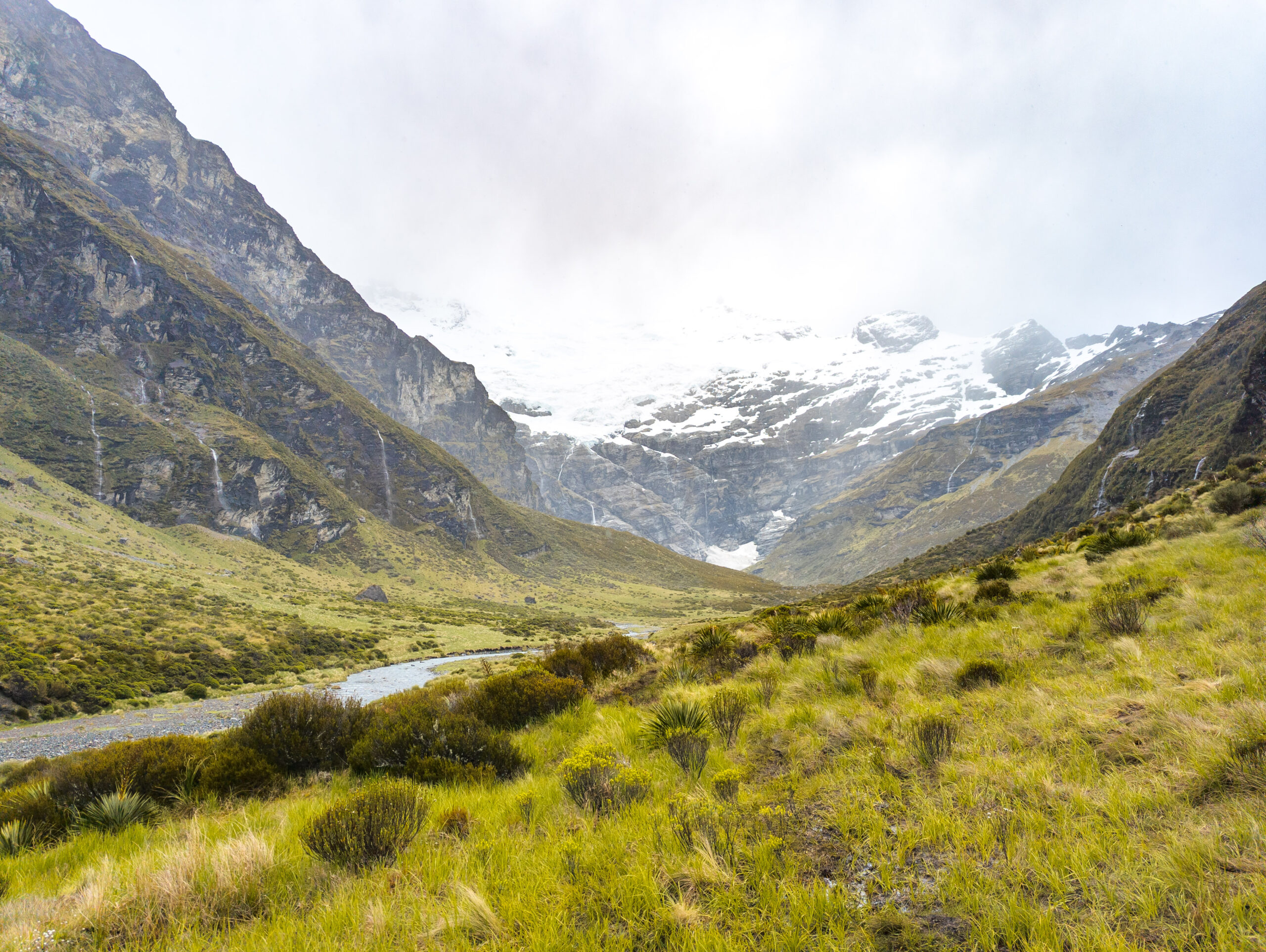
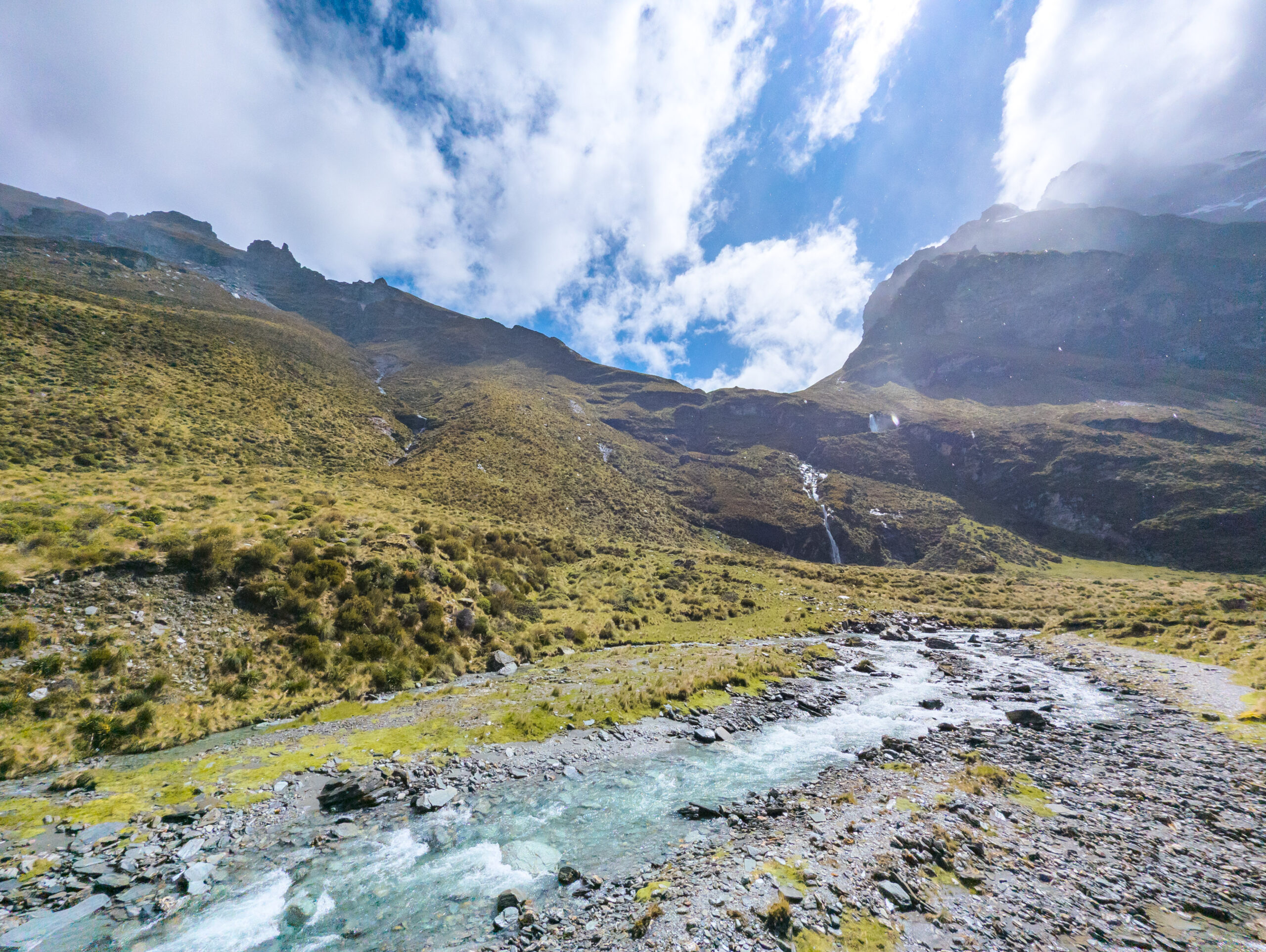
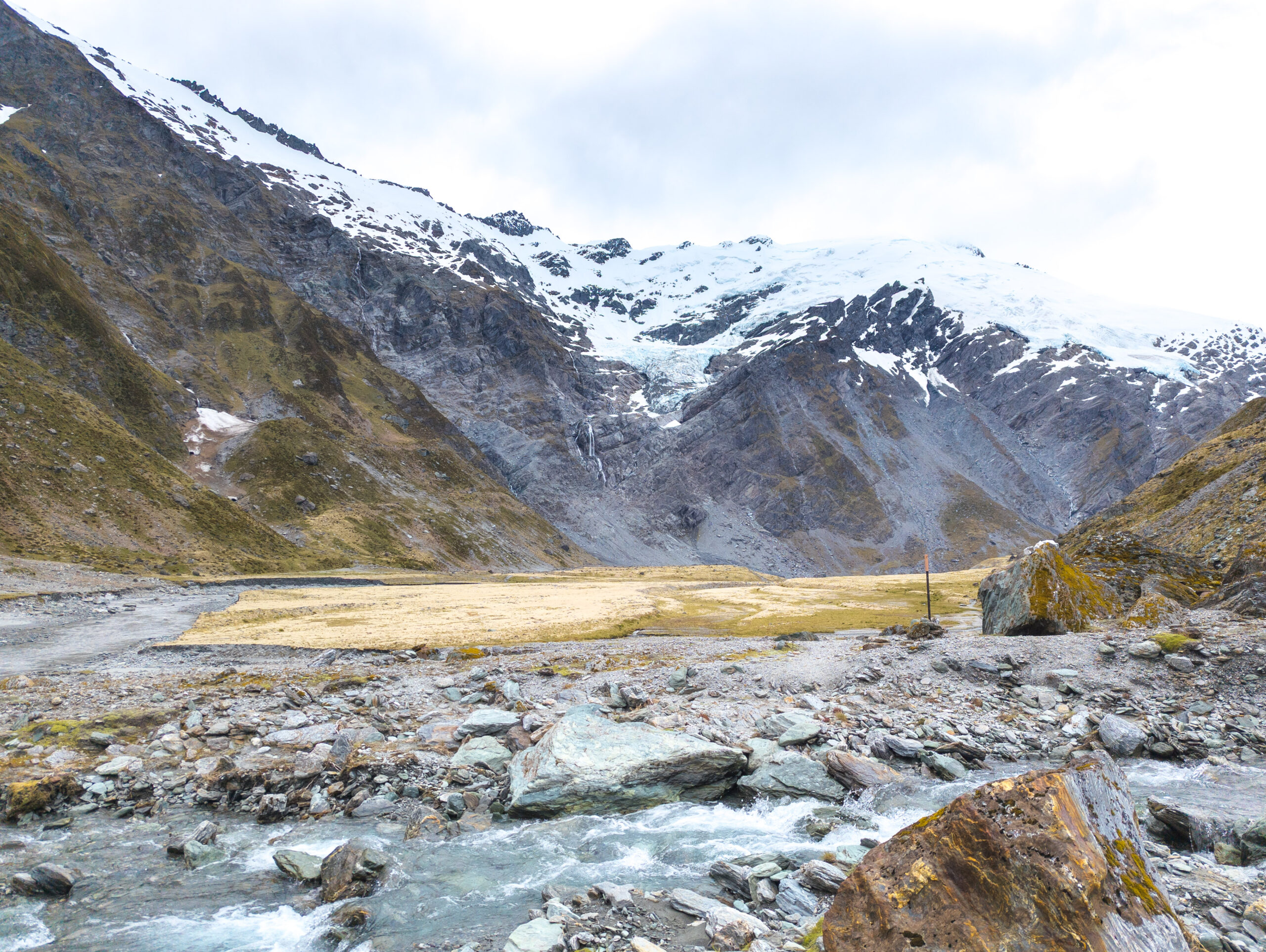
I started the hike incredibly late, around 12:00 PM. This was ambitious, to say the least, as the track is roughly 26 kilometers long. The trail follows the river valley before climbing up to a basin beneath the hanging glacier of Mount Earnslaw. The recent storms had taken a toll on the forest; the path was littered with fallen trees that I had to scramble over or duck under, which slowed my progress. As I power-hiked up the valley, I began overtaking other hikers. Most of them were carrying heavy packs with tents and sleeping mats, planning to camp overnight in the basin. They looked at me with a mix of confusion as I sped past with my light day pack, knowing I intended to be back at the car before dark.
I reached the viewpoint at the top around 4:00 PM. The timing was comedic—I arrived at the exact moment the sky opened up and it started to rain. Despite the weather, the view was spectacular. It reminded me of the Rob Roy Glacier I had seen earlier with Eduardo, but wilder. Countless waterfalls cascaded down the sheer rock face from the melting ice above, creating a wall of water and noise. Because the rain was intensifying rapidly, I decided not to walk all the way to the back of the basin. I didn’t want to get caught out in the dark on a muddy track. I turned around and ran much of the way back. I managed to get back to the car by 8:00 PM, soaked but satisfied, having completed a two-day hike in a single afternoon.

Queenstown: The Parking Nightmare
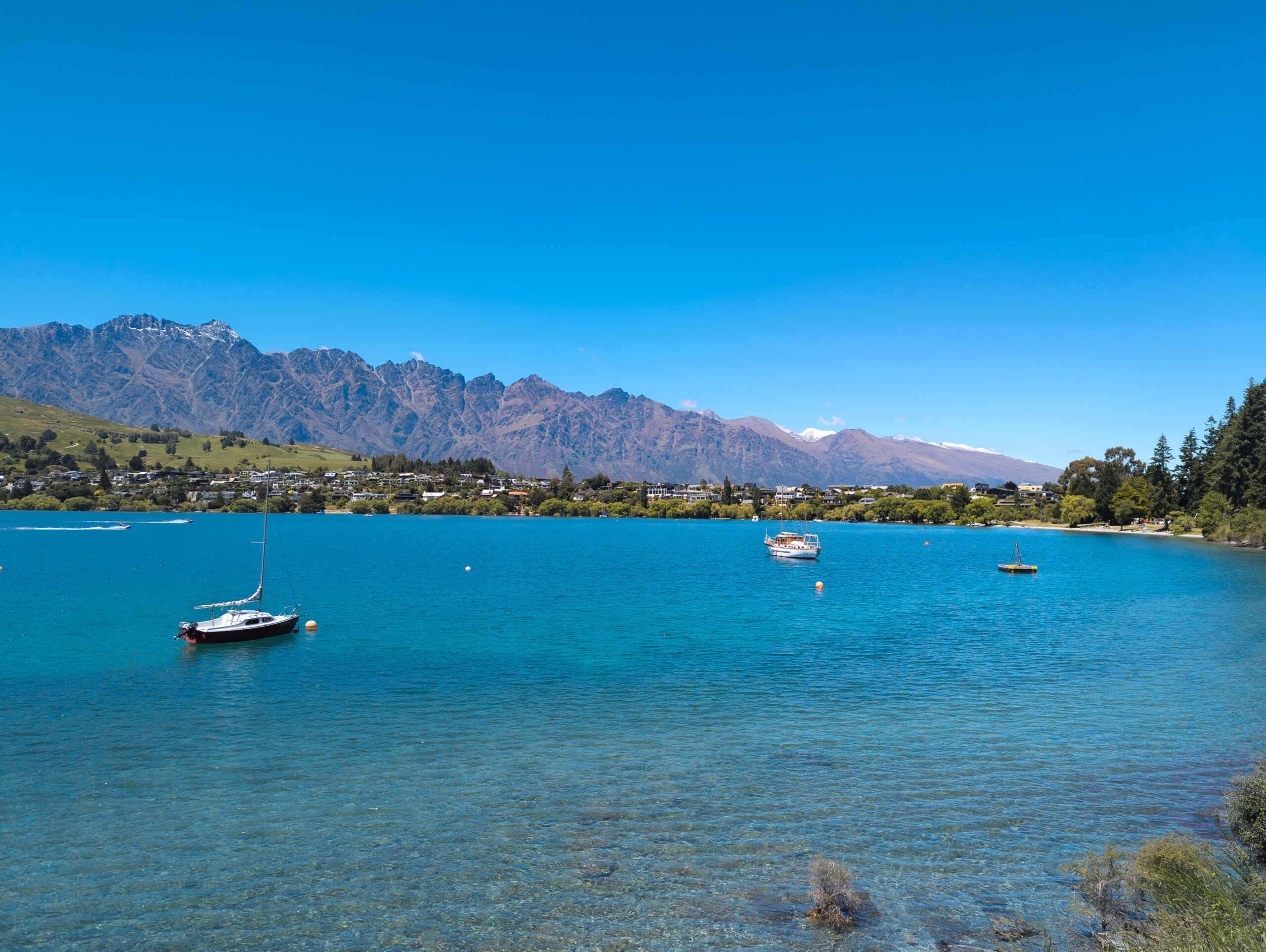
Then the real challenge began: Queenstown logistics. I checked into the Haka House Lakefront, only to realize there are two Haka hostels and I was at the wrong one. After finding the right place, I was introduced to the nightmare of local parking rules. You must park in the direction of traffic, or you get fined. You cannot park on the street overnight between 10:00 PM and 5:00 AM, or you get fined. The hostel had no space. I ended up driving around in circles before finally leaving my car 20 minutes away on a side street. Between the crowds and the parking stress, I promised myself I would never come back to this city.
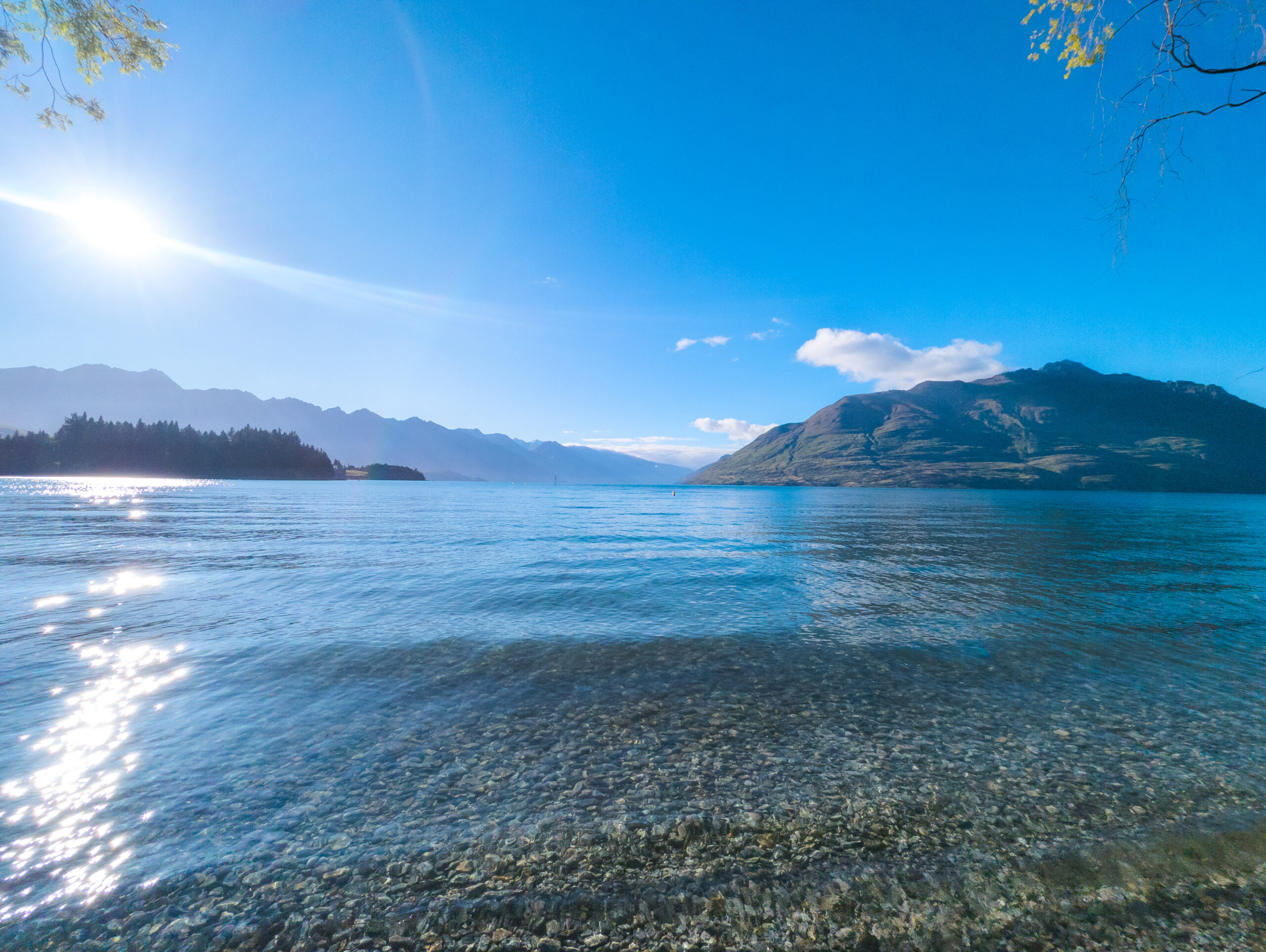
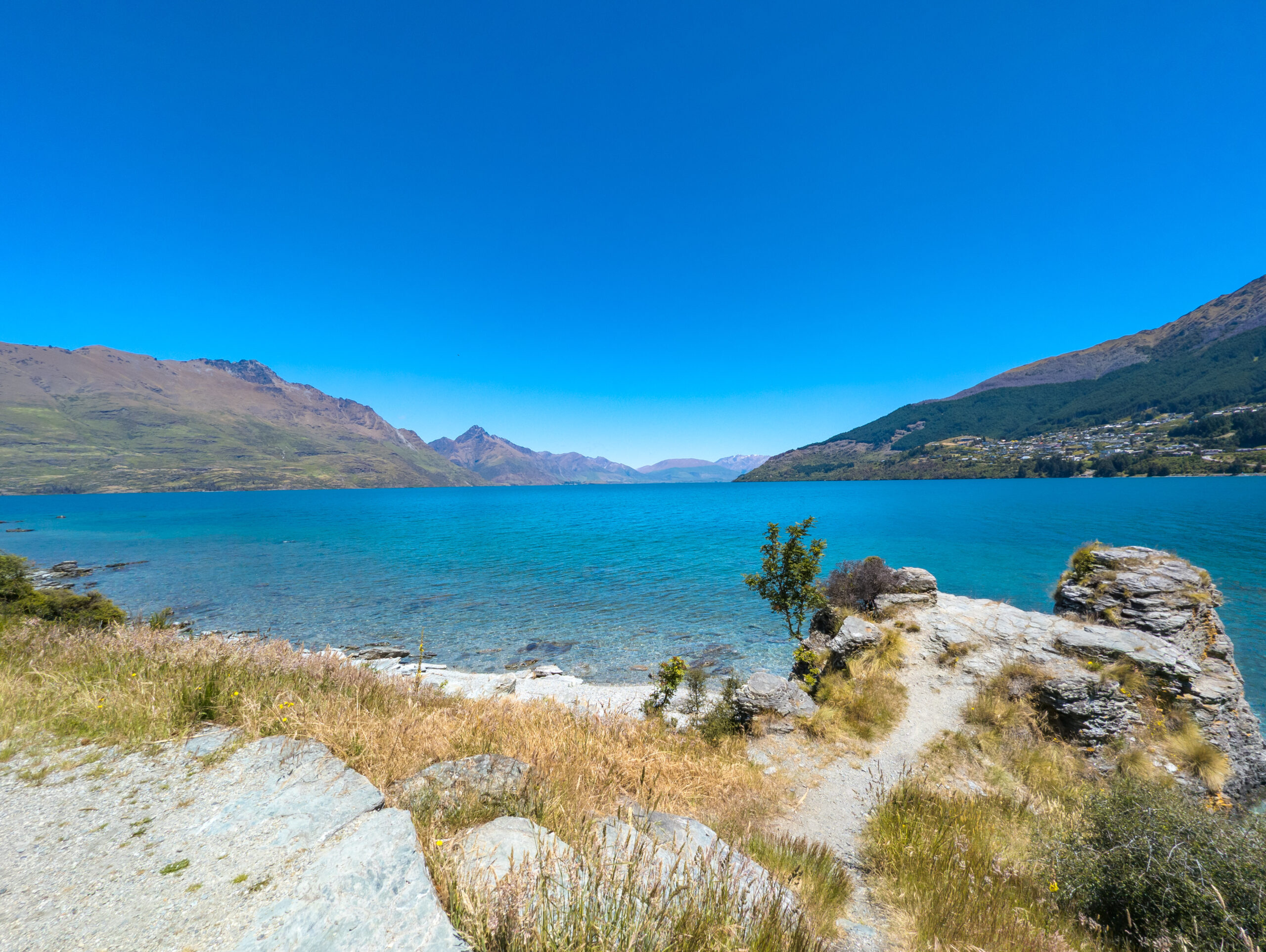
The next morning, to escape the tourist trap vibe, I walked to the peninsula where the golf course is. It felt like a different world. There were no tour buses, just locals walking their dogs and kids water skiing on the lake. It was peaceful. I got a haircut, restocked supplies, and waited for Marta, who arrived from Christchurch around 4:00 PM. We were ready for the big adventure.
The Corolla Surgery
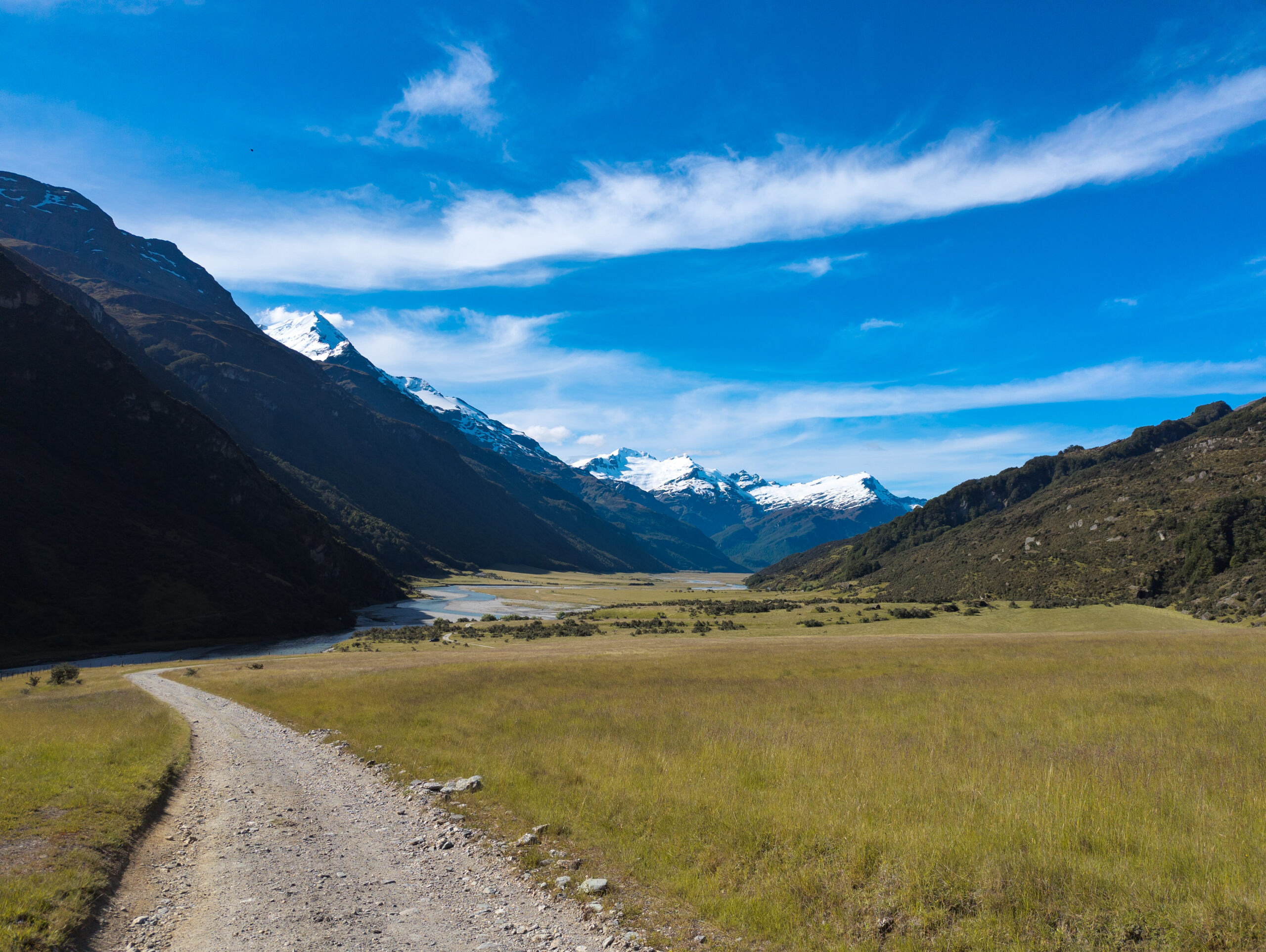
We drove to Muddy Creek to start the Rees-Dart Track. We knew the road was rough—it crosses five rivers to get to the trailhead. I was driving my rental Toyota Corolla, a car designed for city commutes, not glacial riverbeds. We made it through the first two fords with water splashing over the hood. But at the third river, disaster struck. As I exited the water, I heard a sickening crunch followed by a loud, rhythmic scraping noise. I stopped and looked underneath. The plastic underbody protection had been ripped loose by the rocks and was dragging on the ground.
We were miles from cell service and civilization. I couldn’t drive the car like this, but I couldn’t turn back either. I had to improvise. I found two large, flat rocks and carefully drove the front wheels onto them to create just enough clearance for me to slide underneath. I crawled into the mud, water seeping into my shirt, with nothing but my Swiss Army Knife. It was messy field surgery. I spent ten minutes sawing, prying, and twisting the plastic rivets that were holding the broken cover in place. Finally, with a snap, the large piece of plastic came free. I dragged it out like a trophy and tossed it in the trunk. The car was a bit lighter and much quieter. We continued to the trailhead.
Barefoot in the Swamp
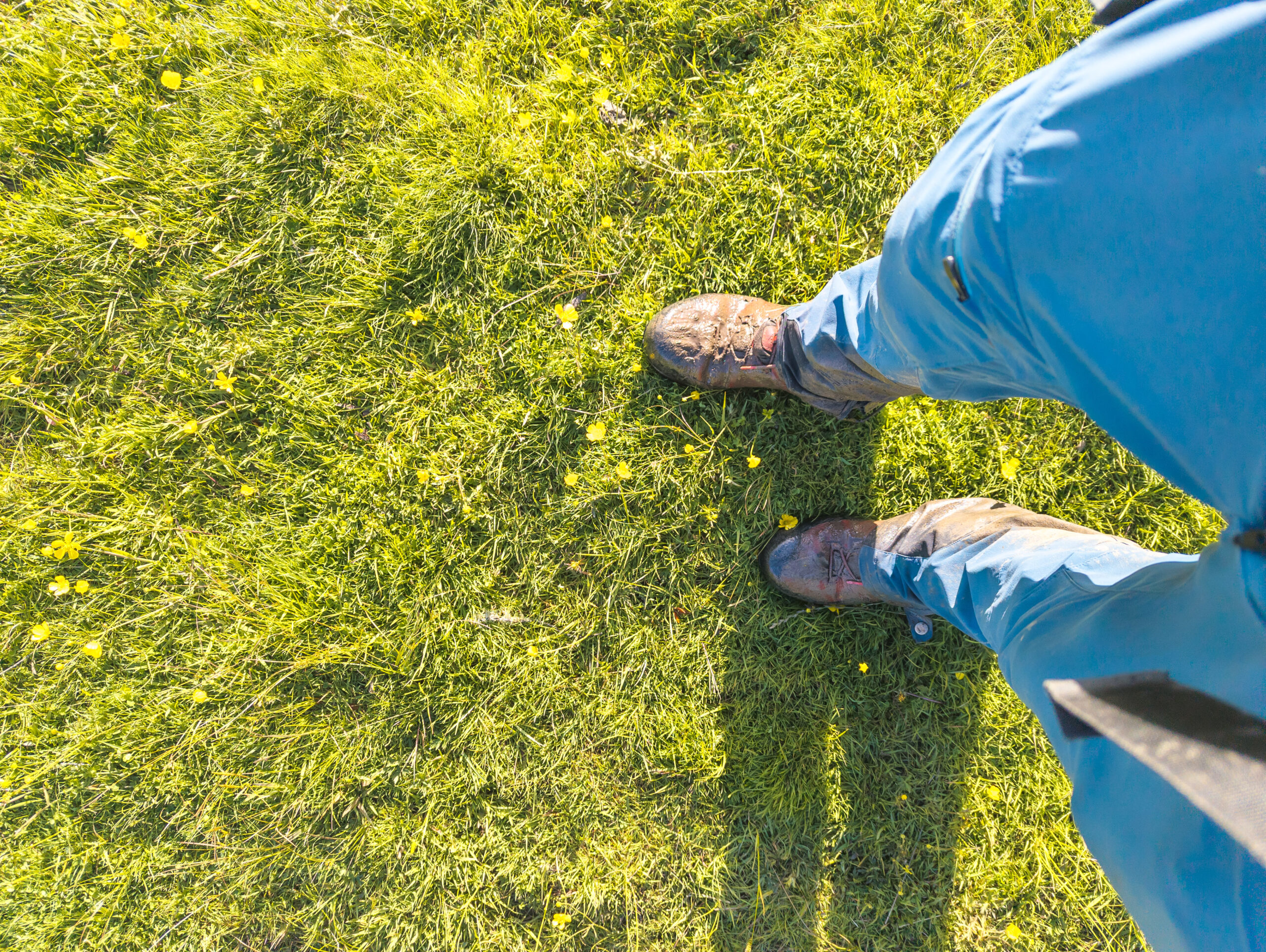
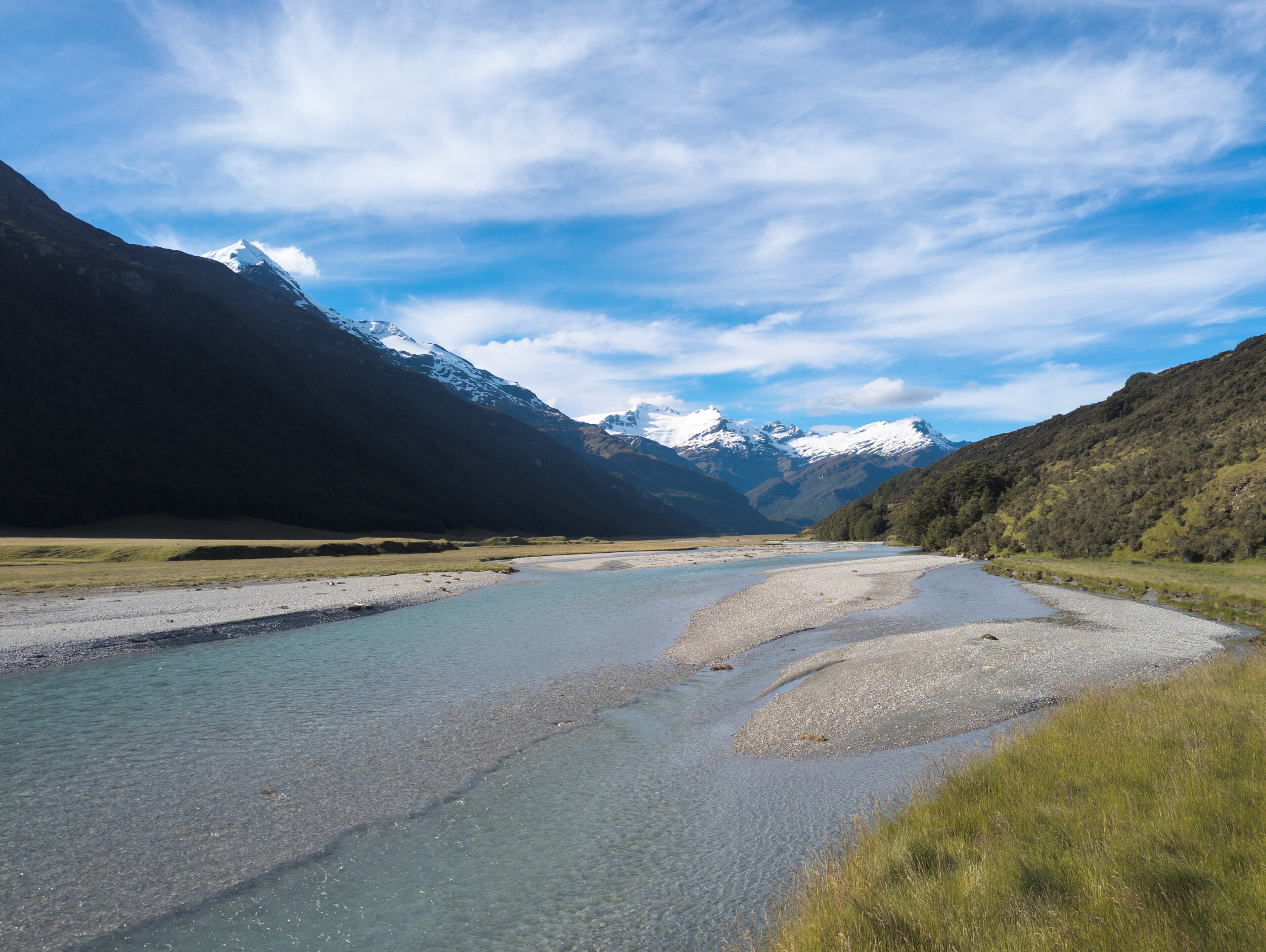
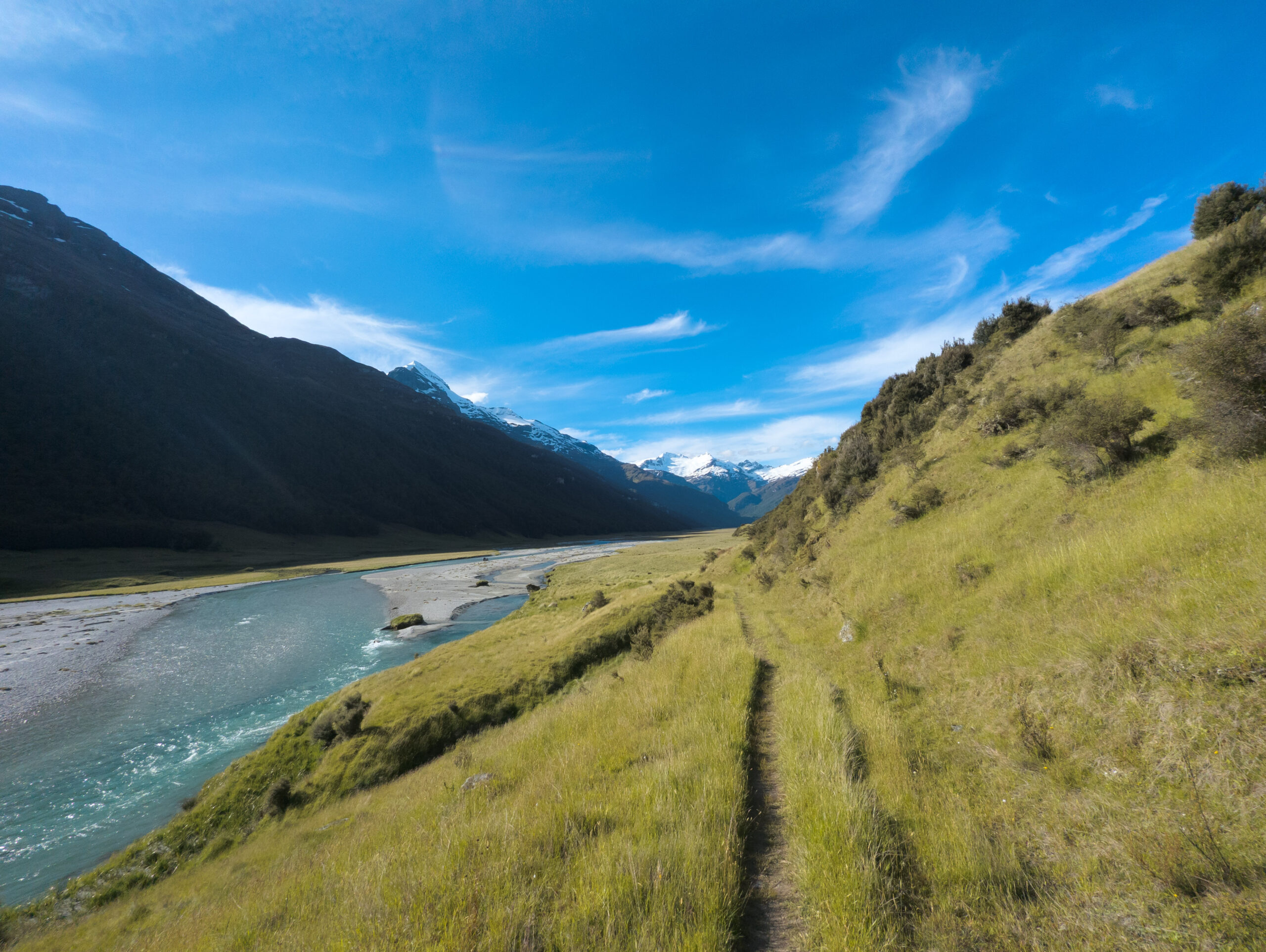
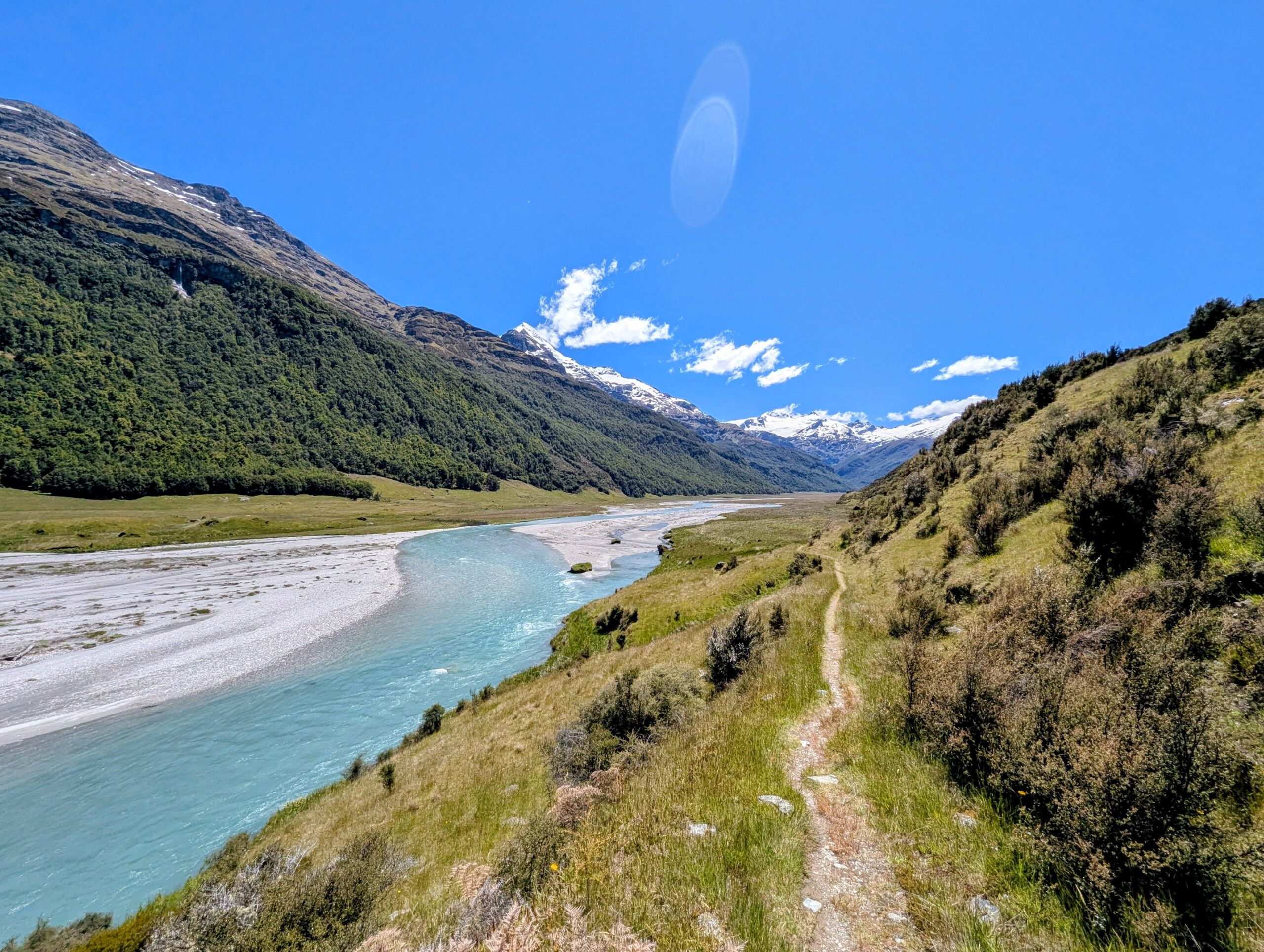
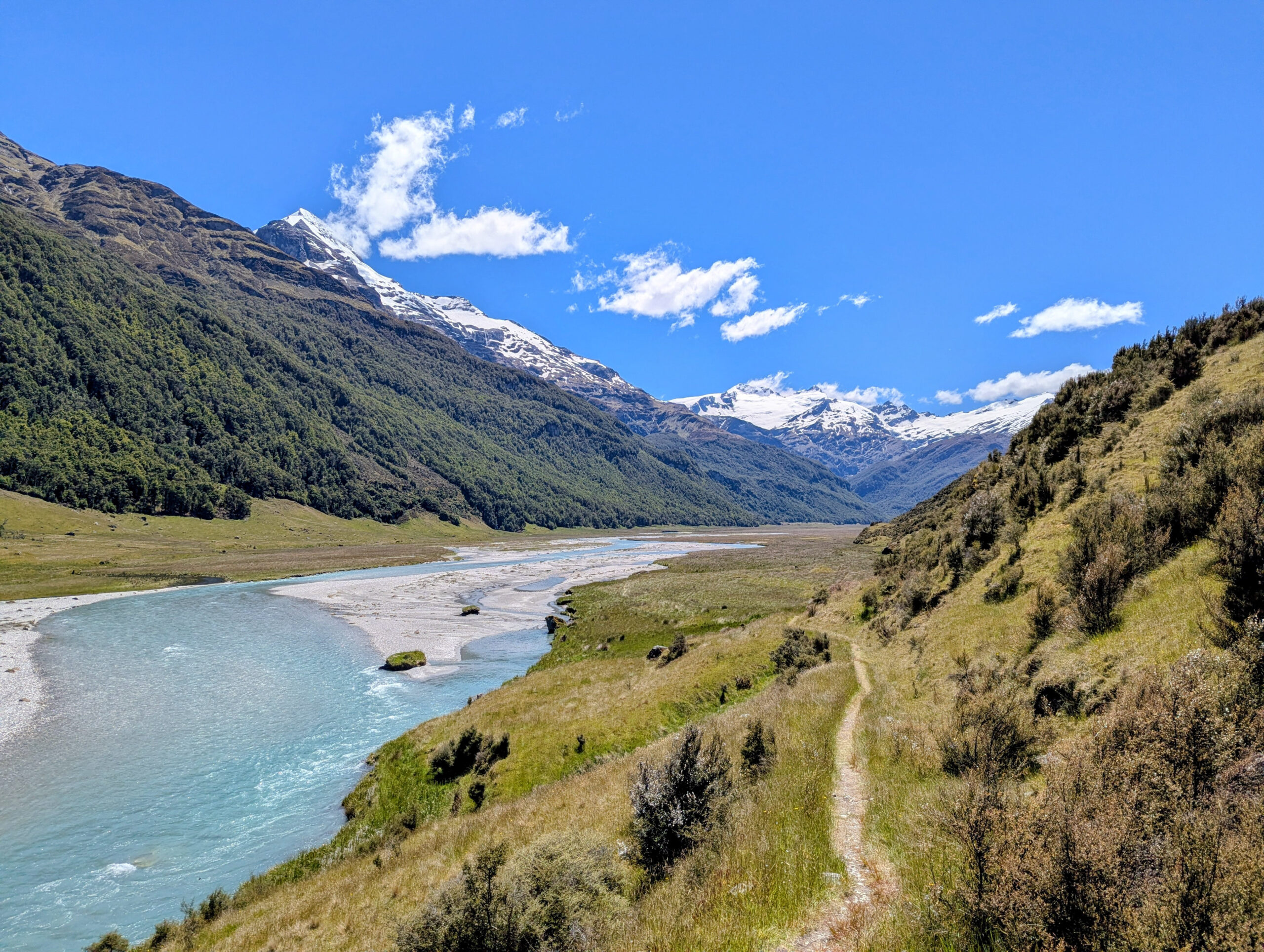
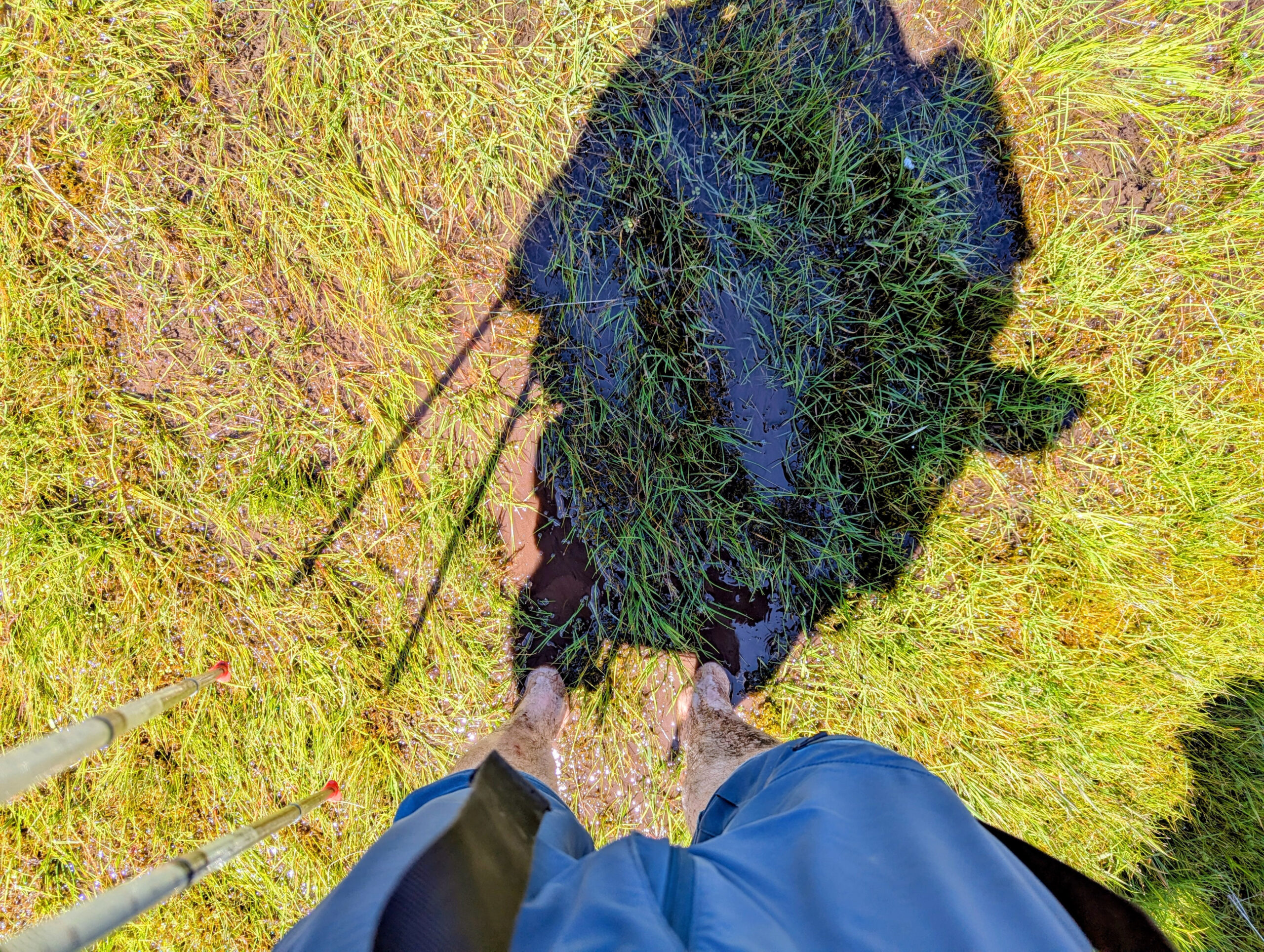
We started walking at 6:00 PM. There was another vehicle ahead of us, a proper off-road 4×4, which drove confidently past where we had parked. They continued deeper into the valley while we adjusted our packs. The Rees Valley is stunning, but the recent rains had turned the track into a swamp. Within the first kilometer, the mud was shin-deep. We looked at our boots, then at the bog ahead. We made a radical decision. We took off our boots and socks, strapped them to the outside of our packs, and rolled up our trousers. For the next ten kilometers, we hiked barefoot.
It was a sensory overload. We walked through thick, black swamp mud. Surprisingly, the mud was warm, heated by the sun throughout the day. It felt soft and organic squelching between our toes. Then, the track would dip into the river, and we would be plunging into crystal clear, freezing glacial water. The contrast was intense—warm mud, cold water, warm mud, cold water. The sandflies were absolutely vicious. They are the vampires of the New Zealand bush. As long as we kept moving, we were safe, but the moment we stopped to adjust a pack, they swarmed our bare legs. So we marched without stopping.
Around 8:00 PM, we met a solo hiker coming the other way. We asked him how far it was to the hut.
“Which hut?” he asked, looking confused.
“Shelter Rock,” we said.
He looked at us—barefoot, muddy, starting a hike at sunset—and his face said it all. “That is at least four hours away.” He clearly thought we were crazy.
We pushed on into the night. We turned on our headlamps as darkness fell. The highlight of the night march came when we spotted glowworms lining the damp earth banks of the track. It wasn’t a massive cave, just tiny bioluminescent constellations guiding us through the dark forest. We finally stumbled into Shelter Rock Hut at 11:00 PM. The other hikers were all asleep. We crept in, found bunks, and passed out. The next morning, when we told the others about our barefoot night march, we had achieved instant legend status.
The Bath in the Rain
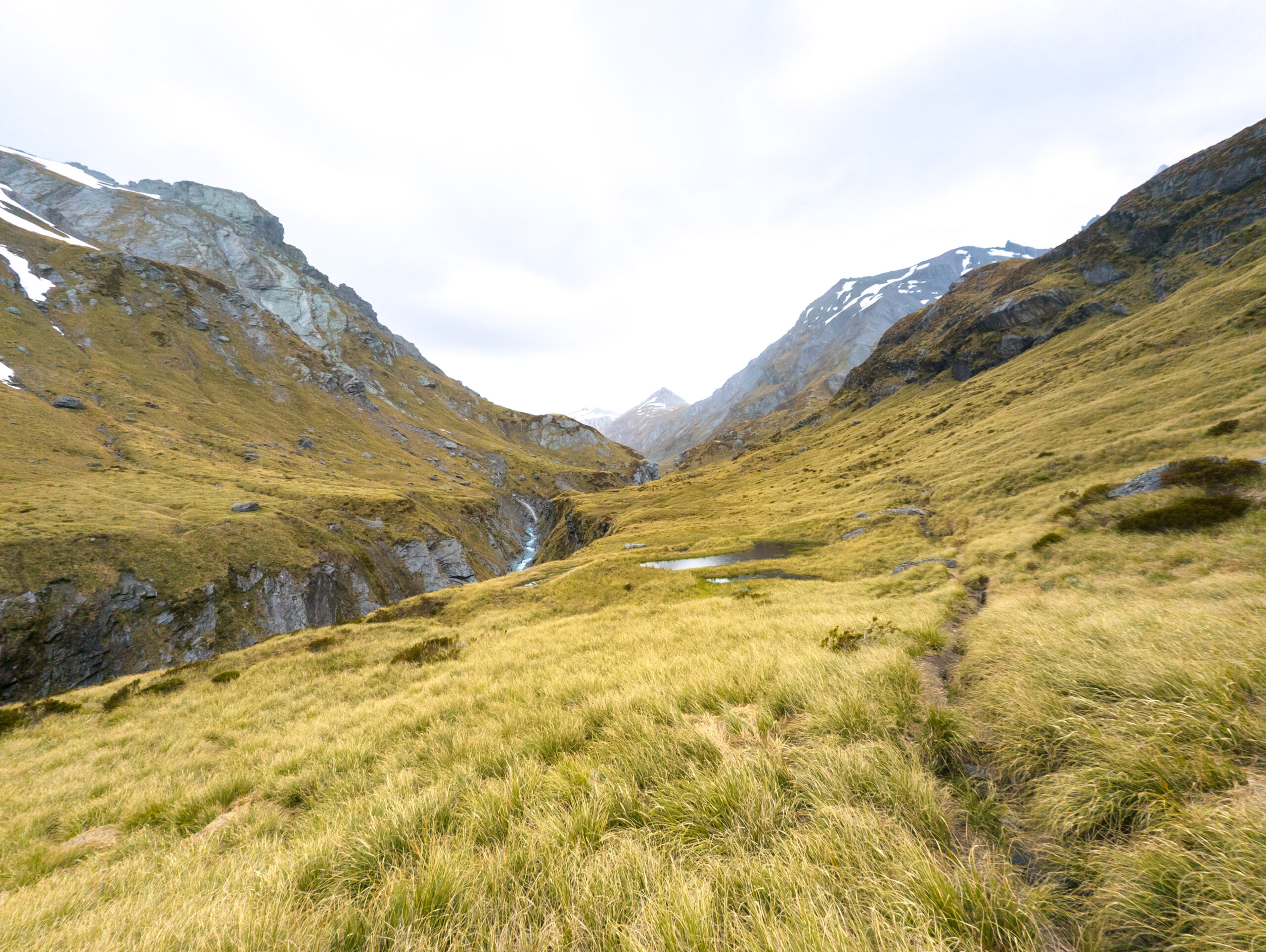
We slept in the next morning, not leaving the hut until 9:00 AM. Our plan was to hike up to the Cascade Saddle, a famous alpine viewpoint. However, the weather was already turning. Halfway up the valley, we met hikers coming down who warned us that a storm was hitting the top and it would take another two hours to get there. We decided to turn back. It was the smart choice. By 5:00 PM, the rain was pouring down.
We arrived back at the hut soaked. Since I was already wet and dirty, I decided to embrace the madness. I ran down to the river flowing past the hut and jumped in. The water was freezing, a glacial shock that knocked the air out of my lungs, but washing off the sweat and mud while the rain hammered down on my face felt incredible. Inside the hut, the others had started a fire. We dried our clothes and spent the evening chatting, warm and safe while the storm raged outside.
The Return to Civilization
We hiked out the next day. Once again, we went barefoot through the swampy forest sections. I felt strangely connected to the land, feeling every root, the temperature of the mud, and the texture of the moss. We reached the car and I held my breath as we drove back through the five rivers. The Corolla, despite its missing underbody, survived the return journey.
We drove to Arrowtown and found a spot at the New Orleans Hotel. It cost us 62.22 NZD per person for the night, a luxury after the hut. We were desperate for clean clothes, so we spent a small fortune on laundry—6.10 NZD per load. We went out for a proper dinner, enjoying the feeling of sitting on chairs instead of wooden benches. Arrowtown is a beautiful, historic gold-rush town, but we were too exhausted to explore much.
On December 24th, Christmas Eve, we drove the long haul back to Christchurch. We checked into the UrbanZ Hostel. We walked to a nearby park, ate some food, and went straight to sleep. There were no Christmas lights, no parties, and no snow. It didn’t feel like Christmas at all, but we were dry, we had survived the rivers, and we had fixed the car. That was gift enough.


🔒 Protected Content
Enter password to view Part 7 Financial Breakdown.
Did you like this post? Then have a look at my whole trip: Gravity, Mud, and the Green Tunnel: 46 Days Sprinting Through New Zealand – Matthias Meyer