Route: Basel -> Warsaw -> Krakow -> Zdiar -> Bratislava -> Basel
Part 1: Departure Logistics and the Airport Experience
My trip started at 4:30pm in Edlibach. I went straight to Zurich and then immediately took the train to Basel to catch my flight.
Once I got to the airport in Basel, my plan was to grab something to eat and drink using a voucher from a previous easyJet flight that had been canceled. However, when I tried to redeem it, the staff informed me it was no longer valid. I walked around the terminal looking for an easyJet customer service desk to resolve the issue, but there was no physical office to be found.
- Travel Tip: If a budget airline flight gets canceled, you must redeem the issued voucher immediately before it expires, as on-site representation is often non-existent.
With the voucher issue unresolved, I sat down, opened my computer, and finalized the rest of my travel plans. My flight departed at 9:00 in the evening.
Part 2: Arrival in Warsaw and the Nightlife
We landed in Warsaw at 12:15 in the night. On the plane, I sat next to a Polish man who currently lives in Switzerland. After landing, he ordered a Bolt and offered to let me ride with him. I initially considered taking the night bus, but he advised against it at that hour. The 45-minute drive directly through the city center was definitely the right decision. When we arrived at my Airbnb at Chmielna 30, I insisted on giving him 10 euros for the ride.
When I got out of the car, a guy approached me on the street and asked if I wanted to go to a strip club, and I could not believe it. That was literally the very first interaction I had upon arriving in Poland. As I walked the remaining five minutes to the door of my Airbnb, five different promoters approached me asking the exact same thing. The Airbnb itself was incredibly central. I dropped my luggage and went back out to find food.
Normal restaurants were closed, so I ended up at a late-night pizzeria. While eating, a massive street fight broke out right next to me among a group of teenagers. They were smashing glass bottles over each other and throwing them across the street. The group that started the fight eventually ran away. The local police were stationed nearby but did not intervene. I returned to my room and went to sleep at 2:00 in the morning.
Part 3: Warsaw’s History and the Train to Krakow
I was awake at 7:30 AM. I walked to the central train station to drop off my backpack in a locker before a guided walking tour that started at 10:00 AM.
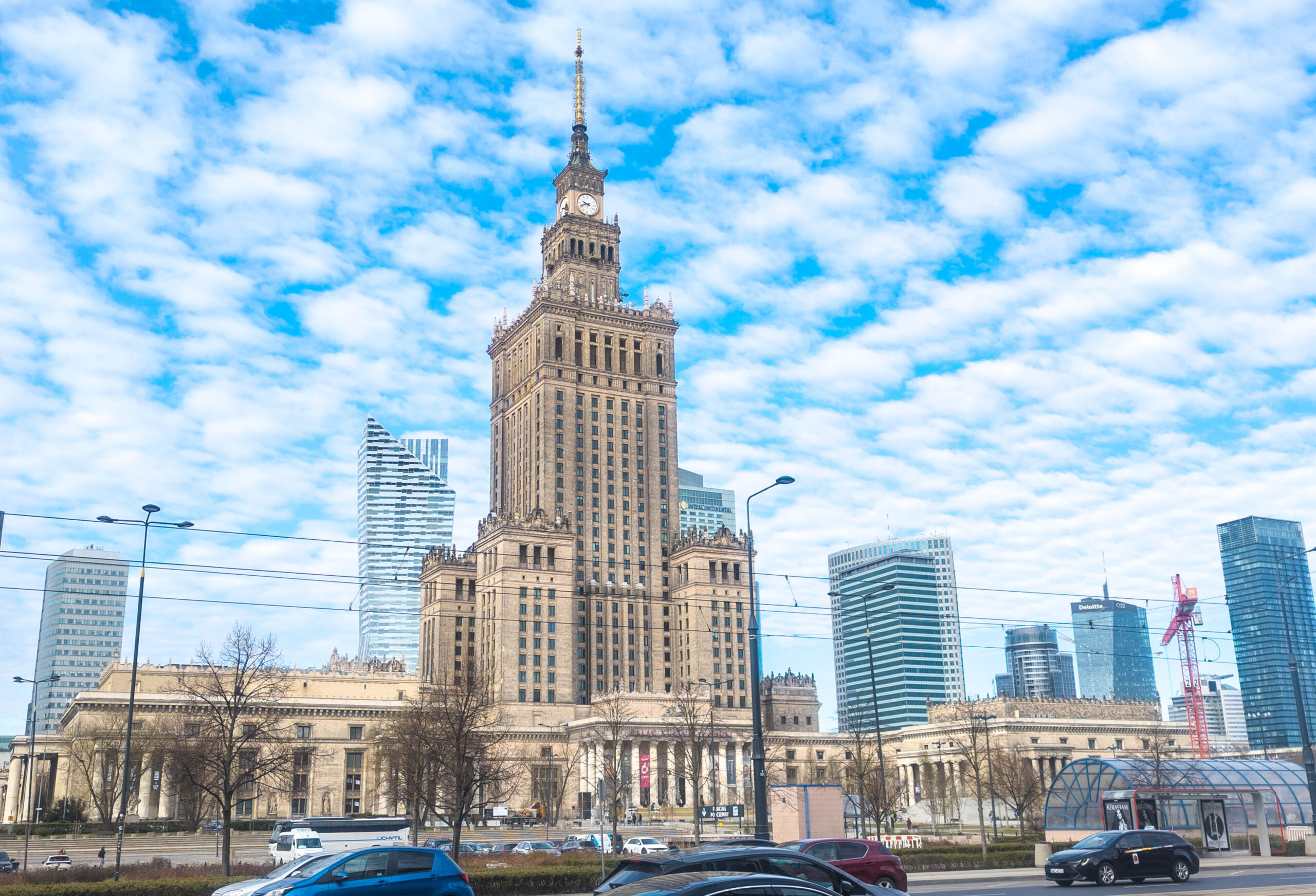
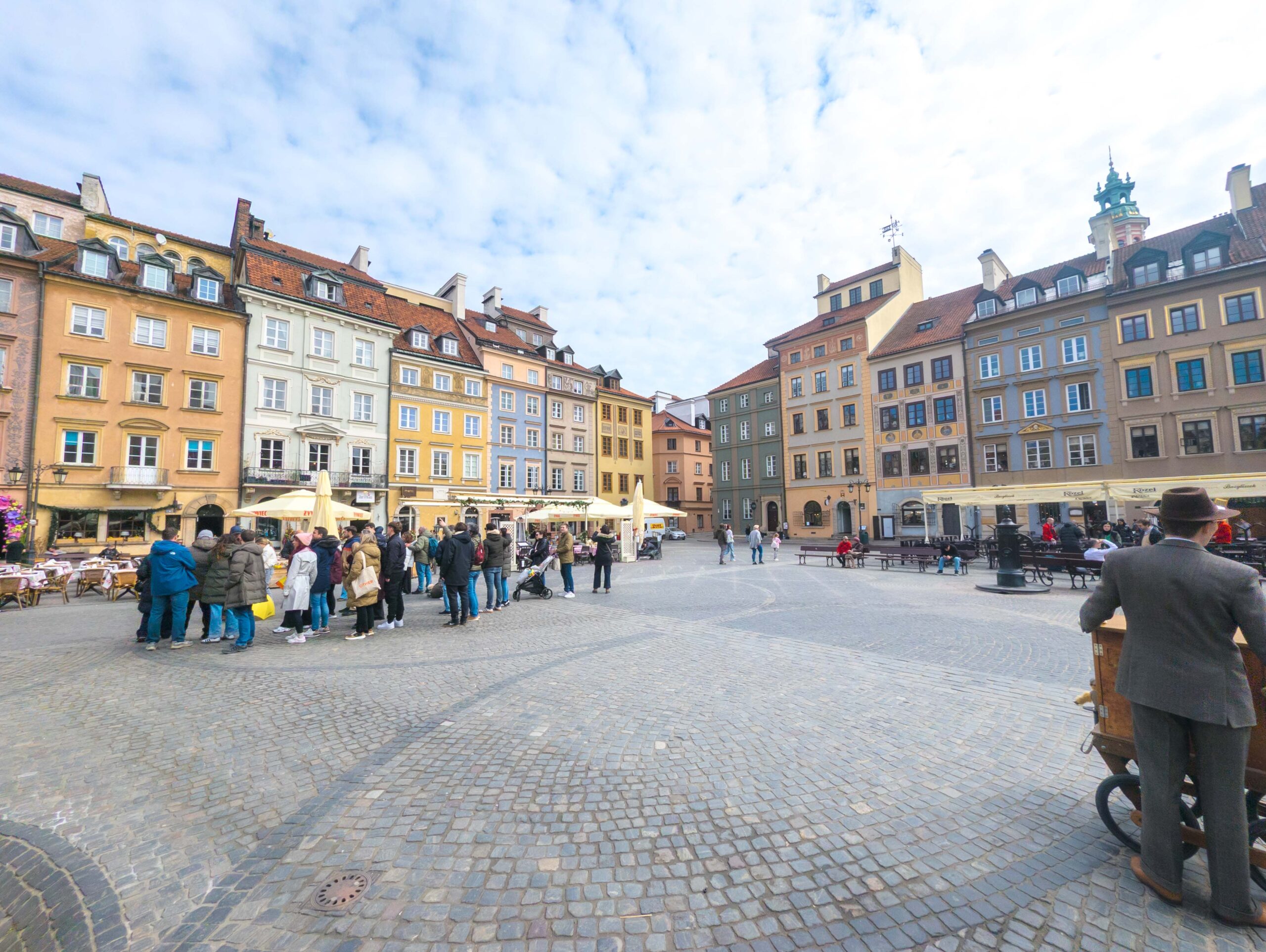
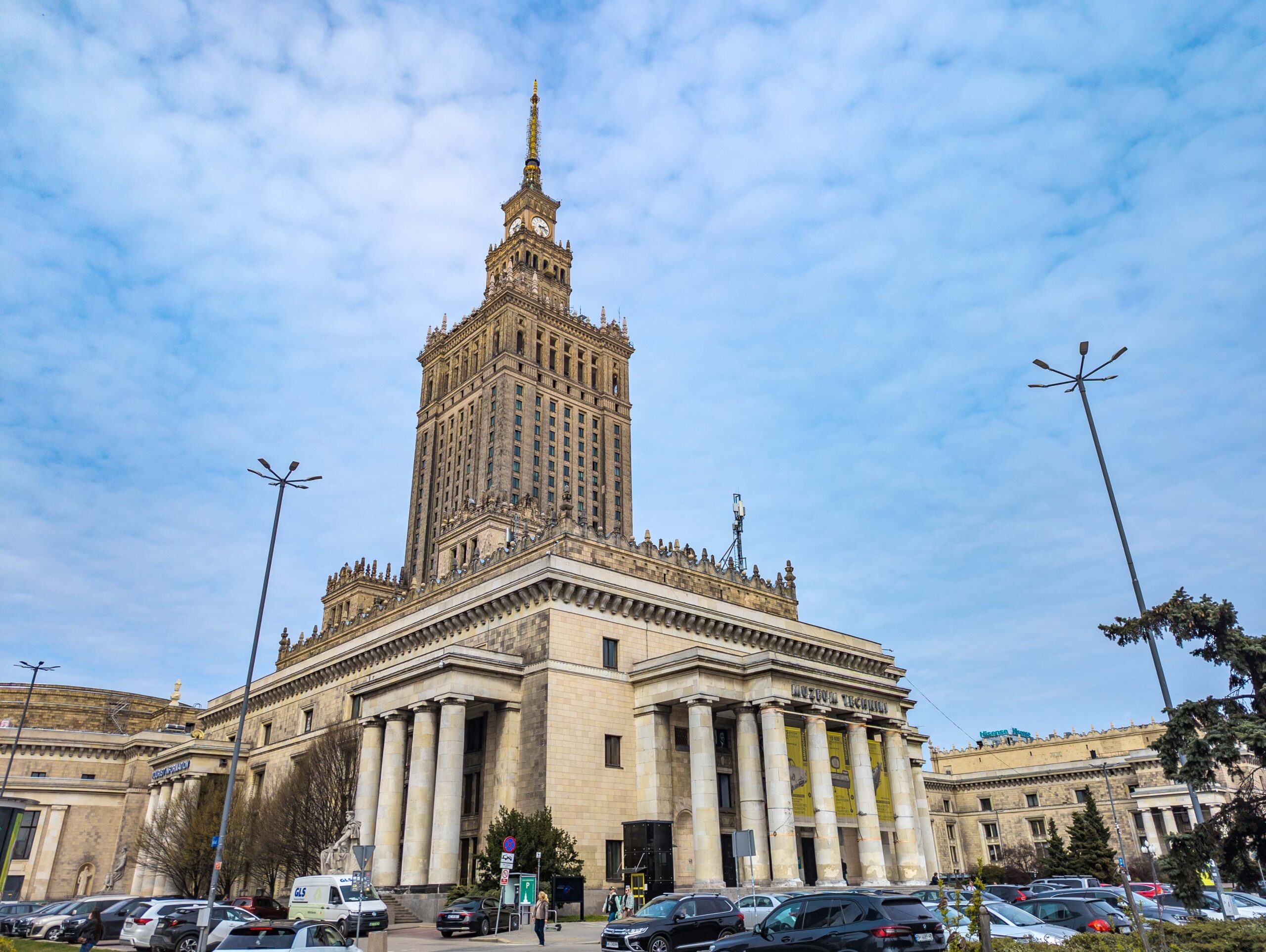
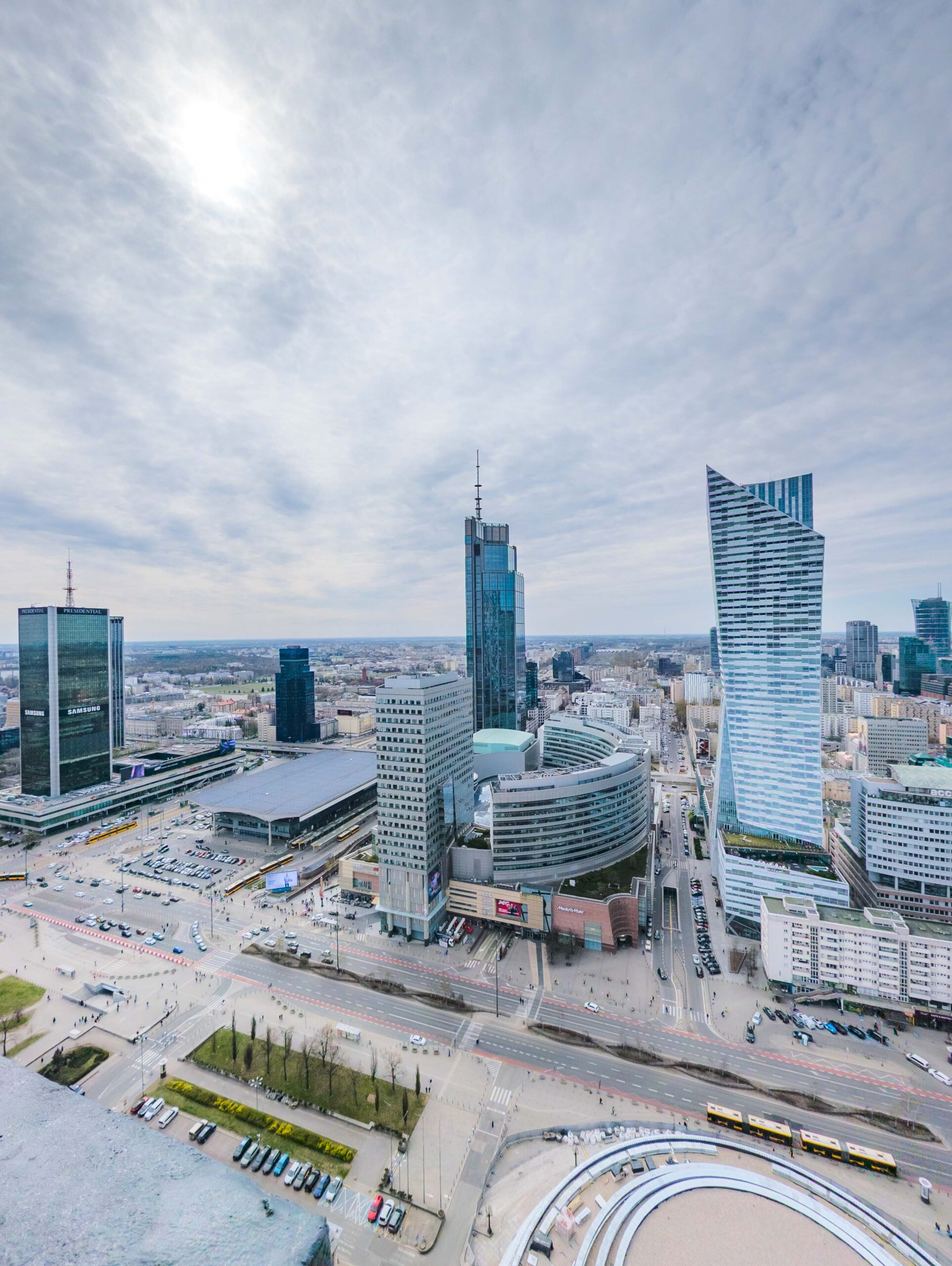
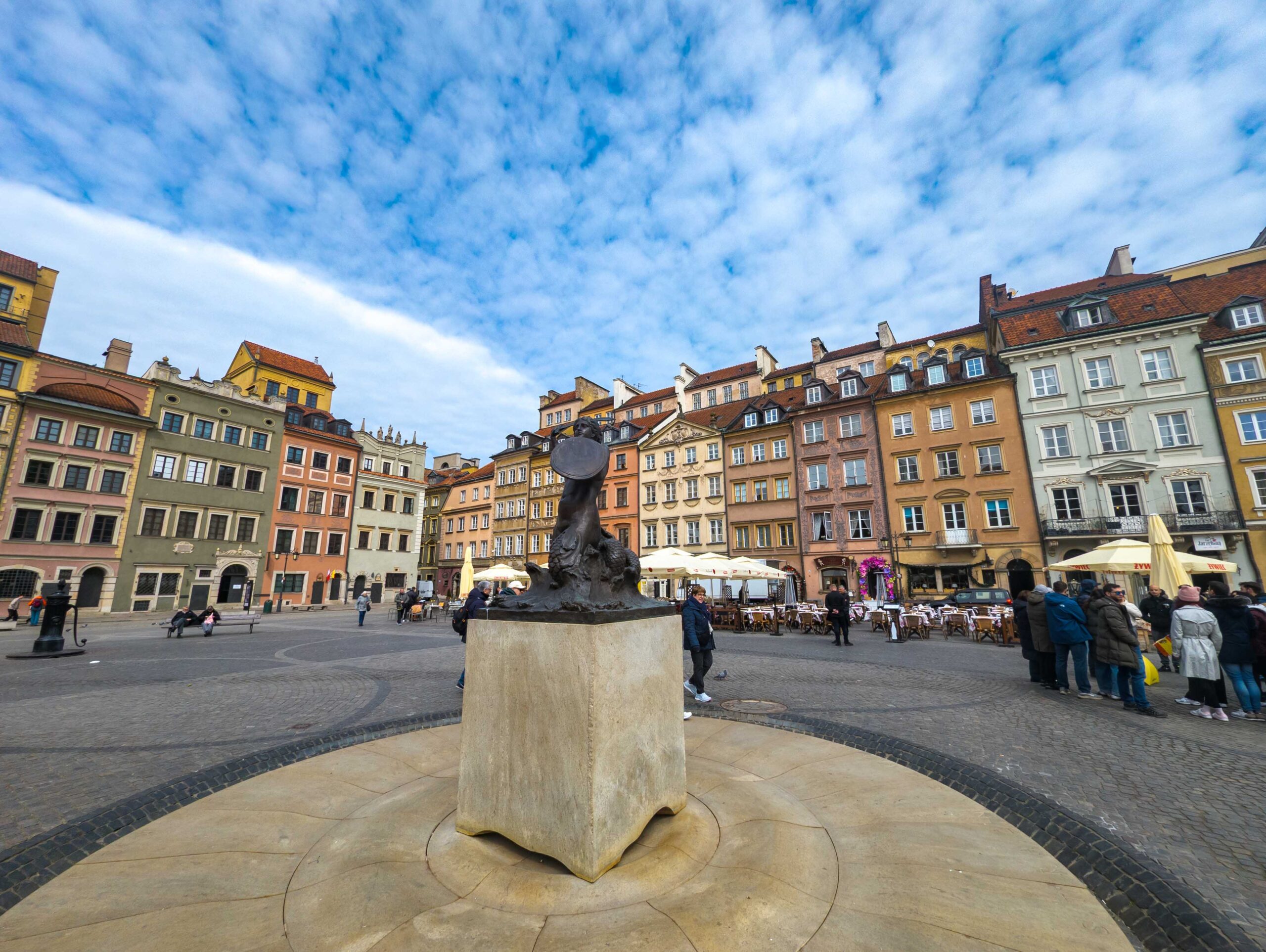
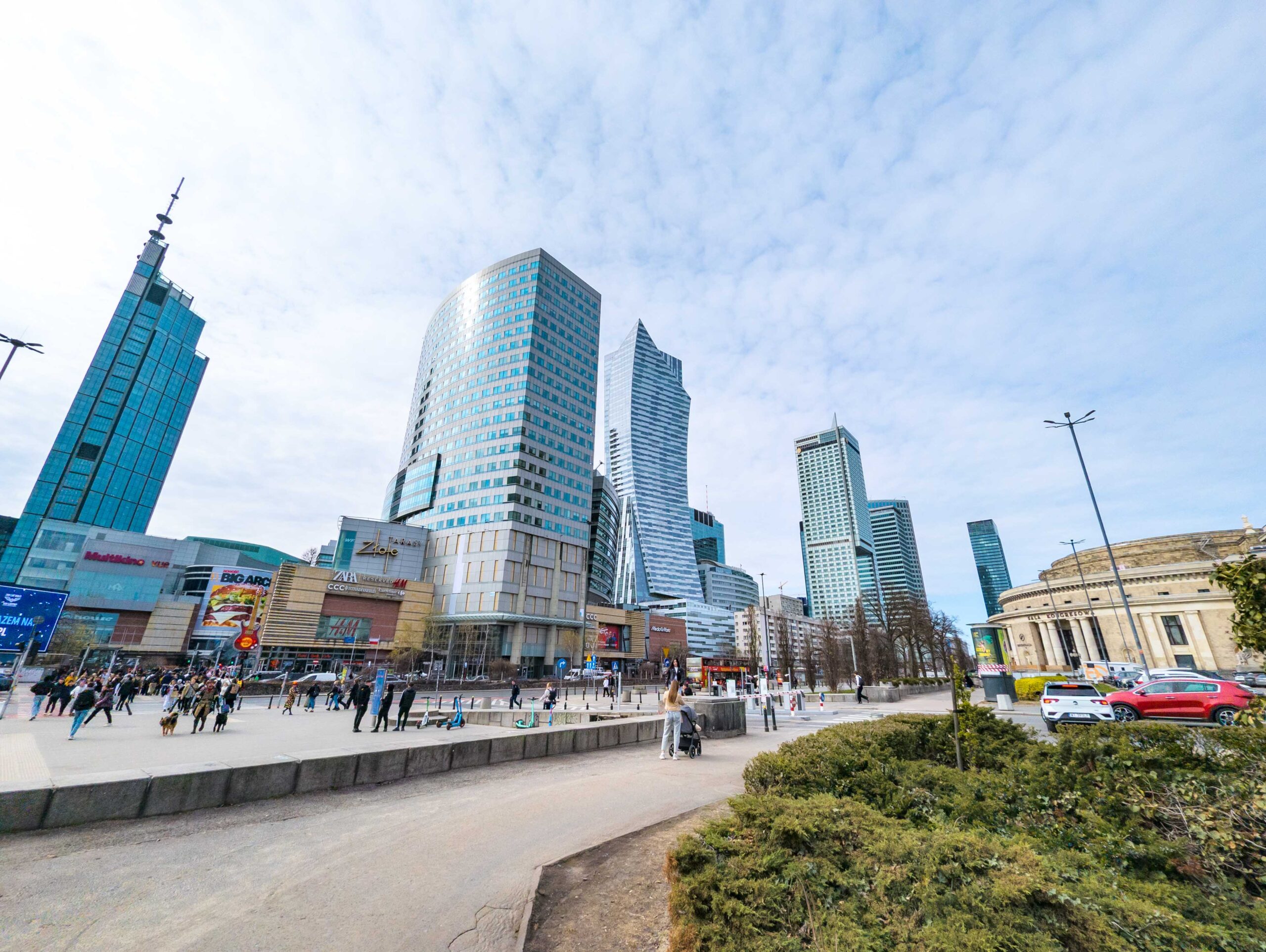
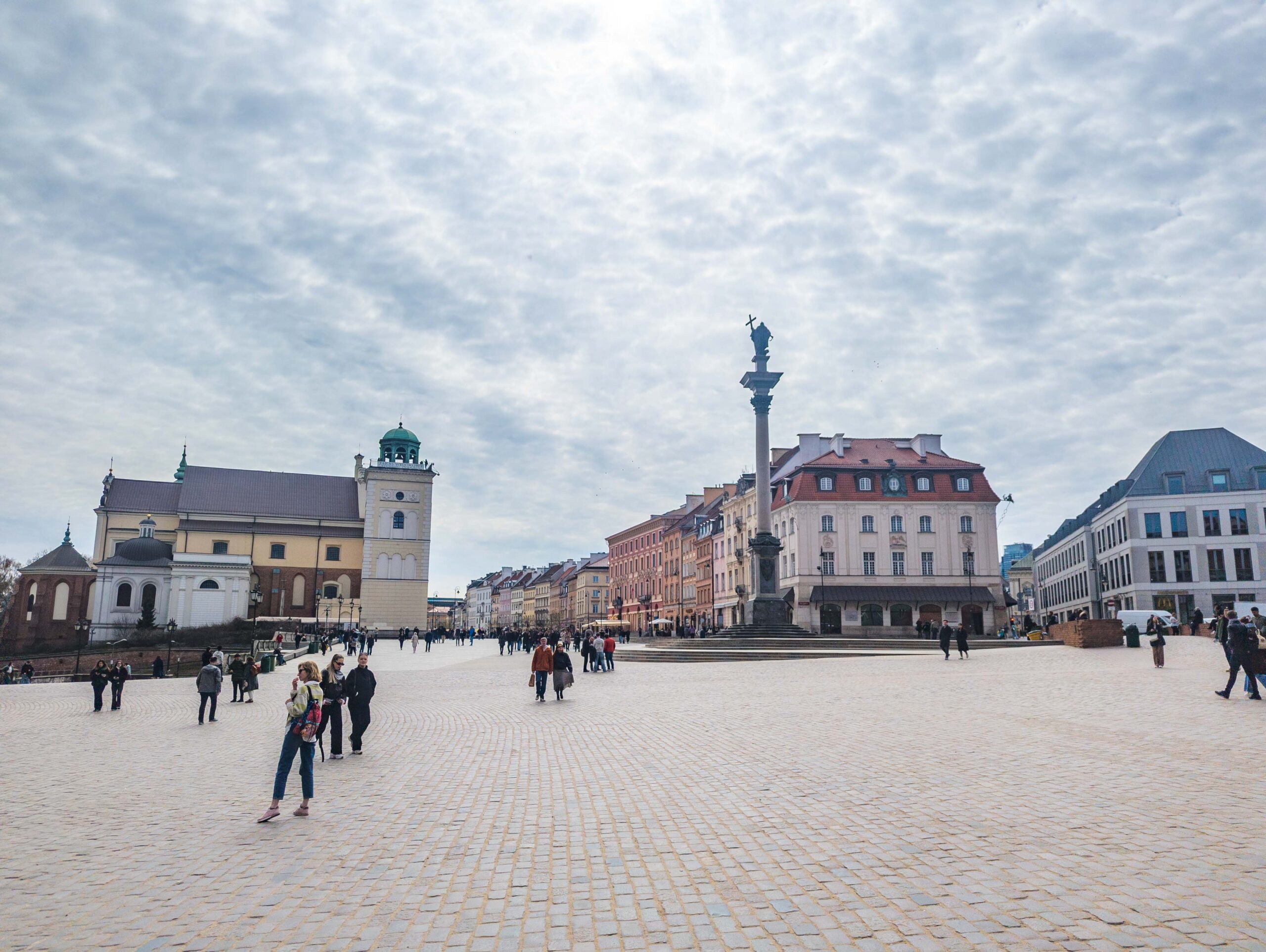
The tour began at the Palace of Culture and Science. The guide explained that this massive building was a controversial gift from the Soviet Union. She detailed how Warsaw was almost entirely destroyed during the Second World War following two major uprisings: the Ghetto Uprising and the Warsaw Uprising by the Polish Home Army. We then walked to the Old Town, which was completely rebuilt from the rubble to look exactly like it did before the war. Afterward, I visited the viewing terrace of the Palace of Culture and Science, retrieved my backpack, and caught my train to Krakow.
The three-hour train ride to Krakow was highly communicative. I sat with a soldier from the Polish army, a psychology student, a Ukrainian woman, and a Polish construction worker. The soldier and I discussed the military, specifically Poland’s recent acquisition of new Abrams tanks. We arrived exactly on schedule at 6:25 PM, which the locals noted was unusual, as trains on this route are frequently delayed.
Part 4: Evening Activities in Krakow
That evening in Krakow, I visited the Axe Mate Club for some target practice. The session included instructions on how to use various items:
- Ninja Stars: High success rate.
- Throwing Knives: Extremely difficult mechanics, resulting in zero successful throws.
- Axes: After some practice, about half of the axes stuck in the wooden targets.
- Target Shooting: We concluded with airsoft pistols and rifles.
Afterward, I went to Amalia Steak and Fish for dinner. The establishment had a great atmosphere. The bill came to about 75 Francs for two standard dishes and water, which is on the expensive side for Poland. Following dinner, I walked around the city streets for a while before checking into my hostel room.
Part 5: The Auschwitz-Birkenau Memorial
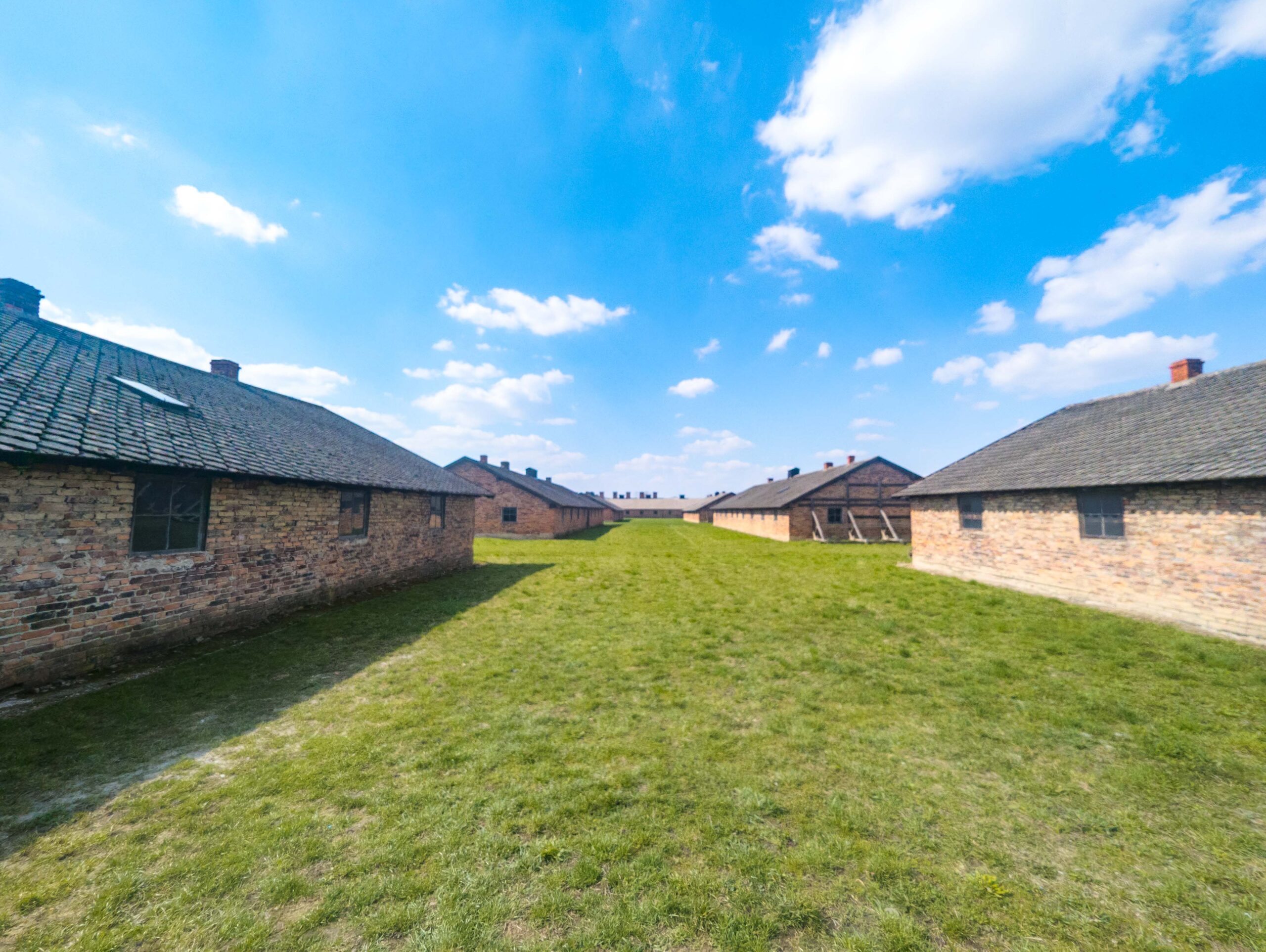
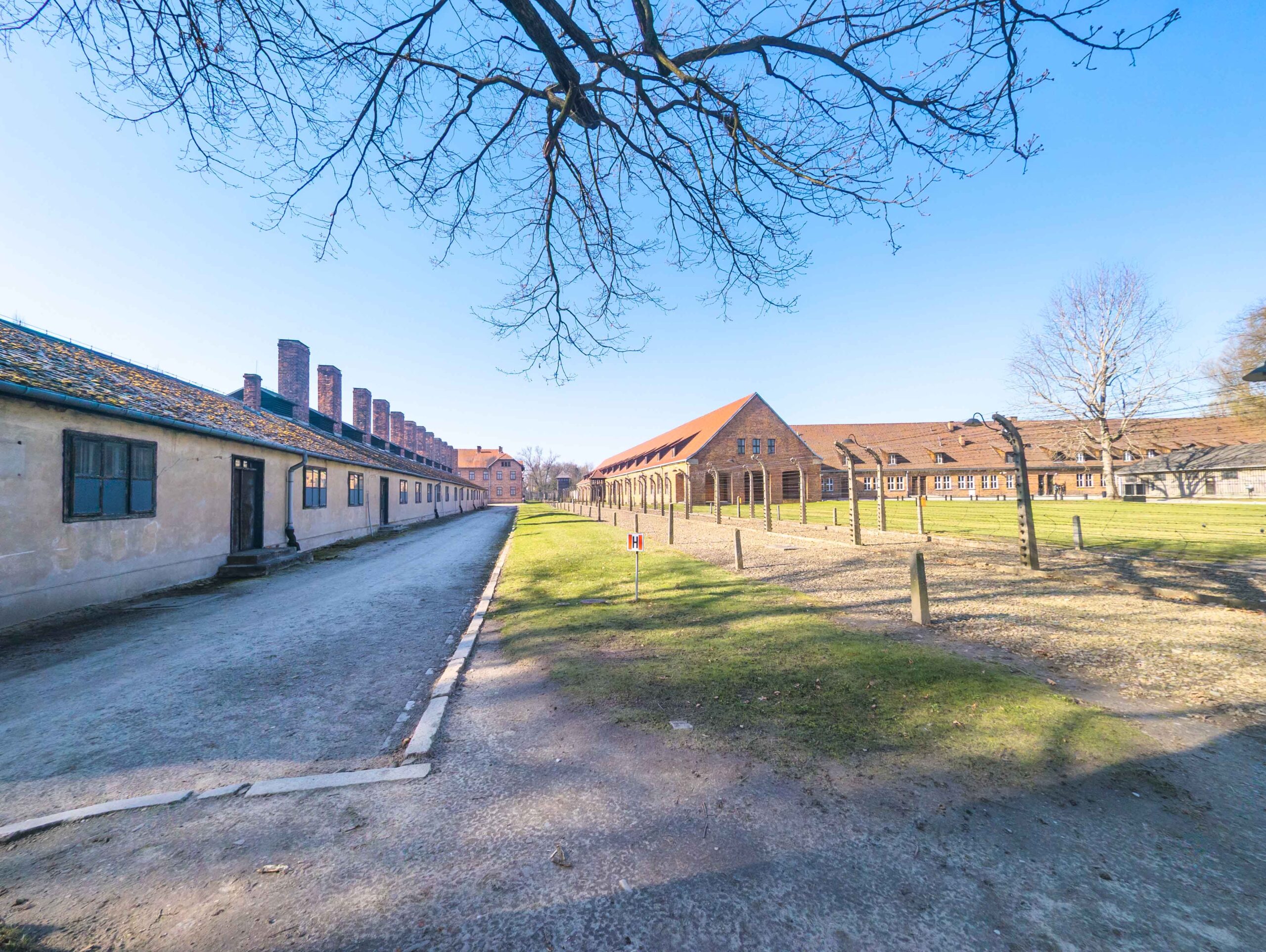
The next day started at 5:30 AM for a 7:10 AM bus tour to Auschwitz. The complex is divided into three main historical parts:
- Auschwitz I: The original main camp and administrative center, featuring the notorious “Arbeit macht frei” sign. This was the site of the first experiments with poison gas.
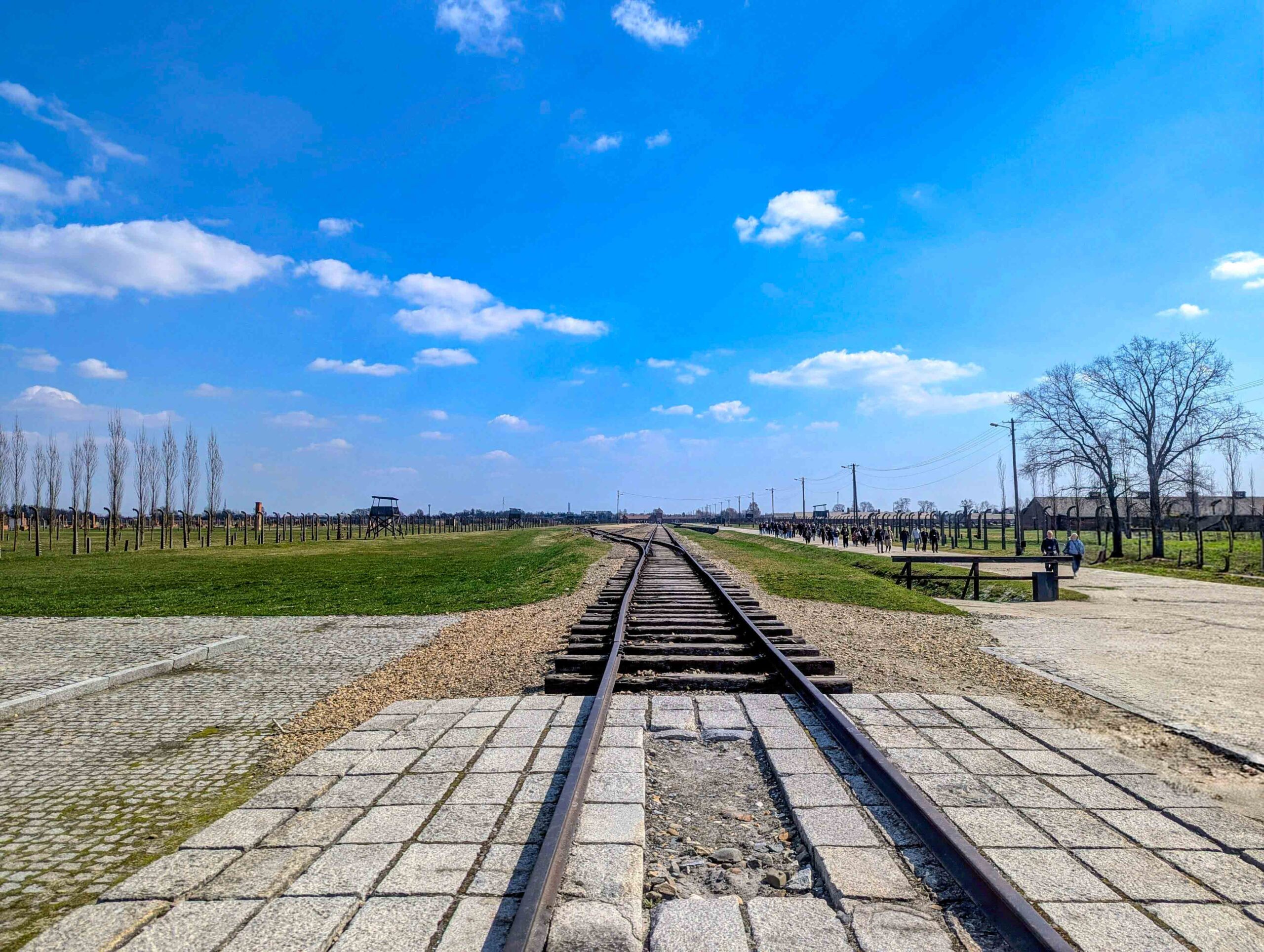
- Auschwitz II (Birkenau): The massive extermination camp designed for industrial-scale murder, complete with huge gas chambers and train tracks leading inside.
- Auschwitz III (Monowitz): A vast forced labor camp associated with the IG Farben chemical company.
The English-speaking guide explained the systematic logistics of the camps. She detailed the selection process on the train ramps, where doctors decided who would be sent to labor camps and who to the gas chambers. Laborers were tattooed with serial numbers. We viewed rooms filled with human hair, which was processed as a resource for textiles. The sheer scale and meticulous organization of the site are highly impactful. We returned to Krakow by 3:00 PM.
Later that afternoon, I walked around Krakow and ate a standard Pizza Prosciutto.
Part 6: Crossing into Slovakia
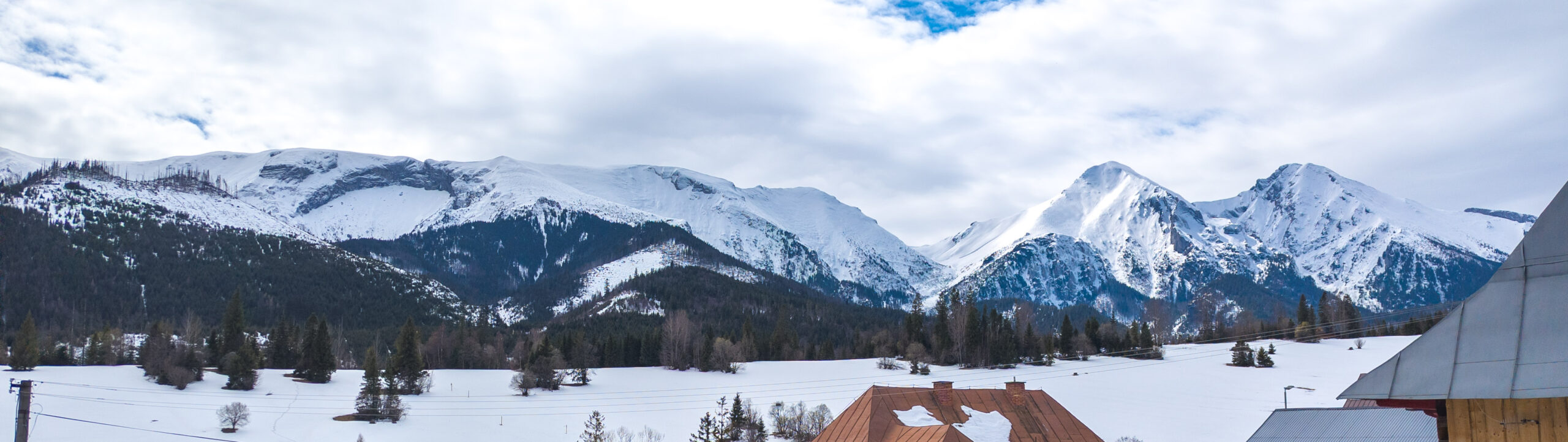
The next morning, I took a Flixbus to Zdiar, Slovakia, and checked into the Ginger Monkey hostel. The hostel was completely packed. I went for a three-hour walk with an Indian traveler who was also staying there, and we discussed various life topics.
In the evening, I engaged in a debate with a traveler from Argentina regarding economics. She explained her lifestyle of not working and her belief that capitalism is a flawed system. I challenged her on how she plans to handle potential healthcare costs or emergencies without an income, to which she simply replied that she would not get sick. It was a clear demonstration of the vastly different mindsets you encounter while staying in hostels.
Part 7: Bratislava’s Hostels and Castles
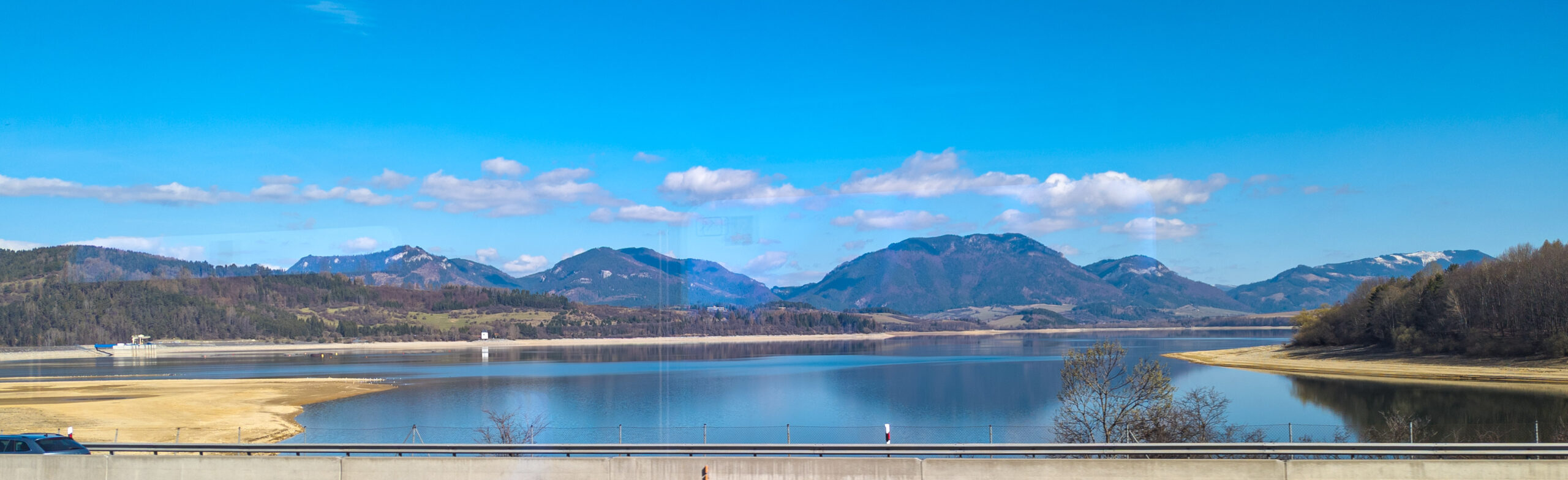
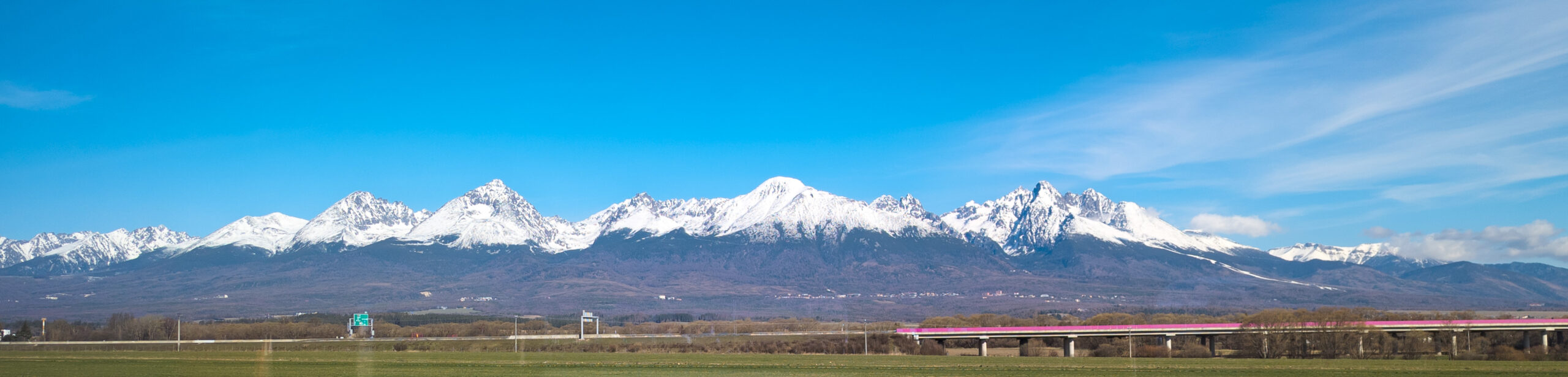
After a quick breakfast, I caught the 8:21 AM bus to Poprad, followed by a train straight to Bratislava. I arrived at 1:30 PM and checked into the Wild Elephant Hostel, which is run by the same owners as the Ginger Monkey and operates as a highly active party hostel.
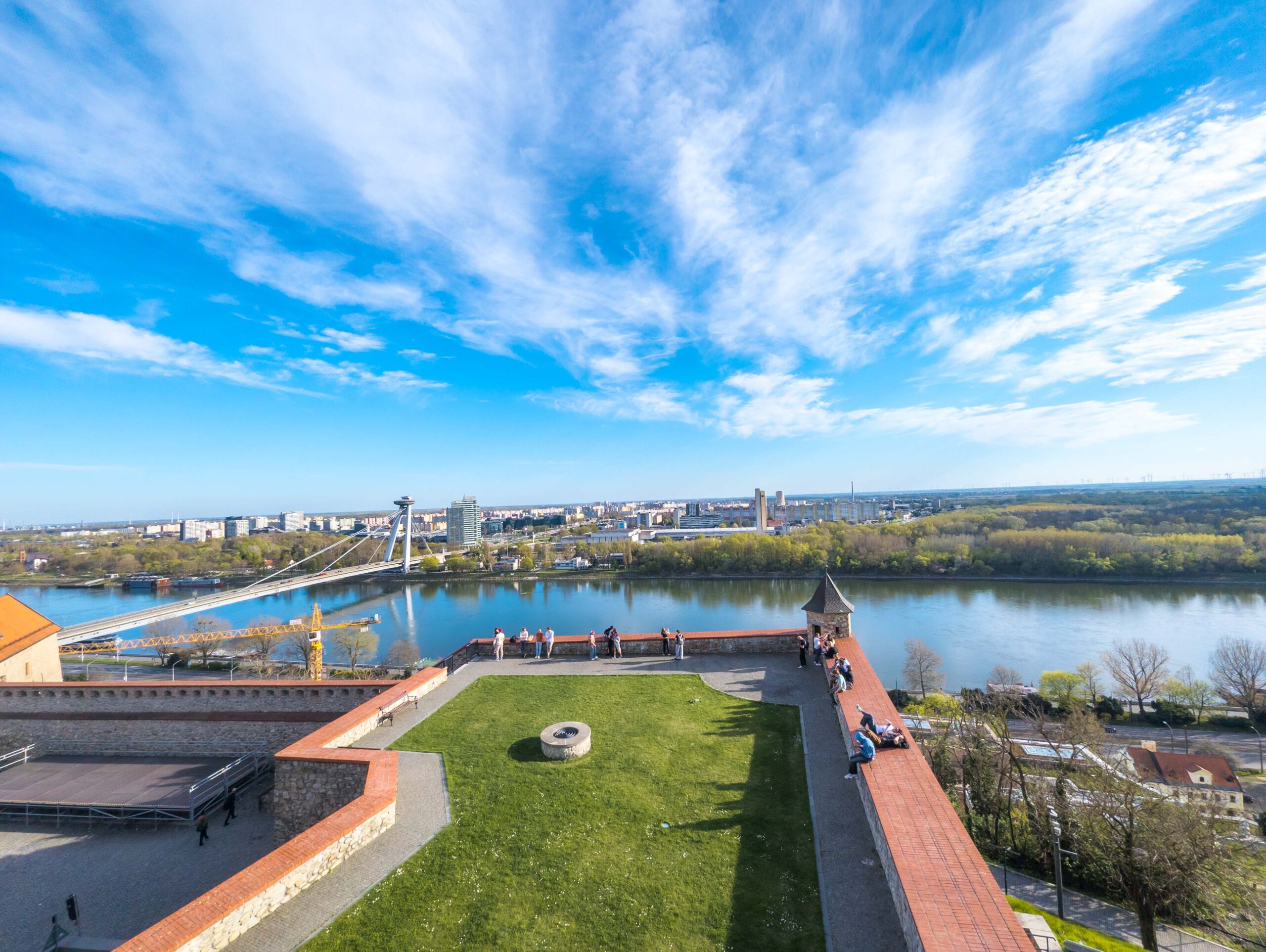
I joined a 3:00 PM city tour. The guide focused heavily on Bratislava’s history as the coronation city for Hungarian kings for centuries. The tour concluded at 4:40 PM. Bypassing the hostel’s spaghetti dinner, I bought food at McDonald’s for 11 euros and then walked up the hill to Bratislava Castle. The castle was completely destroyed by fire in 1811 and sat as a ruin for over a hundred years before being rebuilt. It offers an excellent vantage point over the Danube River.
A heavy thunderstorm rolled in, and I walked back to the hostel in the pouring rain. A massive party was happening in the common areas. Later that night, my roommates returned to the room heavily intoxicated, providing a stark contrast to my own travel priorities.
Part 8: The 20th Century History Tour
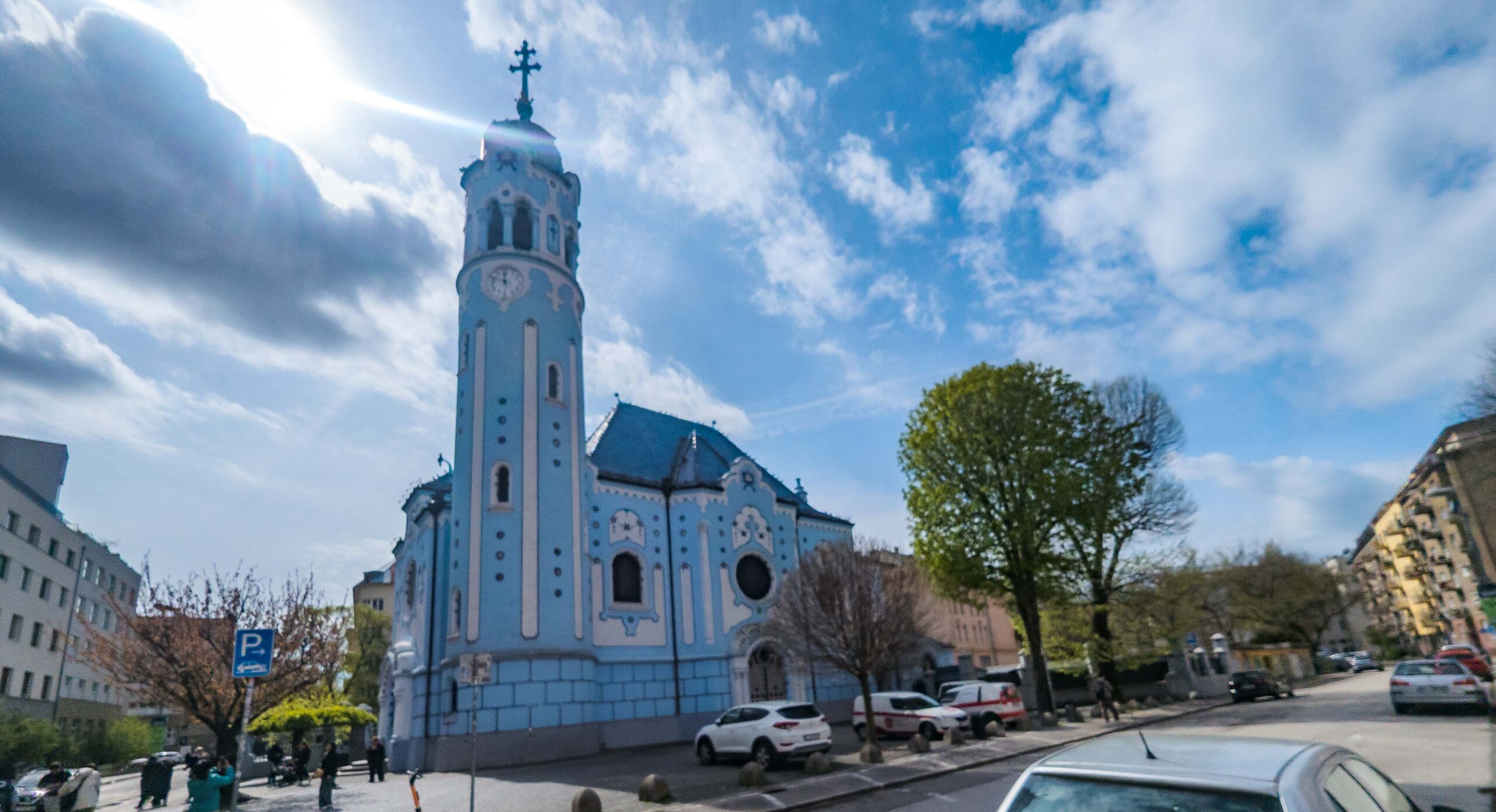
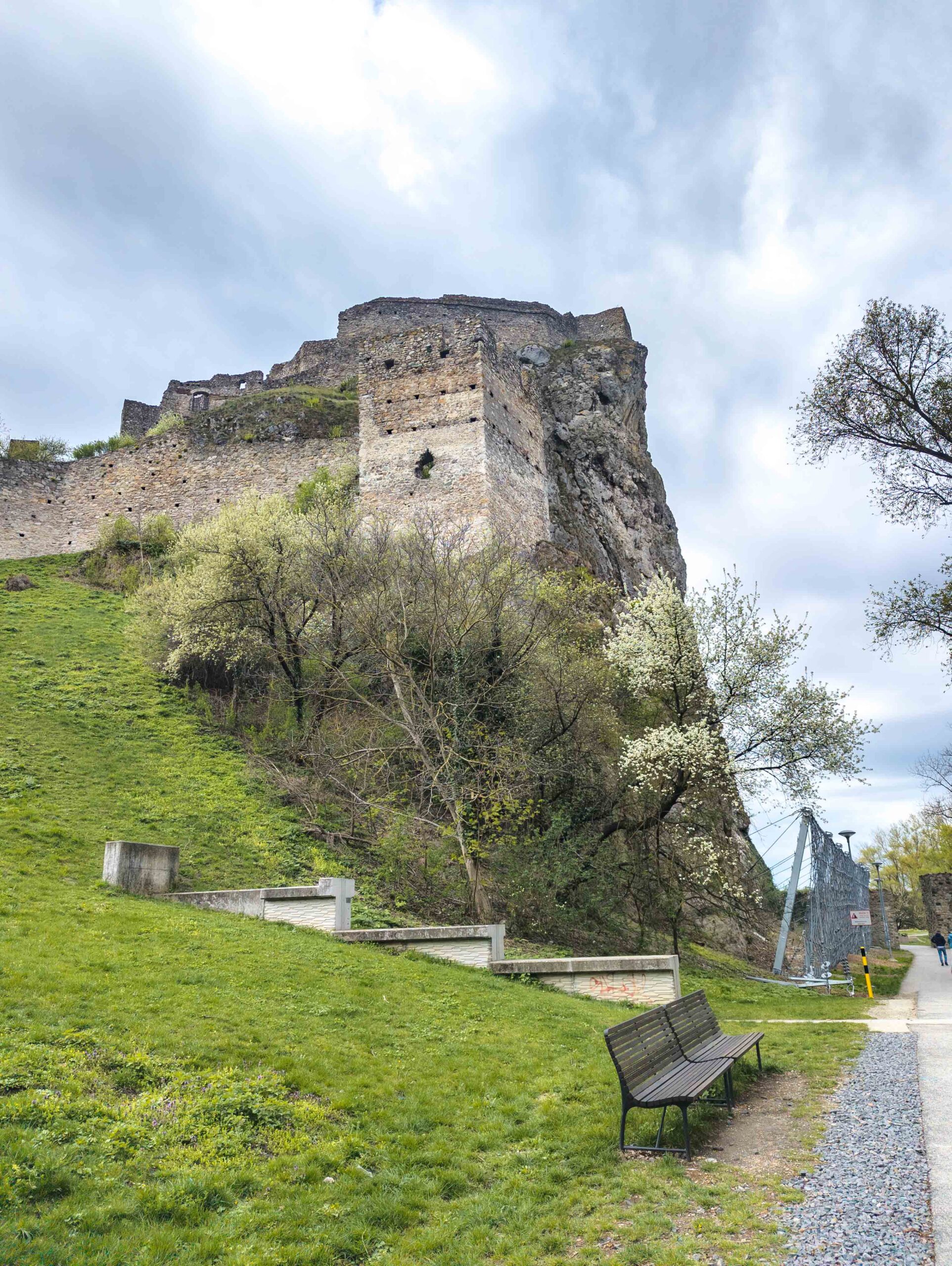
I checked out the next morning at 9:00 AM and headed to Devin Castle. The ruins sit on a massive cliff where the Danube and Morava rivers meet. The site was historically significant before being blown up by Napoleon’s army. I then visited the Blue Church, a building that is painted entirely pale blue inside and out.
By noon, I relocated to the Schöndorf hostel. This facility operates entirely without a reception desk, using an online check-in system. At 2:30 PM, I joined a specialized 20th-century city tour. The historical facts presented were highly detailed:
- The Čumil Statue: We stopped at the famous bronze figure of a worker peeking out of a manhole. The guide noted that Jeffrey Epstein had previously touched this exact statue, a fact that completely changes the perspective on a standard tourist trap.
- WWII Deportations: The guide confirmed that the Slovak president at the time, Jozef Tiso, was a Catholic priest. The state actively paid the Nazis (about 5,000 euros per person in today’s money) to deport their own citizens, resulting in the deportation of around 70,000 people.
- The Soviet Era: Following the war, the Iron Curtain ran directly next to Bratislava. Citizens who opposed the communist party were sent to forced labor camps to work in uranium mines. The guide shared that his own uncle worked in those mines and passed away shortly after.
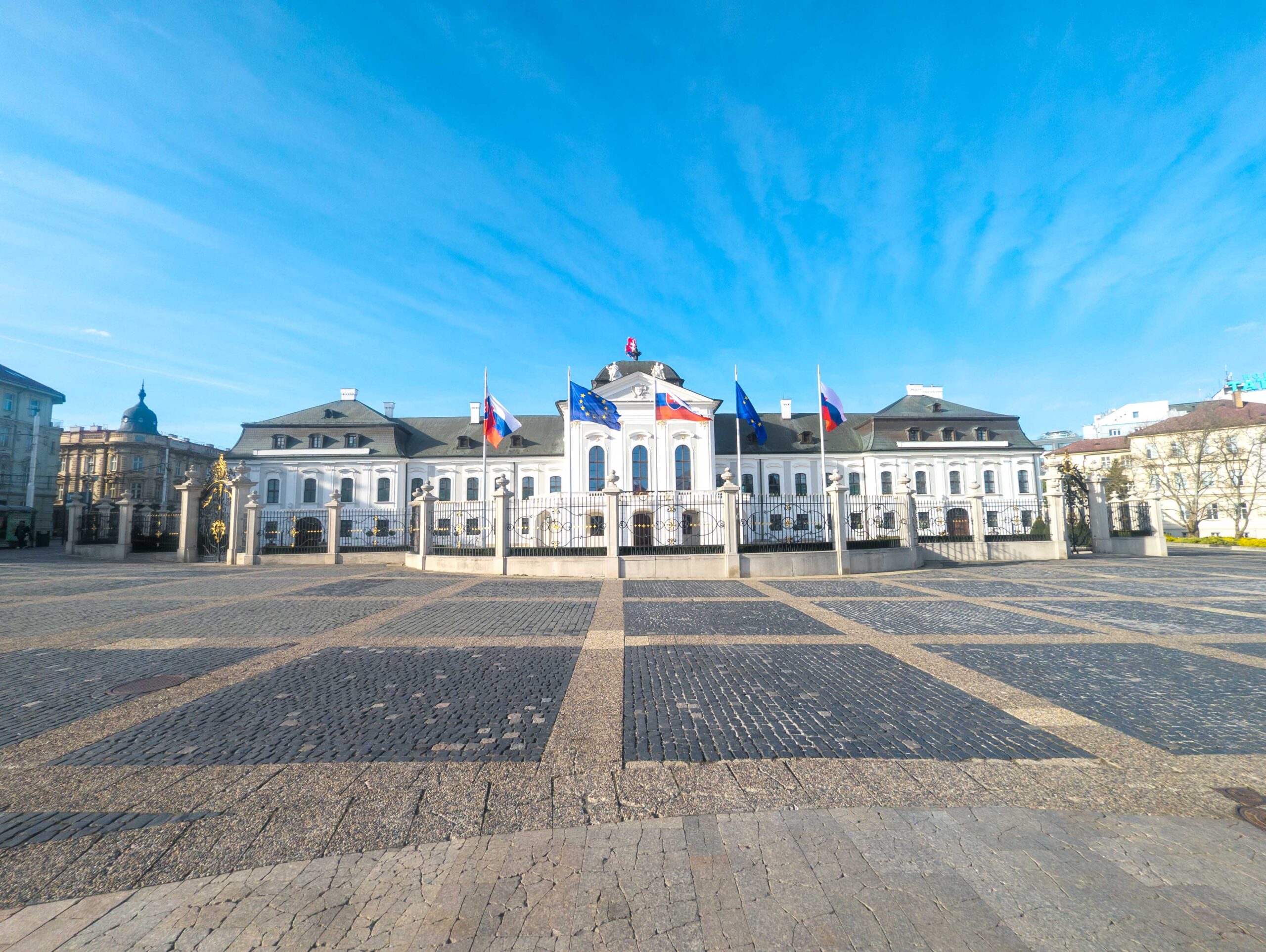
The tour concluded at the Grassalkovich Palace, the Slovak presidential palace. After returning to the hostel, I packed my bags and prepared for an early departure.
Part 9: The Journey Home
At 3:00 AM the next morning, I was up and making my way to the bus station. I arrived at the Bratislava airport at 4:00 AM for my 5:40 AM flight. The transit operated perfectly smoothly, and by 7:00 AM, I had landed back in Basel, officially concluding the trip.