Region: Canterbury, Tasman, West Coast, Otago
Travel Dates: November 22 – November 29
The water in Kaikoura is a deceptive kind of blue. From the shore, it looks serene, but beneath the surface, it is indigo, heavy, and fed by the cold, nutrient-rich currents rising from the Hikurangi Trench, a submarine canyon plunging kilometers deep just off the shore. I was floating in this freezing expanse, encased in thick neoprene, when the chaos began. The wetsuit did its job against the chill of the Southern Ocean, but nothing could prepare me for the sensory overload of what happened next.
Dusky dolphins are not solitary creatures; they move in pods of hundreds, a synchronized, chaotic intelligence that feels almost alien. Suddenly, the water was filled with grey flashes. They darted under my fins and spiraled around my mask, checking me out with clicking curiosity. It was a paradox of sensations: the silence of holding my breath, broken only by the high-pitched sonar clicks of the pod, and the visual anarchy of a thousand wild animals treating me like driftwood. It was peaceful in its total indifference to my presence, yet chaotic in its energy. In the excitement, I forgot the basics of snorkeling—rhythm, breath control—and swallowed mouthfuls of the Pacific. It was heavy, salty water that settled uneasily in my stomach, sloshing around with every wave.
Back on the boat, the toll of the ocean hit me. As I peeled off the tight neoprene to change into dry clothes, the vessel lurched in the swell. The crew called it moderate, but as the horizon tilted violently, disappearing and reappearing behind walls of grey water, the nausea hit. I sat on the bench, green in the face, enduring the ride back to shore while others retched into buckets. It was a raw, visceral start to the South Island: a place that offers raw magic, right before it tests your stomach.
The City of Scars and Speed
I had arrived in Christchurch two days prior, landing on a Saturday night. My internal clock had snapped perfectly into the New Zealand rhythm—no jet lag, just a reserve of energy that needed to be burned. I dropped my bags at Hostel Five and immediately hit the town, staying out until midnight in a bar that vibrated with the energy of a city that refuses to stay broken. Christchurch is a texture of resilience; you see it in the mix of fresh glass facades and the vacant lots that still hold the memory of the 2011 earthquake. It is a city of scars and scaffolding, but the pulse is strong.
But I operate on momentum. I woke up at 7:00 AM, caught a transport to the airport to pick up my rental car—a white Toyota Corolla that would become my home, dining room, and storage unit for the next month. By 9:20 AM, I was speeding north. On the outskirts of the city, I picked up a hitchhiker from Poland. We shared the small space of the Corolla, watching the landscape shift from the flat, agricultural patchwork of the Canterbury Plains to the rugged coast where the Seaward Kaikoura Range plunges straight into the sea. I have a heavy foot, and we made good time, arriving in Kaikoura just before noon, perfect timing for the dolphin tour.
That night, alone in a four-bed dorm at the Dusky Lodge, I cooked a 300g steak in the communal kitchen. I wasn’t eating in silence, though. The room was buzzing with other travelers, and I fell easily into conversation, trading stories over the sizzle of frying pans.
Ghosts and Geographies
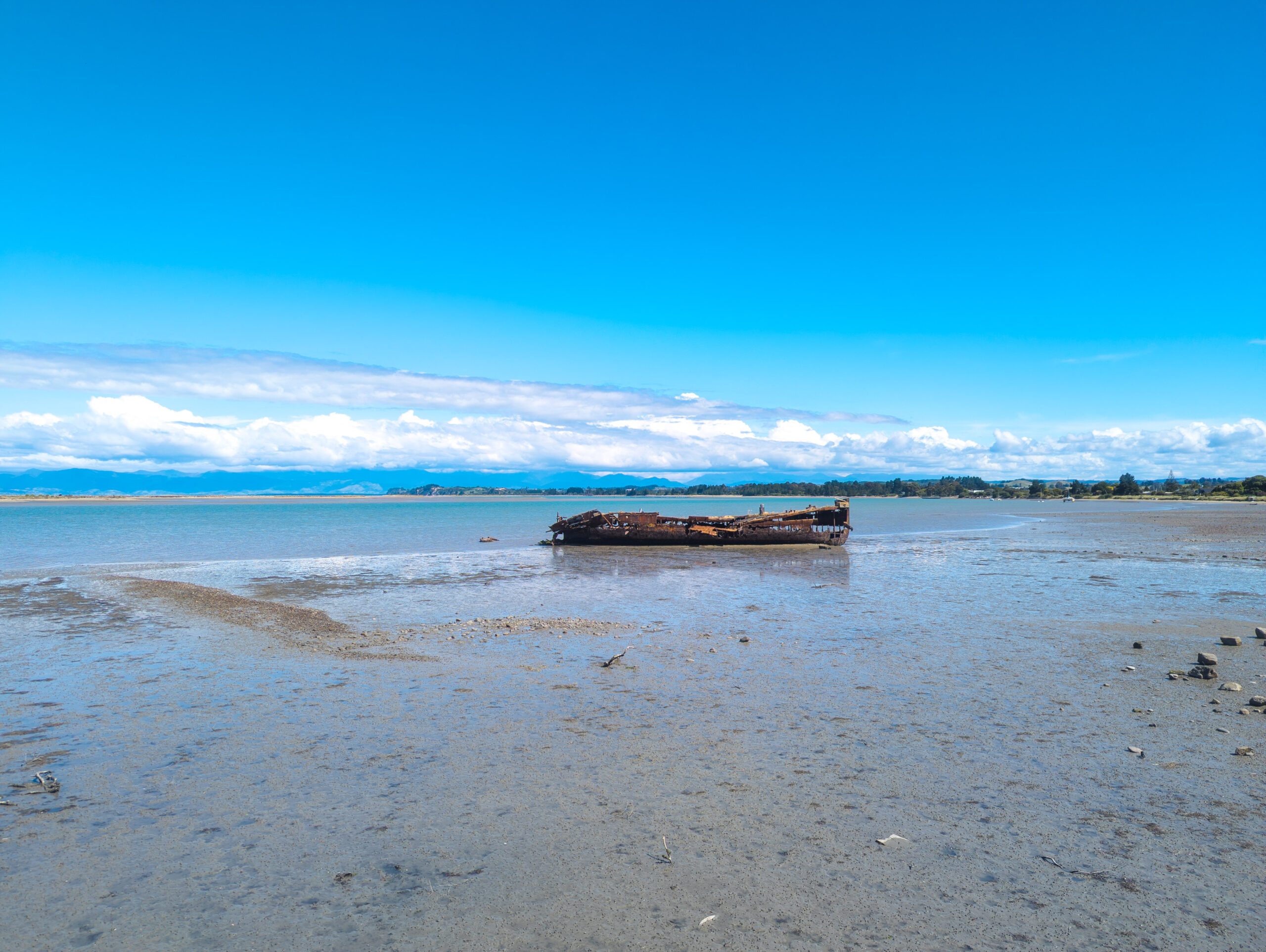
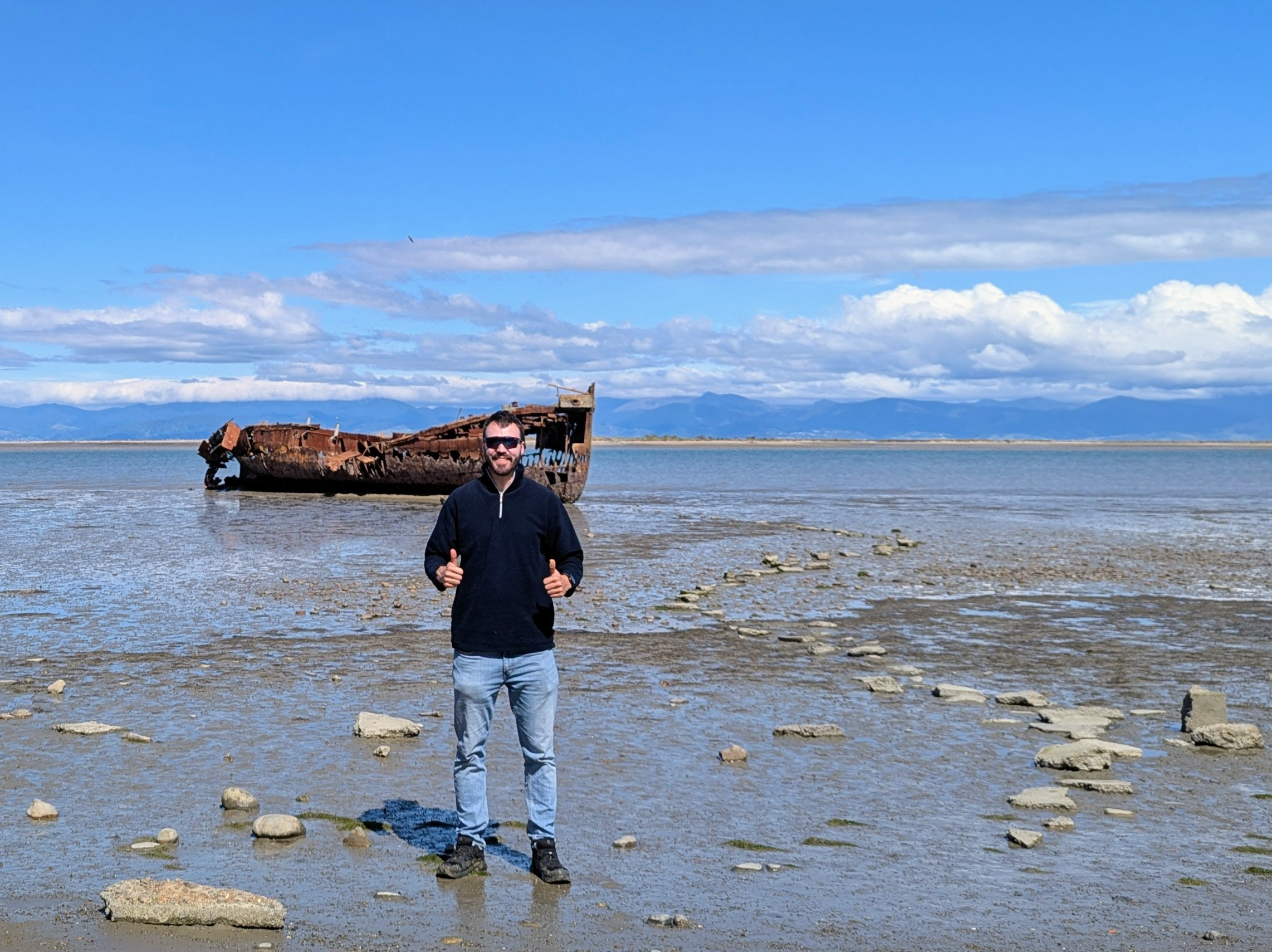
The next leg took me north toward Nelson. The weather was turning grim, pouring rain as I drove. I made a stop in Motueka to pay respects to the Janie Seddon. She is a ghostly sight—a rusting iron skeleton sitting in the mud of the harbor. Built in 1901 as a submarine mining vessel for the World Wars, she later served as a coal hulk before being abandoned here in the 1950s. Her ribs jutted out of the silt, orange with corrosion, slowly dissolving into the tide. It was a stark, melancholic reminder of the maritime history here—how the sea eventually claims everything, turning steel back into earth.
I drove out to the drop zone at Abel Tasman Skydive, itching for altitude. I walked into the hangar, the smell of aviation fuel hanging in the air, and asked if we could go up. The staff looked at the whipping wind socks, which were standing almost horizontal, and shook their heads. No jumping today. “Try next Friday,” they said.
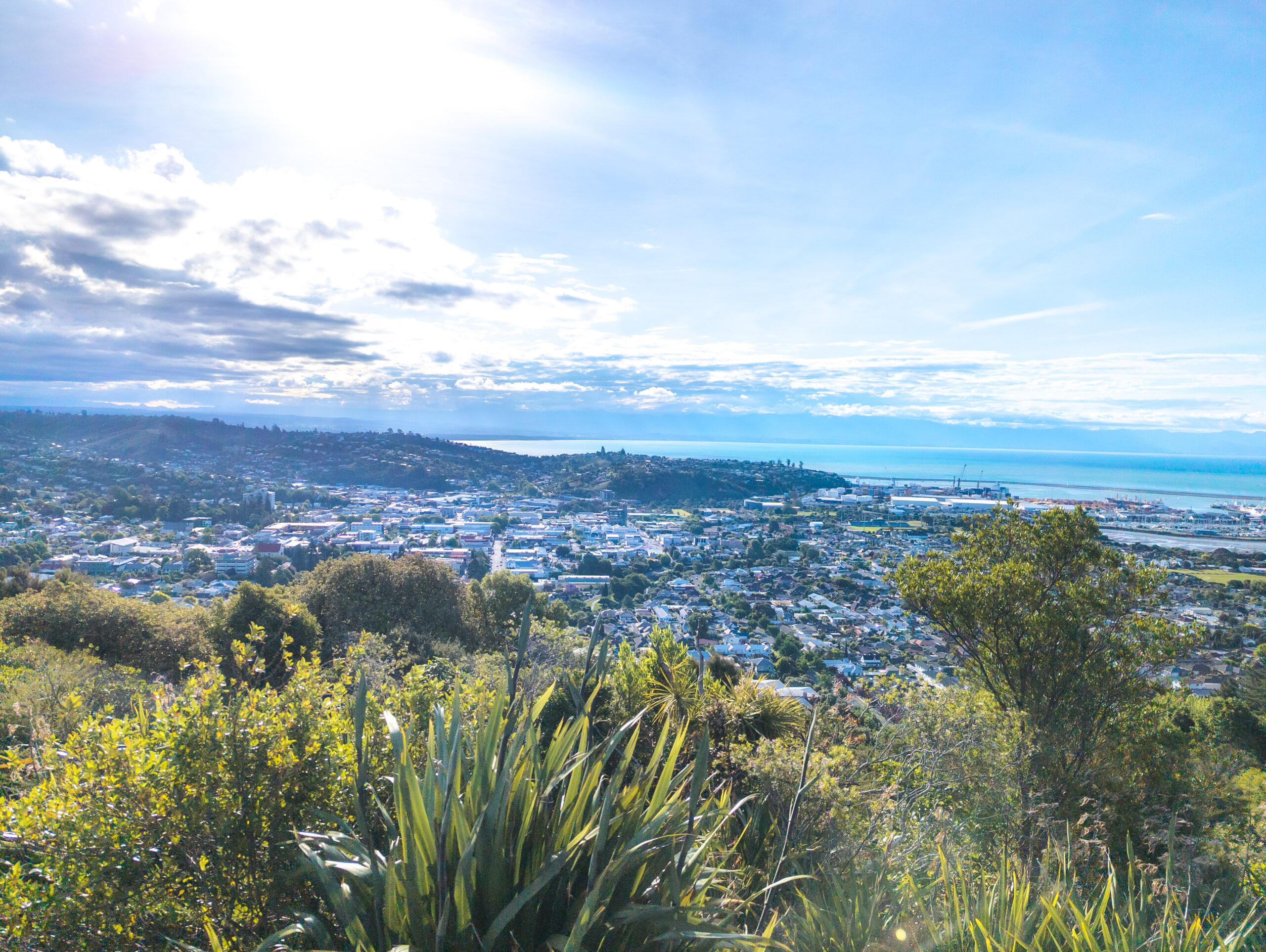
I continued to Nelson and hiked up to the Center of New Zealand on Botanical Hill. It is a steep walk, leading to the site of the first trigonometrical survey of the country in the 1870s—the point from which the entire country was mapped. From the top, you look down on the Maitai Valley and the port, which was brooding under a grey sky. I checked into the Nelson YHA for the night, a classic hostel vibe full of German speakers discussing routes and campervan rentals.
The Golden Sand and The Windless Bay
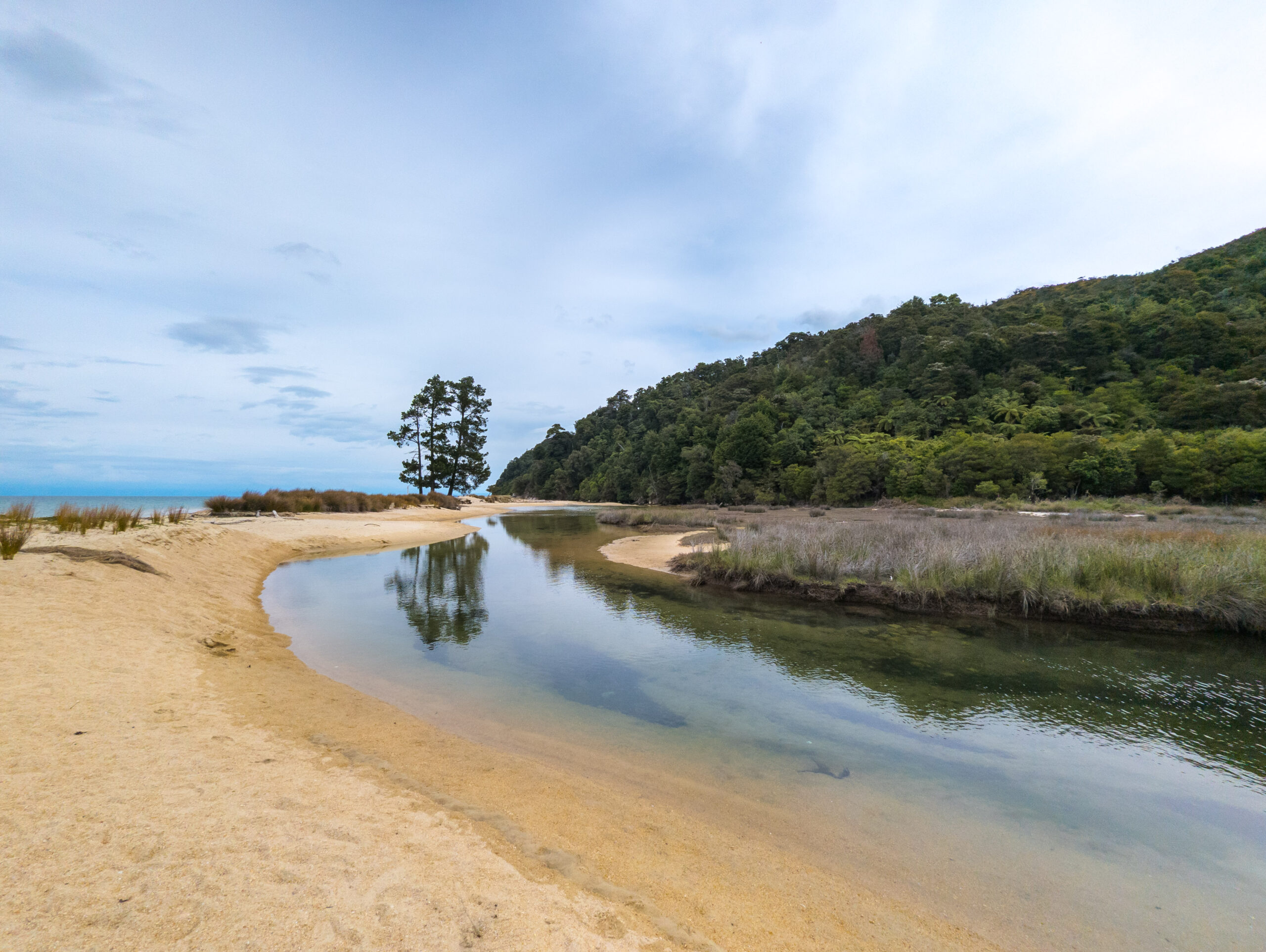
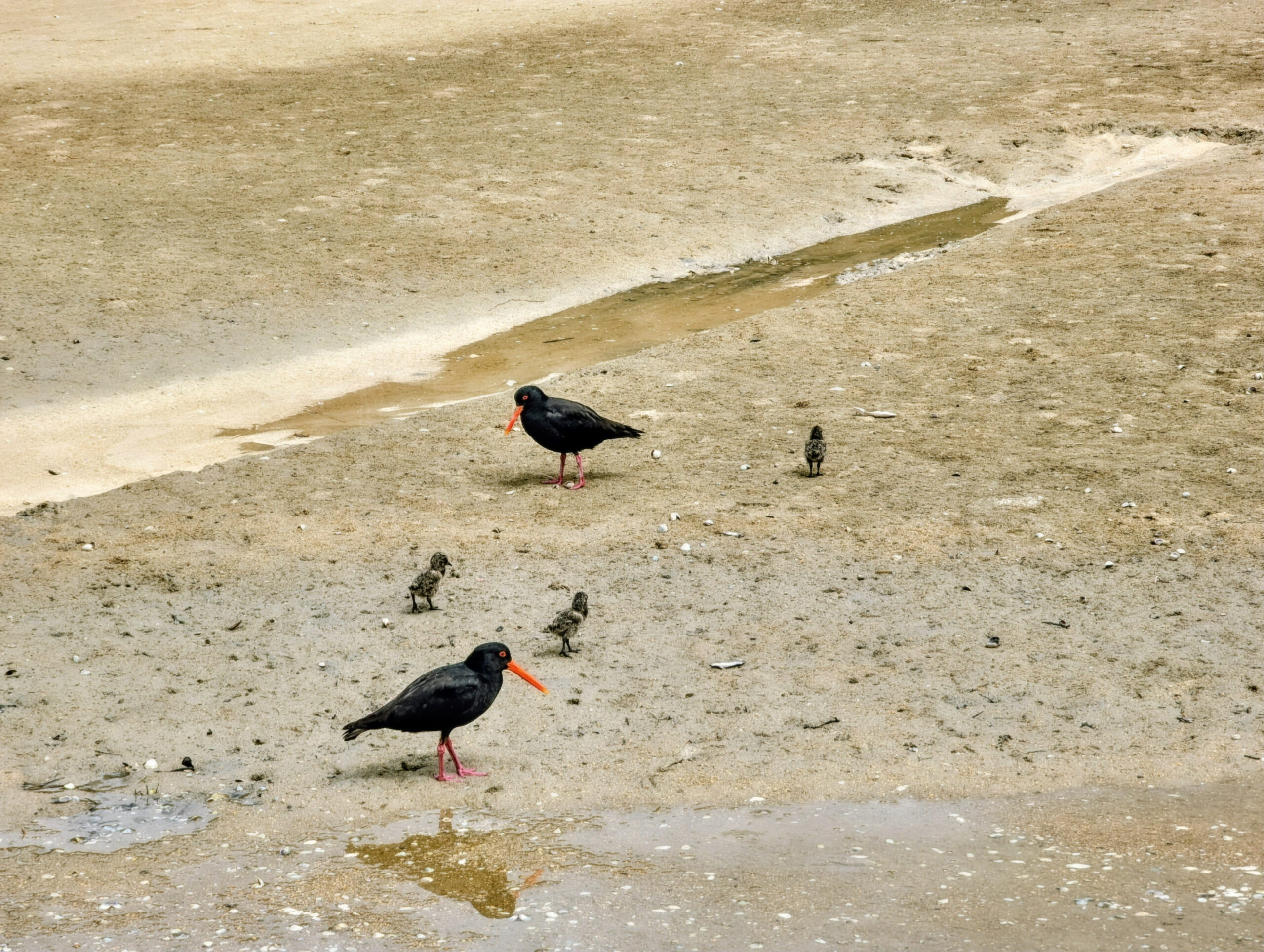
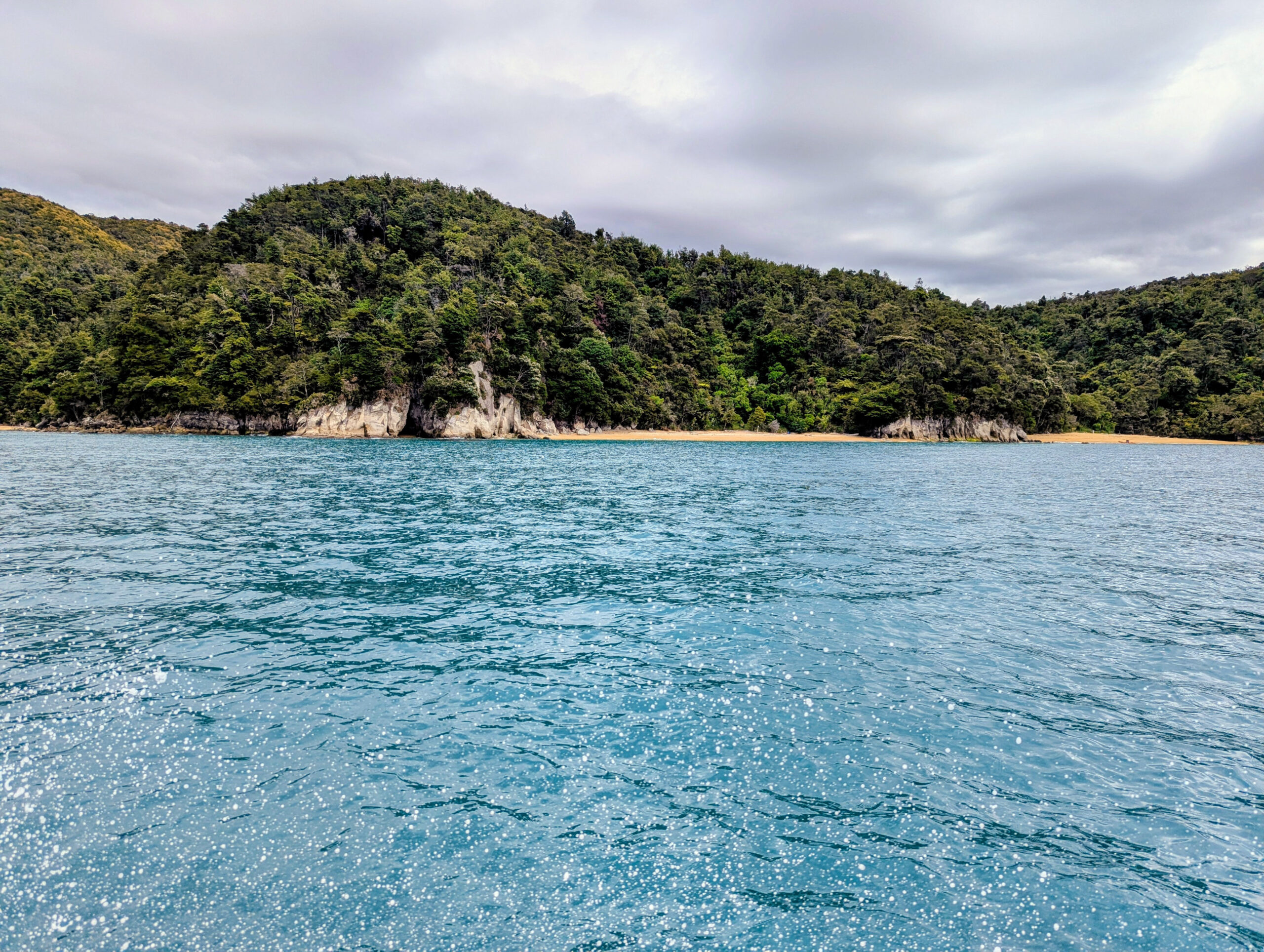
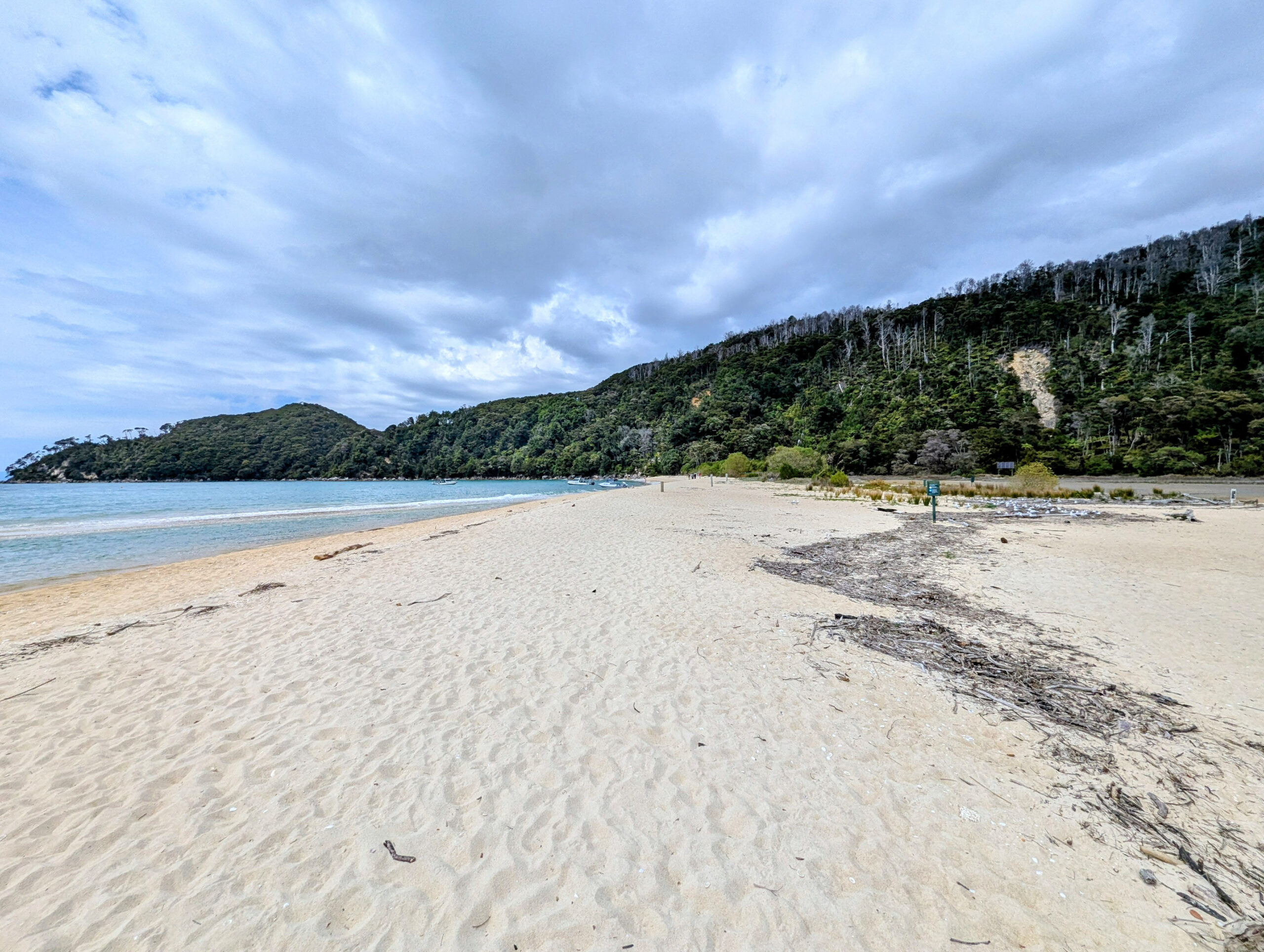
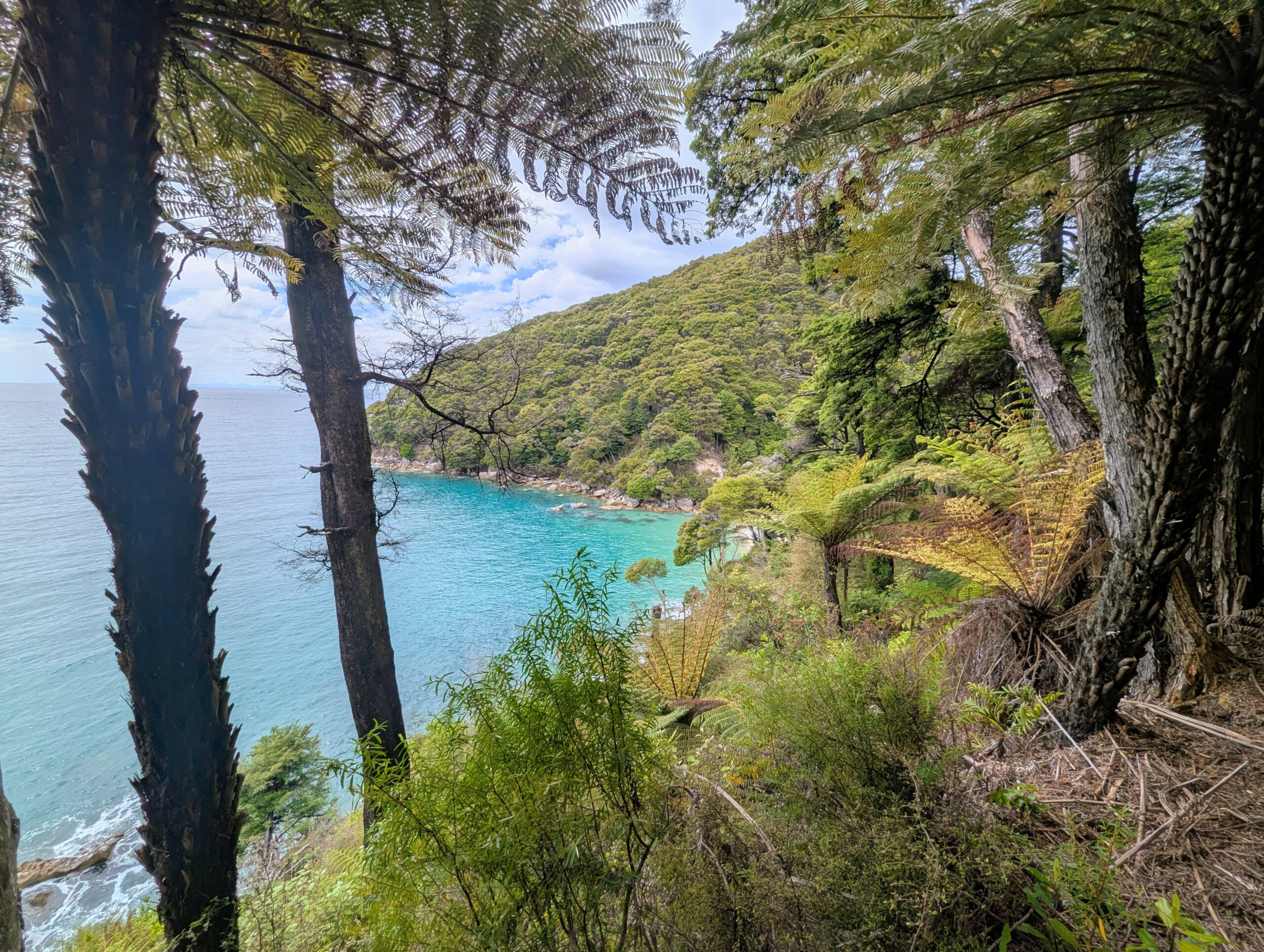
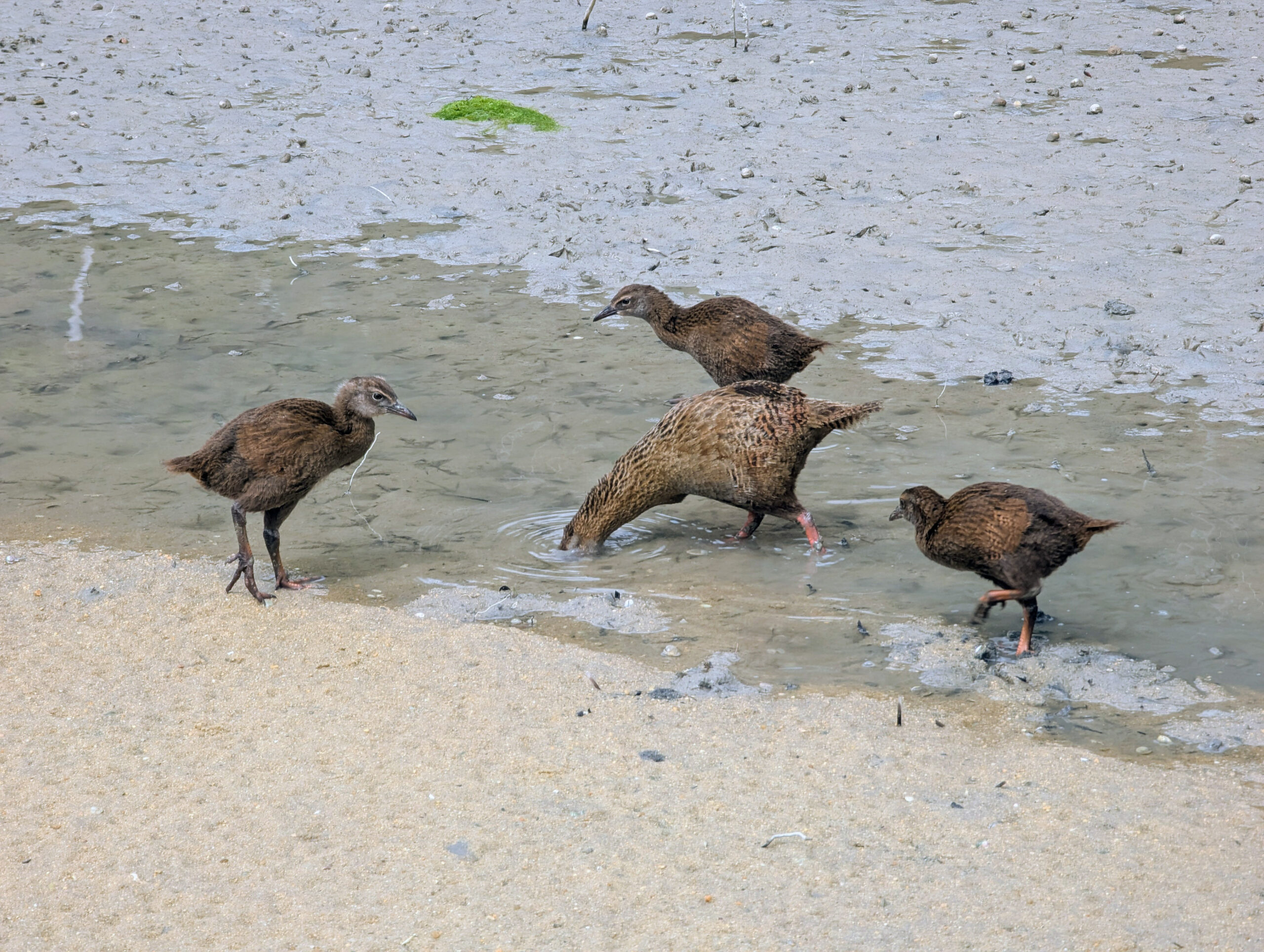
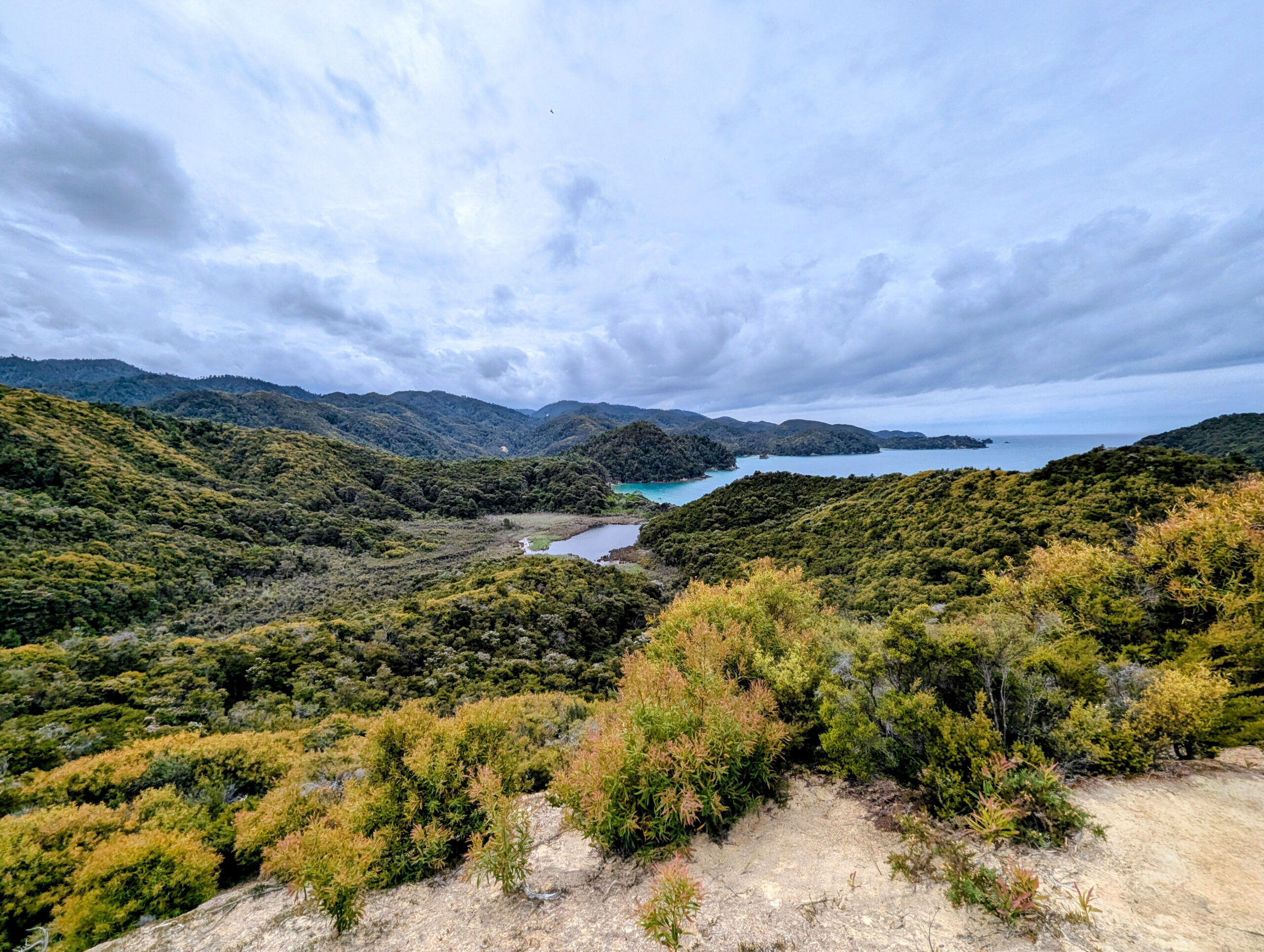
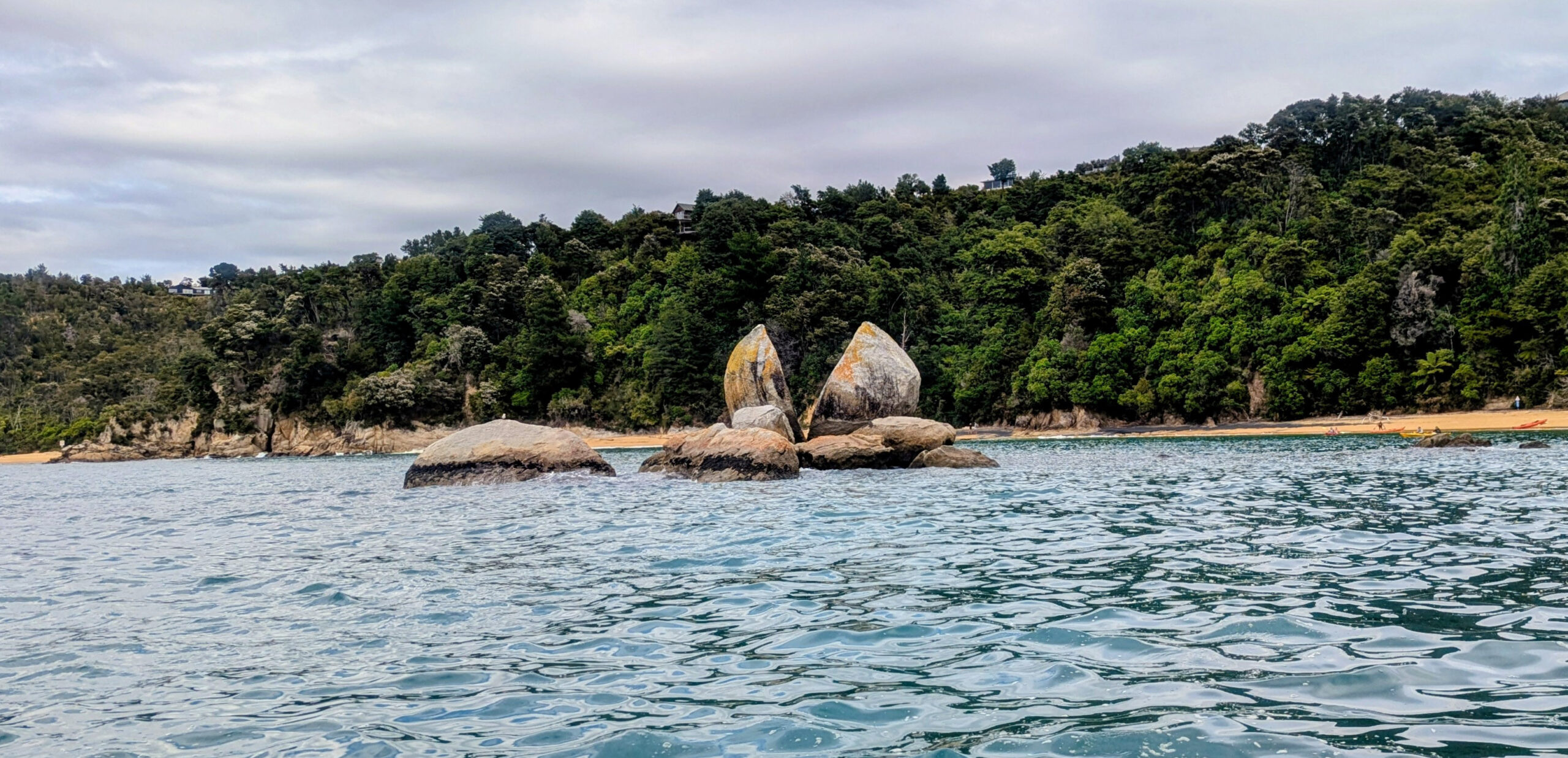
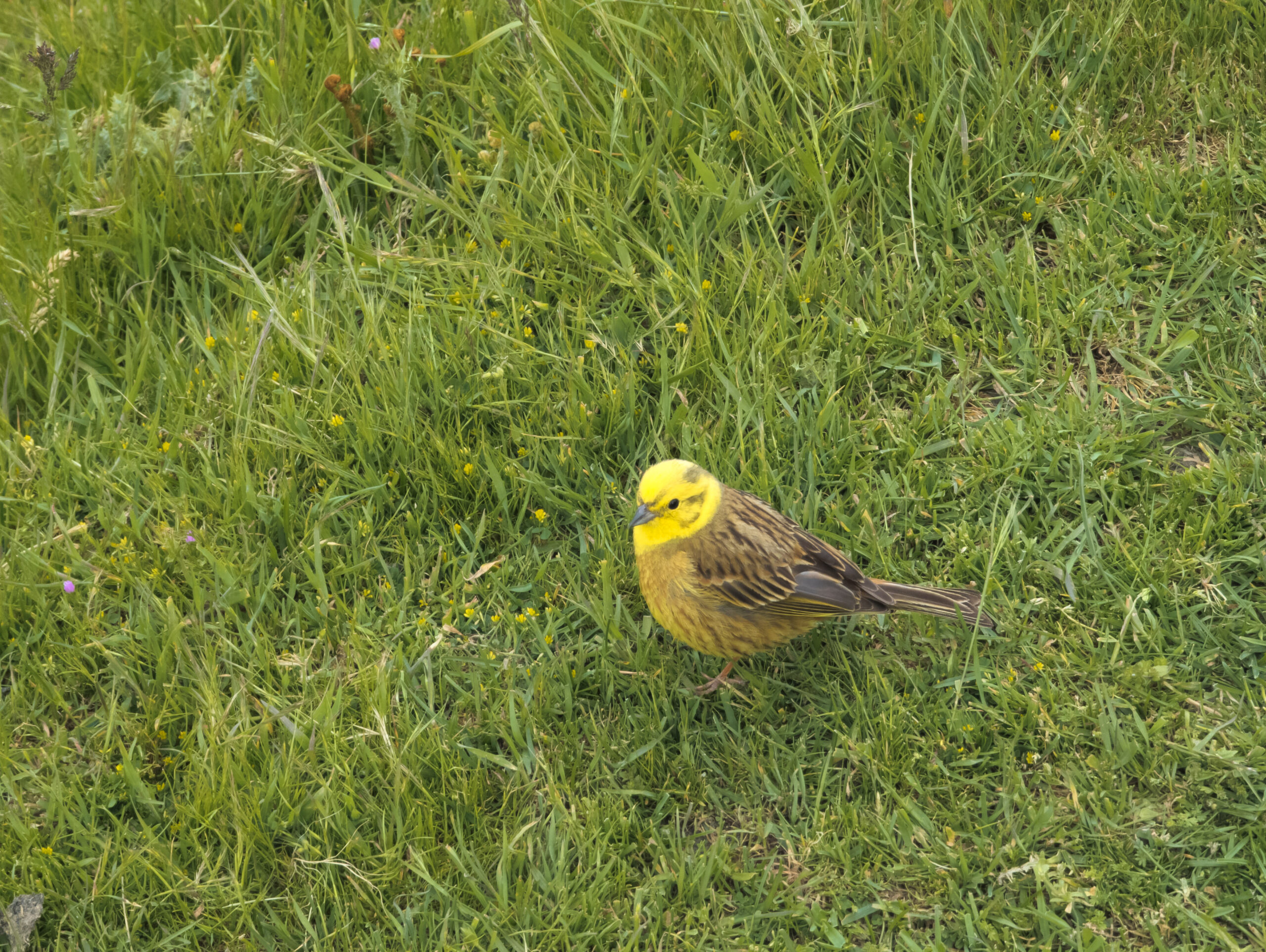
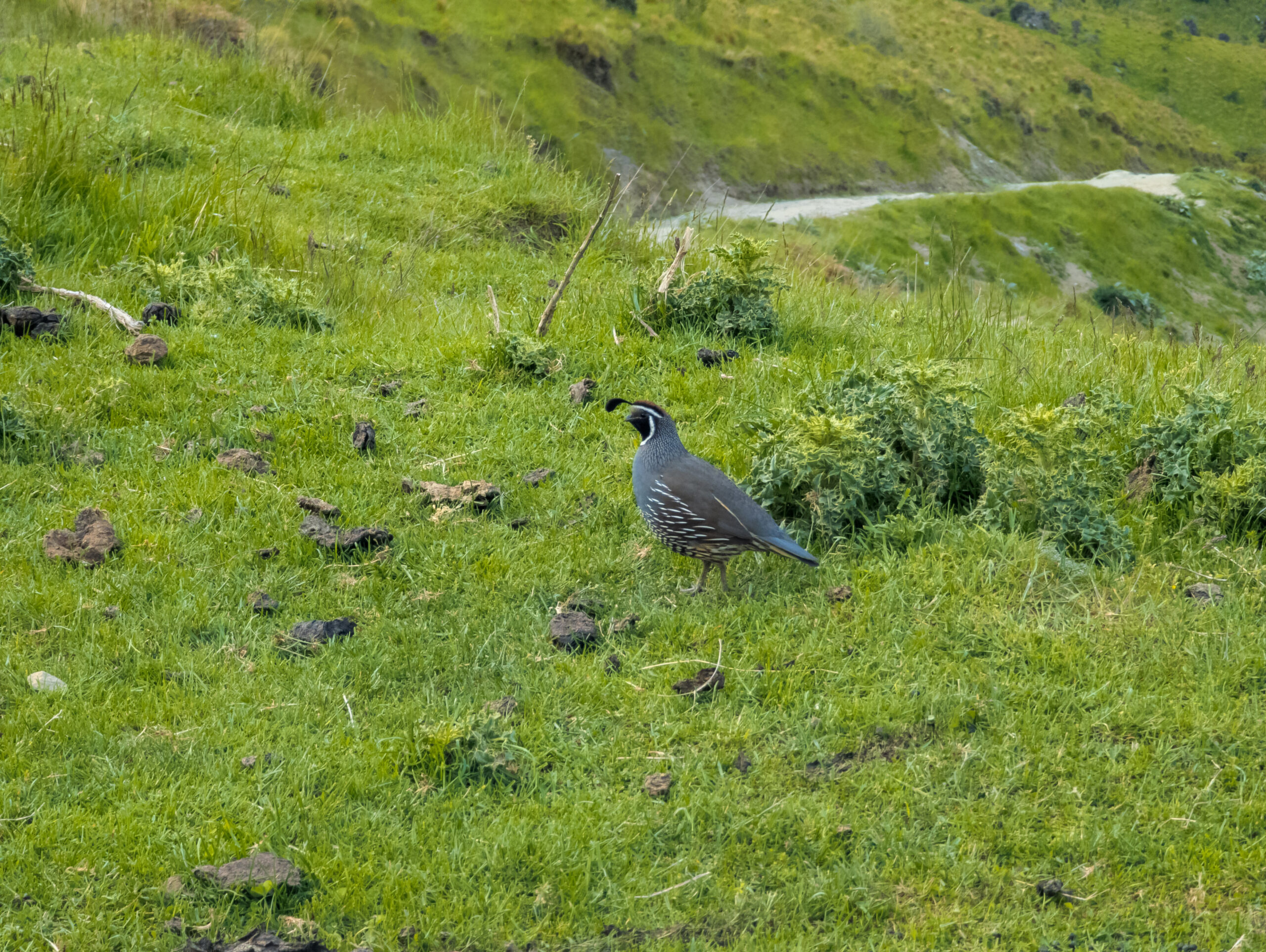
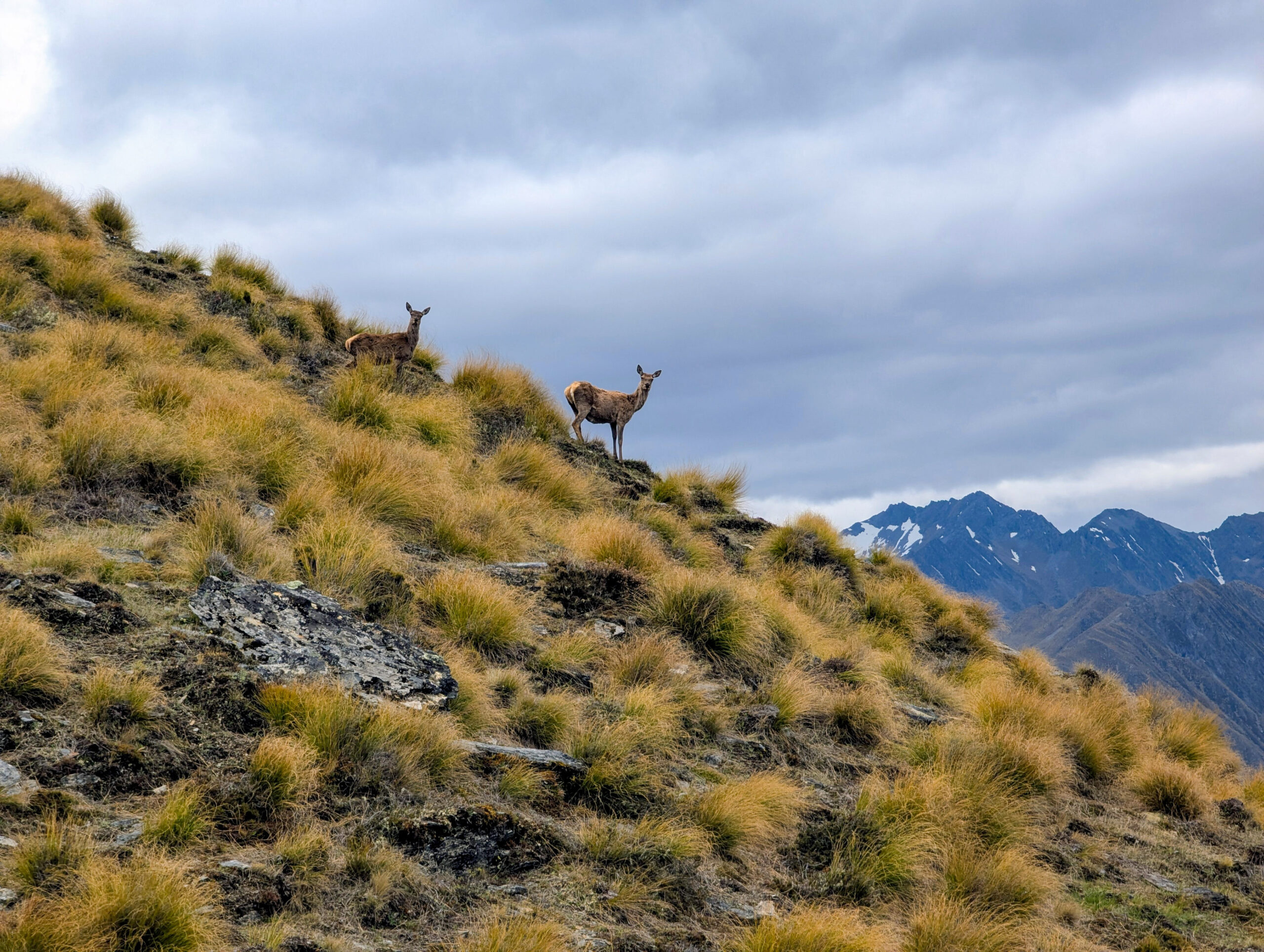
On November 25th, I escaped the wind by going to the ground. I took a water taxi to Bark Bay in the Abel Tasman National Park. The park is named after the Dutch explorer Abel Tasman, who became the first European to sight New Zealand in 1642, though his encounter with the local Maori was violent and short-lived. The geology here is a stark contrast to the dark volcanic rock of the north—it is granite bedrock that weathers into glittering orange sand, framed by lush, tangled native bush. I walked the 24 kilometers back to the car. It was a sensory cleanse. I watched Wekas—flightless, inquisitive rails—scuttling through the ferns, and spotted Torea Pango (Variable Oystercatchers) probing the shoreline with their neon-red beaks. The track was easy, undulating along the coast, and I moved fast, finishing by 6:00 PM.
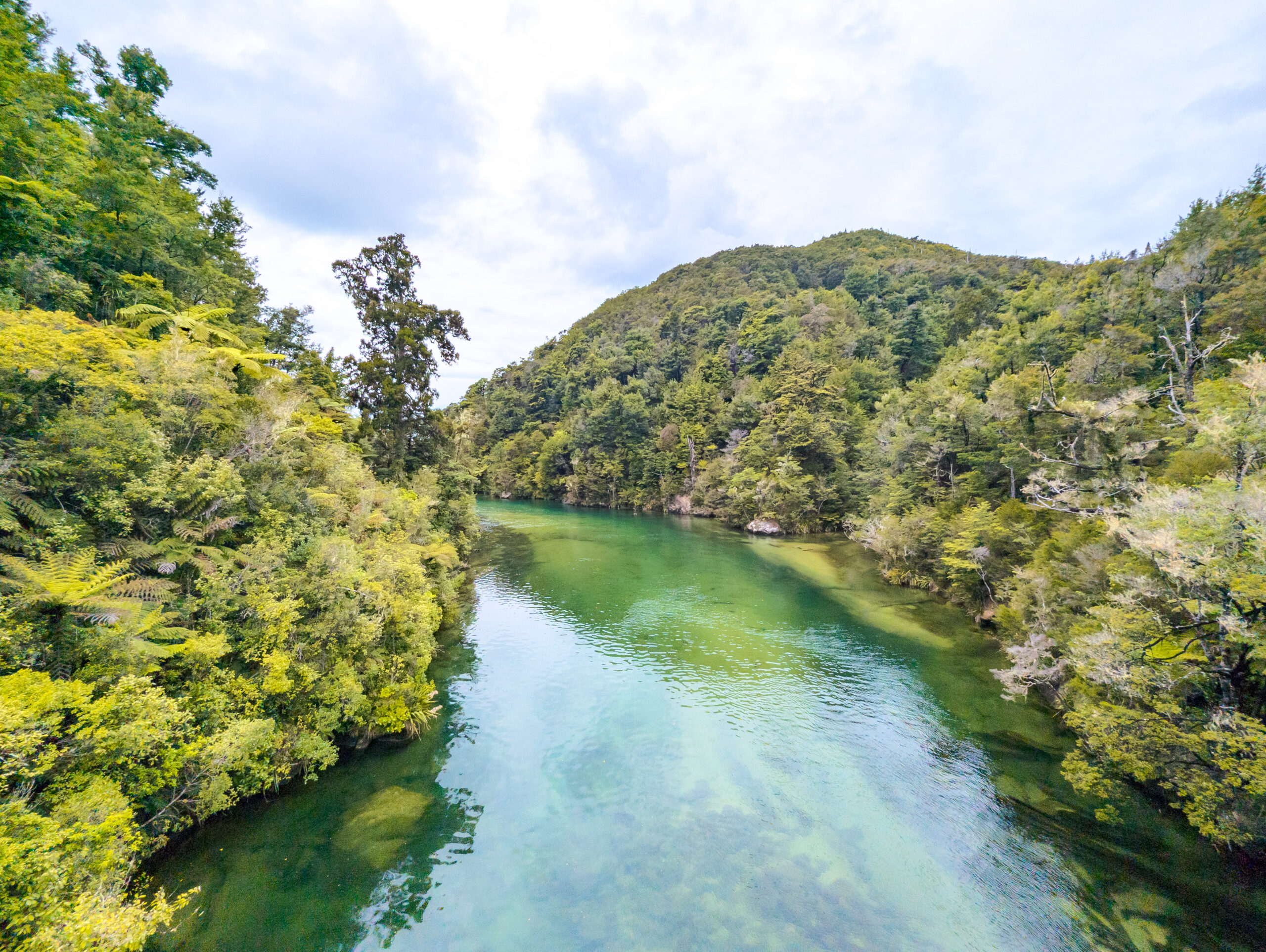
That night, I moved to the White Elephant hostel in Motueka. This place had a completely different energy to the YHA—it was filled with Spanish speakers. It was refreshing to switch languages, letting the rapid-fire rhythm of Spanish fill the room as we planned our next moves, sharing tips on where the sun might be shining the next day.
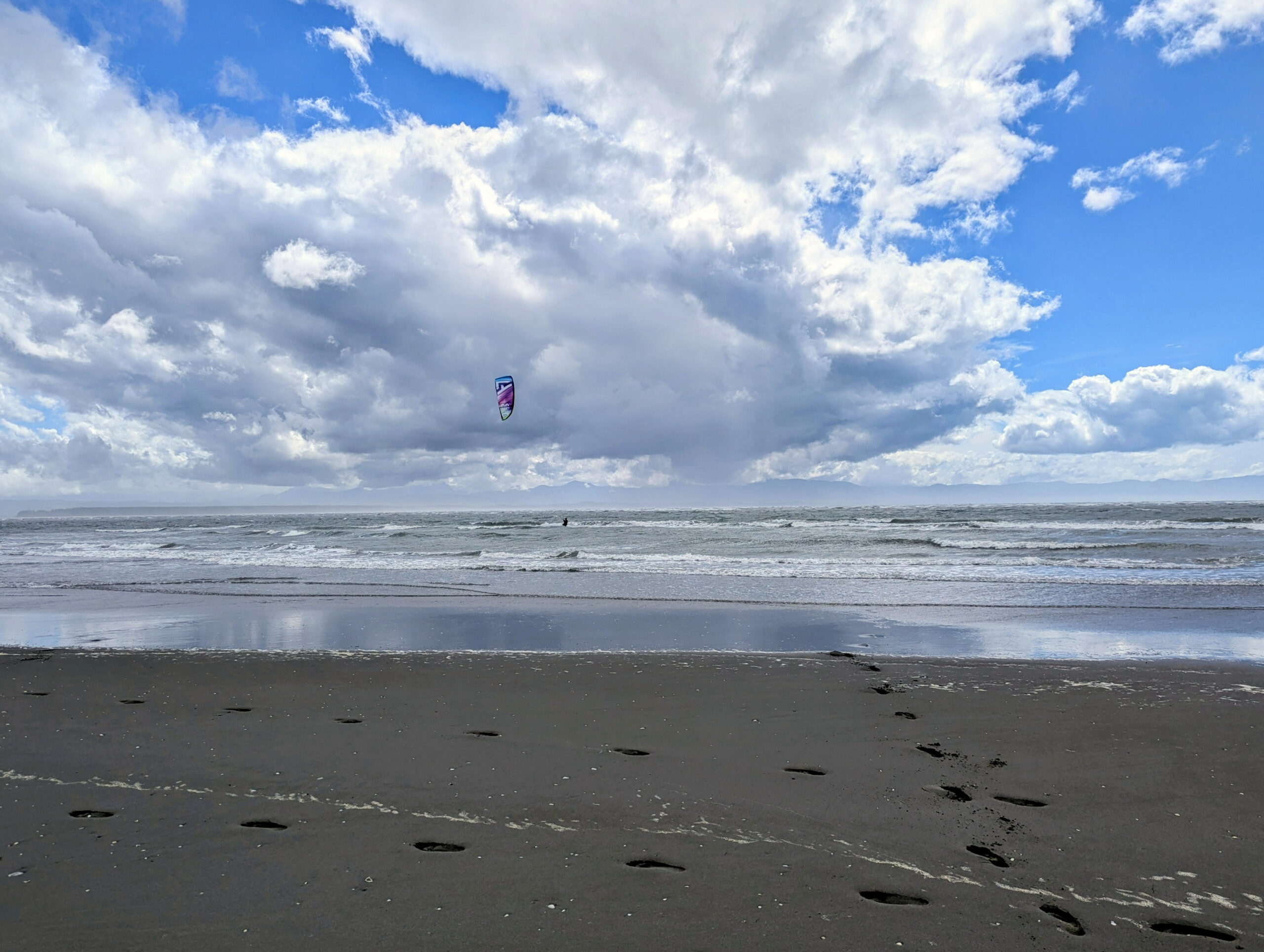
The next two days tested my patience. I had booked lessons with Kitescool, desperate to get on the water. But the wind is the one thing you cannot buy. On the first day, I waited until 3:00 PM. We finally went out for a two-hour private lesson, but the wind died. I stood up on the board exactly once before the kite fell out of the sky like a dead bird. On the second day, we tried again at 10:00 AM. This time, the gear failed—my harness trapezoid ripped mid-session. We lost 40 minutes fixing it. To top it off, I lost my sunglasses in a crash, watching them sink into the Tasman Bay. The school added 15 minutes to the end, but the flow was gone. I left unsatisfied, having paid for time spent mostly waiting or fixing gear.
The Wet Coast
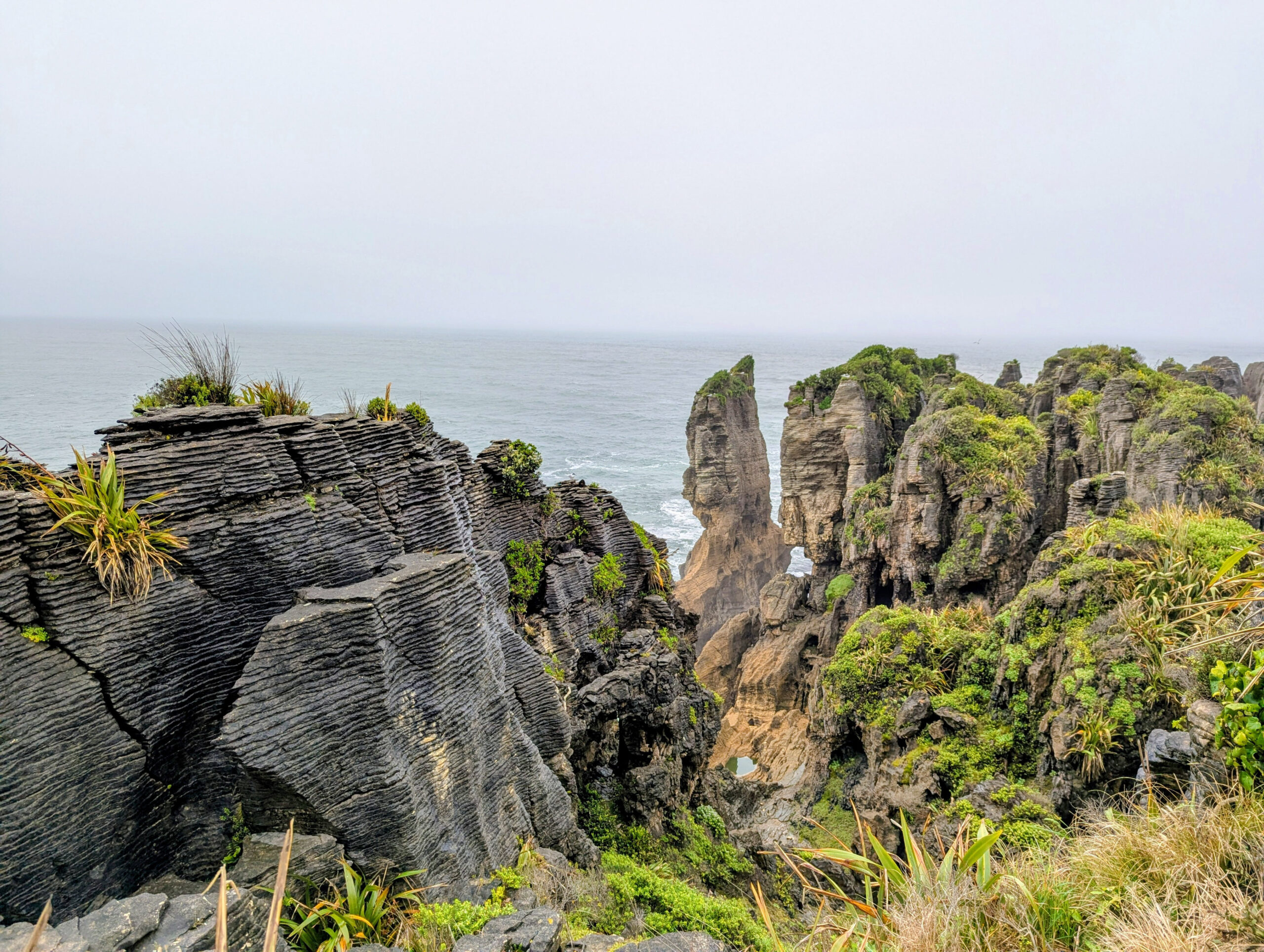
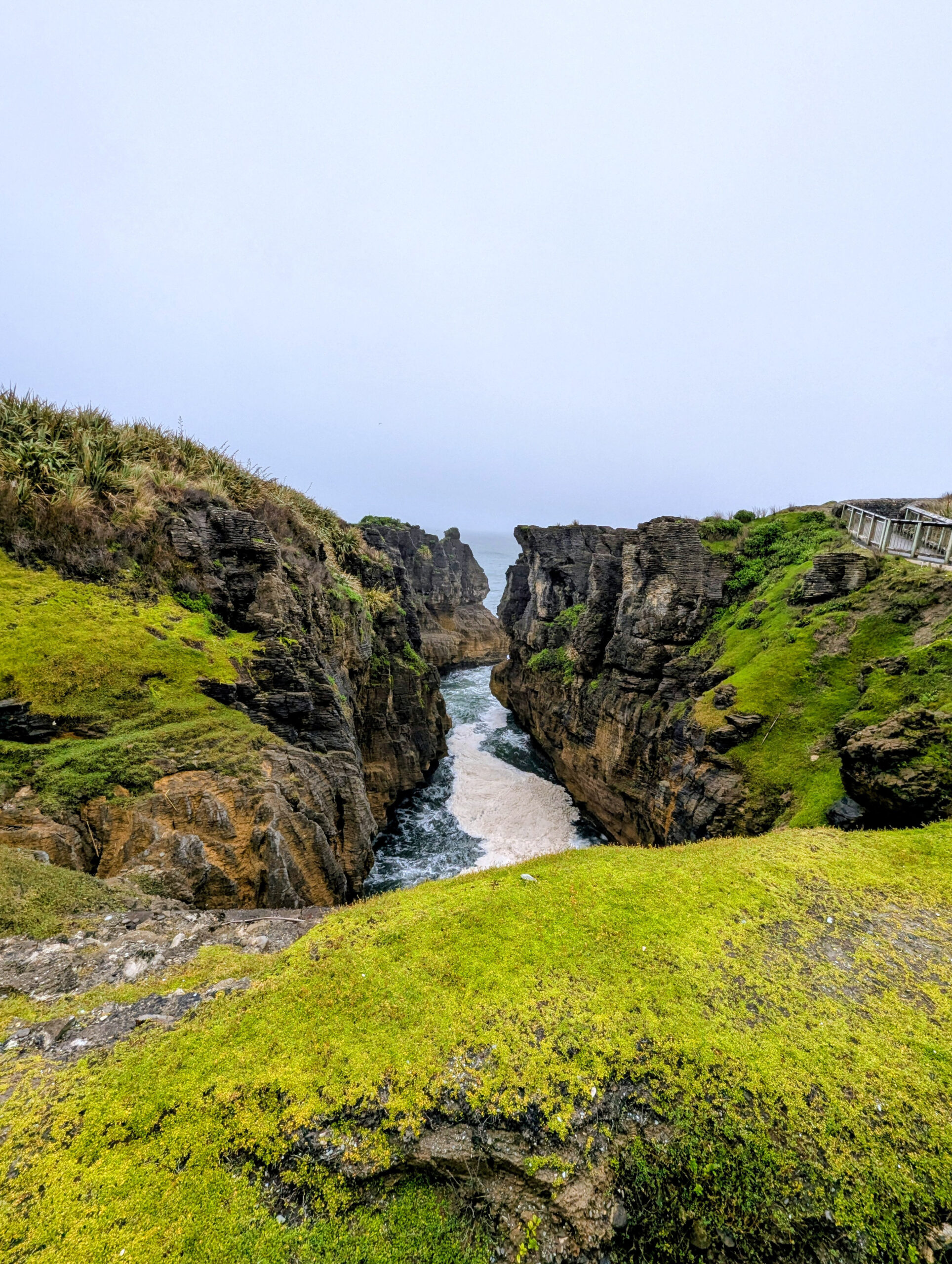
I crossed to the West Coast, and the sky fell down. They call it the Wet Coast for a reason. The rain hammered the roof of the Corolla, a deafening drumroll that lasted for hours. I made a stop at the Pancake Rocks in Punakaiki to see the limestone stacks, but the deluge was relentless, washing out the view. By the time I reached Franz Josef, the cloud ceiling was touching the tarmac.
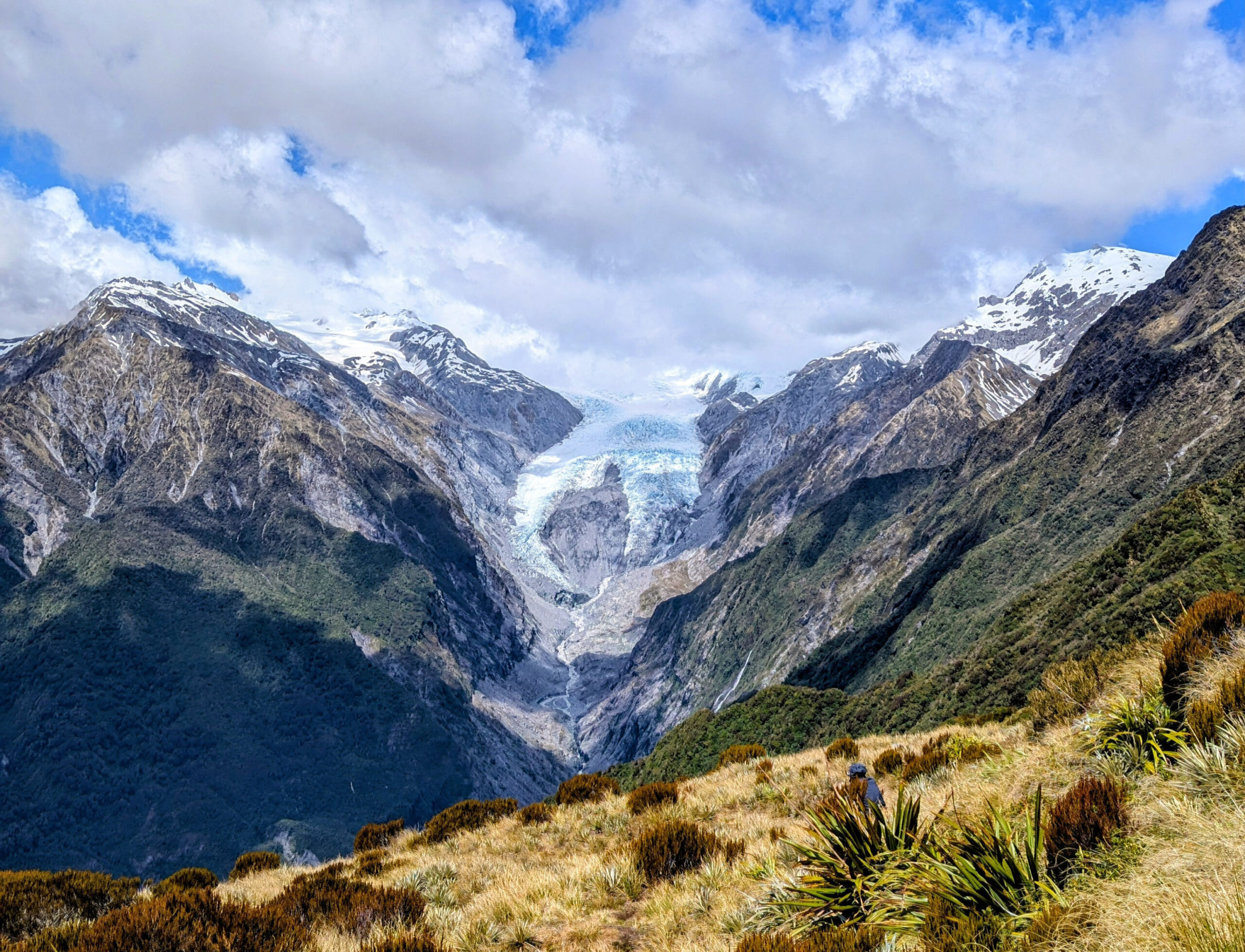
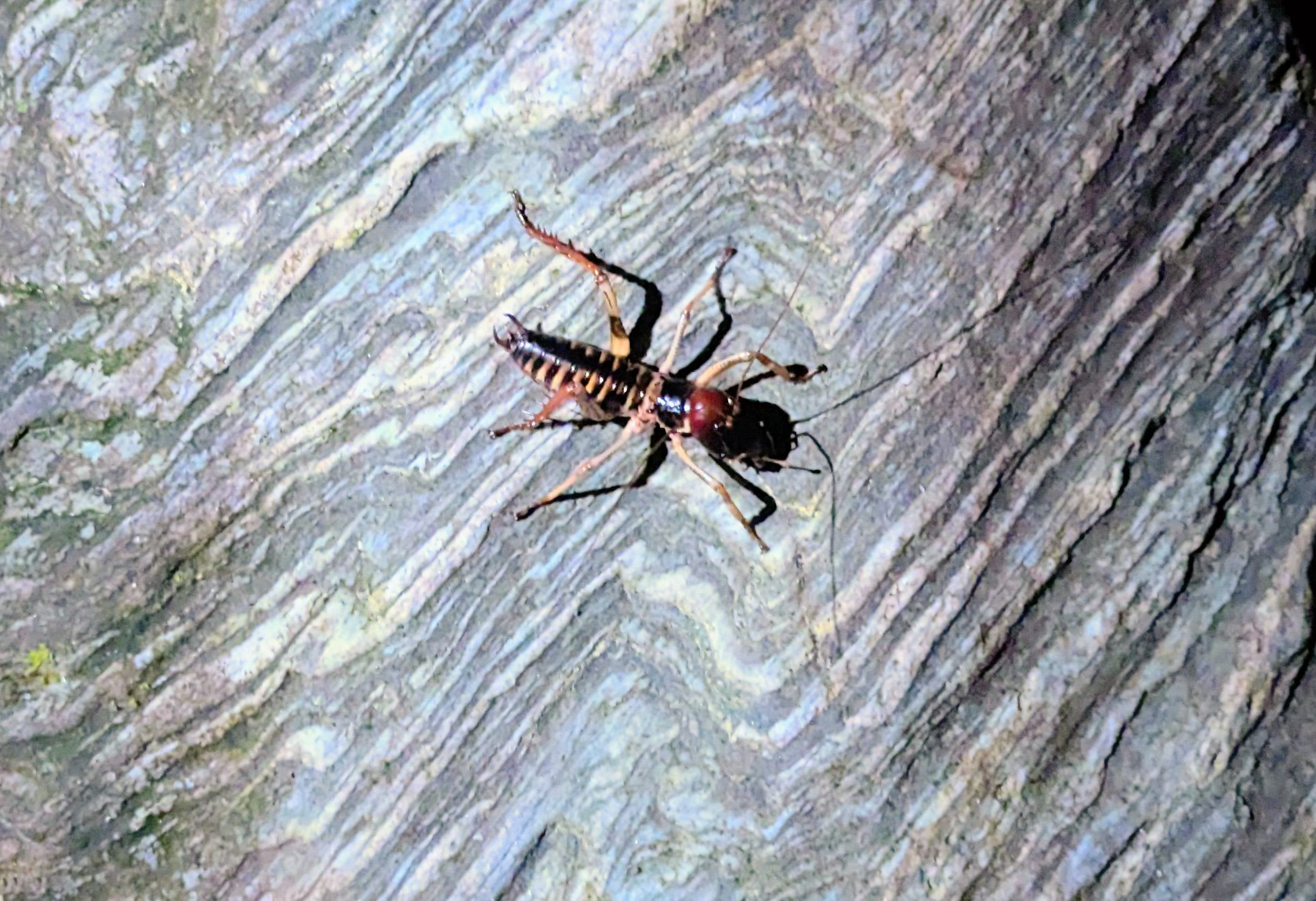
The glacier here carries a dual history. It was named by the explorer Julius von Haast in 1865 after the Emperor of Austria, Franz Joseph I. But to the Maori, it is Kā Roimata o Hine Hukatere—The Tears of Hine Hukatere, frozen as they fell for her lost lover who fell from the peaks. I checked into the Haka House. My roommates—a German and an American—wanted to see glow worms. We didn’t book a tour; we just walked into the dense bush on the edge of town. In the pitch blackness, thousands of Arachnocampa luminosa lit up the damp earth. It wasn’t the commercial display of the Waitomo Caves; this was wild and quiet. A galaxy of blue stars in the undergrowth, created by larvae spinning sticky threads to catch prey in the dark.
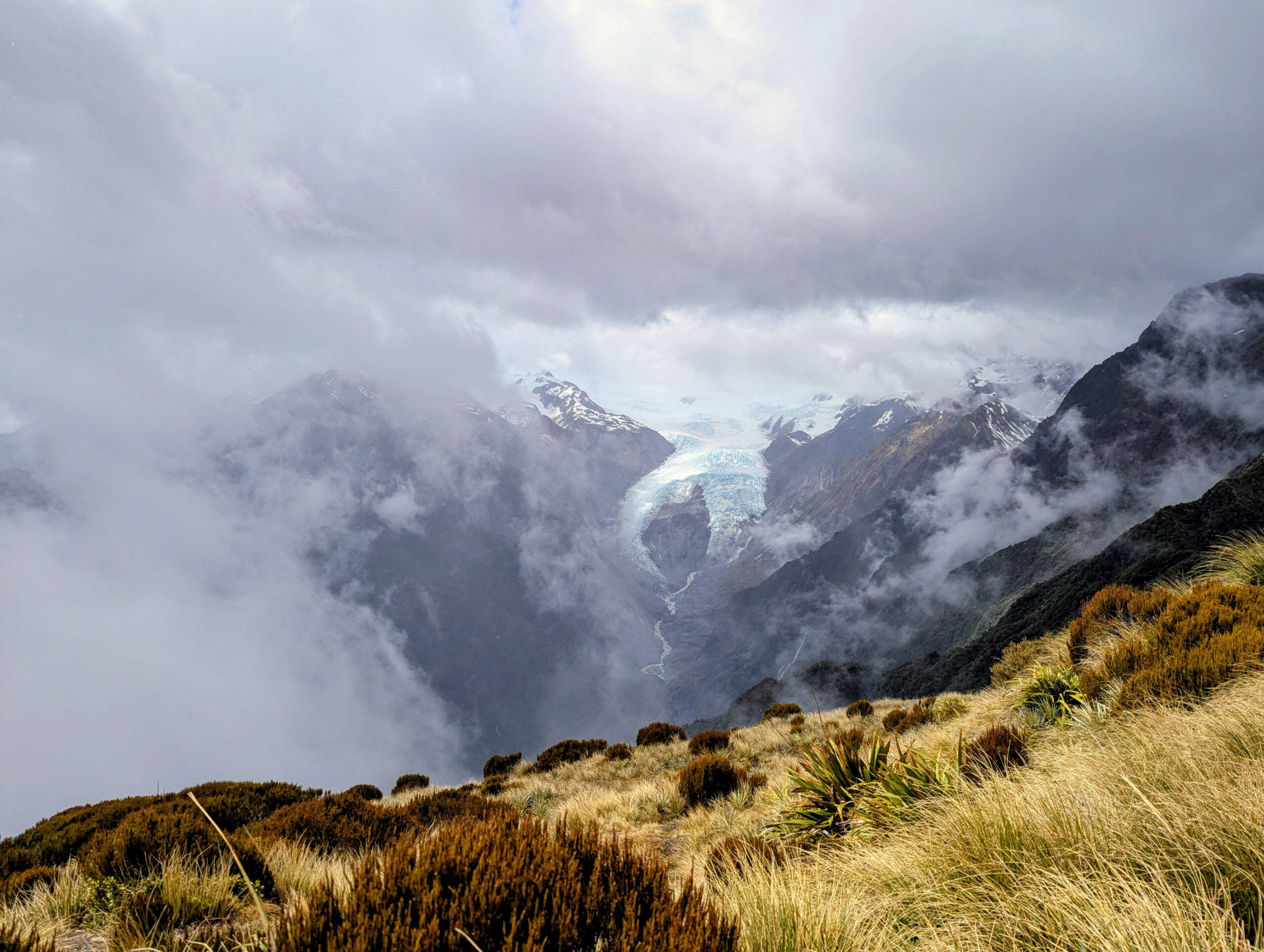
The next morning, I hiked the Alex Knob track with an Australian ranger I’d met. We started at 7:00 AM, climbing through the soaking rainforest. We sat at the summit for three hours. I wasn’t cold—just patient. The clouds teased us, lifting just enough to show a flash of the blue glacier ice before slamming shut again. I moved to the Rainforest Retreat that evening, treating myself to the jacuzzi to wash off the mud and frustration.
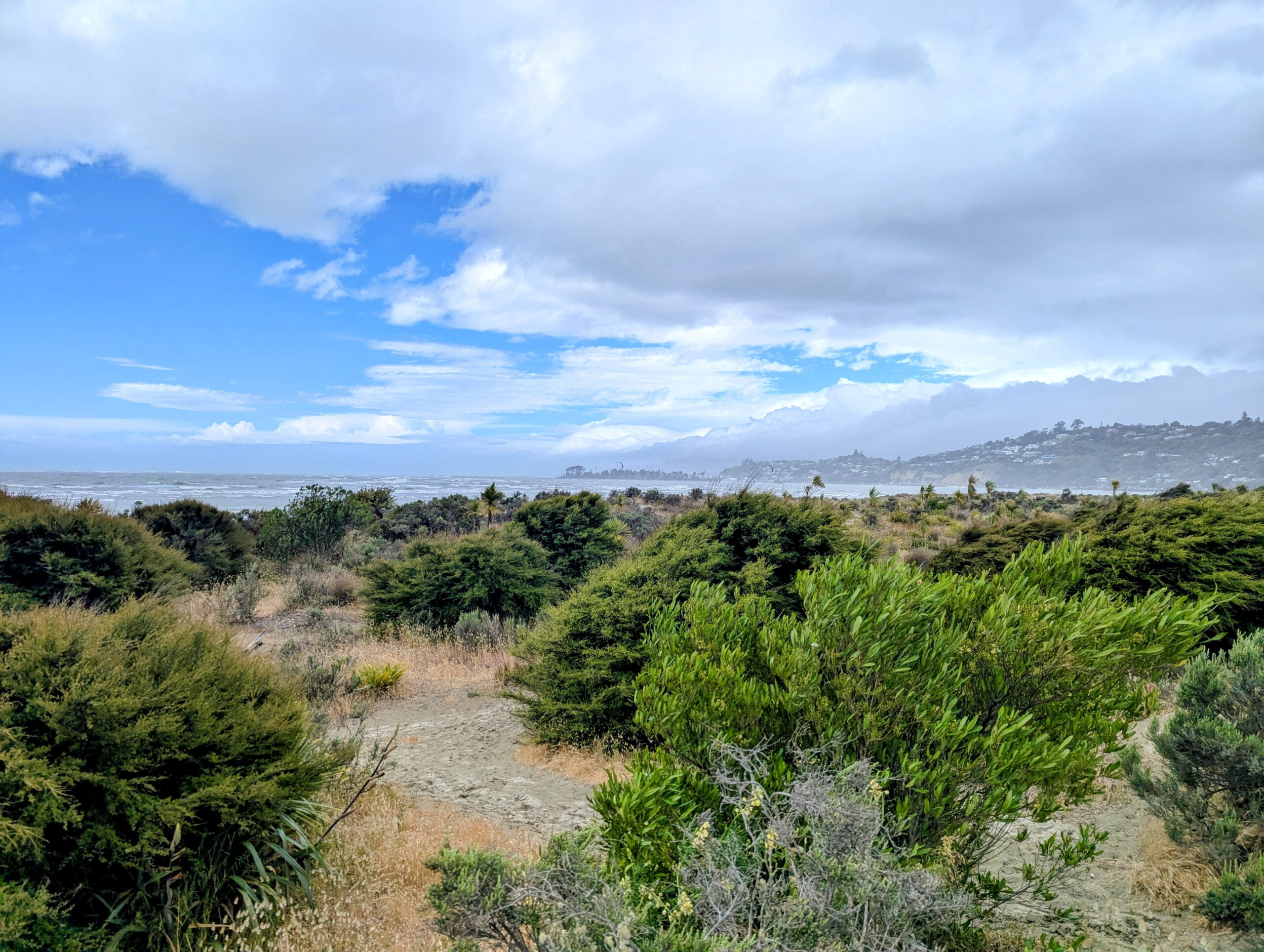
The Blockade
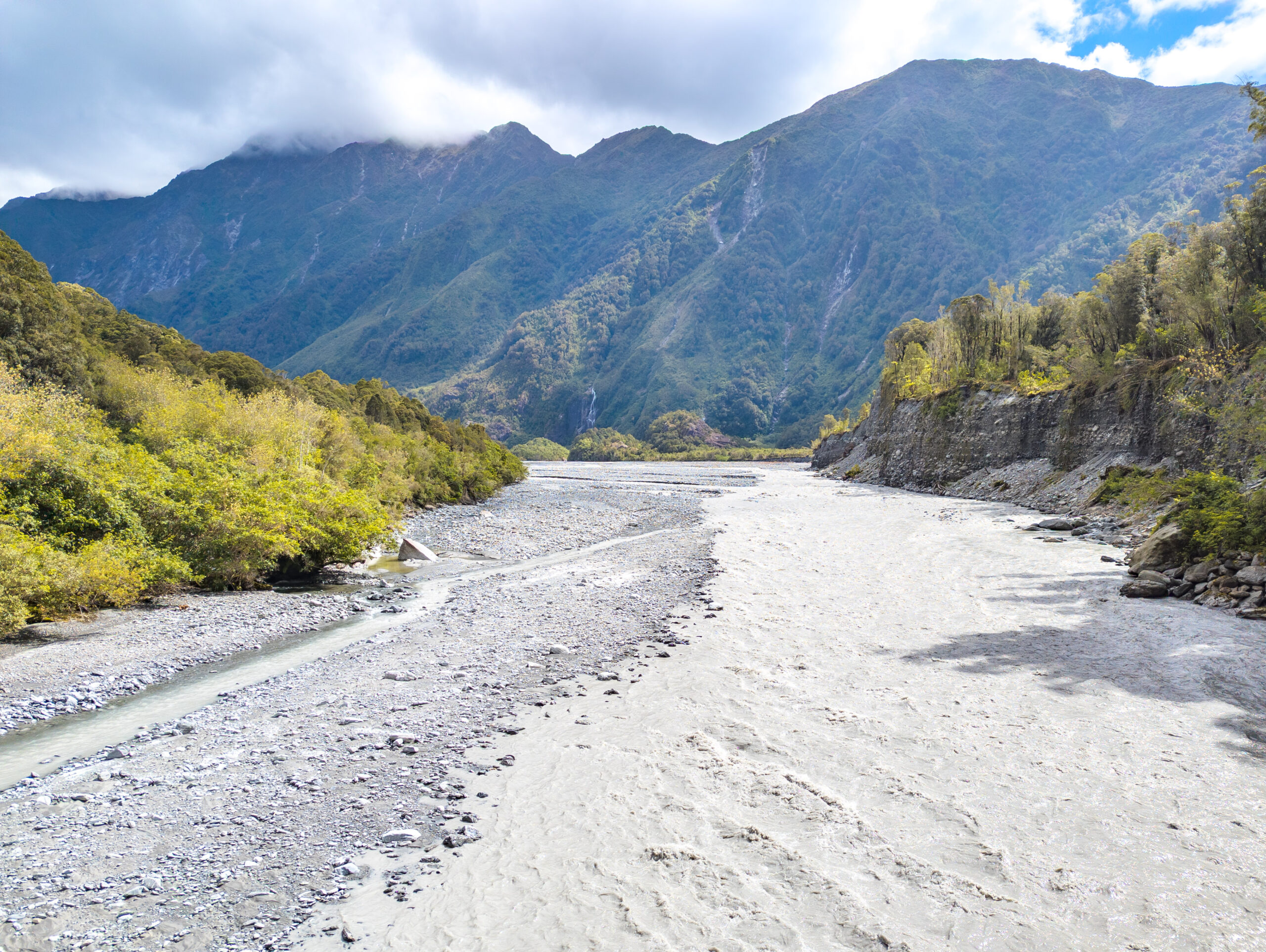
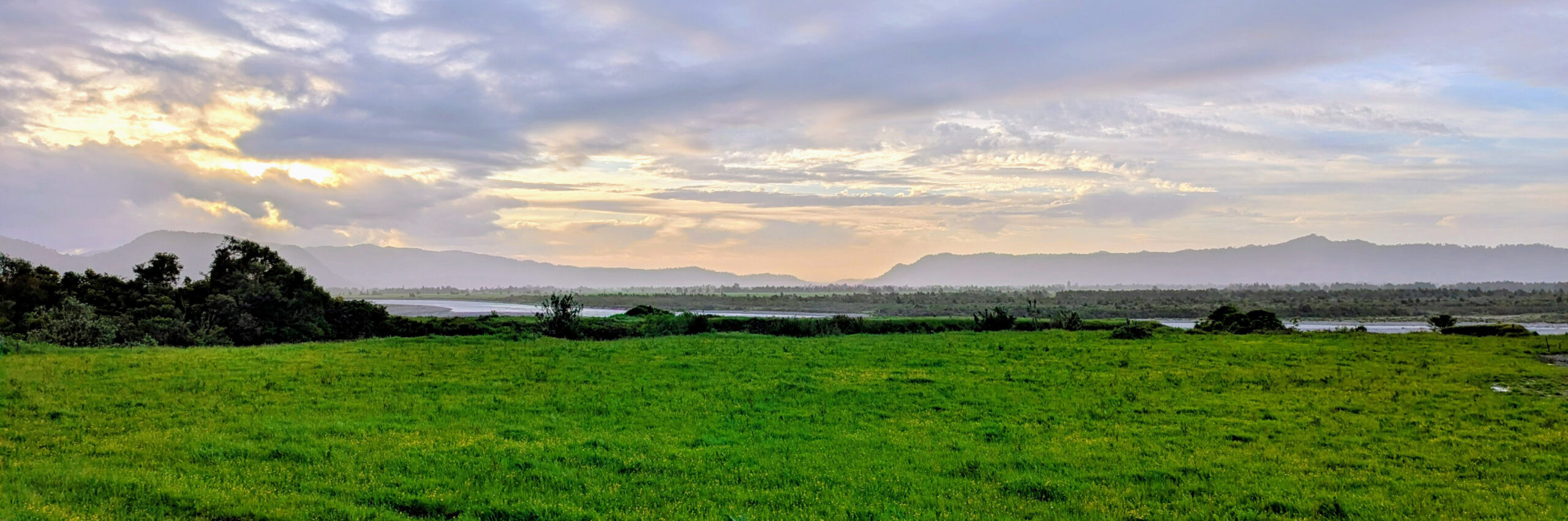
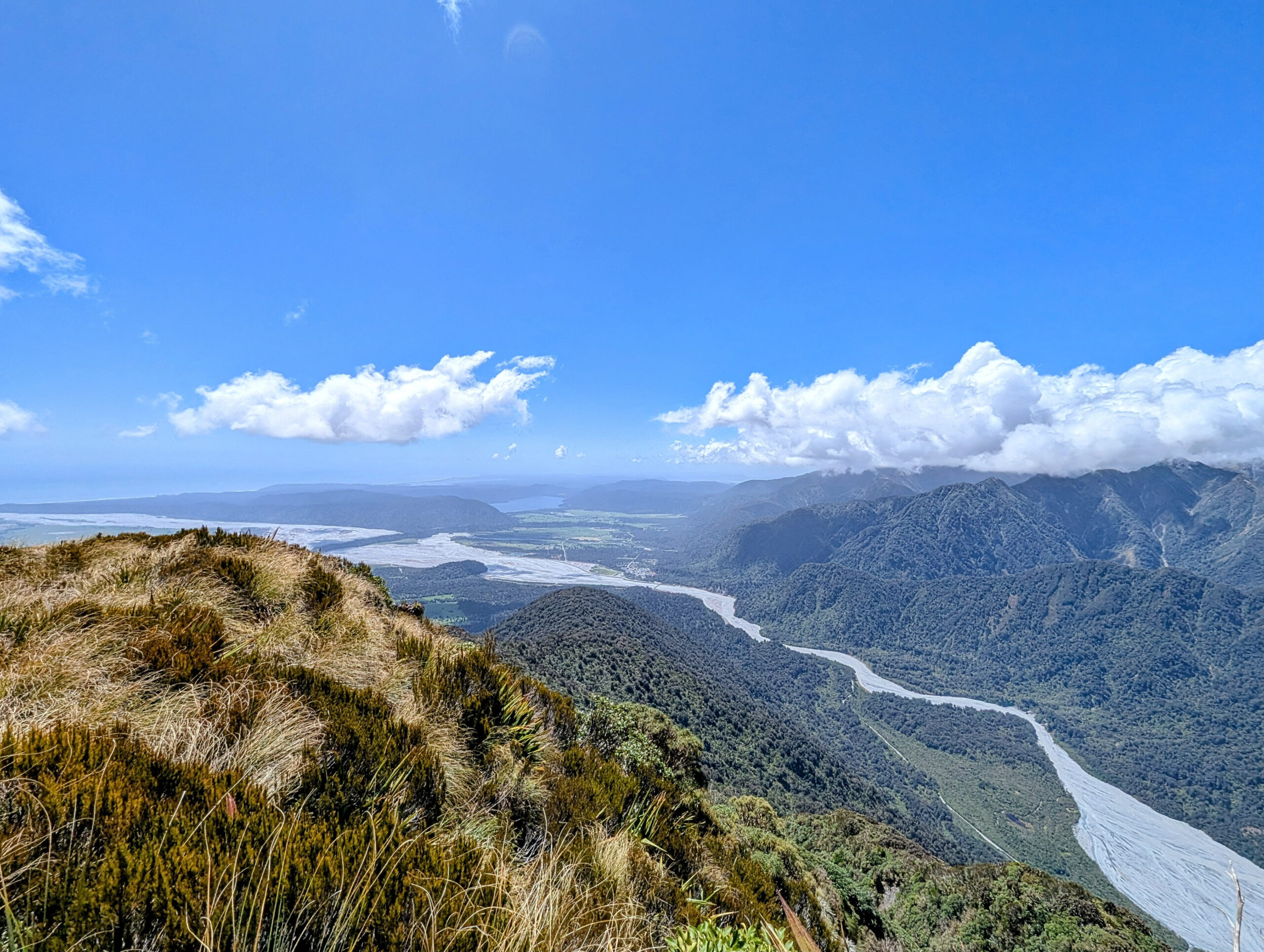
On November 29th, the road to Wanaka threw a final hurdle. A truck had crashed on the Haast River bridge, blocking the only route south. The police closed the road. I parked and walked into the roadside café. It was packed with stranded travelers. I squeezed onto a bench next to a guy who turned out to be Swiss, from the Jura region. We spoke English. He had been traveling for three months, renting a car like me, but moving at a drift compared to my sprint. He had arrived early in the morning, seeing the truck stuck on the bridge. We ate burgers, swapped stories, and watched the weather turn. The rain stopped. The sun broke through, turning the wet asphalt into rising steam.
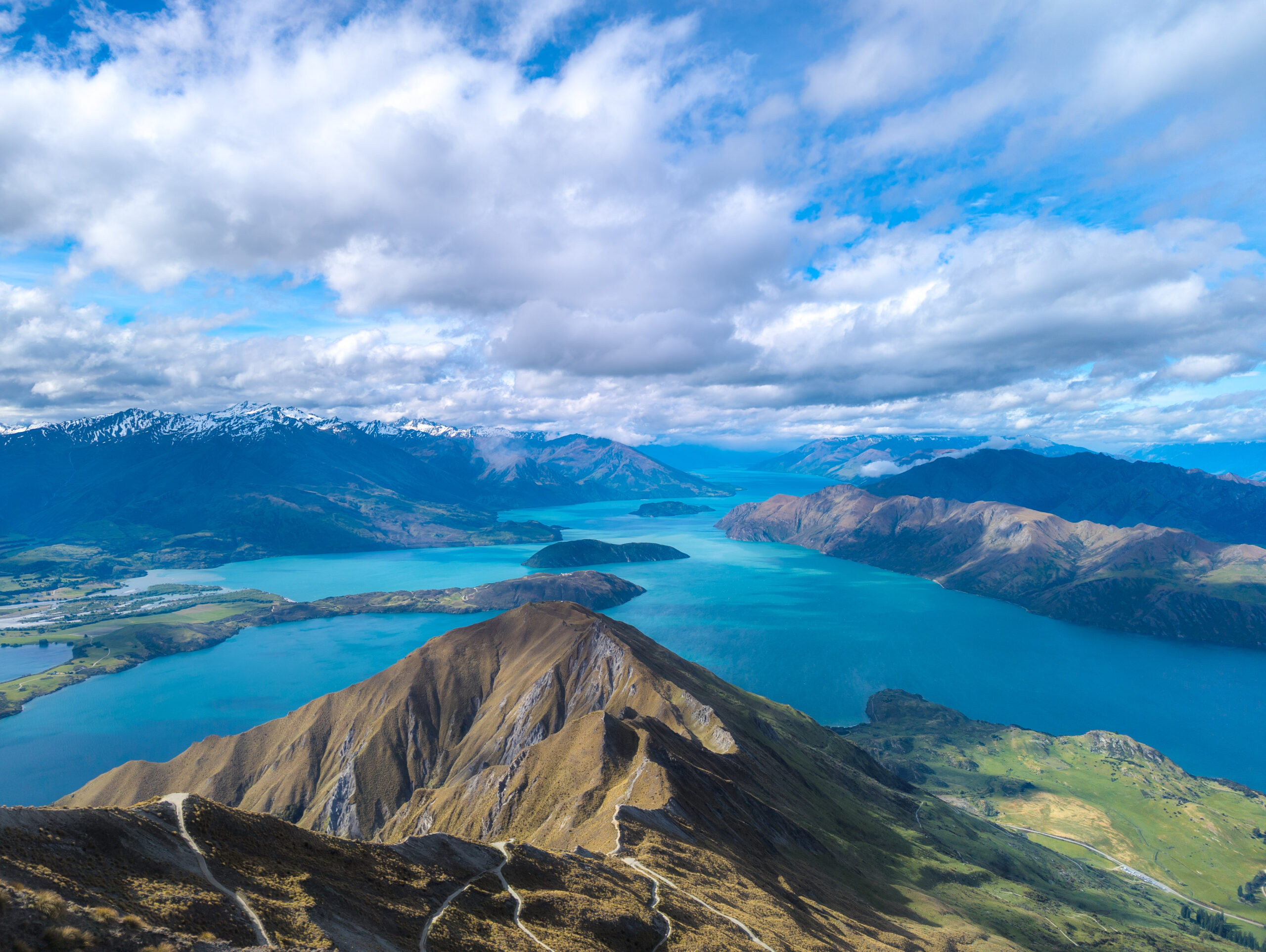
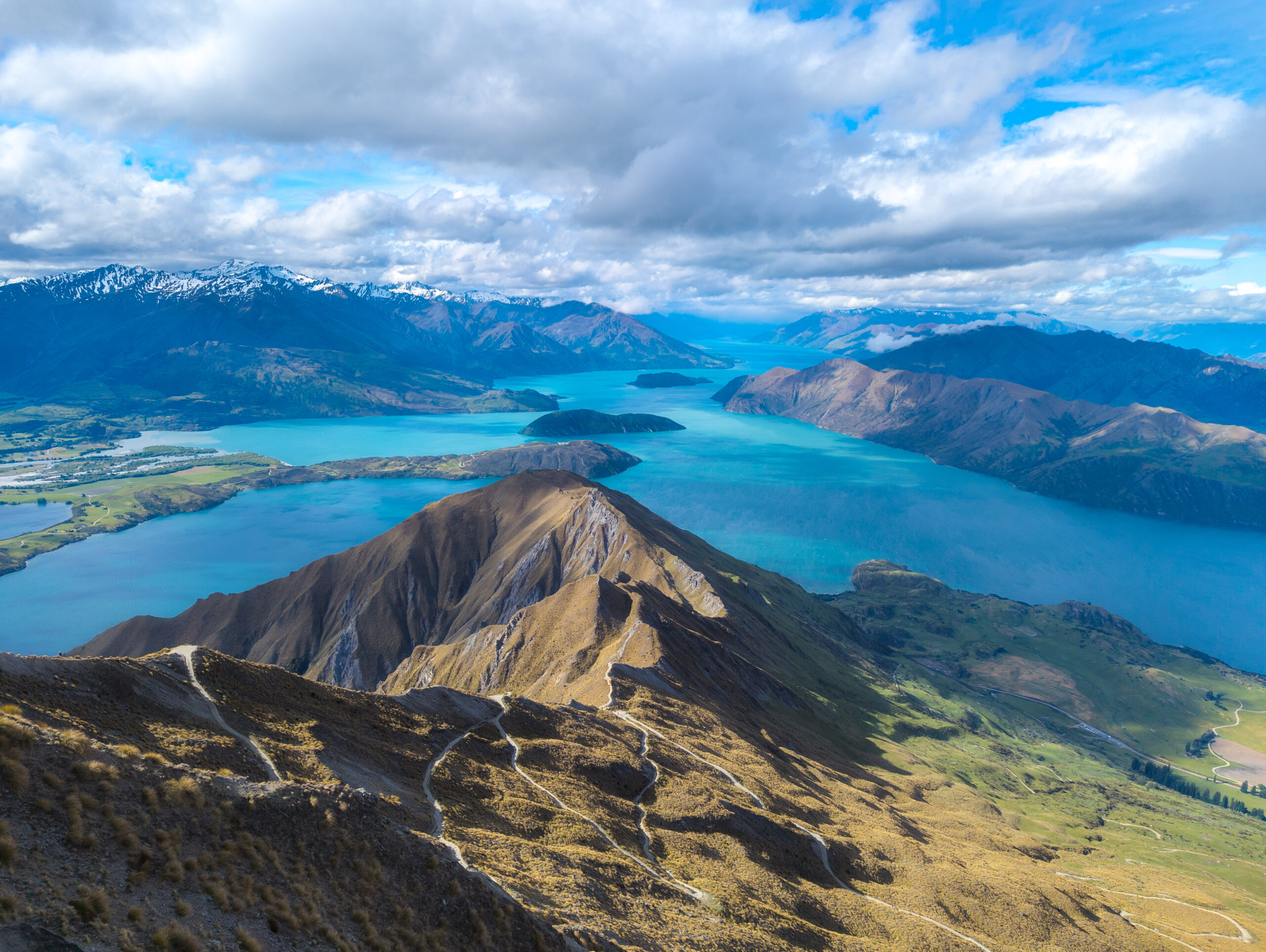
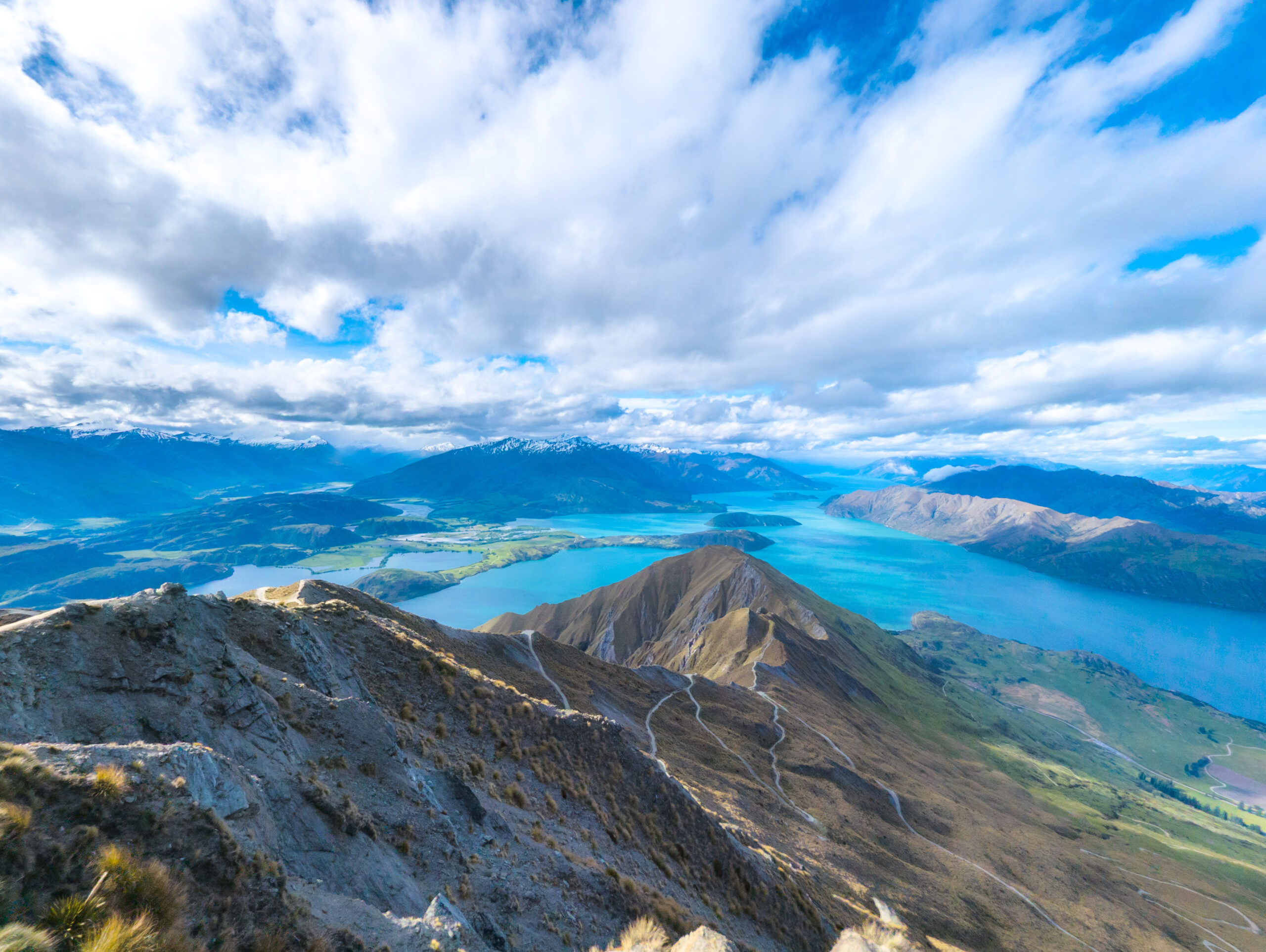
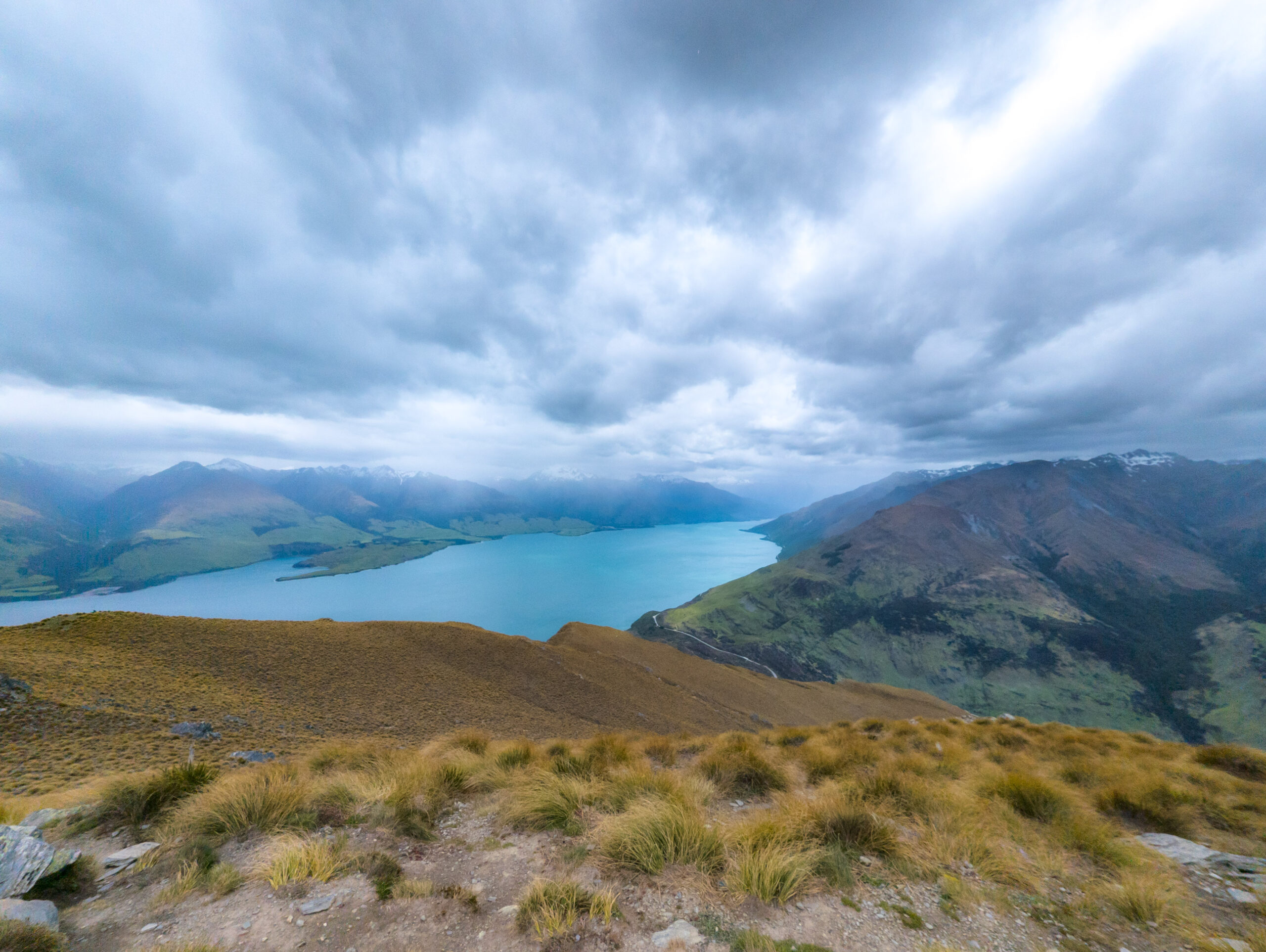
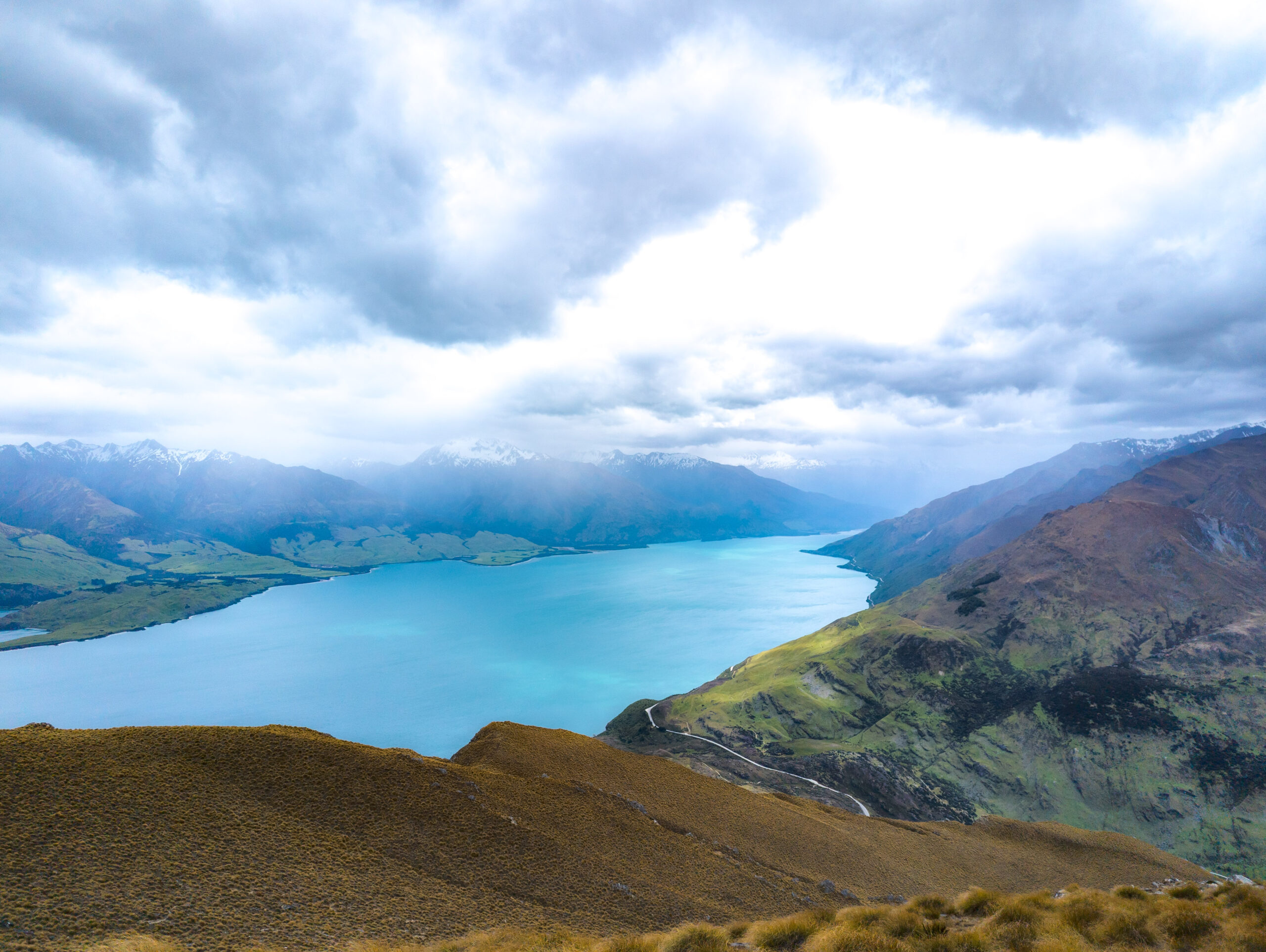
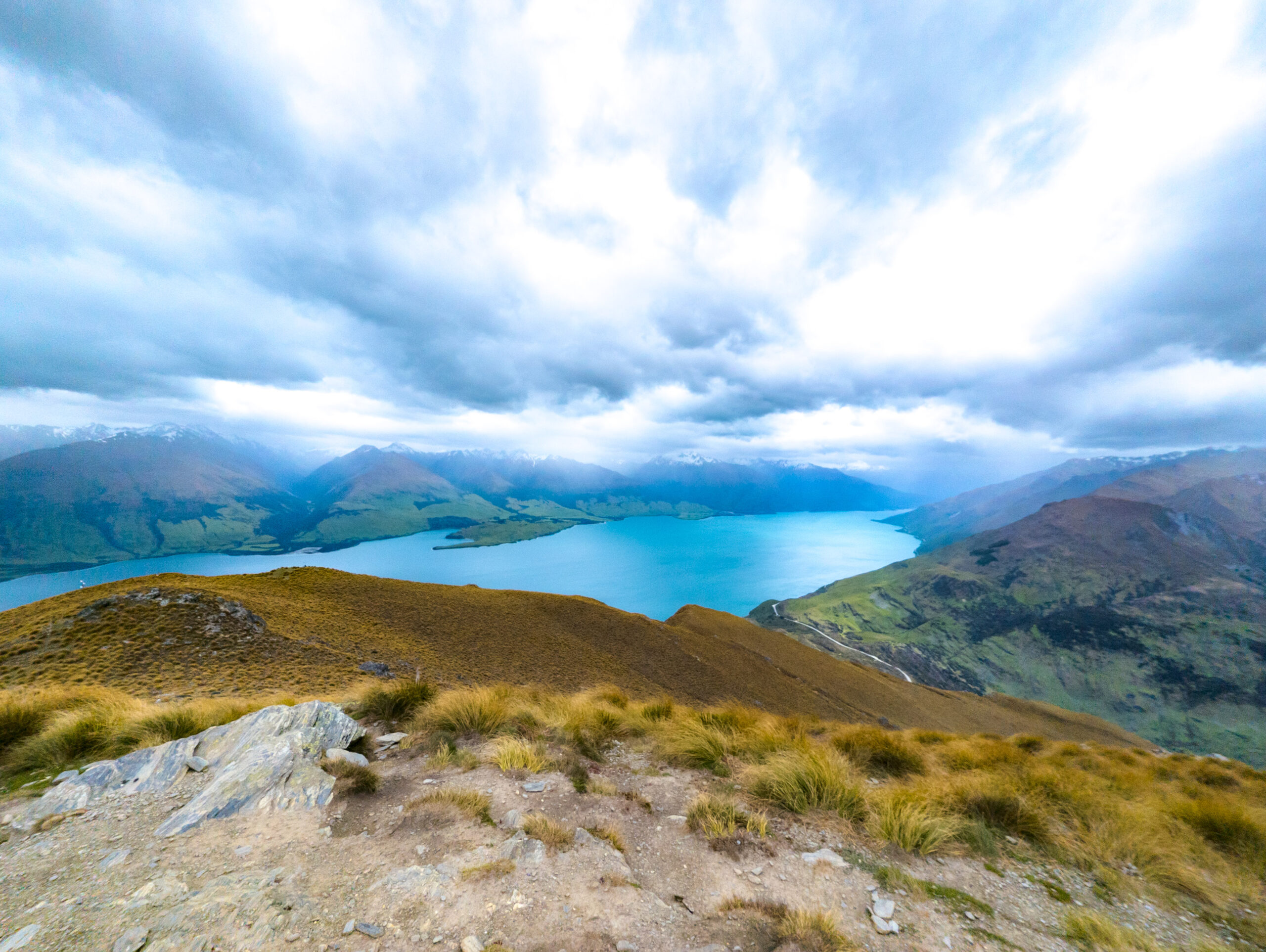
When the bridge opened at 11:00 AM, I was back in gear instantly, making stops along the pass to admire the waterfalls that were roaring from the rain. I arrived in Wanaka, a town steeped in the history of the Otago gold rush, originally named Oanaka—the place of Anaka, a Maori chief. I checked into the Haka House and immediately looked up at Roy’s Peak. It is a steep, relentless ascent. The guidebooks suggest five to six hours. I speed-hiked it in 1 hour and 40 minutes.
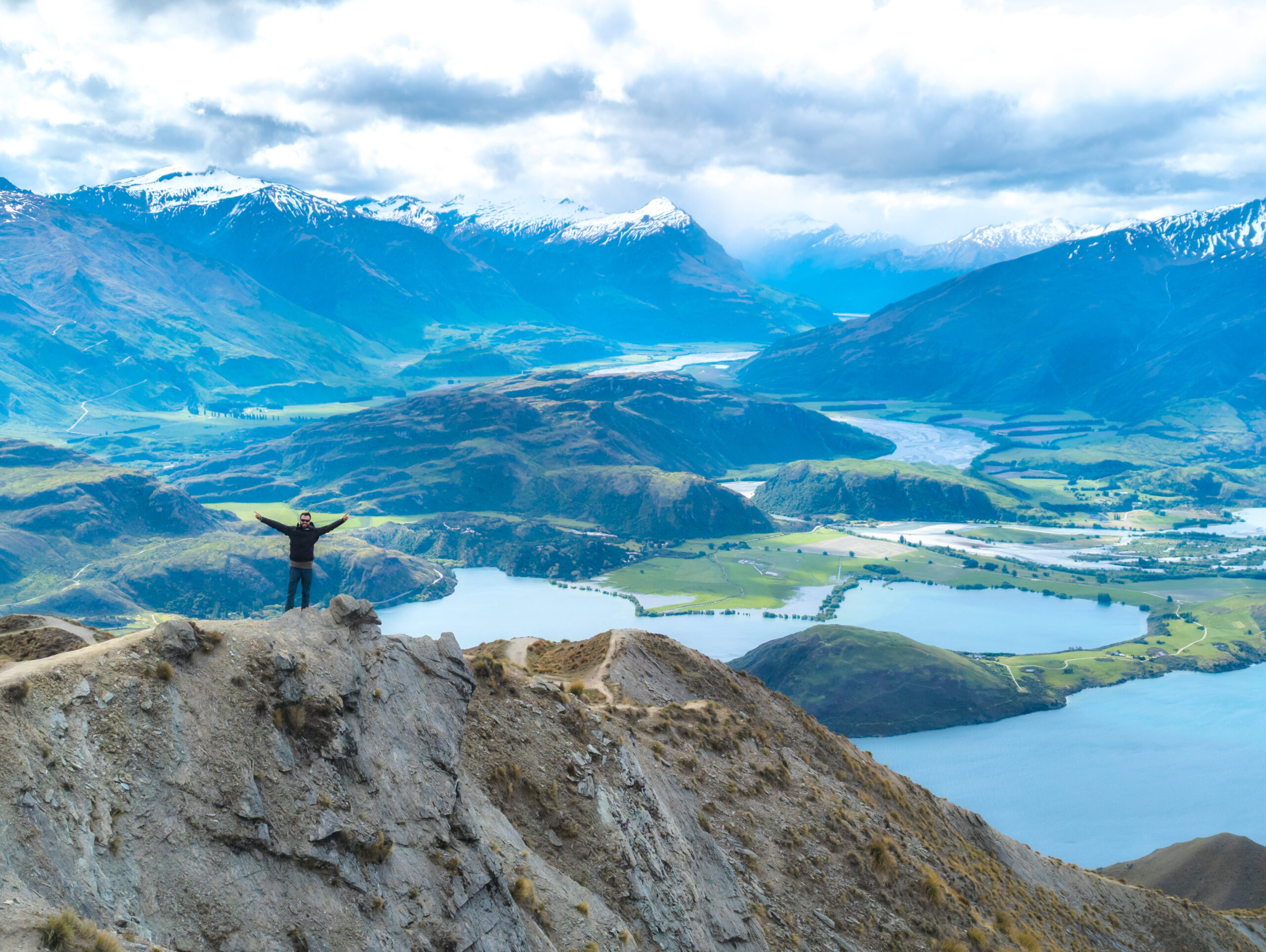
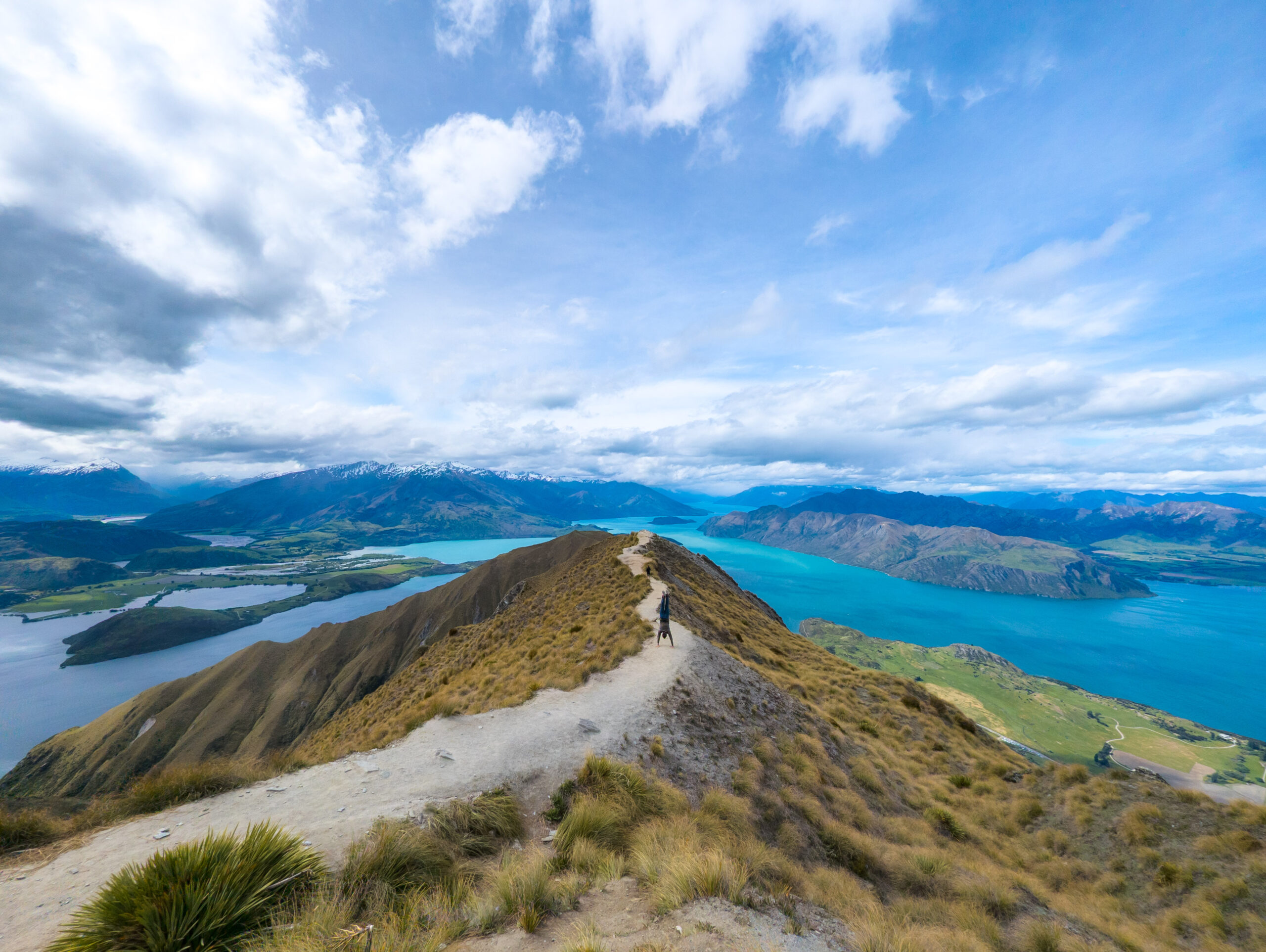
At the summit, I had the view to myself for an hour. On the descent, I fell into step with three American women from San Francisco. They were tech investors, staying in high-end luxury, inhabiting a different world than the hostel dorms I was used to. One of them told me a story that jarred me: her parents loved hiking, but during a family trip to China, the children were too young or tired to walk the steep paths. So, the parents hired porters to carry her and her siblings up the mountain on bamboo chairs so the children wouldn’t have to walk. She showed me the photos—men straining under the weight of wealthy tourists. She is incredibly fit now—she recently ran a 100km ultramarathon in Patagonia—but looking at the photo, the contrast was sharp. We were on the same mountain, looking at the same view, but we had arrived there from different planets.
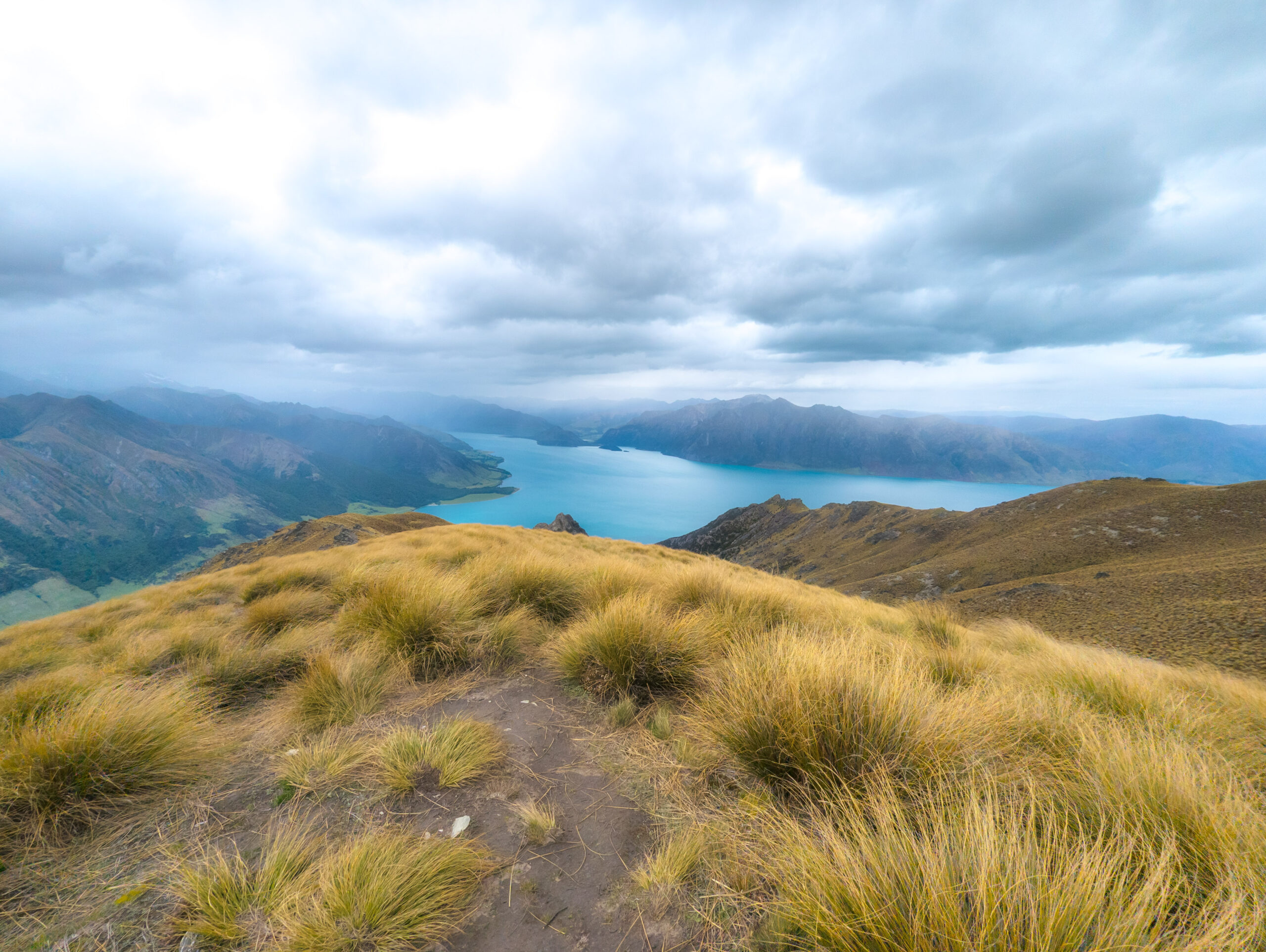
On the way down Roy’s Peak, I had briefly met a Chinese girl. The next morning, over breakfast at the hostel, I saw her again. I was heading to Isthmus Peak and invited her along. The track was officially closed—perhaps for lambing season—but we decided to go anyway. She didn’t use WhatsApp, so we exchanged emails to coordinate. She wasn’t prepared for the pace or the terrain. She struggled with blisters quickly. I hiked ahead to the summit, making good time. I waited at the top for an hour in the cold wind, checking my phone. Finally, an email came through: she couldn’t make it. She was turning back.
I started my descent, moving fast. Halfway down, I found her hobbling on the trail. We finished the walk together, her feet battered but her spirits surprisingly high. Back at the hostel, I cooked 600g of meat, refueling for the next leg. I booked a combo ticket for Queenstown: the highest bungee jump in New Zealand and the Shotover Jet. The quiet days of waiting for wind were over. It was time for gravity.



NEW ZEALAND SOUTH ISLAND (PART 4) FINANCIAL SUMMARY AND TRIP EXPENSES
Protected Financial Summary
Enter password to unlock the comprehensive cost breakdown and itemized receipts.
The Takeaway:
New Zealand is a land of friction. The tectonic plates grind together to make the mountains; the wind grinds against the sea to make the waves. My first week on the South Island was a lesson in that friction. You can bring your schedule, your fast car, and your speed-hiking lungs, but you cannot outrun the weather, and you cannot dictate terms to the ocean. You just have to hold on and enjoy the ride.