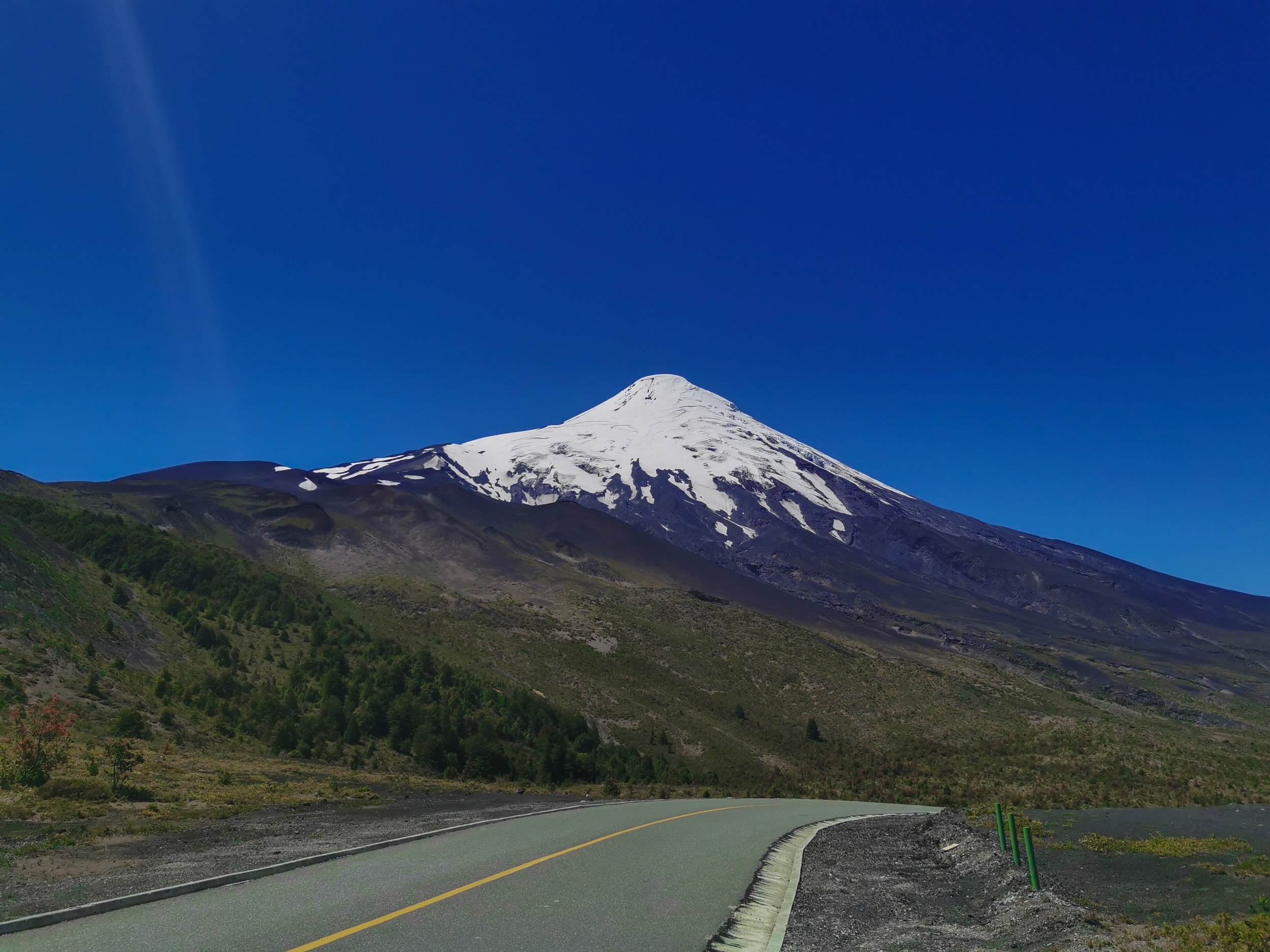
Volcán Osorno is widely regarded as the most recognizable volcano in Chile, standing as an almost perfectly symmetrical cone rising 2652 meters above the shores of Lake Llanquihue and Lake Todos los Santos. Visible across the entire Lake District from Puerto Varas and Frutillar, its glaciated summit provides an iconic alpine objective in the northern Chilean Andes.
Climbing this active stratovolcano requires glacier travel, mountaineering equipment, and technical alpine routing. Under Chilean park regulations, ascending above the snowline is permitted only with a registered mountain guide or official proof of membership in an recognized alpine club. That is why I undertook this climb with a certified mountain guide.
| Location | Vicente Pérez Rosales National Park, Los Lagos Region, Chile |
| Activity Type | Guided Glacial Alpine Climb |
| Elevation Gain | 1400 m ascent |
| Highest Point | 2652 m (Volcán Osorno Crater Rim) |
| Duration | 7 to 9 hours round trip |
| Difficulty | Strenuous Alpine (Crampons, ice axe, rope team required) |
| Trailhead | Centro de Ski Volcán Osorno |
| Best Season | December to March |
| Date Visited | December 23, 2021 |
TRAILHEAD AND PLANNING LOGISTICS
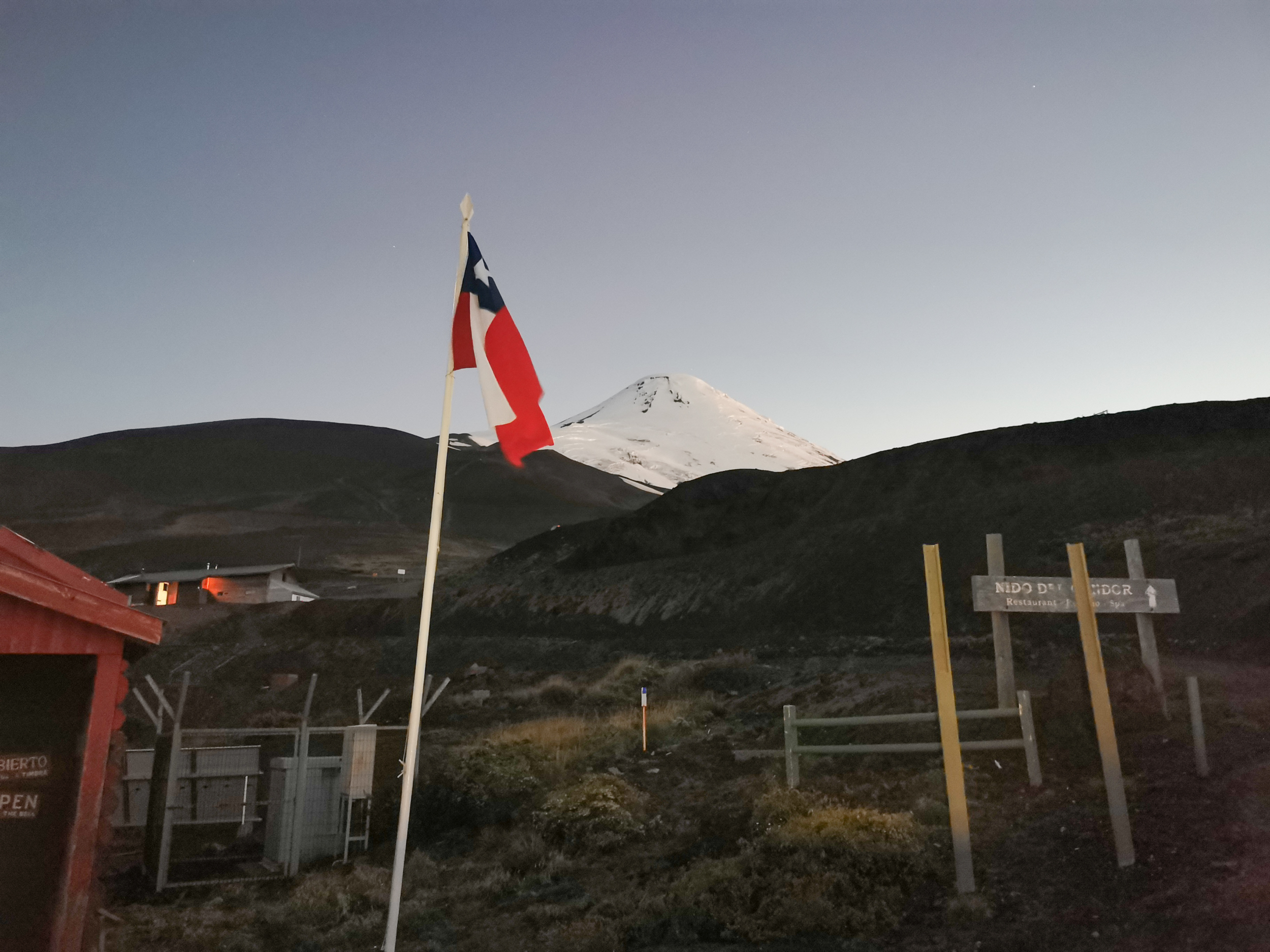
The standard climbing route starts at the Volcán Osorno Mountain Resort and Ski Center, located at 1240 meters on the volcano southern flank. The resort is accessible via a paved mountain road branching off the coastal highway around Lake Llanquihue from Ensenada. Most climbs begin well before dawn to take advantage of firm, frozen morning snow conditions.
Because the upper mountain is covered in crevassed glacial ice and hard packed firn, all climbers must carry steel crampons, a technical ice axe, climbing harness, and helmet, moving in roped teams across the glacier.
THE ROUTE AND TRAIL REPORT
Volcanic Ash to Snowline: Leaving the ski station, the initial hours climb through steep reddish volcanic scree, loose scoria, and basaltic lava ribs. As altitude increases, the volcanic grit transitions into hard morning snowfields, where climbers rope up and attach crampons.
Glacier Ascent Above the Fog: On the day of my ascent, conditions were exceptional. While the valley below was blanketed under a thick layer of morning fog, the upper mountain enjoyed brilliant, uninterrupted sunshine. Climbing higher opened up a spectacular view over a boundless sea of clouds (Mar de Nubes) with the sharp volcanic summit of Calbuco piercing the white inversion layer in the distance.
The Crater Rim: The final slope steepens as the route weaves through rime ice formations and glacial seracs near the rim. Reaching the 2652 meter summit crest reveals the inactive volcanic crater, offering 360 degree panoramic vistas extending across the Andes to Tronador on the Argentine border.
PRACTICAL TIPS AND ESSENTIALS
Alpine Timing: Begin the climb between four and five in the morning to complete the glacier descent before midday sun softens the snow surface and increases rockfall risk.
Layering: High elevation winds on the crater rim are freezing. Pack a thermal base layer, insulating fleece or down jacket, and a windproof shell alongside glacier sunglasses.
PHOTO GALLERY