On March 20, 2026, I finished work at 1:30 AM and traveled to Zurich for an eye exam to check if a SMILE Pro surgery was an option. After the appointment, I met my college friend Vami at the airport and we flew to Pristina. We rented an apartment right in the city center for 70 euros for three nights. Pristina is a very affordable destination. A standard meal costs around 5 euros, and a burger with fries in a good restaurant is about 4.50 euros. Higher quality meals are also inexpensive. A steak costs around 20 euros, and a traditional Neapolitan wood-fired pizza is 9 euros.
Renting a Car and Logistics
We knew Pristina would not require two full days of sightseeing, so we decided to rent a car immediately to visit Skopje and the Matka Canyon the following day. We rented a car from Sixt. The cost was 50 euros for the day, plus a 40 euro border crossing fee to drive into North Macedonia. There were local companies at the airport offering the same package for 40 euros in total, but we chose Sixt for reliability. The drive from the airport to Pristina took 30 minutes. We parked in an official lot next to our apartment for 7.50 euros. That evening, we ate a quick meal and went to sleep. The streets were quiet and most places were closed, even though Ramadan had just ended.
History and Architecture in North Macedonia
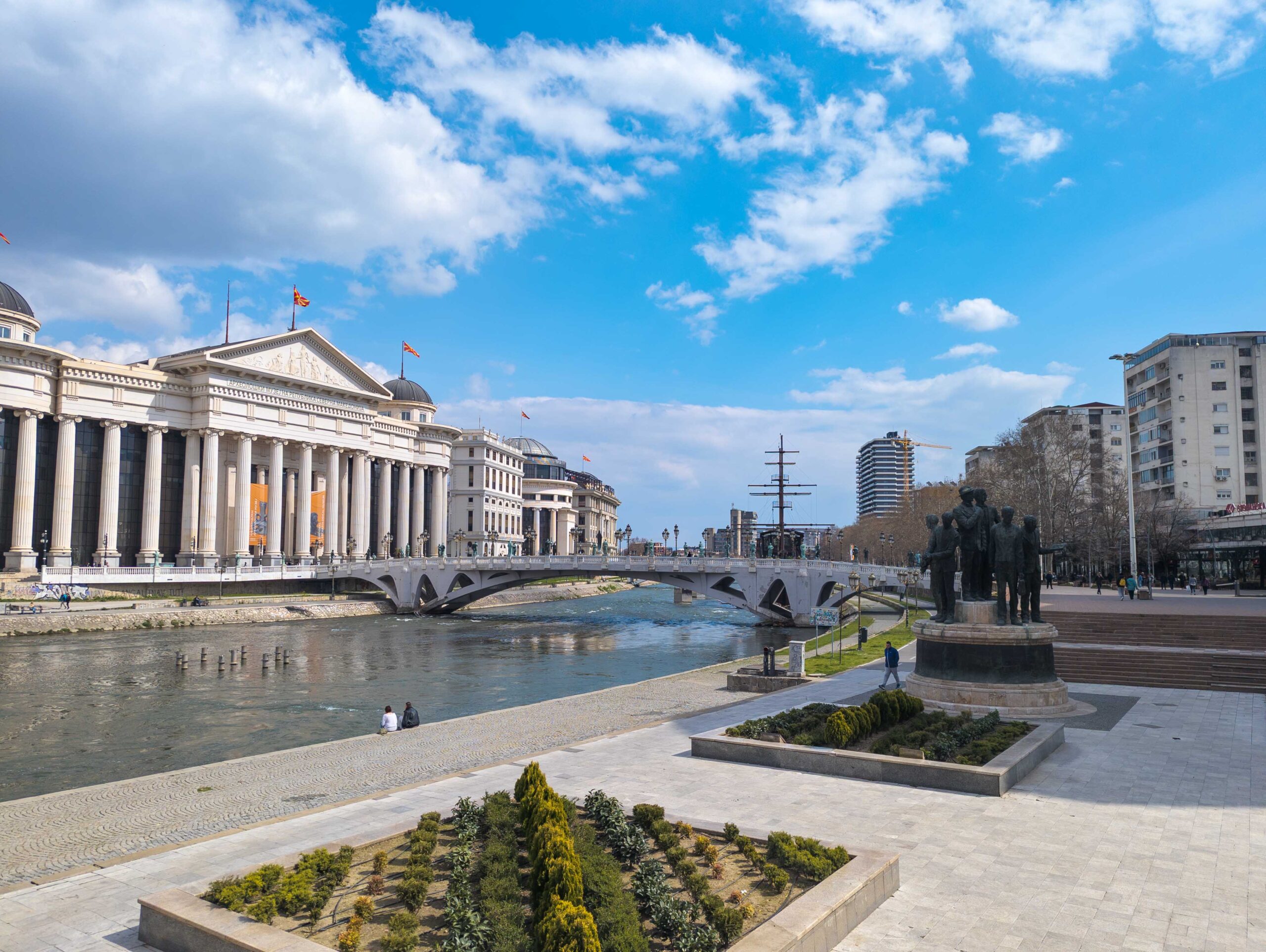
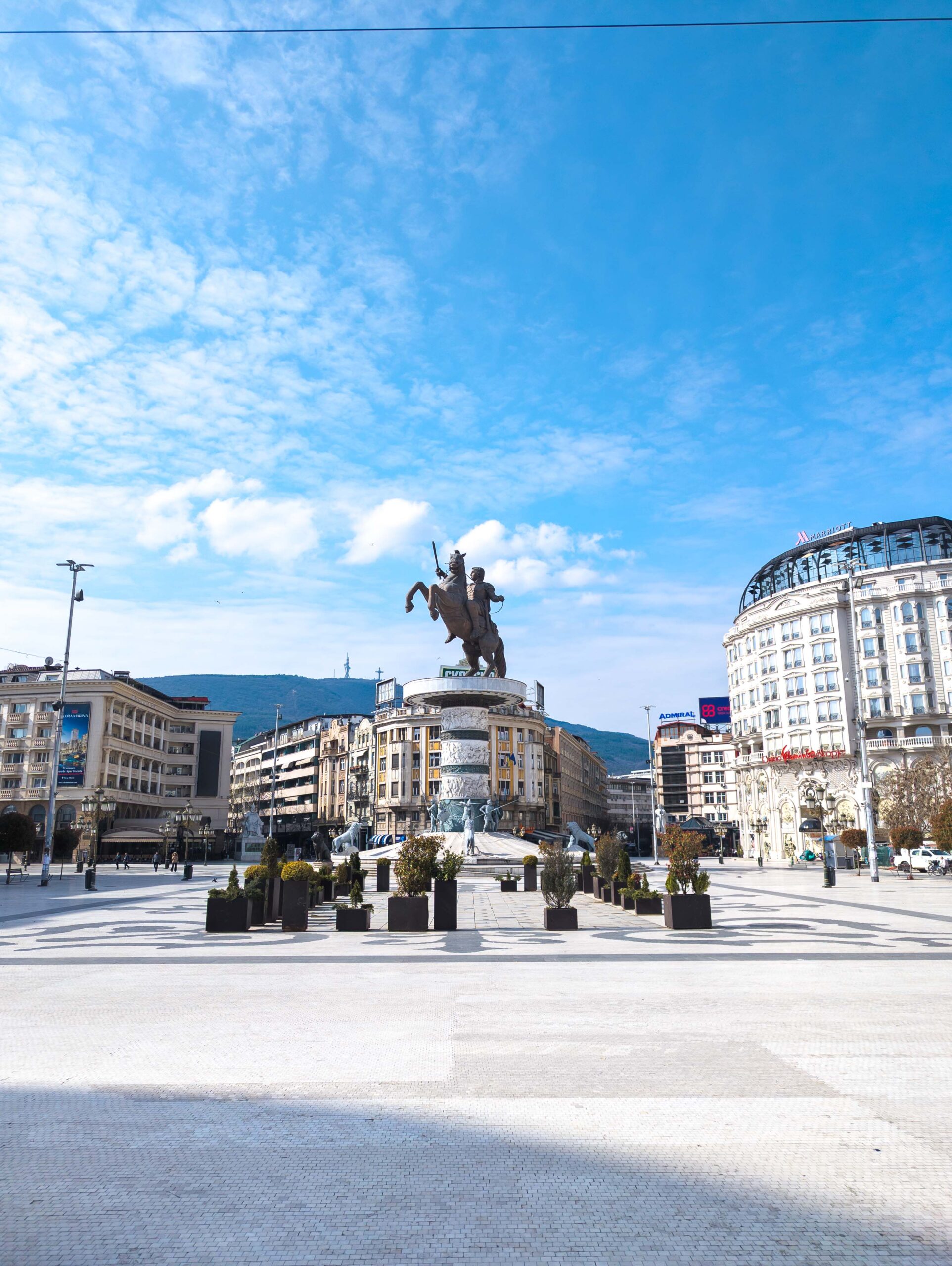
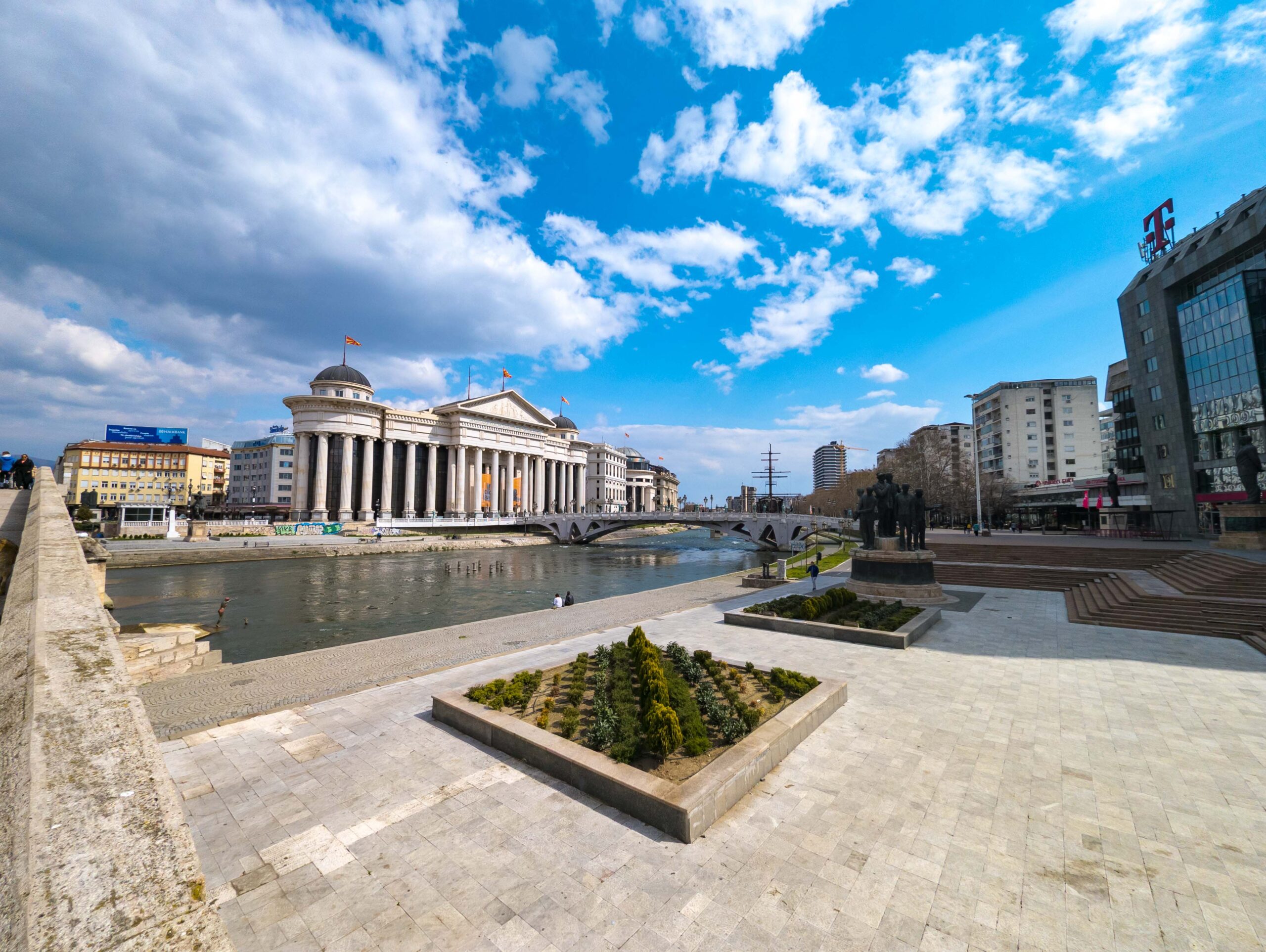
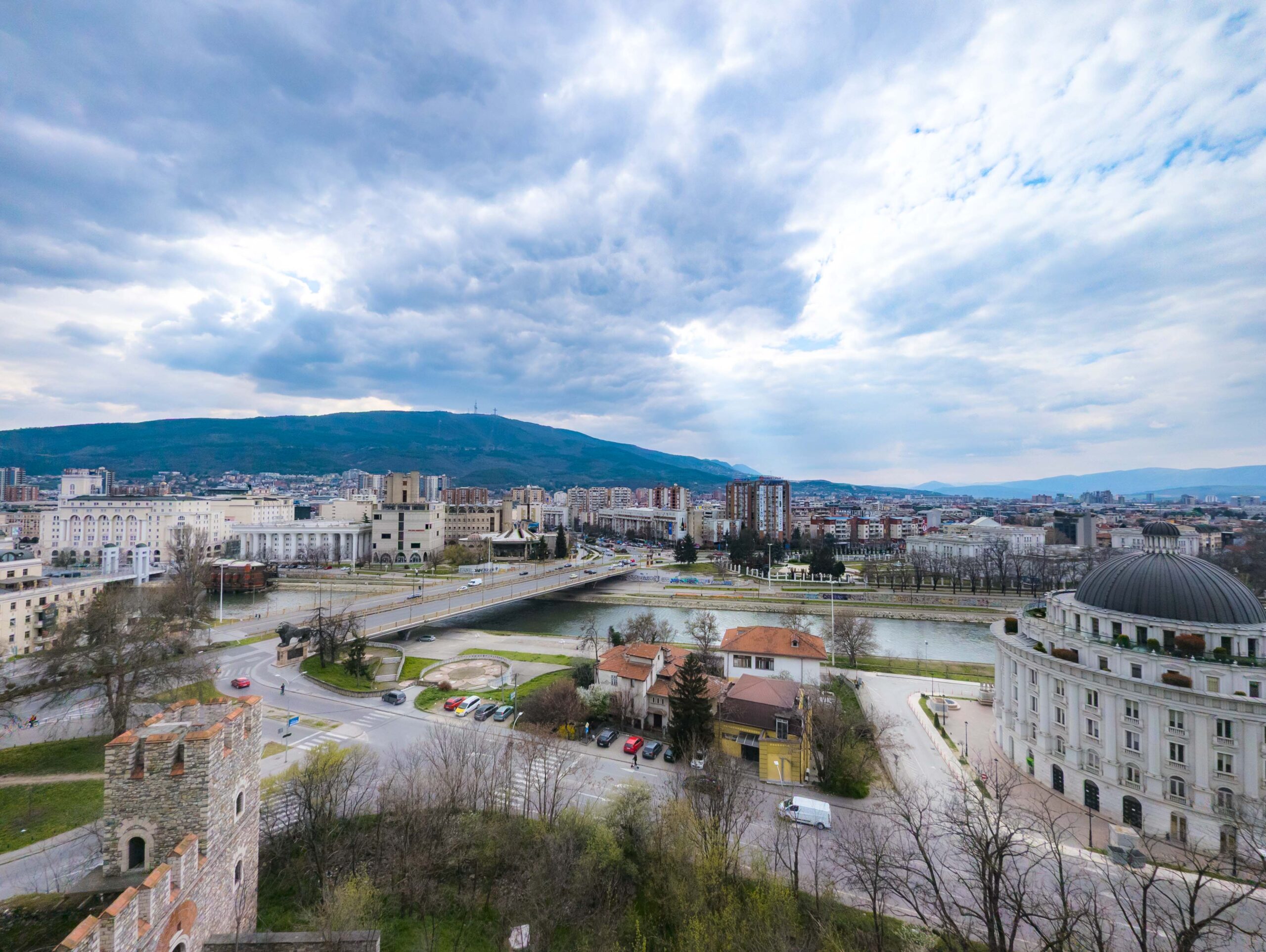
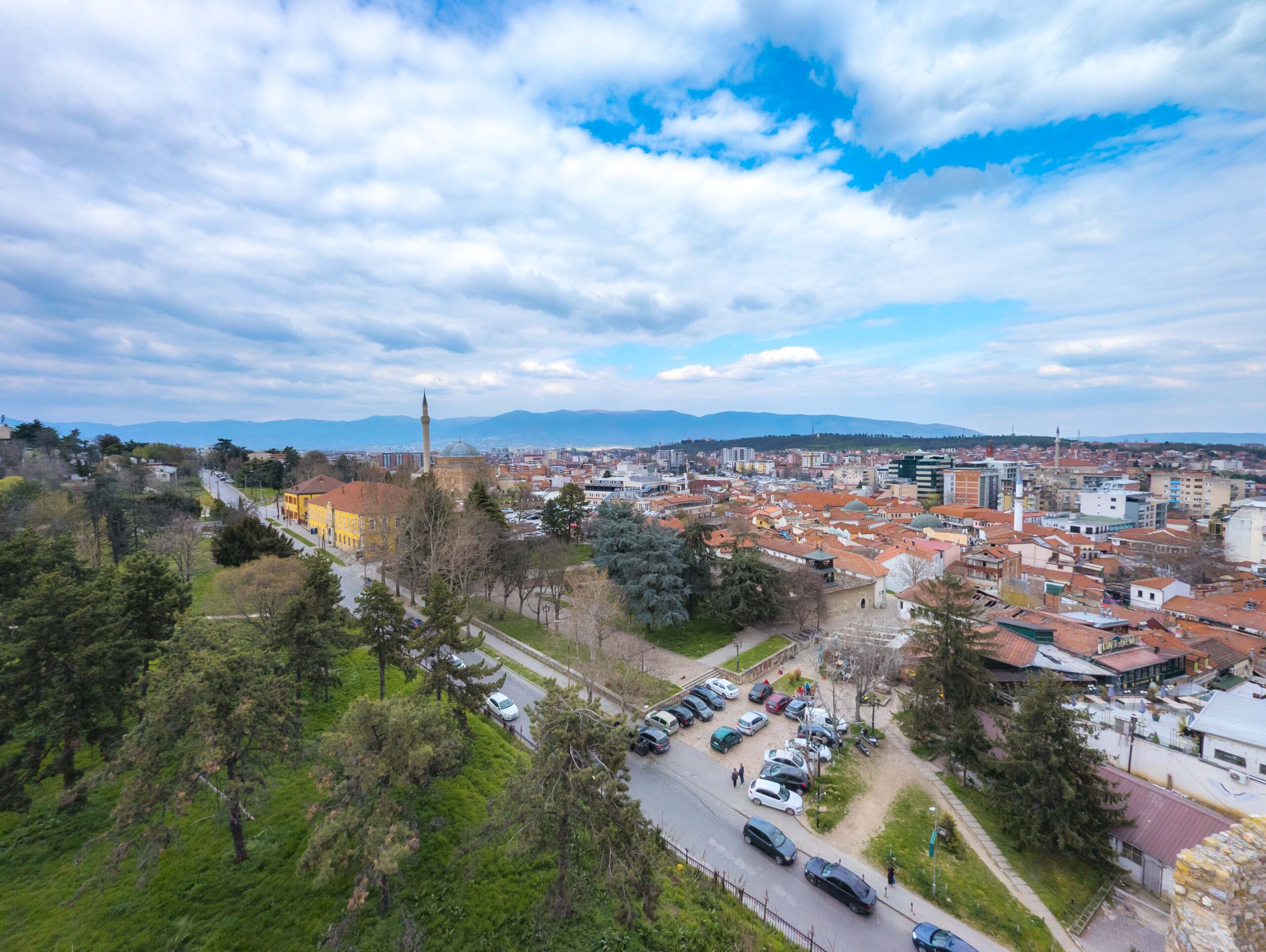
We left for Skopje at 7:30 AM the next morning. The roads were in good condition and the drive was easy. At 10 AM, we joined a three-hour guided city tour. The guide provided extensive historical background on the region. He explained that Alexander the Great originated from the ancient kingdom of Macedonia, which covered this area. Today, a massive statue of him stands in the center of Skopje. The city is also the birthplace of Mother Teresa, and there are memorials dedicated to her throughout the center.
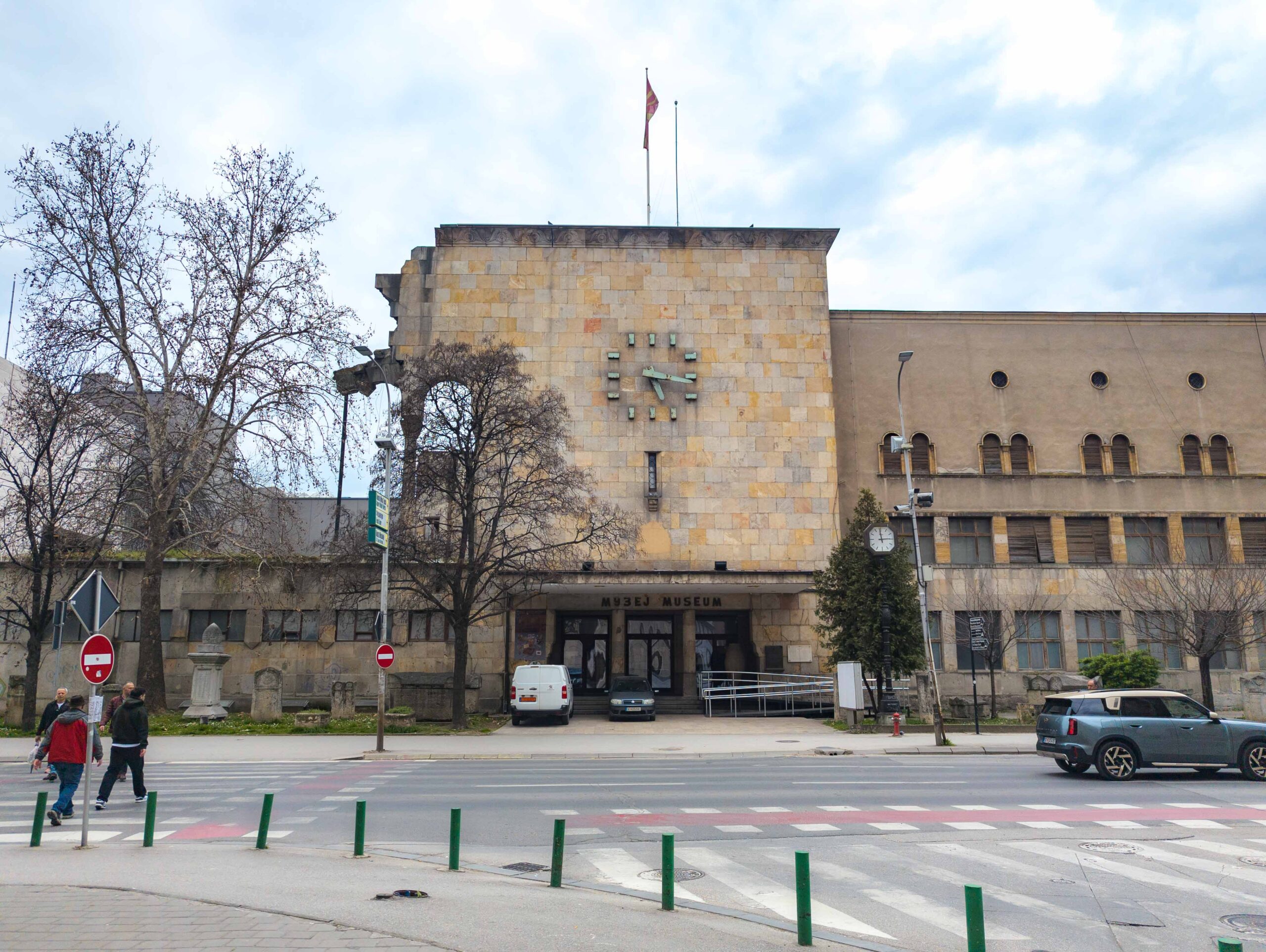
A major focus of the tour was the 1963 earthquake. This natural disaster destroyed roughly 80 percent of the city. The old railway station was heavily damaged but not entirely destroyed. The large clock on the front of the building stopped at exactly 5:17 AM when the earthquake hit. The building now serves as a museum, and the clock remains broken at that exact time as a memorial to the victims.
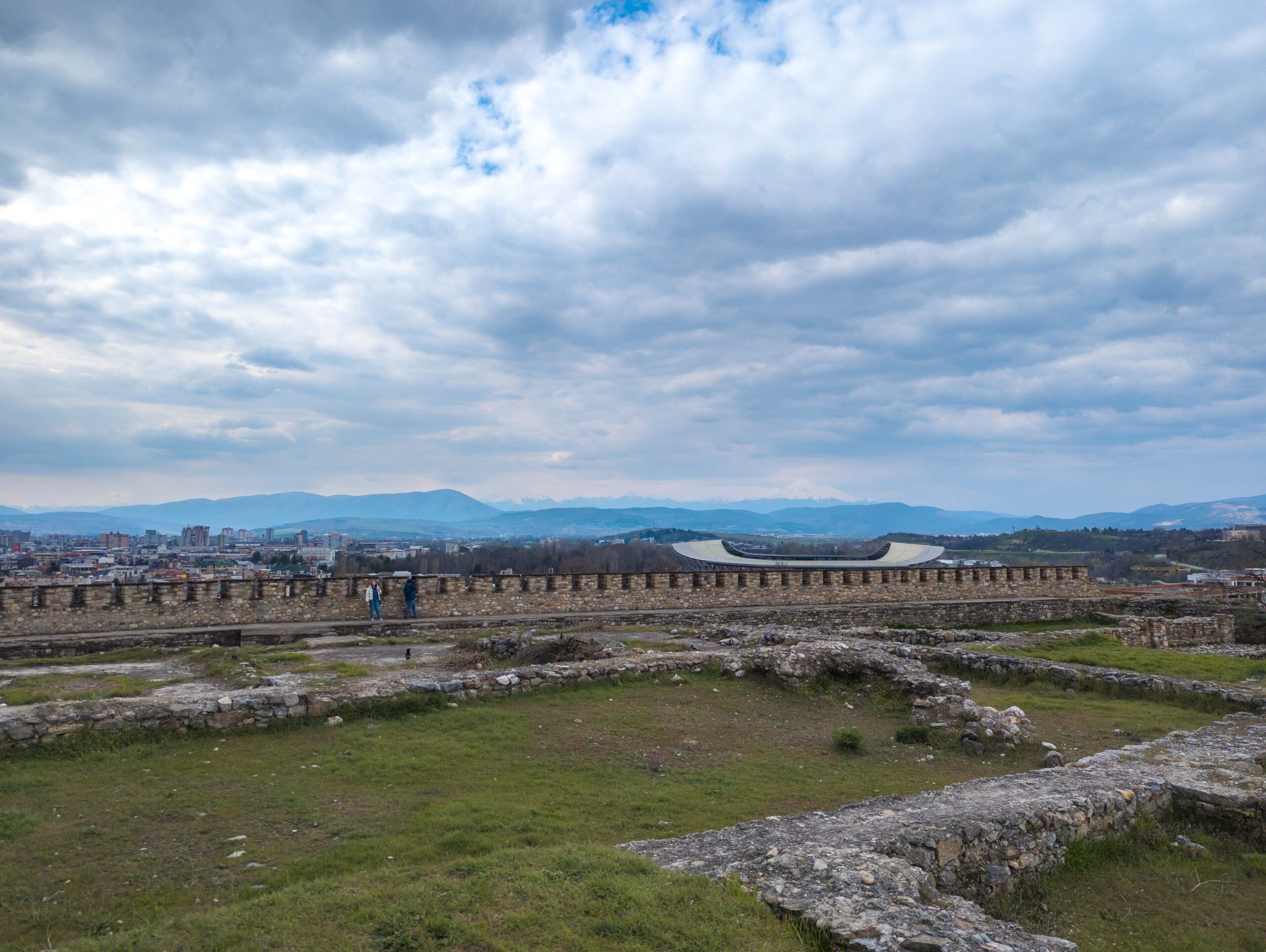
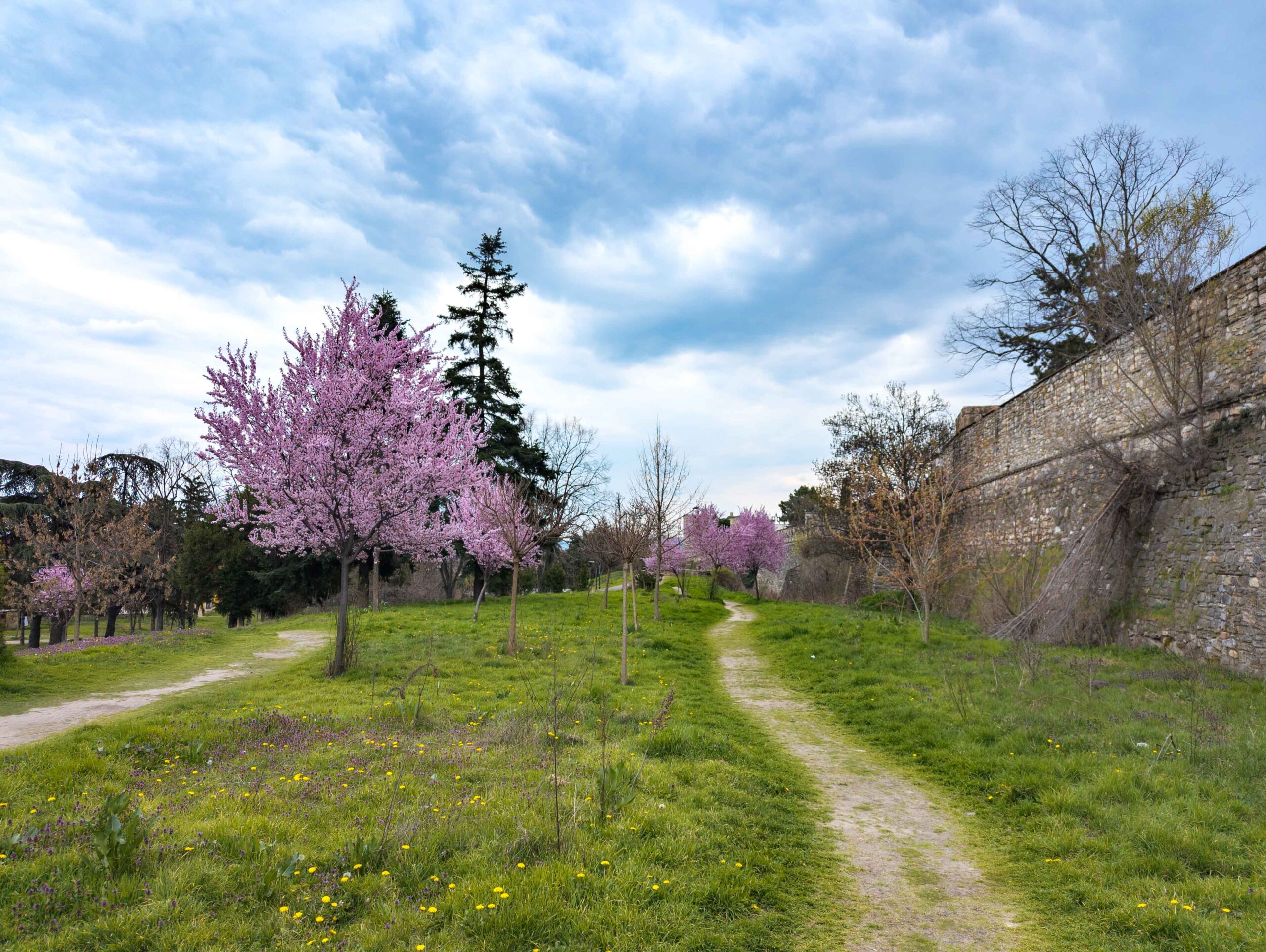
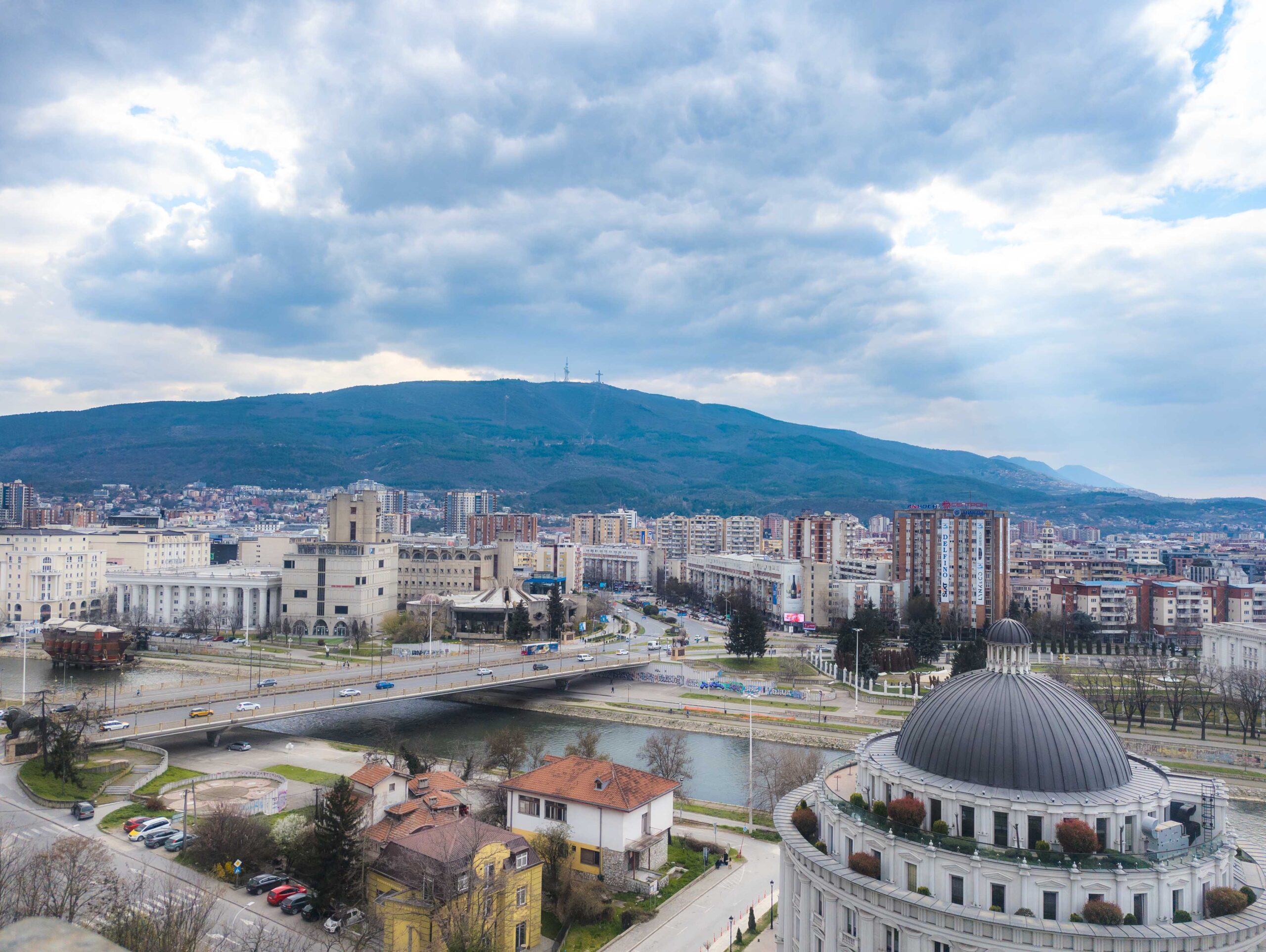
We also walked through the Old Bazaar. It dates back to the 12th century and is one of the oldest marketplaces in the Balkans. The architecture here is heavily influenced by the Ottoman Empire, featuring narrow cobblestone streets, old mosques, and historical bathhouses. The tour ended at the Kale Fortress, a historic stronghold overlooking the city and the Vardar River, which we explored independently before getting lunch.
The Matka Canyon
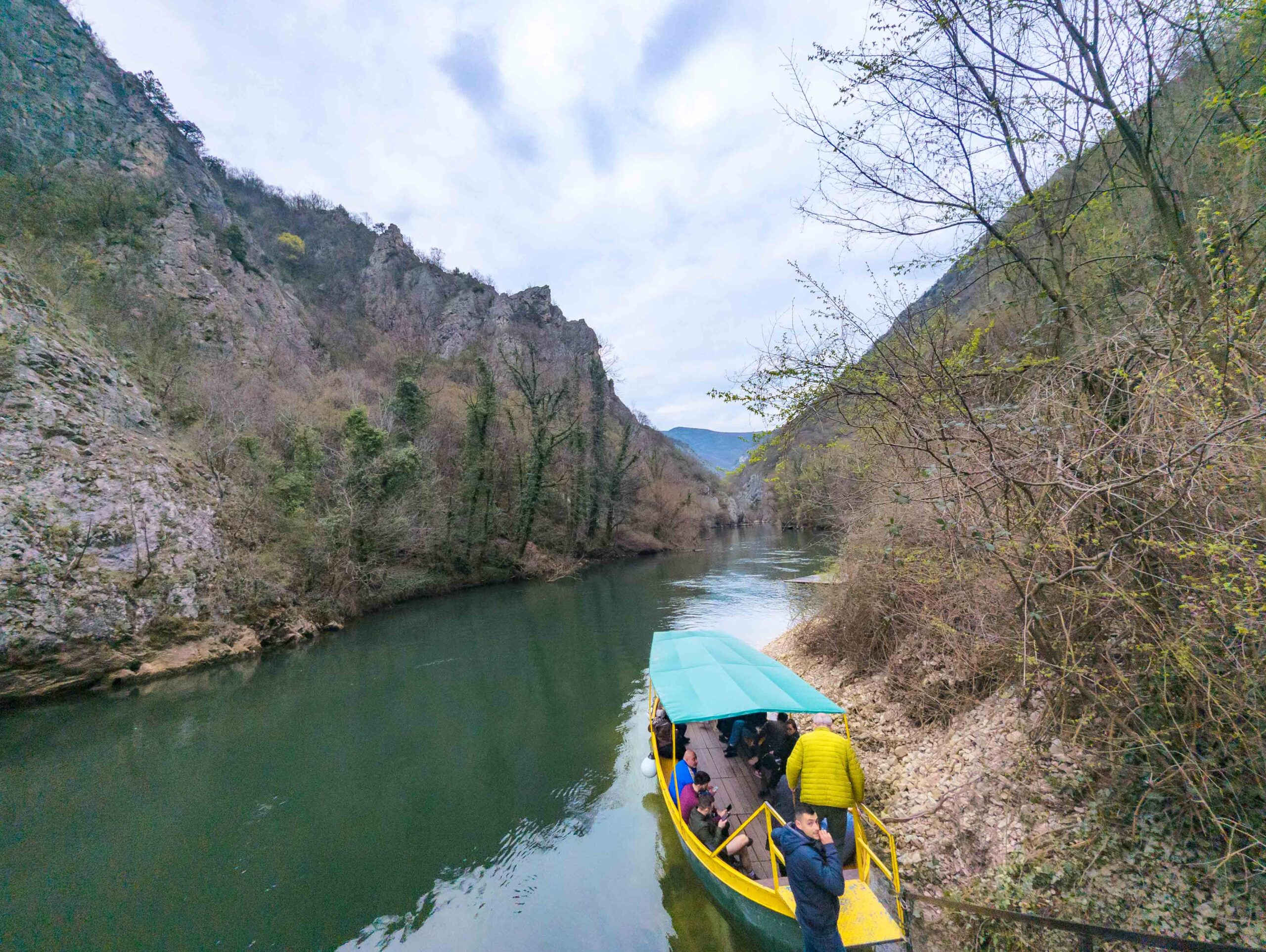
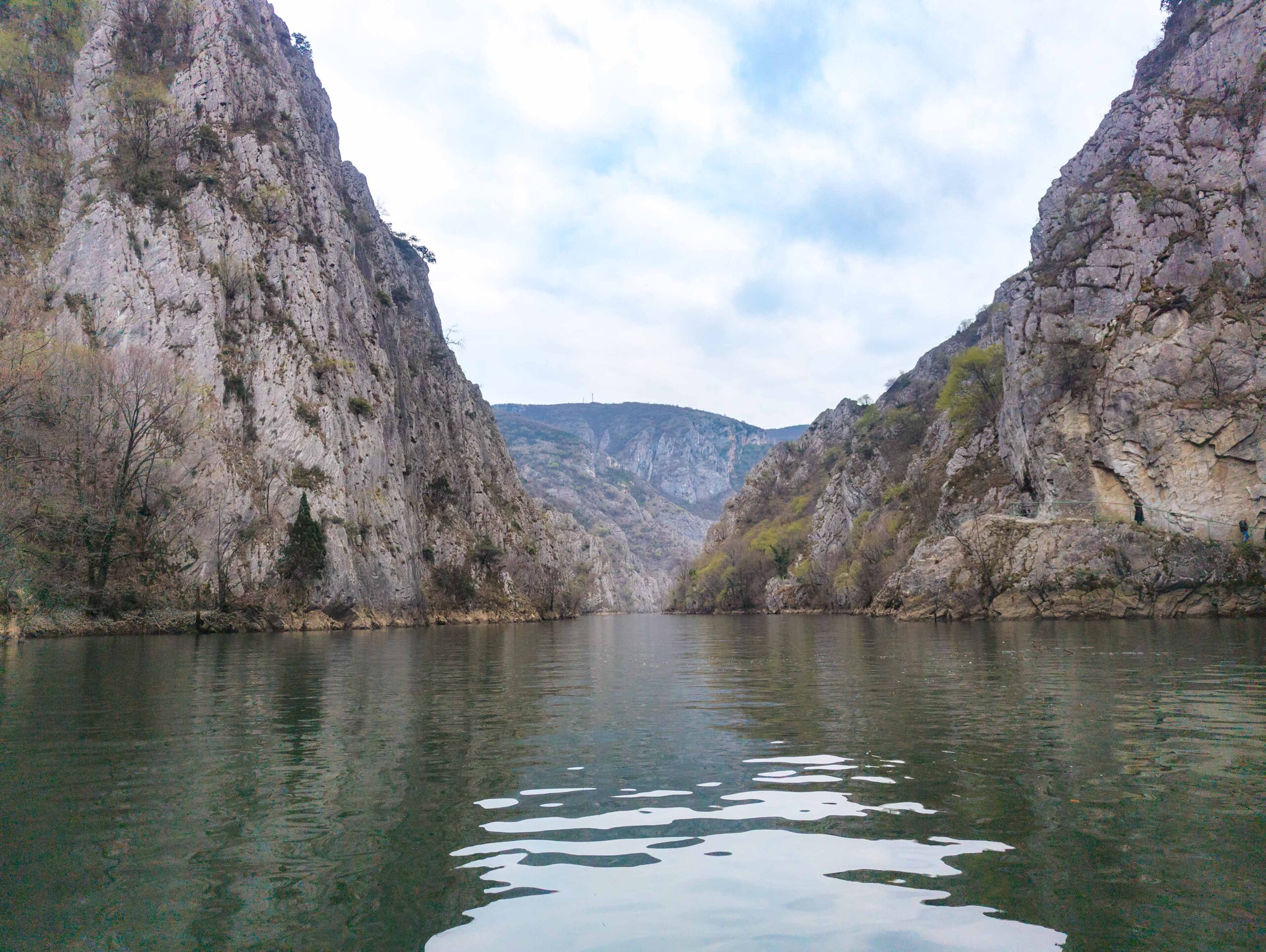
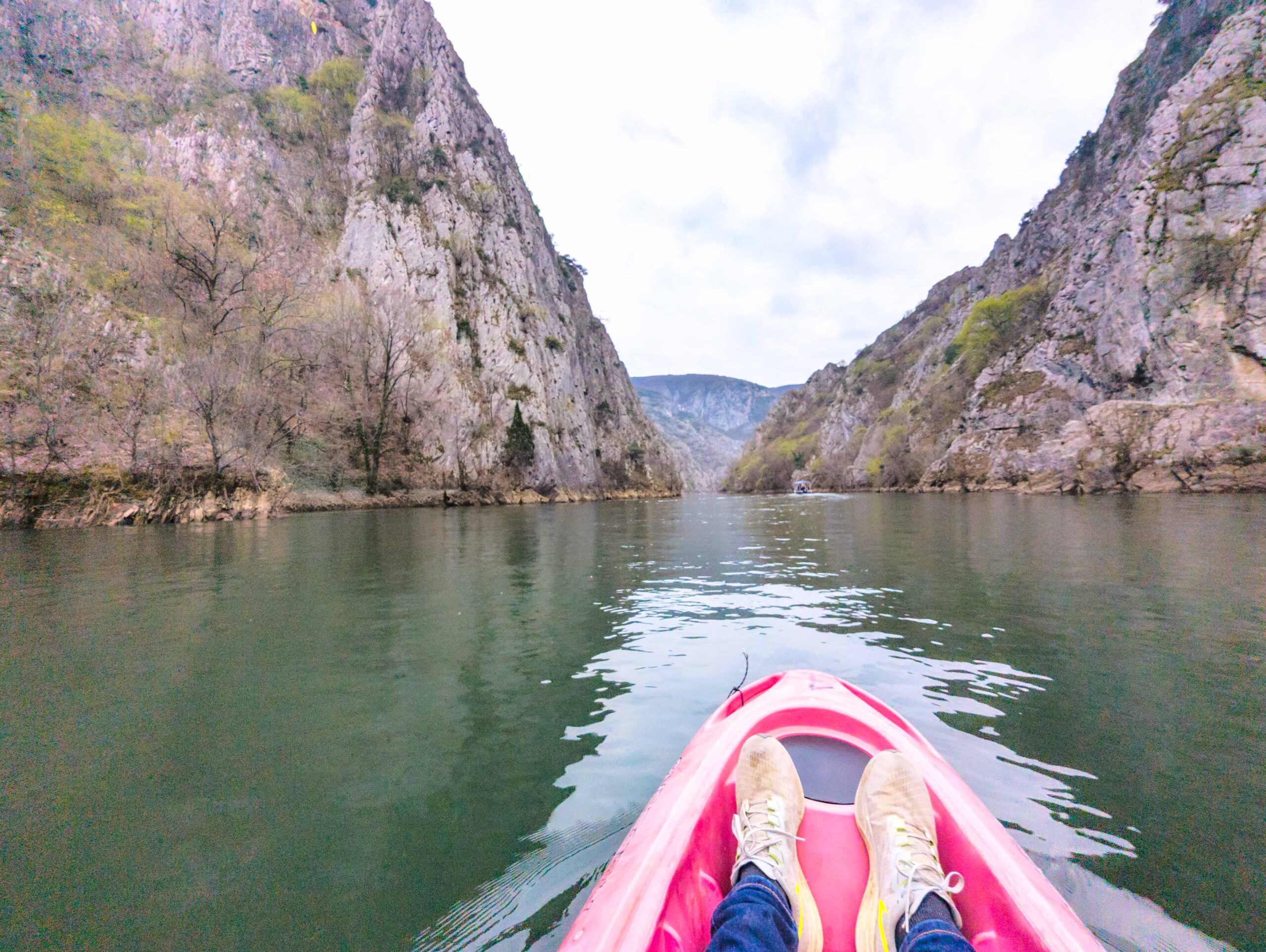
In the afternoon, we drove to the Matka Canyon, a gorge created by the Treska River just outside of Skopje. I wanted to rent a kayak, but Vami did not. We could not agree on what to do, so the local vendor offered a compromise. He sold us tickets for the boat tour at 8.50 euros per person and told me I could take a kayak out for free afterward. We took the boat down the river to the Vrelo Cave, which features underground lakes and stalactites.
Returning to Pristina
We drove back to the airport in Pristina and returned the rental car. Getting from the airport to the city center without a car is slightly complicated. Public transportation takes an hour and a half, and ride-sharing apps like Uber and Bolt do not operate in Kosovo. We took a taxi, which took 30 minutes. The drivers charge 25 euros at the airport exit, but the actual going rate is 15 euros.
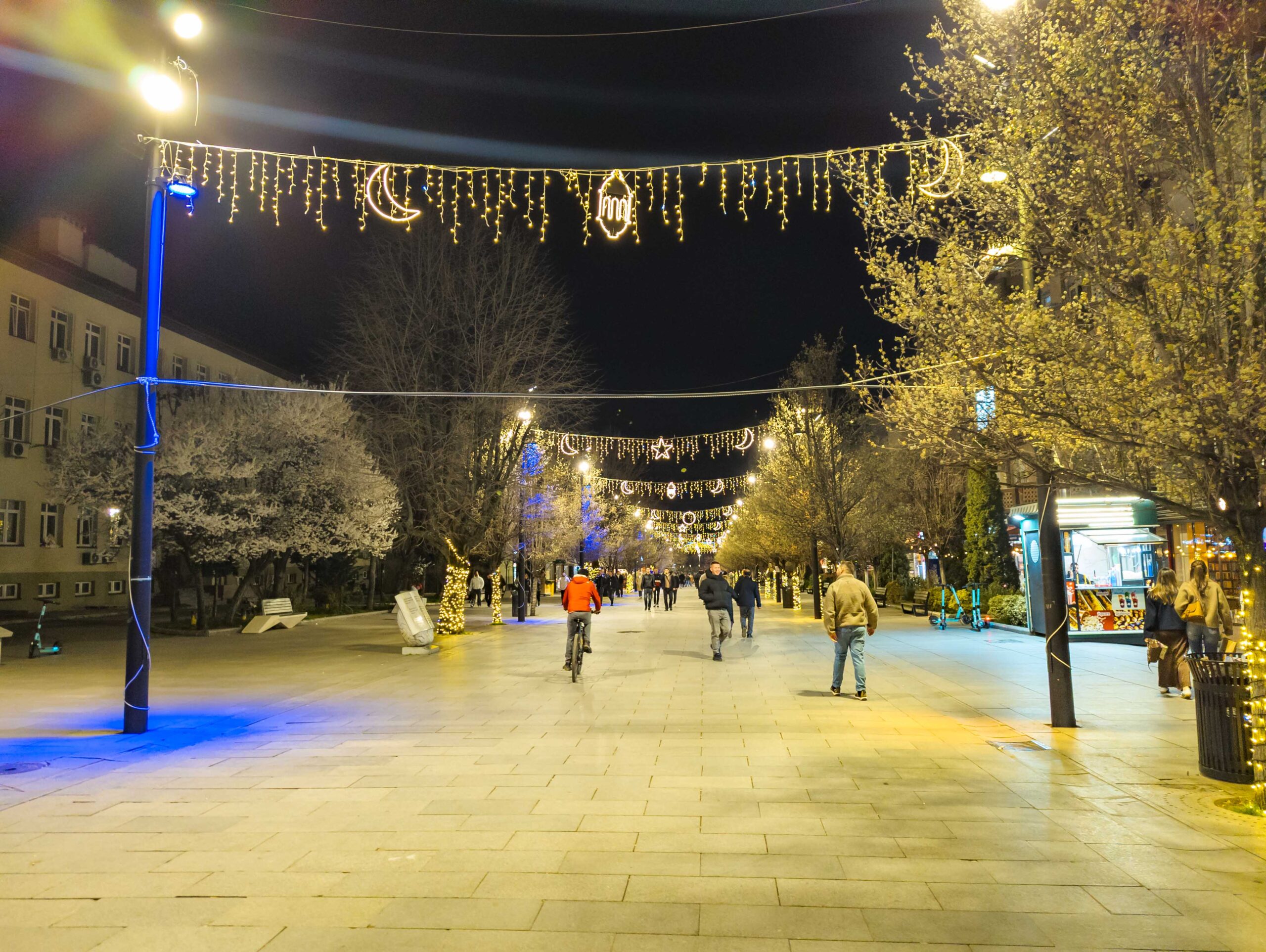
For dinner, we went to a restaurant for Neapolitan pizza. We ordered our food and then waited over 40 minutes for the pizzas to arrive. After eating, we walked through the city center. The bars and clubs were empty, so we went back to the apartment and went to sleep at 11 PM.
A Private Tour of Kosovo’s Capital
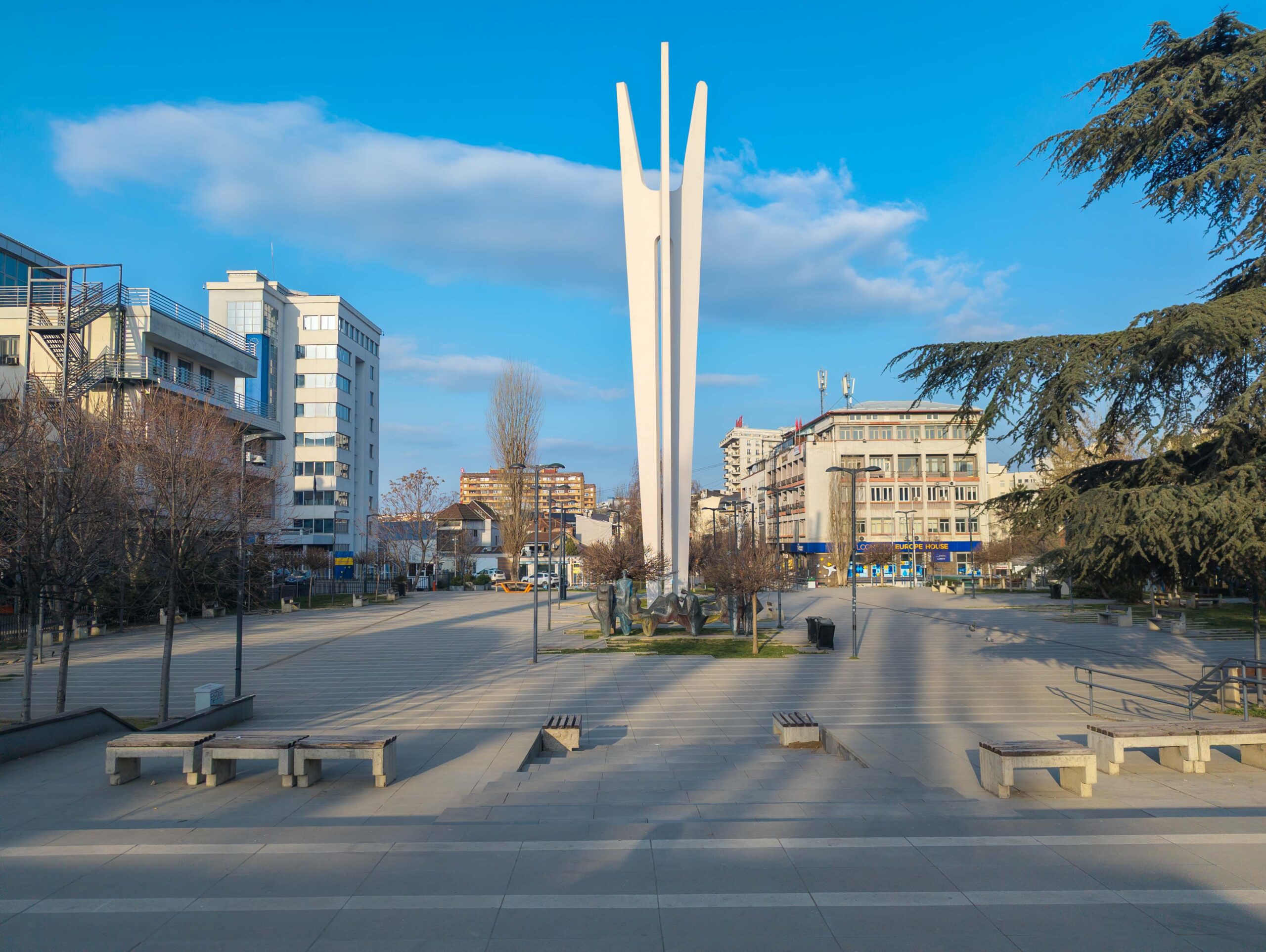
The next morning, I had booked a walking tour of Pristina for 10 AM. Vami and I were the only tourists who showed up, so we had a private tour for two and a half hours. Kosovo declared independence in 2008, making Pristina one of the youngest capital cities in the world. The city lacks a large historical old town because a significant portion of it was destroyed by bombing during the Kosovo War in the late 1990s.
The guide explained that many locals learn German and English in school with the goal of moving to German-speaking countries for work. He also talked about the strong political and cultural ties Kosovo has with the United States and the European Union, which stem from their support during the war and the independence process. Because of this, several streets and businesses in Pristina are named after US presidents.
The tour concluded at the National Library of Kosovo. The building has a very distinct architectural style. It is composed of brutalist concrete blocks covered in a metal grid, topped with 99 white domes of various sizes.
After the tour, we ate lunch at a steakhouse and returned to the apartment. Vami did some work on his computer, and I spent the time planning my upcoming trips. We had dinner at a different pizzeria that also served excellent traditional Neapolitan pizza.
The following morning, we took a Blue Taxi to the airport. The guide had recommended this company, and the ride cost the standard 15 euros. We arrived at the airport at 8 AM to catch our flight back.