The Drive South and Bergamo (May 22)
I left Elibach around 11:00 a.m. on May 22 to start the drive to the Dolomites. It was the Pentecost holiday weekend, and the heavy traffic stretched the normally three and a half hour drive to nearly five hours. To avoid the worst congestion, I took the highway exit at Amsteg and drove over the Gotthard Pass toward Italy. The wind turbines up in the mountains looked impressive against the landscape. Traffic in Ticino was still slow, but eventually, the route crossed the border into Italy and led straight to Bergamo.
The afternoon was spent exploring Bergamo’s Città Alta, the historical upper city. This part of town is completely surrounded by massive defensive walls built by the Republic of Venice in the 16th century. Back then, Venice expanded its territory far inland, and these walls turned Bergamo into a heavily fortified stronghold against the Duchy of Milan. Today, the walls are a UNESCO World Heritage site and give the city its distinct elevated look. The walk continued up toward the San Vigilio castle area to see the city center. The weather was a warm 28 degrees. It was a bit foggy, but the views from the mountainside were still clear. My shoes were highly uncomfortable for walking long distances, which was a bit annoying. Later, I grabbed some bread from a local bakery. Dinner was a Roman style pizza at a place called Pizza Alla Fara before checking into the accommodation for the night.
Into the Alps via Lake Iseo and Passo del Tonale (May 23)
The morning of May 23 started with a drive to Lake Iseo. It is the fourth largest lake in Lombardy and sits deep in the pre-Alps. The lake is mostly known for containing Monte Isola, which is the largest lake island in southern Europe. The water level was very high that day, reaching just a little bit below the main promenade. The weather was completely sunny. Walking along the water felt great, and I picked up a really good sandwich from a small local shop.
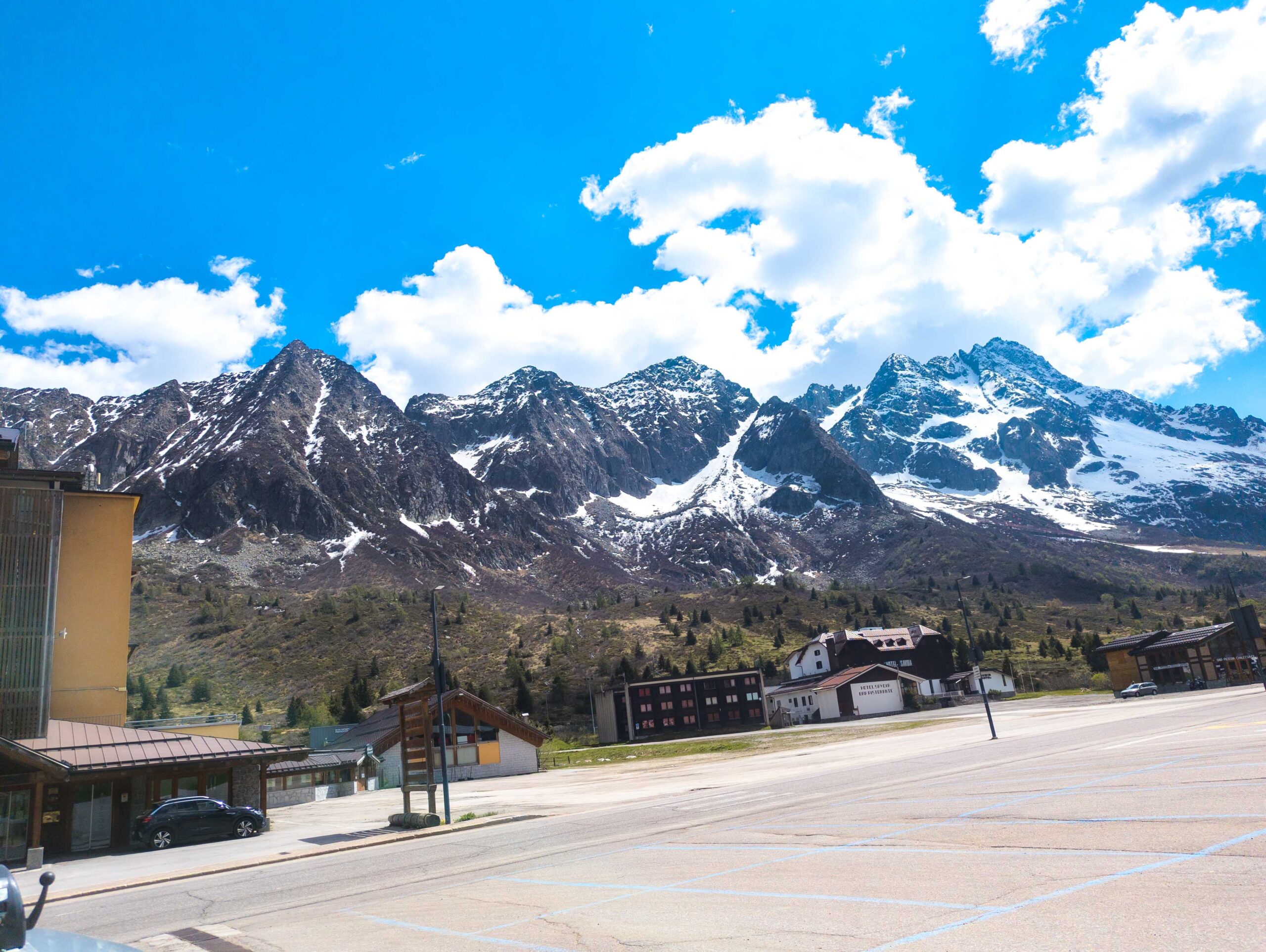
From the lake, the road climbs up into the mountains toward Passo del Tonale. This mountain pass connects the regions of Lombardy and Trentino. It is a beautiful area now, but it has a very dark history. During World War I, Passo del Tonale was a major frontline between the Italian and Austro-Hungarian armies. Soldiers fought what became known as the White War, battling not just each other but also extreme altitudes, avalanches, and freezing temperatures. The sun stayed out the entire time on this drive, making the views across the Alps incredibly clear. I ate the sandwich sitting on a stationary cable car seat in front of the ski resort, taking a quiet break. The route then continued over Passo della Mendola, another scenic mountain pass, before ending in Deutschnofen. Dinner at the local sport center was a typical, solid Italian pizza, followed by checking into Hotel Leonhard.
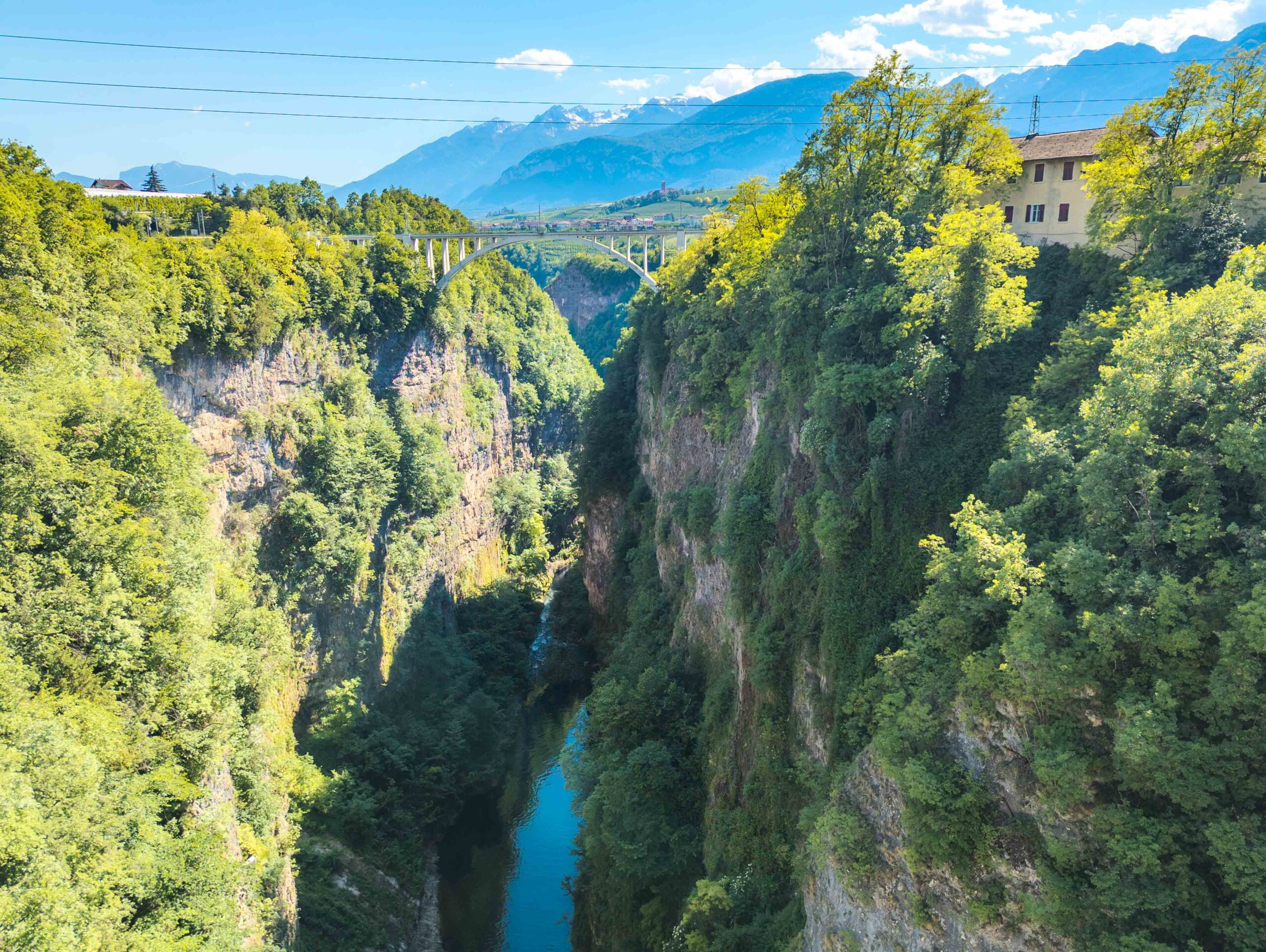
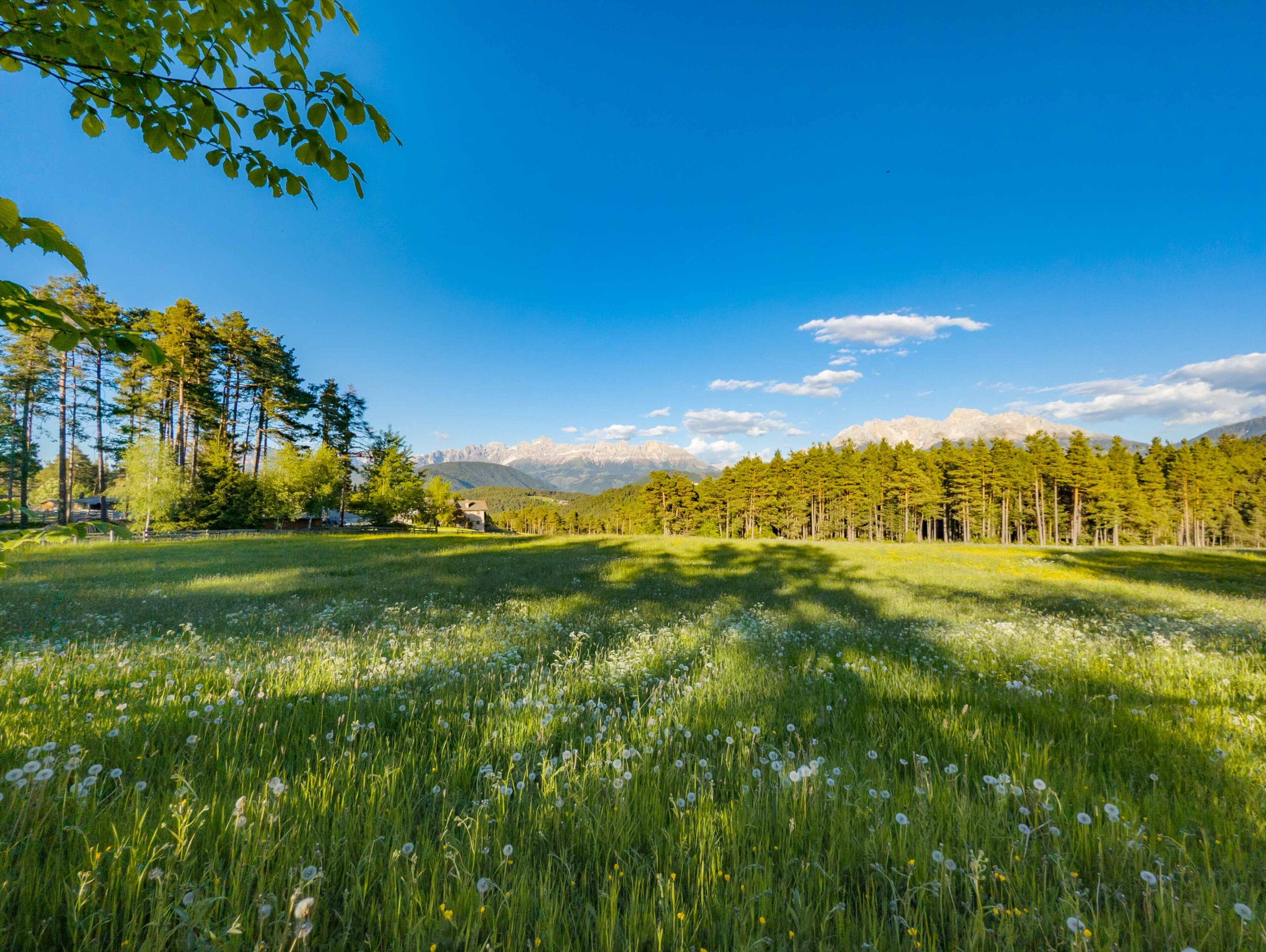
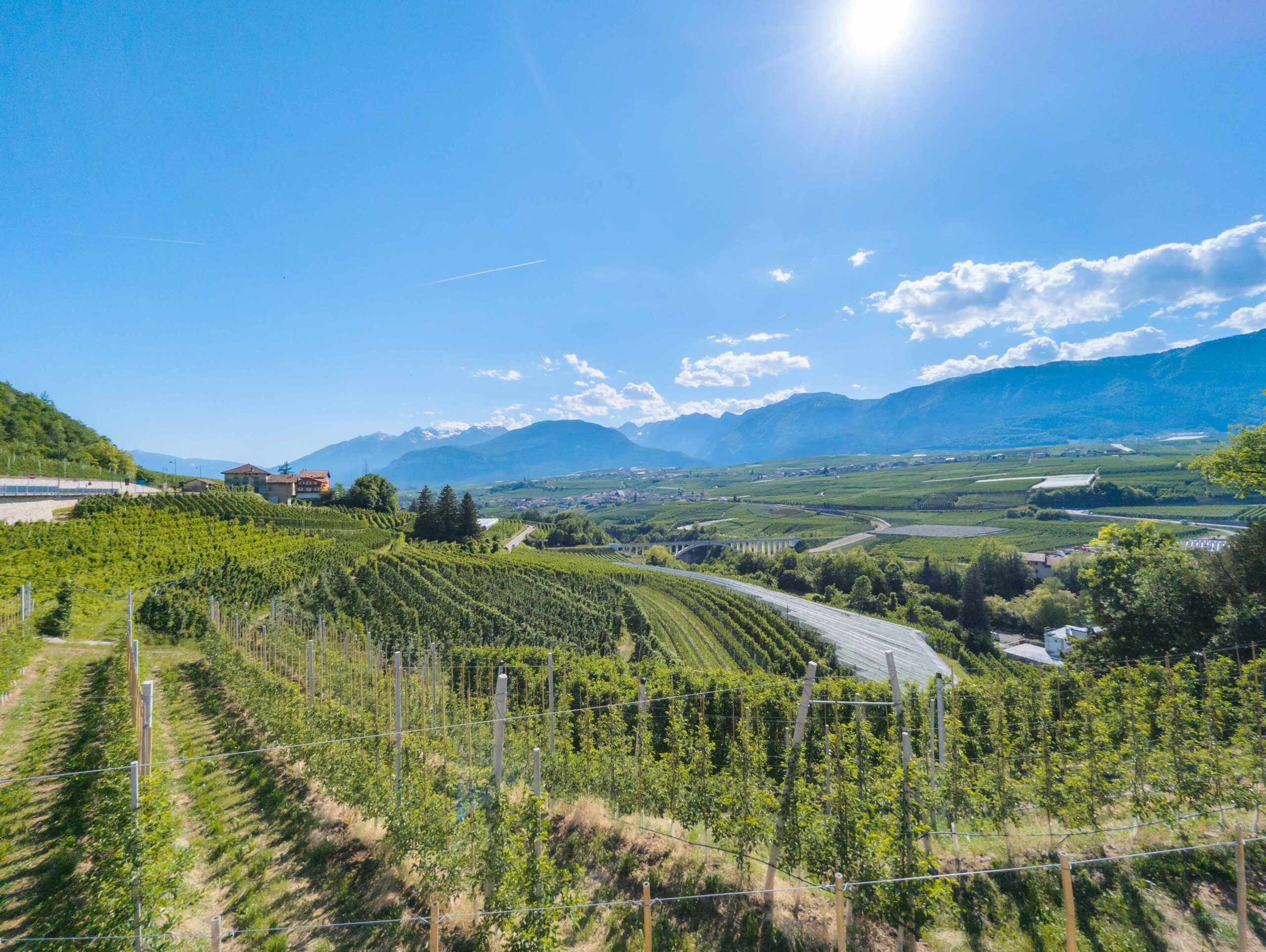
Hiking Below the Latemar Range (May 24)
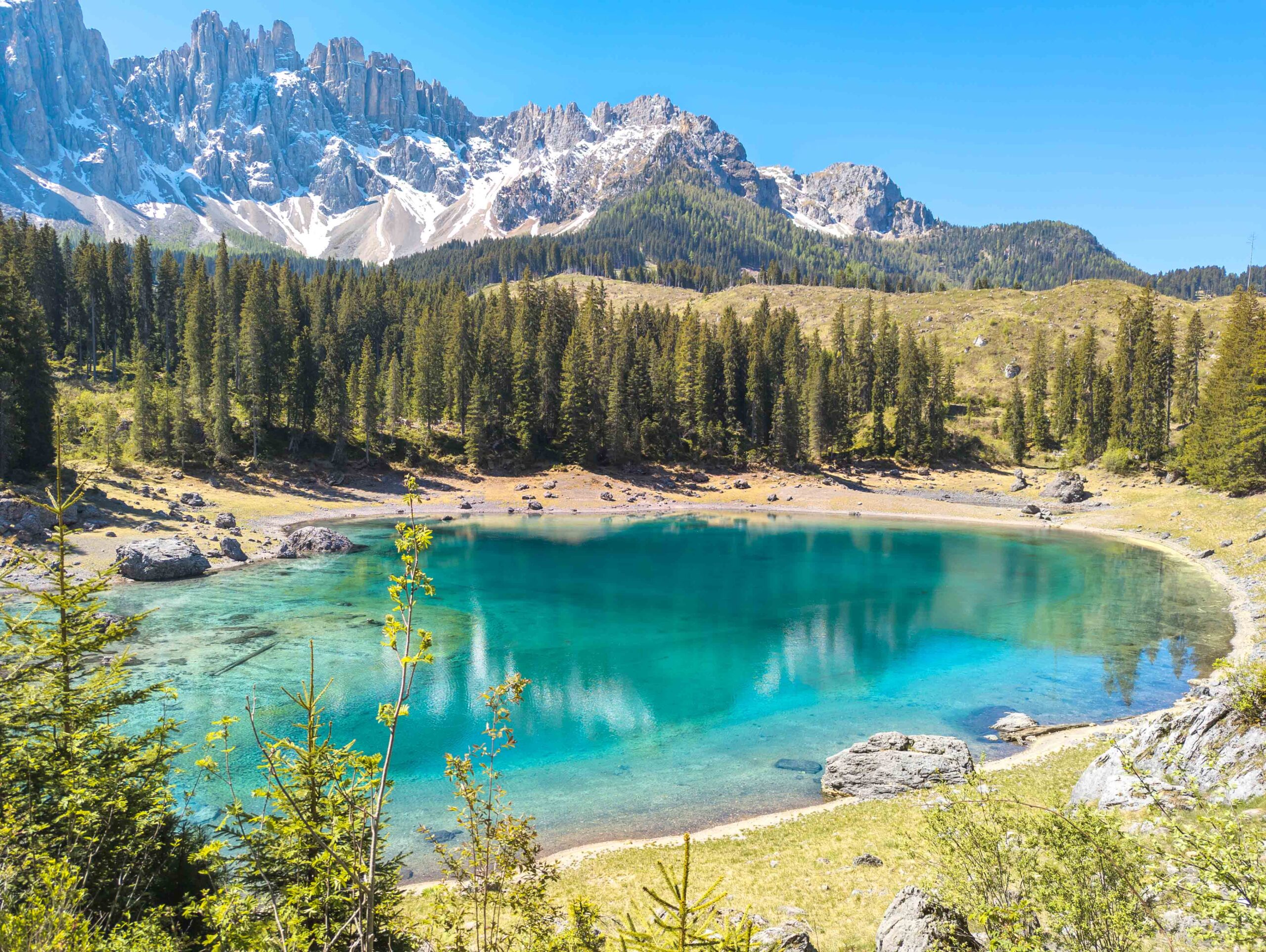
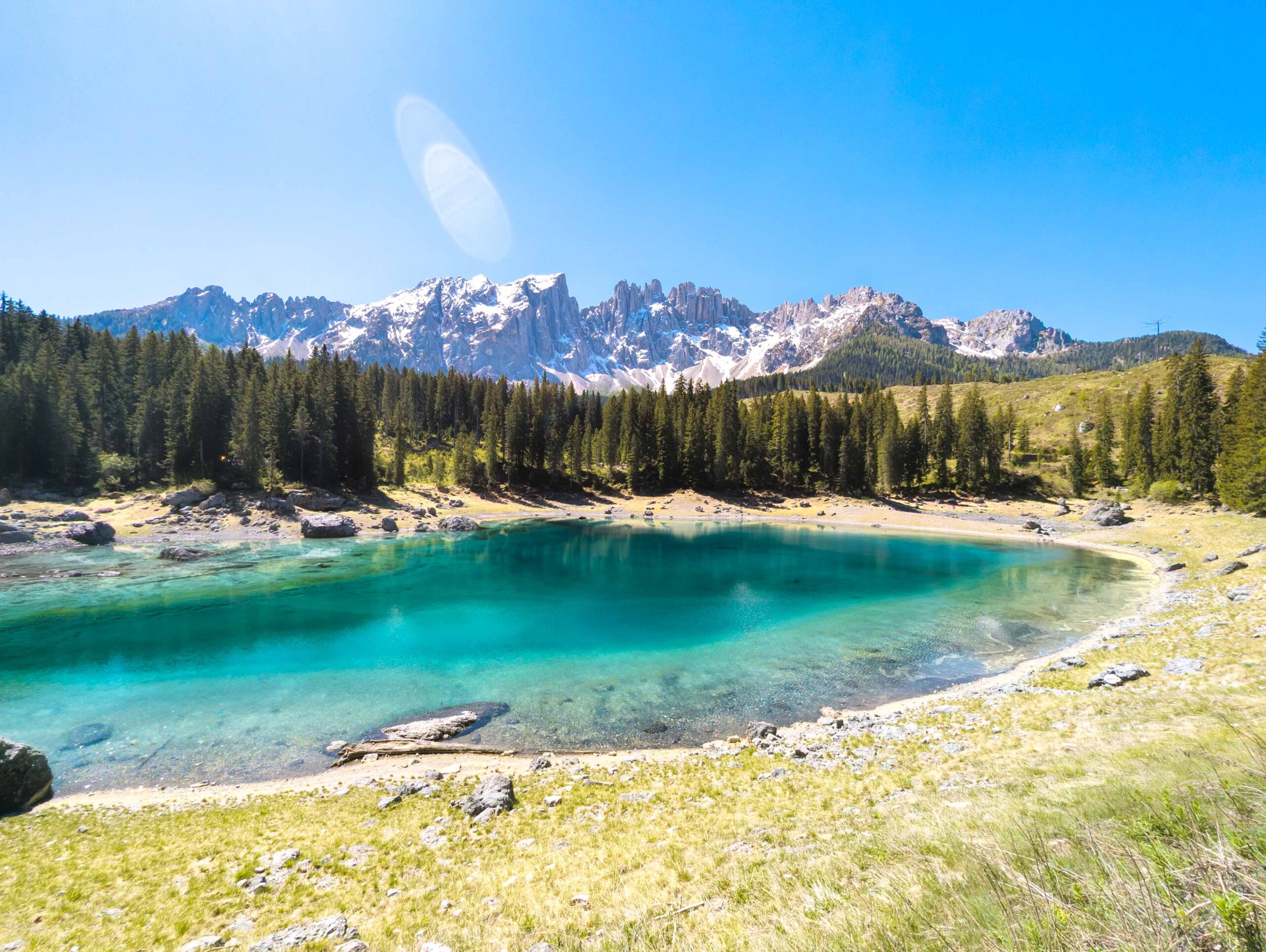
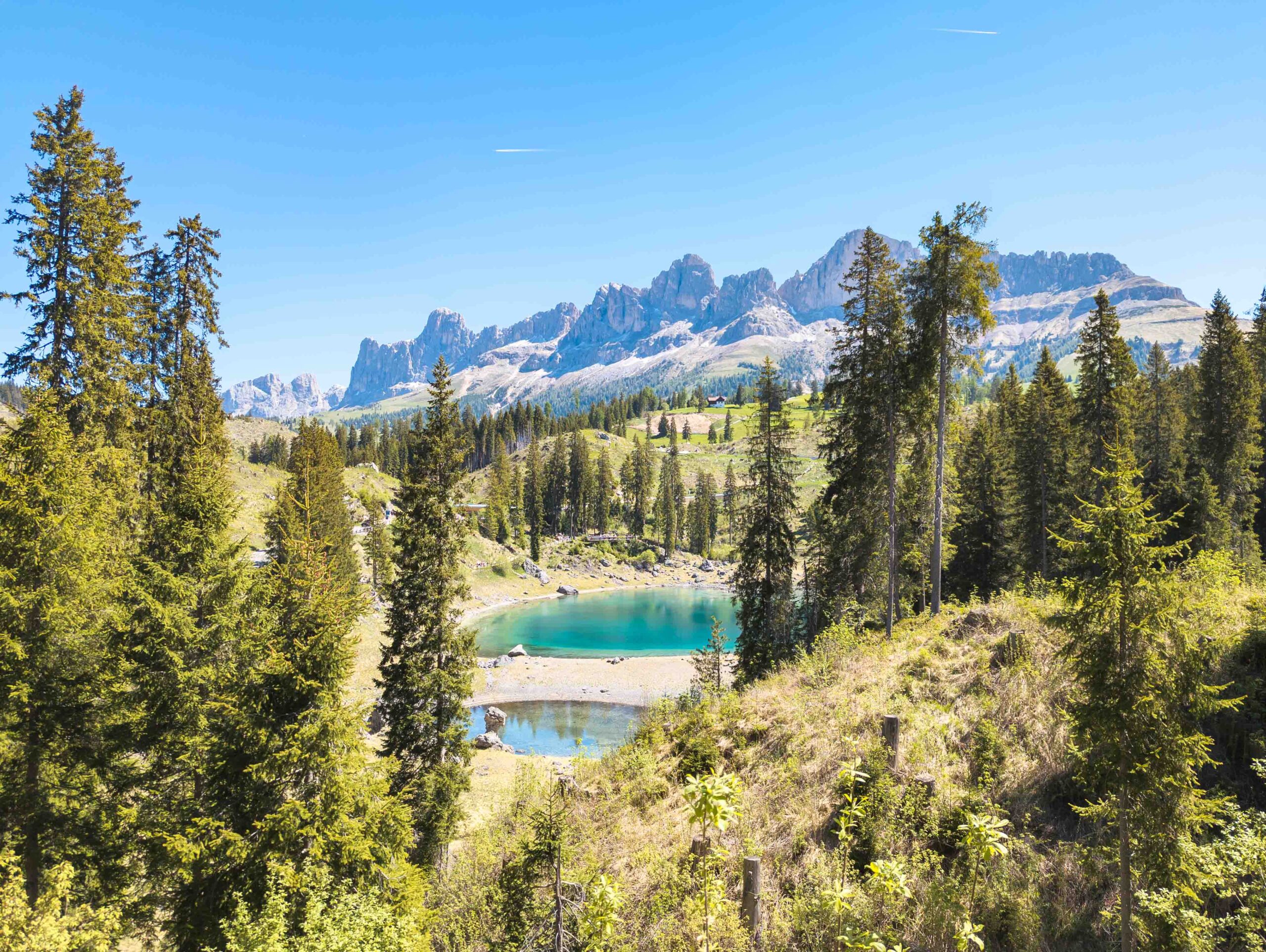
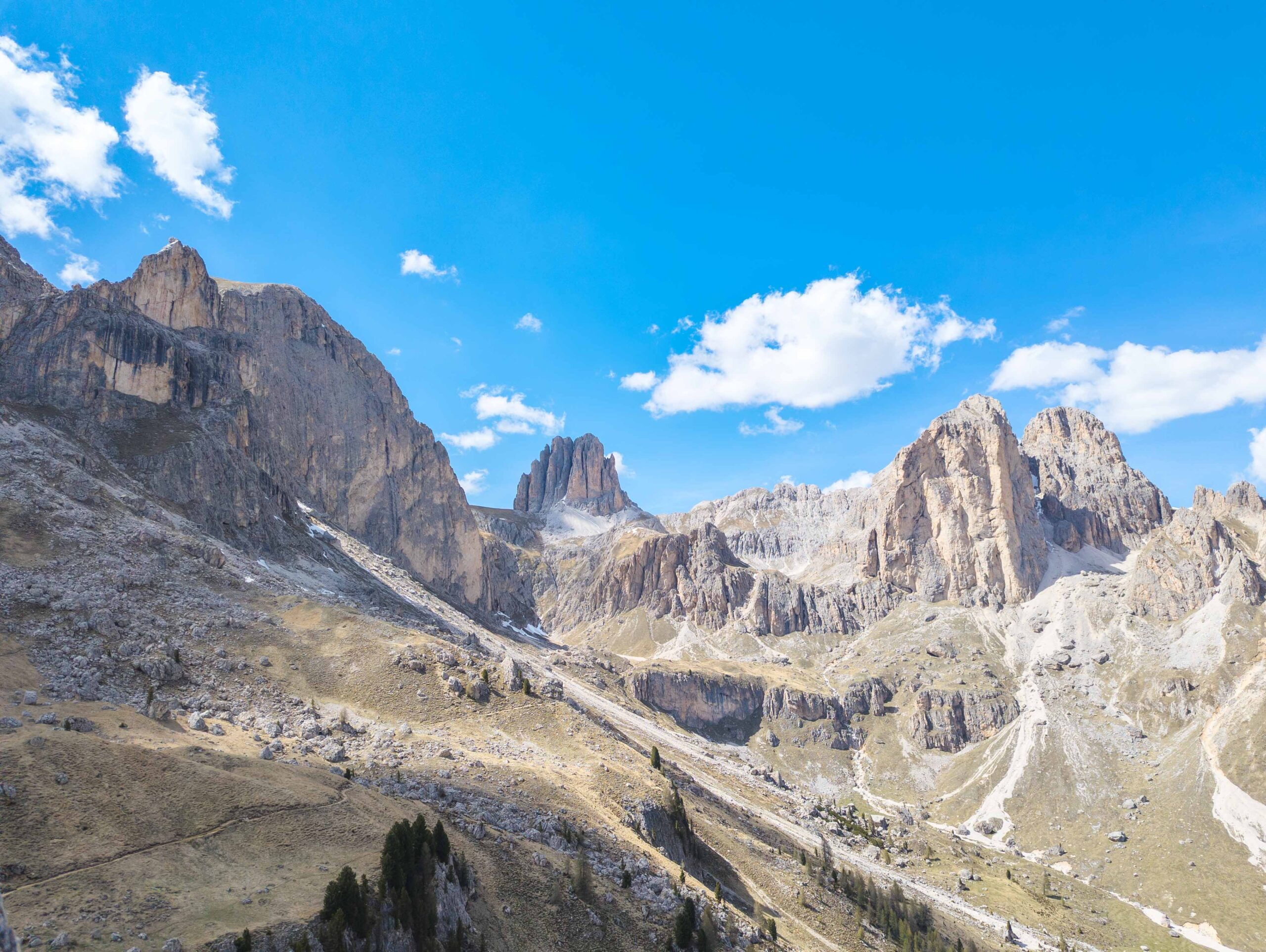
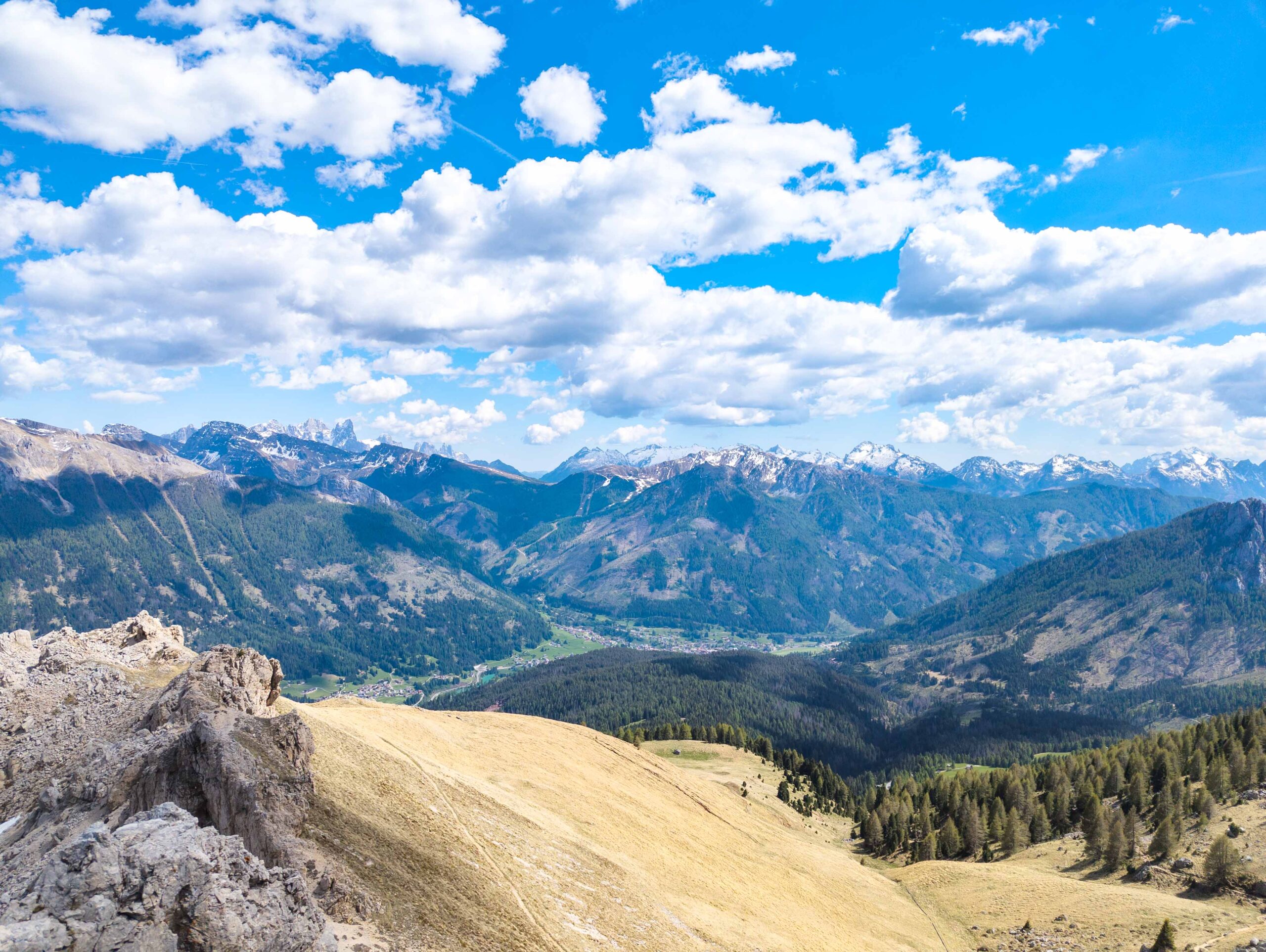
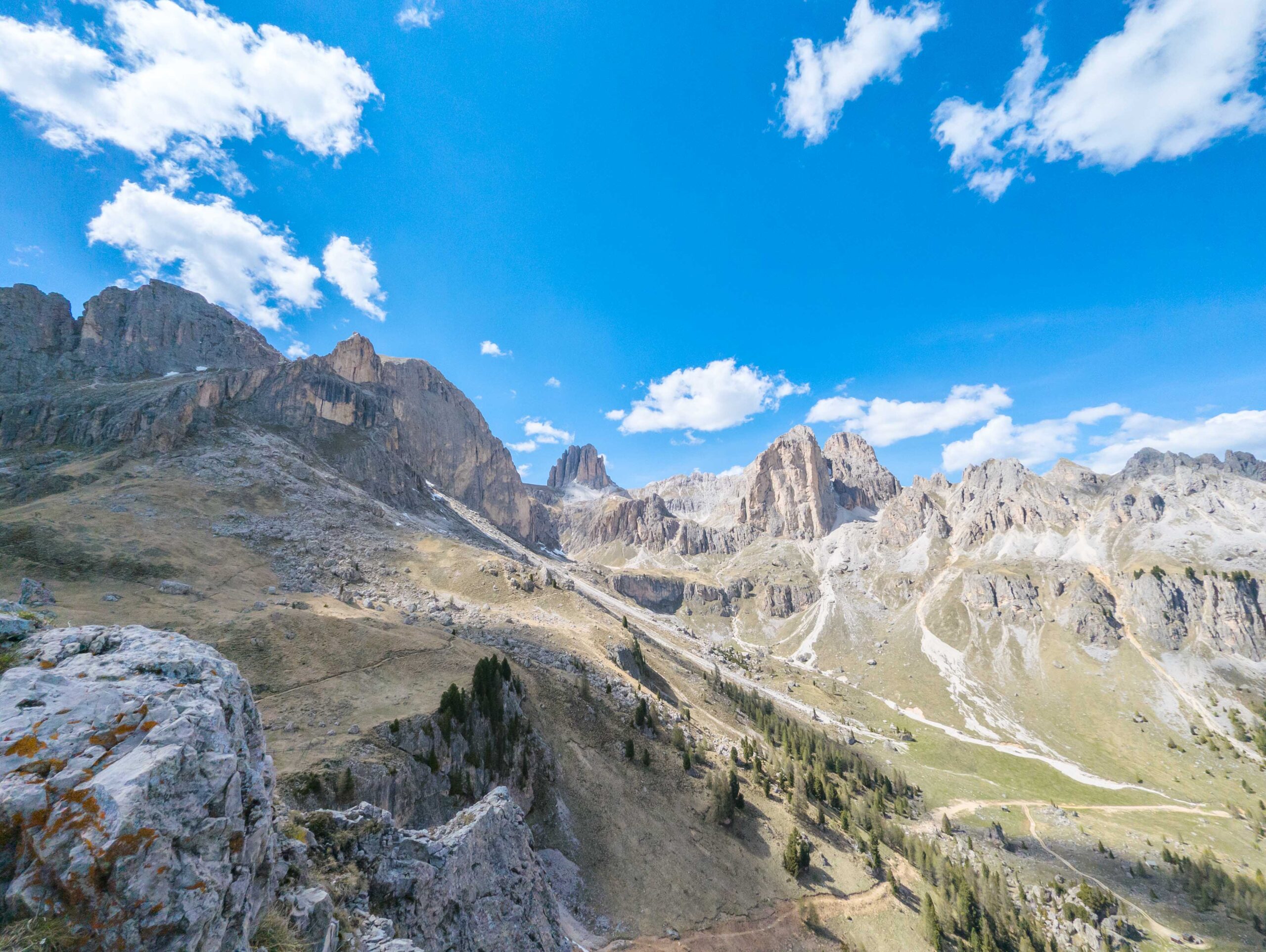
The plan for May 24 was a visit to Lago di Carezza, a small alpine lake famous for its dark green water and the jagged Latemar mountains towering right behind it. The lake is fed by underground springs, meaning its water levels fluctuate drastically depending on the season and the snowmelt. A short hike led up to an upper lake area, but it was completely dried out and invisible.
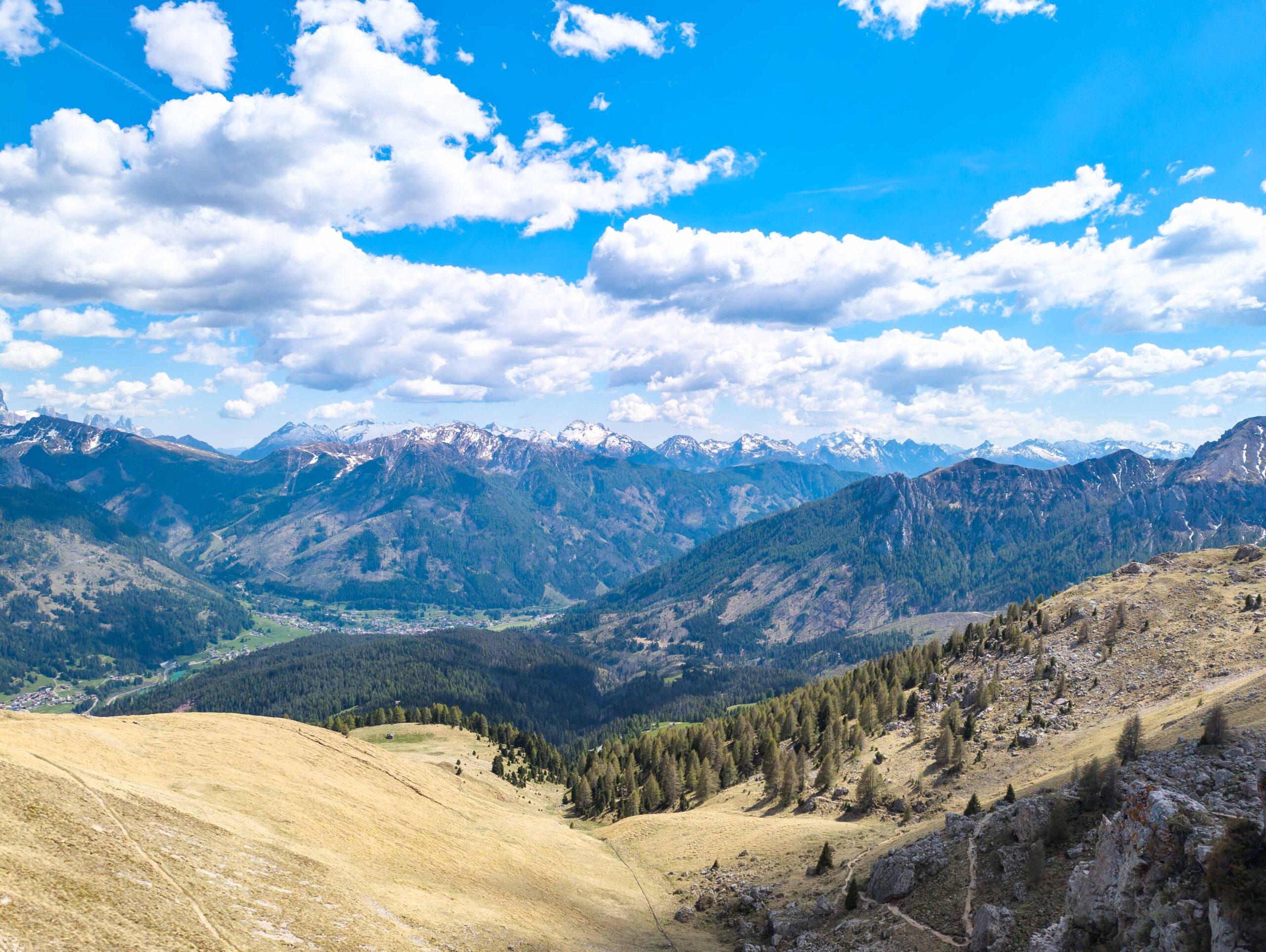
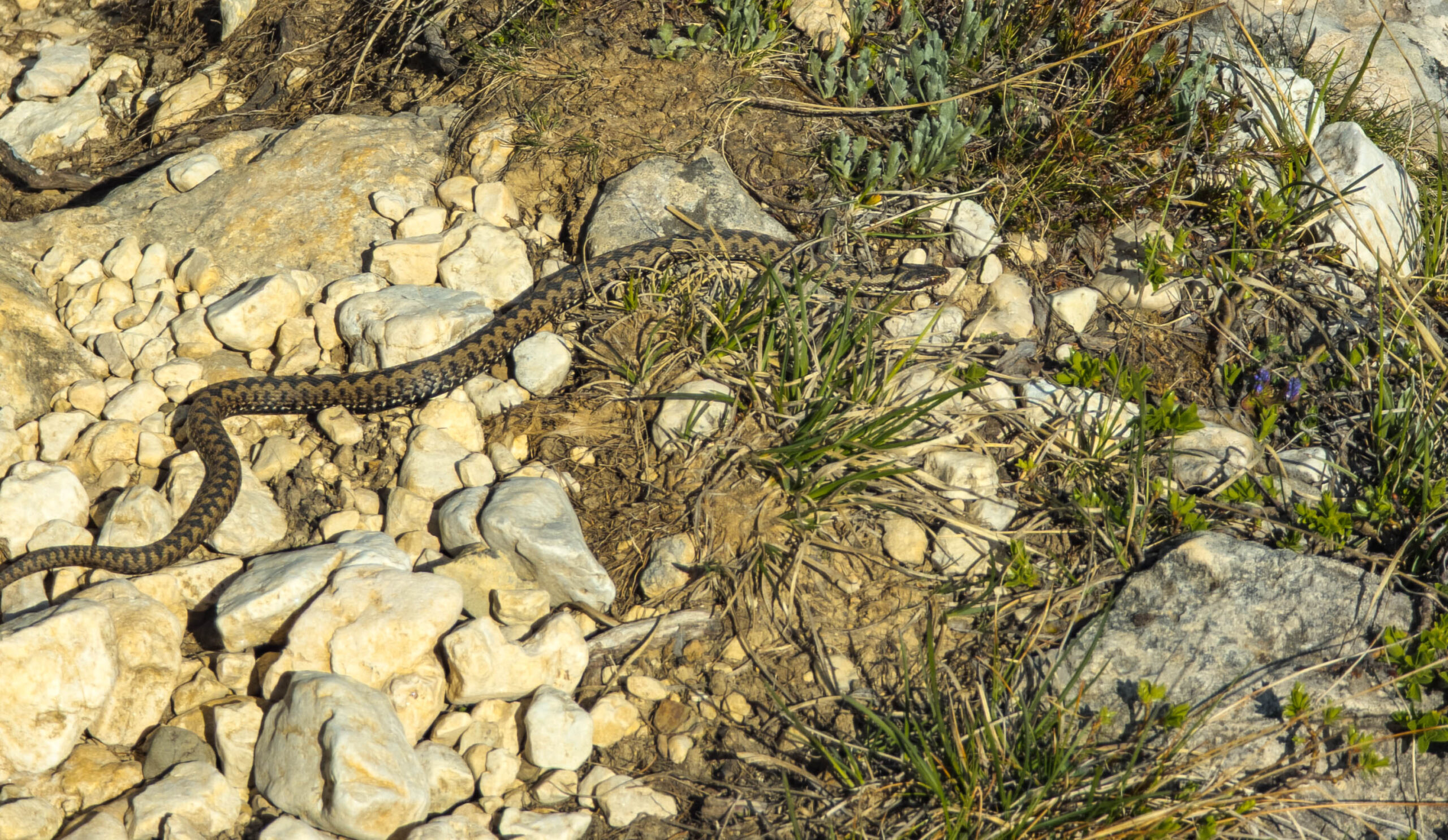
The drive then went a bit further up to Passo Costalunga to park the car and start a hike to Baita Marino Pederiva. On the way up the trail, a snake crossed the path. It was a Common European Adder. This venomous viper is native to the Alps and usually hides in the rocky terrain, so seeing one out in the open was an interesting moment.
After making it back to the car, dinner was at Pizzeria Sport Treff Eggen. Right next to the restaurant sits the Maria Weißenstein monastery. This site dates back to 1553 when a local farmer named Leonhard Weißensteiner claimed the Virgin Mary appeared to him. He built a small chapel to thank her for curing his illness, and over the centuries it grew into a massive church and a major pilgrimage destination. Walking around the quiet monastery grounds at night was a good way to end the day.
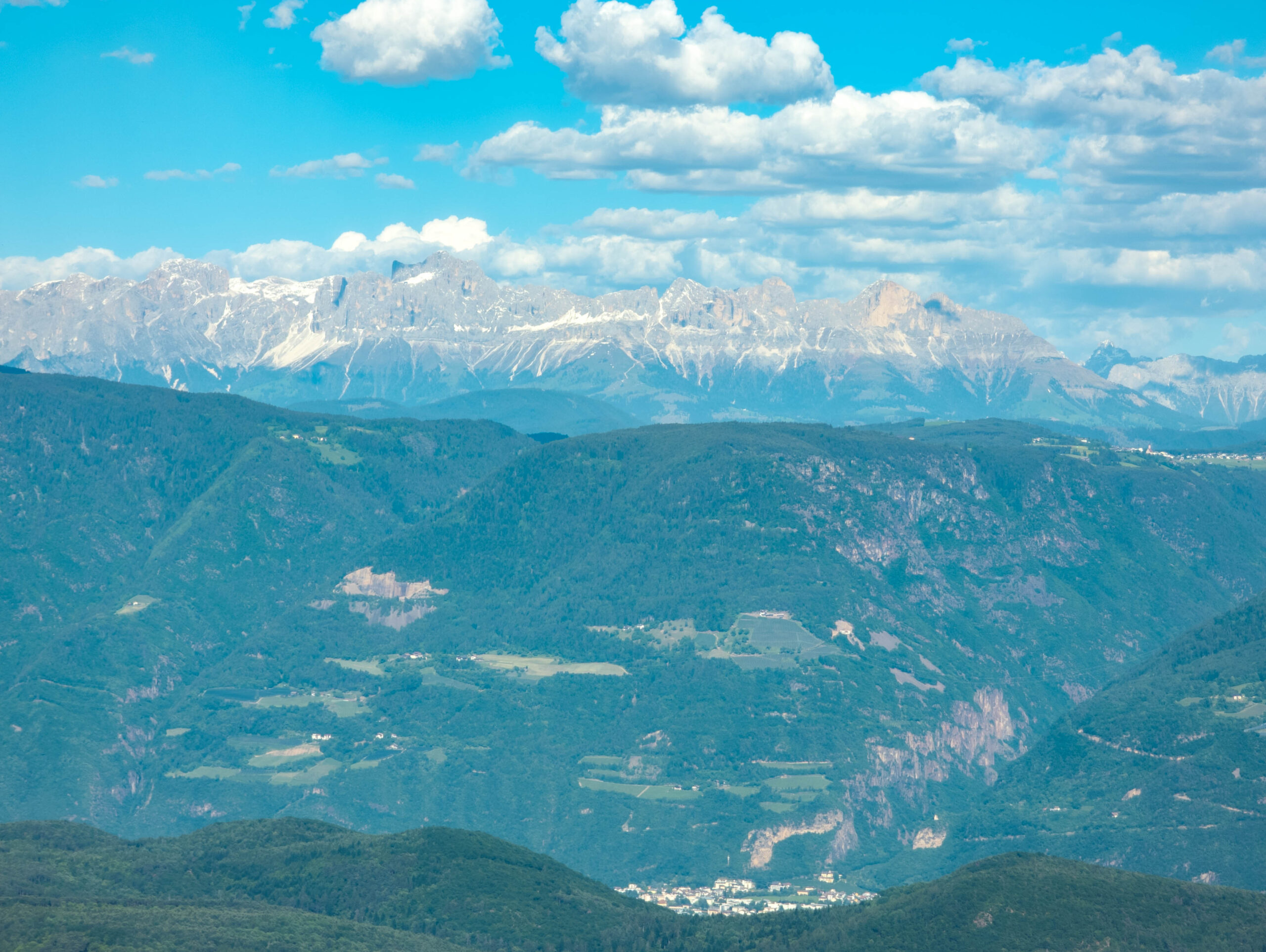
The Reschen Pass and Schloss Tarasp (May 25)
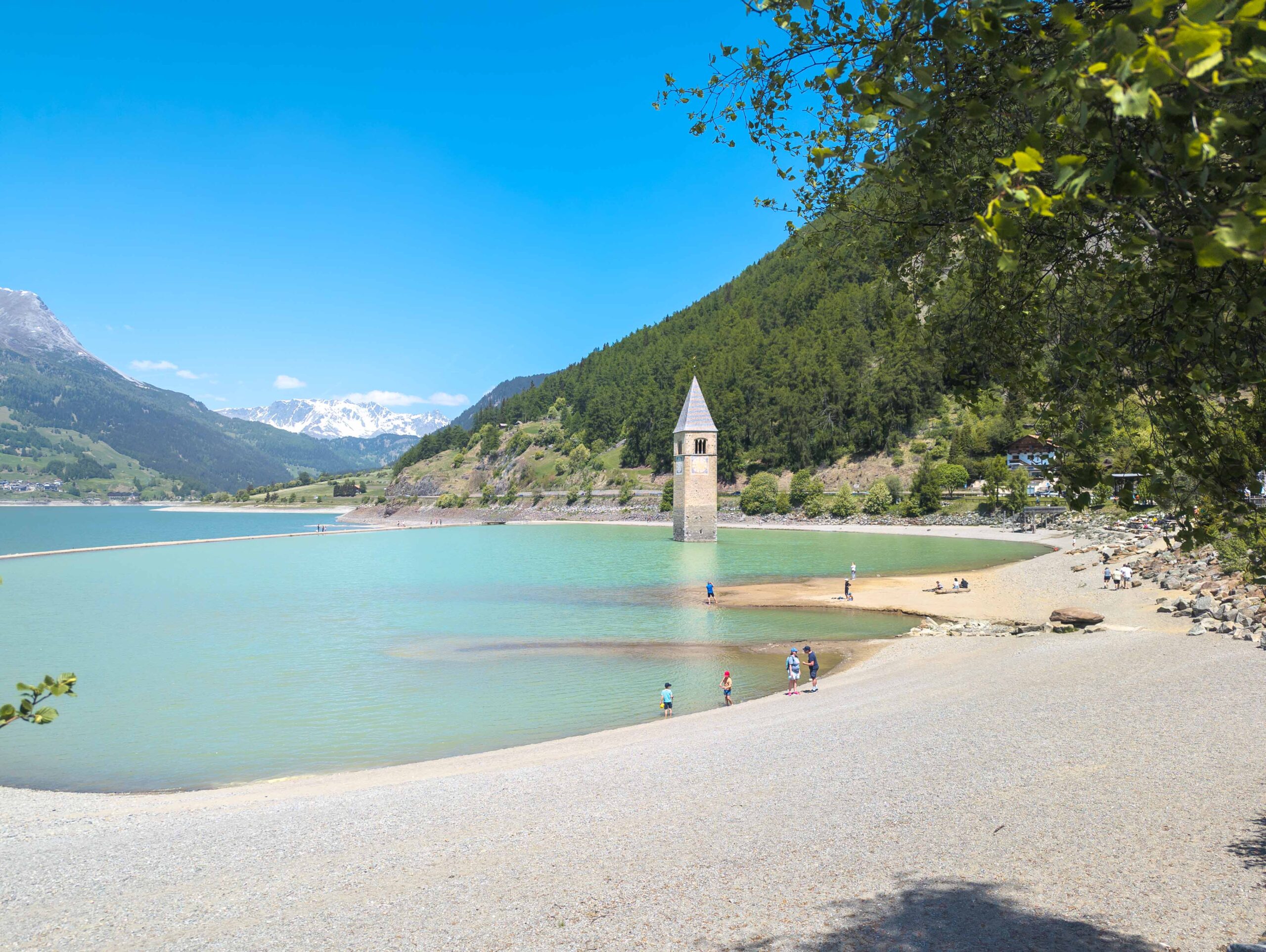
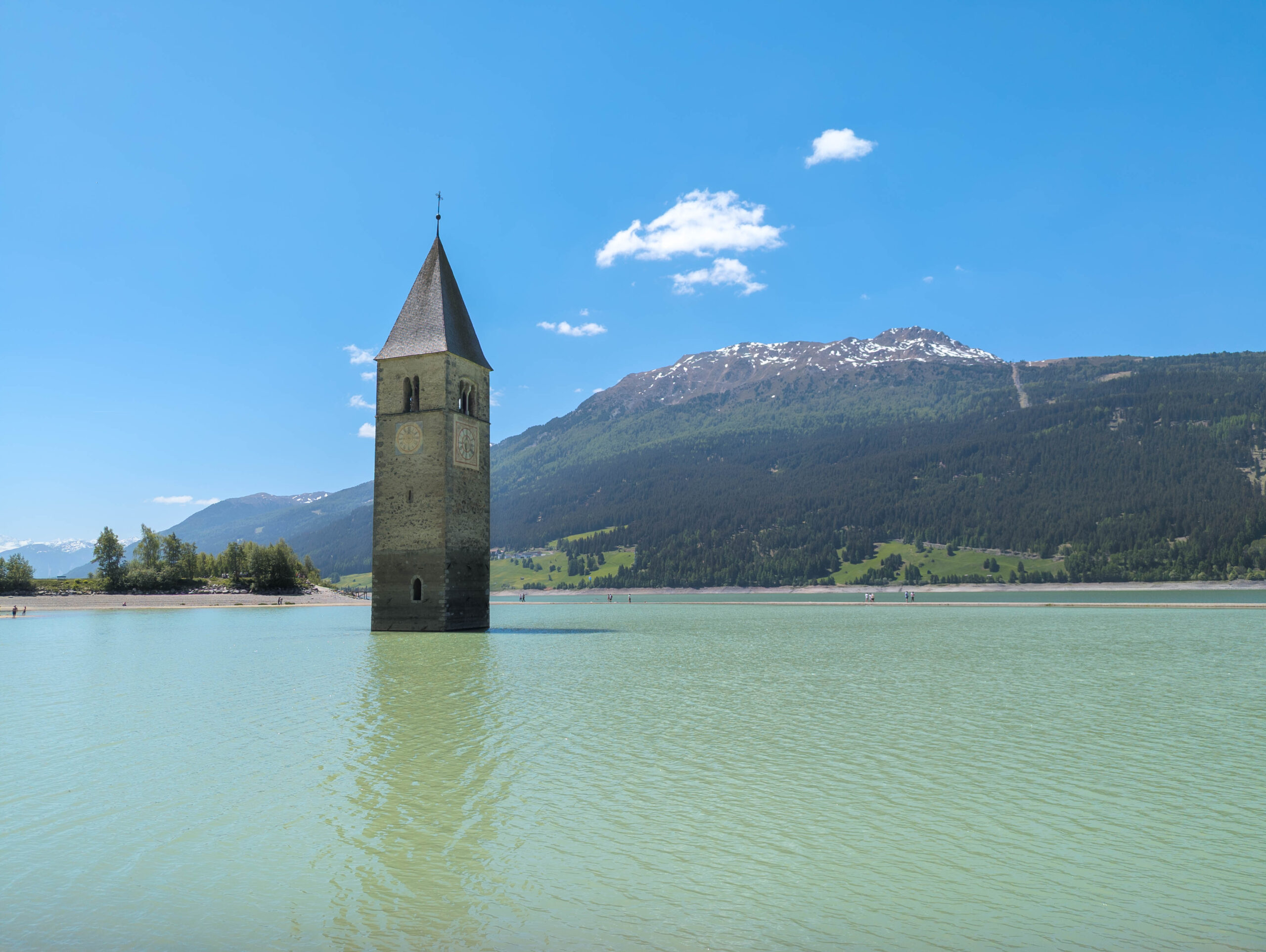
The drive back to Switzerland started on the morning of May 25 over the Reschen Pass. The first stop was Lago di Resia. This location is famous for the 14th century church tower standing directly out of the lake’s water. It is a strange sight, but the history behind it is quite sad. In 1950, an electric company built a dam to merge two natural lakes and create a massive reservoir. The government allowed them to flood the entire village of Graun against the wishes of the residents. Hundreds of families lost their homes, and today only the old church tower remains visible above the water level.
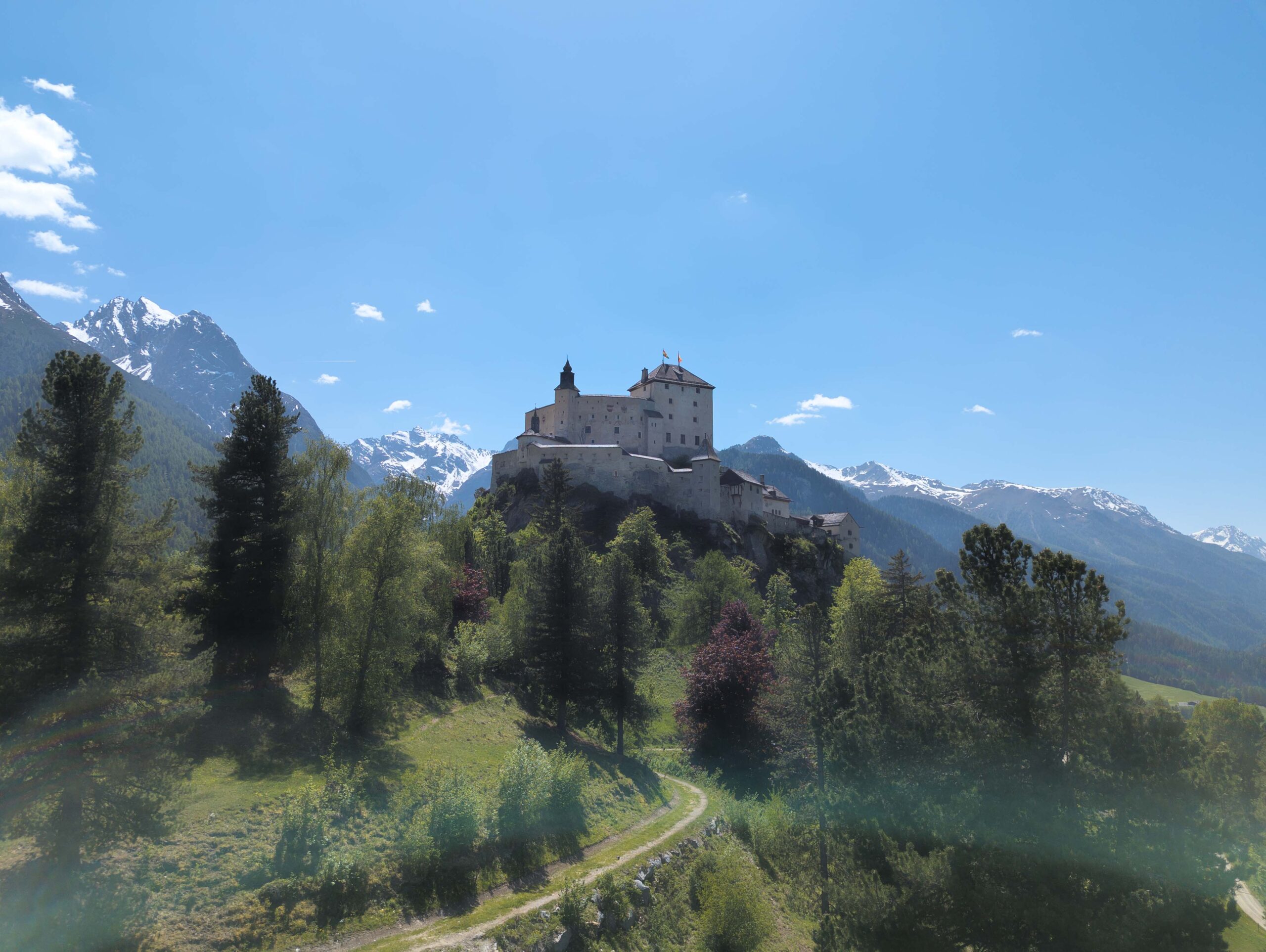
The weather remained perfectly sunny for the rest of the drive. After crossing the border into the Engadin valley, the route passed Schloss Tarasp. This castle dates back to the 11th century and sits on top of a steep rocky hill dominating the surrounding valley. The lords of Tarasp built it, and it changed hands many times over the centuries, eventually belonging to the Austrian Habsburgs for a long period. Stopping there was a great decision because the grounds were almost completely empty of people, leaving plenty of quiet space to look at the historical architecture. From there, the drive went over the Flüela Pass and straight back to central Switzerland, finishing the long weekend trip.
NORTHERN ITALY OVERVIEW FINANCIAL SUMMARY AND TRIP EXPENSES
Protected Financial Summary
Enter password to unlock the comprehensive cost breakdown and itemized receipts.