History, Architecture, and Practical Tips
My trip to Budapest started at 2:30 PM on Friday, March 13. I took the train from Stäfa to Pratteln, arriving around 4:00 PM, and caught the next connection to Basel. From there, I took the bus and reached the airport by 5:00 PM. Security was fast, and the flight to Budapest landed exactly on time. Traveling in mid March means early spring weather. The temperatures are cool, making it a good time of year for long days of walking without the summer heat.
I took the airport bus straight to the city center, which was an impressively quick ride. During the bus ride, I talked to a German medical student. Many German and Swiss students who do not secure a spot in medical schools in their home countries move to Hungary to study. Several Hungarian universities offer full medical degree programs in German specifically to attract international students.
I checked into the Onefam Hostel. The staff was international, including a receptionist from Argentina, and the atmosphere was very social. I talked with an Italian student who was writing his Master’s thesis remotely about the correlation between ultra processed foods and obesity. The hostel organized a free pub tour that evening, which included two club entries. I spent the evening talking with an Indian expat who works in Canada, and I was back in bed by 1:00 AM.
Saturday: The Pest Side and Hungarian Origins
I was up by 7:00 AM on Saturday and walked around the city before joining a three hour walking tour. The guide was knowledgeable and covered a large amount of ground.
St. Stephen’s Basilica and Andrássy Avenue
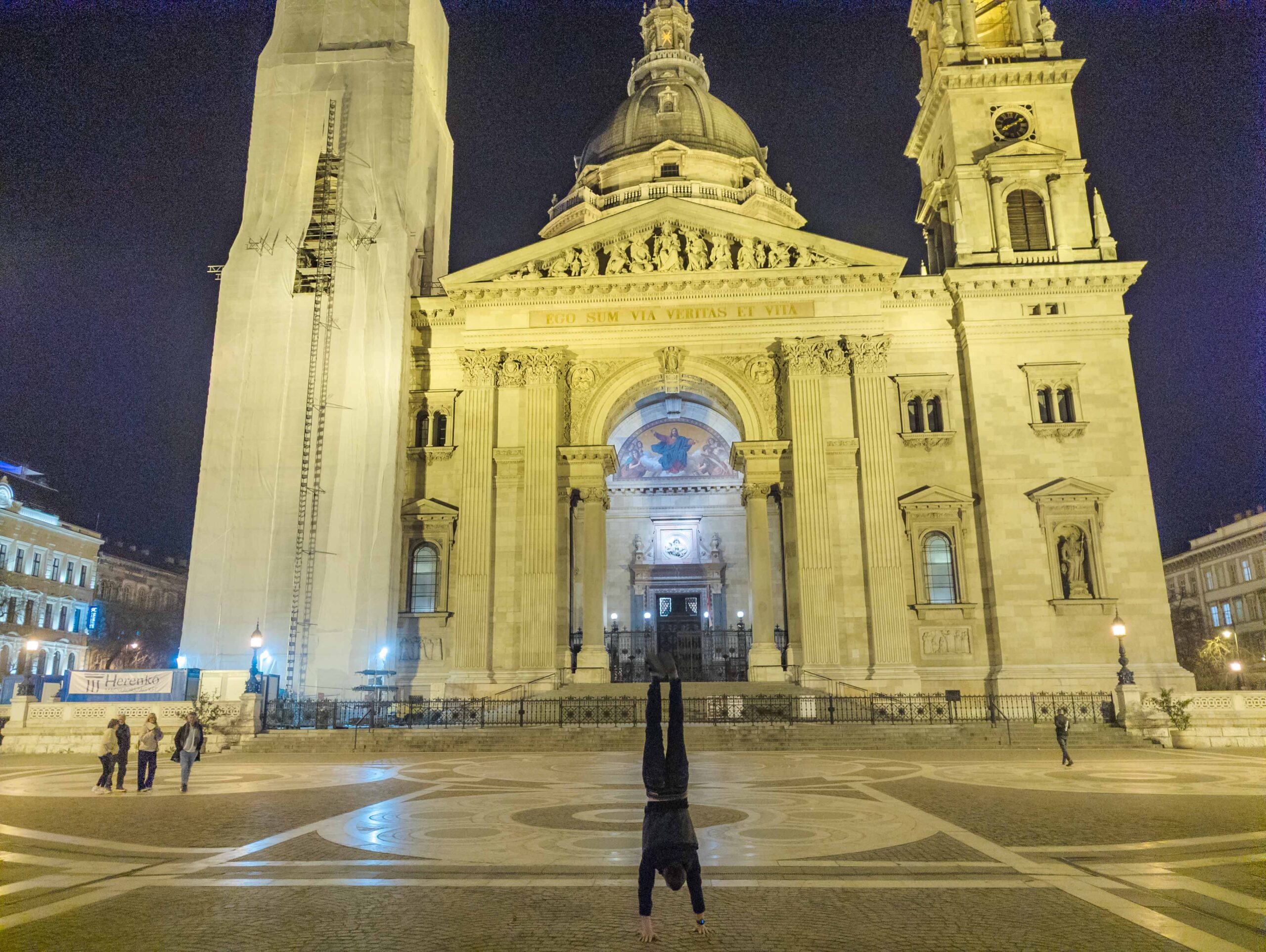
We started the tour at St. Stephen’s Basilica. The church is named after Stephen I, the first King of Hungary. He was crowned in the year 1000 and established the Hungarian state while bringing Christianity to the region. The basilica actually houses his mummified right hand, which is kept as a national relic.
We then walked down Andrássy Avenue. This is a massive boulevard built in the late 19th century. The architects were heavily influenced by Paris. This explains the wide, tree lined streets and the classical buildings. We ended up at Vörösmarty Square. Here, the guide explained the origins of the Magyars. These nomadic tribes arrived in the Carpathian Basin around the late 9th century. Because of these distinct roots, the Hungarian language belongs to the Uralic language family. It sounds completely different from the Germanic, Slavic, and Romance languages spoken in neighboring countries.
World War II History
We walked along the Danube Promenade and saw the Little Princess statue before moving into the Jewish Quarter. This area contains a lot of history. It is known today for its architecture and the massive Dohány Street Synagogue, but it was also the site of the Budapest Ghetto during World War II.
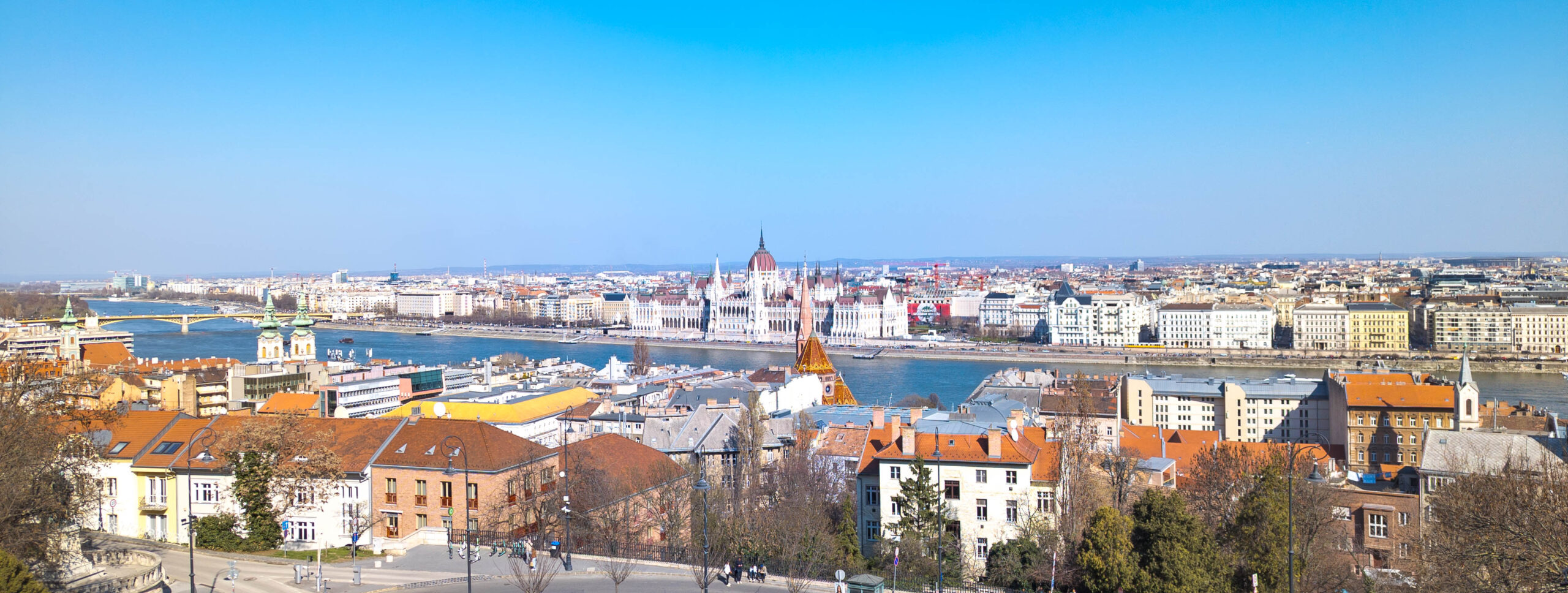
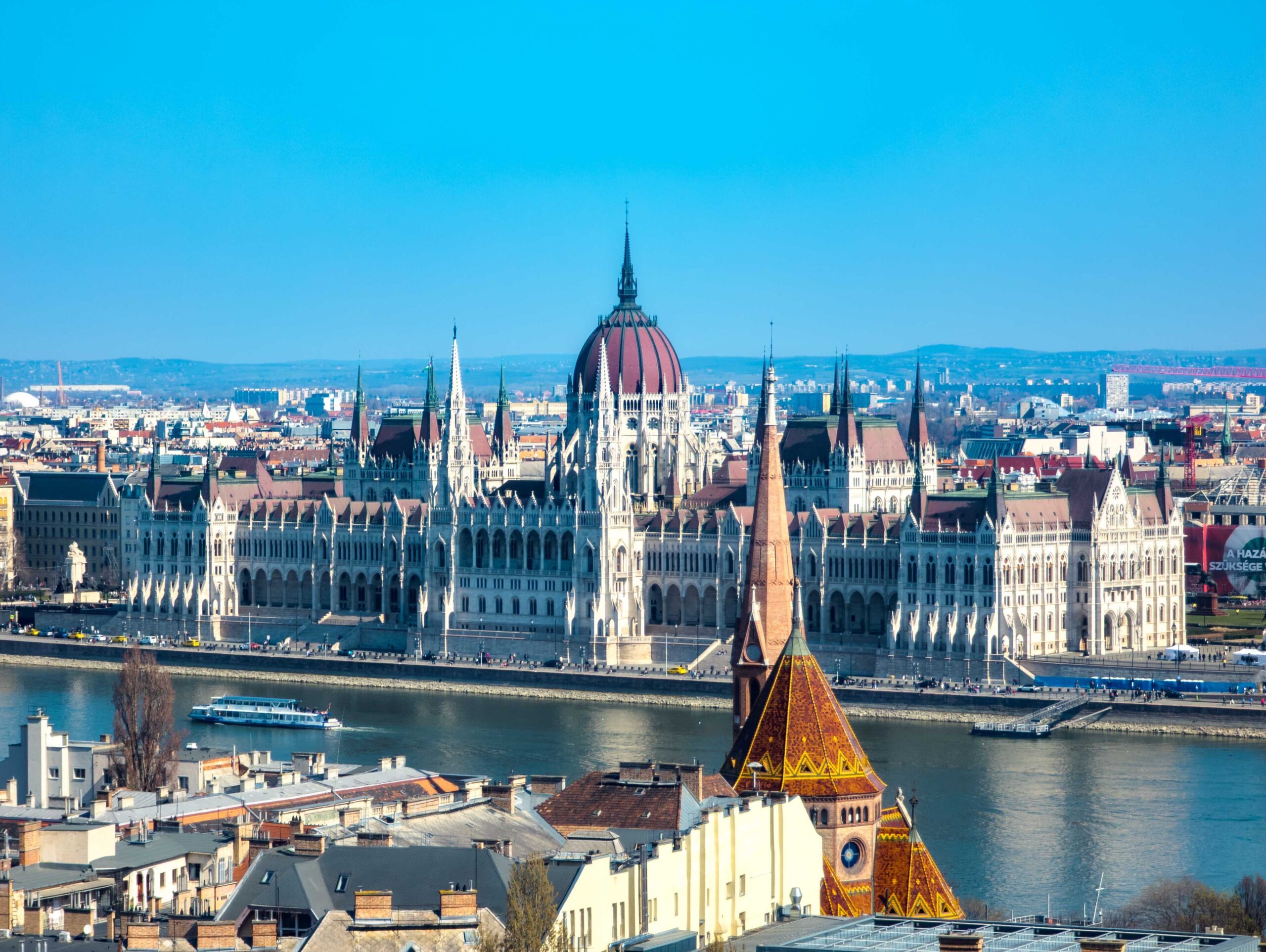
After the tour ended near the neo Gothic Parliament Building, I walked down to the river to see the Shoes on the Danube Bank. This memorial consists of iron shoes attached to the stone pavement. It honors the Jewish people who were murdered by fascist militiamen in 1944 and 1945. They were ordered to take off their shoes before being shot into the freezing river.
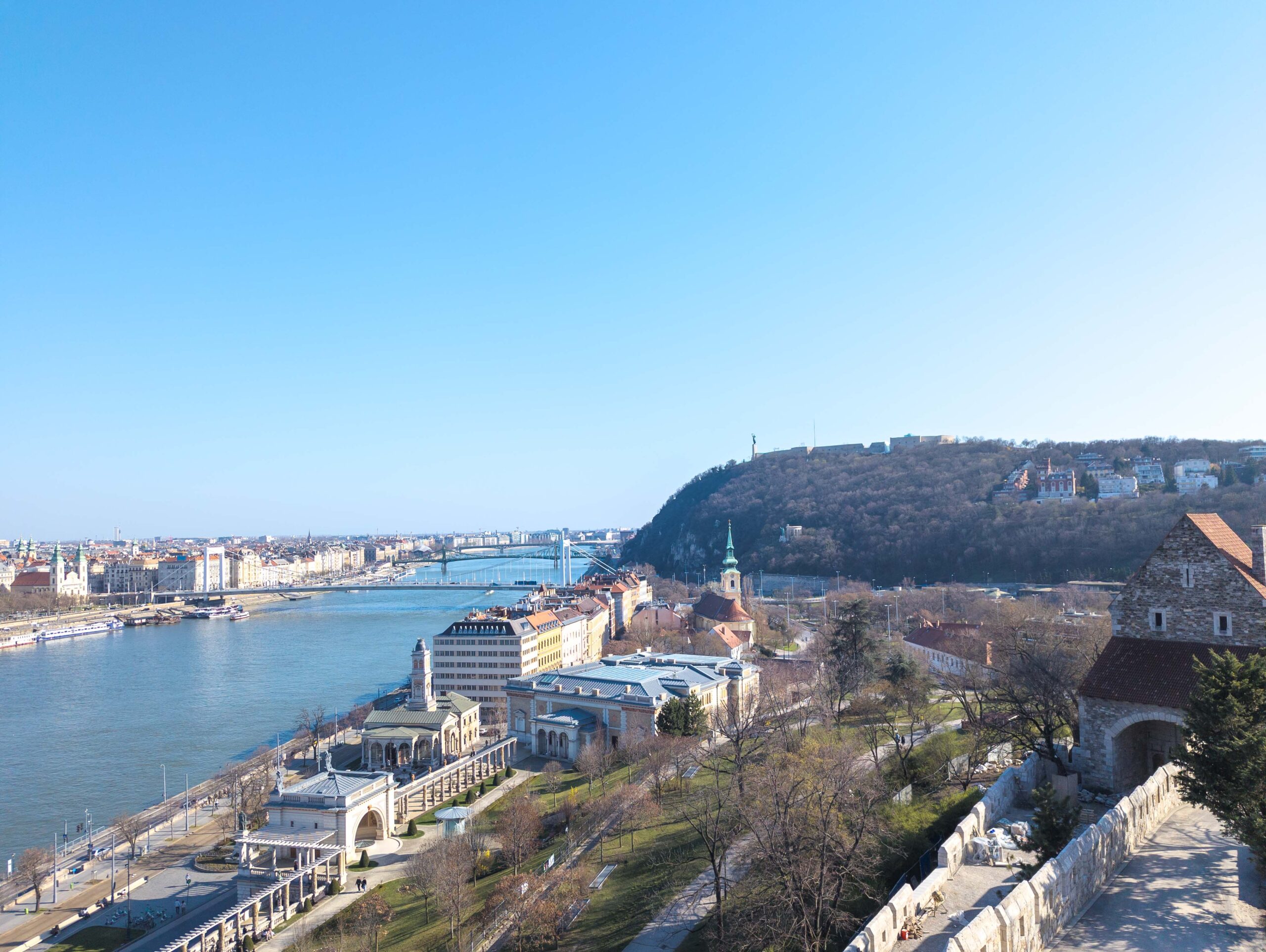
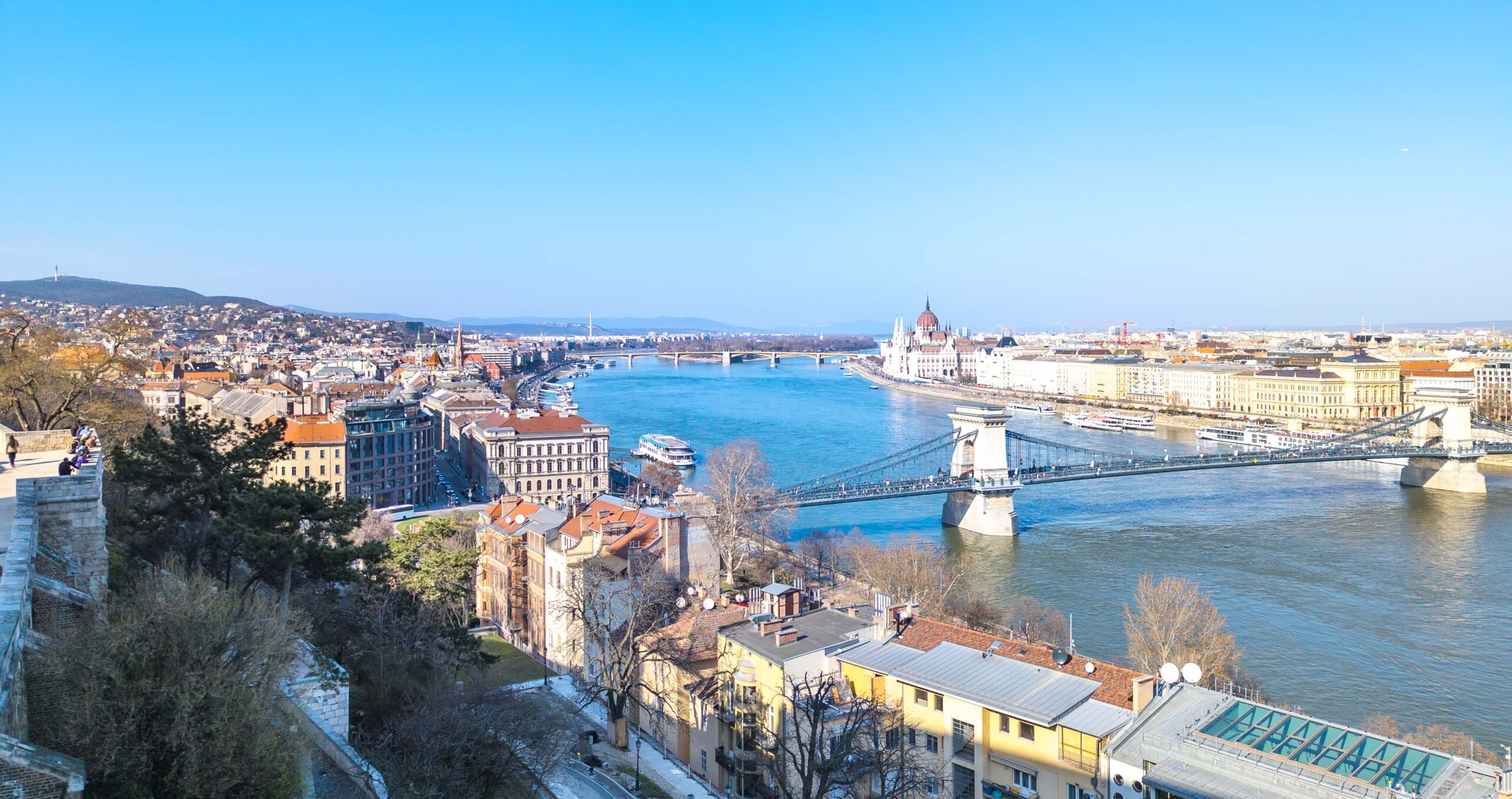
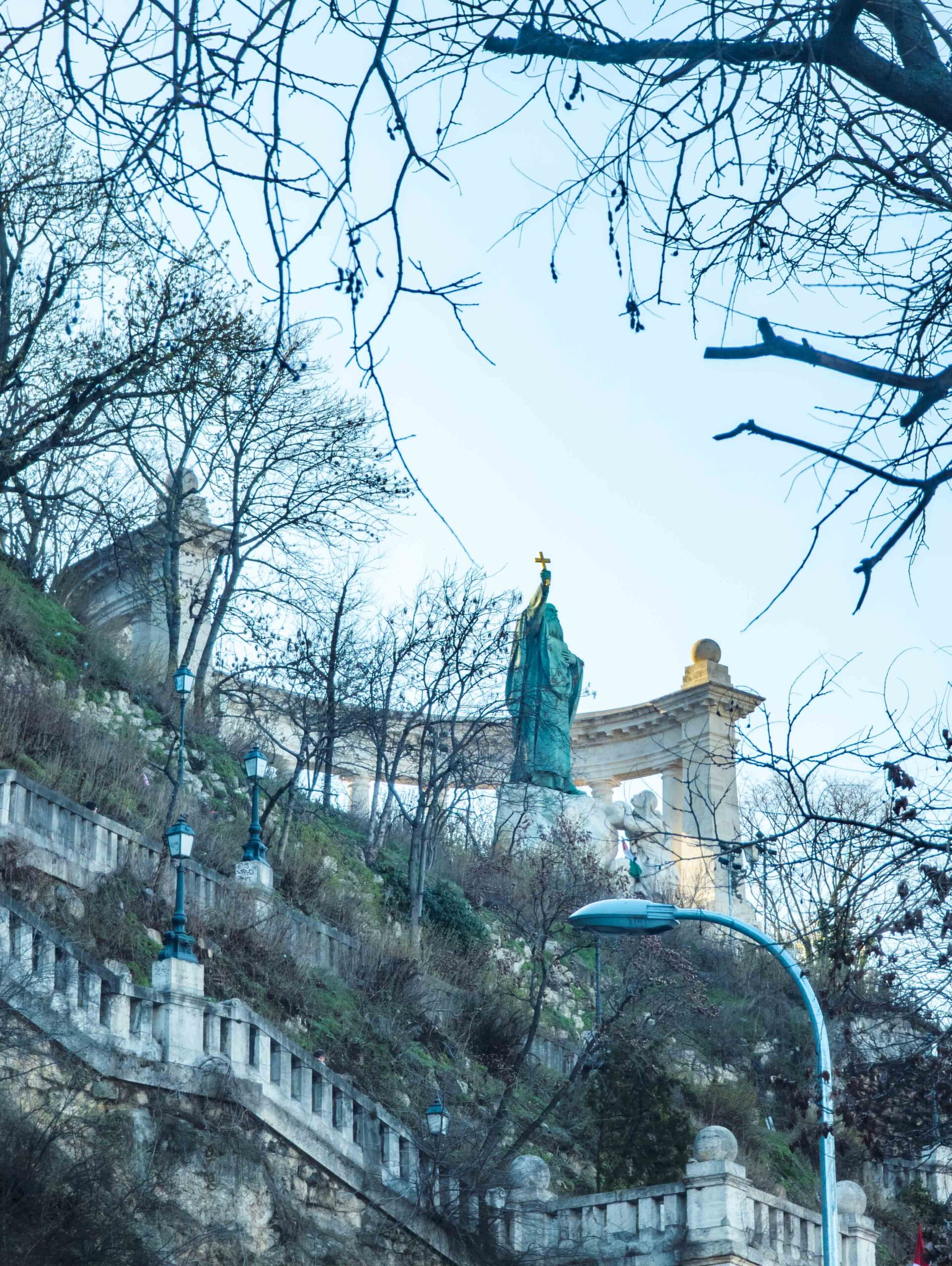
By this point, the geography of the city made sense. The Danube River separates the flat Pest side from the hilly Buda side. I walked up Buda Hill to get a better view. I visited the Fisherman’s Bastion. It looks like a medieval white castle but was actually built in the early 1900s just to provide a panoramic viewing terrace over the river.
Food and Evening Explorations
Later in the afternoon, I got a haircut at a local barber for about 14 CHF. I then changed accommodations and checked into the JO&JOE hostel. It was much quieter and cleaner than Onefam, with a modern layout. I took a long walk in the evening starting near Margaret Island. The historical buildings and bridges were lit up against the night sky.
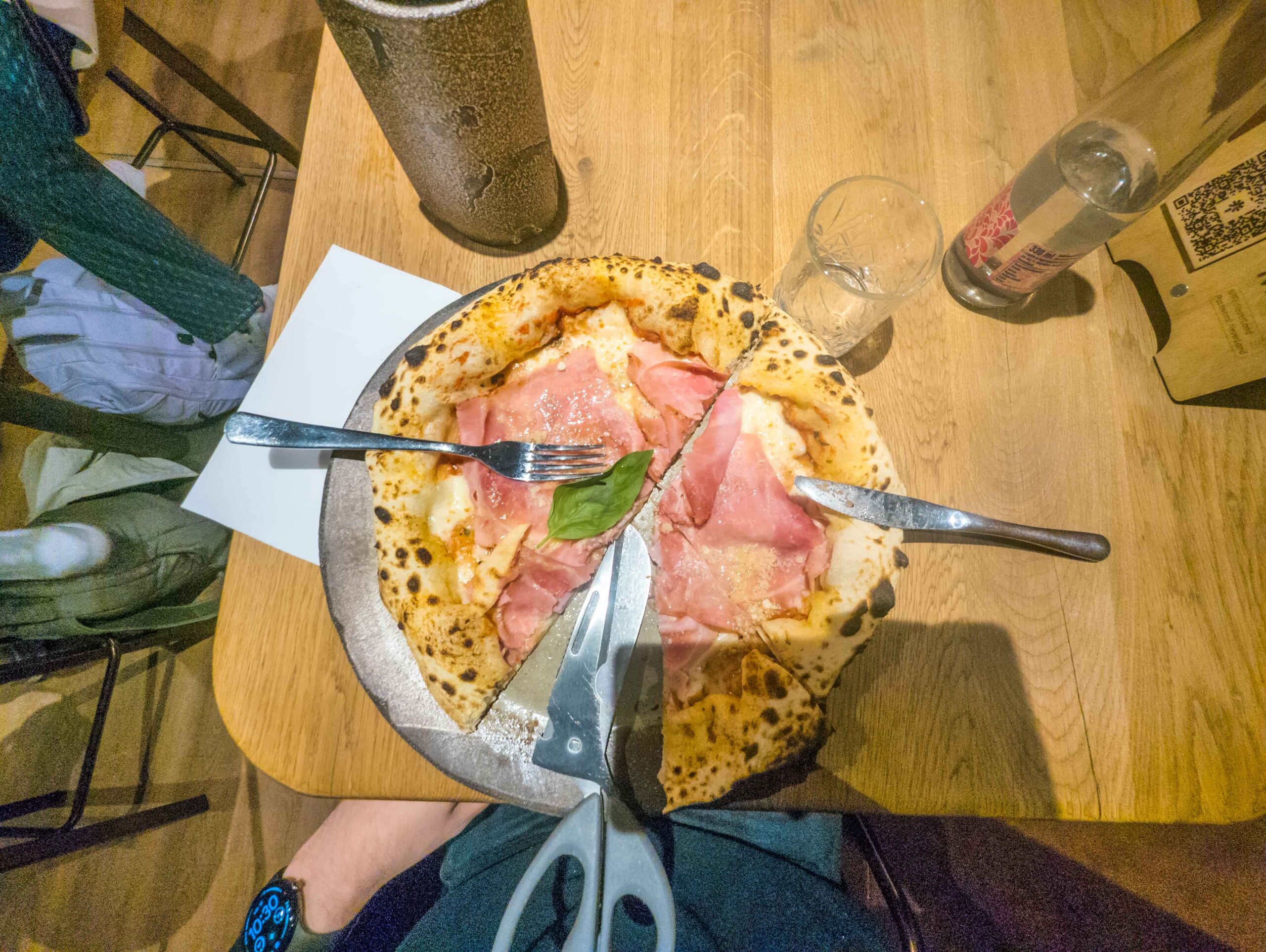
For dinner, I found a Neapolitan pizzeria called Amore di Napoli that had a 4.9 rating on Google. I ordered a Prosciutto pizza and a water for 12.30 CHF. The pizza was served with a pair of scissors. I asked the waiter about them, and he explained that scissors are used to cut the pizza and test the airy crust without crushing the dough like a standard knife would. The pizza was excellent, though I noticed they put Parmesan cheese on top of the prosciutto. When I asked the waiter about it, he said it is simply a matter of culinary philosophy among pizza makers.
Sunday: The Buda Side and Royal History
I got up at 7:00 AM on Sunday. I bought a public transport day ticket, but this turned out to be a waste of money. I only used public transport three times that day. For the ticket to be worth the price, you need to use it at least six times. Single tickets are a better option if you plan to walk a lot.
I joined a second walking tour, this time focusing on the Buda side. Since I speak Spanish, I opted for a Spanish language tour. Buda feels much older than Pest and has a completely different character due to the hills.
The Buda Castle District
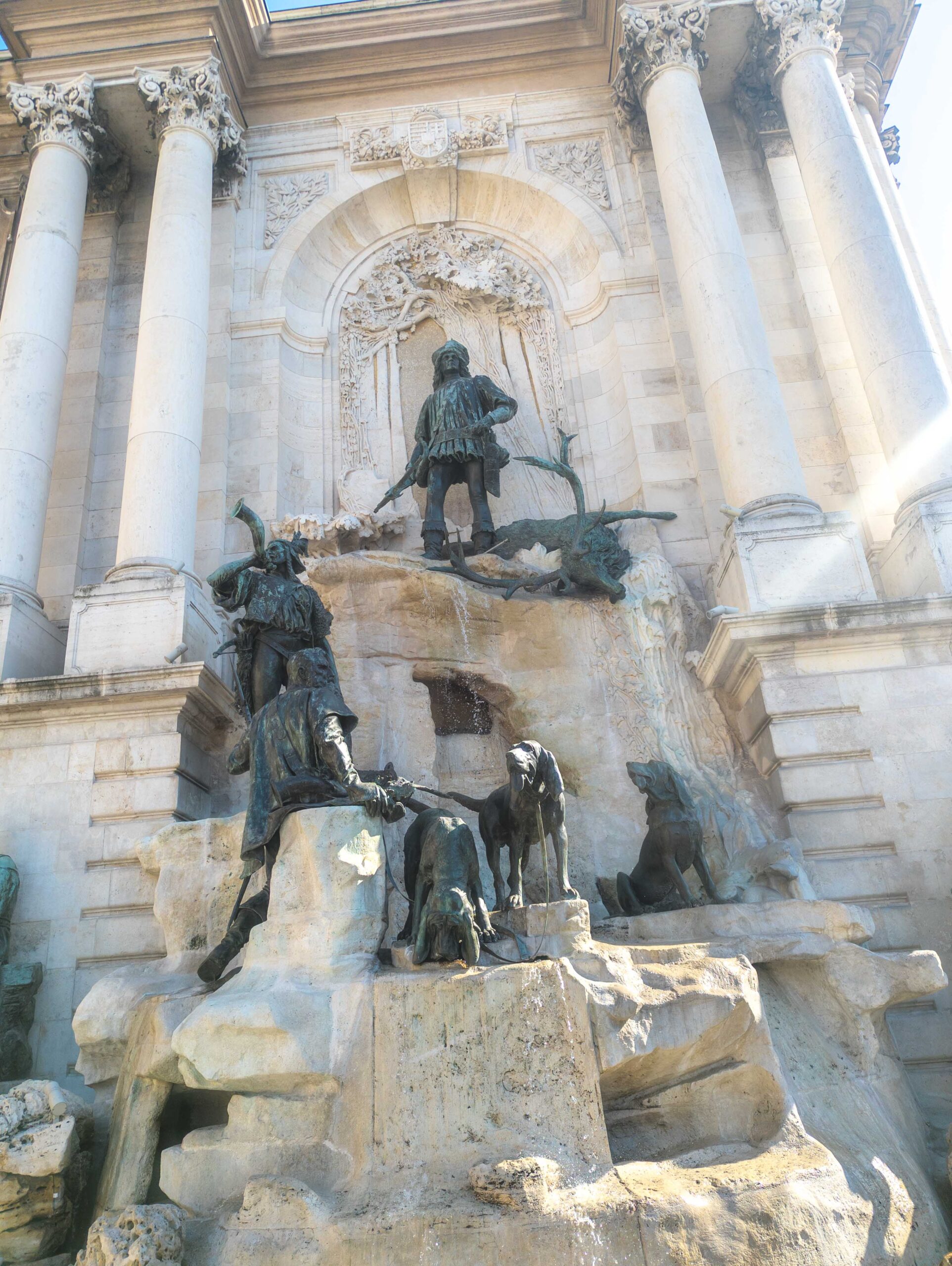
We started by exploring the Buda Castle district, which was the seat of the Hungarian kings for centuries. We saw the beautiful Matthias Church, which has a distinctive tiled roof. This church was used for coronation ceremonies and was even converted into a mosque during the Ottoman occupation of the city. We also saw the Fountain of Matias Corvinus.
We walked past the Ruszwurm Cafe, one of the oldest traditional cafes in Budapest. The guide showed us Saint George’s Square and the Sándor Palace. The Sándor Palace serves as the official residence of the Hungarian president. We also walked by the Vienna Gate and the ruins of the Church of Mary Magdalene before reaching the Medieval Citadel. The Citadel sits high above the city and offers the best views of both Buda and Pest.
Modern Hungarian Politics
The guide discussed modern Hungarian politics and demographics. Hungary currently has a flat personal income tax rate of 15 percent. However, the government has introduced major financial incentives to encourage population growth. If a mother has three children, she is exempt from paying personal income tax for the rest of her life. There are also special family loans available. If a couple has three children, the entire loan is forgiven without any interest.
Museums and Ruin Bars
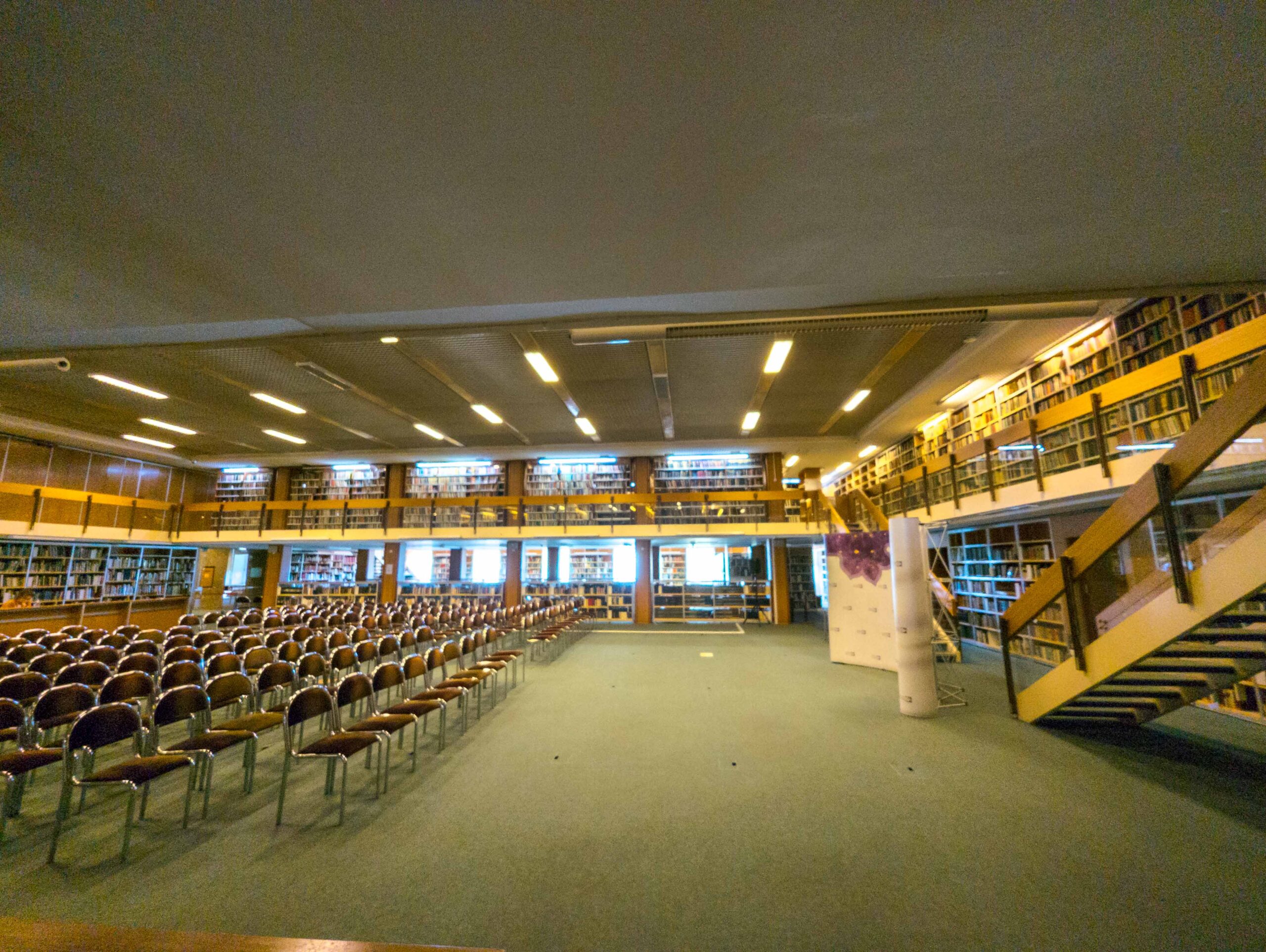
Sunday was a national holiday in Hungary. This meant entry to several museums was free. I spent the afternoon visiting the National Library and the Budapest History Museum.
I went back to the hostel around 4:00 PM and met a Brazilian traveler named Washington. He is a 36 year old psychologist. We got along well and decided to go out for dinner later. We went to a restaurant called Fuego. The prices were quite high for the portion sizes. A piece of chicken and a water cost 13 euros, so I skipped the side dishes.
After dinner, we went to Szimpla Kert. This is one of Budapest’s famous ruin bars. In the early 2000s, people began opening bars in abandoned buildings in the Jewish Quarter, filling them with salvaged furniture and art. They are now a major part of the city’s nightlife. We sat with some people from Turkey and Denmark and talked for a few hours. Washington left around 11:00 PM, and I stayed a bit longer before heading back to the hostel.
I woke up at 6:30 AM the next morning. I took the metro one last time and caught the direct bus to the airport. The transport system worked perfectly, and the trip back was straightforward.
BUDAPEST FINANCIAL SUMMARY AND TRIP EXPENSES
Protected Financial Summary
Enter password to unlock the comprehensive cost breakdown and itemized receipts.