A memorable Patagonian excursion that pairs a tranquil 16 kilometer river kayak descent with an archaeological and paleontological walking exploration. Drifting downstream on the turquoise waters of Río La Leona offers scenic solitude across the Patagonian steppe, while the second half of the tour leads into an extraordinary badlands basin rich in prehistoric fossils, petrified tree trunks, and giant dinosaur bones.
This protected site remains strictly controlled, accessible only with authorized naturalist guides, preserving a fragile landscape that was once home to the largest land animals in natural history.
| Location | Río La Leona and Cerro Los Morros, Santa Cruz Province, Argentina |
| Activity Type | River Kayaking and Paleontological Canyon Trek |
| Distance | 16 km kayak descent and 5 km desert hike |
| Duration | Full Day (7 to 8 hours) |
| Difficulty | Moderate |
| Starting Point | Parador La Leona on Ruta 40 |
| Best Season | November to March |
| Date Visited | January 12, 2022 |
TRAILHEAD AND PLANNING LOGISTICS
The expedition starts along historic National Route 40 near Hotel de Campo La Leona, situated approximately halfway between El Calafate and El Chaltén. Tour transport picks up guests in El Calafate, transferring them to the river bank where tandem touring kayaks, life vests, and spray skirts are fitted.
The kayaking route is non technical and accessible to beginners, as the river current carries the boats steadily downstream with minimal strenuous paddling required. The geological canyon is located on private protected land, ensuring zero overcrowding and pristine preservation of fossils.
THE ROUTE AND TRAIL REPORT
Downstream Paddle on Río La Leona: The tour launches onto the milky turquoise current of Río La Leona, which drains the glacial waters of Lake Viedma into Lake Argentino. Over 16 kilometers of paddling, the river cuts through arid yellowish steppe canyons under wide open Patagonian skies. The current does most of the work, allowing paddlers to drift quietly while watching for upland geese and birds of prey.
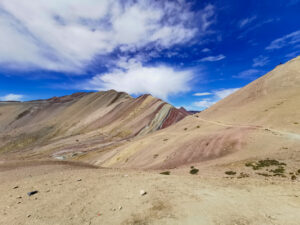
Cerro Los Morros Fossil Canyon: Midday, the kayaks pull ashore at an isolated river bend. From here, a guided walking loop heads inland into the clay ravines and wind sculpted hoodoos of Cerro Los Morros. The landscape resembles a miniature moonscape where ancient layers of sedimentary rock lie exposed by wind and rain.
Petrified Forests & Dinosaur Bones: The walking route is a captivating geology lesson. Countless petrified tree trunks, preserved in solid stone with visible tree rings and bark textures, lie scattered across the hillsides, dating back over seventy million years. Further along, the ground reveals fossilized sea shells and coral deposits from when the region was covered by shallow seas. Most remarkably, giant dinosaur fossils remain embedded in the canyon floor. Paleontologists working in this area excavated Dreadnoughtus schrani, a titanosaur estimated to have weighed 110 tons. The largest exposed bone fragment we encountered during our walk measured approximately 1.5 meters in length.
PRACTICAL TIPS AND ESSENTIALS
Clothing: Dress in synthetic athletic layers that dry quickly. Waterproof windbreakers and footwear suitable for walking on rocky desert terrain are essential.
Sun & Wind: The Patagonian steppe offers zero shade. Carry sunglasses with a retention strap, a broad brim hat, and high factor sunblock.
Conservation Ethics: The fossils in this canyon remain in situ for ongoing study. Visitors must follow the strict rule never to touch, step on, or remove any fossilized wood or bone fragments.
PHOTO GALLERY

Fossilized coral 
Volcanic rock that comes from a volcano 100km away Petrified dinosaur bone Petrified tree trunk