Arrival in the City of Two Continents
Istanbul stands as a mesmerizing bridge between Europe and Asia. Previously known as Byzantium and later Constantinople, the city pulses with an ancient energy. My journey began on Friday, May 8, 2026. After wrapping up my workday at noon, I traveled to the Zurich airport for a late afternoon flight to the Sabiha Gökçen airport. I was genuinely thrilled to explore a destination that once served as the glorious capital of the Roman Empire and subsequently the beating heart of both the Byzantine and Ottoman empires. The flight was incredibly smooth. From my window seat, I enjoyed a gorgeous aerial view over Switzerland during takeoff. I sat beside a couple heading to Kazakhstan to visit family, though we kept to ourselves as I rested.
Navigating from the airport to the city center proved to be a lengthy but straightforward process. Taking the M4 metro line and transferring to the B1 train required about one hour and eighteen minutes. It was fascinating to realize that traversing this single Turkish city took longer than traveling from the plaza where I live in Switzerland to the nearest major transit hub. Acquiring a public transport card introduced me to the chaotic and fast paced energy of local interactions. At the ticket machine, a local man was aggressively pressing buttons for passengers, which frightened away the two individuals ahead of me. When he attempted the same with me, I calmly told him to slow down and asked if he worked there. He confirmed he did, but as he rapidly pushed buttons, I stopped him again, refusing to pay for something I could not understand. He switched the screen to English but maintained his frantic pace. I ultimately tapped my credit card, paying a 500 TRY top up along with the card fee for a total of 650 TRY, which equates to roughly 12 Swiss Francs. While it initially felt like an excessive amount, using public transport over the weekend completely depleted those funds. Riding the public transit network also highlighted distinct local commuter behaviors. Passengers consistently crowded the doors the moment a tram or bus arrived, completely ignoring any concept of a queue and making it nearly impossible for others to exit properly.
Settling into the Historical Center
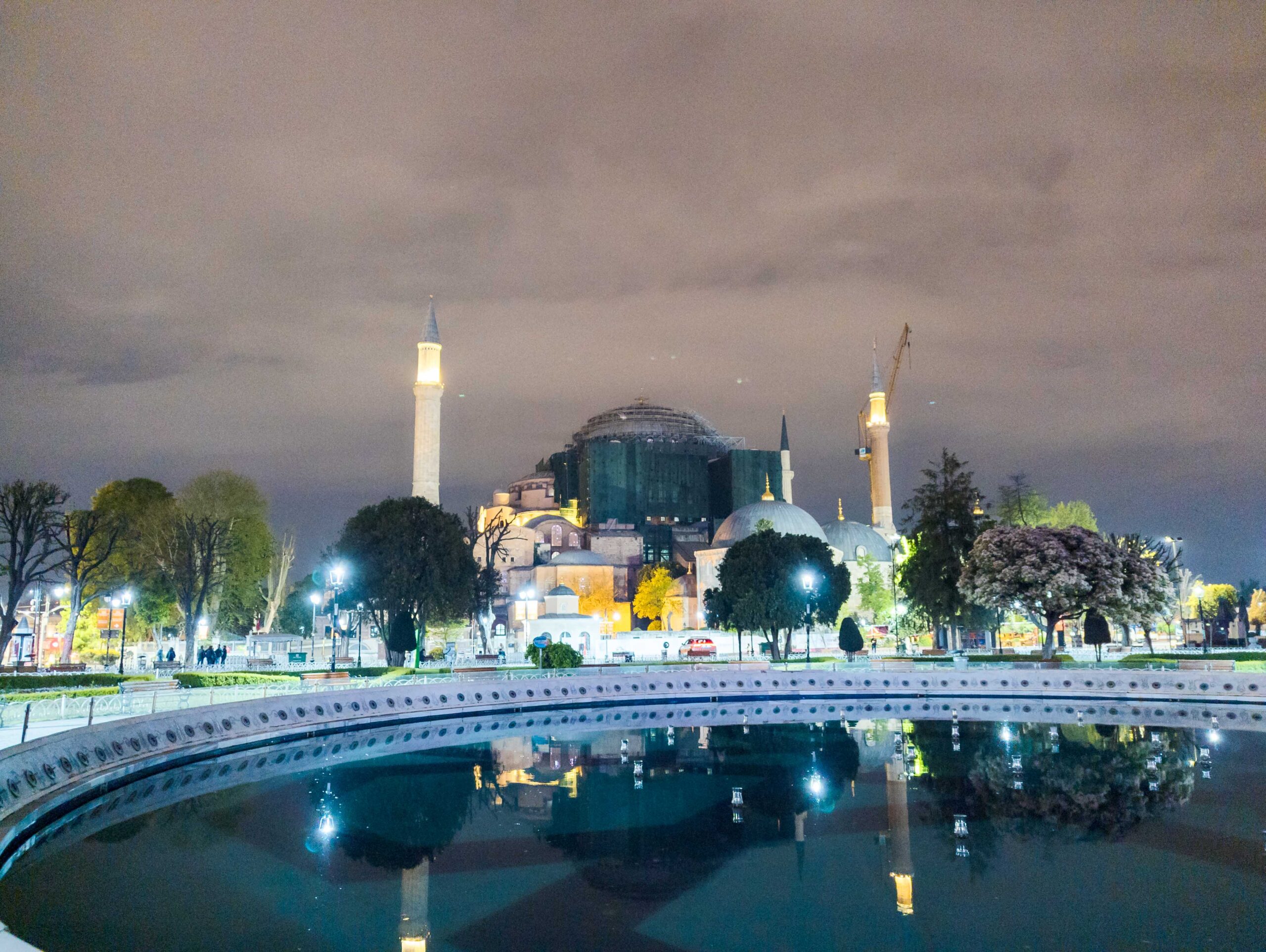
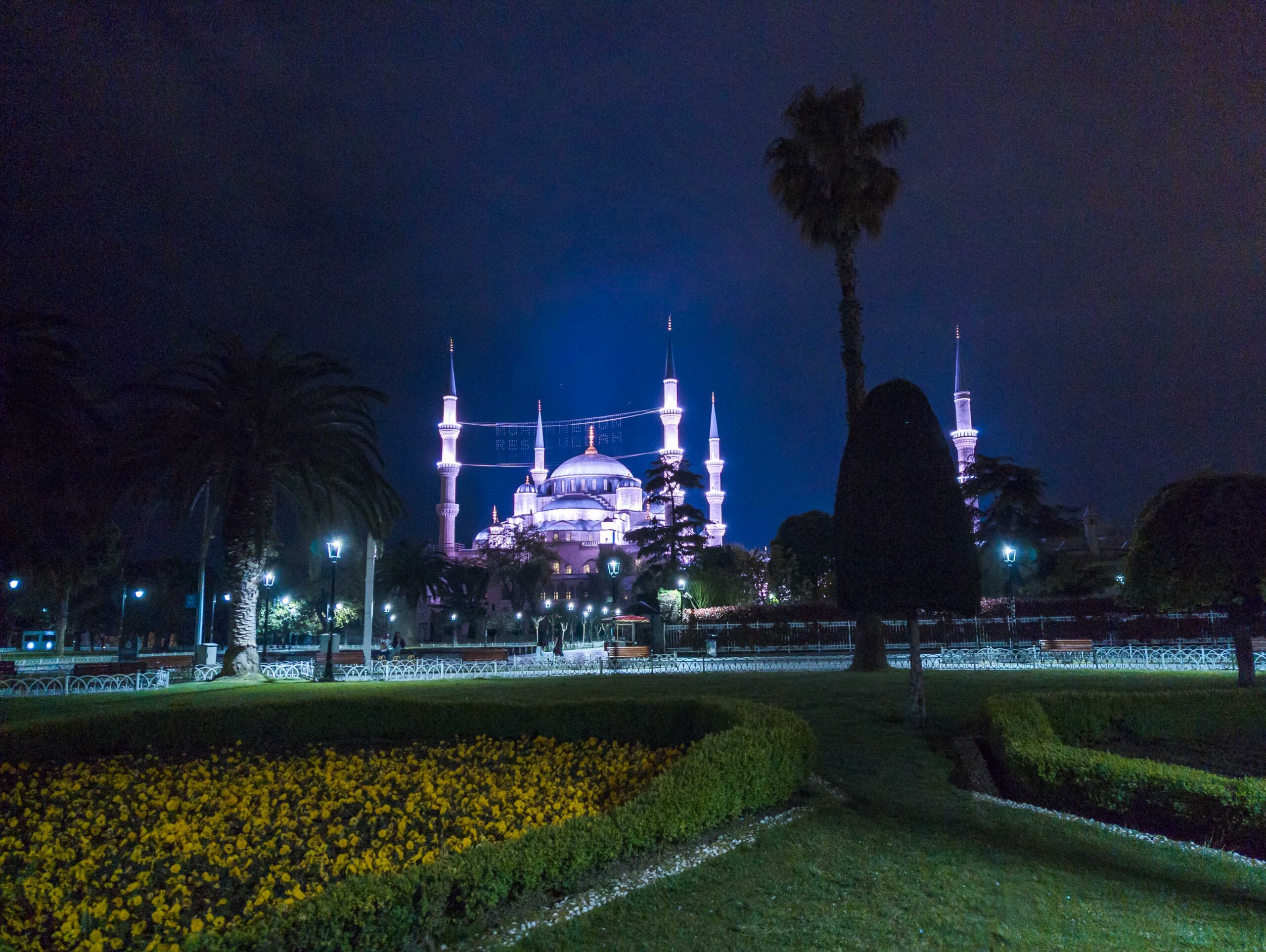
I reached the Second Home Hostel around ten in the evening. The receptionist immediately informed me that card payments incurred a ten percent surcharge, forcing me to venture out to an ATM. I withdrew 3500 TRY, and because the machine exclusively dispensed 100 TRY bills, I walked back carrying a comically thick brick of cash. The hostel reviews had praised its vibrant social atmosphere, but the building felt remarkably quiet, likely because most guests were attending a local boat party on the Bosphorus. I was assigned the upper bunk in a six bed dorm room. The accommodations were quite basic, featuring an exceptionally thin wooden ladder that bruised my feet, and the bed lacked any storage space to prevent personal items from falling off the edge. Fortunately, the room remained mostly empty for the first two nights. Seeking a late dinner, I ended up paying 20 CHF for a meal with terrible meat quality, an experience that taught me to avoid tourist trap restaurants moving forward. Afterward, I took a peaceful midnight stroll through the Sultanahmet district. Observing the illuminated blue domes of the local mosques and the grand Hagia Sophia in the quiet of the night was truly magical.
Uncovering Imperial Secrets
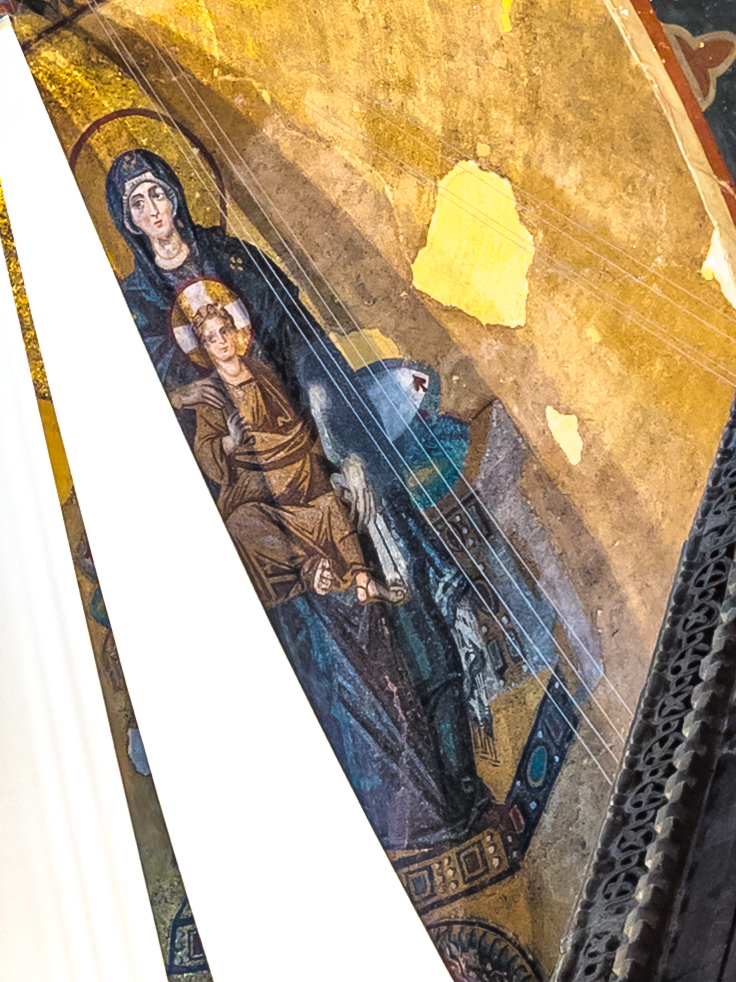
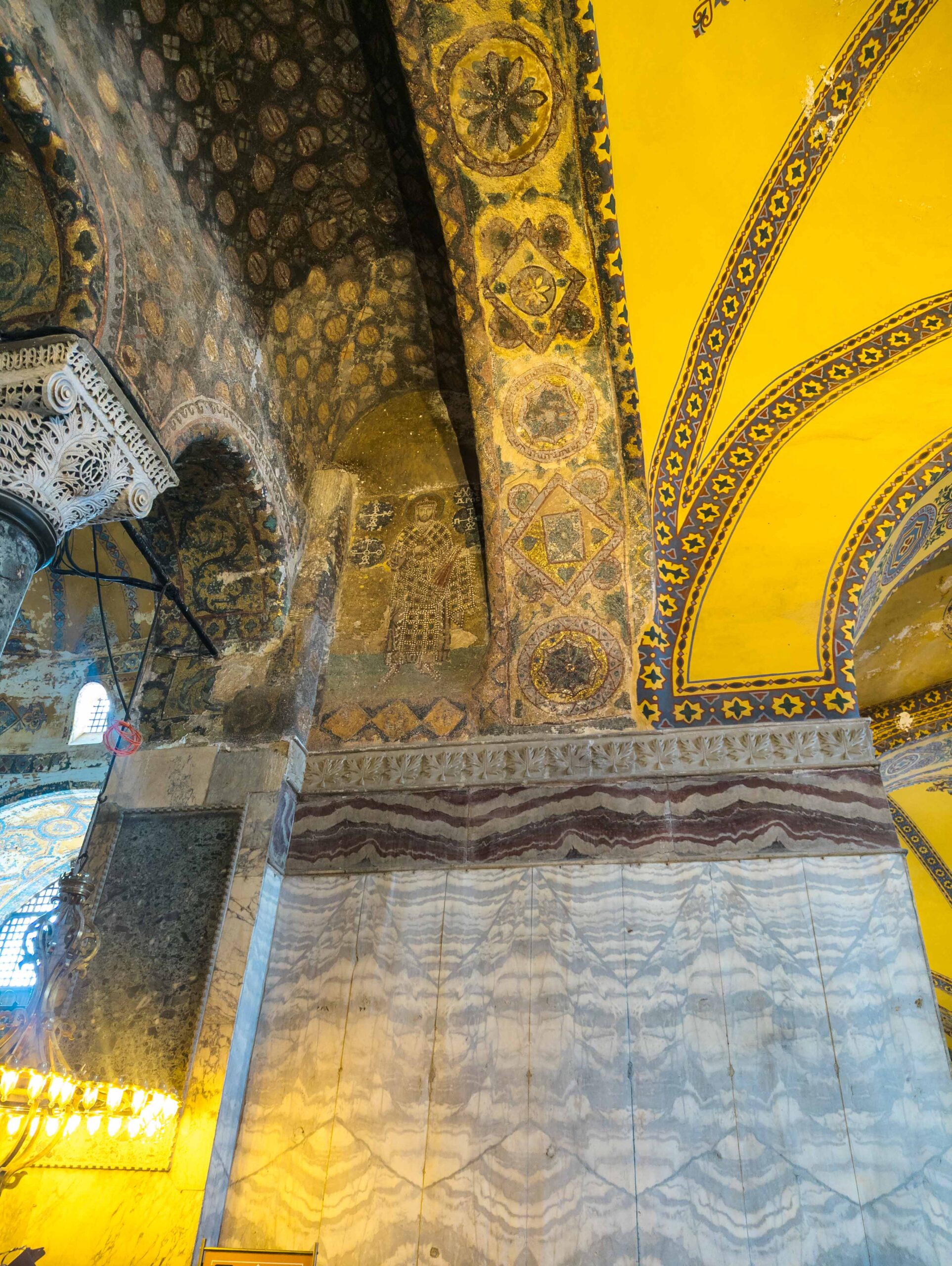
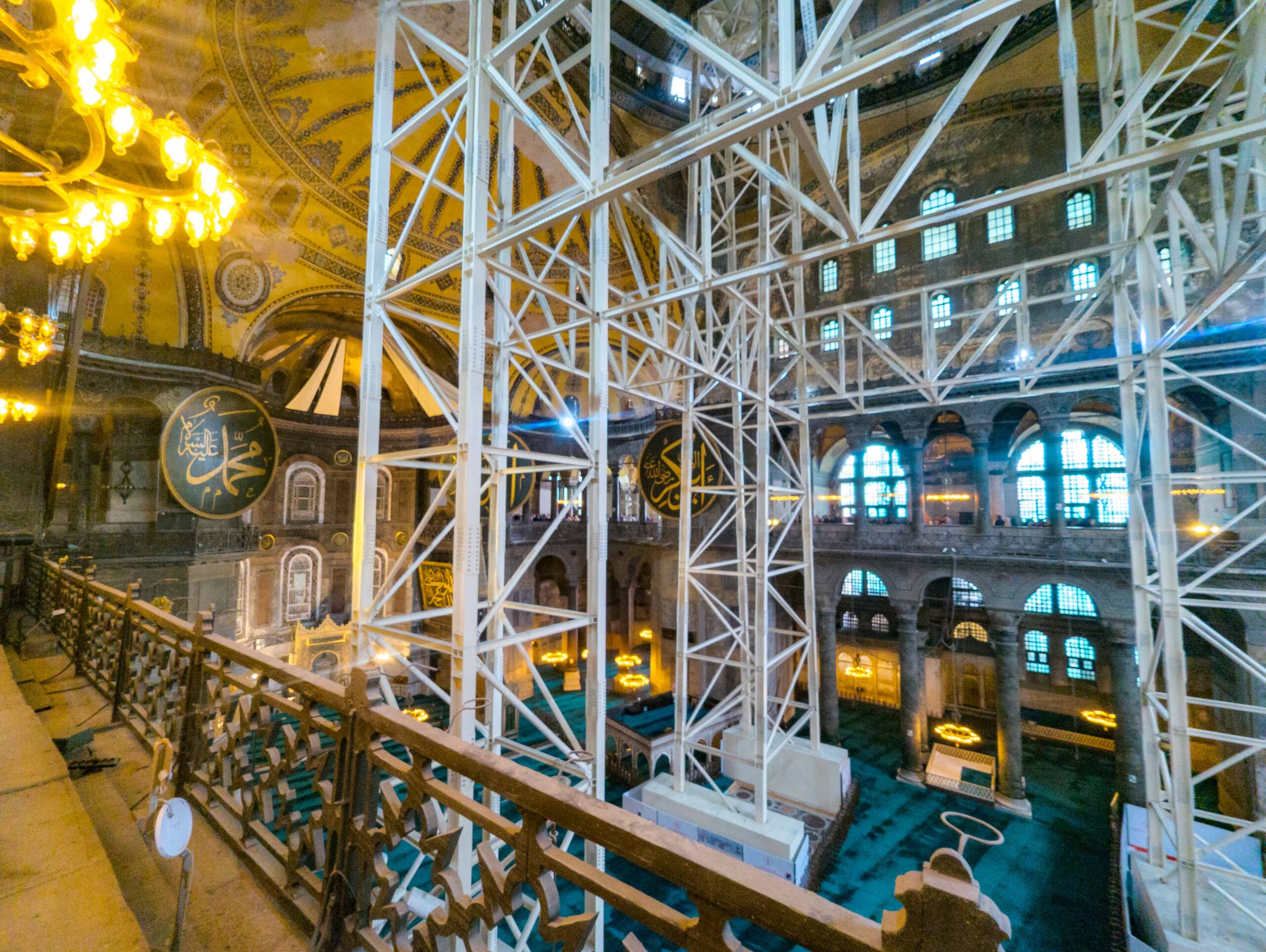
Saturday morning started early. A brief fifteen minute walk brought me to the meeting point for an extensive nine hour historical tour, which was quite expensive but included all major entrance fees. Our small group of five included an Italian couple and a Dutch couple on a cruise stopover, the latter of whom complained extensively when our guide arrived late, noting that guides are usually early. Our first destination was the Hagia Sophia. Commissioned by the Byzantine Emperor Justinian the First in 537 AD, it stood as the largest Christian cathedral in the world for nearly a millennium before Mehmed the Conqueror transformed it into a mosque in 1453. Arriving early meant a short queue, but unfortunately, the structure was undergoing massive renovations. Heavy construction scaffolding obscured much of its breathtaking interior and monumental exterior, which was quite disappointing given its legendary sweeping domes and ancient mosaics.
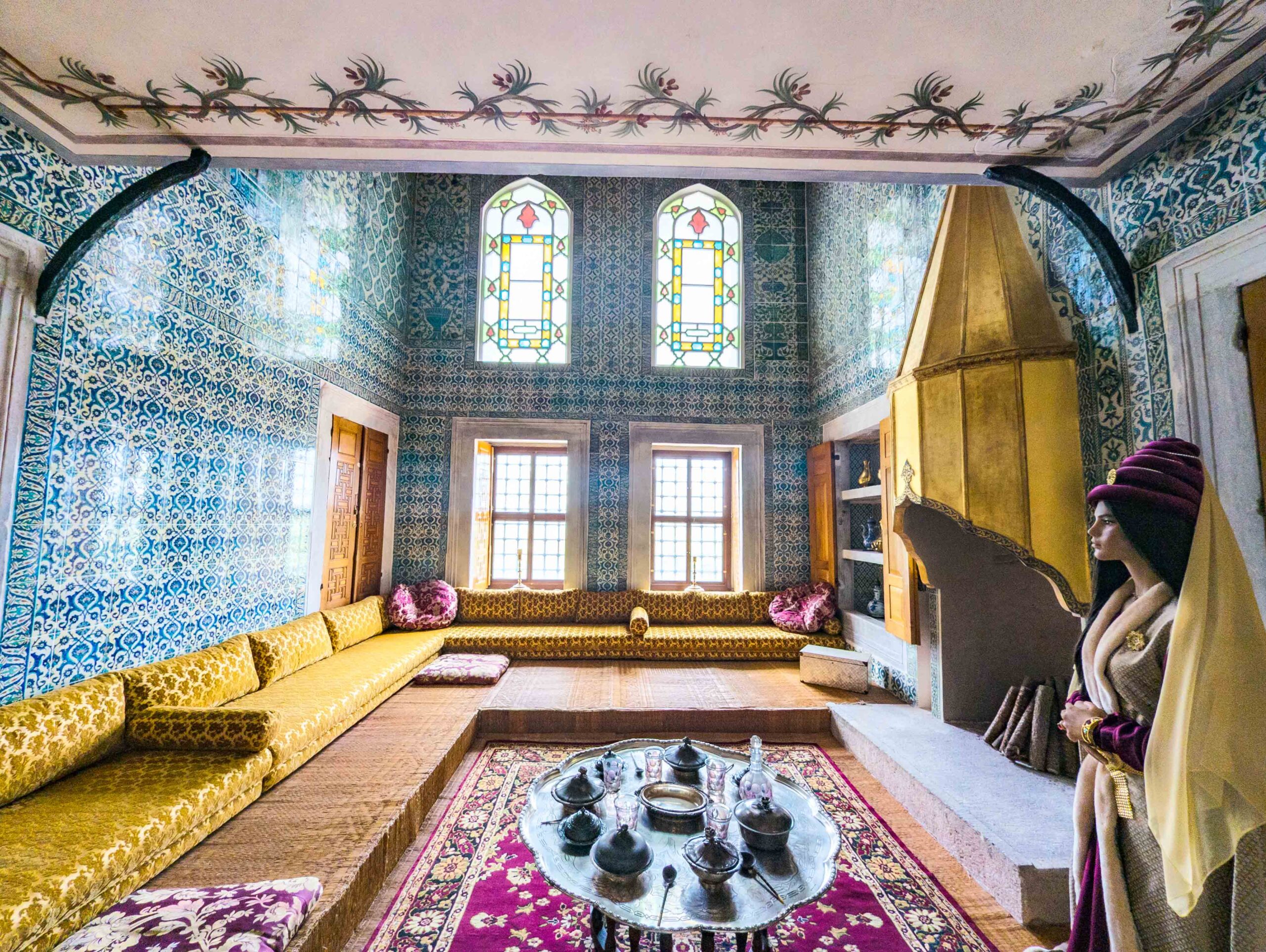
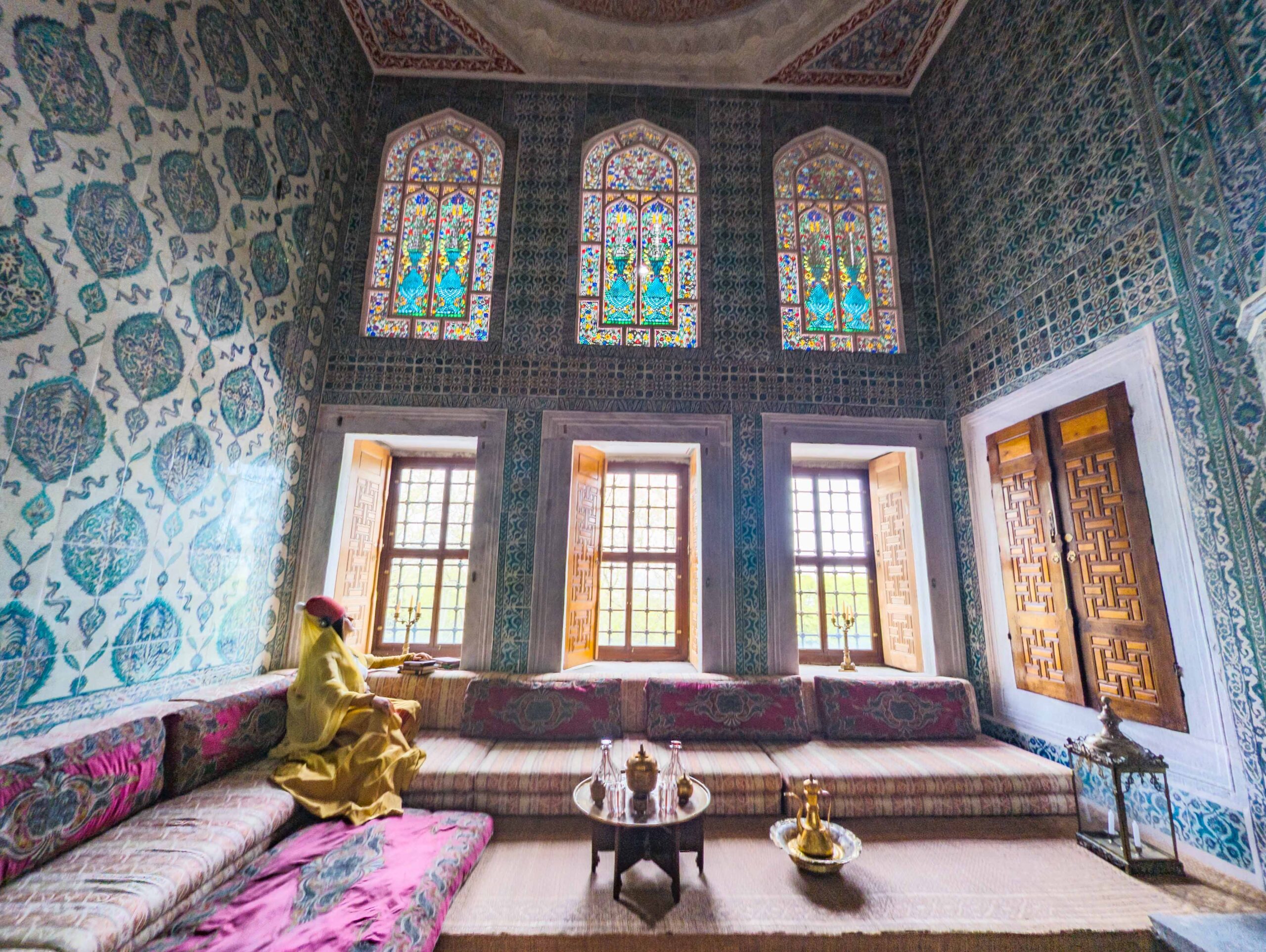
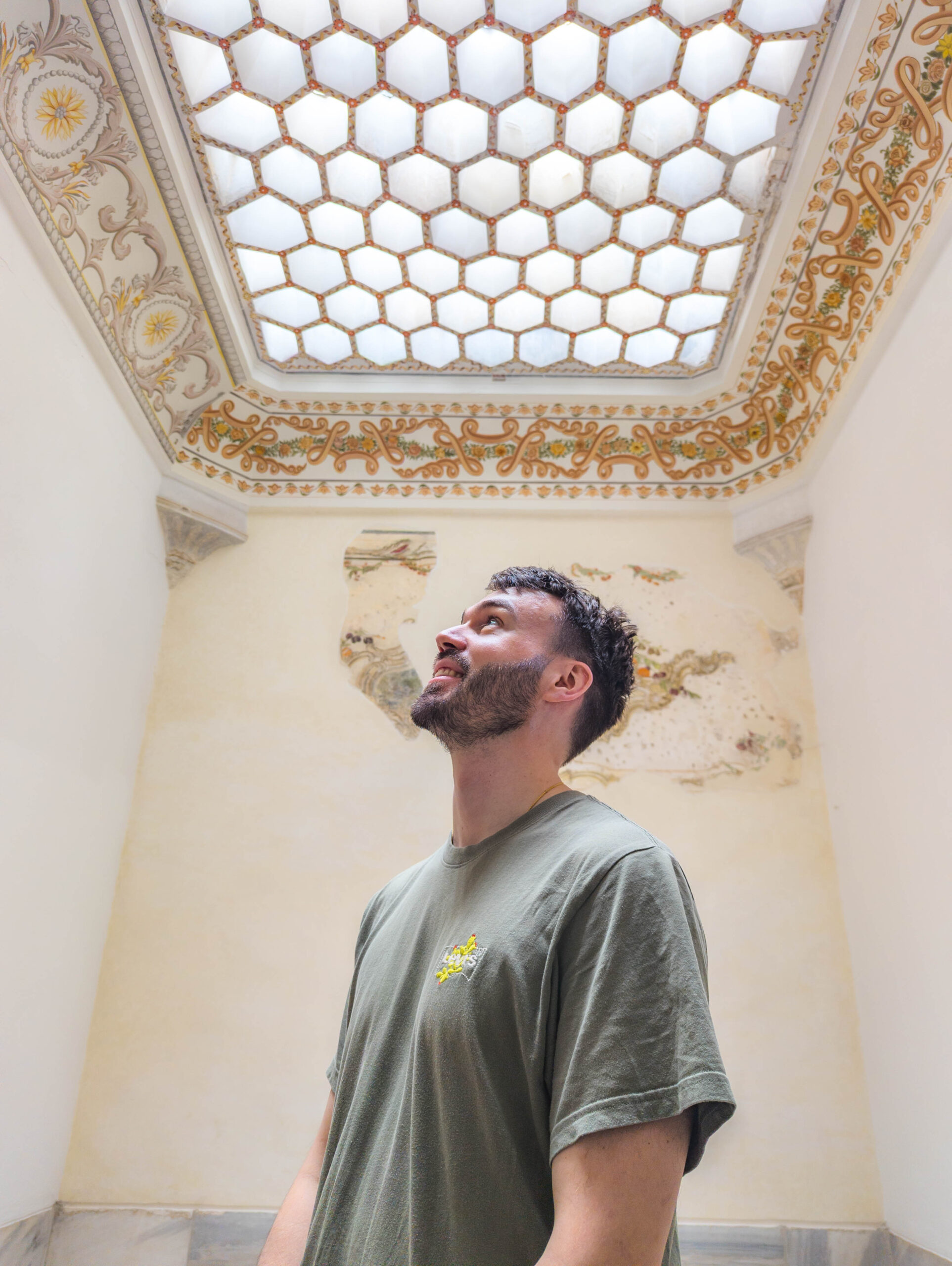
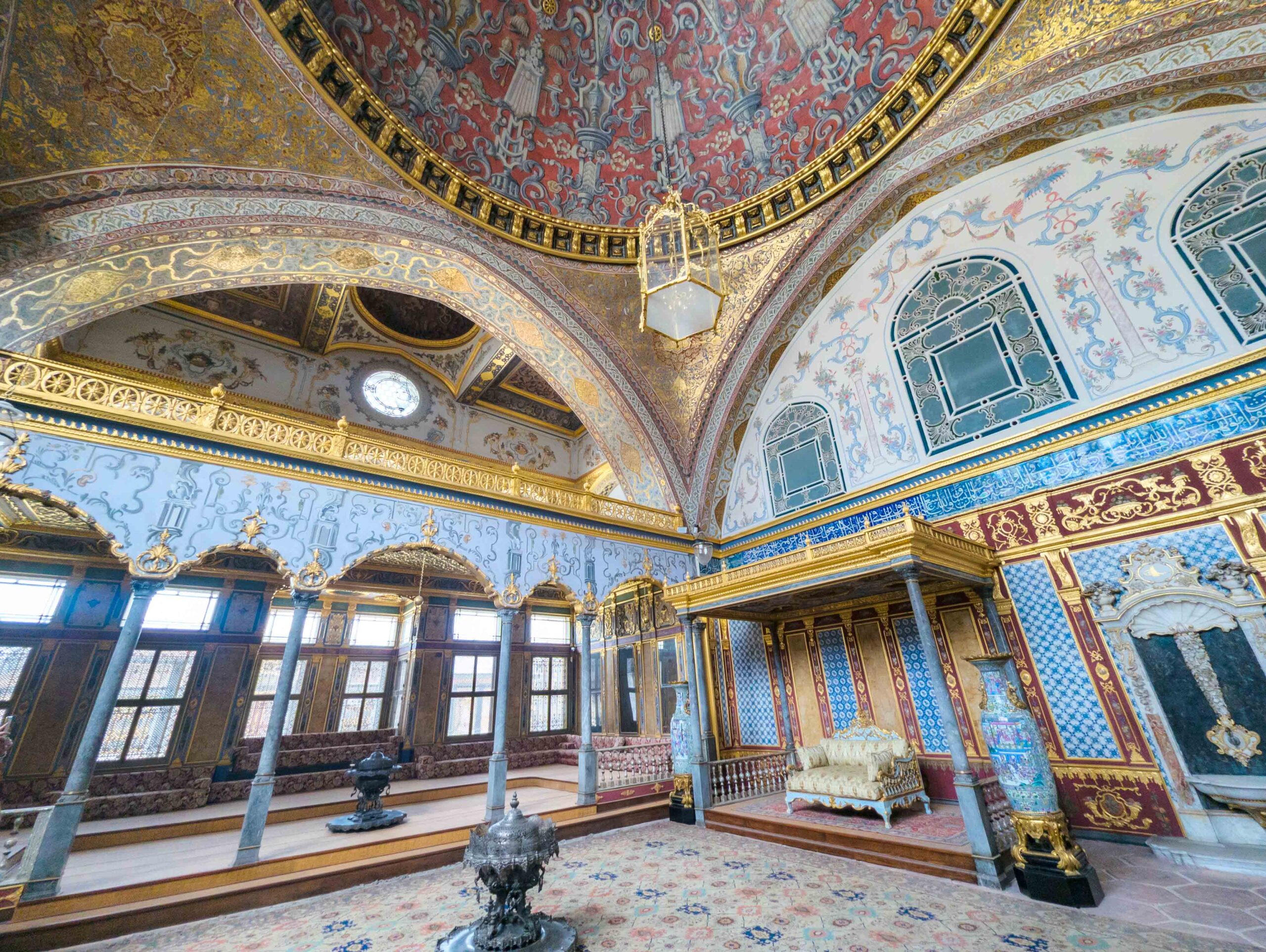
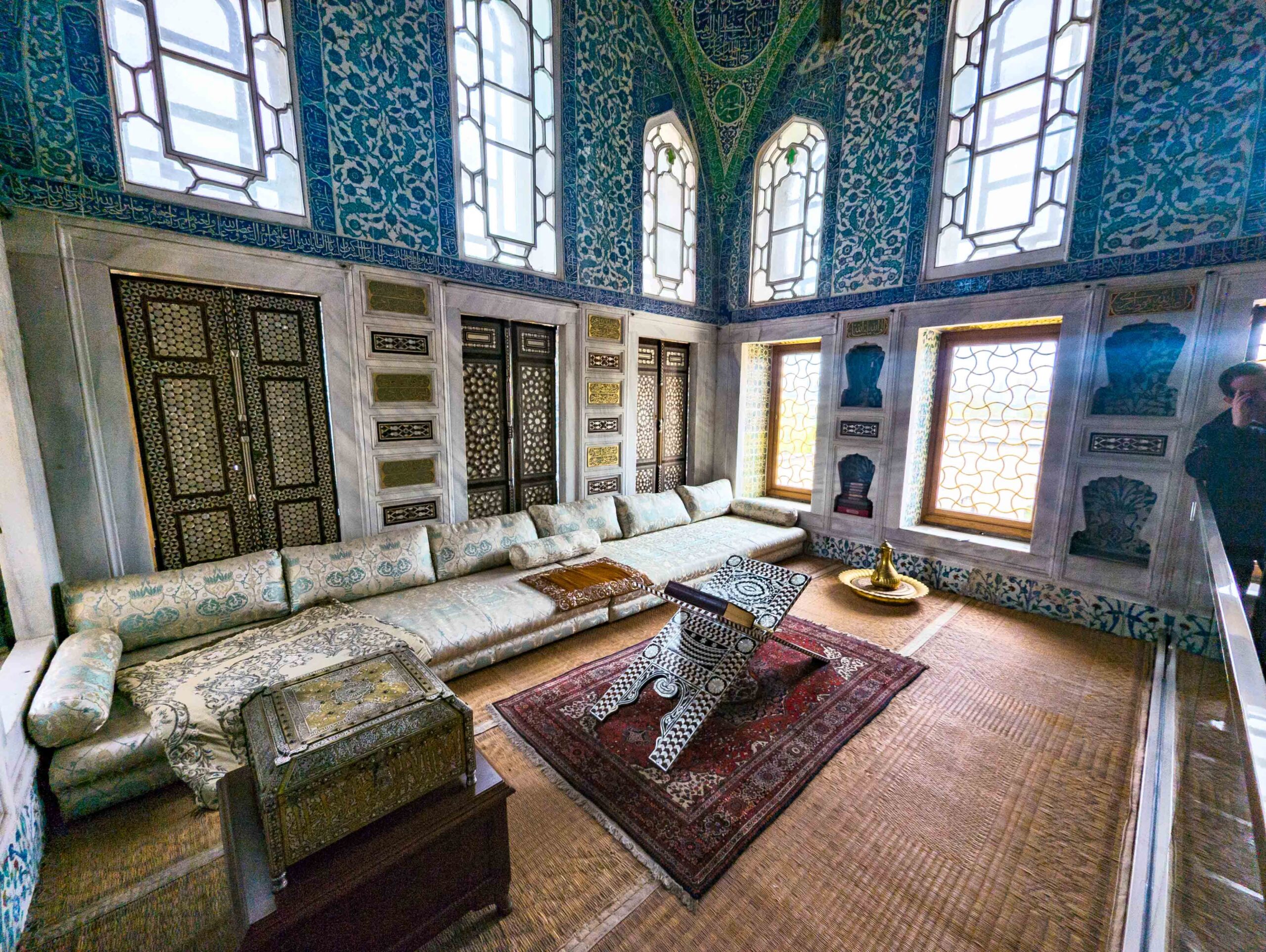
The tour proceeded to the Topkapi Palace, the opulent residence of the Ottoman Sultans for nearly four centuries. While the courtyards overlooking the water were architecturally stunning, the tour guide shared an unflinching and deeply unsettling account of the brutal Ottoman court. He detailed the isolated reality of the Sultan Harem, a fiercely guarded institution housing captured slaves from conquered lands. These women lived in a constant state of ruthless competition, as bearing a son was the only path to immense political power and the coveted title of Queen Mother or Valide Sultan. This high stakes environment bred vicious fights and poisonings. To guard the women and ensure the purity of the royal bloodline, the empire utilized African slaves subjected to horrific mutilations. These eunuchs were completely castrated in brutal and unhygienic procedures, leaving the survivors in lifelong agonizing pain. The scar tissue would often close entirely, forcing them to use a small silver or reed straw inserted into their bodies simply to pass water. Furthermore, the empire functioned on profound paranoia. Upon ascending the throne, a new Sultan invoked the legalized Law of Fratricide, ordering the execution of all his brothers and even infant relatives to eliminate any threat of rebellion. Hearing about this suffocating culture built on absolute distrust was staggering, and it left a heavy impression on all of us.
Cisterns Carpets and Bazaars
Following the heavy historical discussions, our guide led us to a restaurant for lunch. The food was abysmal, resembling dog food in both appearance and taste. However, the meal provided an amusing moment regarding the beverage service. Parched from the long morning of walking, I rapidly consumed five tiny 100ml glasses of water in a row, eventually drinking one and a half liters. The other group members, who had delicately sipped from a single tiny glass, were utterly shocked and impressed by my water consumption.
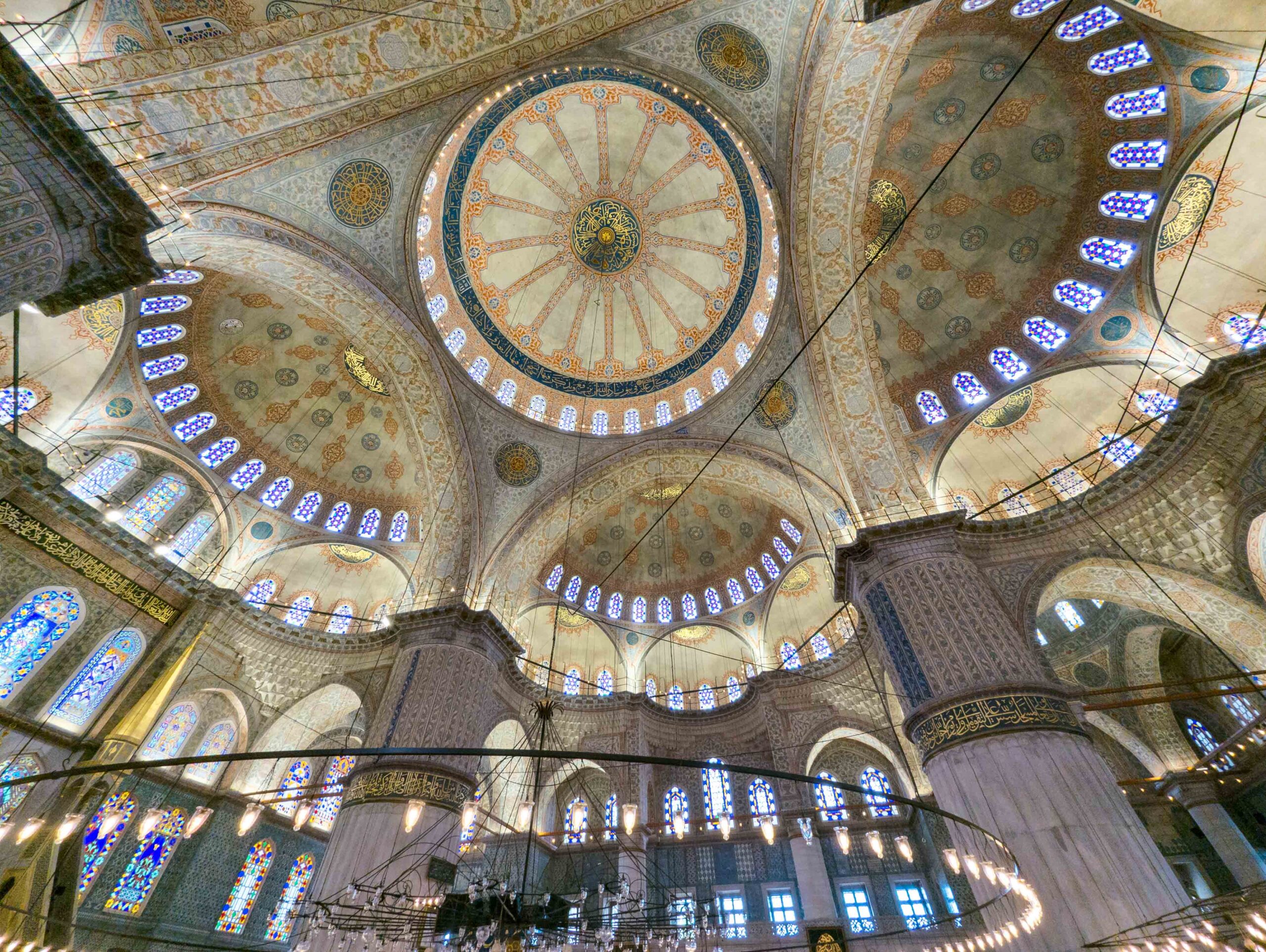
The afternoon itinerary included a historic underground cistern conveniently connected to a Turkish carpet shop. After exploring the subterranean ruins, we were funneled into a showroom where eight different salesmen put on an elaborate theatrical performance exclusively for the five of us. They unrolled countless carpets in rapid succession while pouring generous amounts of free alcohol for our group. The Italian couple drank quite a bit, became noticeably intoxicated, and very nearly purchased a massively overpriced rug, though they fortunately reconsidered at the final moment. Next, we admired the Sultan Ahmed Mosque, widely known as the Blue Mosque. Completed in the early 17th century, its famous six minarets and lack of scaffolding made it a spectacular and awe inspiring sight. Our guided tour concluded at the Grand Bazaar, one of the oldest and largest covered markets globally. I fully expected aggressive vendors, but the sellers were surprisingly respectful and not overly pushy. I was acutely aware of the inflated tourist pricing, so I firmly decided not to purchase anything.
Evening Heights and Stadium Chants
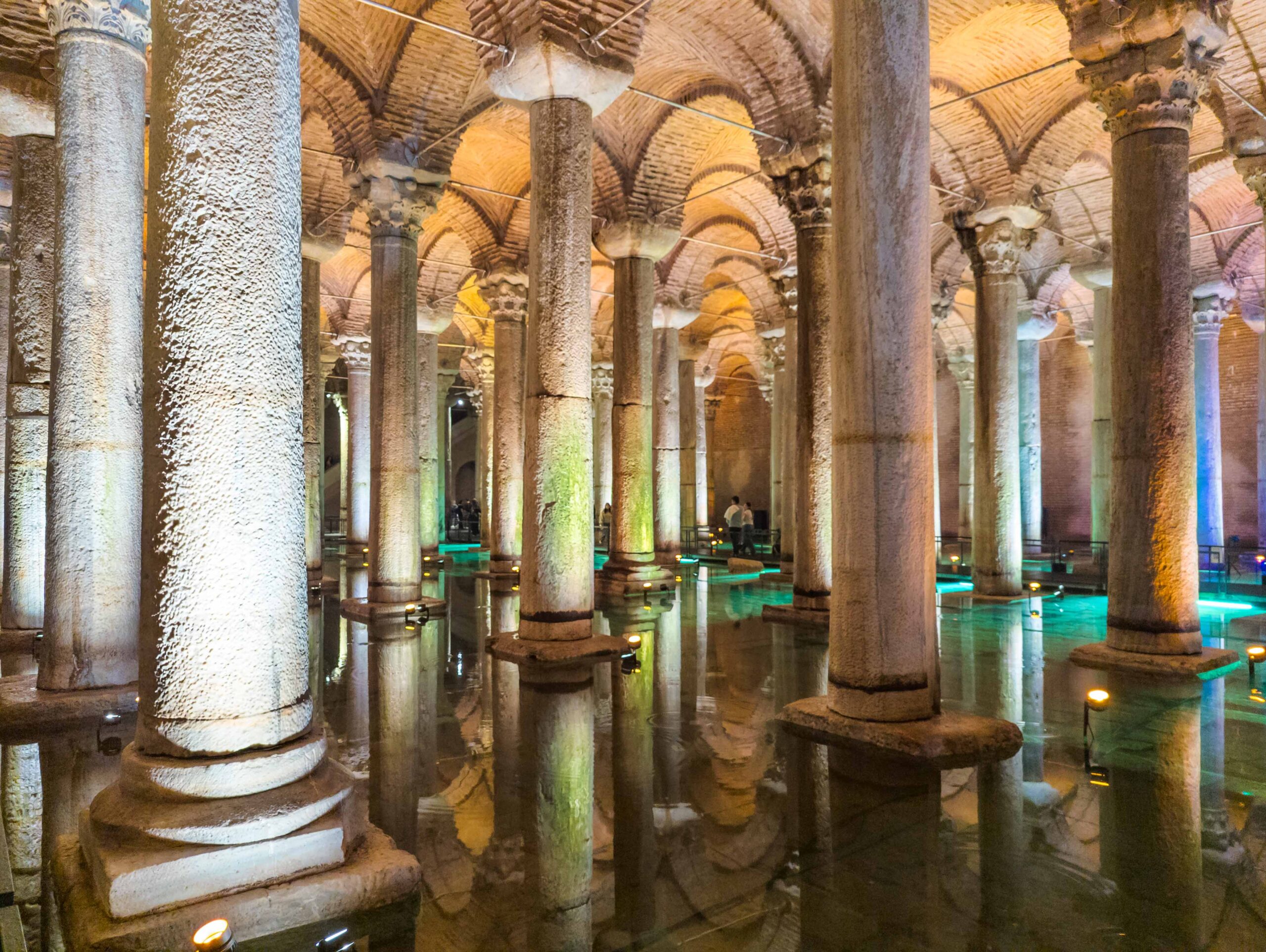
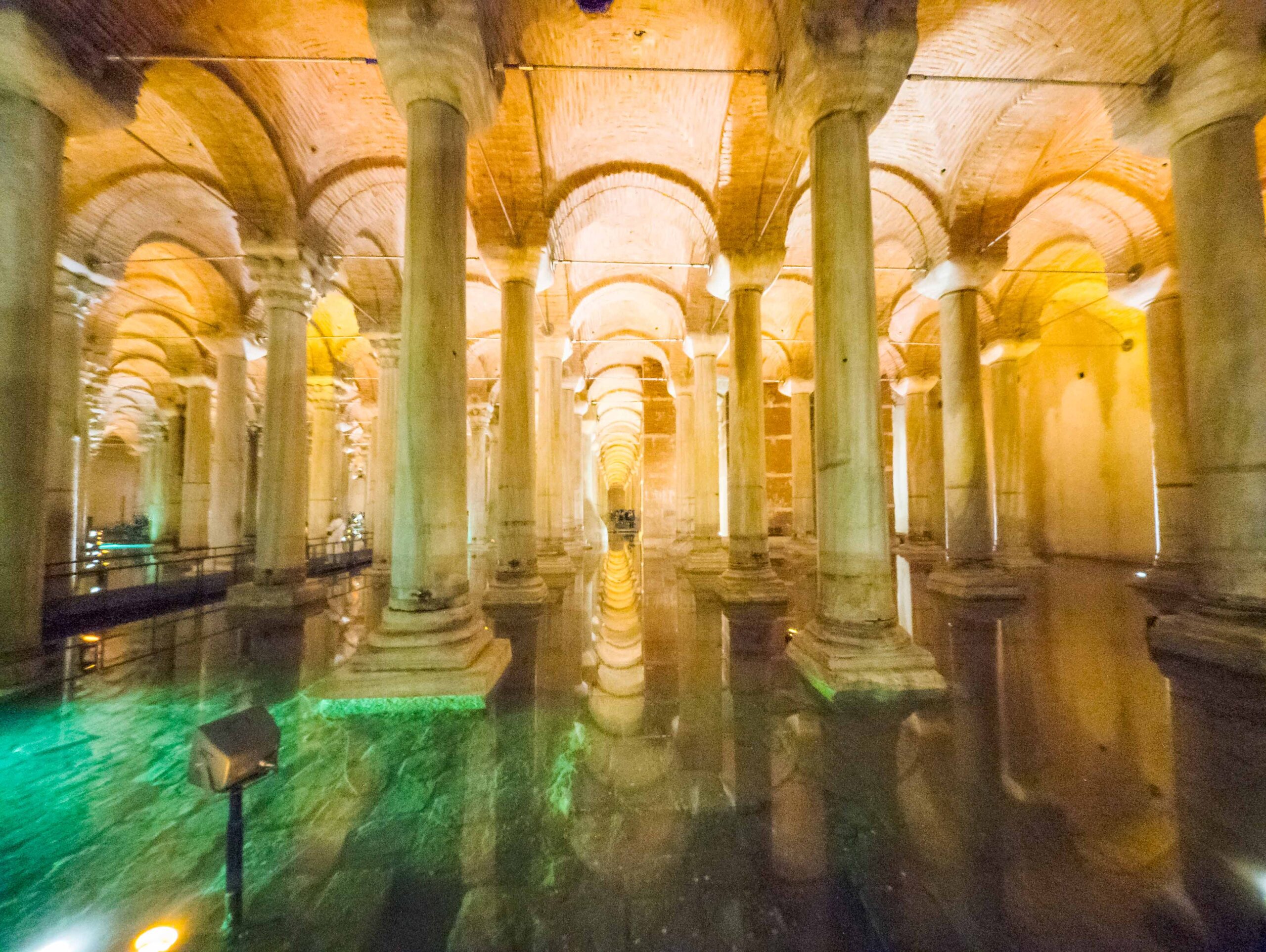
After the tour ended around half past six, I decided to visit the famous Basilica Cistern independently. Built in the 6th century to supply water to the Great Palace, it features hundreds of marble columns and mysterious carved Medusa heads. While waiting in line, I conversed with some American artists, though I sensed they wanted to enjoy their own company, so I politely moved on. Ultimately, the entrance fee of 33 CHF felt excessively high for the brevity of the experience and was absolutely not worth the money.
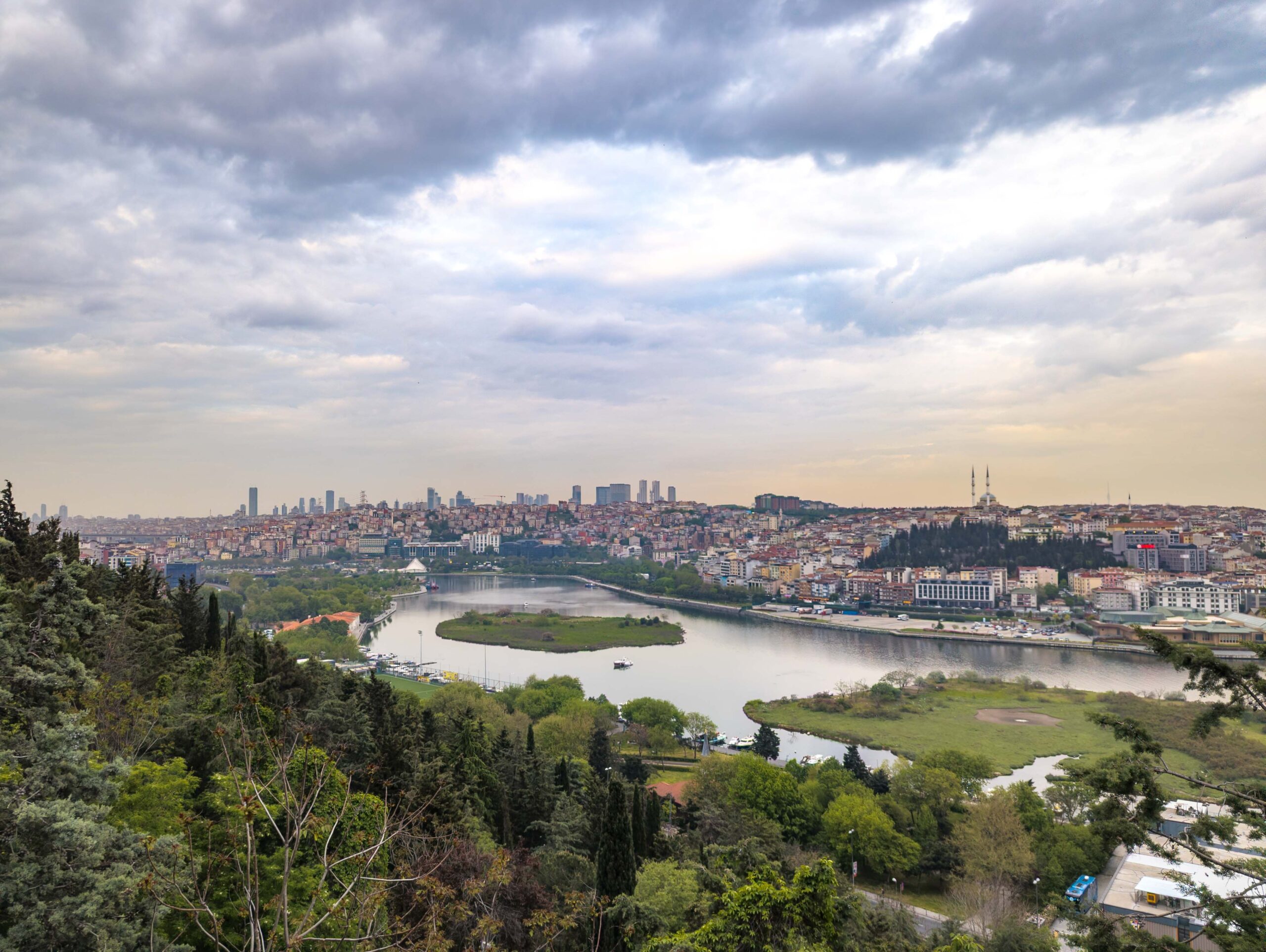
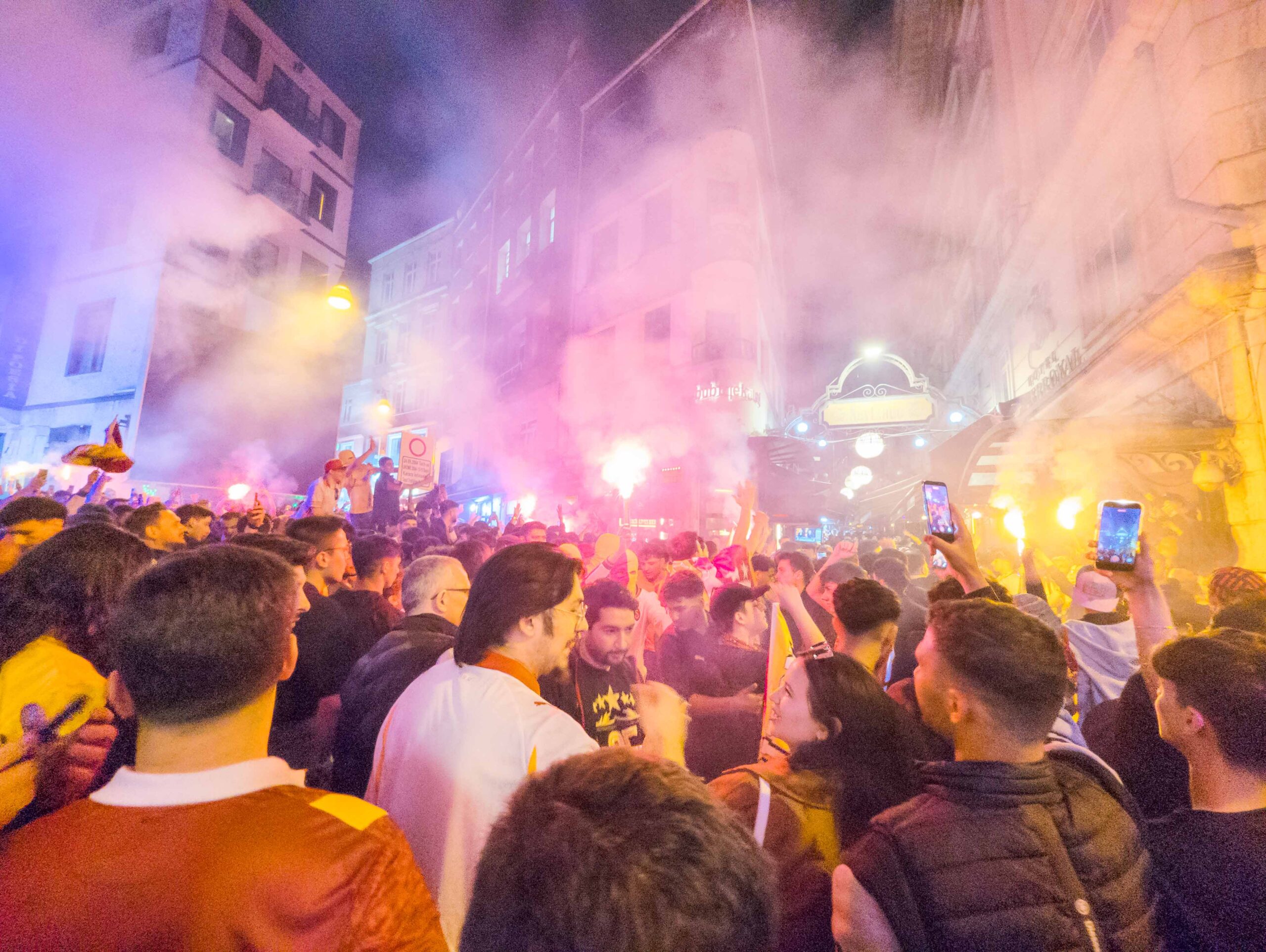
Seeking a change of scenery as the day ended, I traveled up the Golden Horn to the sacred district of Eyüp and ascended the Pierre Loti hill. The area was significantly less touristy, offering much better cafe prices and a magnificent panoramic view of the sprawling city. Later that evening, I navigated toward Taksim Square to experience the modern heart of the city before walking all the way back to my hostel. The streets were absolutely electric due to an ongoing football match. Passionate supporters packed the avenues, making movement incredibly difficult. Devoted fans wore masks to hide their faces, chanted intensely, and ignited bright red flares that filled the night air with glowing smoke. It was a slightly intimidating but utterly fascinating immersion into the explosive emotional energy of the local culture.
Walking the Divide Between Continents
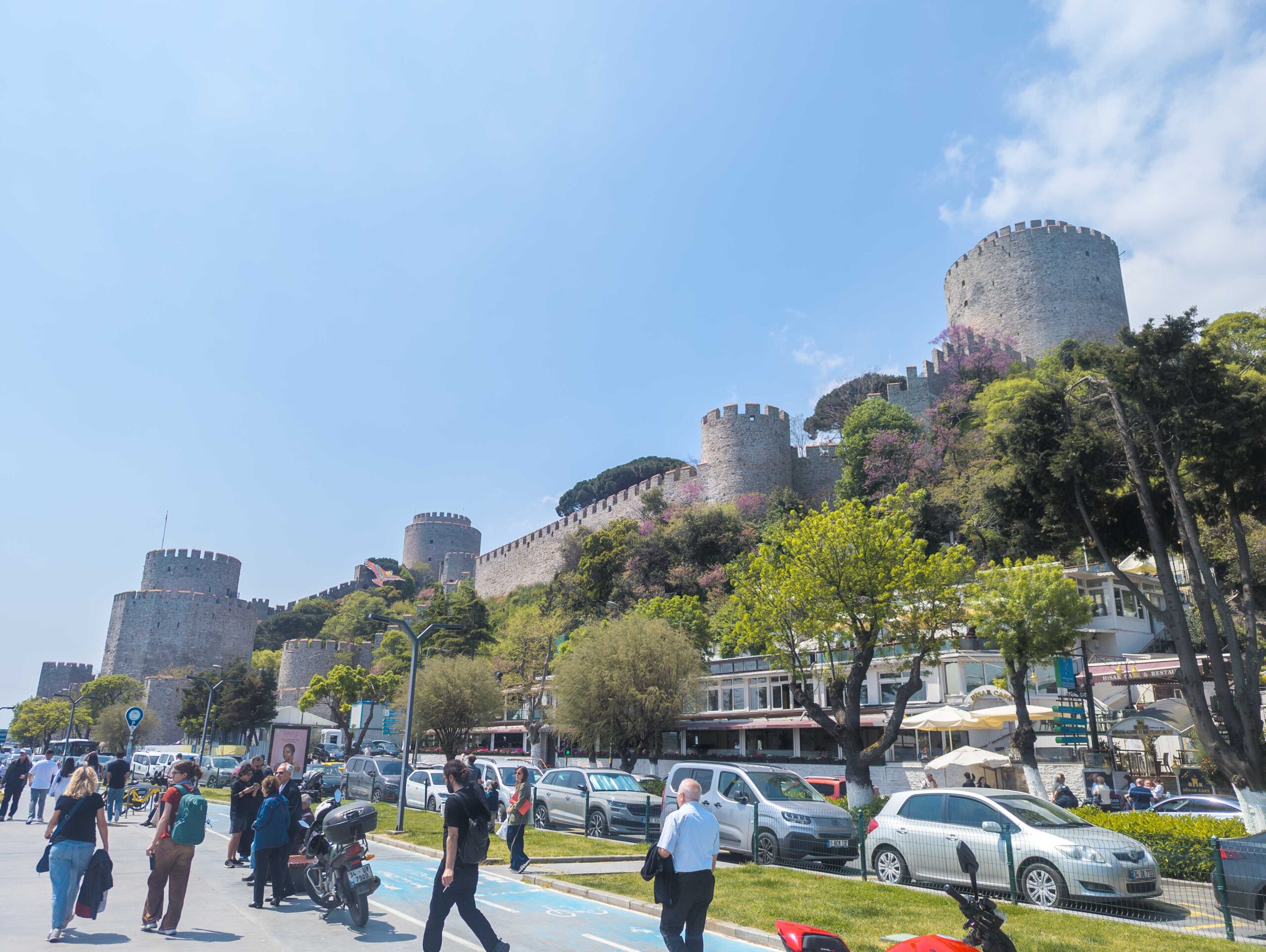
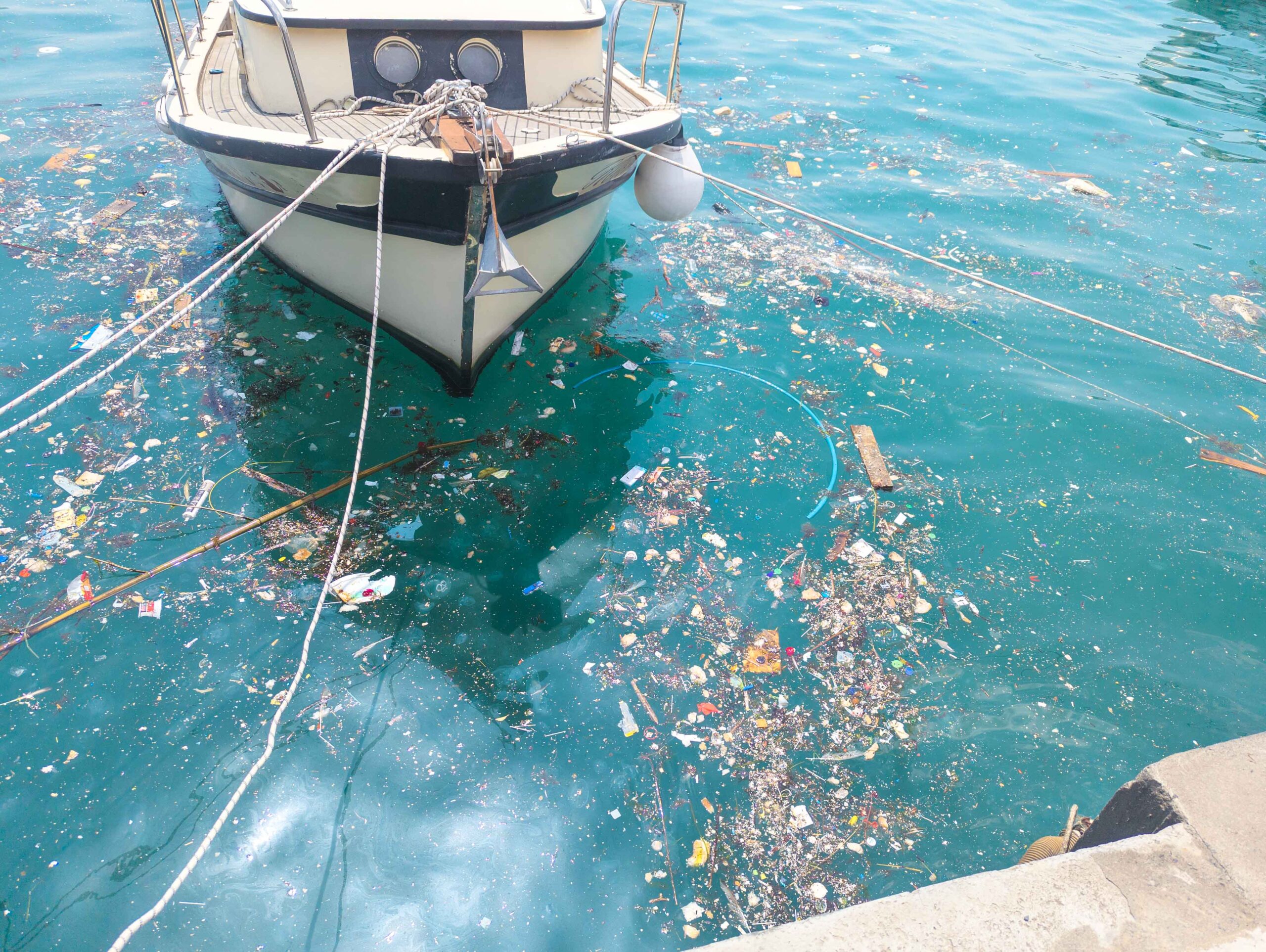
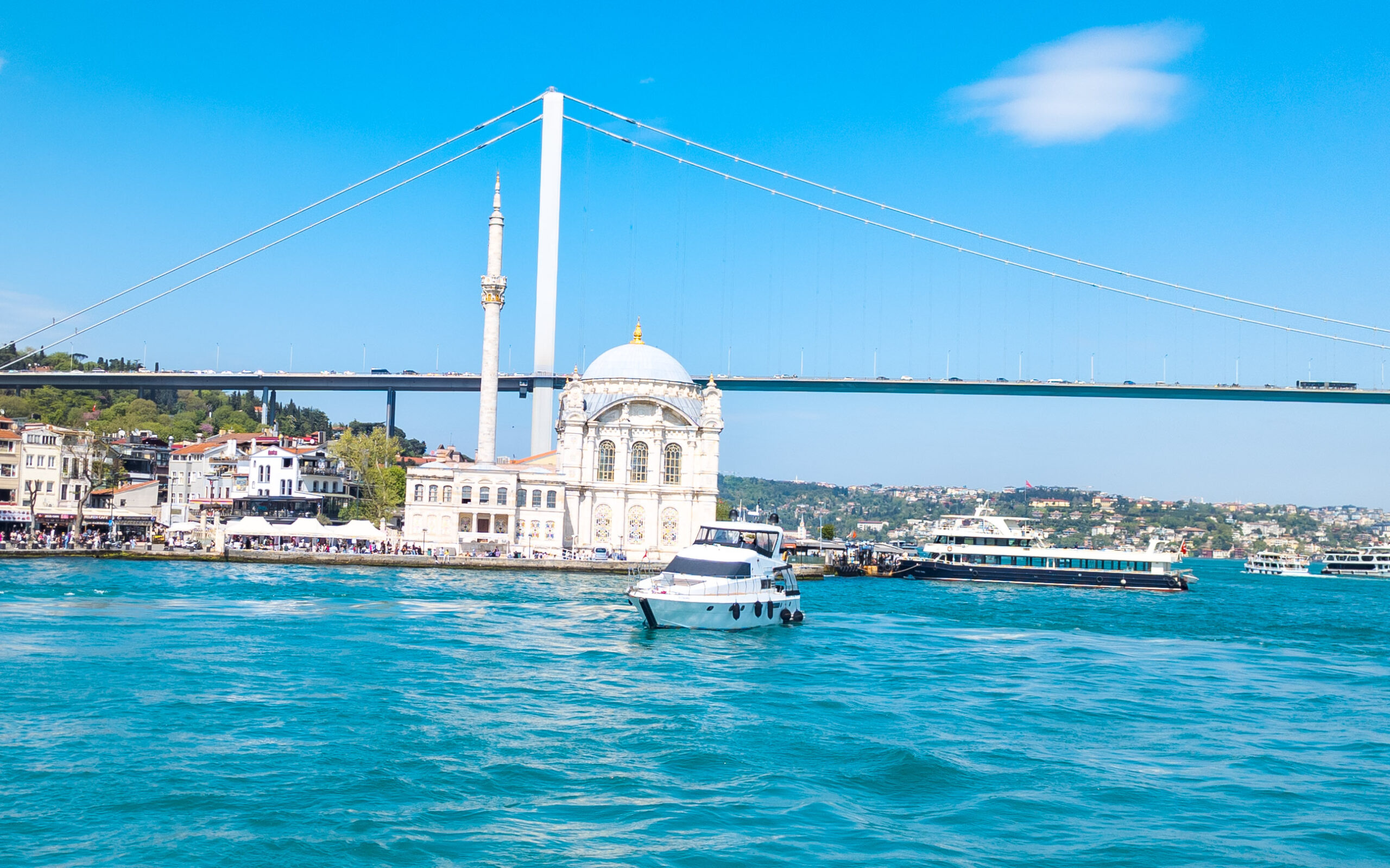
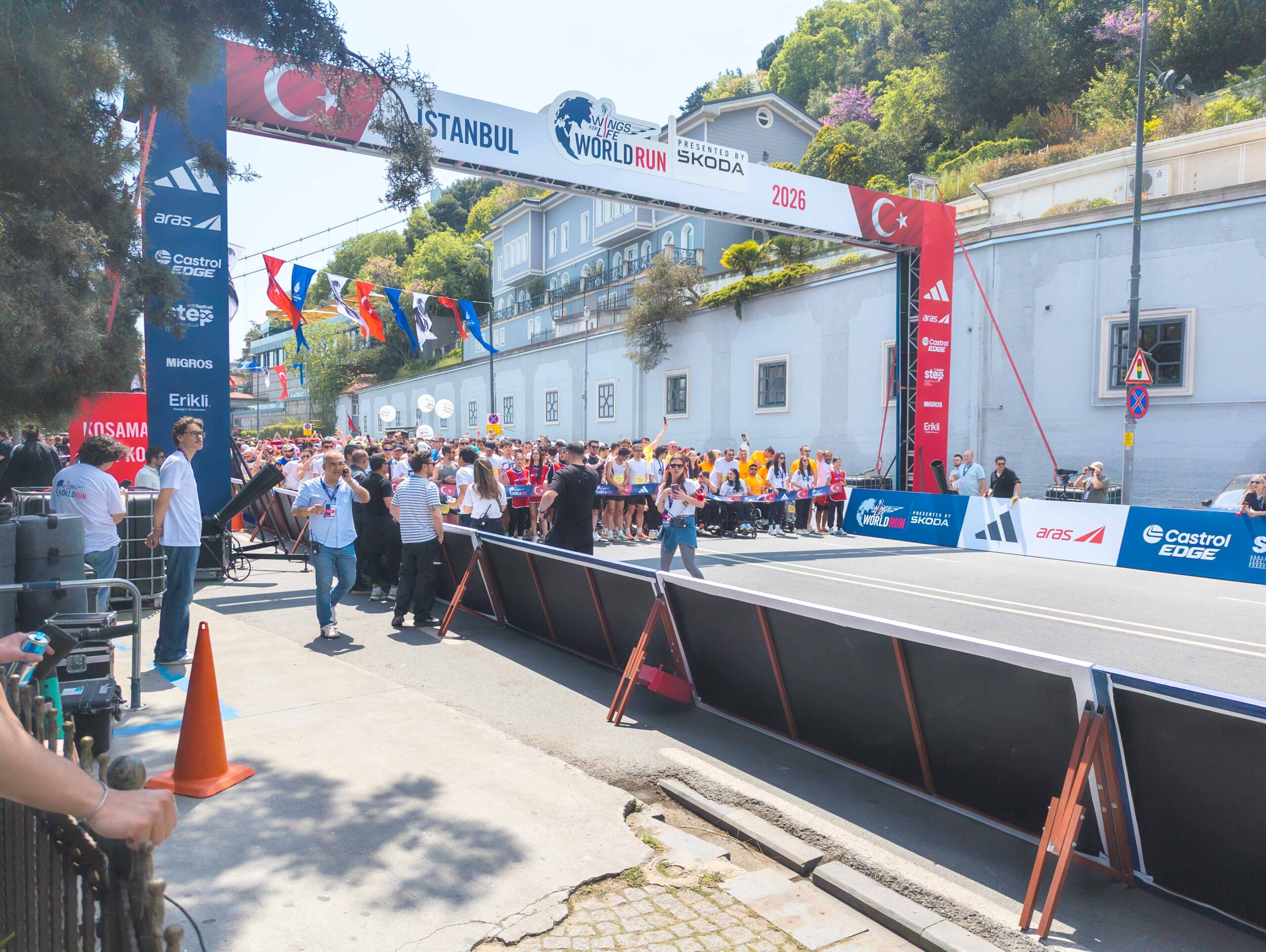
Sunday was dedicated to exploring the Bosphorus Strait, the legendary waterway that separates Europe and Asia and has defined the strategic importance of the city for millennia. I traveled up the European side to the massive Fatih Sultan Mehmet Bridge and embarked on a long walk south toward the Ortaköy district. The shoreline was dotted with stunning yachts and gorgeous waterfront mansions, clearly highlighting the affluent side of the city. During my walk, I encountered a major road closure for the global Wings for Life World Run. Standing at the front of the barricades, I watched approximately 2000 runners pass by. The local organizer struggled with severe microphone technical issues, and his awkward articulation clearly displayed his intense discomfort with the malfunctioning equipment.
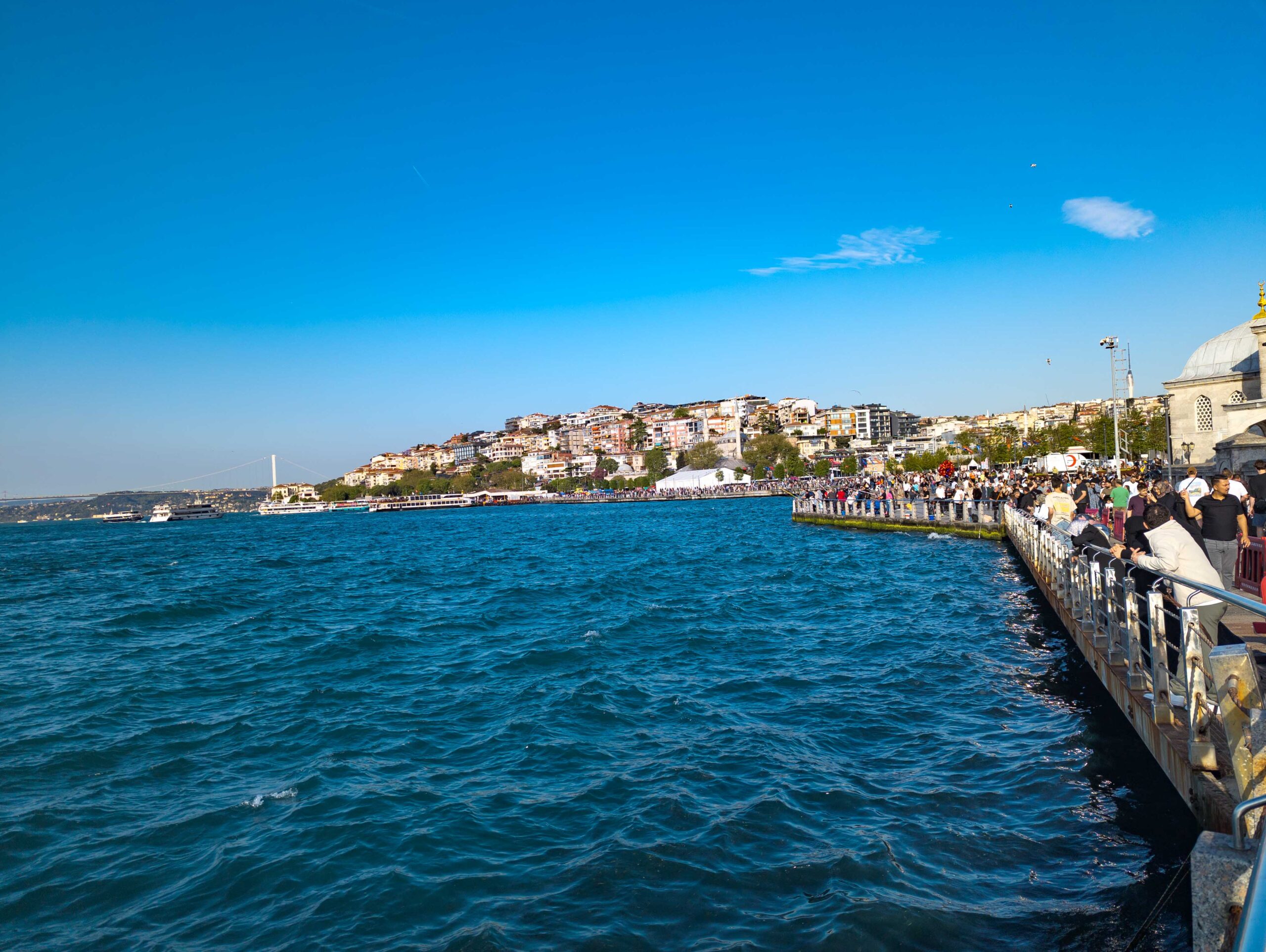
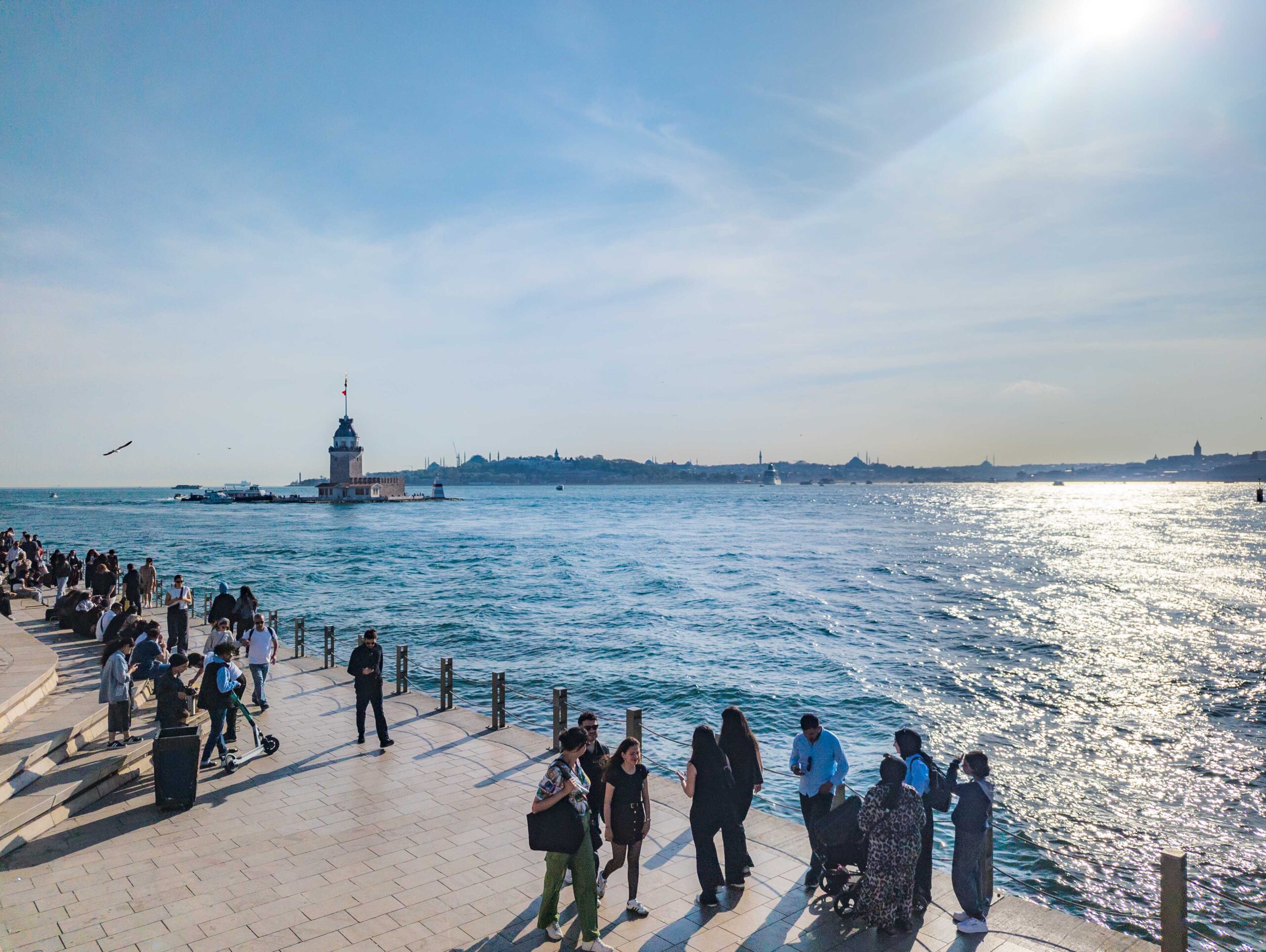
Upon reaching the Büyük Mecidiye Mosque in Ortaköy, located beautifully on the sea, I found it slightly less impressive than anticipated. I then waited over an hour at the pier for a ferry to cross over to the Asian side. When the boat finally arrived, the scenic ride to Üsküdar took only fifteen minutes. The Asian shore offered a much more peaceful walking experience. Looking out over the water, I admired the Maiden Tower sitting on its tiny island, a historic structure deeply steeped in ancient Byzantine legends regarding emperors trying to protect their daughters from prophecies of death. After enjoying an excellent and authentic döner kebab for lunch, I returned to the hostel where I finally connected with other travelers from the UK and the USA. We shared a relaxed dinner and spent the evening back at the hostel listening to music together.
A Memorable Departure
I woke up early at seven on Monday morning, May 11, to begin my journey home. The trip back to the Sabiha Gökçen airport went smoothly, though my flight experienced a delay, pushing the departure from its scheduled time of 10:40 AM to 11:20 AM. It is what it is. The return flight provided a charming conclusion to my travels. The Turkish man seated next to me was flying for the very first time. I watched in amusement as he spent three full minutes trying to figure out his seatbelt, followed by a meticulous thirty minute study of the safety instruction card. Once we were airborne, he pressed his face against the window, completely mesmerized by the sweeping aerial views. His pure, unbridled amazement was incredibly endearing, even if he lacked basic spatial awareness and manners. As the plane banked toward Switzerland, I reflected on a weekend filled with intense ancient history, chaotic vibrant streets, and the enduring magic of a city spanning two continents.
ISTANBUL FINANCIAL SUMMARY AND TRIP EXPENSES
Protected Financial Summary
Enter password to unlock the comprehensive cost breakdown and itemized receipts.