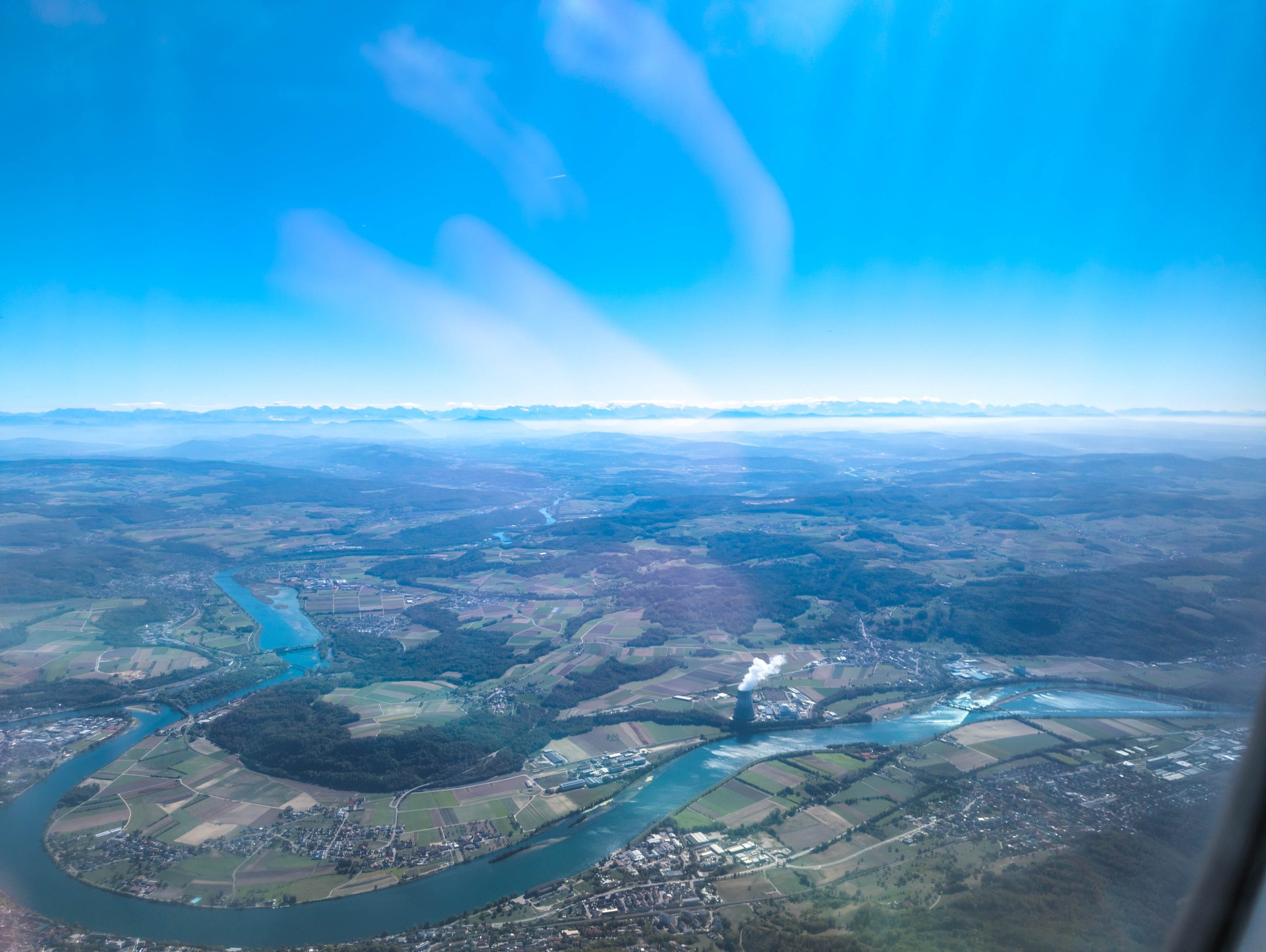
Traversing southeastern Brazil across the Atlantic seaboard, the Parana river basin, and the rugged highlands of Minas Gerais presents a masterclass in transit coordination, civil engineering, and colonial history. Over eleven days in September 2026, this overland and aviation route linked metropolitan transit corridors, historic alpine rack railways, cross border pedestrian frontiers, and eighteenth century subterranean gold extraction networks.
Below is an exhaustive travel guide and technical itinerary documenting route logistics, engineering history, transit economics, and practical operational notes from the journey.
TABLE OF CONTENTS
- Quick Facts Specification Sheet
- Friday, September 11, 2026: Transatlantic Air Transit and Rio de Janeiro Arrival
- Saturday, September 12, 2026: Corcovado Rack Railway and Art Deco Monument Engineering
- Sunday, September 13, 2026: Port Calatrava Architecture and Municipal Opera
- Monday, September 14, 2026: Aviation to Foz do Iguacu and the Ciudad del Este Commercial Frontier
- Tuesday, September 15, 2026: Subtropical Hydrology and Catwalk Circuits of Argentine Iguazu
- Wednesday, September 16, 2026: Flex Fuel Mechanics and Nineteenth Century Imperial Petropolis
- Thursday, September 17, 2026: High Grade Mountain Navigation and Cobblestone Friction in Ouro Preto
- Friday, September 18, 2026: Subterranean Colonial Gold Extraction and Mariana Episcopal Heritage
- Saturday, September 19, 2026: Tailings Dam Engineering, Mineroduto Pipelines, and High Voltage Showers
- Sunday, September 20, 2026: Mantiqueira Heavy Freight Corridors and Finnish Migration in Penedo
- Monday, September 21, 2026: Coastal Return and Technical Route Assessment
QUICK FACTS: BRAZIL TRAVEL SPECIFICATION SHEET
| Destination | Brazil (Rio de Janeiro, Parana, Minas Gerais, Rio de Janeiro State), Paraguay (Alto Parana), and Argentina (Misiones) |
| Travel Period | September 11 to September 21, 2026 |
| Total Overland Driving Distance | Approximately 1500 kilometers |
| Domestic and International Flights | Zurich to Paris Charles de Gaulle, Paris to Rio de Janeiro Galeao, Rio de Janeiro to Foz do Iguacu, Foz do Iguacu to Rio de Janeiro |
| Primary Ground Transport Modes | Flex fuel rental vehicle, international cross border bus, regional transit shuttle, Stadler electric rack railway, app based ride share, pedestrian footbridge |
| Primary Historical Focus | 1930s reinforced concrete monuments, eighteenth century gold mining infrastructure, nineteenth century European settlement enclaves |
| Visited and Completed | September 2026 |
FRIDAY, SEPTEMBER 11, 2026: TRANSATLANTIC AIR TRANSIT AND RIO DE JANEIRO ARRIVAL
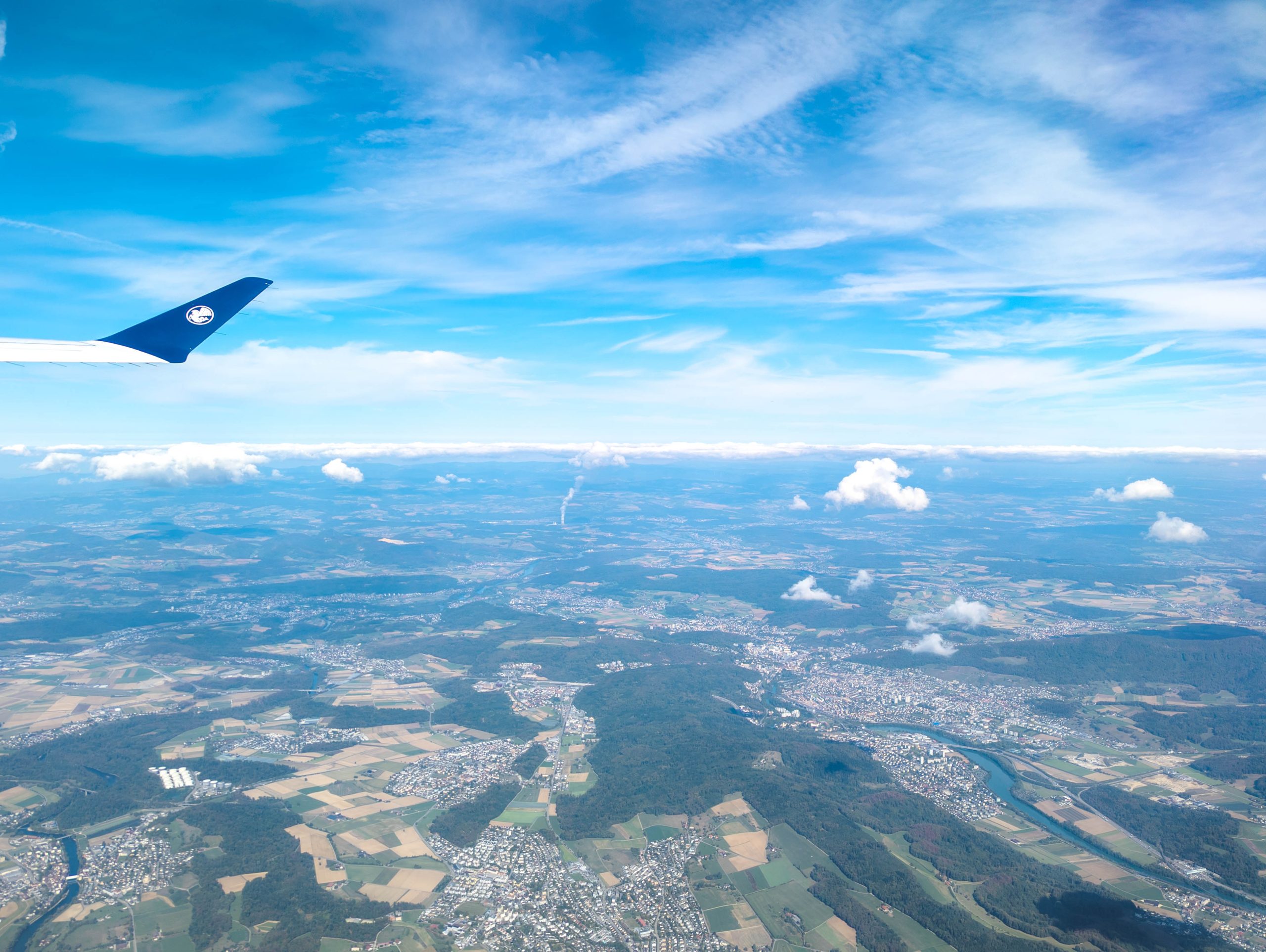
The journey commenced at Zurich Airport with a departure scheduled for 11:00 am toward Paris Charles de Gaulle. Heavy European airspace congestion delayed the departure roll by over forty minutes. With a nominal scheduled connection window of only thirty minutes before boarding doors closed for the long haul sector, the delay compressed transfer time to near zero.
The aircraft touched down in Paris at 12:40 pm and taxied to the gate by 12:50 pm. Traversing the sprawling terminal complex required navigating high speed moving walkways and inter terminal security corridors. Passport control officers expedited clearance past standard queues, allowing gate arrival at exactly 13:05. Because the automated flight management system had designated late arriving passengers as no shows, the original seat was released, requiring gate agents to issue a revised boarding pass assigned to the final cabin row adjacent to the rear galleys and lavatories. Additional air traffic management ground holds kept the aircraft on the Paris runway for ninety minutes before clearance was granted. The flight proceeded southwest across the Atlantic Ocean, landing at Galeao International Airport in Rio de Janeiro at 21:00.
Upon clearing customs, transport logistics presented an initial operational hurdle. In the arrivals terminal, unauthorized solicitants wearing corporate ride share logos attempted to divert arriving passengers toward remote parking lots, quoting private transfer rates between 17 and 21 euros while alleging that curbside app pickups were restricted by airport regulations. Bypassing these solicitants and proceeding directly to the signposted, official app pickup zone at the curb secured an authorized ride directly into the city center. The final metered ride share fare came to 12 euros, influenced slightly by dynamic evening peak rates against a standard baseline of roughly 10 euros.
Urban room occupancy across Rio was constrained due to the massive Rock in Rio music festival taking place in the western districts of the city, which draws hundreds of thousands of international attendees and heavily inflates municipal accommodation demand. Lodging was secured in an apartment where the host accommodated travelers across private rooms while utilizing common living spaces.
SATURDAY, SEPTEMBER 12, 2026: CORCOVADO RACK RAILWAY AND ART DECO MONUMENT ENGINEERING
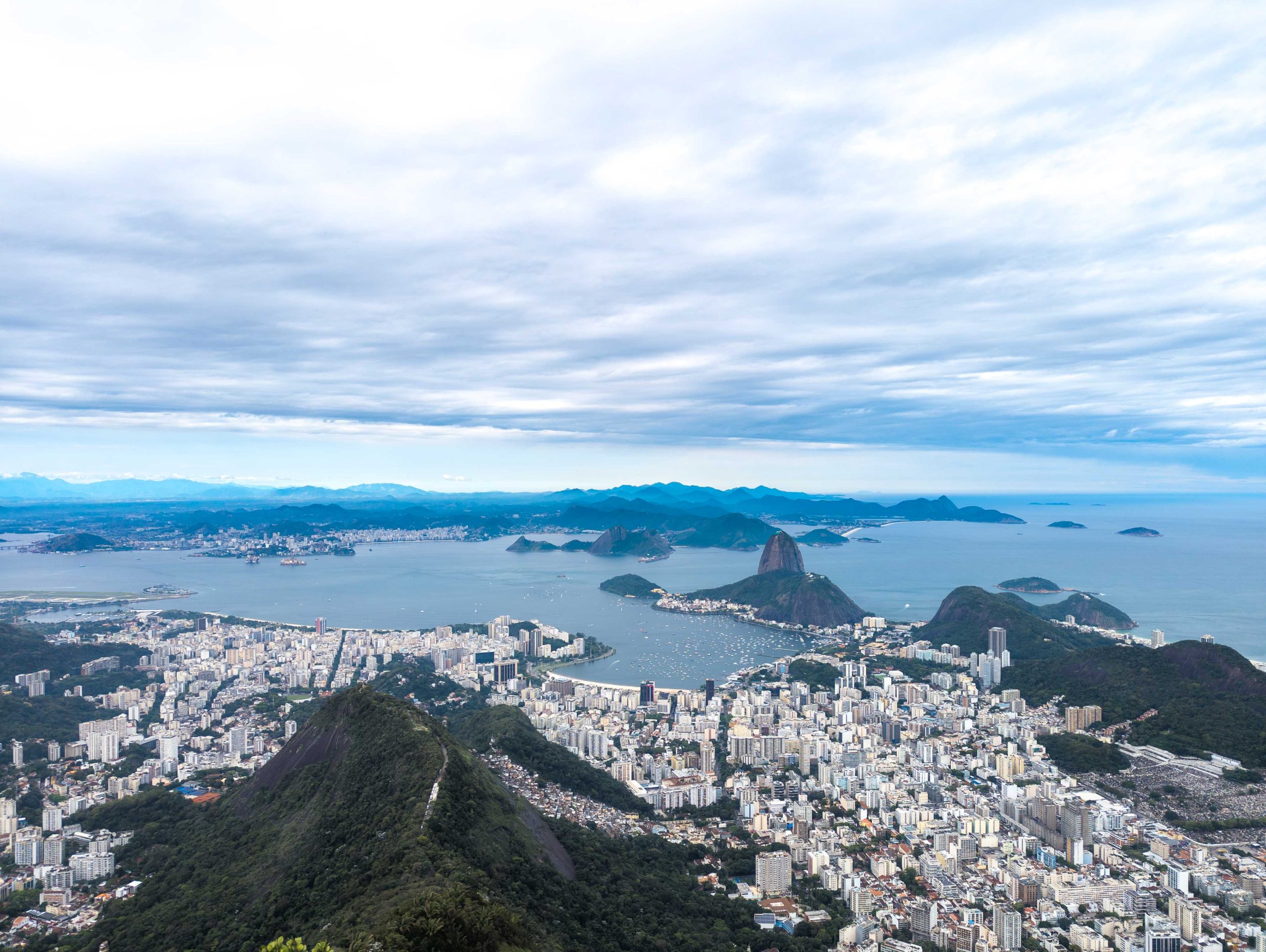
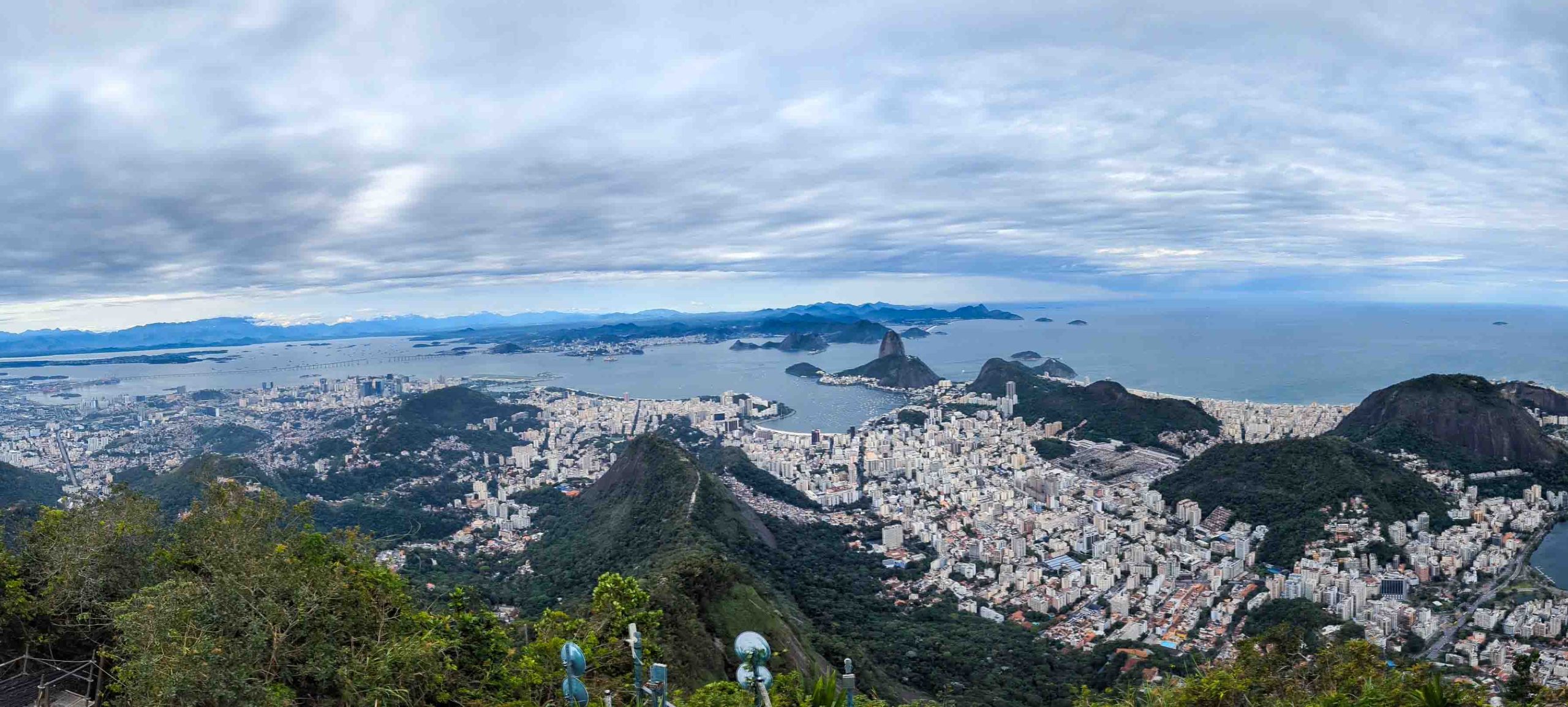
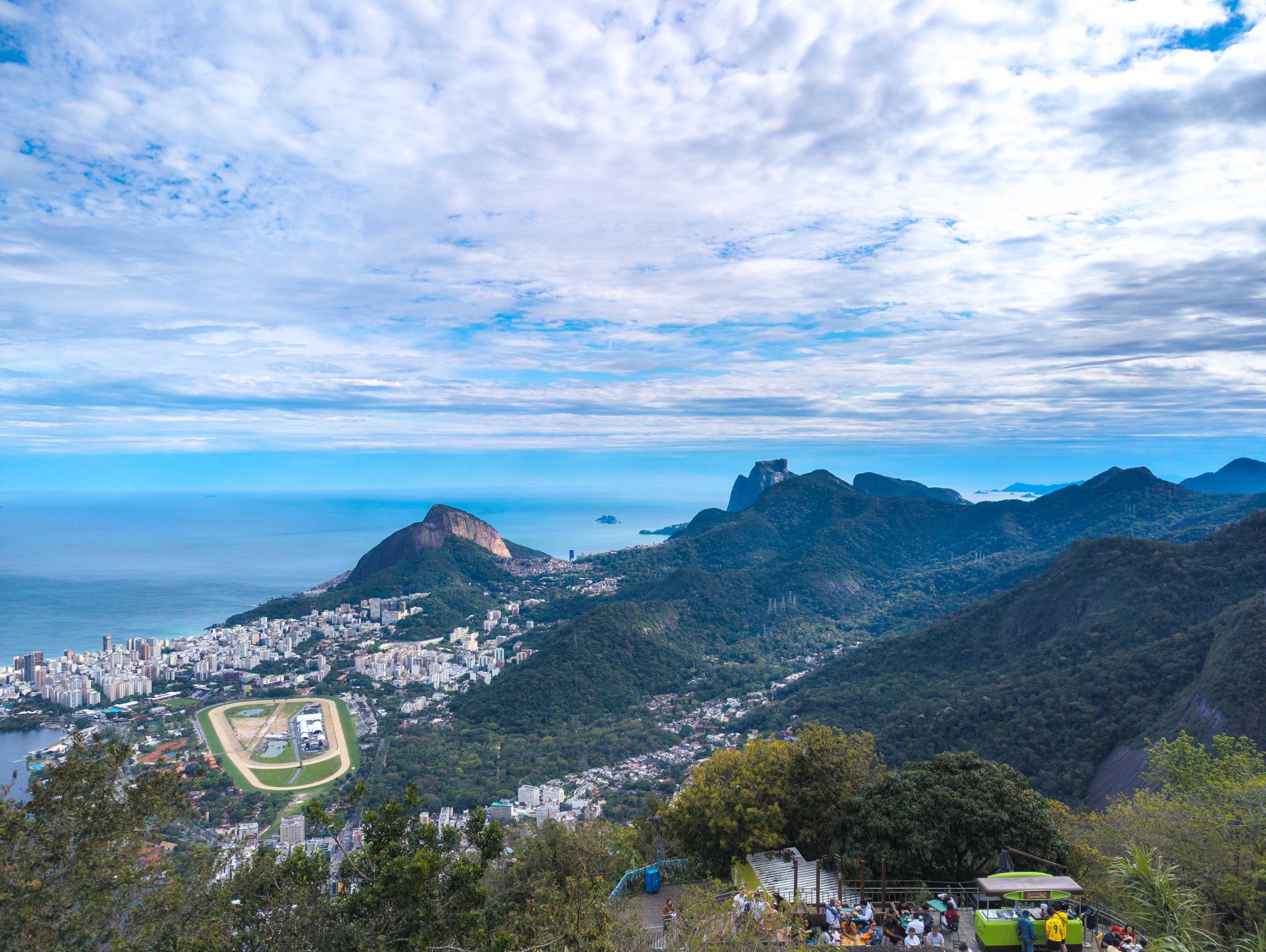
Operations on Saturday focused on Mount Corcovado, situated within Tijuca National Park. Transport ascended via the historic Corcovado Cog Railway, departing from Cosme Velho station. Advance reservations were held for the 13:40 departure slot, requiring passenger check in forty minutes prior at 13:00. Platform management experienced significant disorganization, resulting in passenger queues held at the gates until final boarding at 14:15. Passengers attempting to travel without fixed reservations faced standby delays exceeding three hours.
The rolling stock operating on the mountain consists of modern electric trainsets engineered and manufactured by Stadler Rail in Bussnang, Switzerland. These trainsets interface with a central Riggenbach rack and pinion system, continuing a heritage of Swiss alpine engineering that has operated on Mount Corcovado since the late nineteenth century. The rack line ascends through dense secondary Atlantic rainforest. Notably, trackside infrastructure along the right of way exhibits minimal physical vegetation clearance. Metallic signal fixtures, structural retaining walls, and electrical catenary poles are heavily overgrown with tropical mosses and climbing jungle vines.
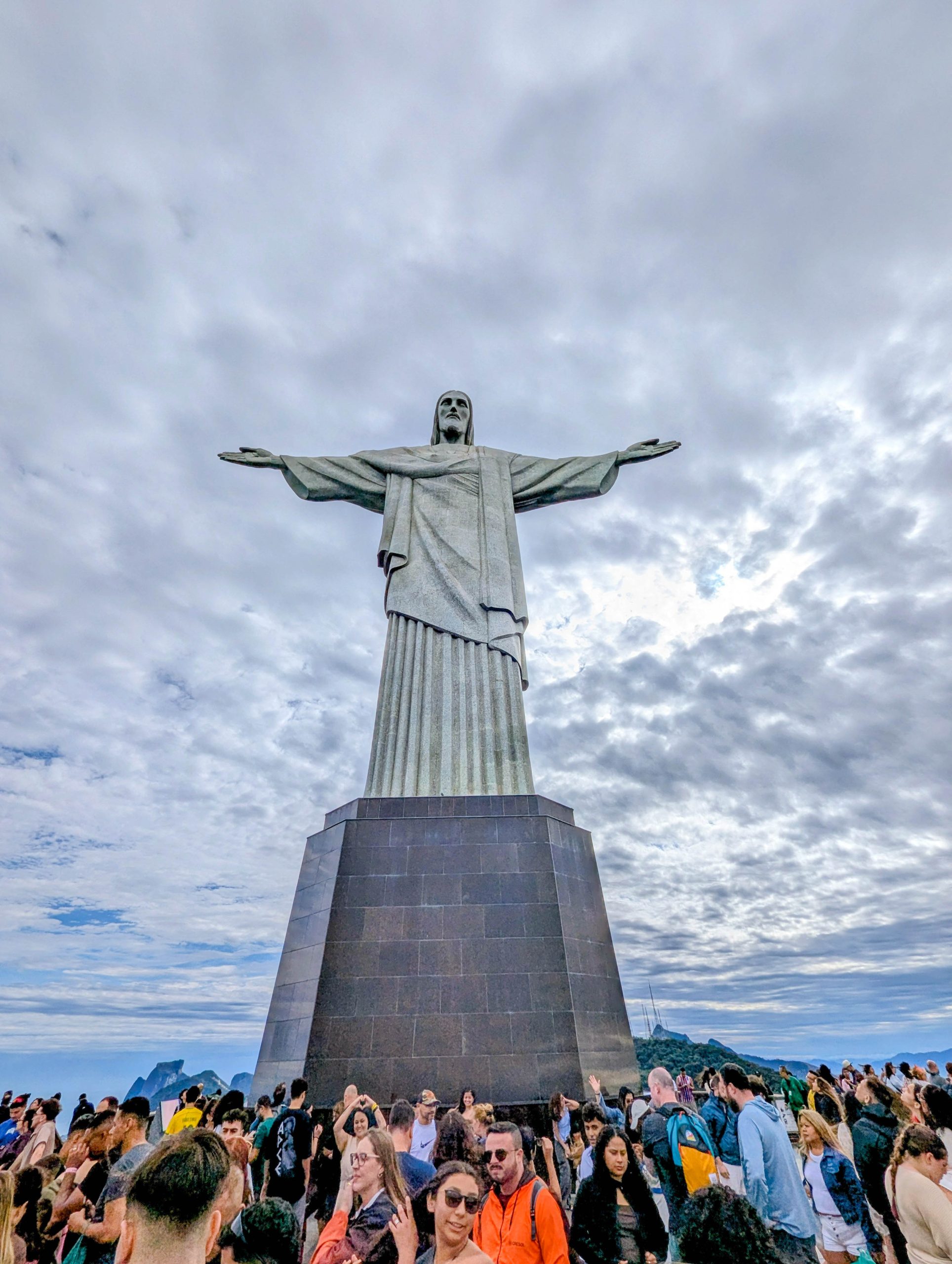
At the 710 meter mountain summit stands the Christ the Redeemer monument, inaugurated in October 1931. The structural concept was calculated by Brazilian civil engineer Heitor da Silva Costa, with internal reinforced concrete frames engineered by Albert Caquot. French and Polish sculptor Paul Landowski modeled the head and hands, while Romanian sculptor Gheorghe Leonida executed the facial features. The monument measures thirty meters in height perched upon an eight meter base pedestal, with a horizontal arm span of twenty eight meters from fingertip to fingertip. The exterior cladding features a mosaic shell composed of more than six million individual hand cut triangular soapstone tiles. Soapstone was chosen specifically for its high thermal stability, tactile malleability during tile fabrication, and long term resilience against severe Atlantic weather variations.
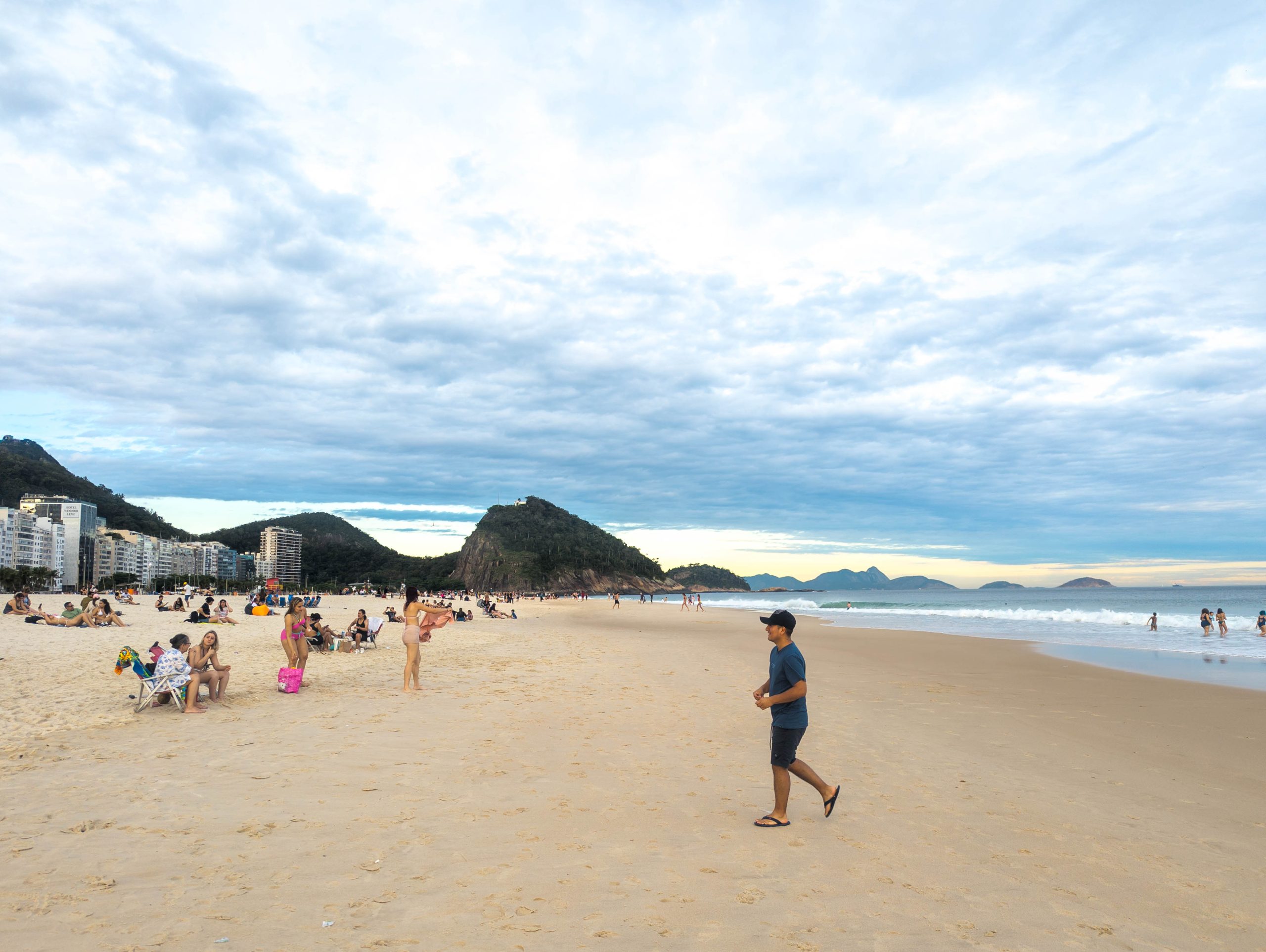
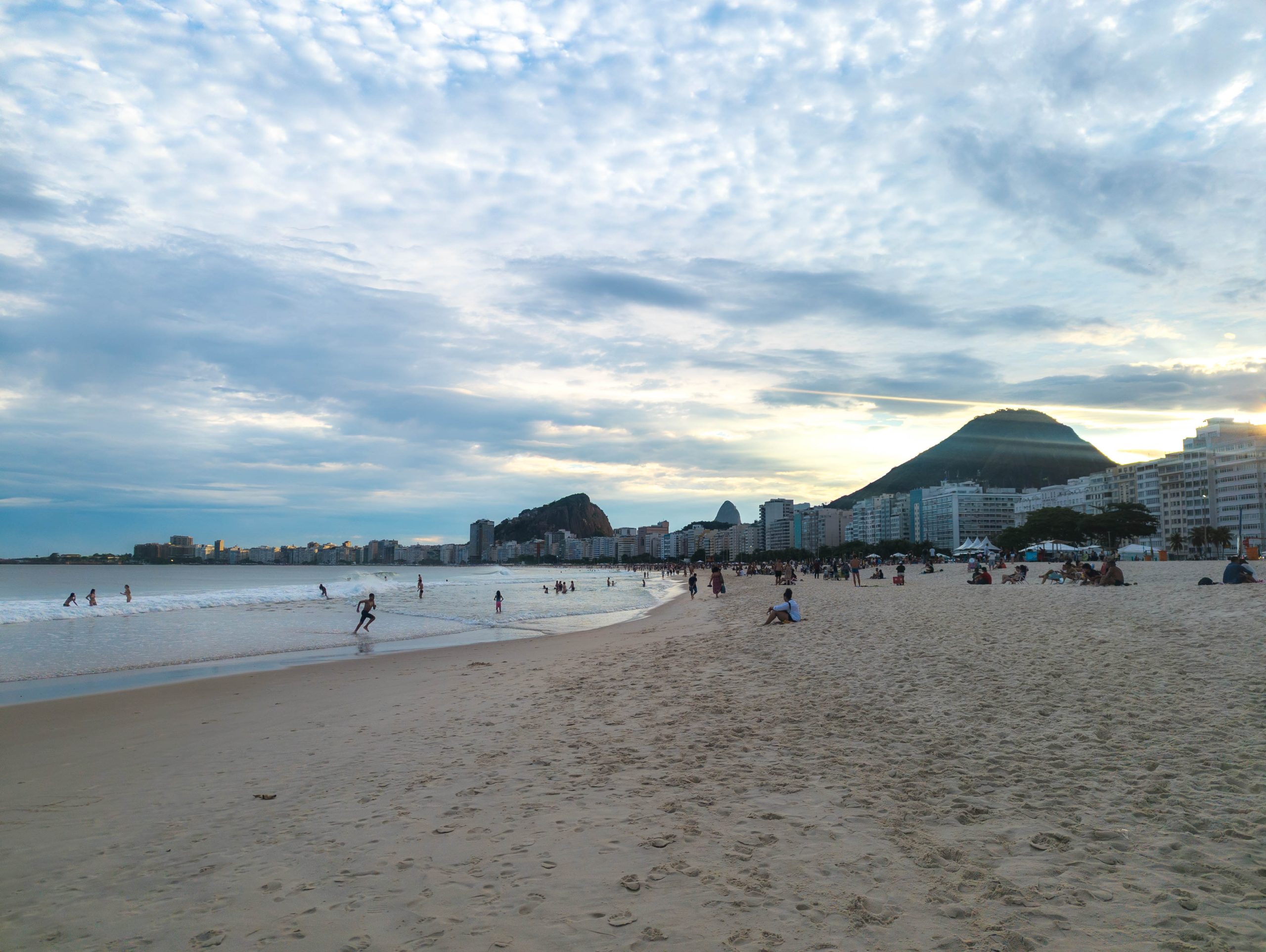
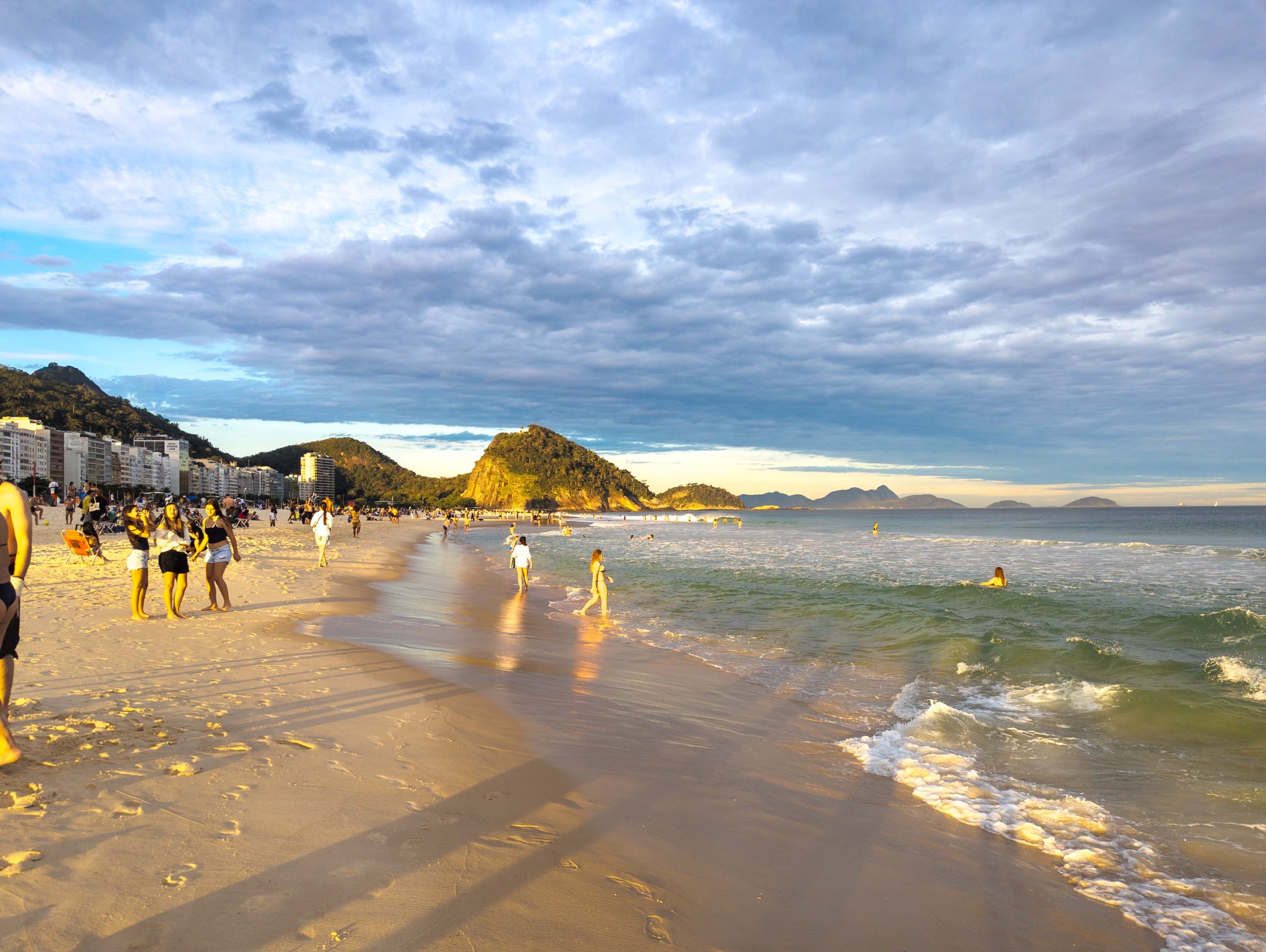
Following the descent back to Cosme Velho, a brief transit led to Copacabana beach to inspect the iconic wave pattern stone promenade, designed in traditional Portuguese mosaic pavement. Regional weather during this period reflected broader atmospheric disruptions associated with El Nino, generating rapid shifts from partial sun to sudden, intense downpours across the shoreline.
SUNDAY, SEPTEMBER 13, 2026: PORT CALATRAVA ARCHITECTURE AND MUNICIPAL OPERA
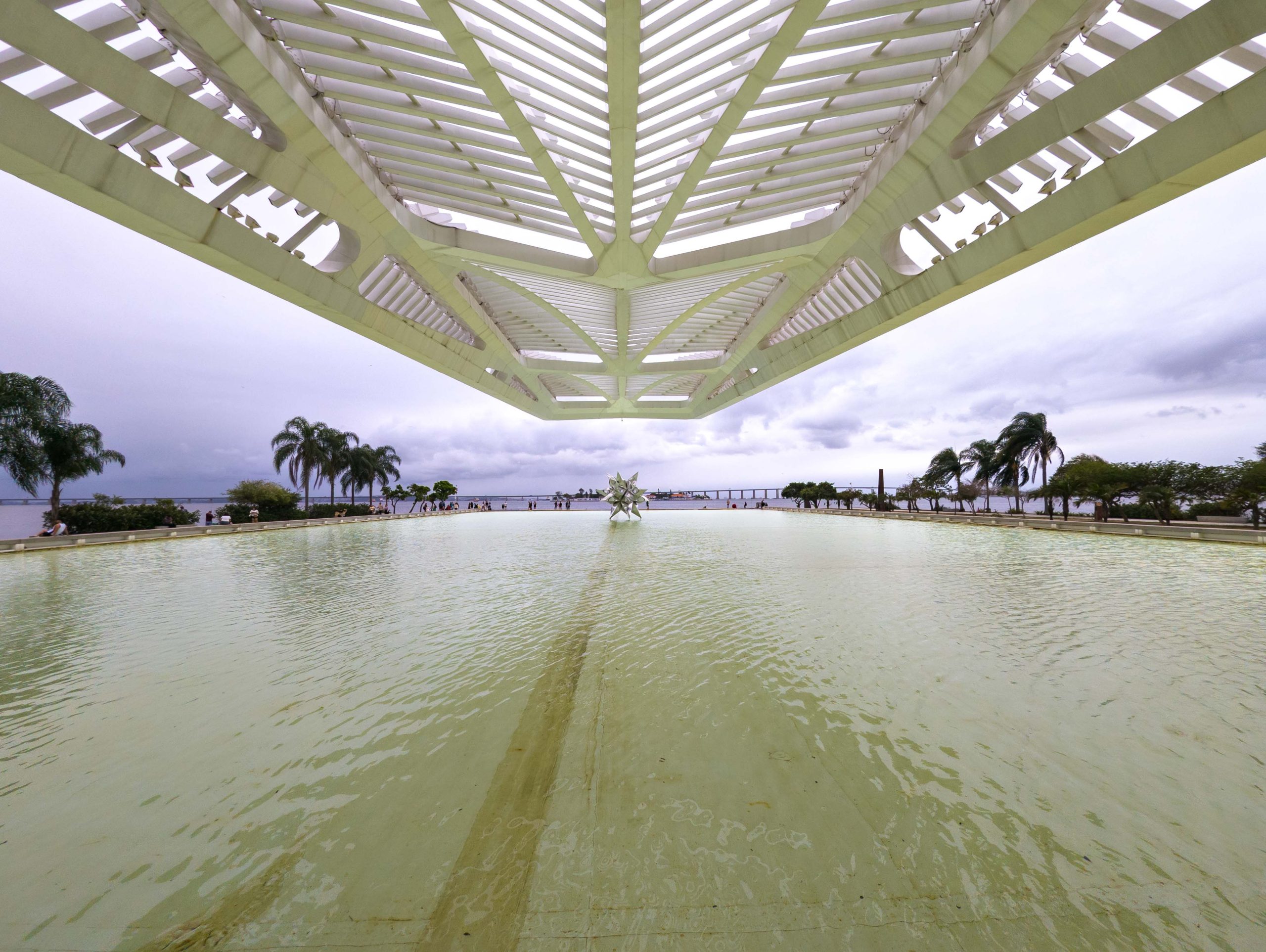
Transit shifted to the revitalized port district of Pier Maua to inspect the Museu do Amanha (Museum of Tomorrow), designed by Spanish neofuturistic architect Santiago Calatrava. The building extends 75 meters in an elongated cantilever over Guanabara Bay, with exterior structural ribs reminiscent of an inverted nautical hull. The roof structure integrates massive mobile photovoltaic solar arrays that mechanically tilt throughout the day to track solar angles. During the visit, a district wide municipal electrical power outage plunged the entire museum into darkness. Due to the complete absence of secondary emergency backup lighting circuits within the central service and restroom corridors, visitors were forced to navigate the windowless interior using handheld mobile phone lights.
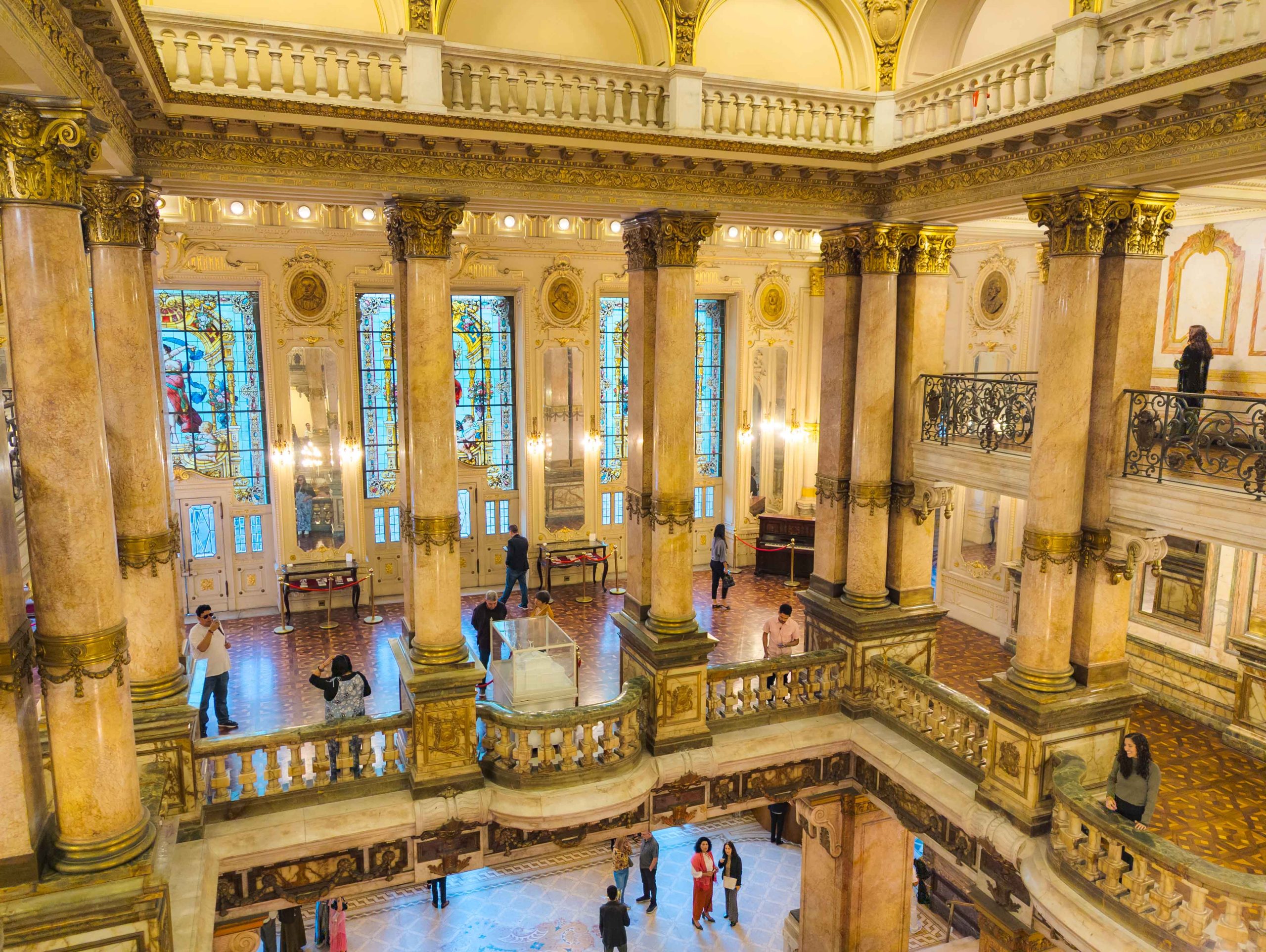
Following the museum visit, an overland walk led to Cinelandia square to examine the Theatro Municipal, inaugurated in 1909 during the urban restructuring of Rio de Janeiro. Modeled directly on Charles Garnier Paris Opera, the theater showcases an eclectic neoclassical and Art Nouveau facade constructed with Italian marble, gilded bronze statuary, and imported European stained glass. Tickets for an afternoon opera production were procured on site for approximately 10 euros per person. The ninety minute production featured an expansive live pit orchestra, full choral ensemble, and complex historical staging, contrasting with modest ticket tariffs and substantial open seating across the auditorium.
MONDAY, SEPTEMBER 14, 2026: AVIATION TO FOZ DO IGUACU AND THE CIUDAD DEL ESTE COMMERCIAL FRONTIER
An early departure on Monday required waking at 04:00 and departing lodging at 04:38. Traversing twenty kilometers of empty urban expressways took thirty minutes, arriving at the airport terminal by 05:00 for a domestic flight across Parana state to Foz do Iguacu.
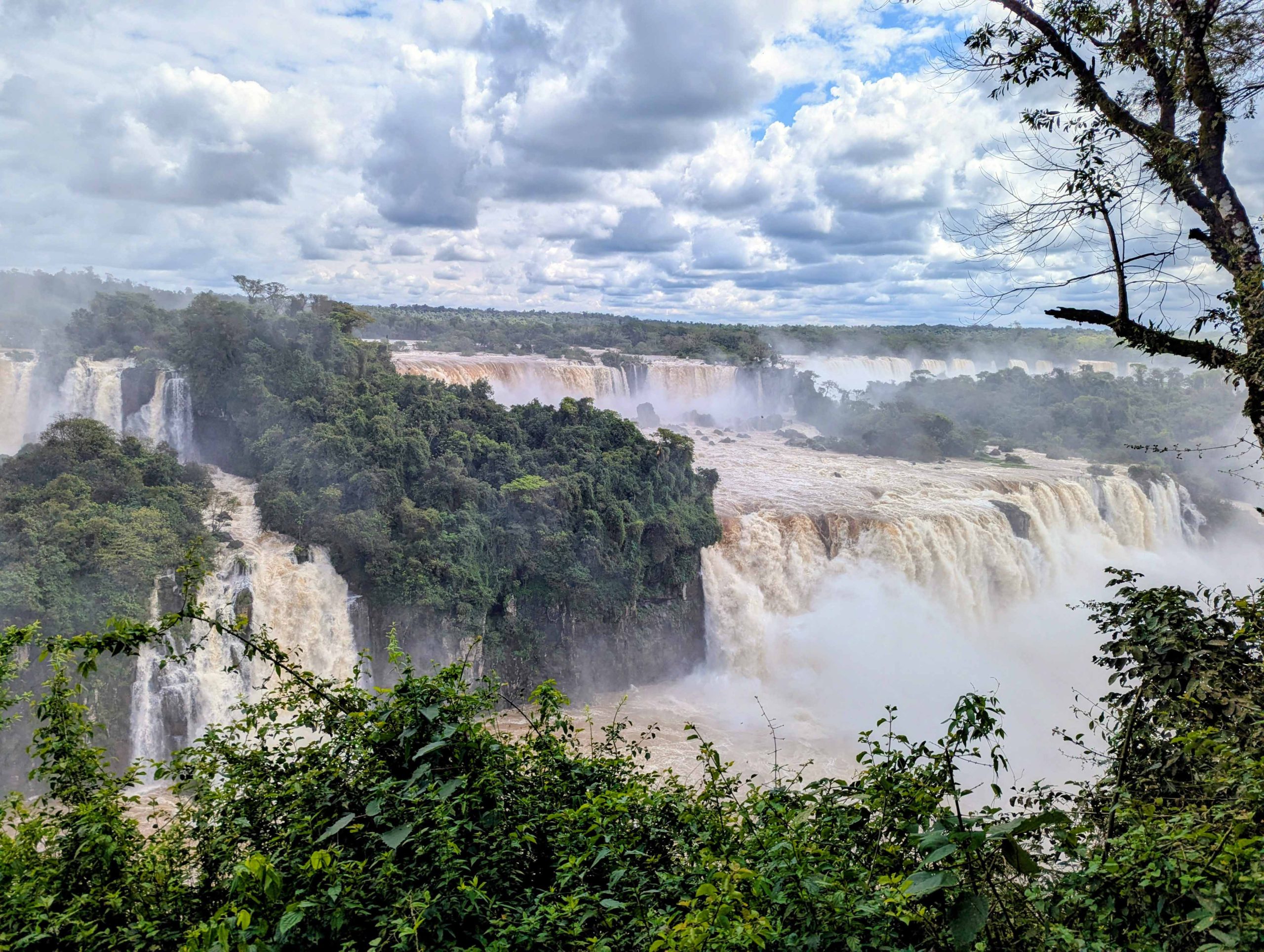
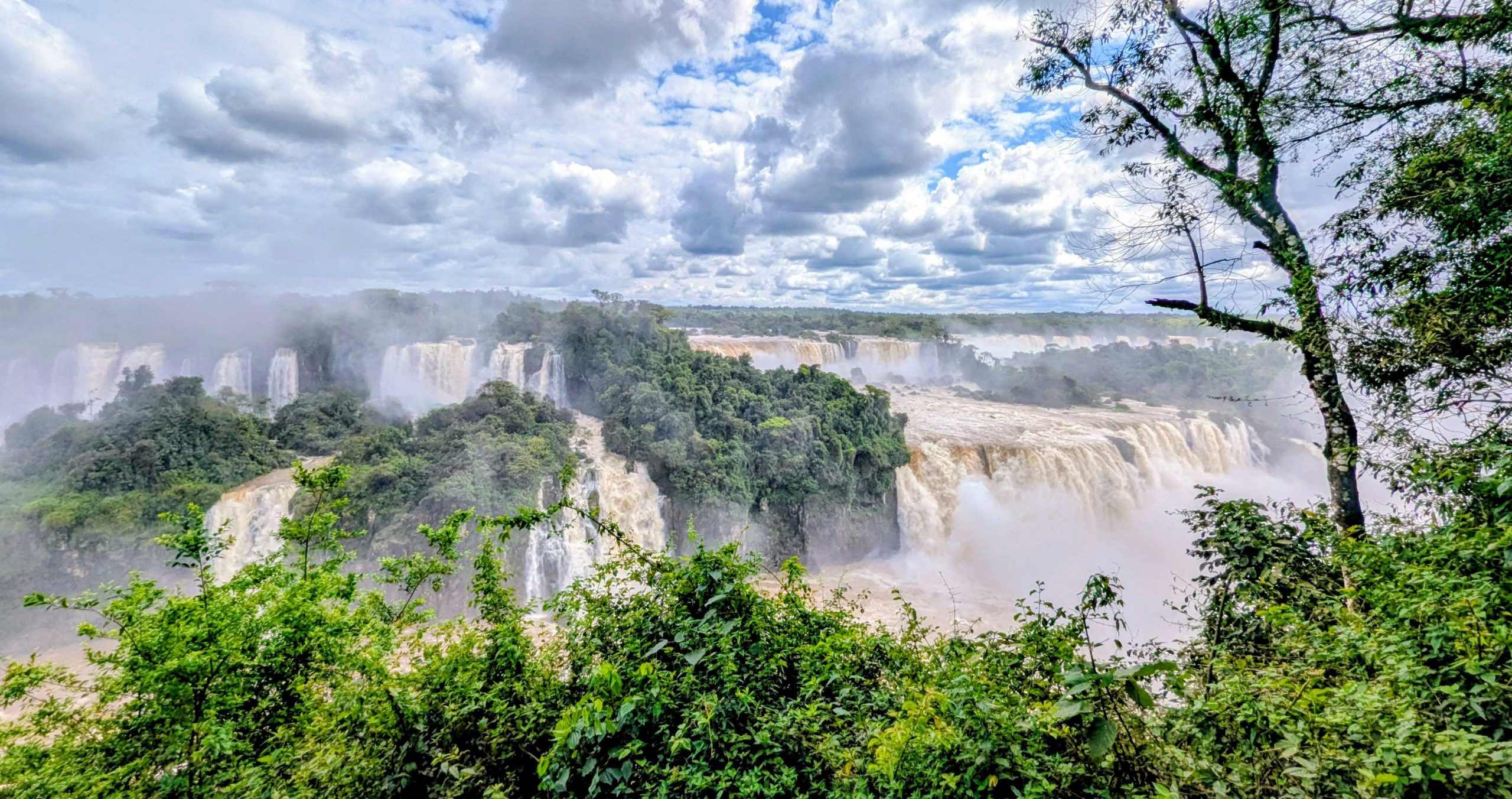
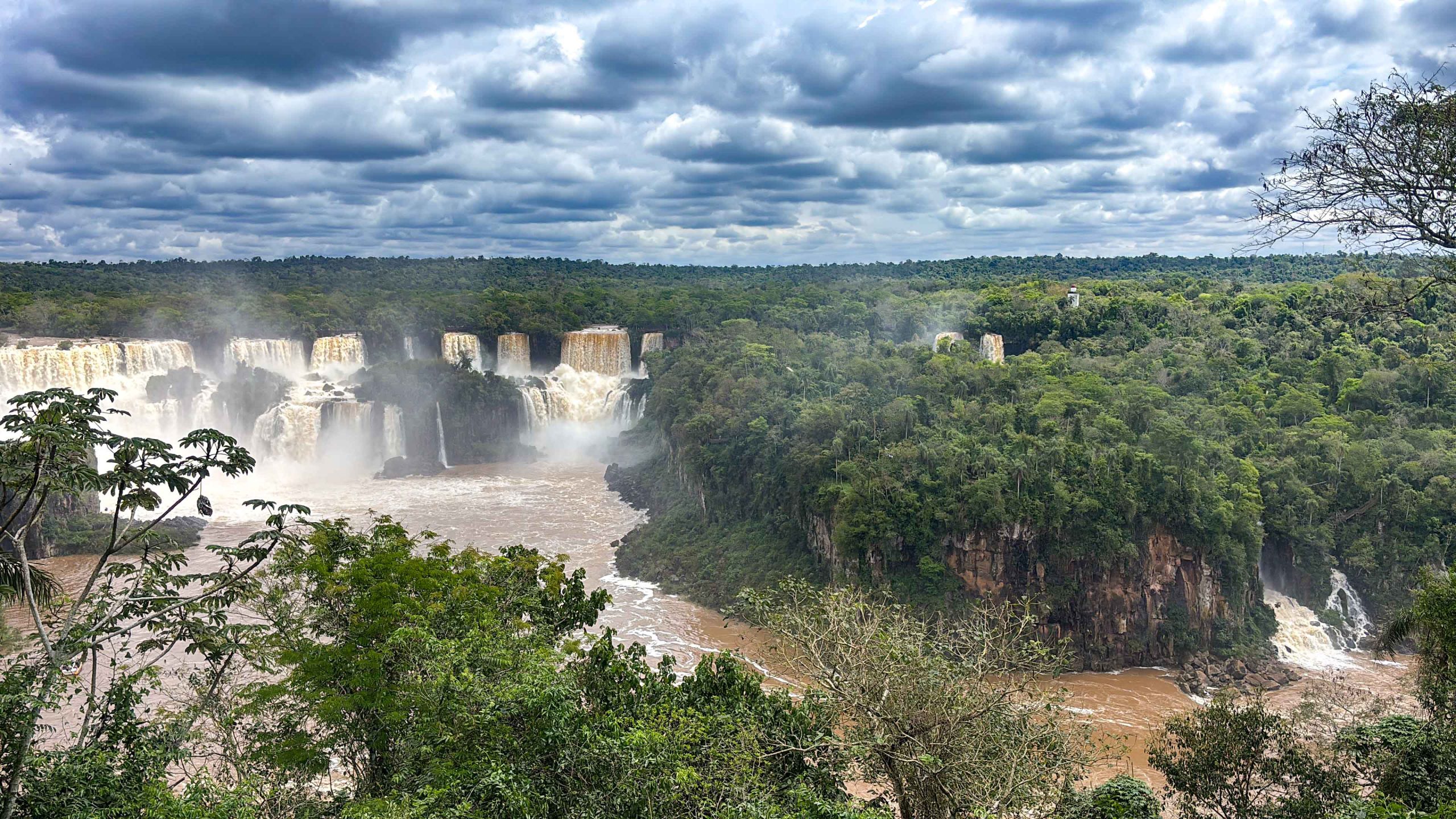
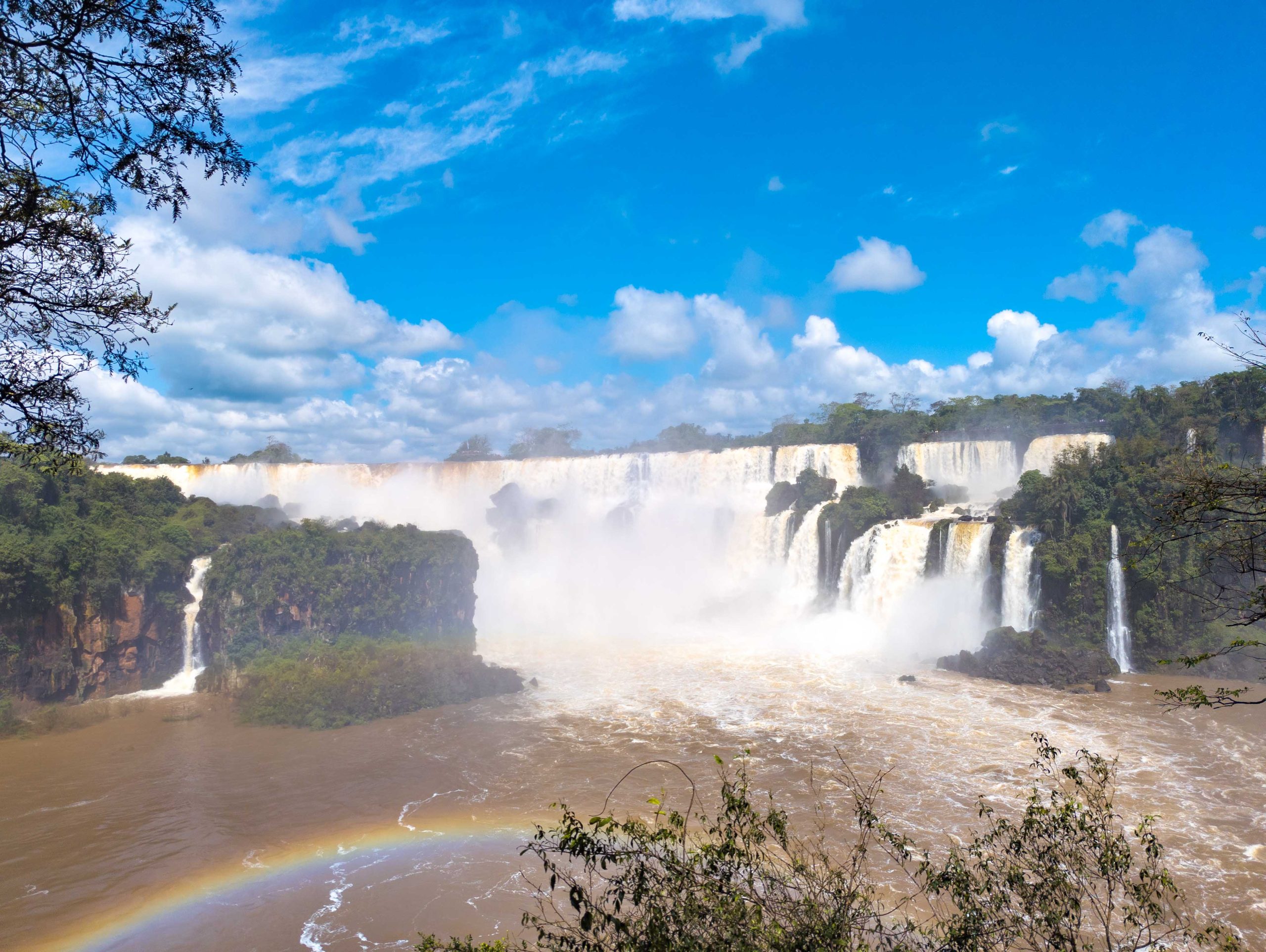
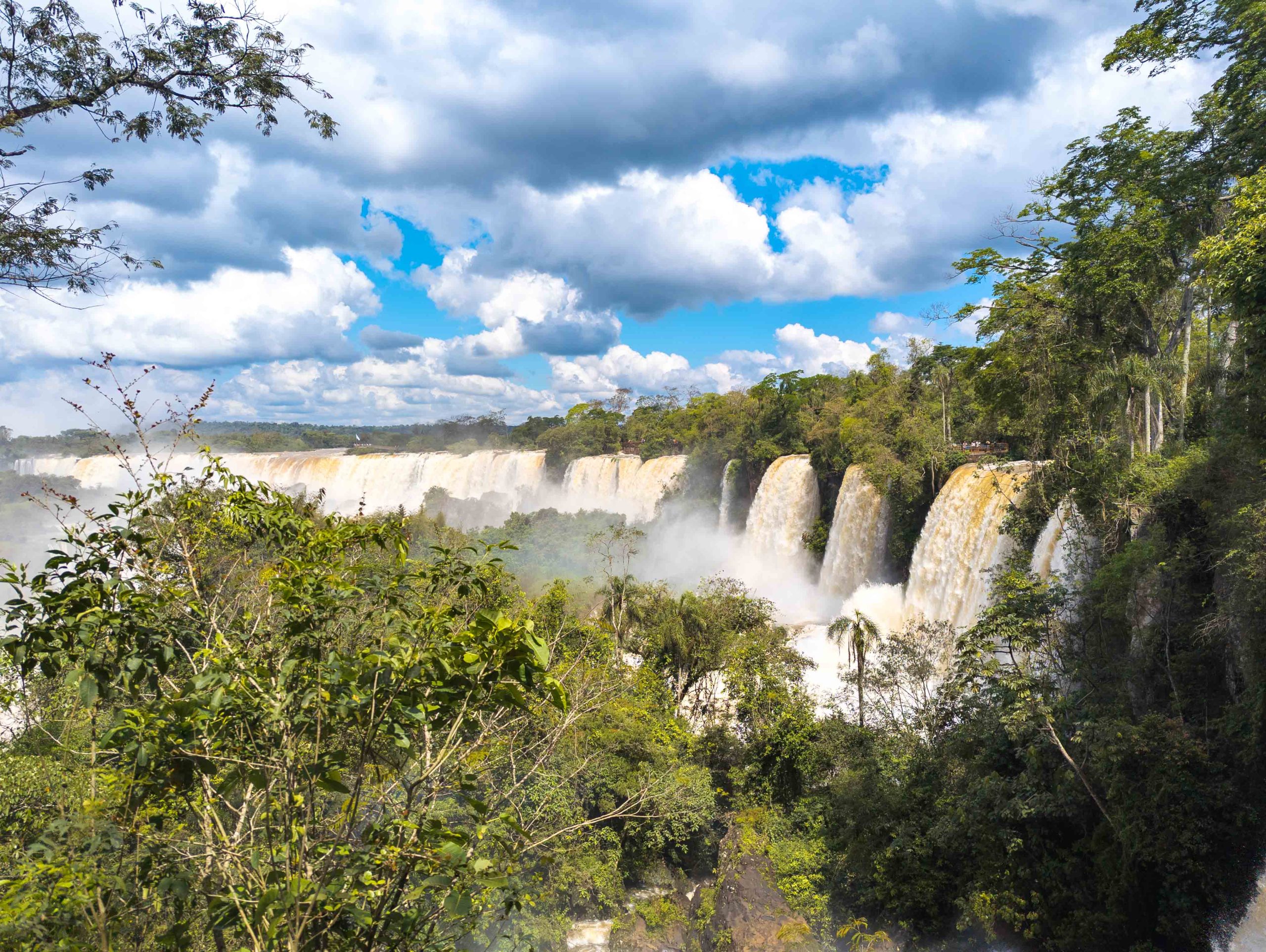
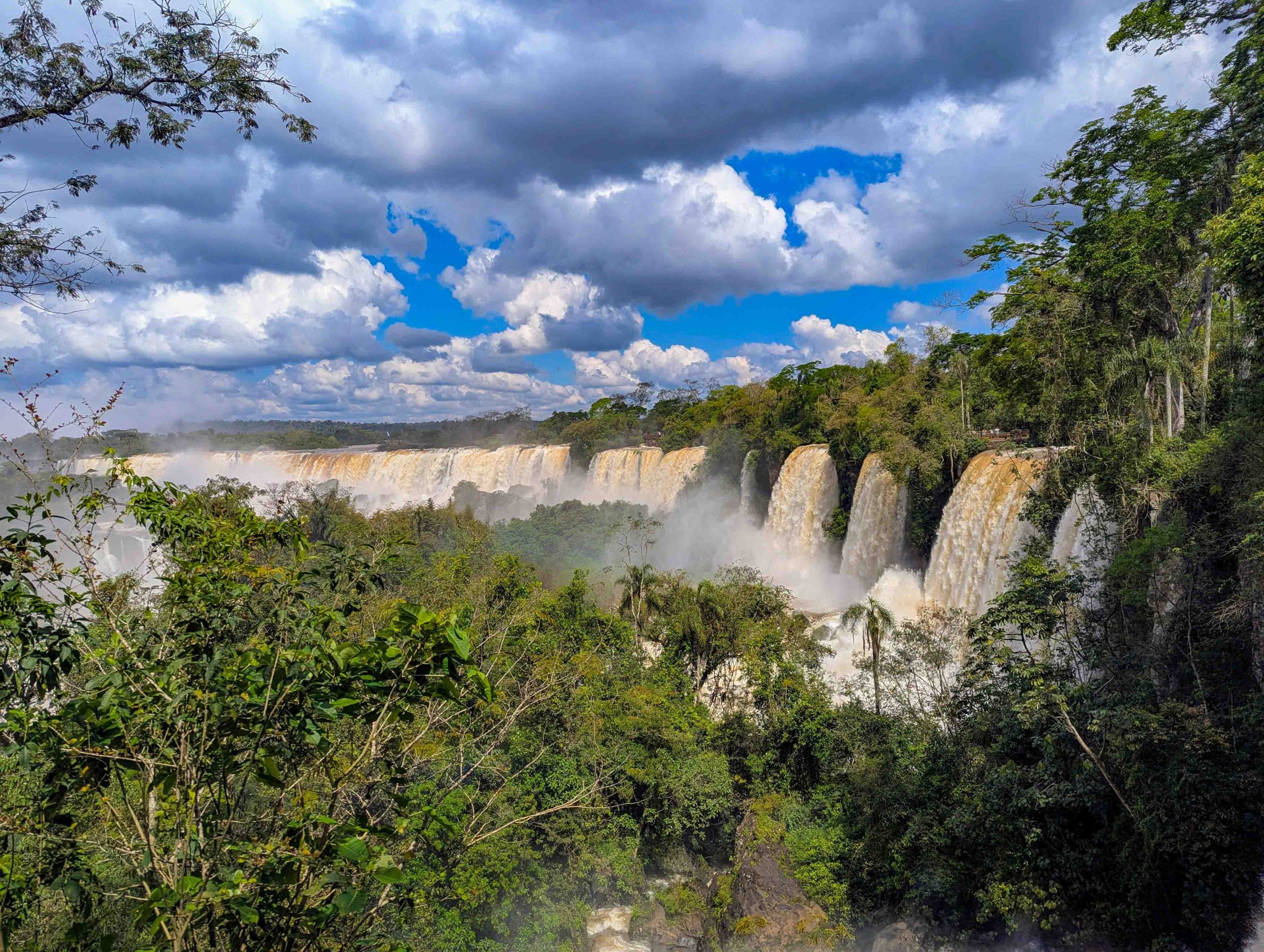
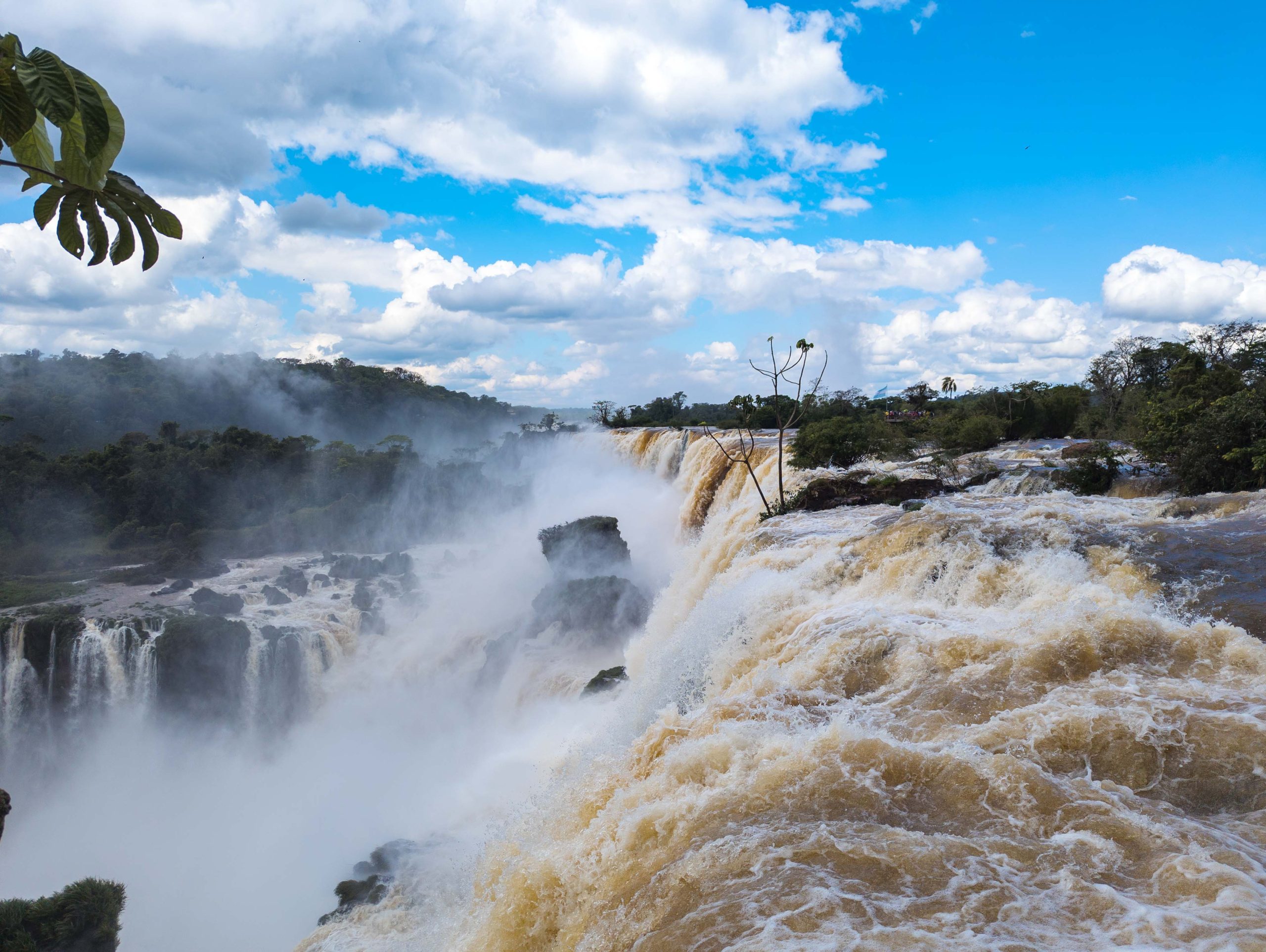
Upon arrival, lodging was established at Vila Dumont Residencial, followed by a meal at a traditional self service buffet where food is priced by the kilogram. Transport was then routed directly into the Brazilian sector of Iguazu National Park. Heavy upstream seasonal rainfall had swelled the Iguazu River to roughly four times its median volumetric flow. The catwalk networks, anchored directly into the basalt gorge walls, placed observers directly inside dense aerosol spray plumes generated by the massive water volume plunging over the precipice.
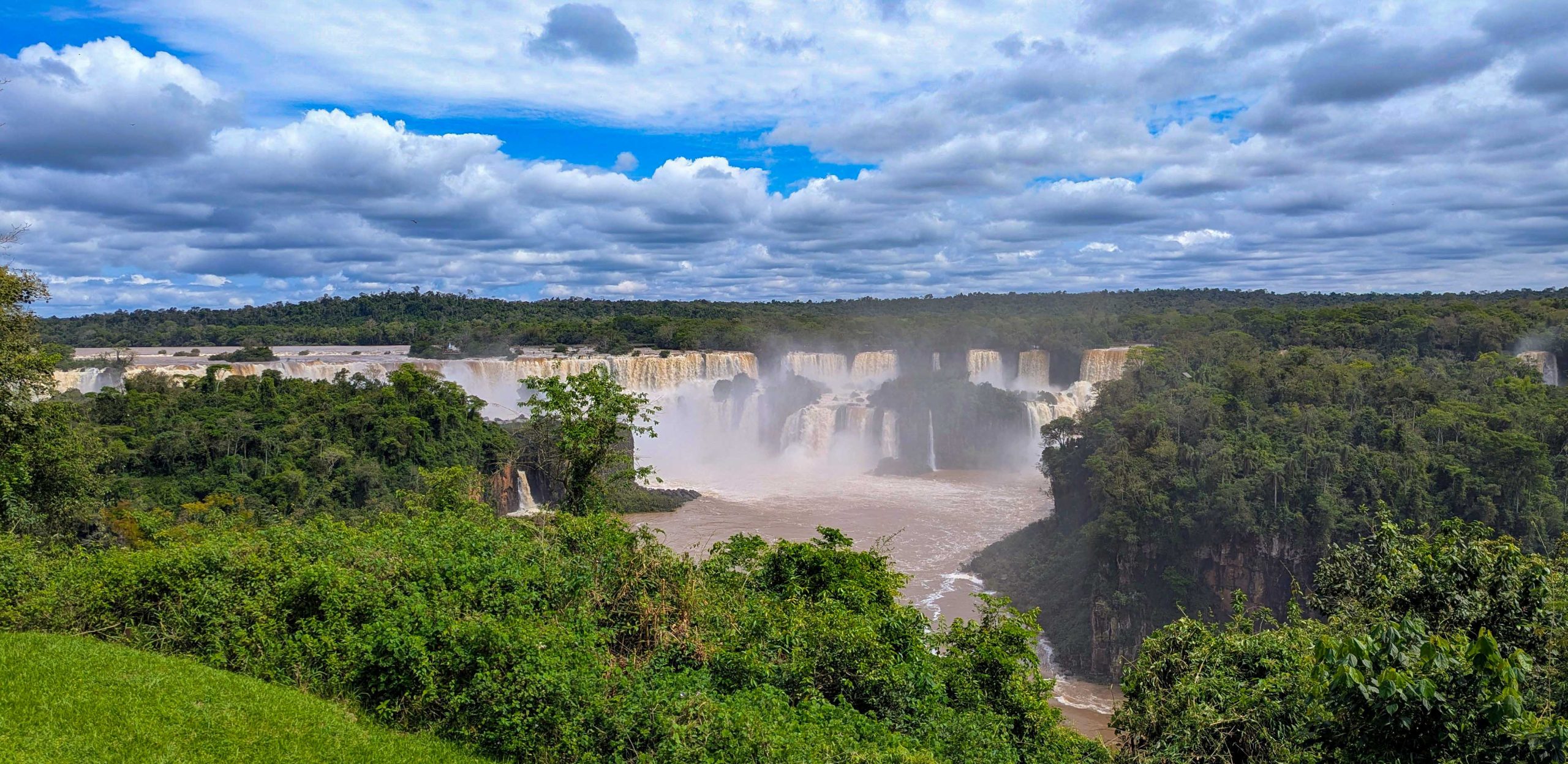
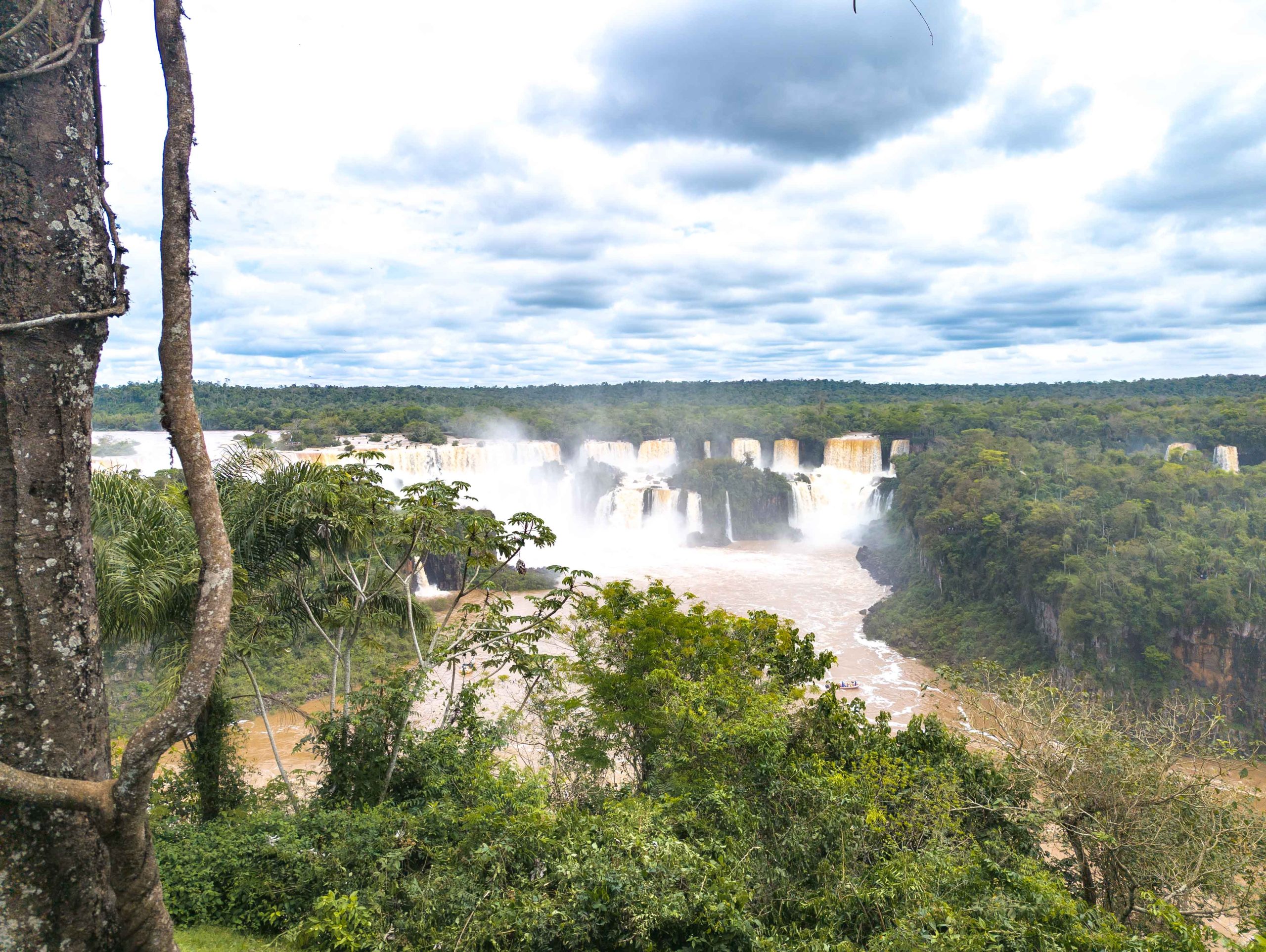
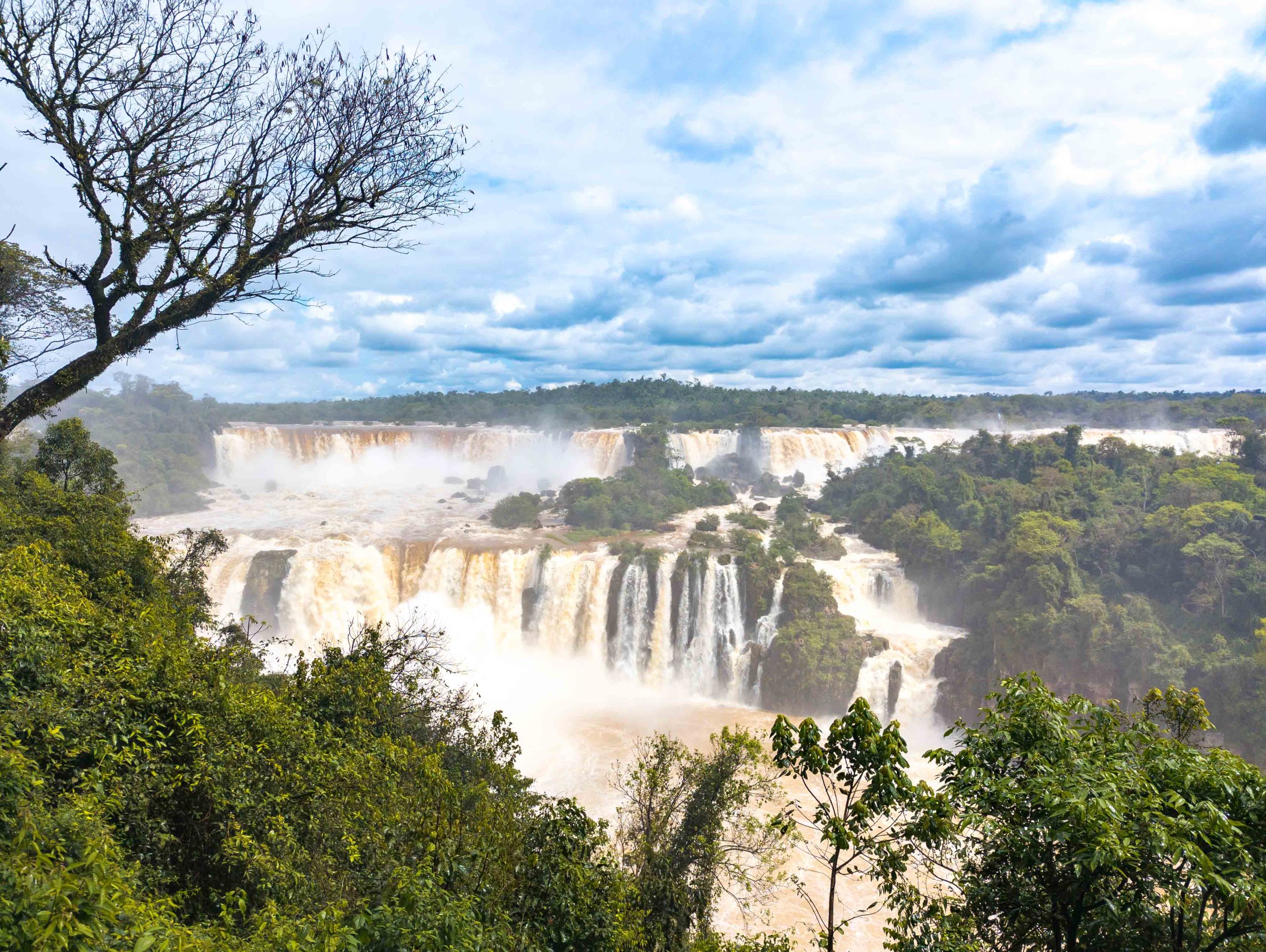
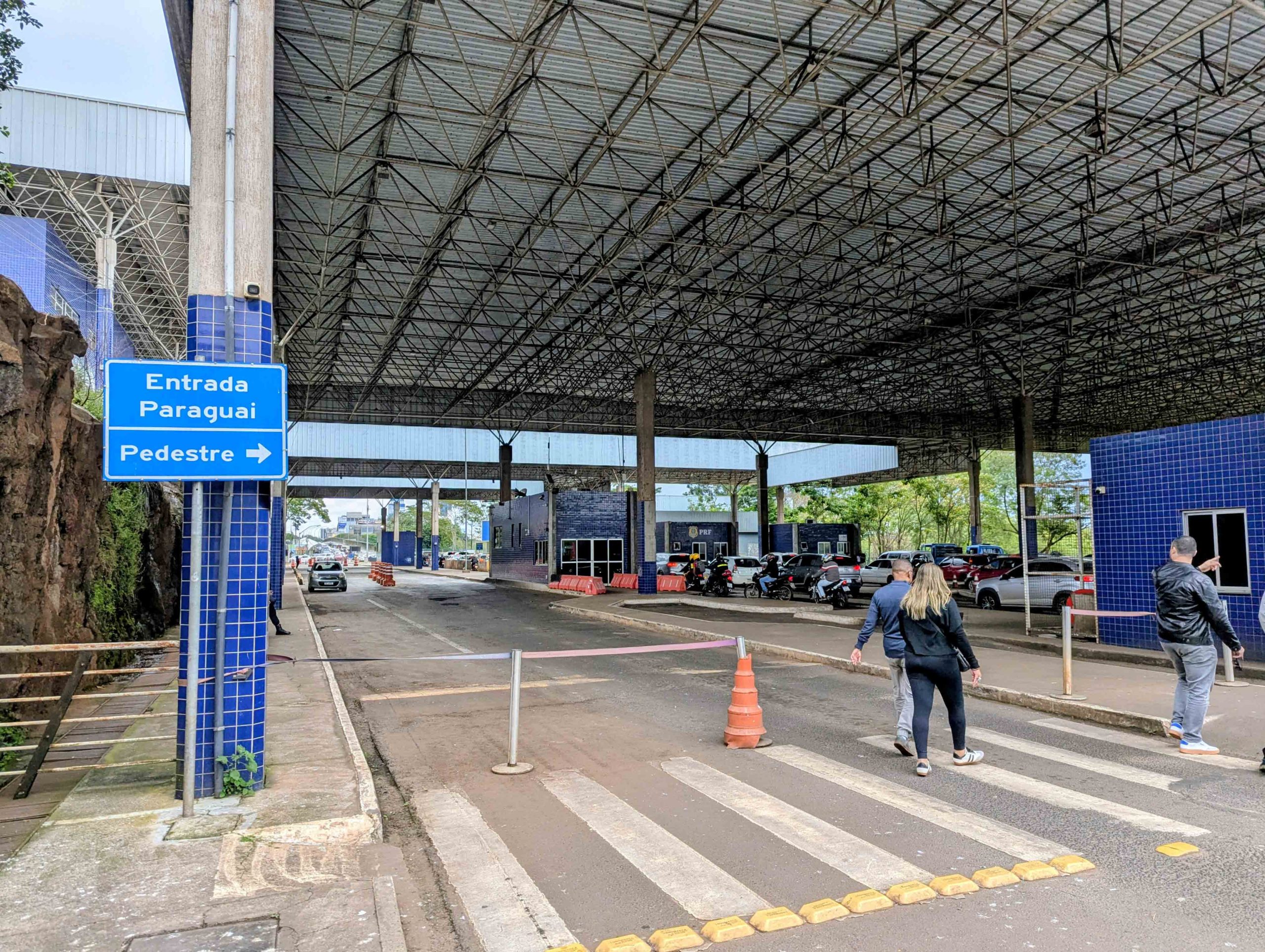
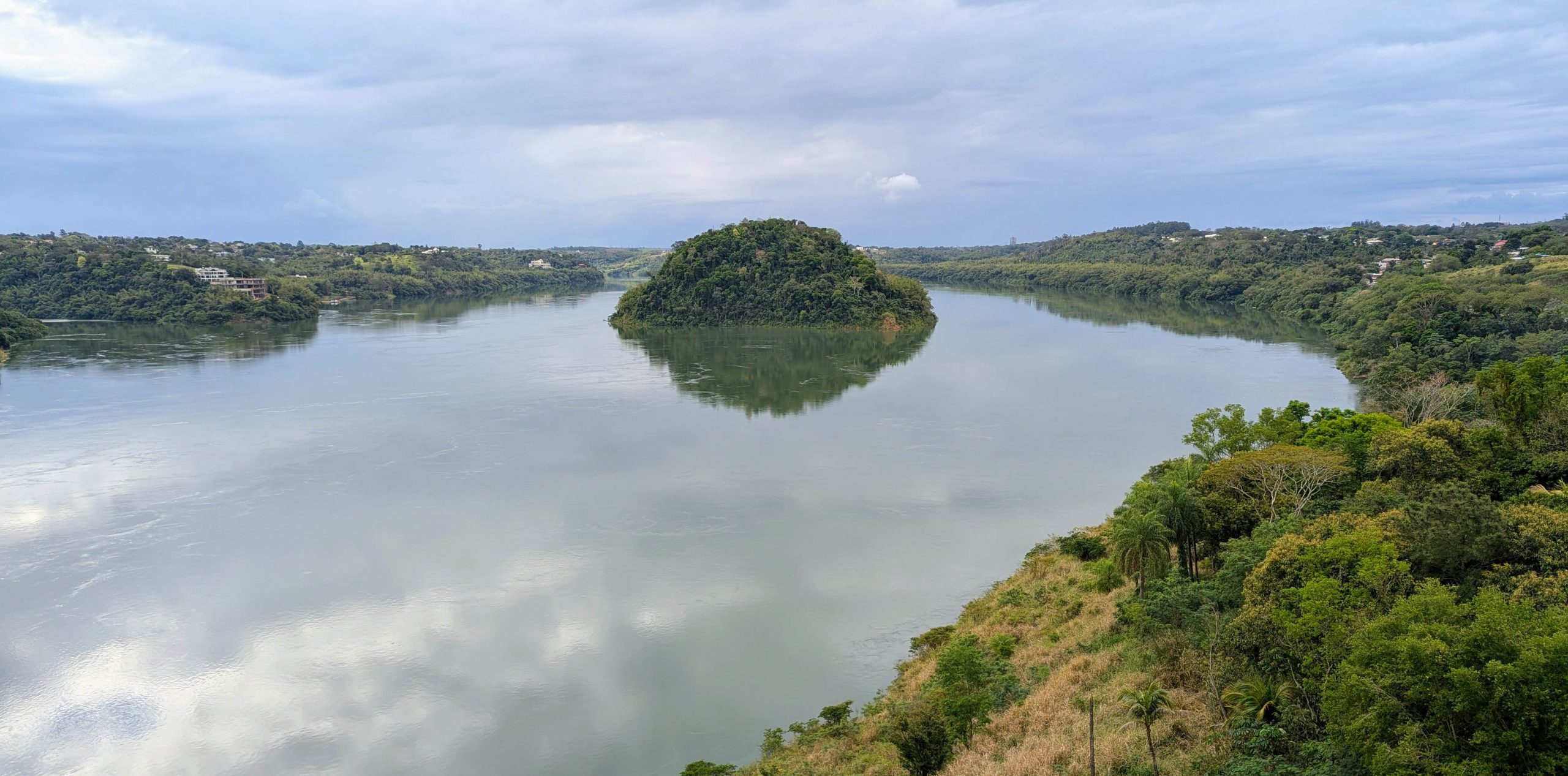
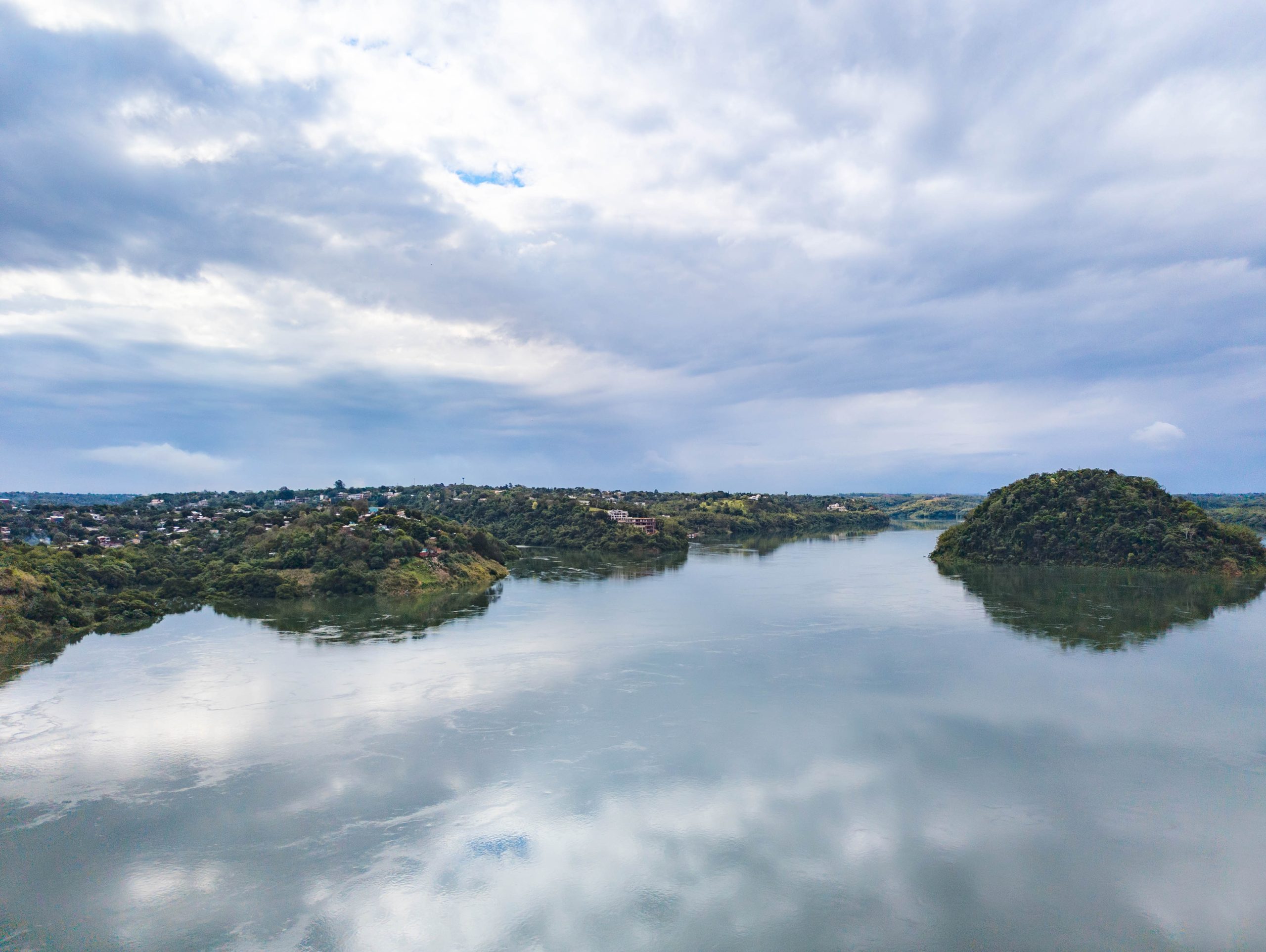
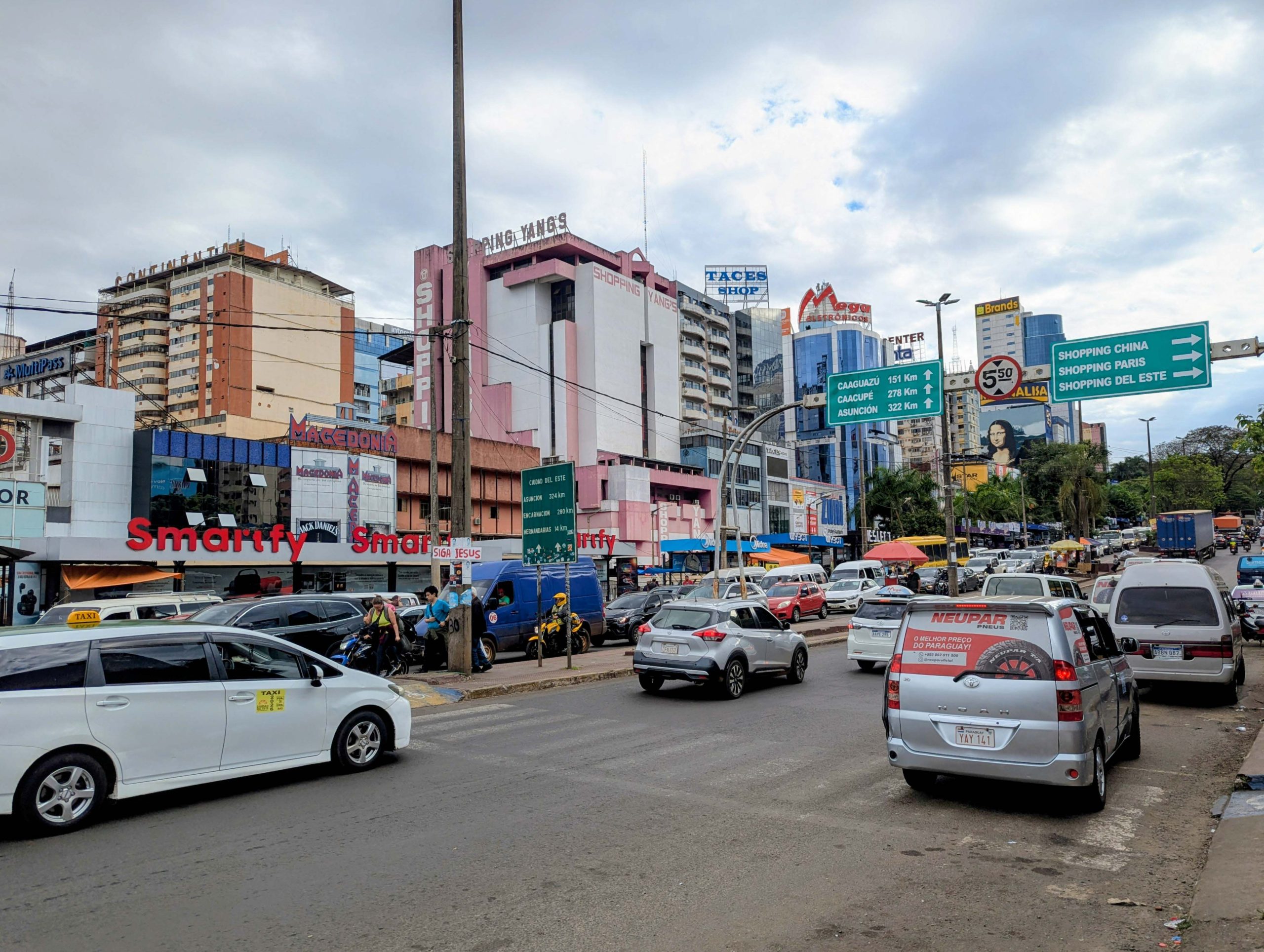
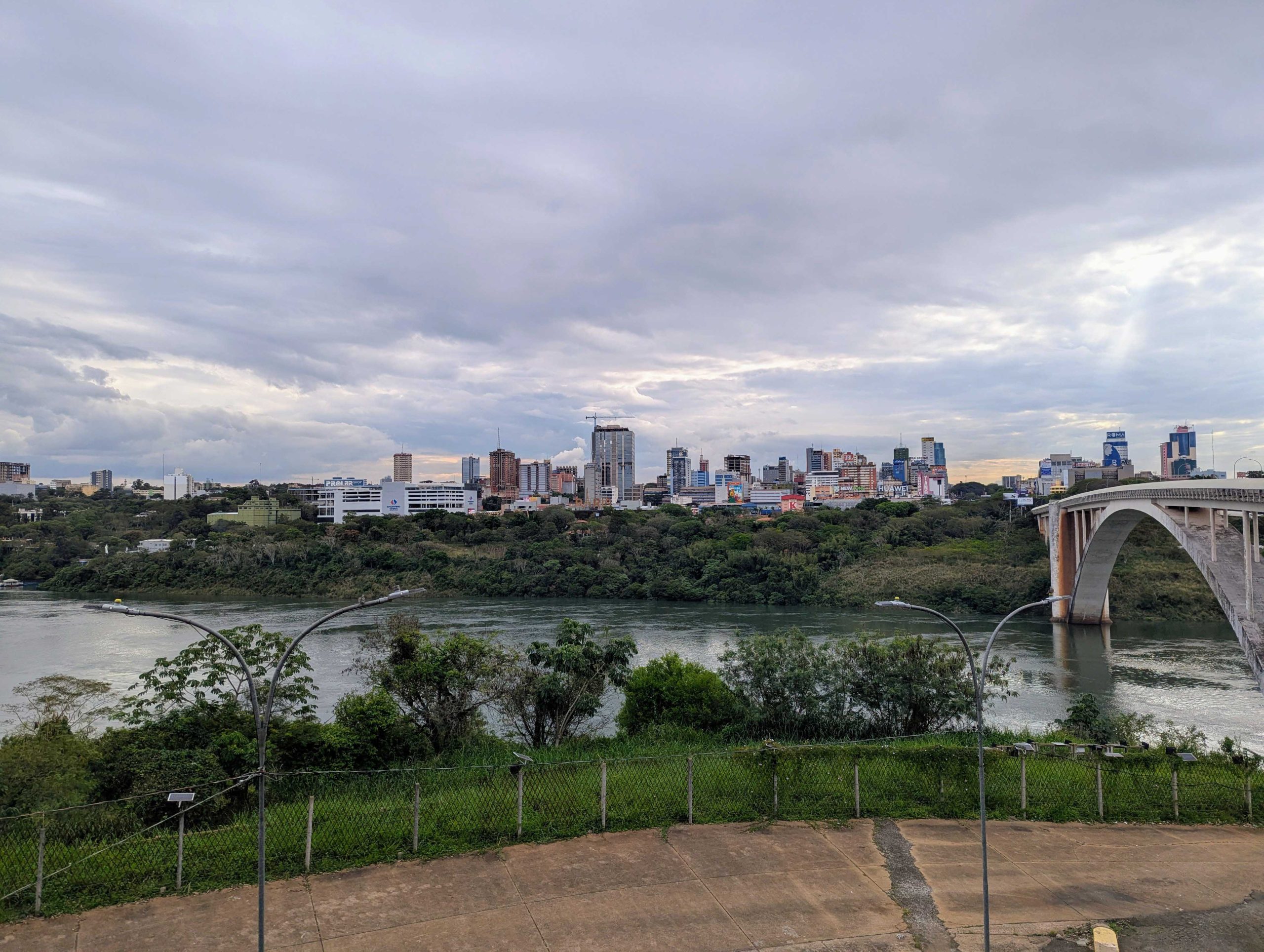
Following the park trail, transit continued southwest to the international Friendship Bridge (Ponte da Amizade), spanning the Parana River between Brazil and Ciudad del Este, Paraguay. Crossing the bridge on foot demonstrated unique border dynamics. Pedestrians crossed the international boundary completely uninspected, without document checks from Brazilian federal police or Paraguayan authorities. Paraguay maintains exceptionally low import duties relative to Brazil, converting Ciudad del Este into an intensive wholesale hub for consumer electronics and pharmaceuticals that bypass high Brazilian tariff regimes.
The return journey traversed the bridge back into Brazil on foot, followed by ride share transport to circumvent heavy commuter exhaust along the highway approaches.
TUESDAY, SEPTEMBER 15, 2026: SUBTROPICAL HYDROLOGY AND CATWALK CIRCUITS OF ARGENTINE IGUAZU
Tuesday was dedicated entirely to the Argentine sector of Iguazu Falls, which provides an extensive trail system through the subtropical rainforest of Misiones province.
Transit logistics operated via the municipal bus terminal, Terminal de Transporte Urbano Pedro, departing Foz do Iguacu at 08:30. Round trip international bus tickets cost roughly 10 euros per person. The bus crossed the border, completed frontier documentation, and arrived at the central terminal in Puerto Iguazu, Argentina, at 09:45. A local park shuttle departed at 10:35, reaching the entrance gates of Iguazu National Park in thirty minutes.
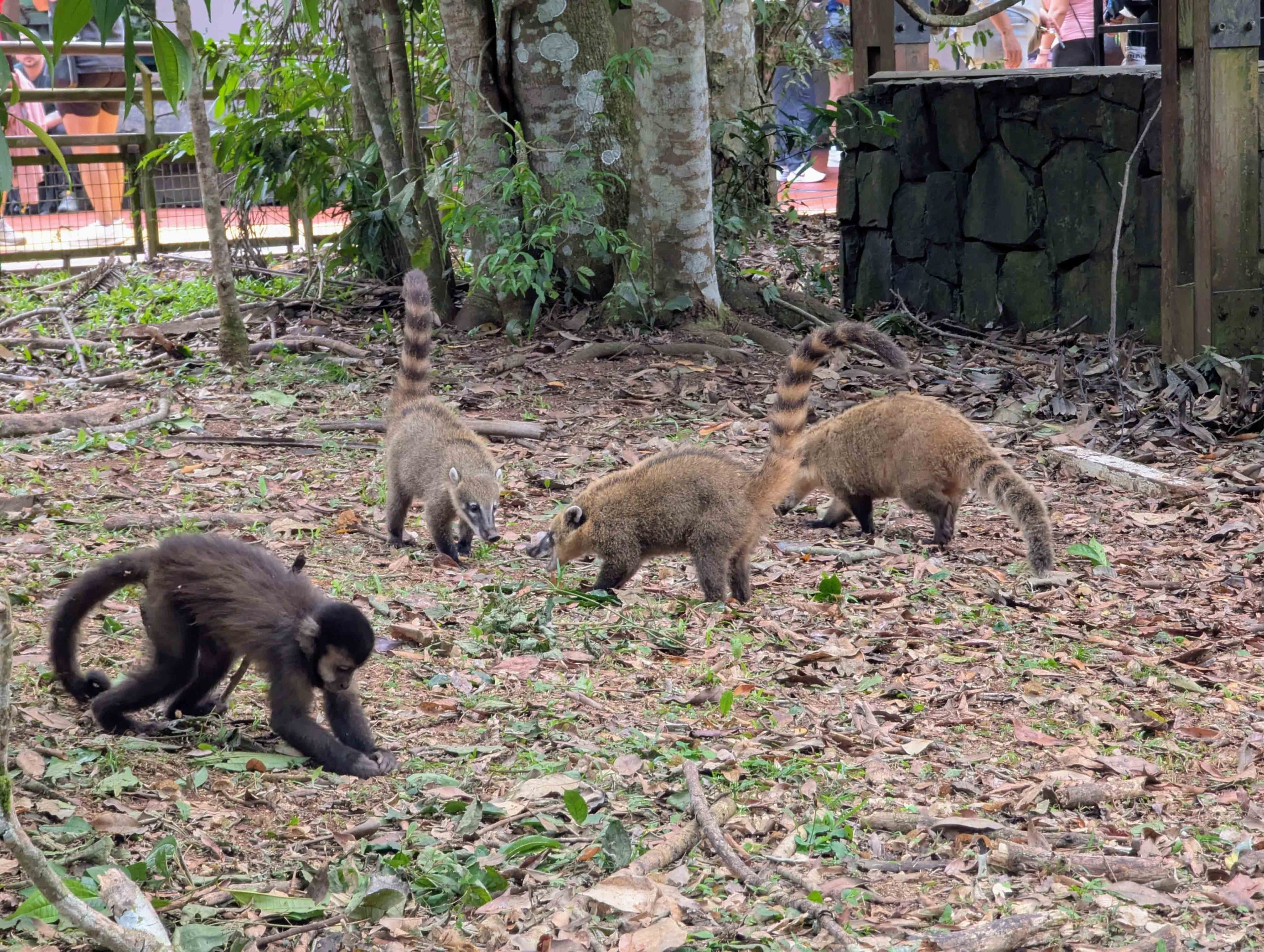
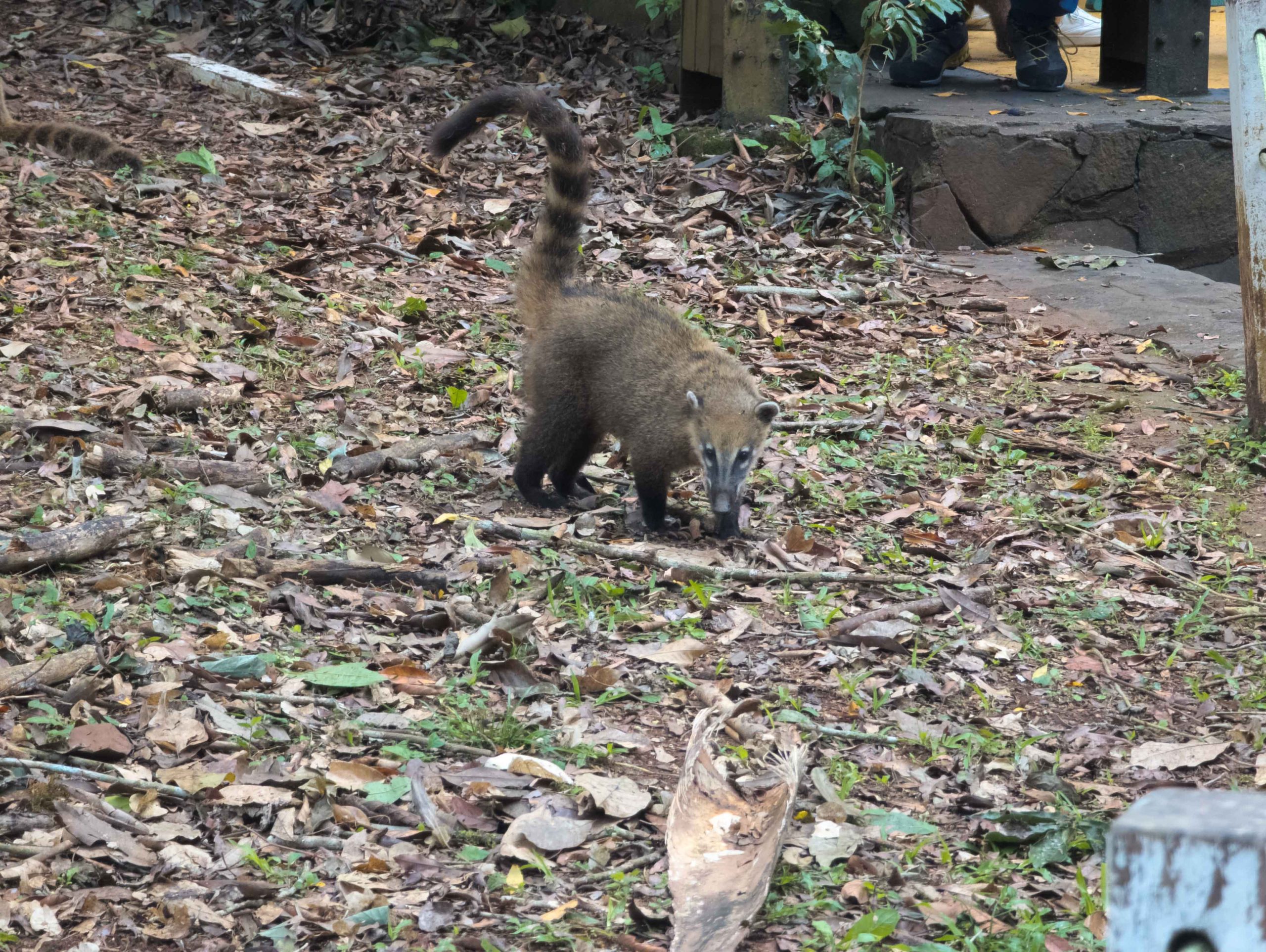
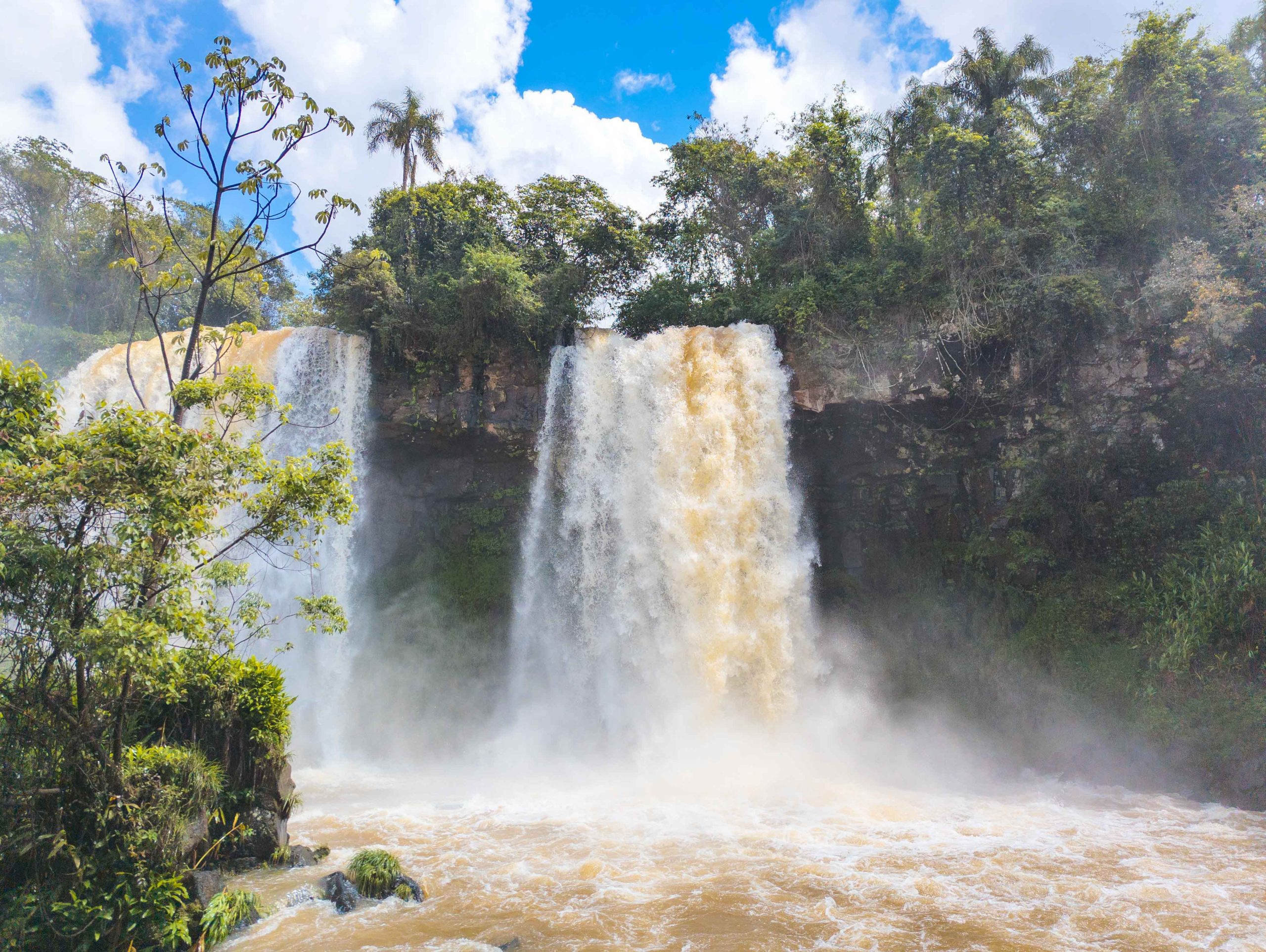
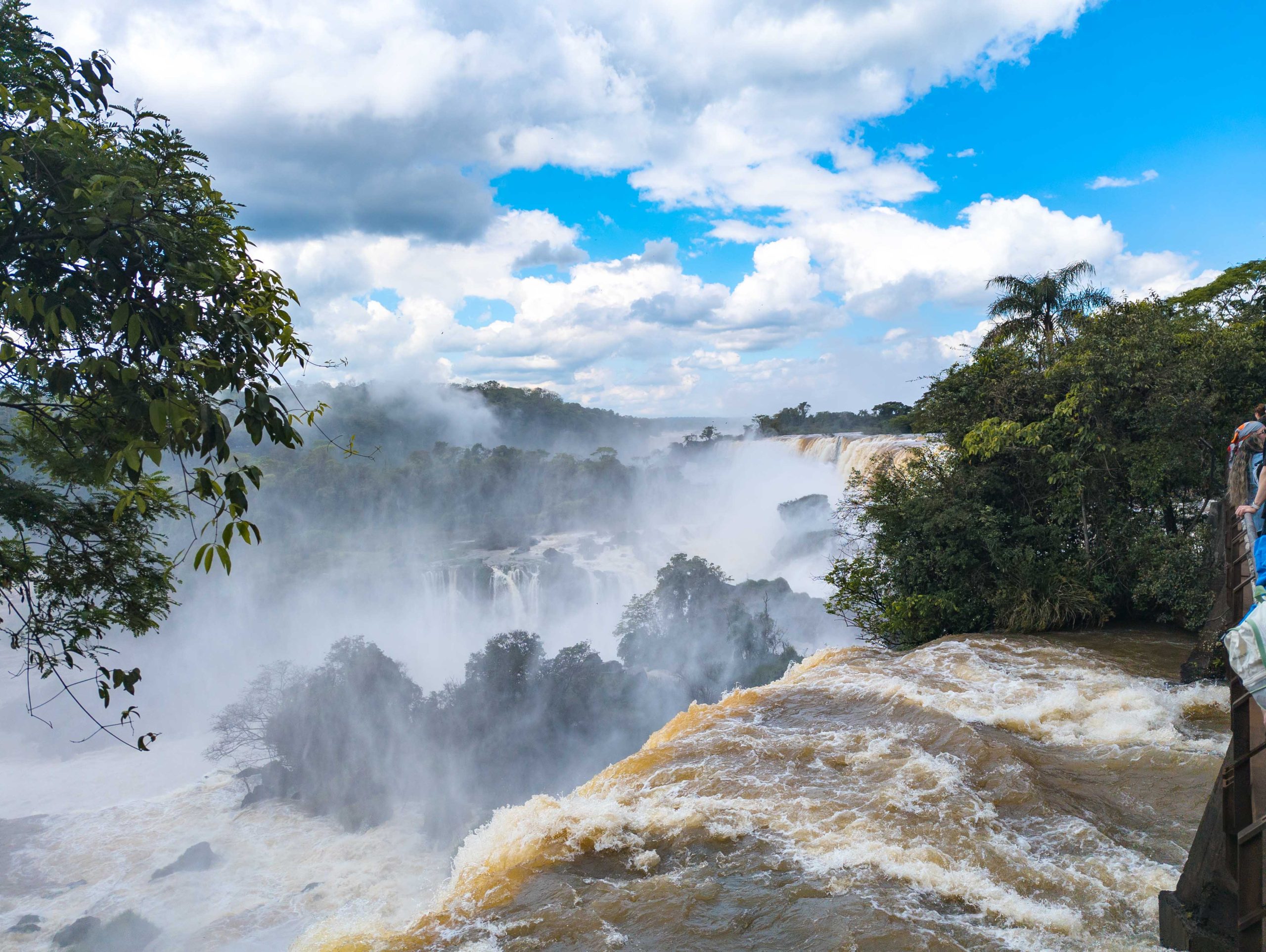
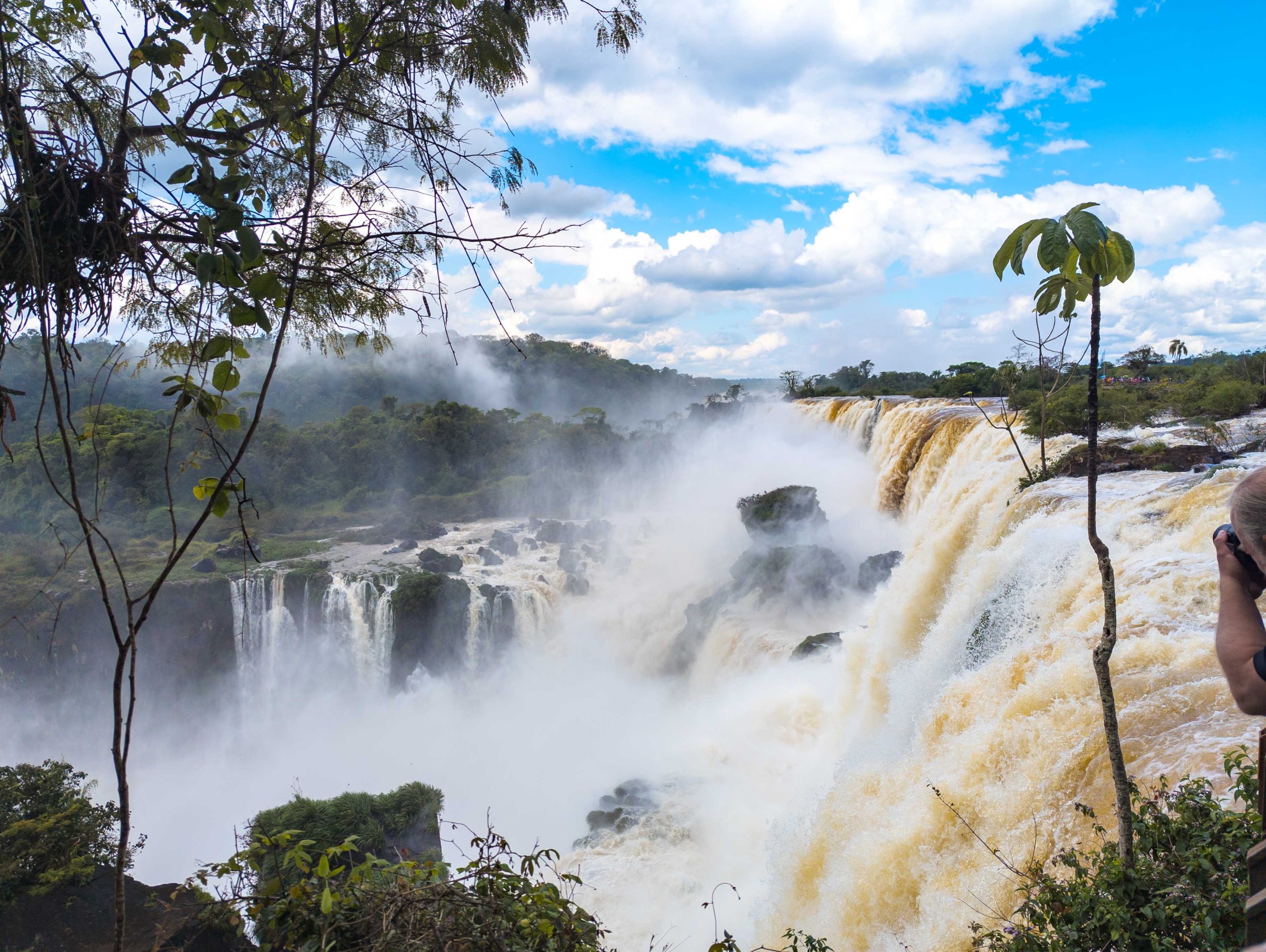
The park encompasses distinct ecological zones where local fauna, including bands of ring tailed coatis and capuchin monkeys, forage actively along the trail borders. Two primary pedestrian networks were completed. The Lower Circuit winds through the dense understory along the lower river basin, providing upward vertical perspectives toward the impact zones of the primary falls. The Upper Circuit utilizes elevated metal catwalks constructed across the upper basalt ledges, allowing visitors to walk directly above the drop lip where river torrents break into the abyss.
Following completion of both circuits, a late lunch was taken in Puerto Iguazu at restaurant Yacare between 15:30 and 16:30, before boarding the return cross border bus service back to Brazil, arriving at Vila Dumont Residencial at 17:50.
WEDNESDAY, SEPTEMBER 16, 2026: FLEX FUEL MECHANICS AND NINETEENTH CENTURY IMPERIAL PETROPOLIS
On Wednesday, a domestic flight returned from Foz do Iguacu to Rio de Janeiro. A rental car was collected at the airport from the Movida depot. The vehicle was equipped with a Brazilian flex fuel engine, engineered to combust either unblended sugarcane ethanol or standard gasoline in any ratio. Sugarcane ethanol offers substantial cost savings per liter at the pump while providing reliable combustion dynamics for steep highway climbs.
The route ascended into the Serra dos Orgaos toward the imperial city of Petropolis. Hotel reservations highlighted an important regional booking caveat: online accommodation portals in Brazil frequently display five star classifications that are self assigned by independent operators rather than audited by regulatory hotel authorities. The initial property booked under this classification proved unmaintained, with broken room hardware and inadequate security. After requesting a fee free cancellation at the desk, an inspection of alternative villas yielded similar issues before checking into Hotel Petropolis Inn, an established three star property booked at 37 euros per night with panoramic views of the mountain valley.
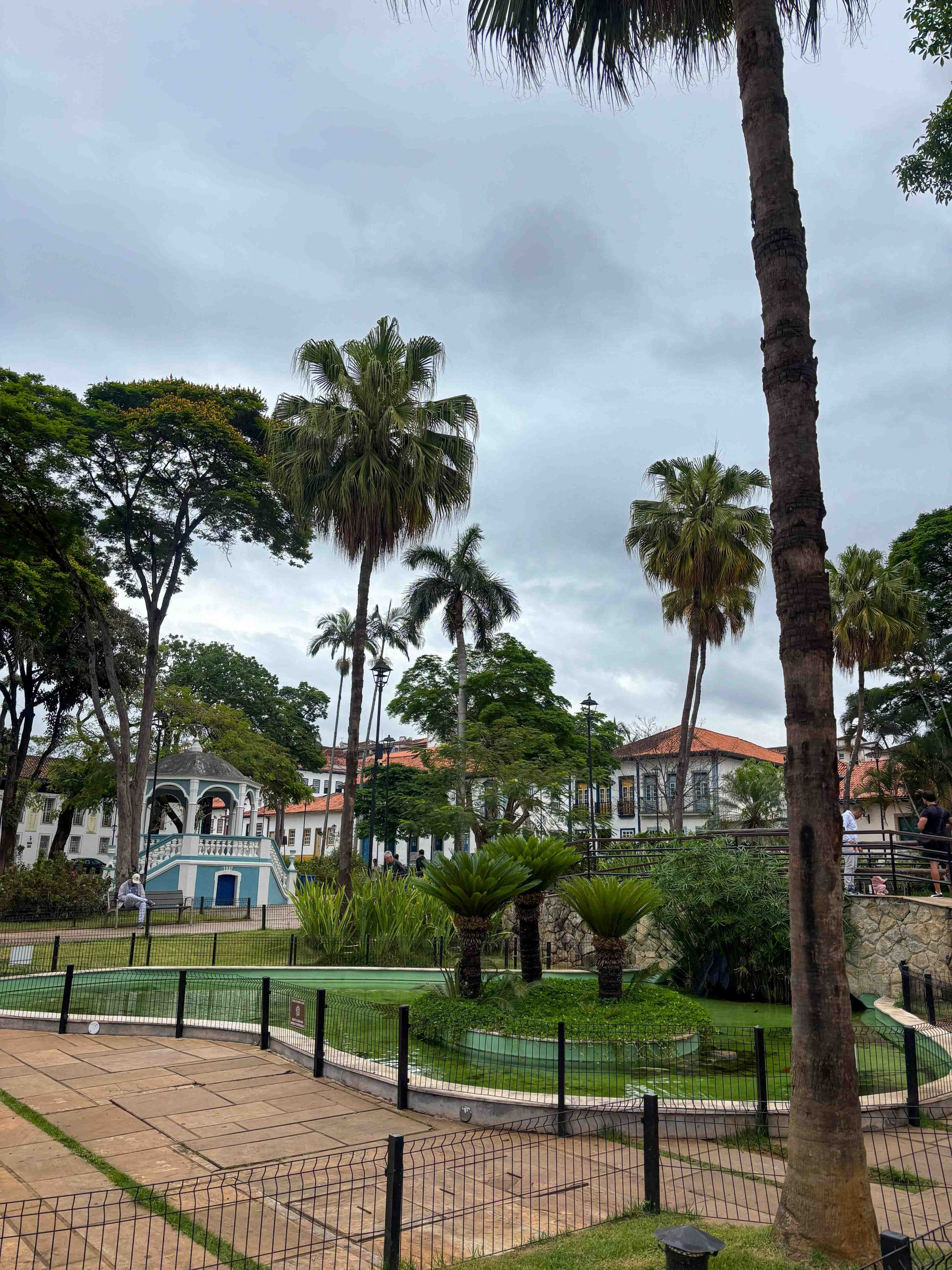
Petropolis was founded in the mid nineteenth century by Emperor Dom Pedro II as an imperial mountain retreat to escape summer yellow fever outbreaks and heavy humidity in coastal Rio. In the 1840s, royal initiatives settled hundreds of German immigrant families across mountain sectors named Bingen and Westfalia. The city retains distinct central European alpine architecture, characterized by steep slate roofing, dormer gables, and half timbered framing, alongside industrial manufacturing history including the historic Bohemia brewery.
THURSDAY, SEPTEMBER 17, 2026: HIGH GRADE MOUNTAIN NAVIGATION AND COBBLESTONE FRICTION IN OURO PRETO
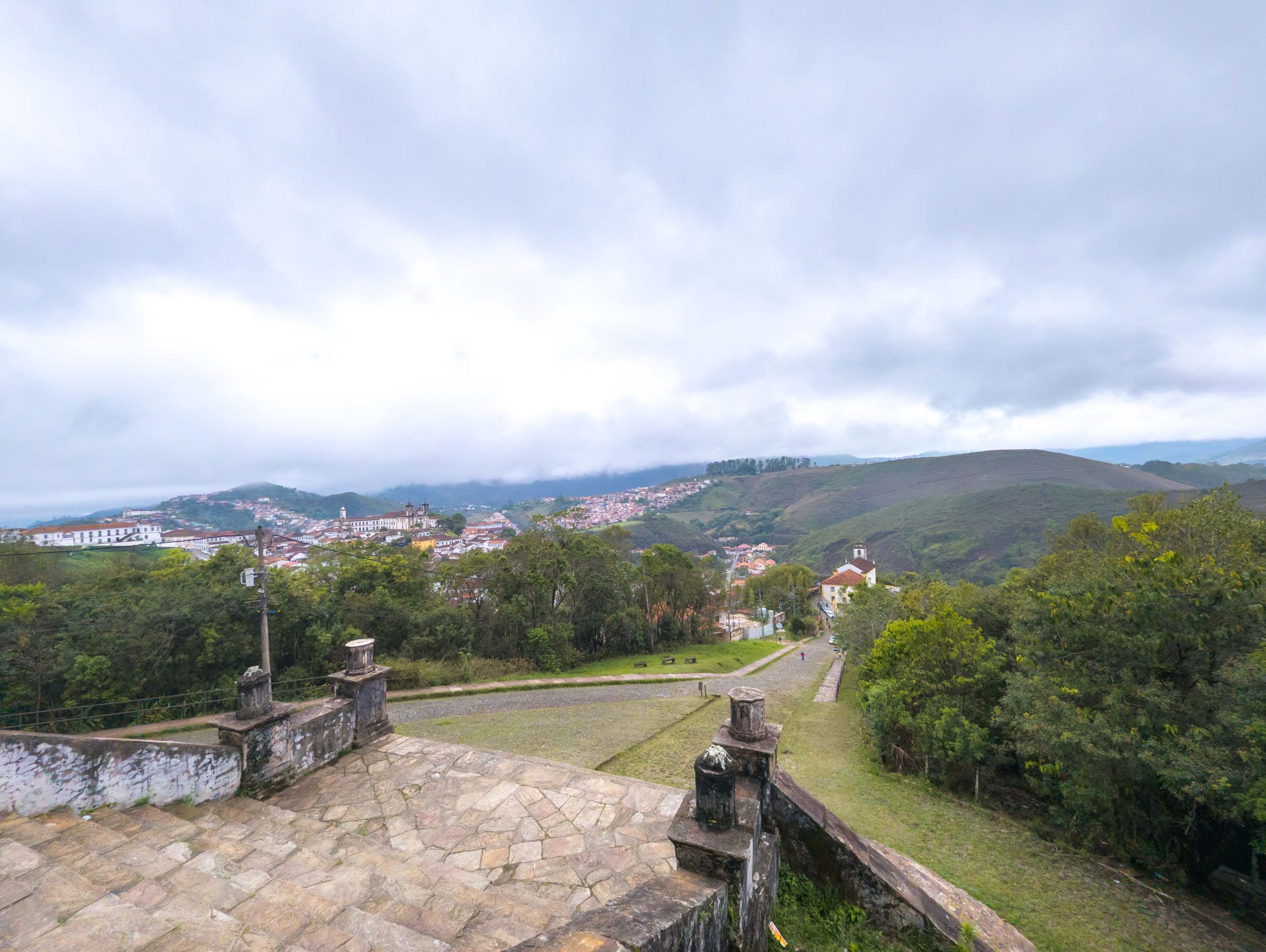
Following check out at 11:20 am on Thursday, the drive proceeded north for five hours through the rugged mountain topography of Minas Gerais, arriving in the historic mining center of Ouro Preto. Onsite lodging was secured at E Hostel, located within the historic preservation zone.
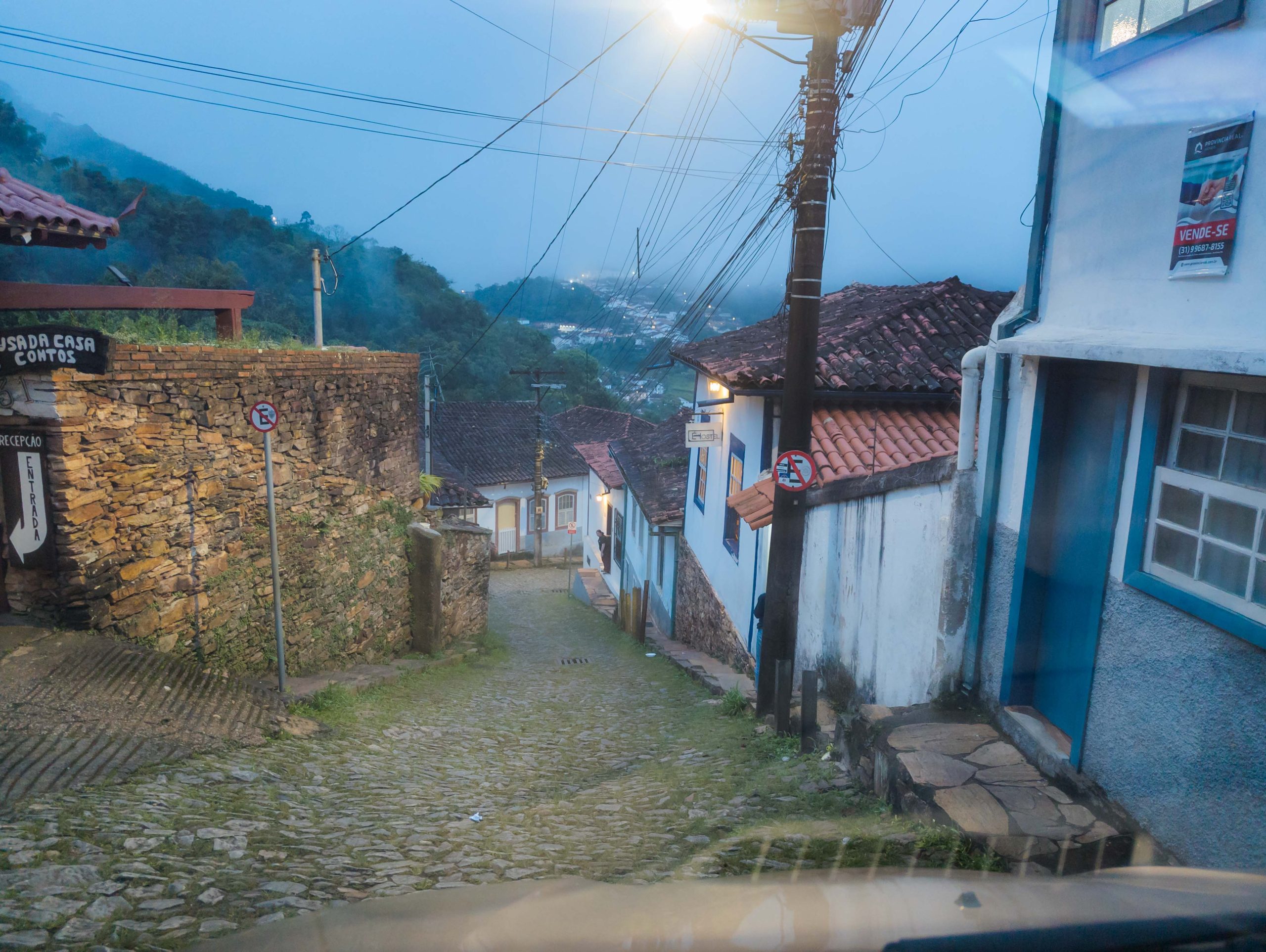
Navigating Ouro Preto requires managing extreme street gradients paved with pe de moleque, an eighteenth century street surface composed of smooth, irregular river stones embedded in dirt. While maneuvering the vehicle on an extreme incline outside the hostel, testing the mechanical handbrake demonstrated a critical physical limitation: locking the rear drum brakes caused the rear tires to lose all static friction on the slick, angled river stones, sending the vehicle sliding downward. Instantly applying the primary hydraulic foot brake engaged the front calipers, gripping all four wheels and bringing the vehicle to an immediate stop before it was repositioned twenty meters downhill on a flatter road shelf. The evening concluded with an exploratory walk along the undulating colonial streets.
FRIDAY, SEPTEMBER 18, 2026: SUBTERRANEAN COLONIAL GOLD EXTRACTION AND MARIANA EPISCOPAL HERITAGE
Friday morning focused on the technical history of the eighteenth century Brazilian Gold Rush through an underground mine tour adjacent to the hostel. During this era, Ouro Preto (originally designated Vila Rica) became the most populous mining center in the Americas. To extract gold from deep quartz veins, the Portuguese Crown relied on the forced labor of enslaved West Africans, particularly from Dahomey and the Mina coast, chosen deliberately for their pre existing expertise in metallurgy and underground shaft mining. Enslaved miners chiseled through unventilated, water dripping rock galleries by hand under severe conditions.
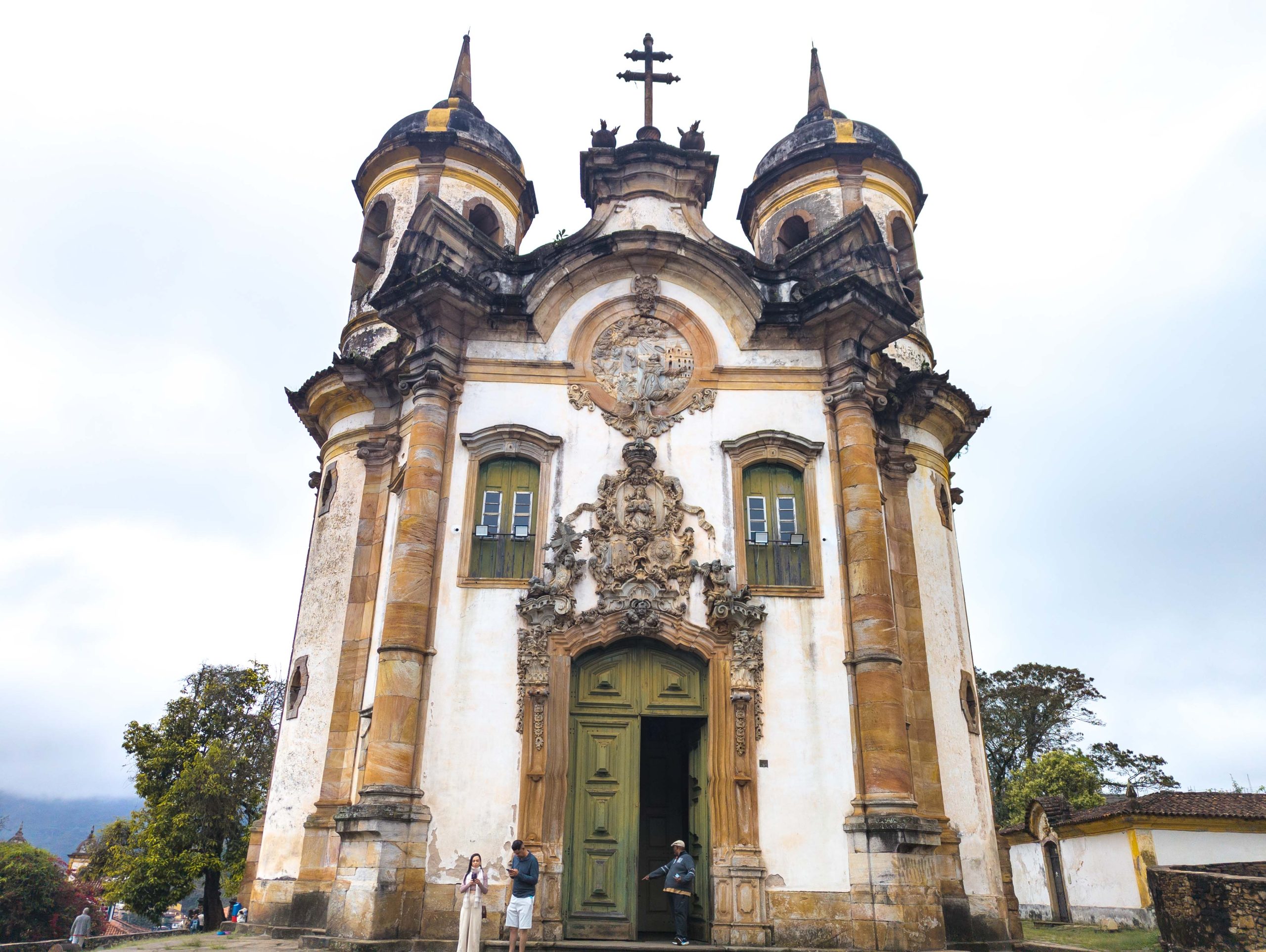
Institutional mining regulations featured strict ecclesiastical exclusions. The Portuguese Crown strictly barred Catholic monastic orders (such as Franciscans, Carmelites, Jesuits, and Benedictines) from entering Minas Gerais, fearing that independent monastic immunity would facilitate large scale gold and diamond smuggling. This royal fear gave rise to the historic folklore of the santo do pau oco, hollow wooden saint statues utilized to conceal untaxed gold dust. In contrast, ordained secular priests and lay religious brotherhoods operated legally, owning productive mining concessions and hundreds of enslaved laborers. These mining revenues directly funded the lavish gold leaf interiors of the town baroque churches.
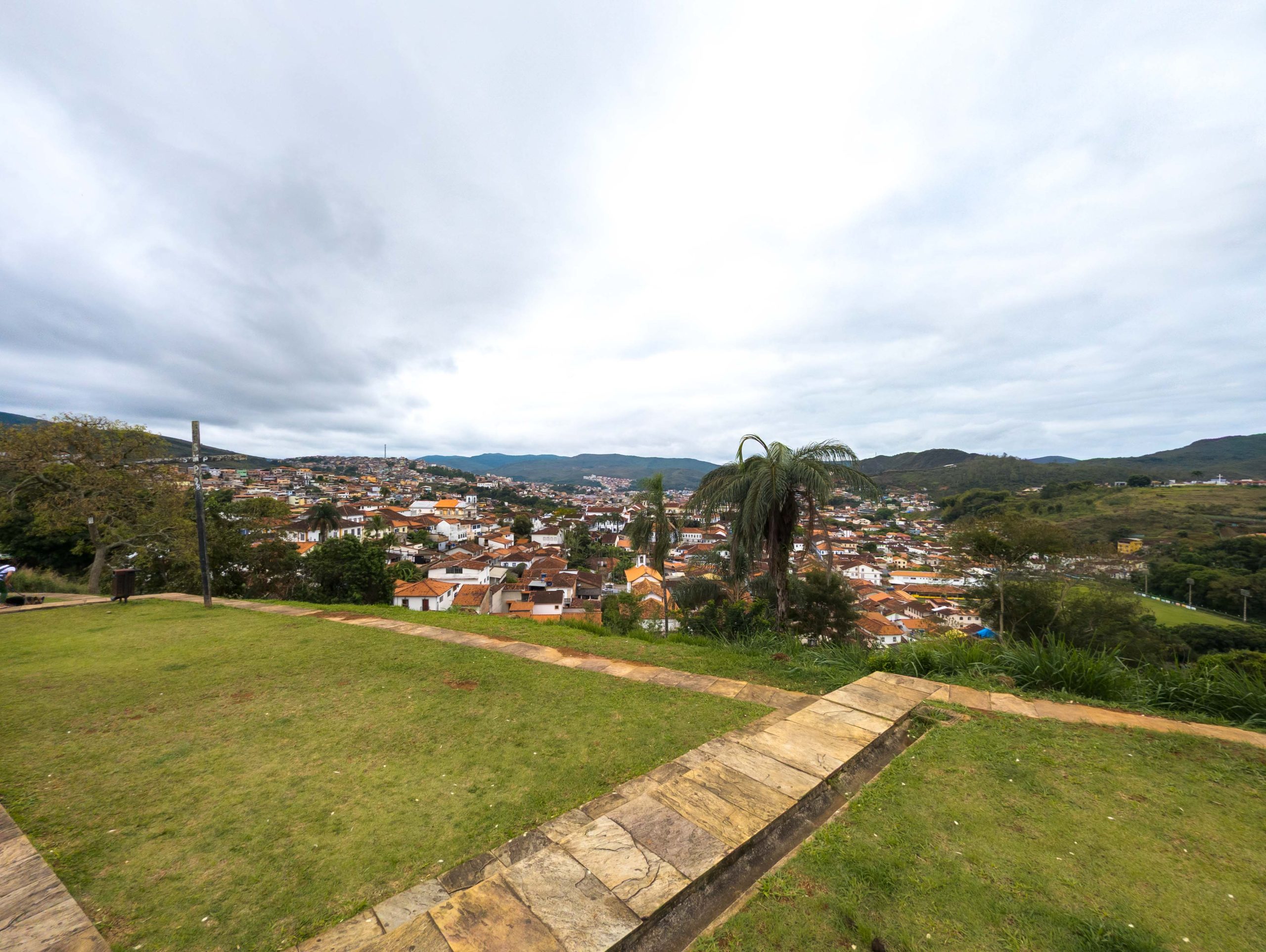
In the afternoon, the route continued east toward Mariana, the first administrative capital and first episcopal seat of Minas Gerais, founded in 1696 along the Ribeirao do Carmo. A major vehicular collision blocked both lanes of the direct highway, necessitating a detour along winding paved back roads. Upon reaching Mariana, the vehicle was parked beside the hilltop church of Sao Pedro dos Clerigos. A descent into the historic center led to Praca Minas Gerais, a public square featuring two prominent baroque stone monuments: the Church of Saint Francis of Assisi and the Church of Our Lady of Mount Carmel, positioned alongside the colonial municipal pillory. Dinner was taken back in Ouro Preto at restaurant Jair Boemio on the central square, where kitchen staff provided a written breakdown of their regional cooking methods upon request.
SATURDAY, SEPTEMBER 19, 2026: TAILINGS DAM ENGINEERING, MINERODUTO PIPELINES, AND HIGH VOLTAGE SHOWERS
We checked out of Ouro Preto on Saturday at 11:30 am after visiting a neighborhood bakery and local cafe for breakfast pastries. The drive headed into the heavy industrial iron mining sectors surrounding the Samarco mining operations, site of the catastrophic November 2015 Fundao tailings dam collapse that released forty million cubic meters of iron ore waste into the Rio Doce basin.
The disaster accelerated an industry wide engineering transition across Brazilian mining. Wet tailings dams have been systematically phased out in favor of dry stacking technology. Modern operations deploy heavy industrial filter presses to dewater slurry, recycling the reclaimed water back into mineral processing circuits. Compacted solid tailings cakes are mechanically stacked into stable earth mounds, removing catastrophic fluid failure risks.
The complex links to a mineroduto, an underground slurry pipeline measuring over four hundred kilometers in length. Utilizing gravitational head pressure and multi stage pump stations, the pipeline transports pulverized iron ore slurry directly through the mountains of Minas Gerais to the marine export terminal at Ponta Ubu in Espirito Santo, eliminating rail and road freight logistics entirely. Industrial visits were restricted to weekday operations, preventing access to both Samarco and the adjacent Vale Timbopeba operations.
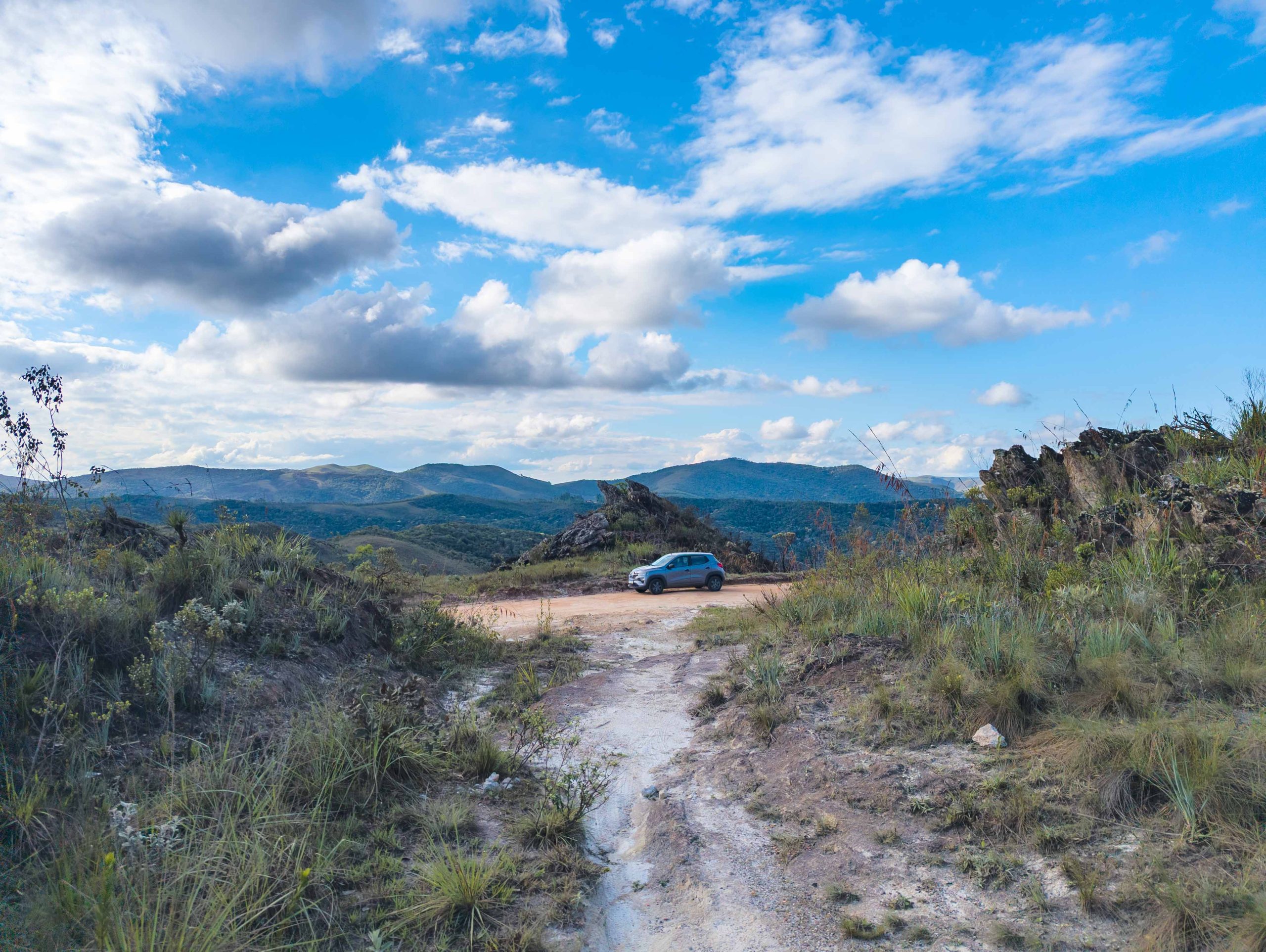
Rerouting along an unpaved gravel trail over an elevated pass near Ouro Branco resulted in an unexpected encounter with an active rally driver testing vehicle dynamics at speed along the tight mountain track.
The journey concluded for the day at Villa di Antonio, reached at 19:06. A technical inspection of the bathroom facilities revealed a rare installation detail: the point of use electric shower head was properly connected to an earth ground. Throughout most budget accommodations in Brazil, electric shower heads are wired with exposed, ungrounded wire splices wrapped in basic electrical tape directly above the water stream, frequently operating without residual current circuit breakers.
SUNDAY, SEPTEMBER 20, 2026: MANTIQUEIRA HEAVY FREIGHT CORRIDORS AND FINNISH MIGRATION IN PENEDO
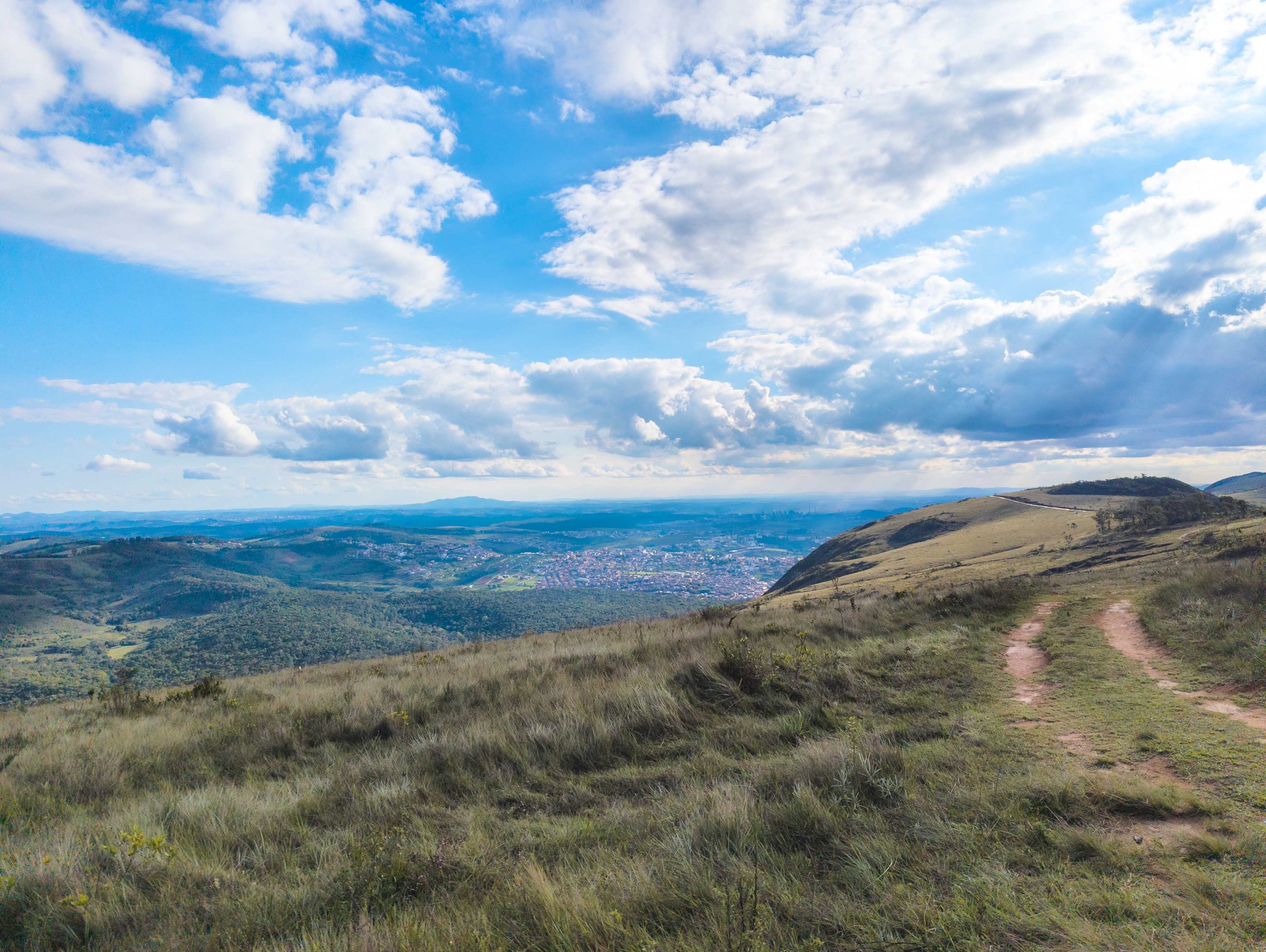
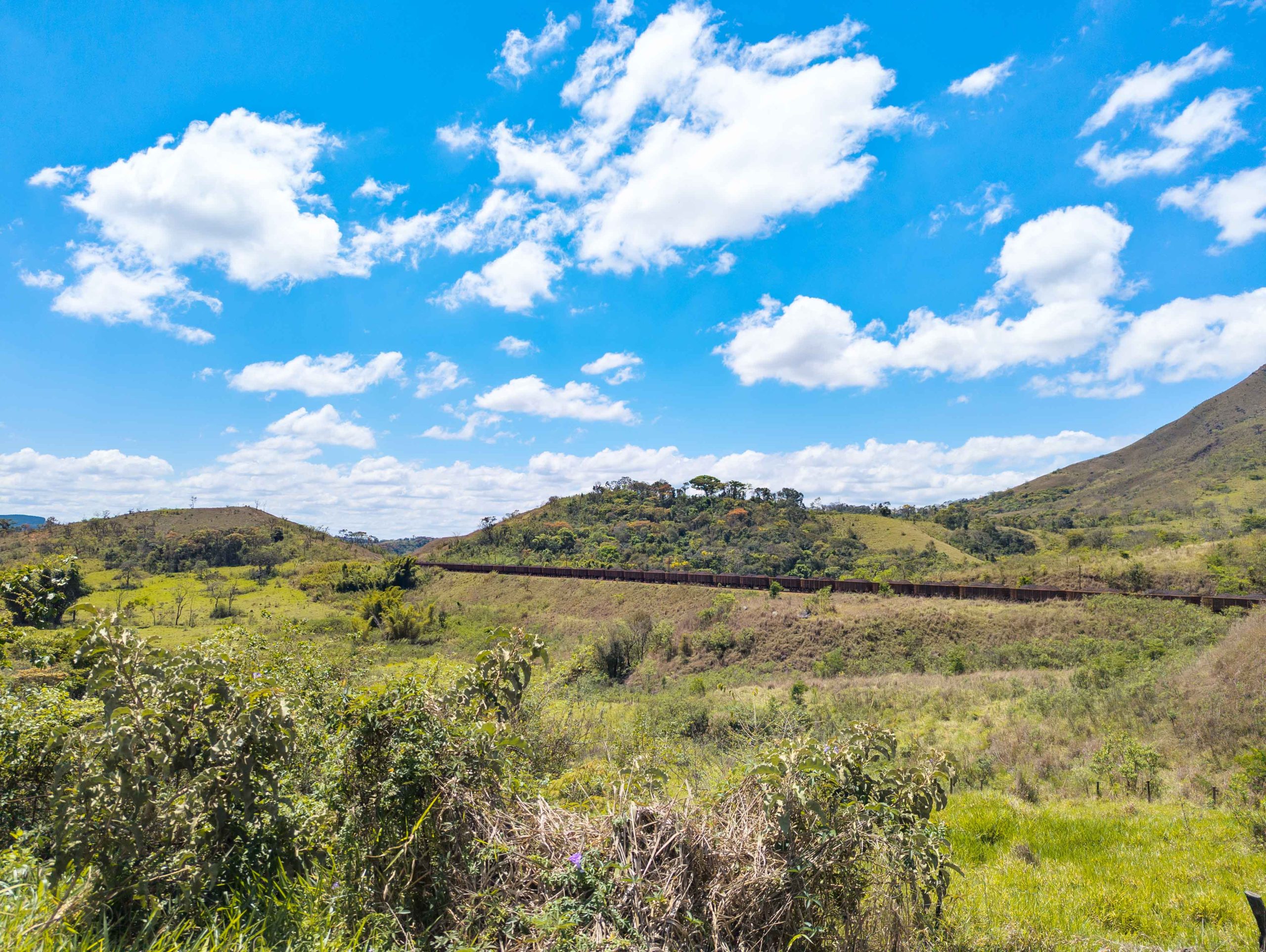
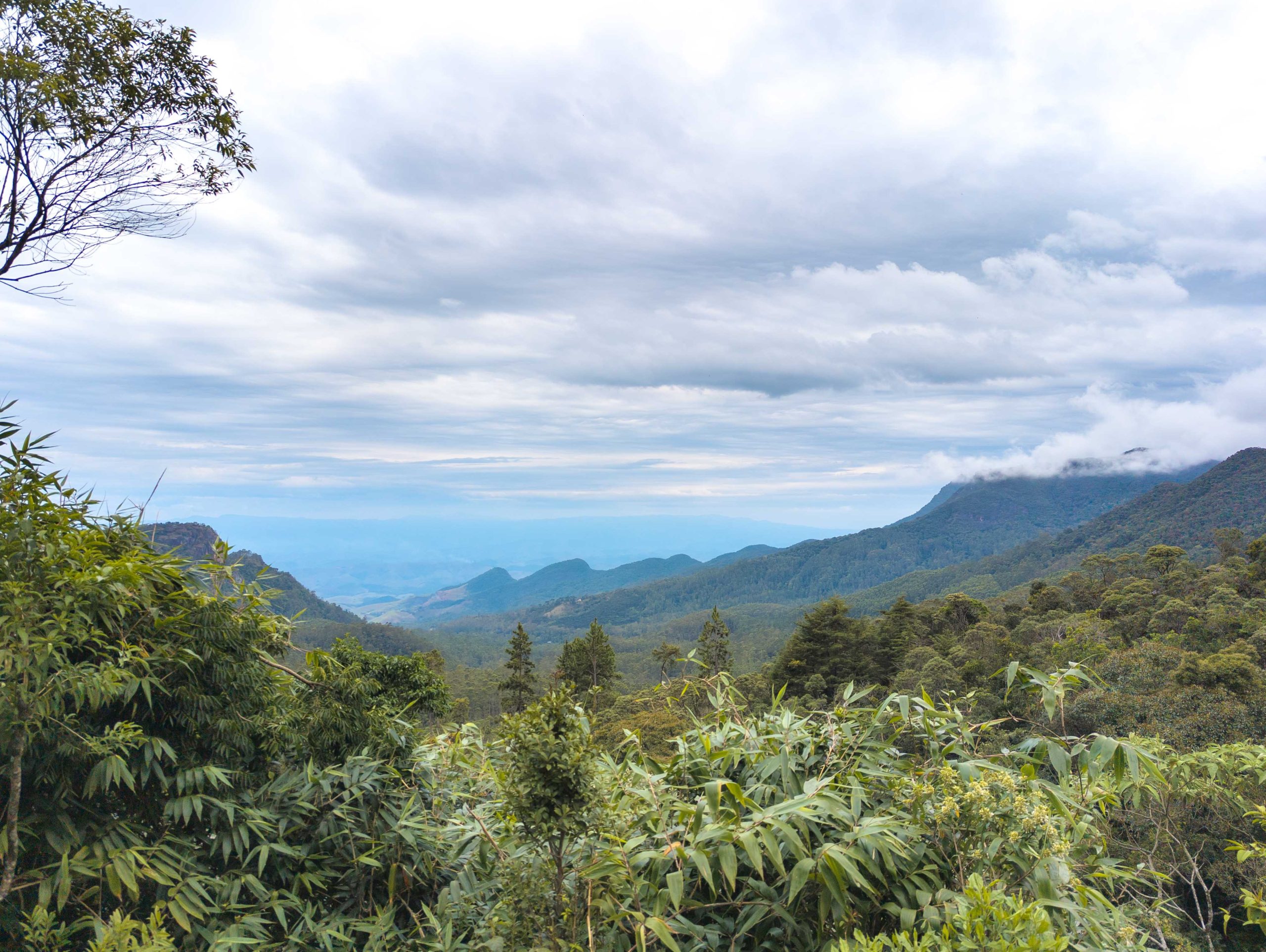
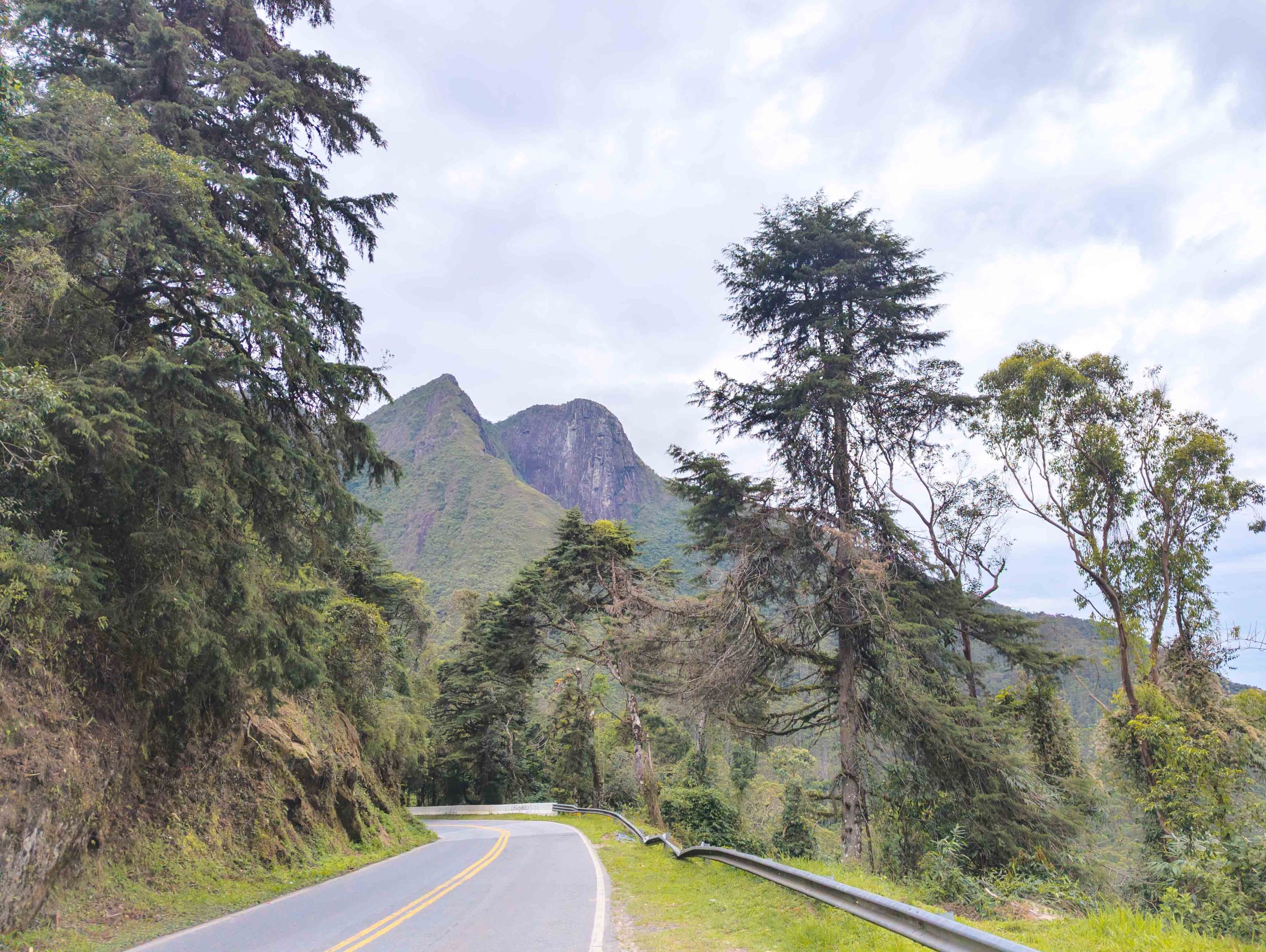
Sunday morning began with an early departure at 10:20 am from Villa di Antonio, routing through the Serra da Mantiqueira toward Penedo. Observation stops along the highway overlooked deep valleys carrying dedicated freight rail corridors, where heavy diesel locomotives pulled long hopper trains loaded with concentrated iron ore toward coastal shipping ports.
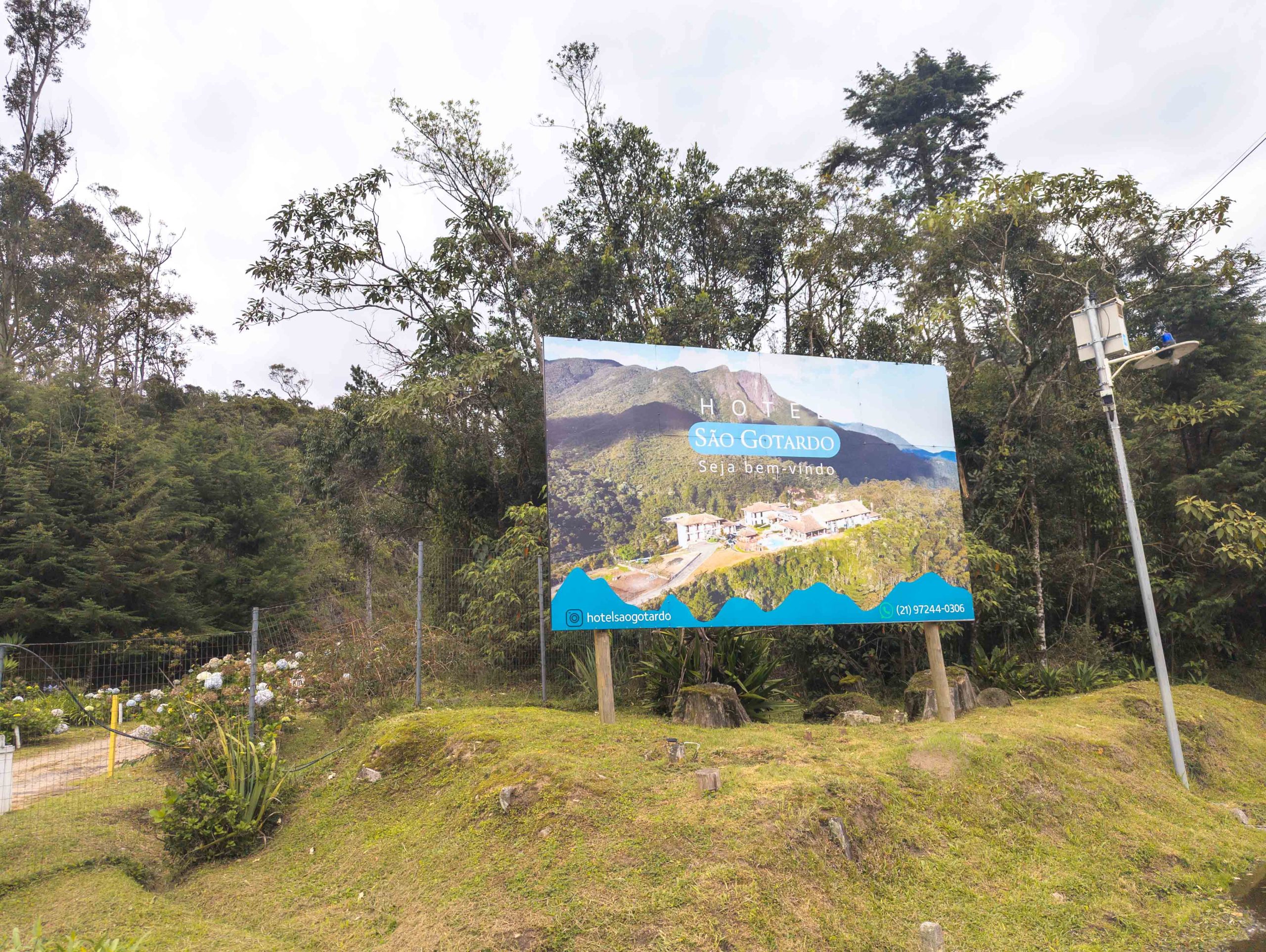
Crossing a high pass near Itamonte, the highway passes Hotel Sao Gotardo, an alpine lodge named after the Saint Gotthard Pass in the Swiss Alps, constructed to capitalize on the high altitude microclimate, granite crags, and pine forests of the Mantiqueira range.
The route reached Penedo, established in 1929 as Brazil only Finnish immigrant settlement. Founded by Toivo Uuskallio, the colony originated as a utopian vegetarian agrarian collective focused on natural living. Over subsequent decades, the enclave transitioned into a regional tourism retreat characterized by Scandinavian wooden chalet architecture, artisan chocolate factories, and traditional Finnish saunas. The evening was spent inspecting the town center before retiring early.
MONDAY, SEPTEMBER 21, 2026: COASTAL RETURN AND TECHNICAL ROUTE ASSESSMENT
The final leg began with a check out at 10:00 am on Monday, descending the federal highway toward Rio de Janeiro and arriving in the metropolitan perimeter around 13:00. After a stop at an urban commercial center for personal grooming and a meal of grilled meat, the rental vehicle was returned to the Movida airport facility at 16:00, allowing three hours for departure processing.
An empirical assessment of the route highlights several operational takeaways for travel across Brazil:
- Transit and Road Conditions: Major federal highways maintain decent surfaces, but regional mountain corridors demand extreme vigilance due to aggressive commercial trucking, steep pe de moleque stone streets, and localized washouts.
- Fuel Economics: Utilizing flex fuel sugarcane ethanol yields substantial operational savings over standard gasoline, provided the price per liter remains well below seventy percent of the equivalent gasoline tariff.
- Electrical and Mechanical Systems: Lodging infrastructure often lacks standardized electrical grounding and verified fire security, requiring travelers to visually inspect point of use appliances such as electric showers.
- Natural Scale: While coastal urban centers present complex congestion, the inland engineering works, the dramatic volumetric capacity of Iguazu Falls, and the high altitude spine of the Serra da Mantiqueira offer extraordinary geographic and logistical interest.