Part I: The “Perfect” Start to an Italian Adventure
My trip to Naples began with the kind of travel chaos that stories are made of. It was Friday, right after work. My mother offered me a ride to the station, which seemed perfect until we hit a bizarre road construction site. For some reason, the traffic light was green on both sides, leading to a complete and utter mess. So, the perfect start. I missed my bus.
I had this great idea that one hour would be enough time to get from the train station to the airport and board the plane. That “great idea” got stressful fast. I had to take the next bus, which departed 30 minutes later, leaving me with a scant 30-minute window to get from the train station, through security, and to the gate.
The security control itself went more or less smoothly, and it even had a funny moment. I still had my Schnuderlumpen (a Swiss-German word for a handkerchief or, less flatteringly, a snot-rag) in my pocket. A controller, who seemed pretty new, pointed at my trousers and asked, “What do you have in your trousers?” When I said, “My Schnuderlumpen,” and pulled it out to show her, all the people around us had to laugh.
My luggage, however, did not have such a smooth time. I had a sunscreen with me that was over 100ml, and of course, it wasn’t allowed. They took it from meÔÇöa loss I would feel keenly the next day.
Happily, the boarding was still in progress when I finally arrived at the gate, and it all worked out. On the plane, I already noticed the culture was a bit different. A lot of Italians, a lot of what you might call “macho” culture. We ended up landing a little late at Naples-Capodichino Airport around 22:35.
Part II: A Midnight Spritz in the Ancient City
From there, the transition to the hostel, Ostello Bello Napoli, went incredibly smoothly. I followed the itinerary’s plan and took the Alibus airport shuttle, which was the easiest and cheapest option. The ticket was just Ôé¼5, and I bought it right from the driver.
The bus runs until about midnight, so I had plenty of time. It dropped me at the Molo Beverello port stop, and from there, it was a straightforward 10-minute walk to the hostel. I had a bed in a 10-bed shared room, and it was perfect: clean, social, and ideally located.
I left my things and immediately made my way to the caf├® my friend had recommended: Caff├¿ dell’Epoca, also known as “Peppe Spritz”. He was rightÔÇöthe place was packed. It was open late, perfect for a welcome drink, and filled with a lively, authentic crowd of locals.
But for me, it was quite difficult to talk with them. Their English was quite bad, and the few who did speak it mostly just wanted to sell me crack or other drugs. In the end, I got into a talk with four girls from Ober├Âsterreich (Upper Austria). I could see they were getting pretty annoyed by the local men. Guys would come by, completely drunk, and touch them on the face, even after the girls repeatedly said no. It was really crazy, and I could tell it was bothering them.
But I guess when you are a girl there, you also have to “get Italian” and hit those guys. I saw at least one Italian girl do just thatÔÇöshe shouted at a guy and pushed him, and he finally left. But for someone from another culture, that kind of reaction might be rare.
I myself went back to the hostel around 2:30 AM and finally headed to bed at 3:00 in the morning.

Part III: Conquering the Volcano on Four Hours of Sleep
My itinerary continued as planned, which meant a very, very early start. I got up at 7:00 AM, and by 7:30 AM, with only a few hours of sleep, I was at the car rental office. The location was at the main train station, Garibaldi (Stazione Centrale), and the company was Locauto.
I actually got a free upgrade. I had booked a small, three-door car because I wanted something as small as possible for the narrow roads, but they said no and upgraded me to a bigger one. It turned out to be a super nice, super new car, and the best part was that it easily coupled with my phone.
The city was nearly dead in the morning, which was a nice, peaceful contrast to the night before. I was the only one at the rental office and then made my way to the volcano. I had to pay a highway toll, which was Ôé¼2.30, and my first lesson in Italy: a lot is still based on cash.
I drove up the slopes of Mount Vesuvius, following the signs for the Parco Nazionale del Vesuvio. My pre-booked entrance ticket was for a 09:00 time slot. I arrived at the parking area at 800 meters and paid Ôé¼3 in cash for the mandatory shuttle bus that takes you from the lot to the actual trailhead.
I was one of the first people there. And let me tell you, it was worth it. I had the top, the Gran Cono, almost completely to myself. The hike up the wide gravel path was still in the shade, which was a blessing.
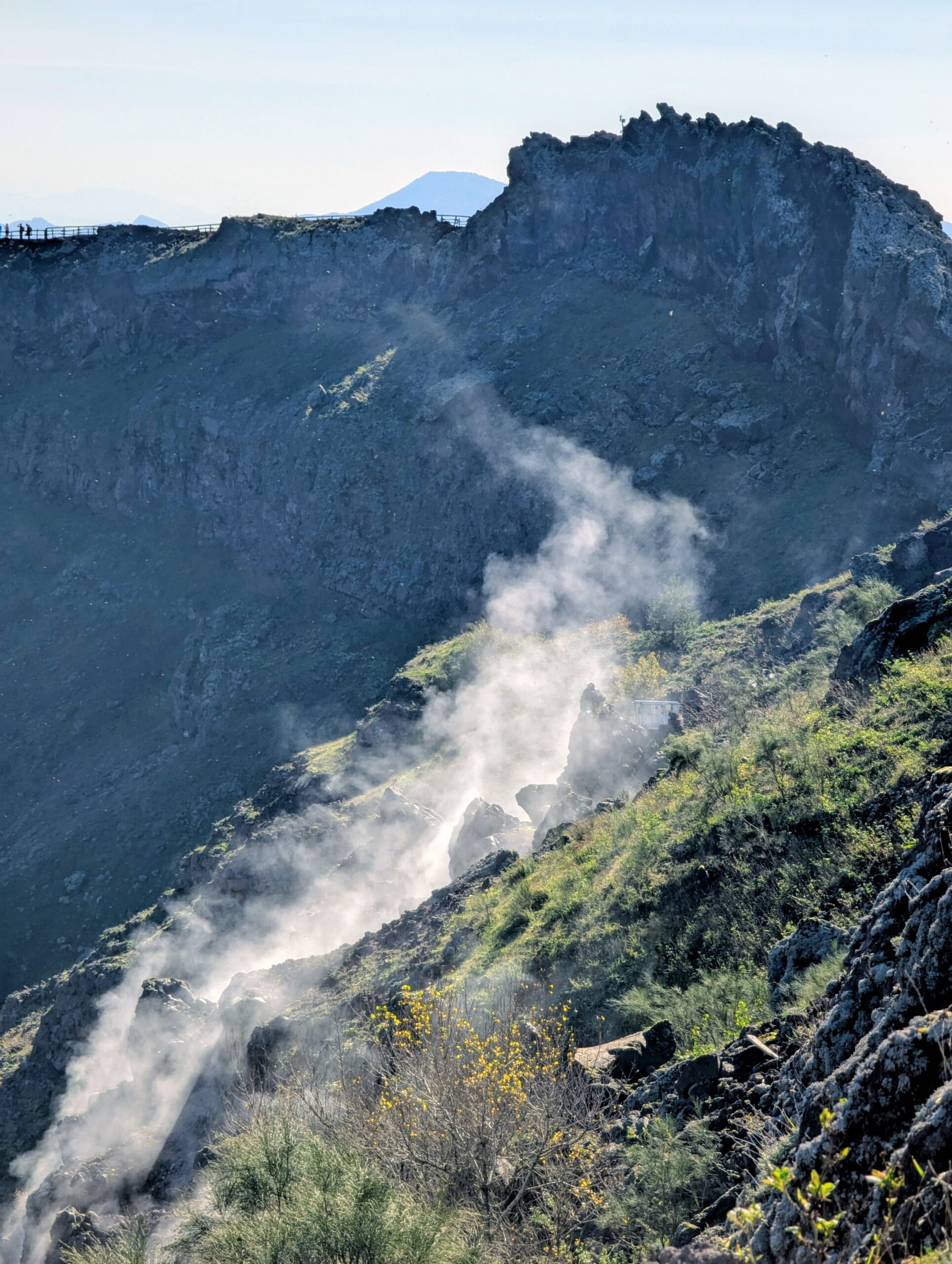
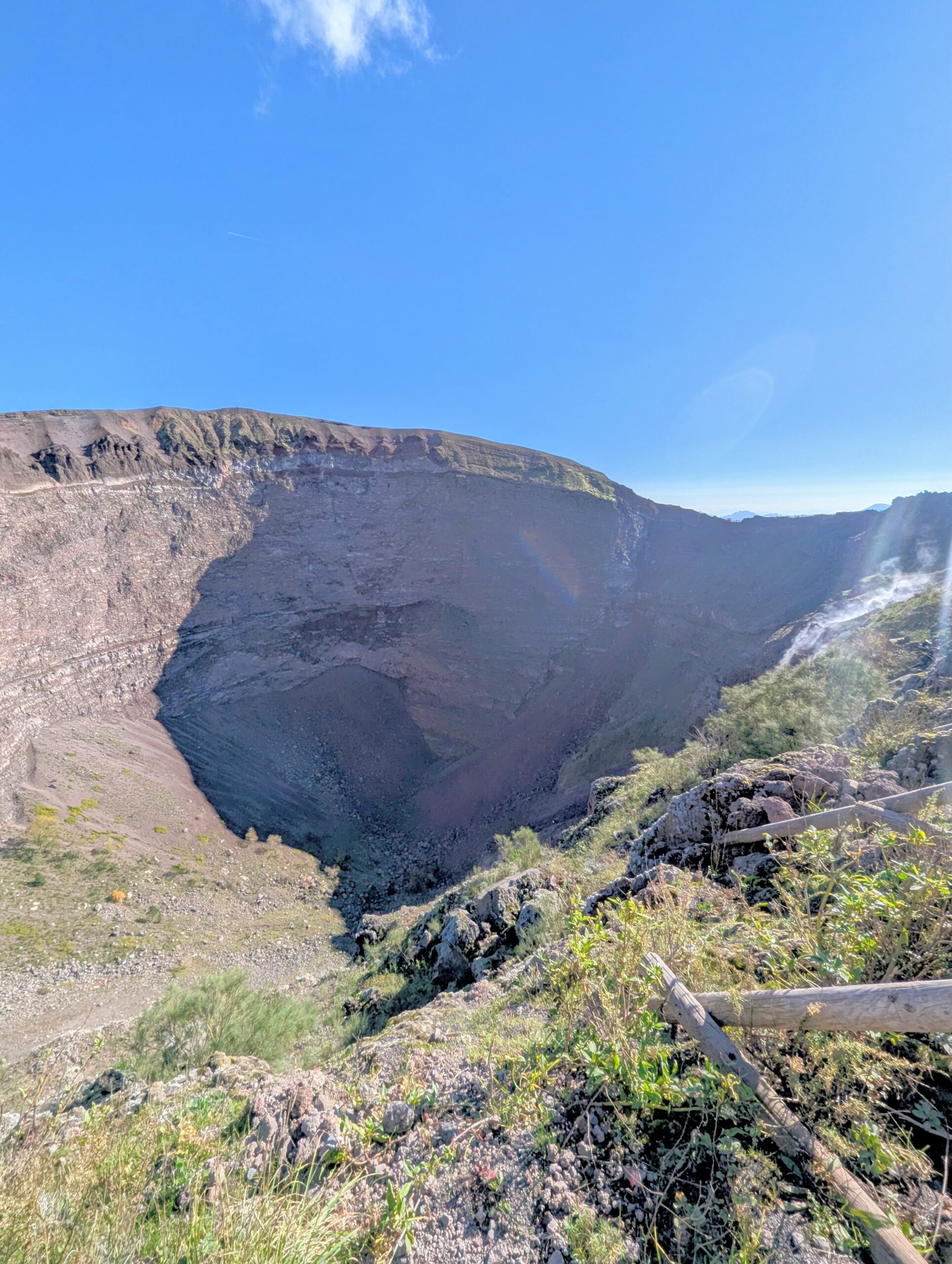
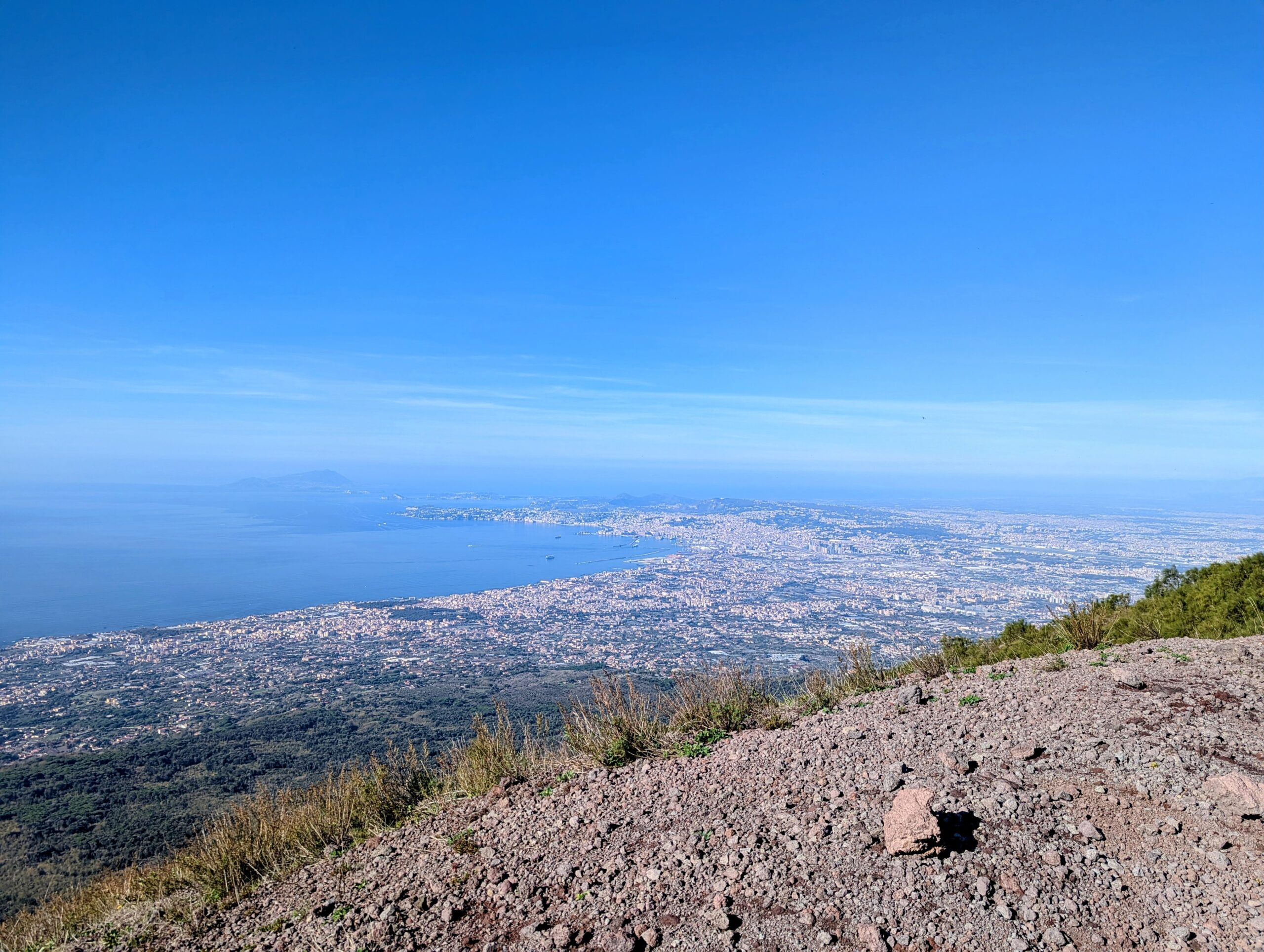
Standing on the rim, looking down into the crater and out at the sweeping view of the Bay of Naples, was incredible. You can even see the steaming fumaroles inside the crater, a vivid reminder that this giant is only sleeping. ItÔÇÖs a surreal feeling to stand on the very geological force that, in 79 AD, unleashed a cataclysmic eruption that obliterated entire cities.
At 10:00 AM, as I was walking down, huge crowds were coming up. So, my advice is definitive: go very early in the morning if you want to have the volcano for yourself.

Part IV: A City Frozen in Time
After the volcano, I drove to Pompeii, paying another Ôé¼2.30 toll (cash again). My first mission, however, wasn’t to see the ruinsÔÇöit was to buy sunscreen, since mine was sitting in a bin at the Z├╝rich airport. It turned out to be not that easy, but in the end, I found a pharmacy and bought some.
For the car, I found parking directly next to the Porta Marina entrance and paid Ôé¼10 for the day, which seemed like a good price and matched the typical rates mentioned in my plan.
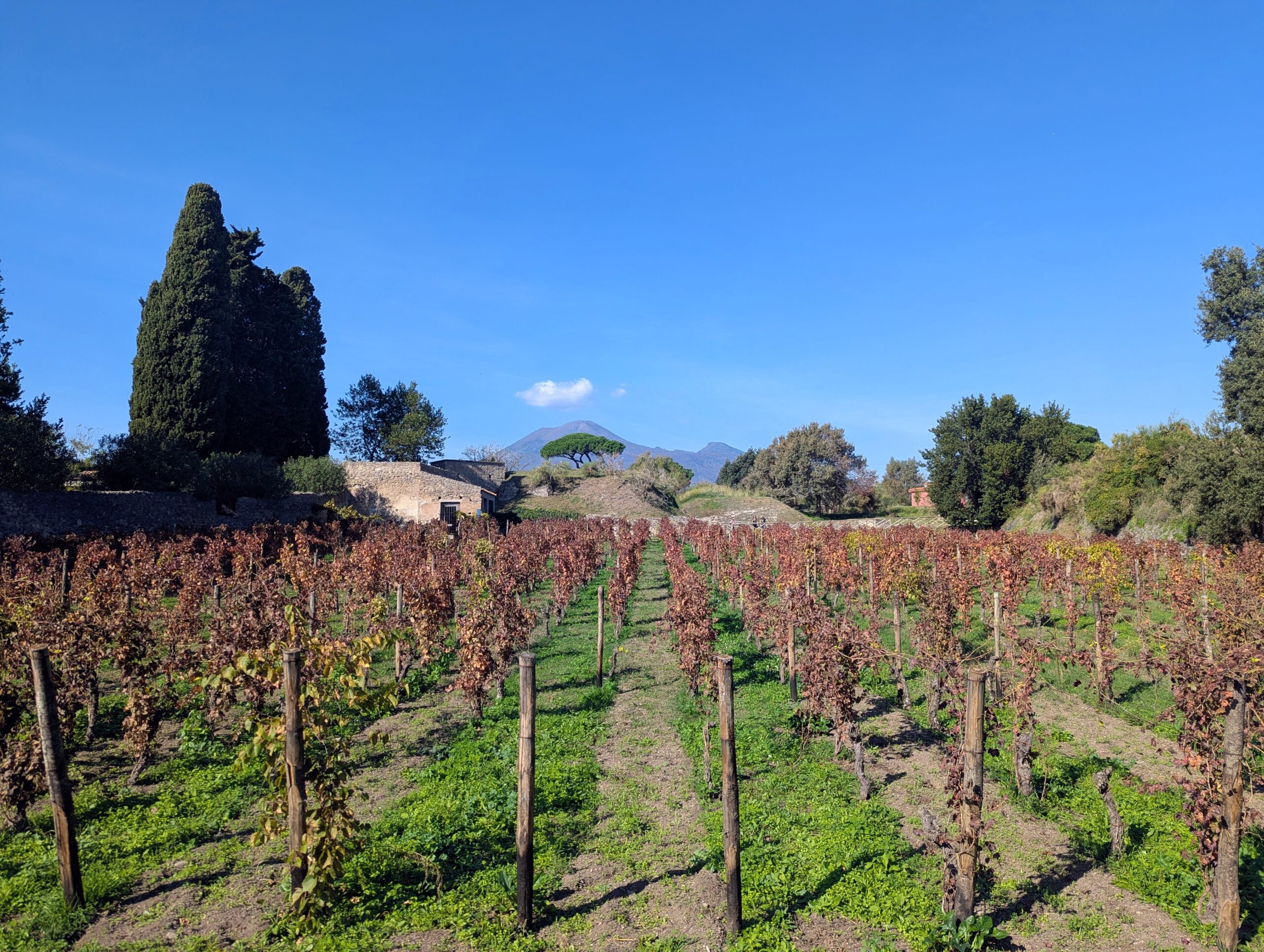
I presented my pre-purchased “Ingresso Plus” ticket and walked into the past. I was there until about 2:00 PM. The site is vastÔÇö163 acres ÔÇöand itÔÇÖs hard to describe. YouÔÇÖre not just looking at ruins; you are walking through a city frozen in time.
This city had a long history even before the Romans, with origins tracing back to the Oscan people, before being influenced by Greeks and Samnites. I started at the Forum, the city’s heart, and walked down streets with the original stepping stones, still rutted from chariot wheels. I explored the House of the Vettii with its preserved frescoes, the Large Theatre, and the ancient Amphitheatre.
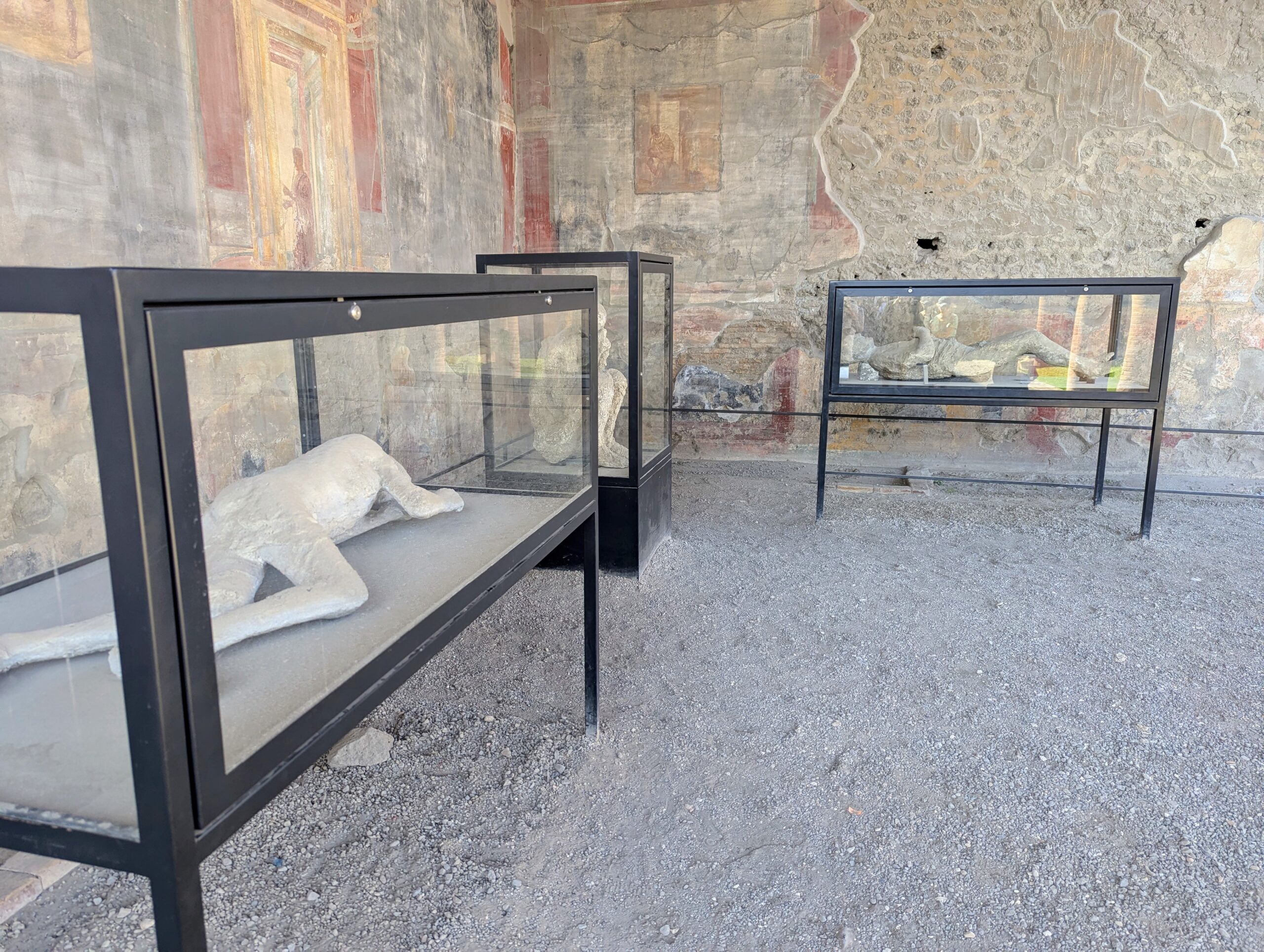
But the most powerful and haunting part is seeing the plaster casts of the victims in the Garden of the Fugitives. It’s a profound, tragic reminder of the human lives that were caught in the eruption’s final moments.


Part V: A Cinematic Drive into the Sunset
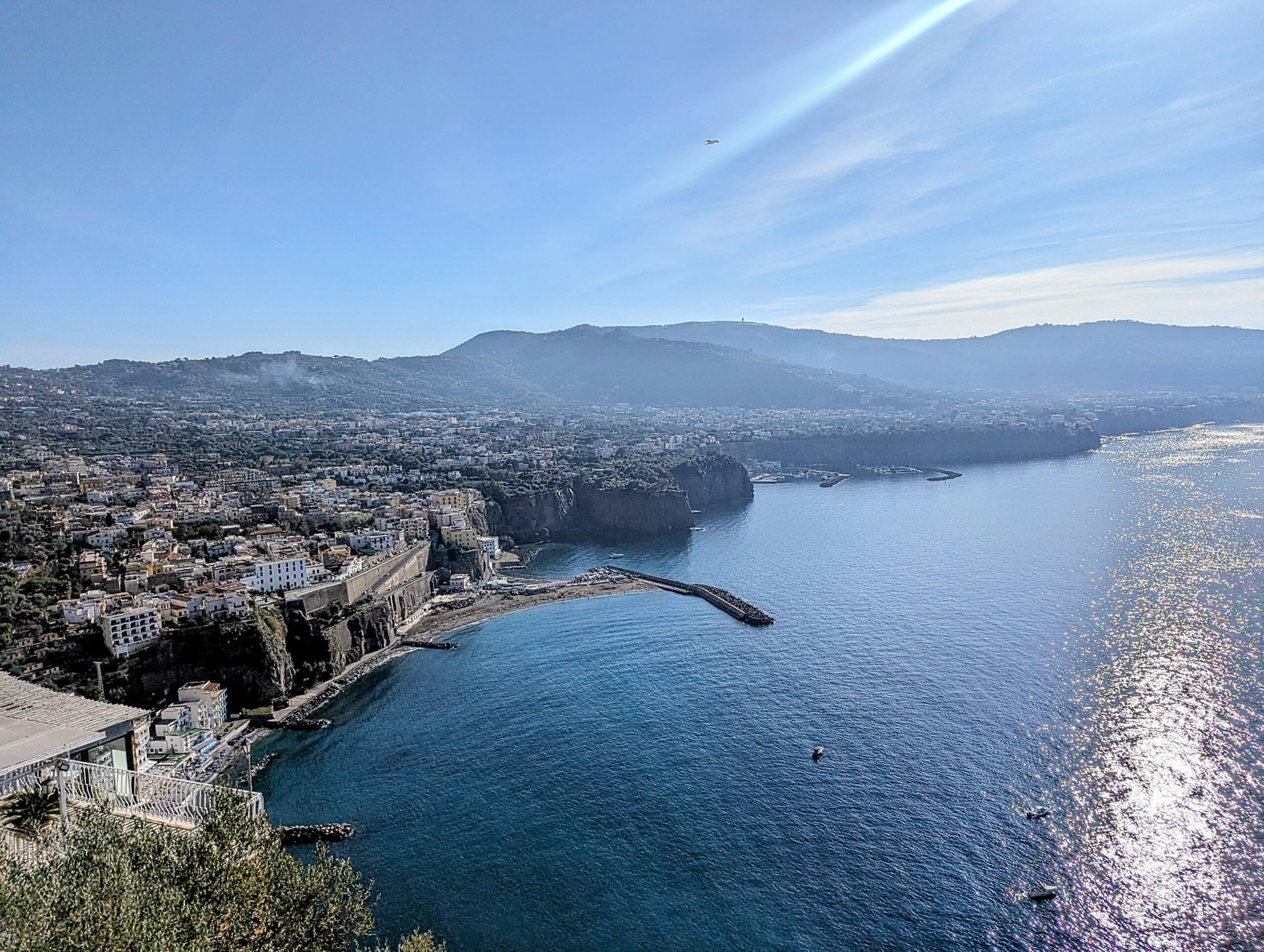
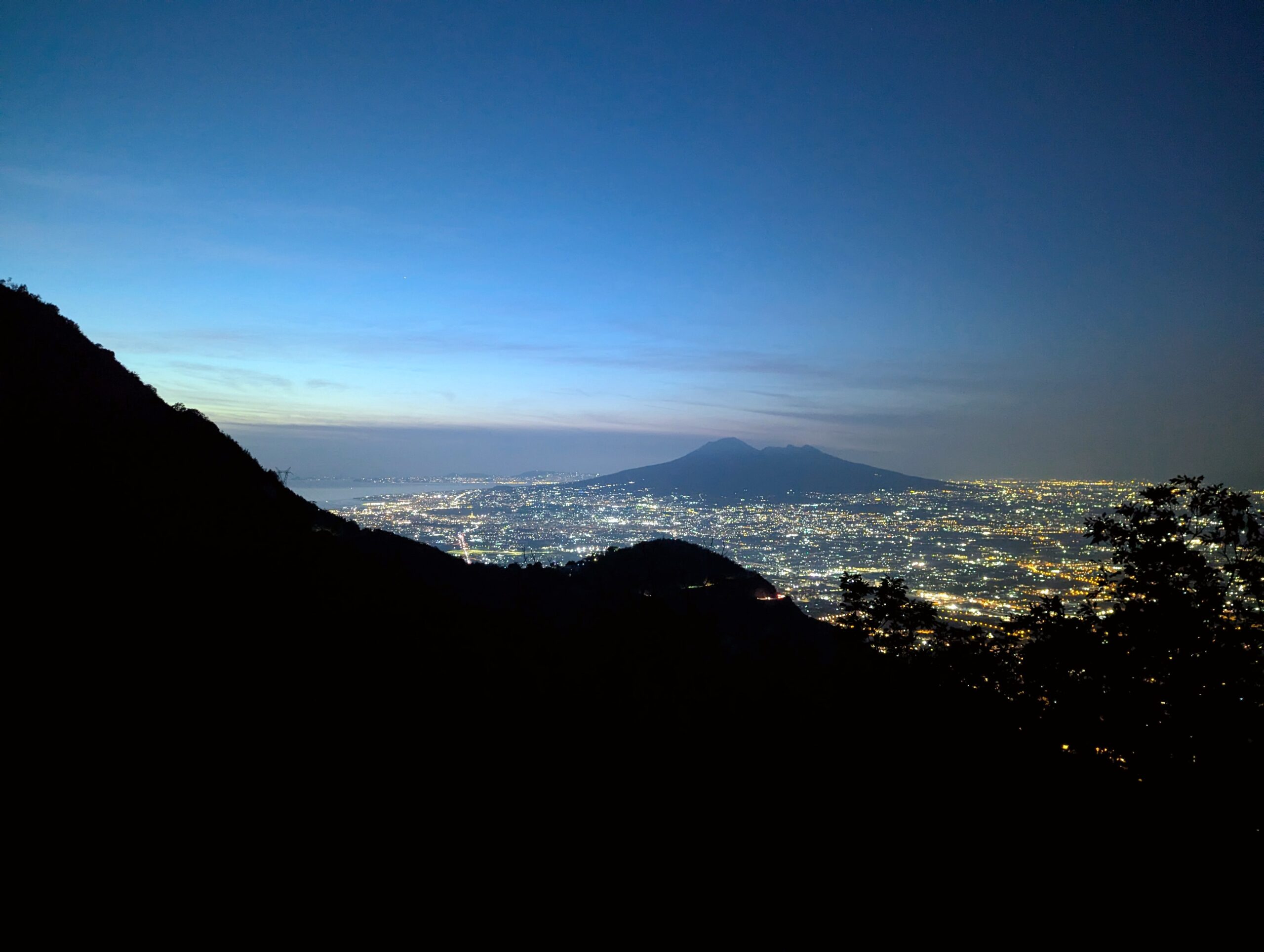
Leaving the somber history of Pompeii behind, I drove along the coast. I felt really good at this point. It was somehow strange, almost surreal, to be driving along these coastal roads on the Amalfi Drive (SS163), the ones you normally only see in the movies.
And honestly, from a driving perspective, it was fine. The roads were okay; I had the feeling that the roads in Spain were even narrower. The only real drawback? There is nearly no parking. Forget about it. In the US, scenic roads have places every few miles where you can stop and take photos. Here? Nothing. And the few parking lots I did see asked for crazy prices, normally Ôé¼10 per hour.
Because of that, I only made a few quick stops. I drove past the iconic cliffside village of Positano and across the bridge over the Fiordo di Furore. Just as the “golden hour” hit, the sun began to set, which was scheduled for around 16:58 that day. I finished driving along the most scenic part of the coast and made my way back to Naples.


Part VI: The Reward: Free Pasta and Army Stories
For the return journey, I took the faster inland road from Amalfi towards the A3/E45 motorway, which cost one last Ôé¼2.30 cash toll.
A quick tip: Make sure you have cash with you. Between the three highway tolls (Ôé¼6.90 total), the Vesuvius shuttle (Ôé¼3), and other small items, cash is still king. I even had trouble finding a gas station that would accept a card, but in the end, I found one.
I returned the car at 7:30 PM and headed back to the hostel. I was starvingÔÇöI had only eaten some nuts and an apple the entire day. It turns out I had perfect timing: Ostello Bello had free pasta for everyone. I ate quite a lot. I chatted with some Americans who were based at the US Army base in Naples, near the airport. They told me they are able to retire at 38. Thirty-eight! That seemed crazy to me.
After that, I finally headed for a shower and then to sleep. I was super, super tired. It was a day of massive scopeÔÇöfrom the peak of a destructive volcano to the streets of its most famous victim, all ending with one of the most beautiful drives in the world.
Part VII: A Chaotic Morning at the Port
My second (and final) full day started at 7:00 AM, as usual, by drinking at least half a liter of water. I went up to the reception at Ostello Bello and asked if they recommended anything special for Capri or the best way to get there. They didn’t have any specific tips, just said that walking to the port was the fastest way.
They were right about that. In just 10 minutes, I was at the waterfront. But this is where the “easy” part ended. I asked some workers where to buy the tickets, and they vaguely indicated I should go one way. I ended up at a terminalÔÇöI think it was Calata Porta di MassaÔÇöwhere they only seemed to have very early or very late ferries. The guy at the ticket counter told me I was too late for the morning ones. He was not exactly friendly; he seemed to prefer staring at his smartphone rather than telling me where the right place would be.
After a lot of asking, he finally told me where to go. So, I walked everything back and then to the correct port. My morning workout was officially complete: a full hour of walking in total (hostel-to-port, port-to-wrong-place, wrong-place-to-right-place).
A critical tip for anyone planning this: Naples has two main ports right next to each other.
- Calata Porta di Massa: This is for the slow (and more economical) car ferries. They take about 85 minutes to reach Capri.
- Molo Beverello: This is the one I needed. It’s where the high-speed hydrofoils (fast ferries) depart from, which is what you want for a day trip.
I finally got my ticket at Molo Beverello, paying Ôé¼24 for a one-way fast ferry. The journey took about 50 minutes, just as advertised. On the boat, you couldn’t go outside, and the windows were quite dirty, but happily, I had everything with me, including my computer. I used the time to write a bit on my blog post.
Part VIII: The Island of Dreams (from the water)
We arrived at Capri’s main port, Marina Grande. I walked around a bit, dodging the tourist traps. I saw you could rent a scooter for Ôé¼50 for just 3 hours, which seemed absolutely not worth it to me.
Instead, I decided to book a guided boat tour around the island. I paid Ôé¼25 and it departed 30 minutes later. In the meantime, I bought a bottle of water and some nuts, which, it turned out, would be my only food until that evening.
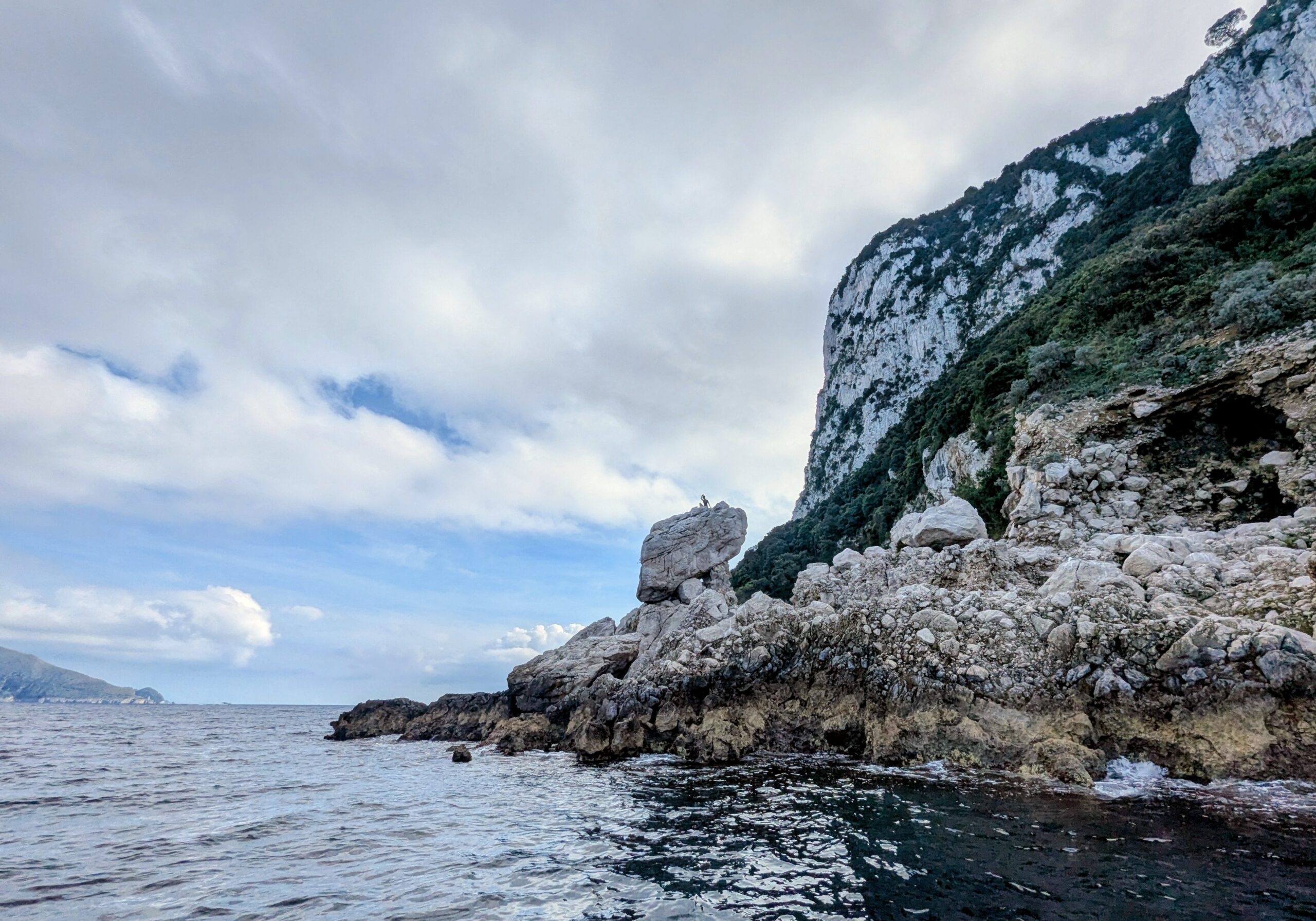
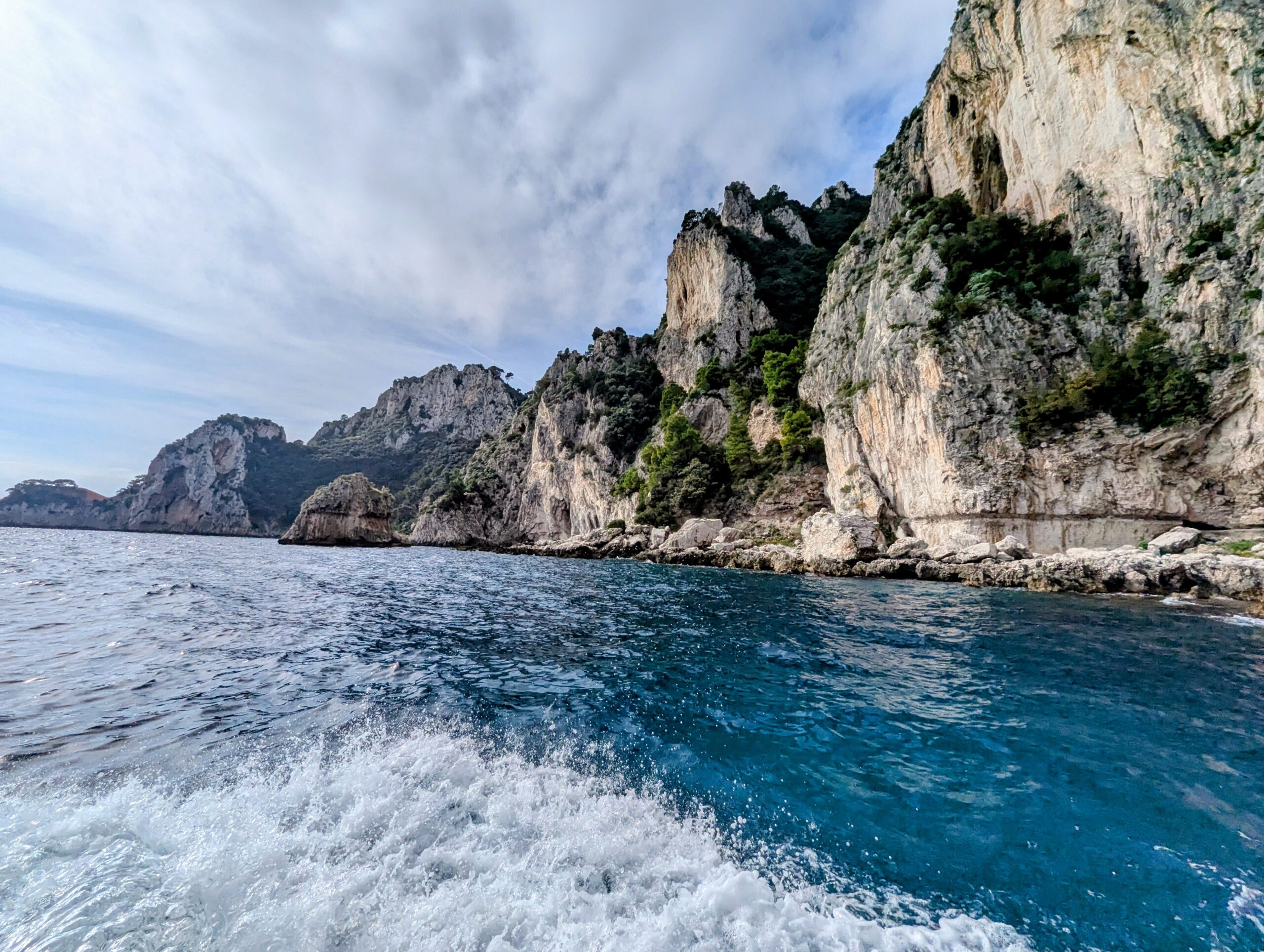
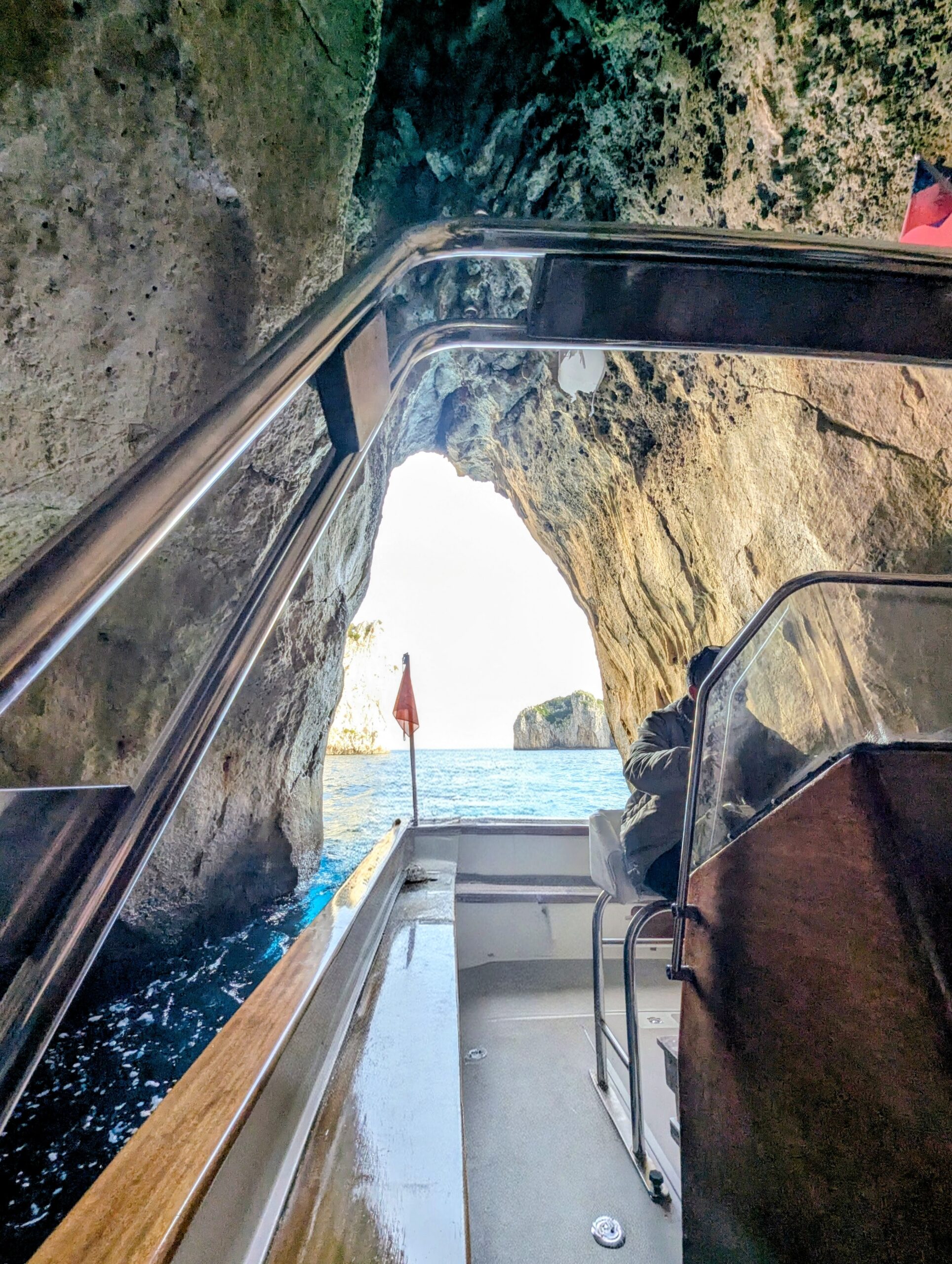
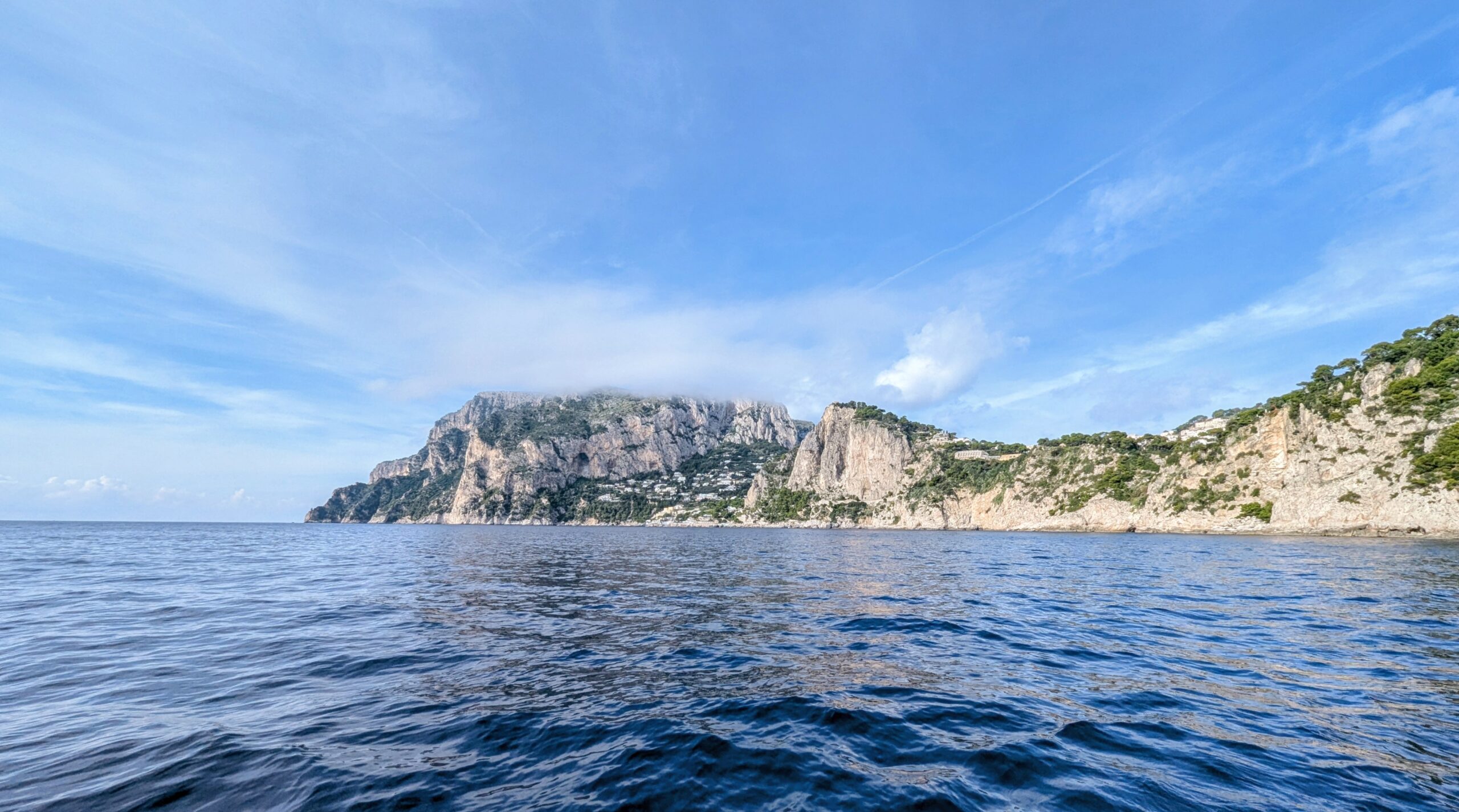
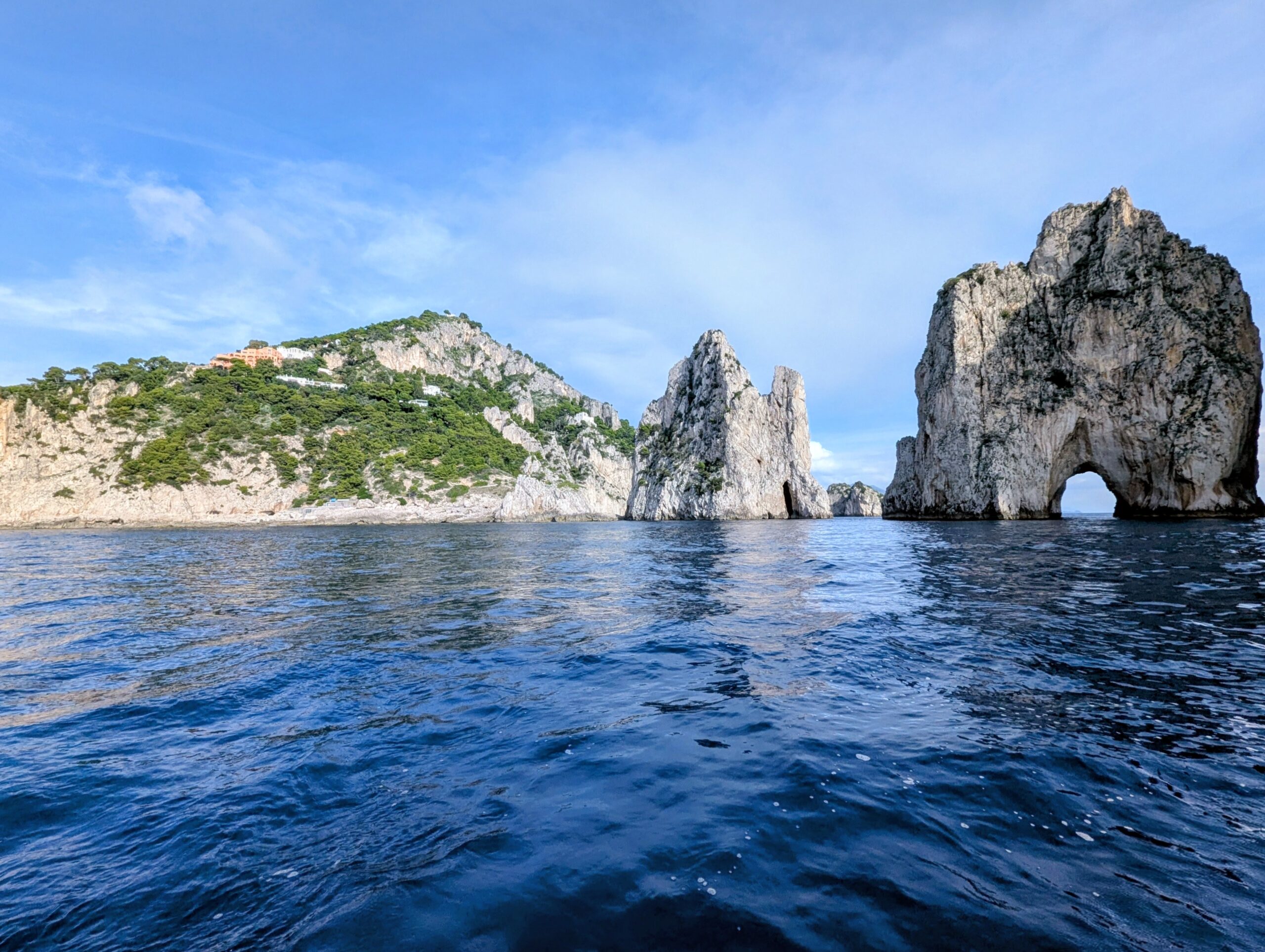
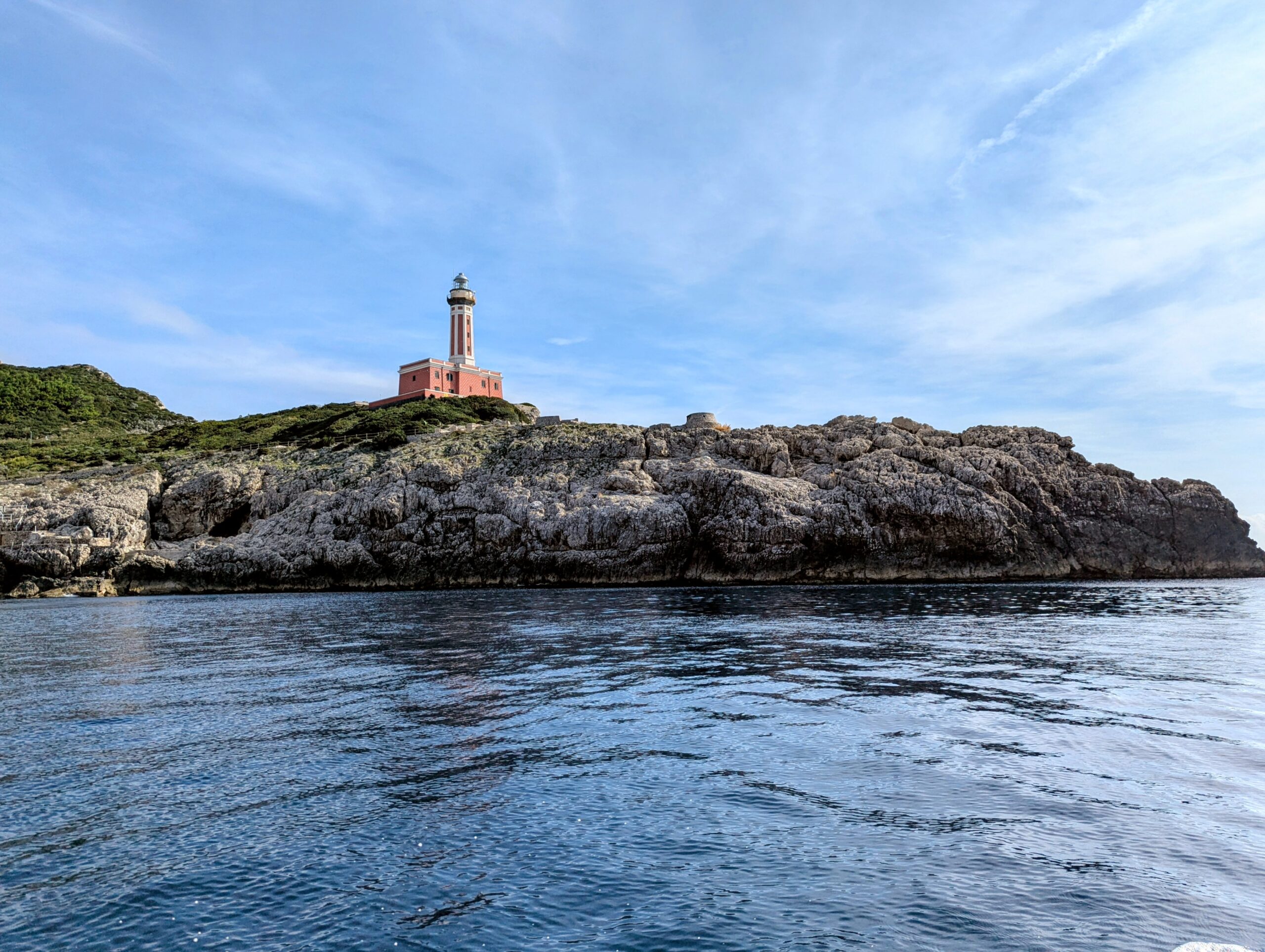
The tour was fantastic. Since it wasn’t high season, there weren’t many people on our boat, and the captain spoke English. The weather was perfectÔÇönot too cold and not too warm, with a few dramatic clouds that made the landscape even more spectacular. We circled the entire island, seeing sights I’d only ever seen in photos:
- The Grotta Bianca (White Grotto): A stunning white cave with hanging stalactites.
- The Punta Carena Lighthouse: Perched on the rugged southwestern tip of the island.
- The Faraglioni Rocks: This was the highlight. These three iconic sea stacks rise dramatically from the water.

Part IX: The Magic and Scam of the Blue Grotto
At one point, the boat tour offered an optional stop to visit the Grotta Azzurra (Blue Grotto). My itinerary had actually warned against this, saying it’s often closed in November due to rough seas. But the weather was calm, and I got incredibly lucky.
I chose to do it. The cost was Ôé¼12. It was supposed to be Ôé¼18, but the captain explained that because it was the first Sunday of the month, all state-run sites (which the grotto is) have free entry, so we only had to pay for the rowboat service.
This is where the next scam comes in. You transfer from the tour boat to tiny rowboats. As we were about to pay, our boatman told us a “normal tip is Ôé¼10.” Some of the tourists were confused and believed him, handing over Ôé¼10 for a 5-minute ride we were already paying for. This is definitely not the norm, so don’t fall for it!
The entrance to the cave is a tiny hole in the rock, maybe a meter high. We all had to lie down flat in the boat. The boatman grabbed a chain, and with the ocean swell, he pulled us through the opening in one swift, perfectly-timed move.
Inside, it’s magic. The water glows an unearthly, electric blue. ItÔÇÖs because sunlight enters through an underwater opening, which filters out the red light and leaves only the blue. It’s crazy to think that this was known to the Romans. It was the personal sea-grotto and nymphaeum for the Emperor Tiberius, who had a villa directly above. He even built a tunnel (now collapsed) to access it from his palace.


Part X: The View from Above (and Above That)
After the boat tour (a bit over an hour in total), we were back at Marina Grande. I then took the funicular (the cable car) up the cliffside to the main town. The 4-minute ride cost Ôé¼2.40 and offered another beautiful view.
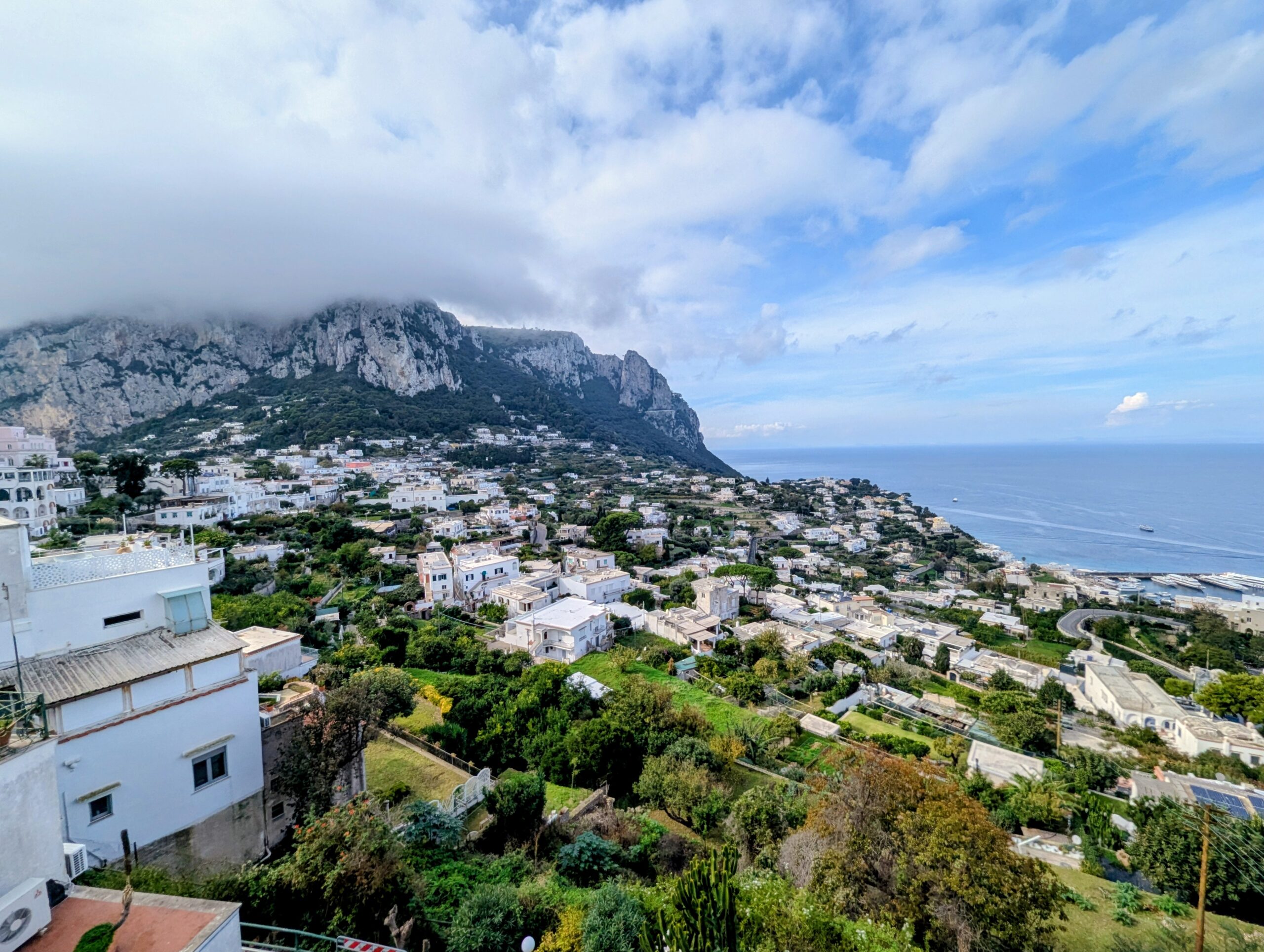
I was now in Capri Town, the glamorous heart of the island with all the chic boutiques. From here, I decided to go to the chairlift I had read about. I took a local bus from Capri Town up the winding road to the island’s other, quieter town. The bus cost another Ôé¼2.40.
I arrived in Anacapri. This is where you find the entrance to the Monte Solaro chairlift. I paid Ôé¼14 for a round-trip ticket.
This was one of the most peaceful moments of my trip. The chairlift is a single-seater, so you just glide silently up the mountain over the rooftops and private gardens of Anacapri. It was so quiet.
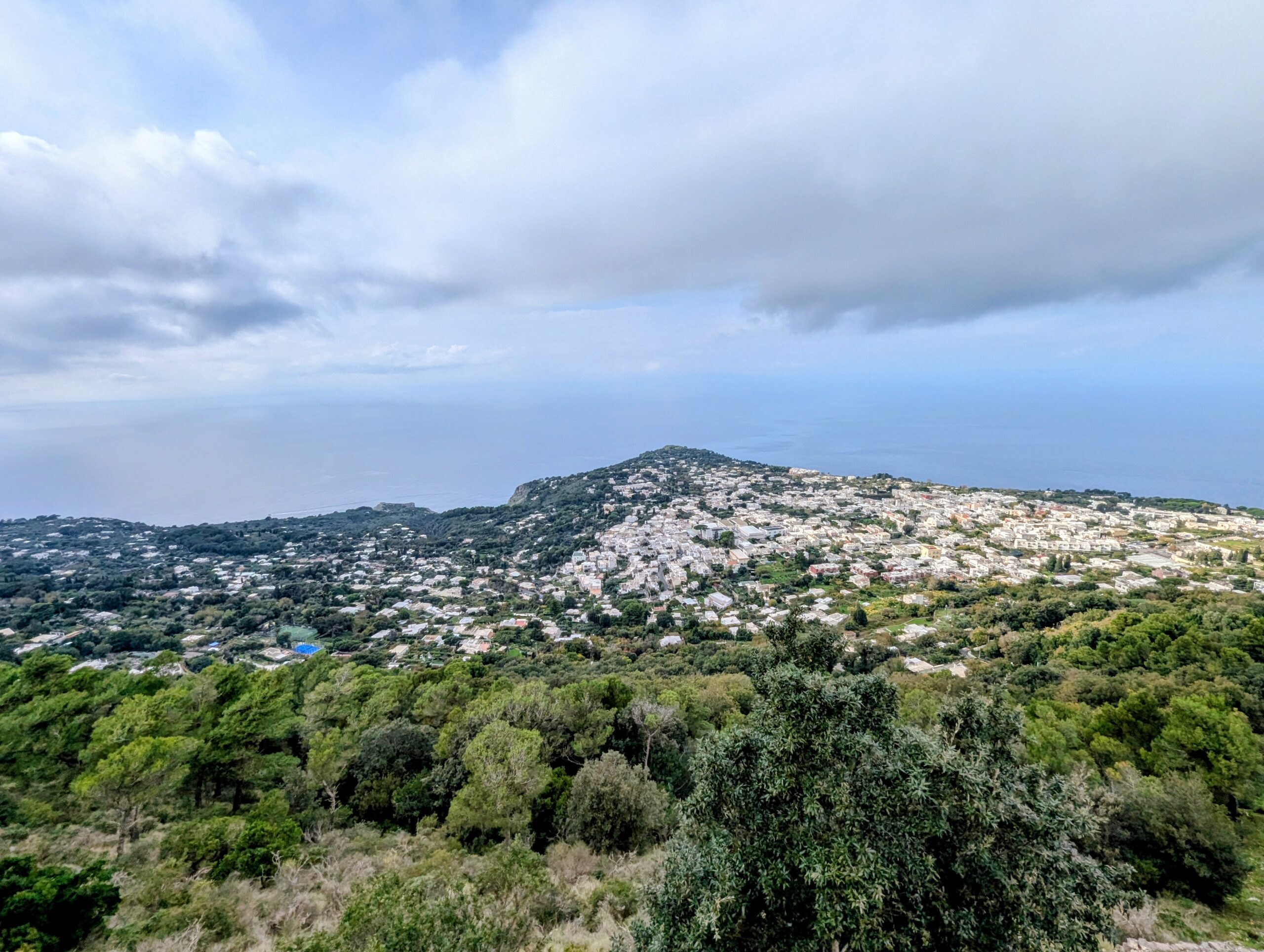
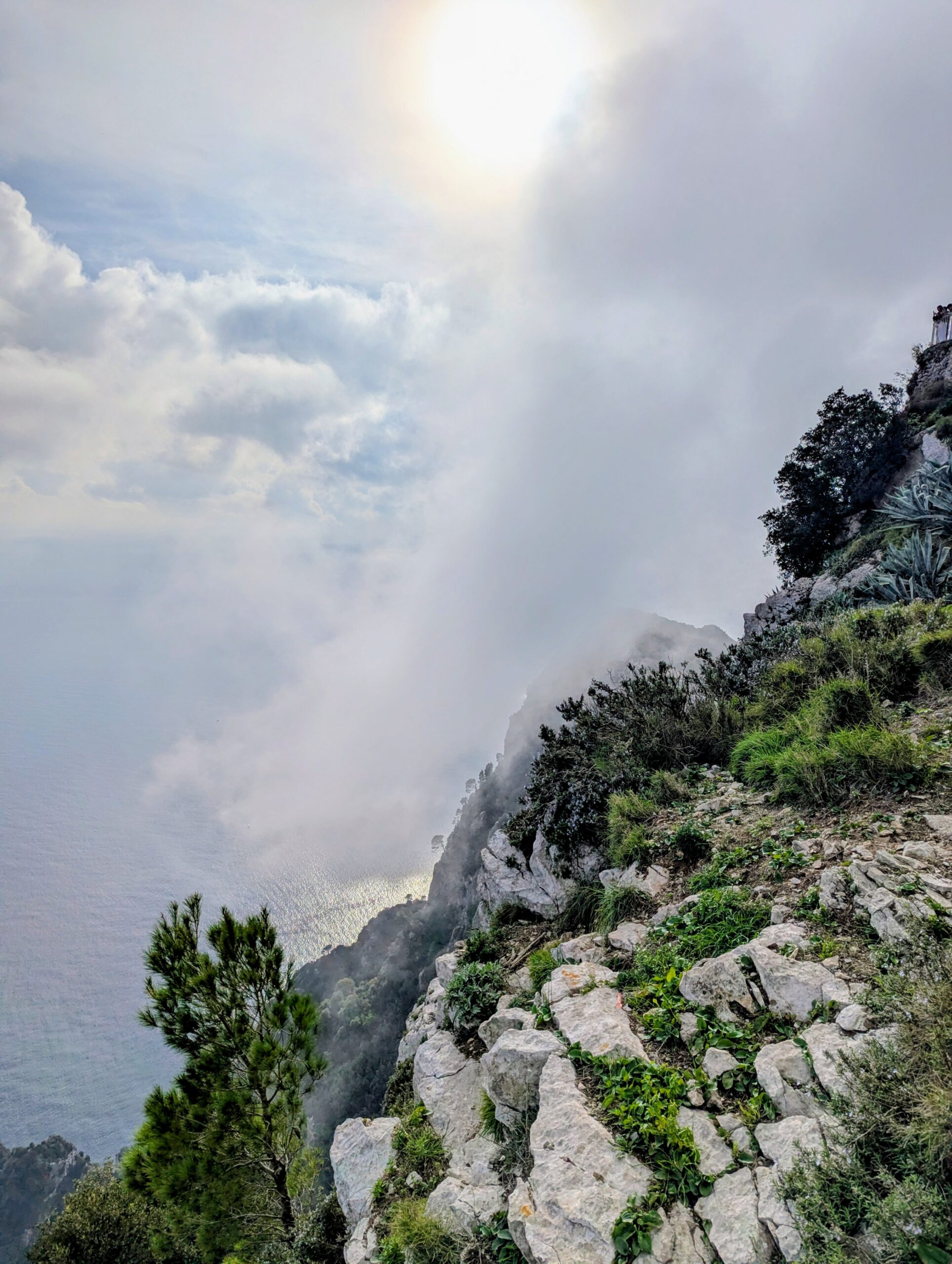
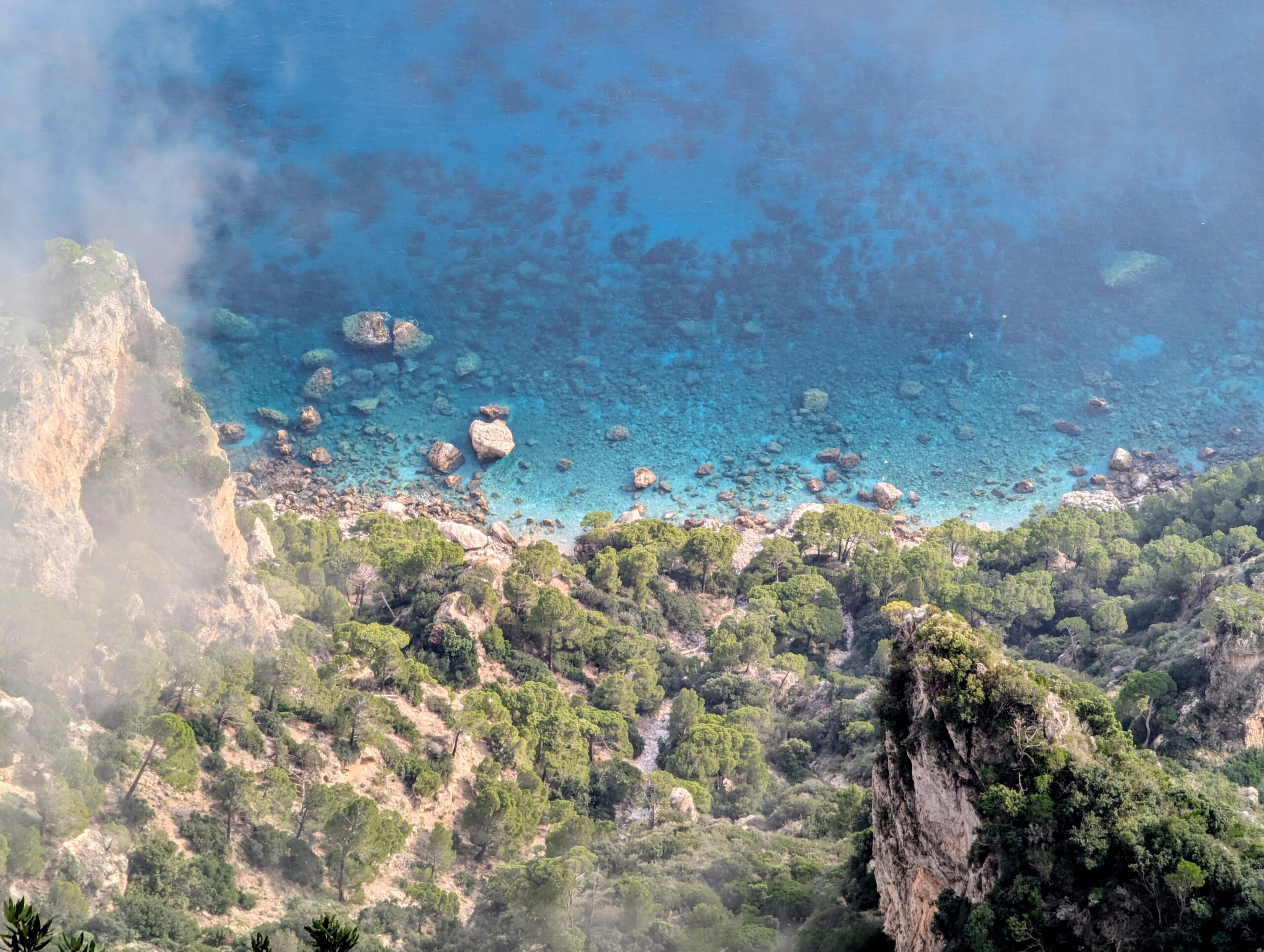
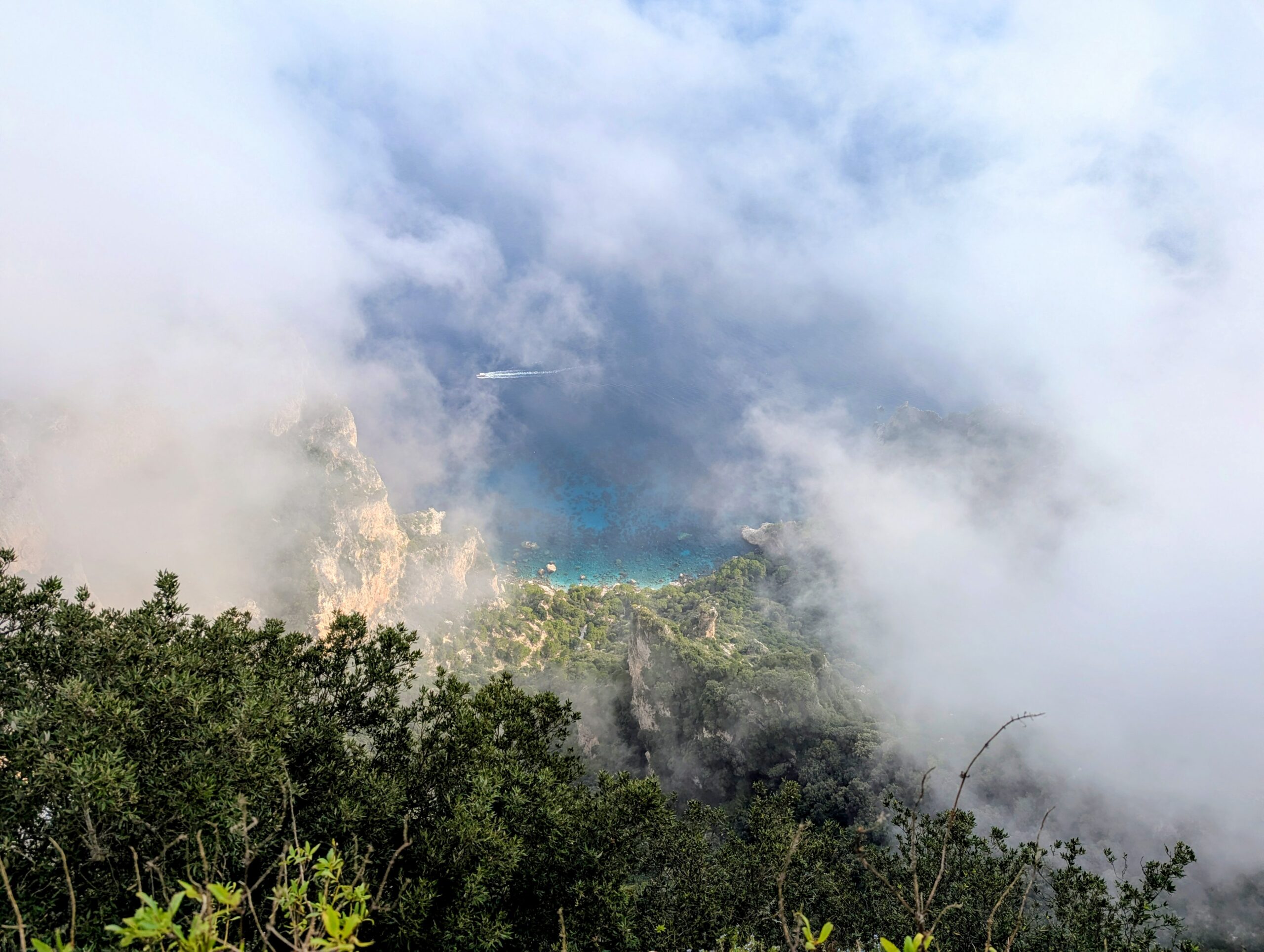
At the top, the summit of Monte Solaro (the highest point on the island at 589 meters), it was a bit foggy. But honestly, it created a unique atmosphere. The clouds would part for a moment, revealing a stunning view, and then close in again. I spent about an hour at the top, just enjoying the view and the serene atmosphere.


Part XI: A Foggy Farewell
After taking the chairlift back down, I walked around the charming streets of Anacapri for a while before taking the public bus all the way back down to the port, Marina Grande.
There, I bought my return ticketÔÇöanother Ôé¼24ÔÇöand took the 16:30 ferry back to Naples, watching the island fade into the sea. It was an incredible, packed day that was completely different from what I had planned, but absolutely perfect.
Part XII: The Best Pizza of My Life (No, Really)
After returning from Capri, I got back to Ostello Bello and found the common area buzzing. A group of about 12 Irish guys were there, completely drunk and having a great time. They had come down to Naples just to watch a football game, and they told me they do it often.
After a while, their conversation got a bit boring, so I decided it was time for the final, essential Naples experience: one last pizza. I ended up meeting a journalist from Switzerland. She was on a mission. She told me that Pizzeria Starita a Materdei is ranked as one of the best pizzerias in the world (she said #20 out of 50) and she wanted to eat there. That was good enough for me.
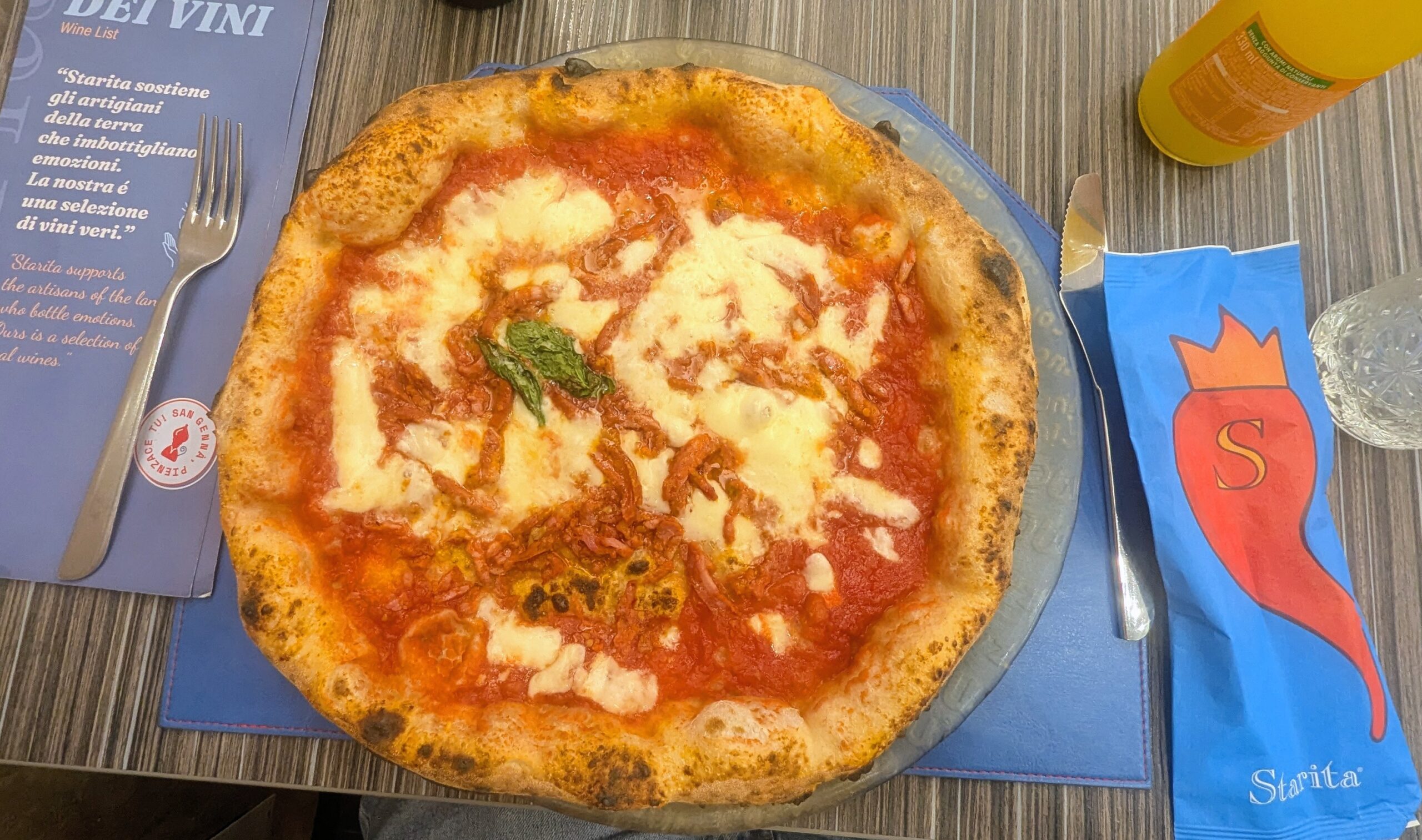
We set off, walking about 30 minutes to get there. Let me tell you: the pizza was amazing. The prices were great, tooÔÇöjust Ôé¼8.50 for a Diavola. But what impressed me the most was the speed. We ordered, and I am not exaggerating, within two minutes we had our pizzas. And yes, it was without a doubt the best pizza I have ever had in my life.
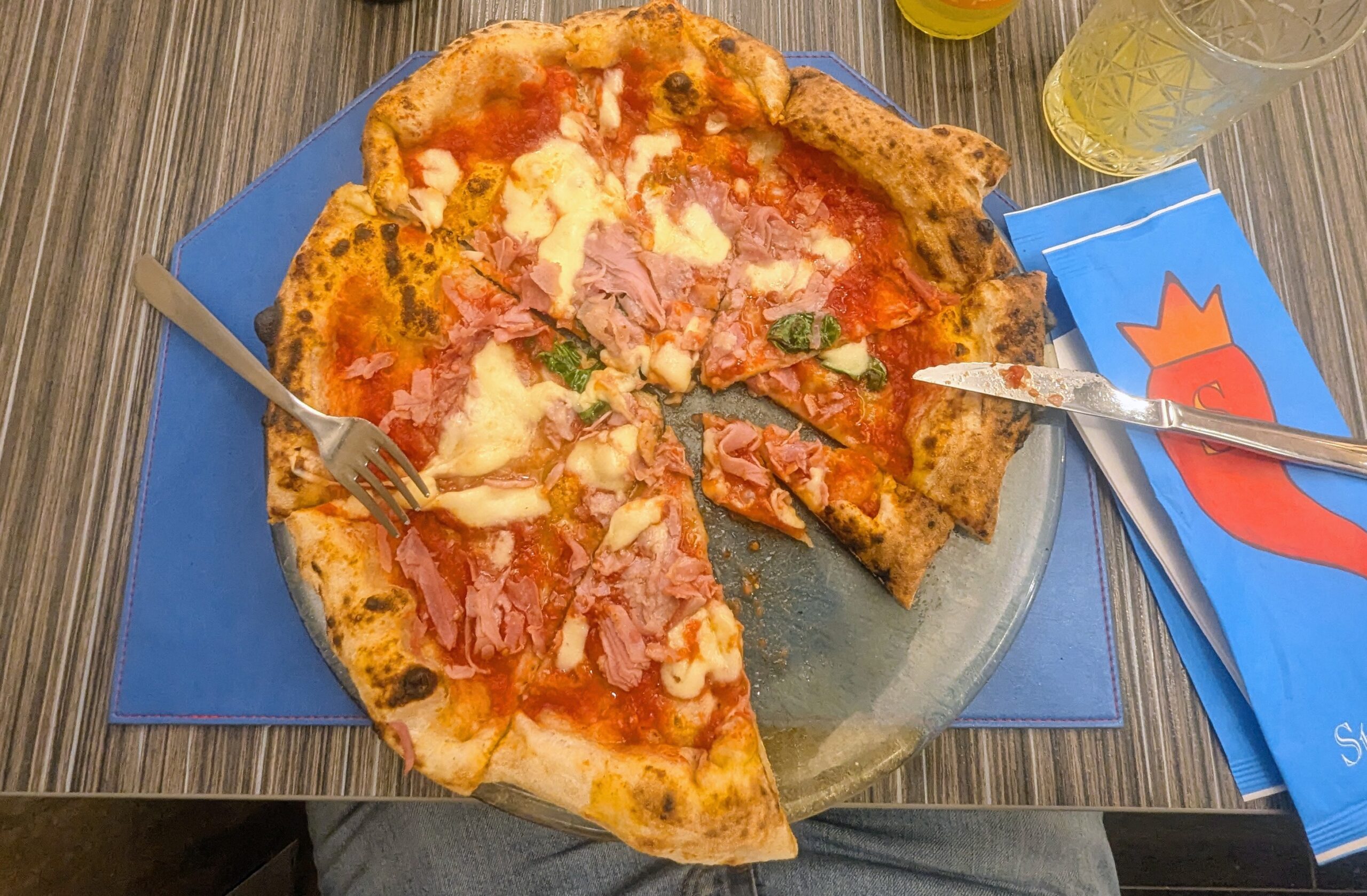
I ordered the Diavola first. After I finished it, I was actually nearly full. But it was so good that I ordered a second one, this time a Prosciutto. Again, in less than two minutes, it was in front of me.
While we ate, the journalist told me about the chili pepper symbol you see everywhere in Naples. ItÔÇÖs not just a chili; itÔÇÖs called a “cornicello” (little horn). It’s an ancient Neapolitan amulet, a symbol of good luck and fertility, meant to ward off the malocchio, or the “evil eye.” ItÔÇÖs a fascinating piece of local culture.
Part XIII: Final Thoughts and a 5 AM Run
After dinner, we split up. I checked out the city for the last time. The area around Caff├¿ dell’Epoca, which had been so chaotic and packed on Friday night, was now quiet. The caf├® itself was actually closed, and there weren’t many people around. So, I headed back to the hostel and to bed.
A final word on the hostel: the room itself… well, let’s just say it stank (“gestunken”). It was not the best place, and Ostello Bello Napoli definitely doesn’t belong to the better hostels I’ve been to. But, it was safe, and the social atmosphere in the common areas was good. Good enough for sleeping.
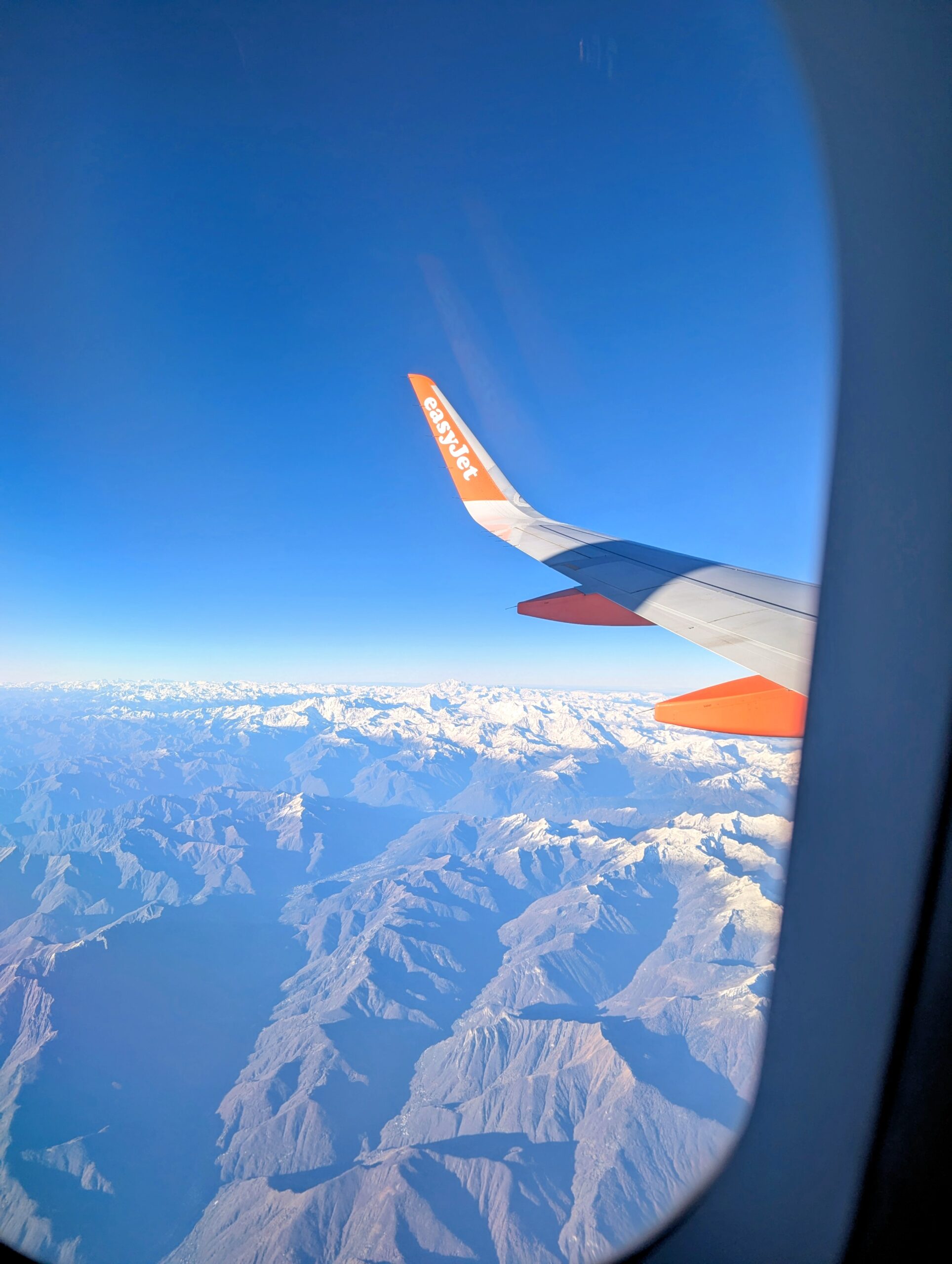
My final morning came early. I got up at 5:00 AM, checked out at 5:20 AM, and made a morning run to the port to catch the Alibus, the same way I’d arrived. I made the run to Molo Beverello in just 7 minutes, which was quite a sprint. I arrived 3 minutes before the bus departed. The ride itself was 25 minutes, and at 5:55 AM, I was at the airport.
Part XIV: A Swiss Perspective on Chaos
On the way, I was again impressed by how dirty everything was. There was so much trash on the streets. When I got to the airport, I thought the bathrooms might be clean since they had just opened, but it was the opposite.
This is what’s crazy to me: I think in Italy, you can have an infinite amount of workers, but the quality doesn’t get better. There are so many people who just seem to do nothing. I saw tons of security people who were just on their smartphones.
It makes me compare it to home. In Switzerland, one policeman probably does the work of 10 Italians, and I still feel more secure. The same goes for other areas like security control, buying a ticket, cleaning… Yes, I really appreciate living in Switzerland. It’s really annoying when things are not working, and here you can really see it, and it has huge consequences. For example, when public transport isn’t reliable, you have to plan so much more time to get to the airport. You just lose time. In an ideal world, the transport would work, and you wouldn’t need to go so far ahead of time.
It was a final, frustrating reminder of the beautiful, chaotic, and inefficient majesty of Naples.
NAPLES FINANCIAL SUMMARY AND TRIP EXPENSES
Protected Financial Summary
Enter password to unlock the comprehensive cost breakdown and itemized receipts.