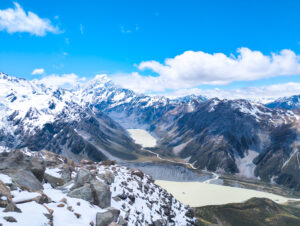
Asturias is one of the most distinctive regions in northern Spain, celebrated for its emerald green coastline, soaring limestone peaks, and deep historical roots that trace back to the dawn of the Kingdom of Asturias. Below is an overview of an extended exploration through this remarkable territory, spanning coastal cliffs, historic mountain passes, and regional culinary traditions.
Friday, August 7, 2026: Journey to Asturias via Madrid
The itinerary began with an early transit from Switzerland into northern Spain.
Flight details for the outbound journey:
- Iberia flight IB3479 departed Zurich at 07:20 and landed at Madrid Barajas Terminal 4 at 09:55.
- Following a layover of one hour and forty minutes in Madrid, Iberia flight IB0476 departed Madrid at 11:35 and touched down at Asturias Airport at 12:45.
Upon landing at Asturias Airport in Castrillón, the first stop was Playa de Bayas. Located adjacent to the airfield, this vast natural monument represents the longest continuous sandy shoreline in the region, bordered by an impressive coastal dune ecosystem and dynamic Atlantic waters. After taking in the coastal scenery, the day concluded by transferring to Oviedo, the historic regional capital, to settle in.
Saturday, August 8, 2026: The Sella River Descent, Covadonga, and the Roman Legacy
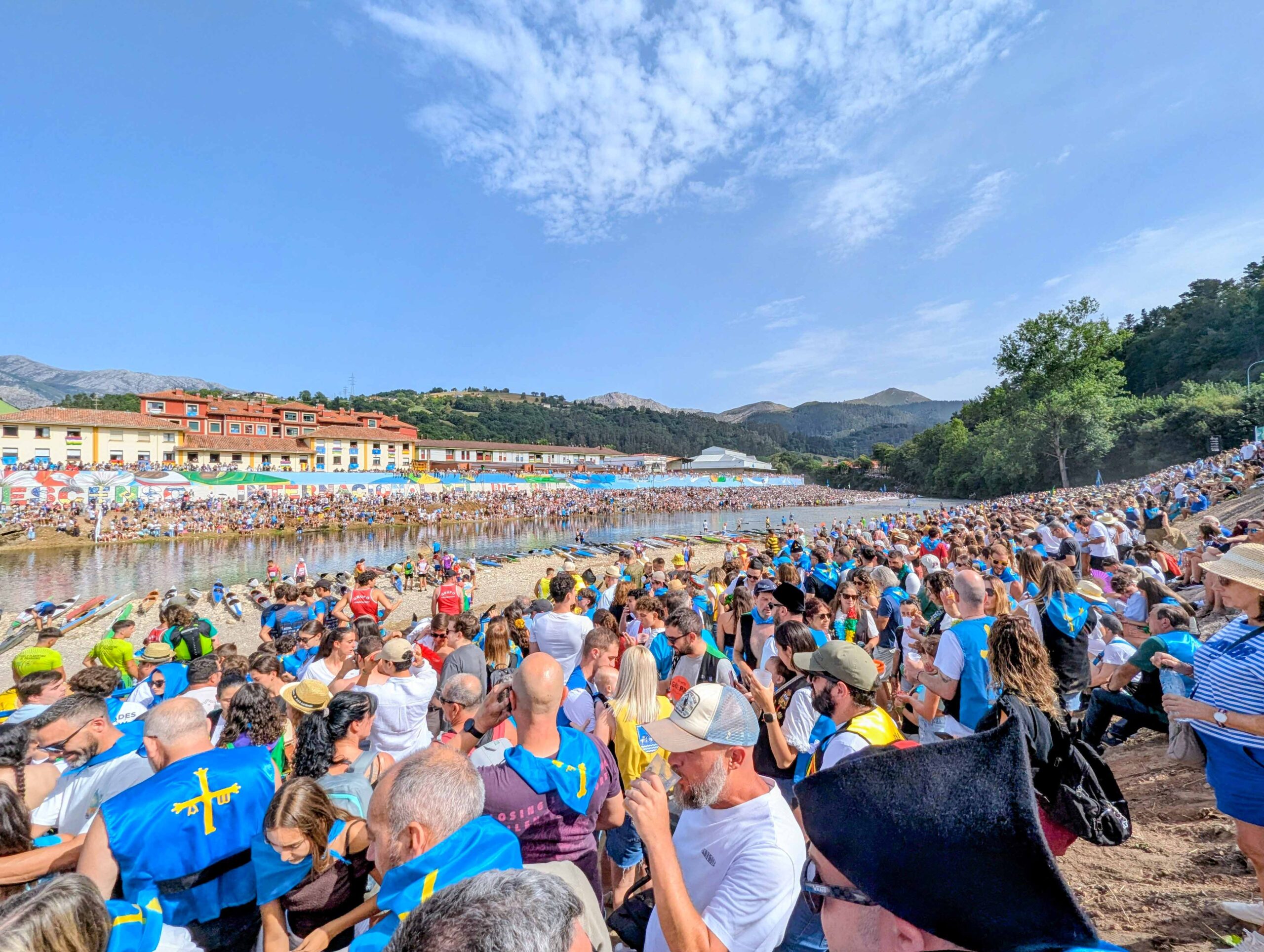
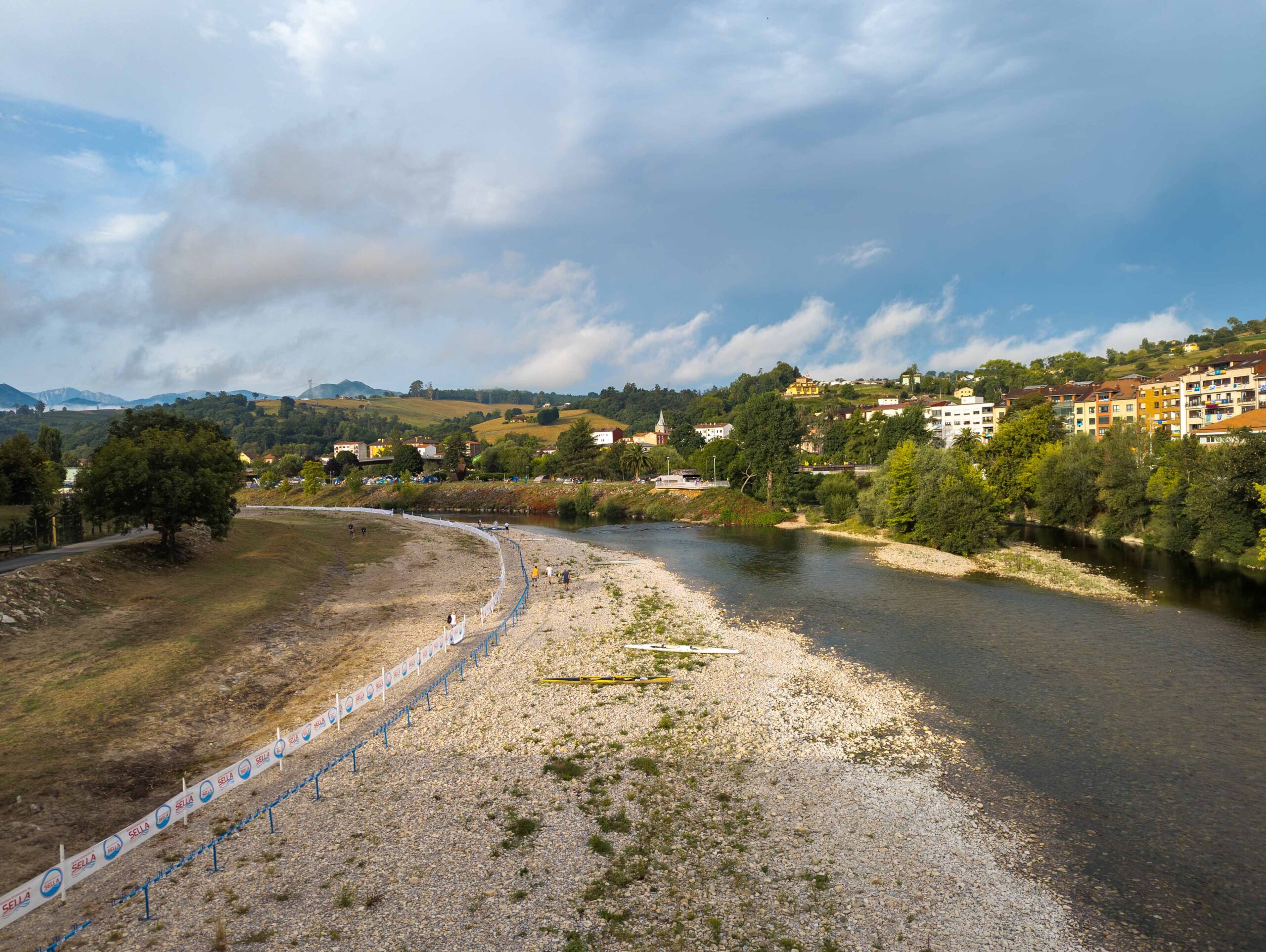
The day was dedicated to exploring the eastern portion of the province, beginning with the world famous Fiesta de las Piraguas, also known as the International Descent of the Sella River. Originating in 1930, this celebrated competition and cultural festival draws thousands of participants who paddle down the Sella from the market town of Arriondas toward the coastal town of Ribadesella.
Embarking on a double kayak, I completed the seventeen kilometer route downriver. The event brings a tremendous festive energy, with spectators lining the riverbanks and lively interaction across the water.
Following the river descent, the route continued into the Picos de Europa mountain foothills:
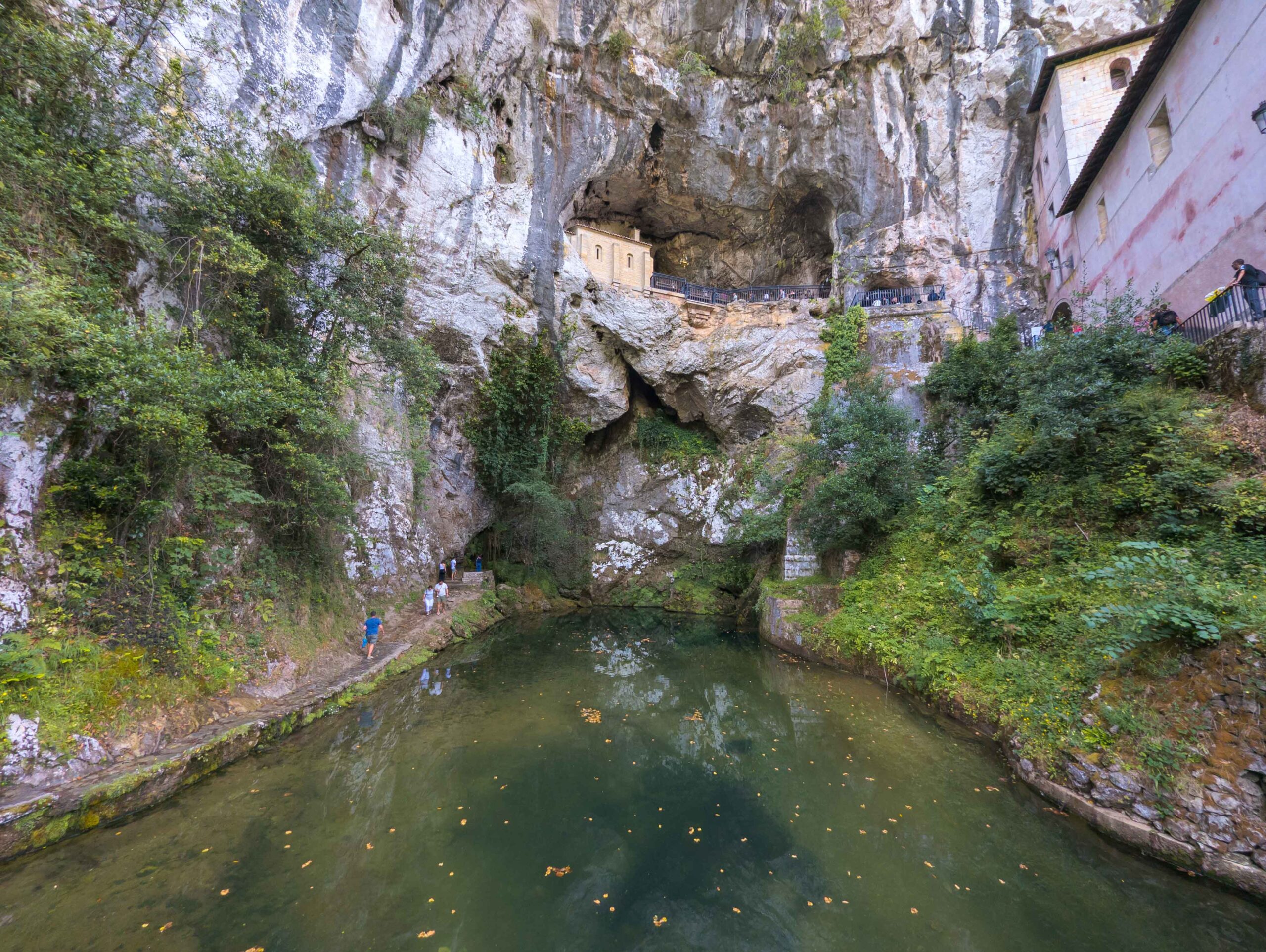
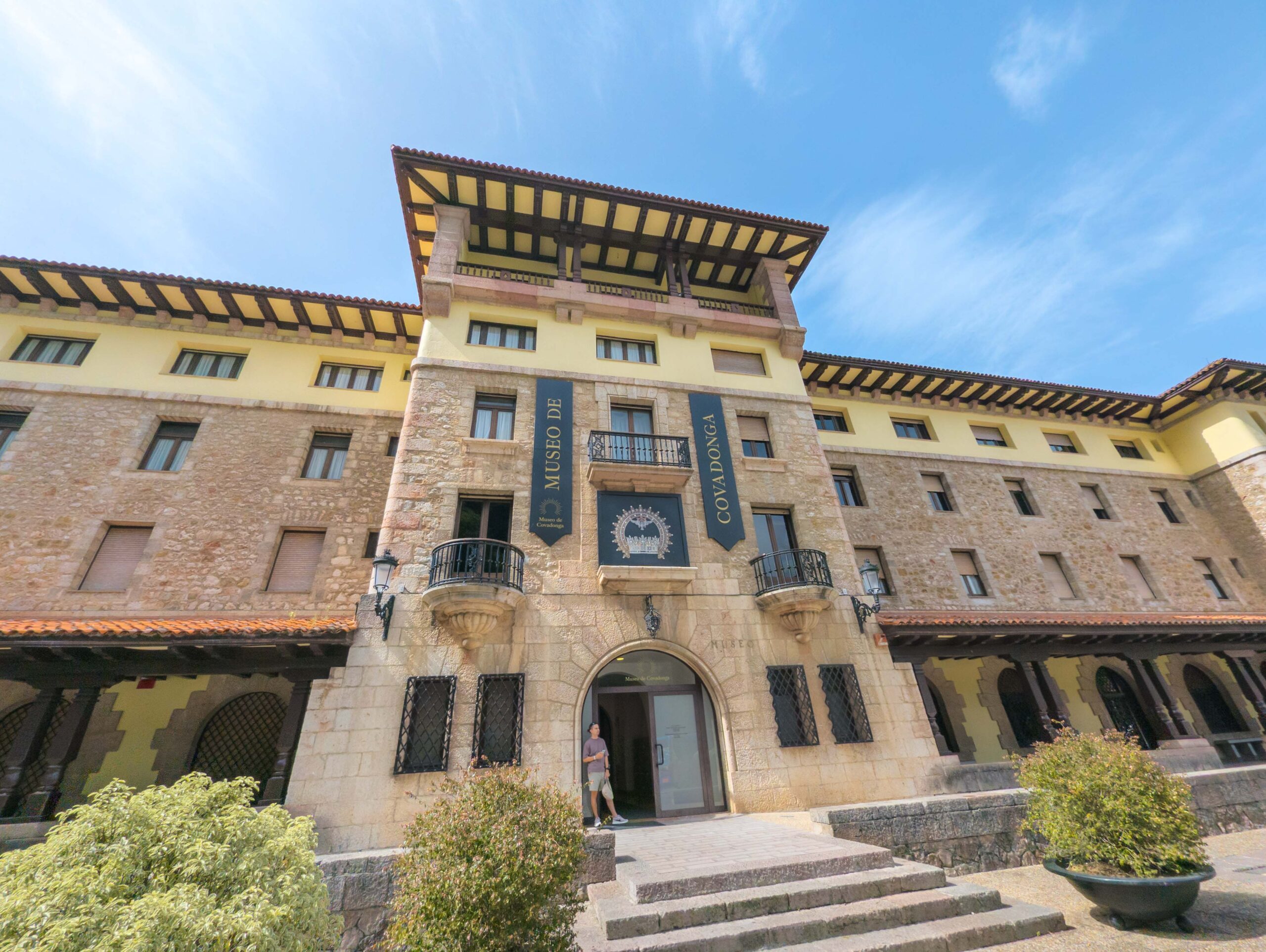
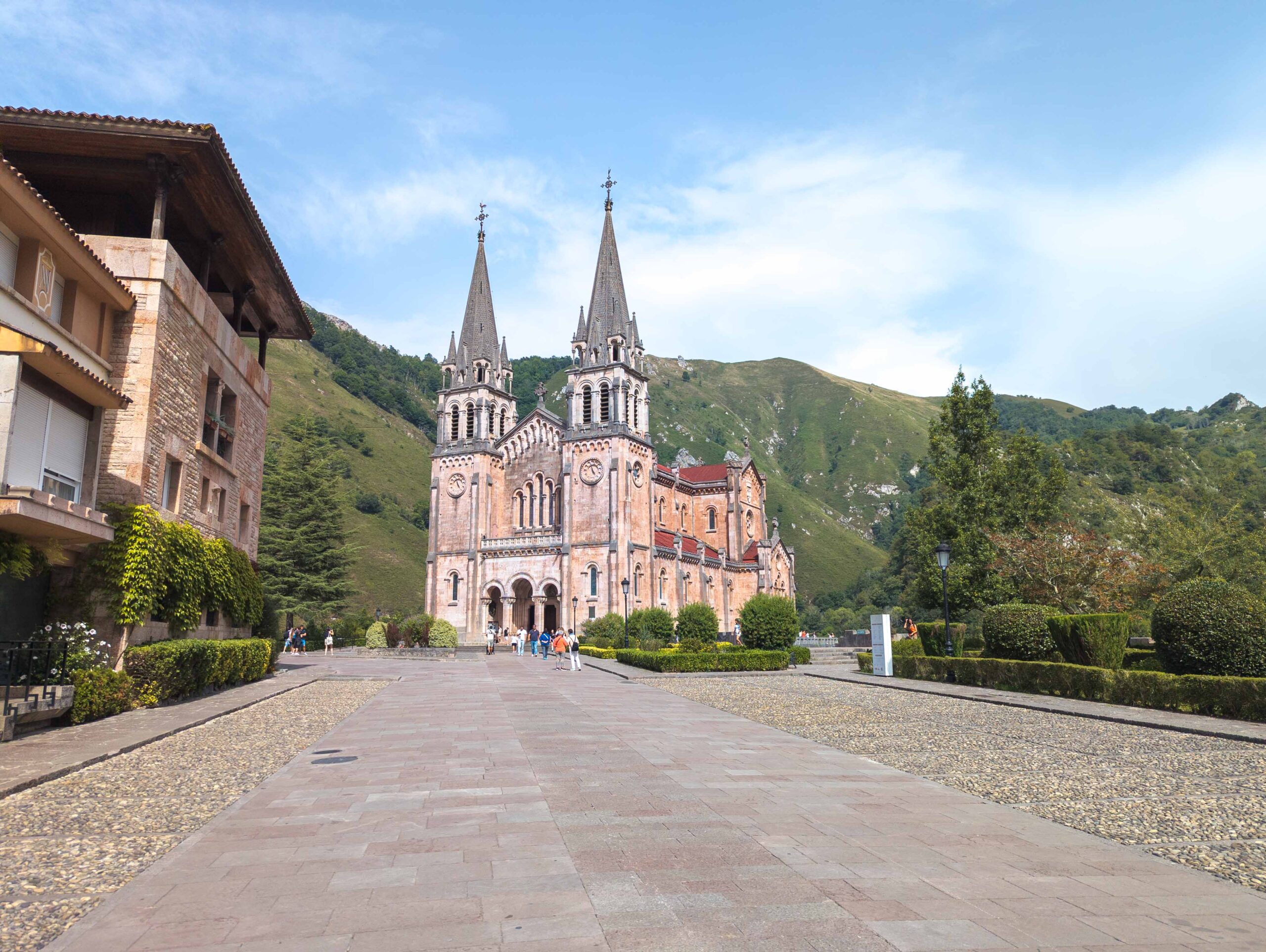
- Sanctuary of Nuestra Señora de Covadonga: Covadonga is widely regarded as the cradle of the Spanish Reconquista. It was here around 722 CE that Don Pelayo led local Christian forces to victory against the Umayyad Caliphate, establishing the independent Kingdom of Asturias. The site features the Holy Cave, an altar built directly into the limestone rock face over a waterfall, alongside the pink limestone Basilica of Santa María la Real de Covadonga.
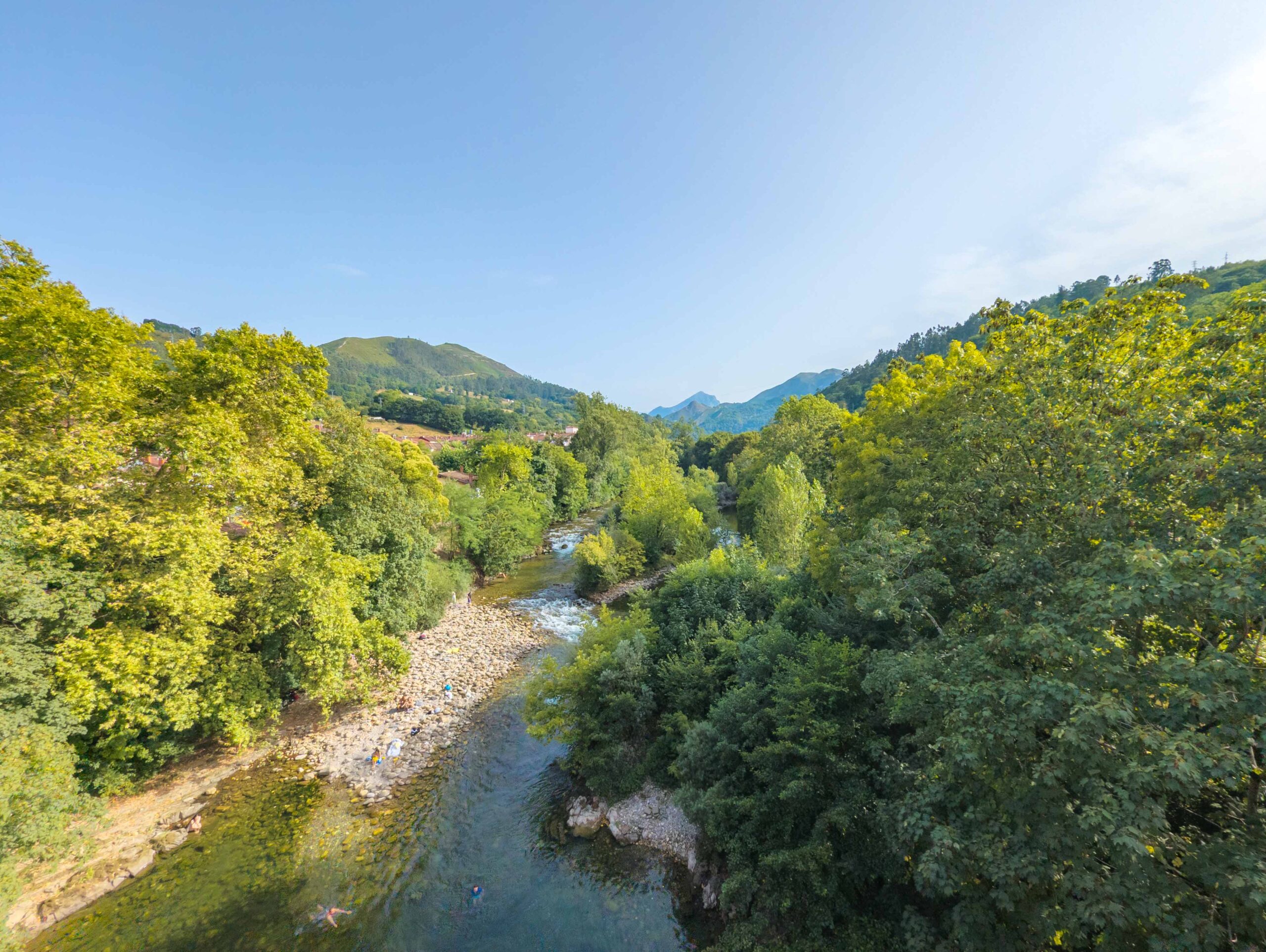
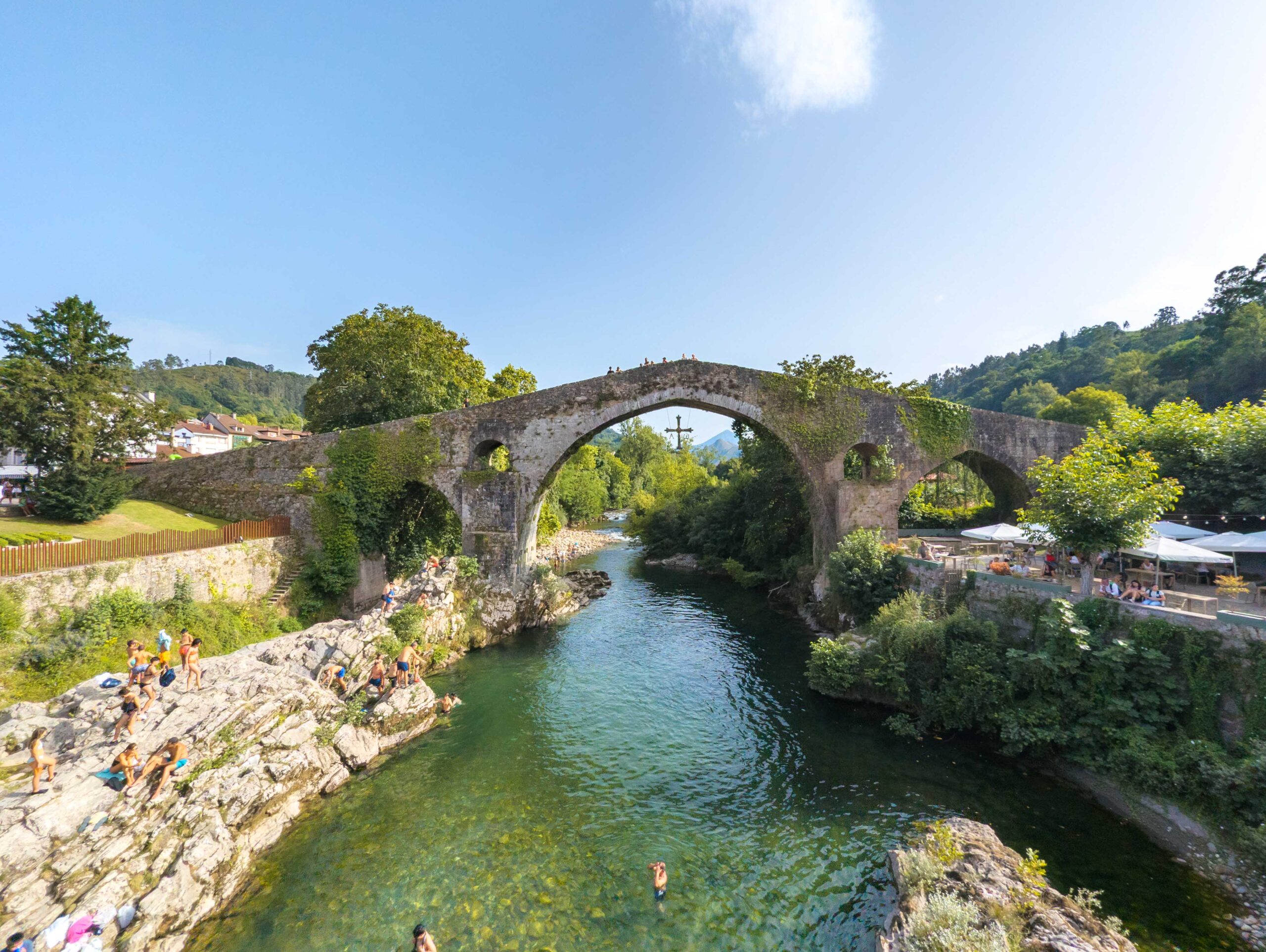
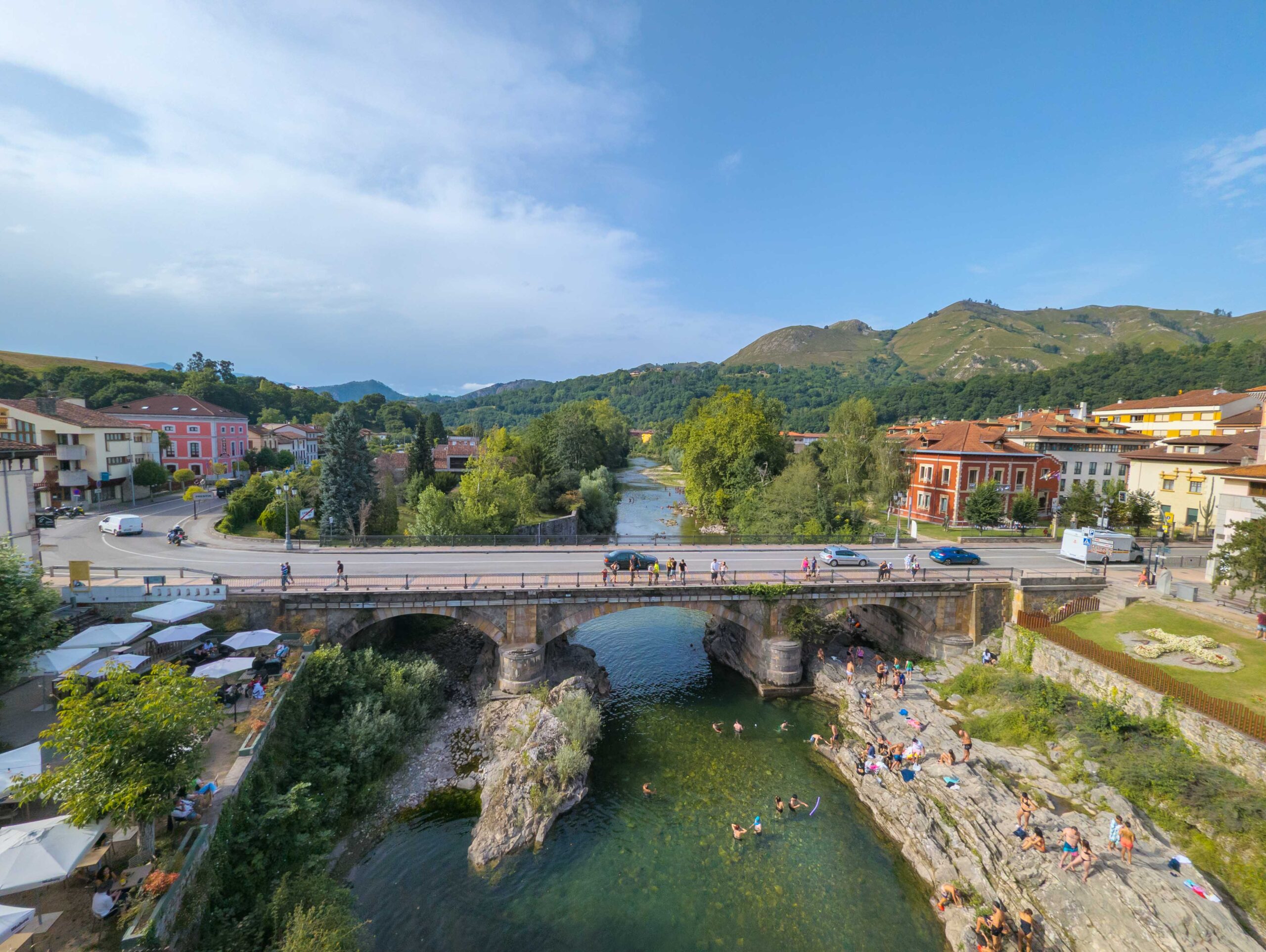
- Cangas de Onís: Serving as the very first capital of the Asturian kingdom until 774 CE, the town is renowned for its historic medieval Roman bridge spanning the Sella River. Hanging from the central arch is a replica of the Cruz de la Victoria, an emblematic Asturian Christian cross symbolizing historical resistance.
- Tereñes and the Jurassic Coast: The day concluded along the cliffs of Tereñes near Ribadesella, a coastal area famous for fossil discoveries and dinosaur footprints preserved in the Jurassic rock layers, followed by a dinner of regional seafood, including fresh squid and local dishes.
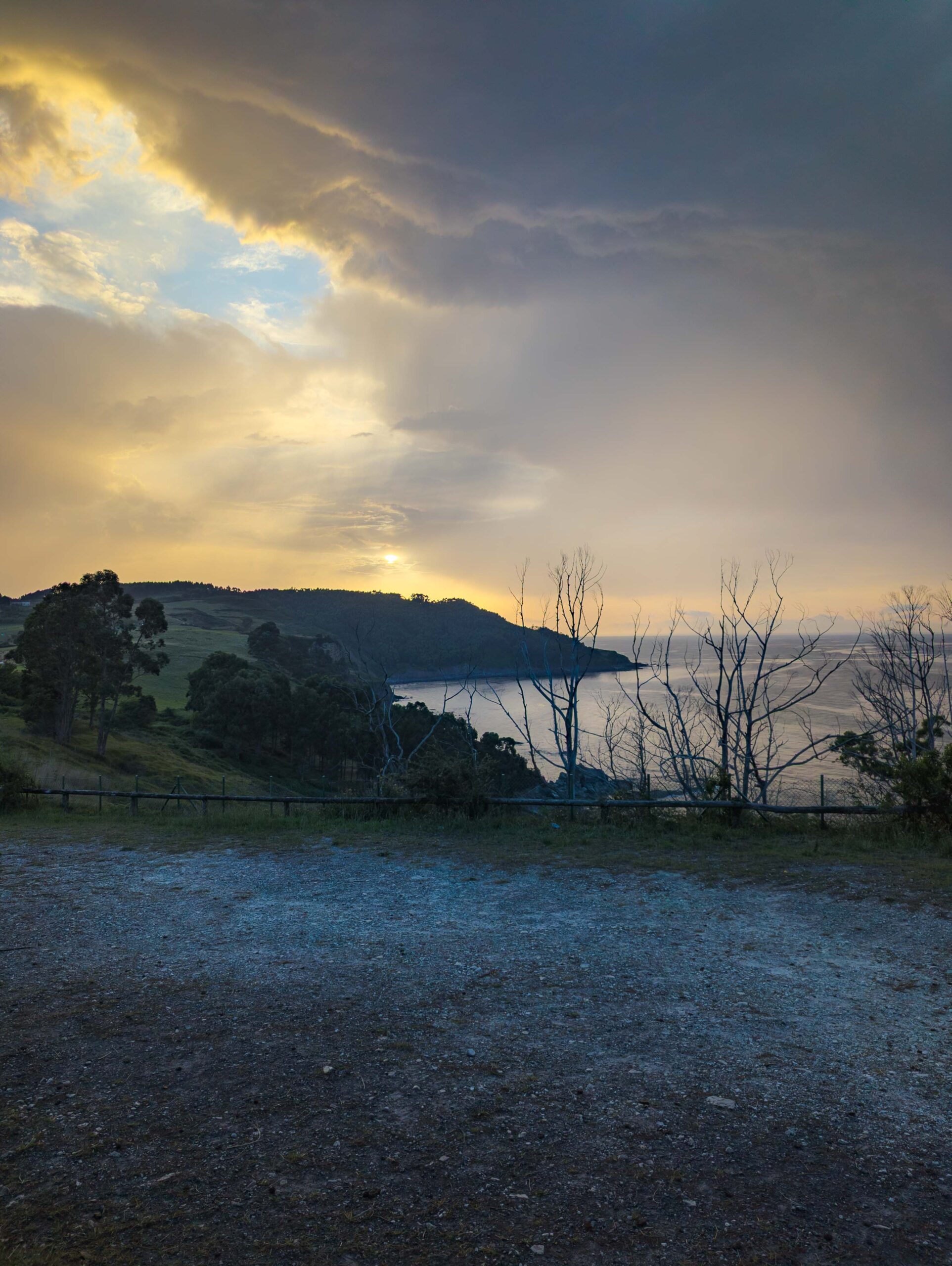
Sunday, August 9 to Monday, August 10, 2026: Maritime Capes and Medieval Oviedo
These two days combined the exploration of the dramatic northern headlands with the architectural heritage of Oviedo.
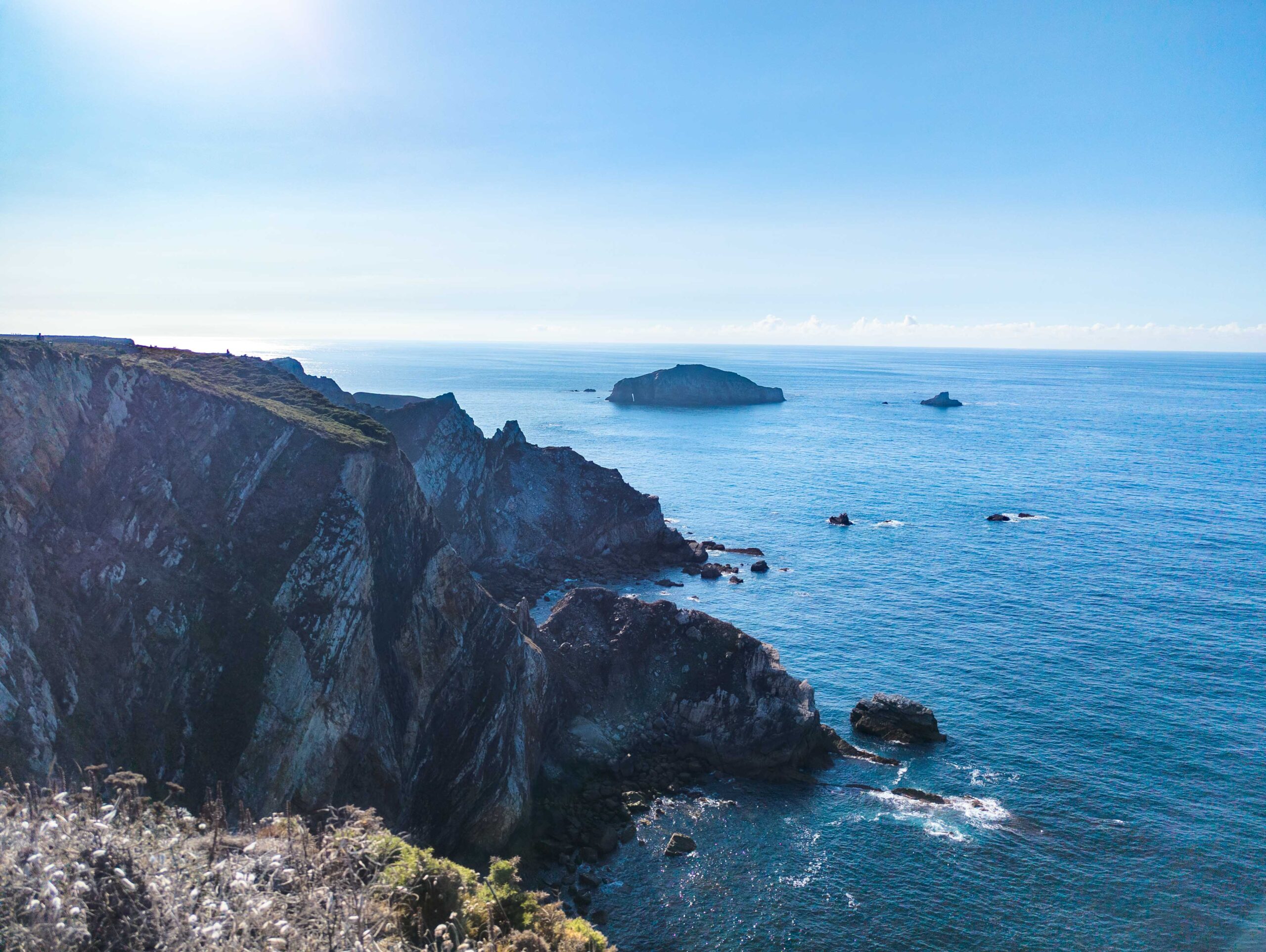
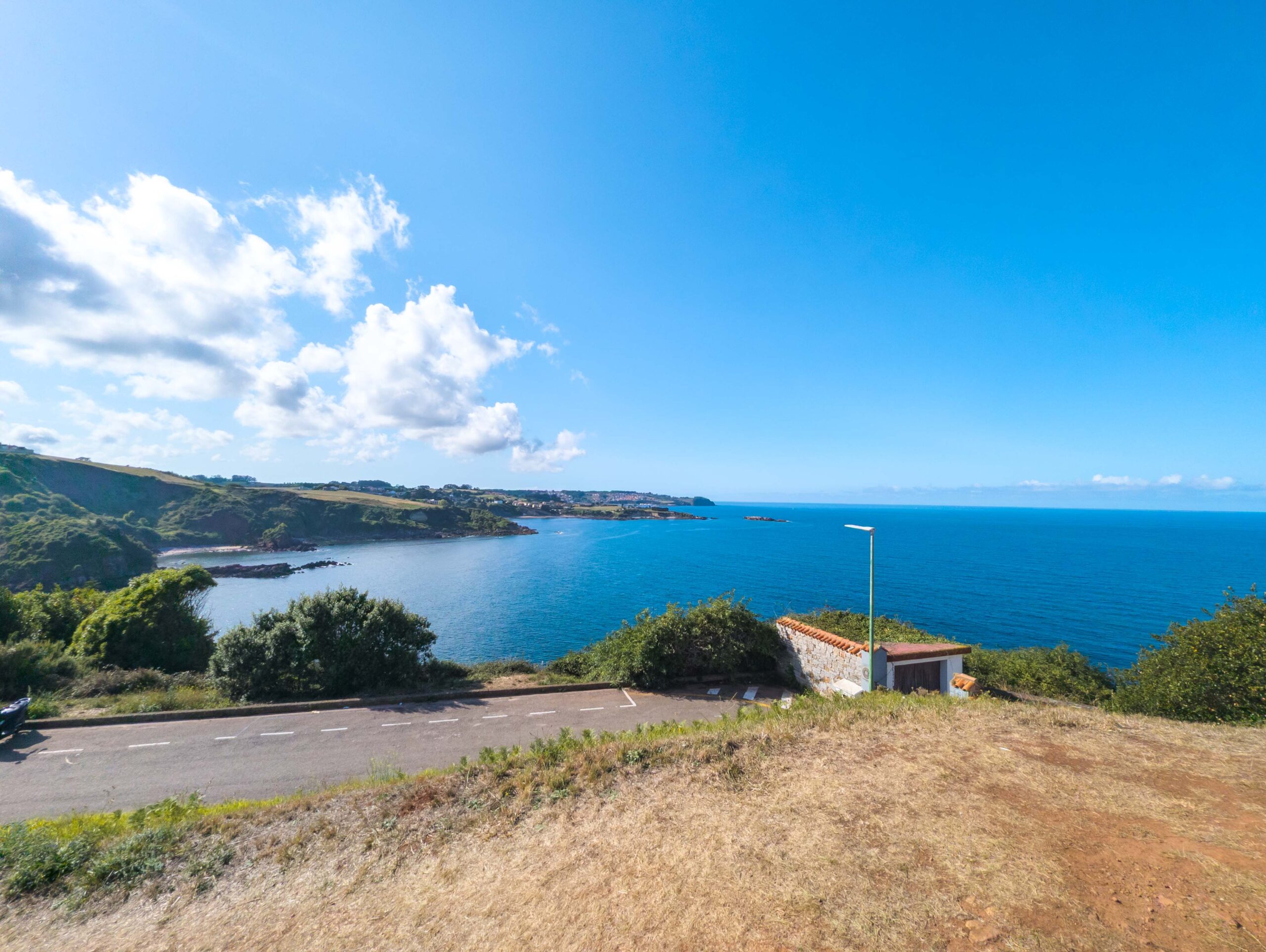
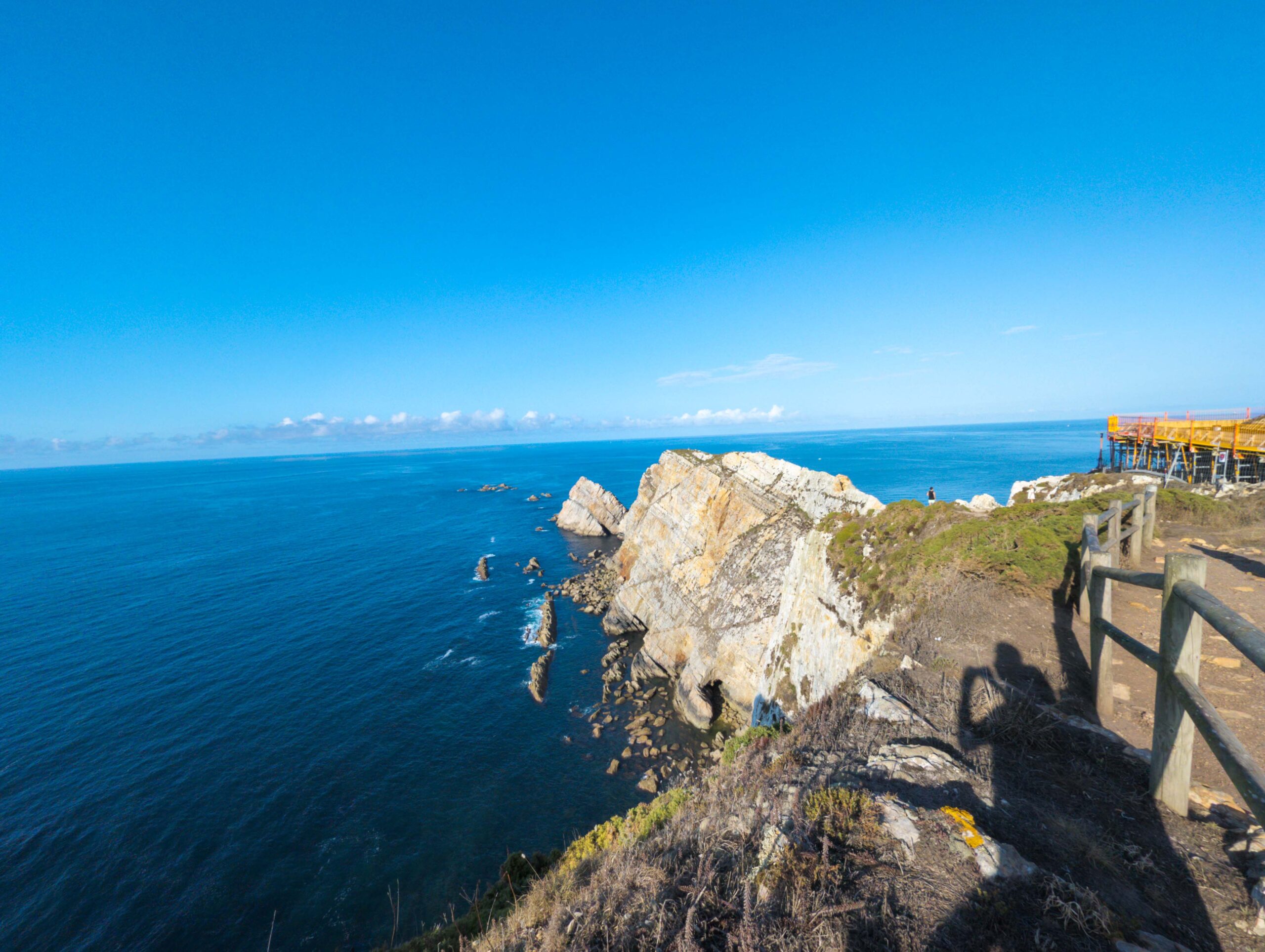
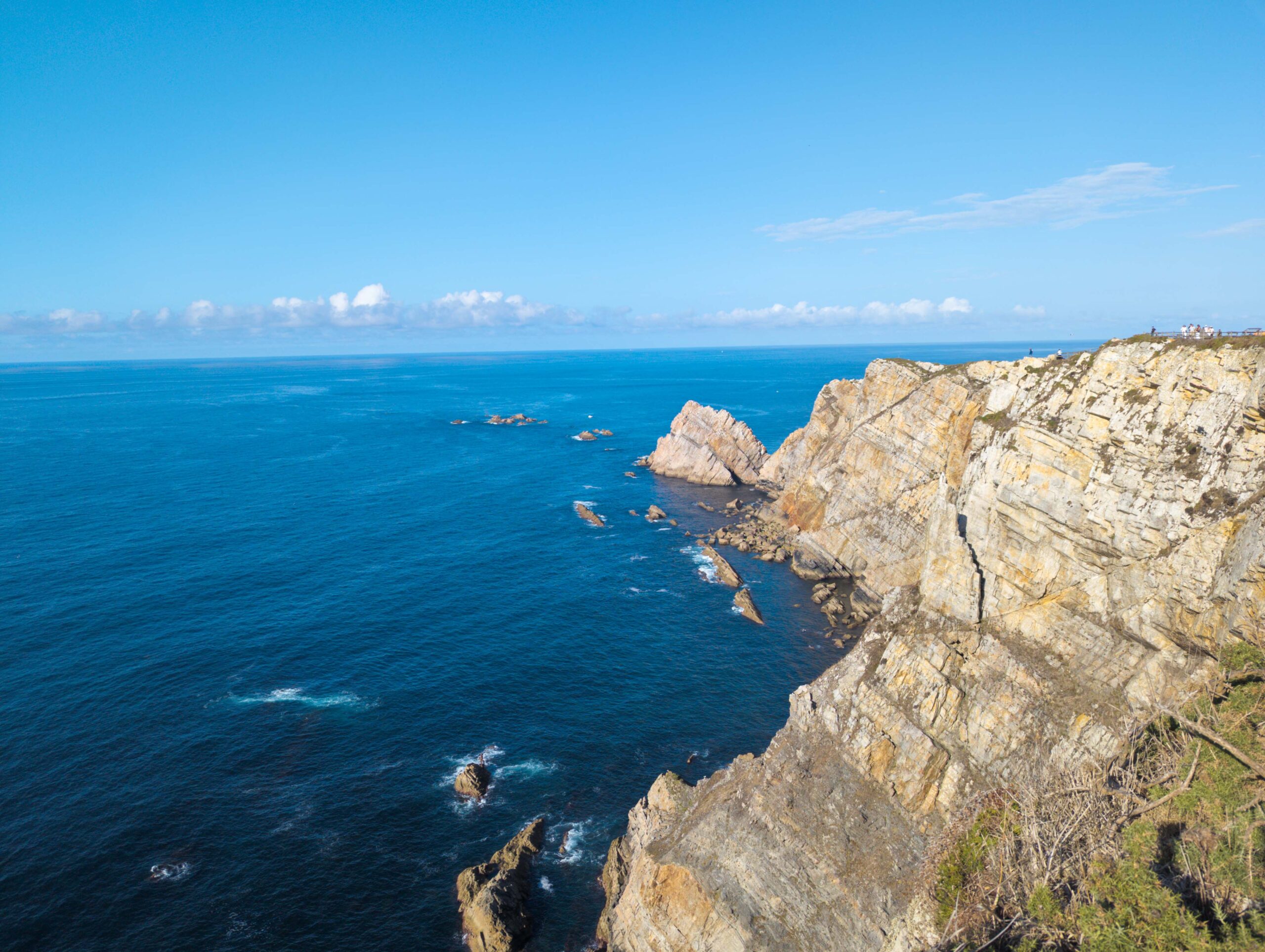
The coastal itinerary visited Candás, a traditional fishing port historically renowned for its maritime commerce and fish canning industry, featuring the scenic Faro de San Antonio lighthouse. Continuing north brought the route to Cabo de Peñas, the northernmost point of Asturias and the second northernmost promontory of mainland Spain. Rising over one hundred meters sheer above the Cantabrian Sea, the quartzite cliffs and boardwalk trails offer breathtaking vistas of rugged sea stacks and marine reserves.
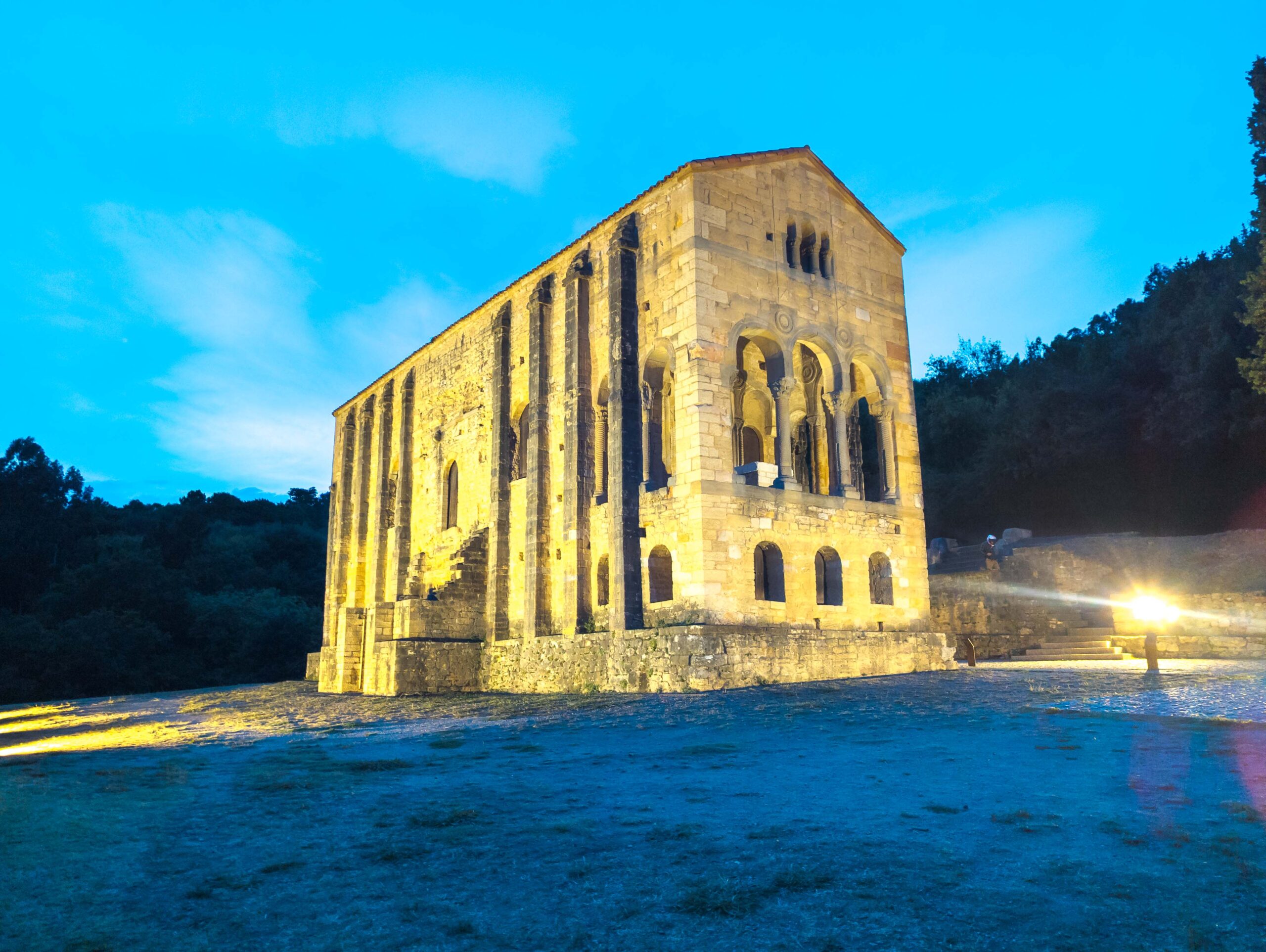
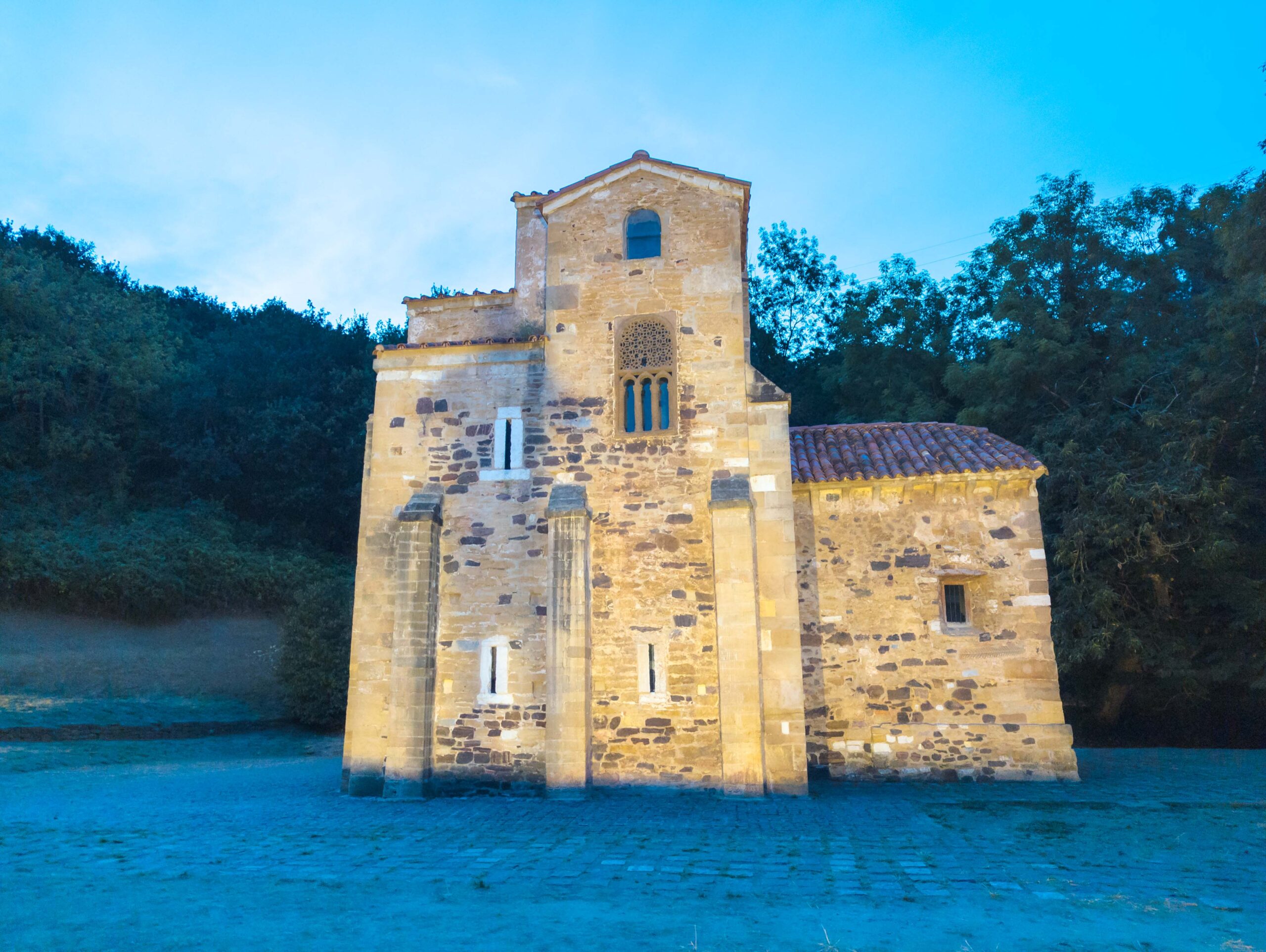
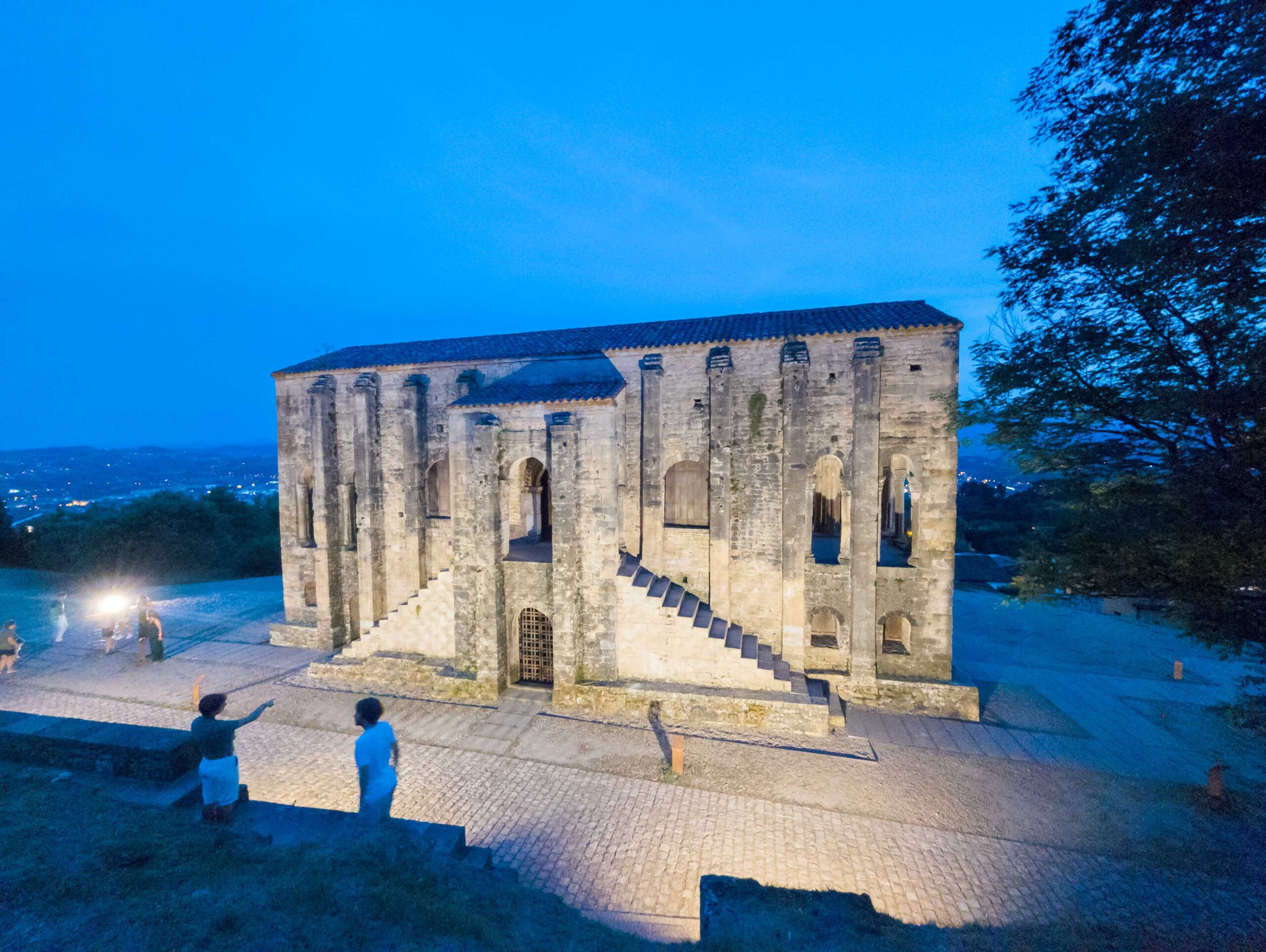
Transitioning inland, time was spent touring the old quarter of Oviedo, known locally as El Antiguo. Established in the eighth century, Oviedo retains an exceptional medieval layout and world class Pre Romanesque architecture. The exploration included visits to artisanal food markets and historic bakeries such as El Horno del Fontán and Fermento Casa de Panaderos, sampling authentic Asturian sourdough baking and traditional regional pastries.
Tuesday, August 11 to Thursday, August 13, 2026: Mining Heritage, Mountain Peaks, and the Solar Eclipse
This portion of the journey explored the central mountainous valleys and urban social traditions of Asturias.
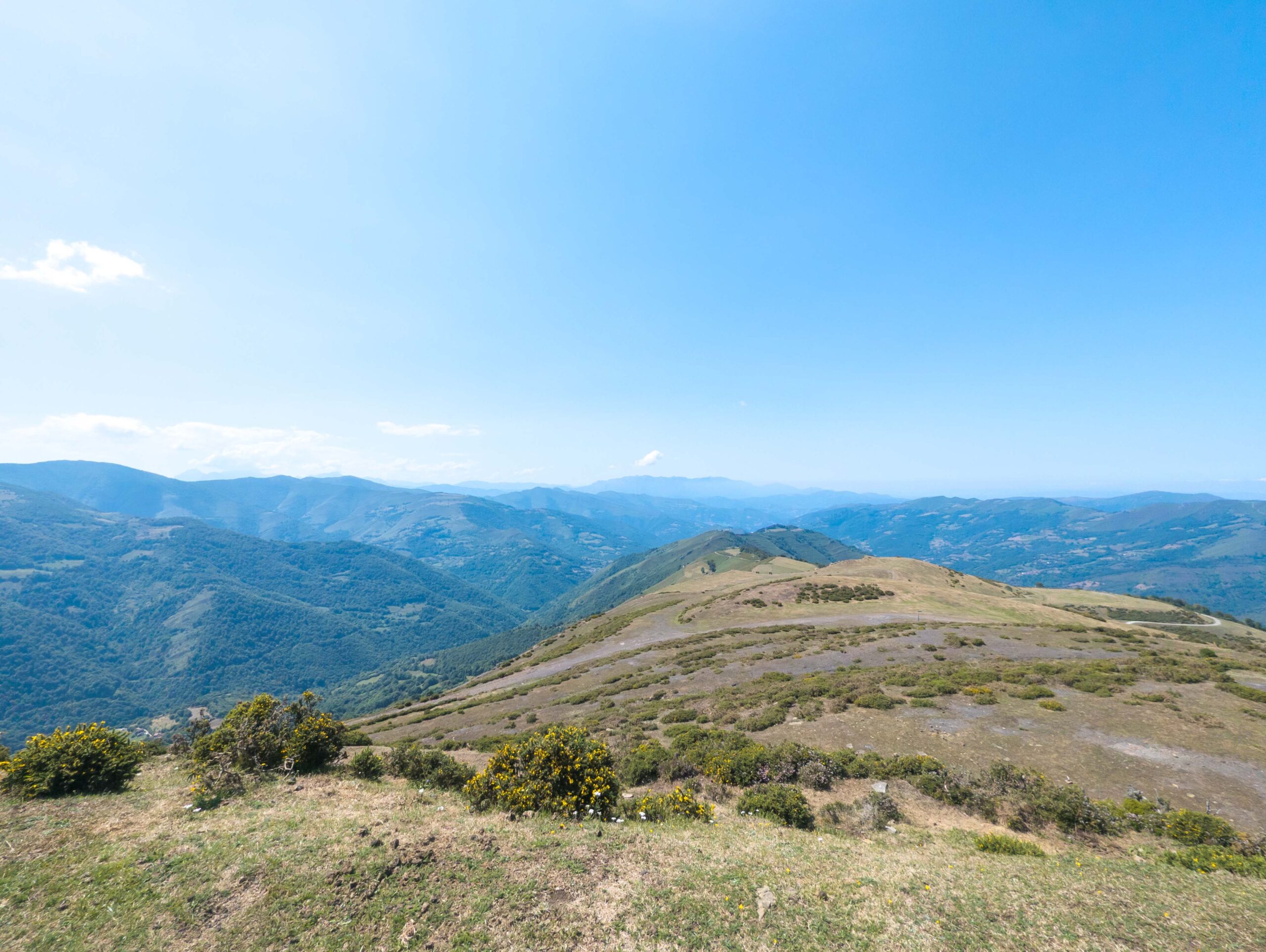
- Picu Coto Bello and the Aller Mining Basin: Heading south into the Aller Valley, an off road quad excursion led to the summit of Picu Coto Bello at approximately 1450 meters elevation. The site offers an extraordinary panoramic perspective over the central Asturian cordillera. Picu Coto Bello holds major historical significance as a former open cast coal mining complex that was completely transformed through an award winning environmental restoration project into lush alpine pastures.
- The Total Solar Eclipse: On the afternoon of August 12, a high vantage point offered the chance to witness the total solar eclipse crossing northern Spain. Even with heavy cloud cover filtering direct visibility, the dramatic midday transition into deep darkness across the mountain landscape was a memorable spectacle.
- Asturian Cider Culture: Evenings in Oviedo provided an opportunity to experience Calle Gascona, the vibrant cider boulevard. Natural Asturian cider (sidra) is an integral part of the regional identity, traditionally poured from high above the head (escanciado) to aerate the beverage right before drinking.
Friday, August 14 to Sunday, August 16, 2026: The Ruta de las Xanas Gorge and Bañugues Bay
The final leg of the journey focused on regional folklore, trail engineering, and Atlantic gastronomy.
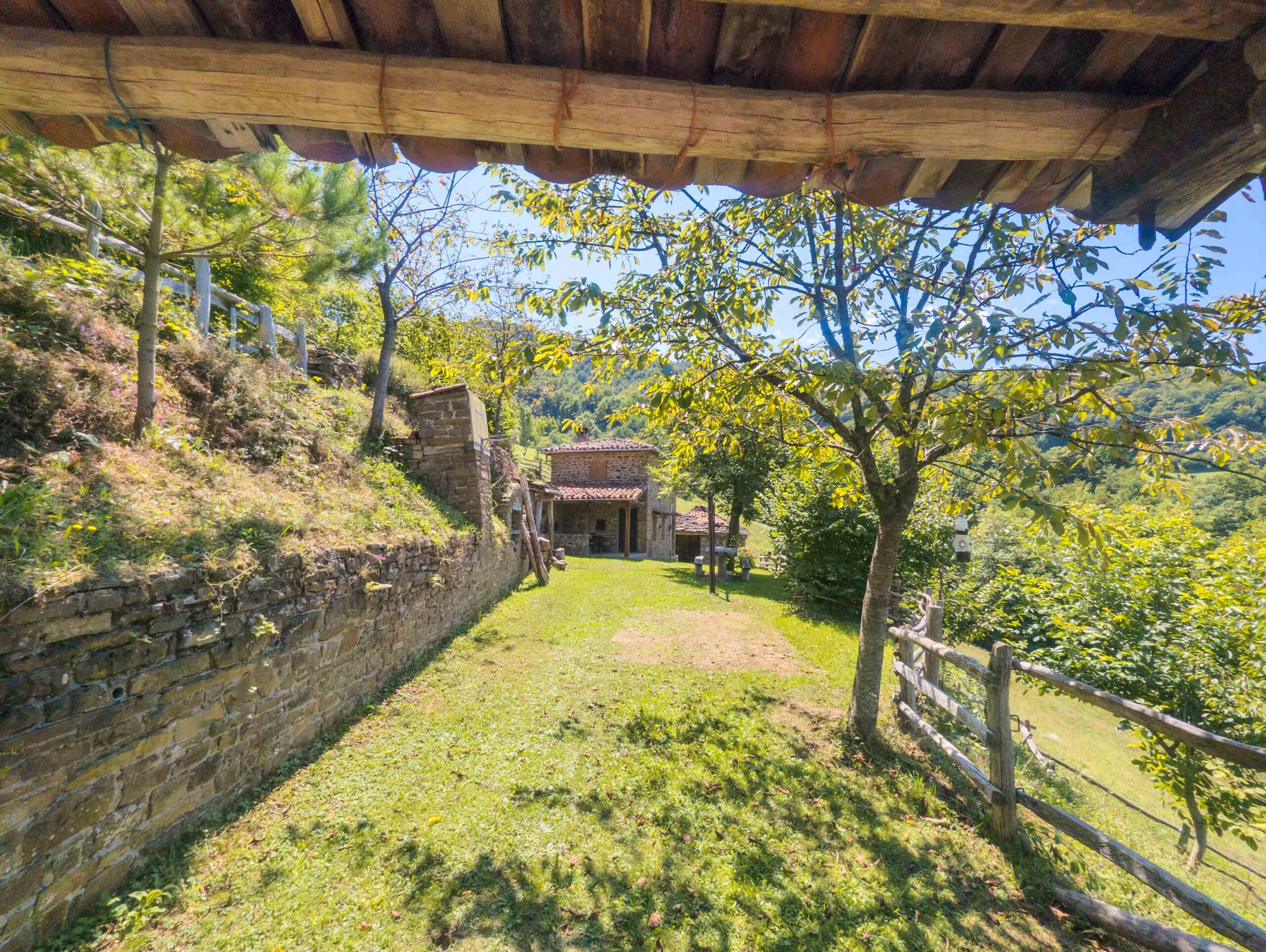
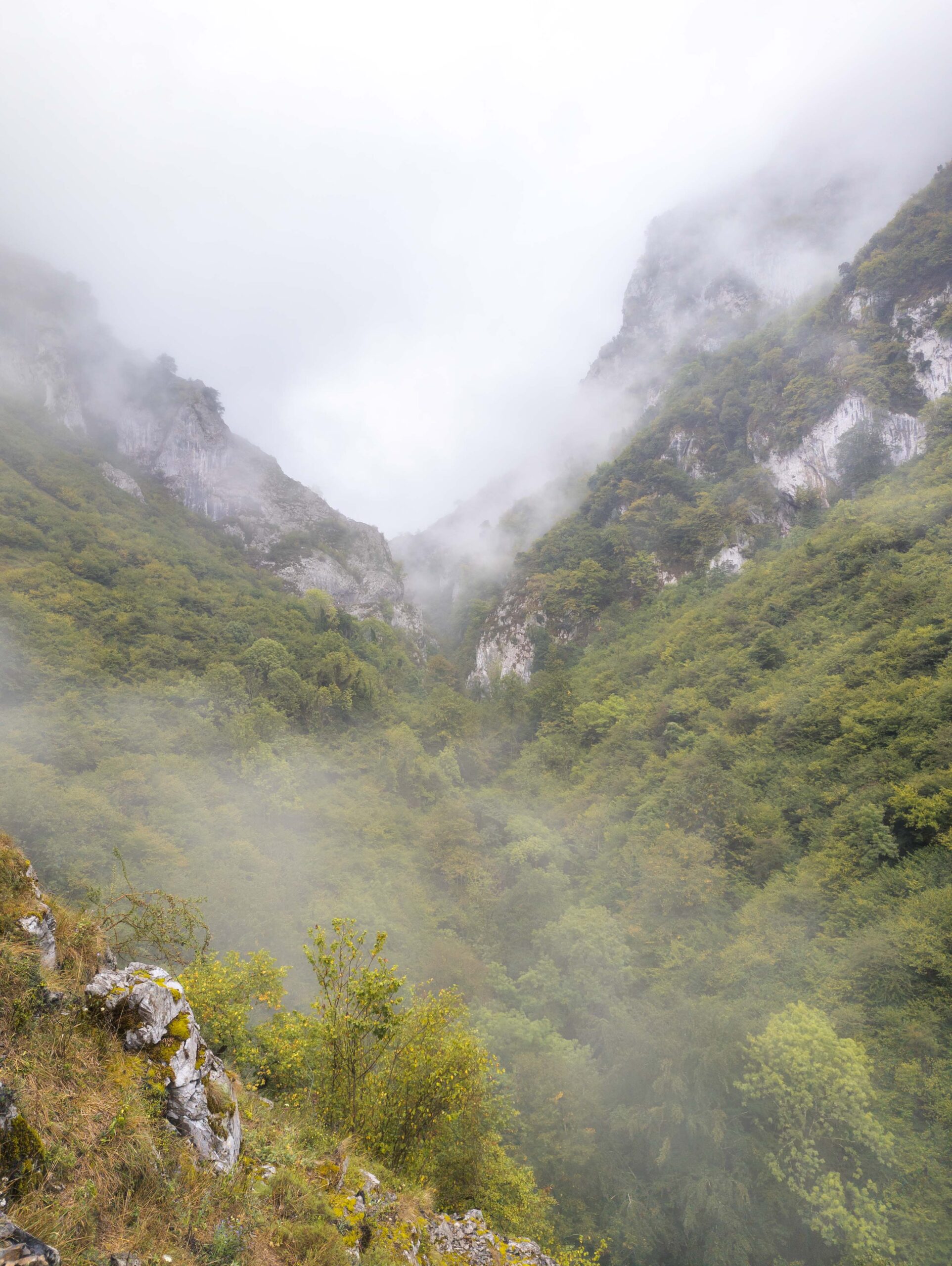
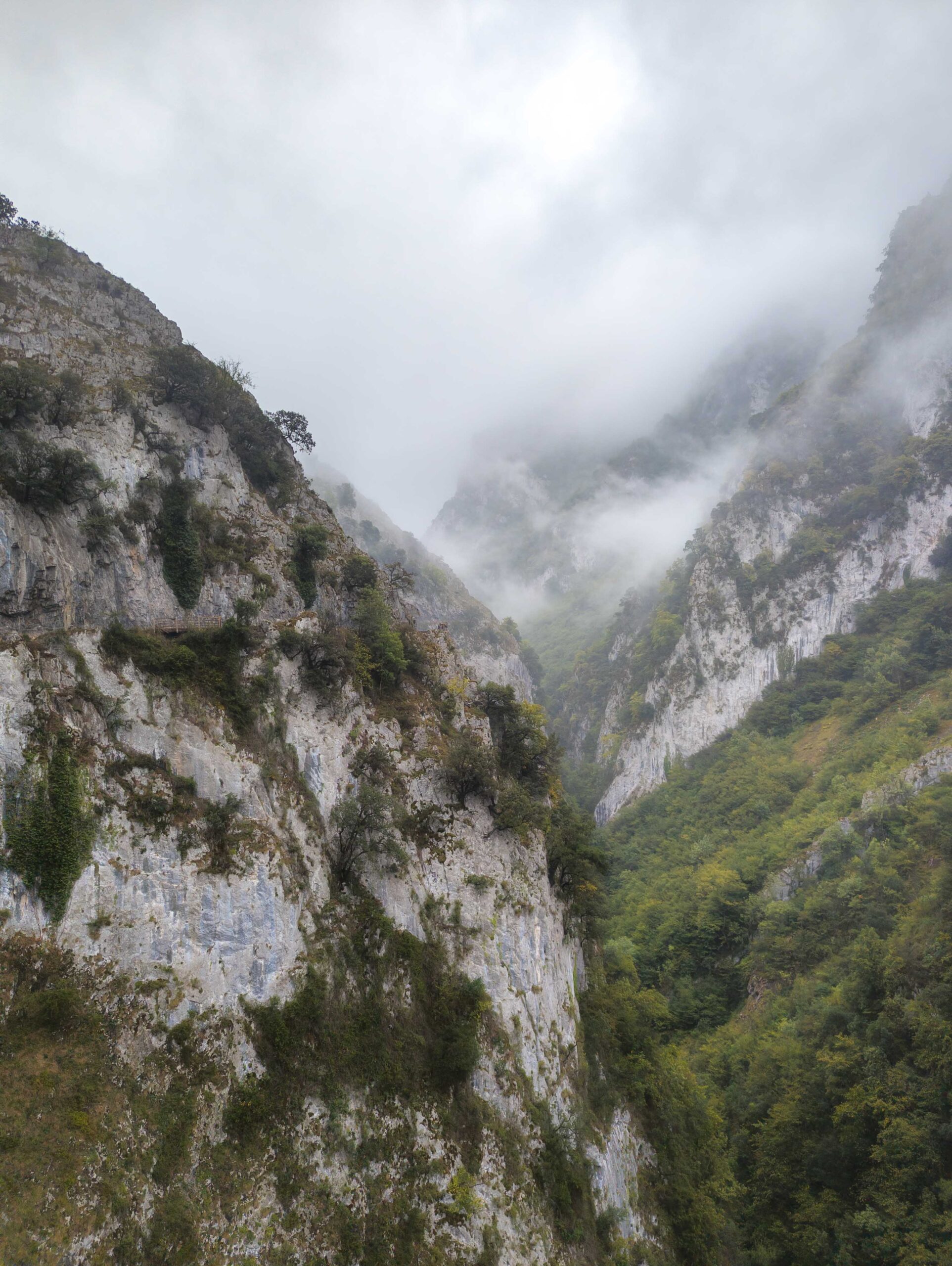
- Ruta de las Xanas: Located in the municipality of Santo Adriano, this gorge is designated as a Natural Monument and is frequently referred to as the miniature version of the famous Cares Gorge. The trail was originally carved by dynamite into vertical limestone walls and mountain tunnels during the 1950s as a civil engineering project to connect the isolated mountain village of Pedroveya. The route takes its name from the Xanas, enchanting water nymphs of ancient Asturian Celtic mythology said to dwell in clean streams and springs.
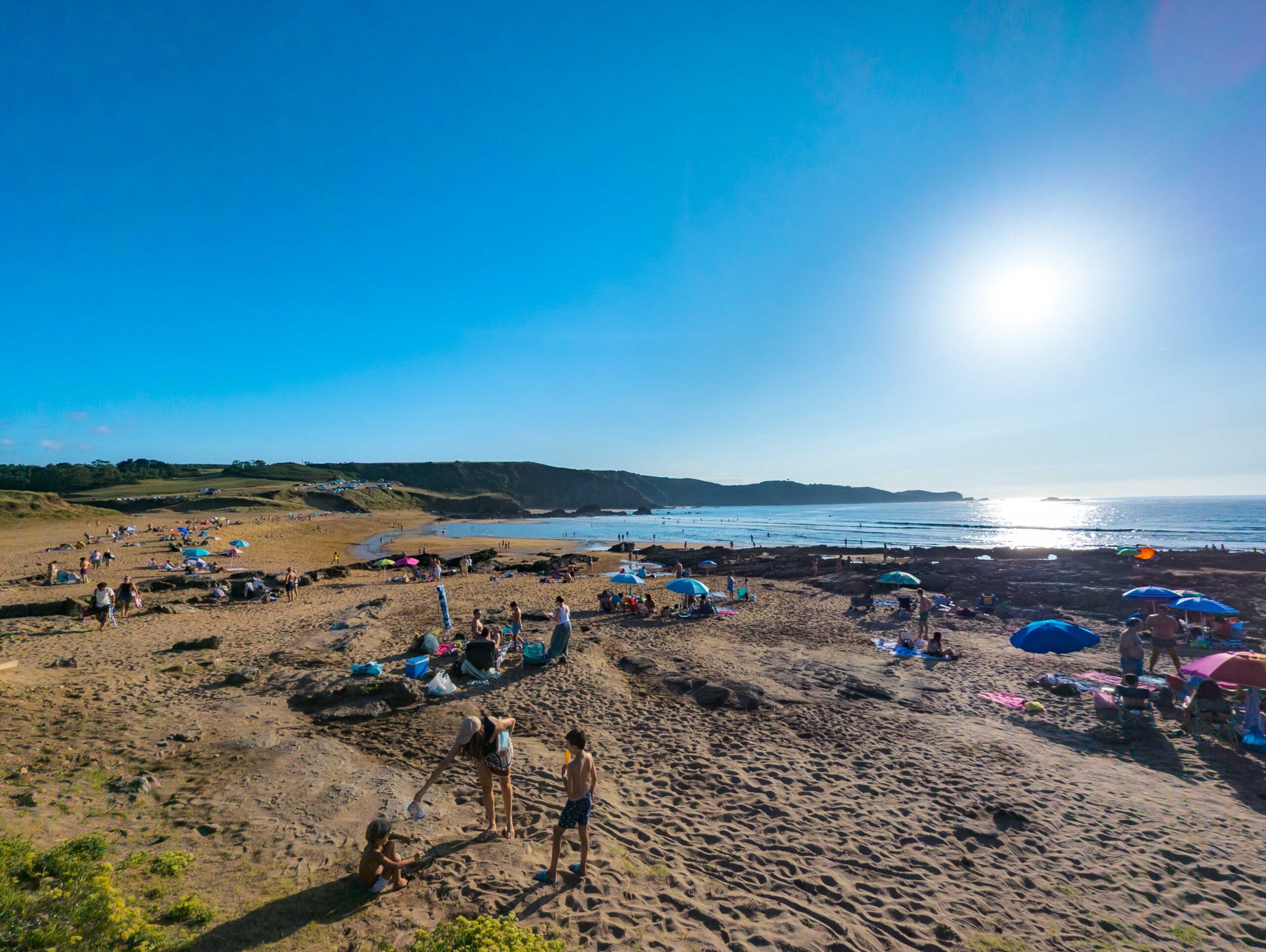
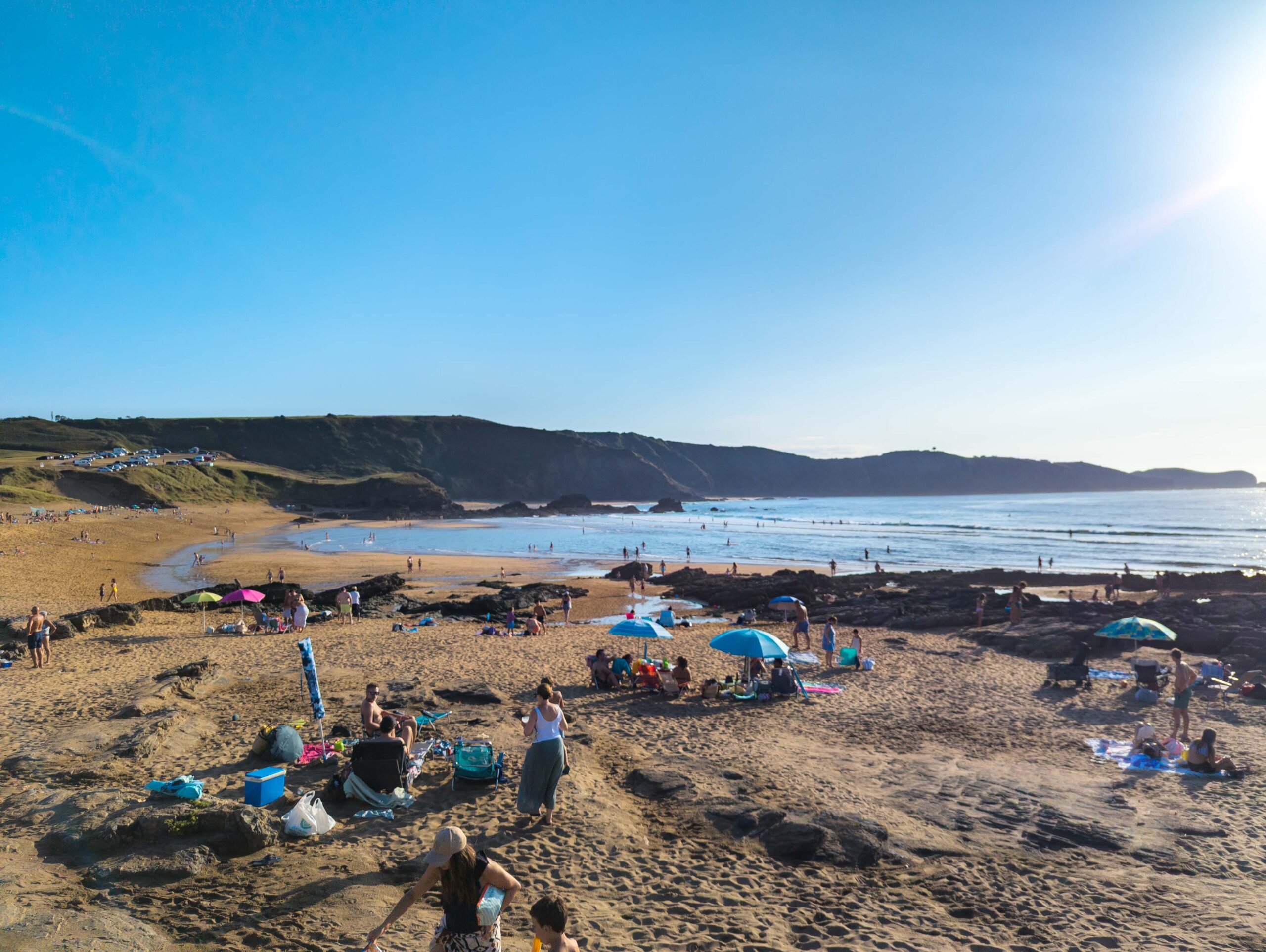
- Playa de Bañugues: A wide, sheltered tidal inlet on the northern coast known for its Paleolithic archaeological deposits and calm, expansive tidal flats. The area is famous for traditional seaside culinary culture, highlighted by a long lunch featuring authentic Asturian seafood rice.
Monday, August 17, 2026: Return Transit to Zurich
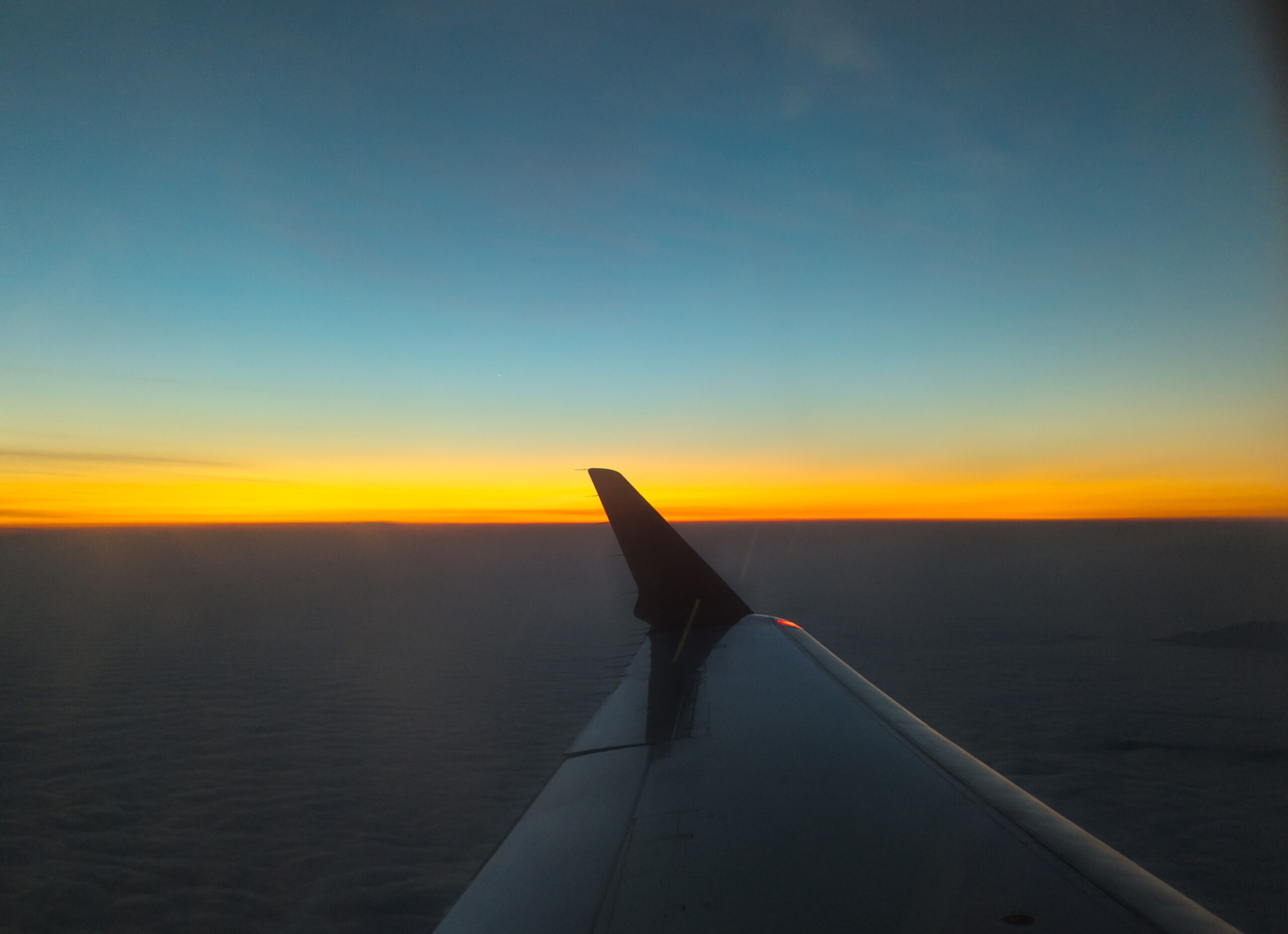
The trip concluded with an early morning transfer to Asturias Airport for the return journey to Switzerland.
Flight details for the inbound journey:
- Iberia flight IB0475 departed Asturias at 06:40 and landed at Madrid Barajas Terminal 4 at 07:50.
- Following a 55 minute connection in Madrid, Iberia flight IB3470 departed Madrid at 08:45 and touched down at Zurich Airport at 11:10.